
Maize demands soil that delivers a precise balance of drainage, aeration, and sustained nutrient release—getting it wrong means stunted stalks and sparse cobs. The right mix supports the deep root system maize needs to anchor tall plants and draw moisture during dry spells.
I’m Rikta — the co-founder and writer behind Lawn Gear Lab. I’ve spent hundreds of hours analyzing bagged soil compositions, studying maize-specific nutrient requirements, and cross-referencing real owner reports to separate effective amendments from overhyped products.
Whether you’re filling raised beds or amending heavy clay, this guide cuts through the marketing to help you find the best soil for maize that supports vigorous growth and high yields without wasting money on the wrong texture or pH.
How To Choose The Best Soil For Maize
Maize is a heavy feeder that thrives in loose, well-draining loam with a pH between 5.8 and 7.0. The wrong soil compacts around the crown, suffocates the roots, and traps moisture that invites fungal rot. Here are the three factors that separate effective maize soil from disappointing mixes.
Texture and Drainage First
Maize roots push deep and wide—up to six feet in loose soil. A mix with too much clay holds water and starves oxygen, while pure sand drains too fast and leaches nutrients. Look for a blend that contains perlite, coarse vermiculite, or coconut coir to keep pore spaces open. Bagged products labeled “garden soil” or “raised bed mix” often include the right balance of sand, silt, and organic matter for corn.
Organic Matter and Slow-Release Nutrients
Maize demands high nitrogen early and steady potassium through tasseling. Composted manure or peat-based blends provide a slow nutrient release without burning tender roots. Avoid mixes heavy in synthetic fast-release fertilizers—they can push leafy growth at the expense of cob development and cause nutrient runoff.
pH and Microbial Activity
A pH below 5.5 locks up phosphorus and calcium, two minerals maize needs for cell wall strength and kernel fill. Soil amendments like biochar or mycorrhizae-inoculated products help buffer pH swings and keep nutrients available. Test your starting pH before choosing a bag—some premium blends already contain lime or humic acids to stabilize the root zone.
Quick Comparison
On smaller screens, swipe sideways to see the full table.
| Model | Category | Best For | Key Spec | Amazon |
|---|---|---|---|---|
| FoxFarm Cultivation Nation 70:30 | Soilless Mix | Container maize with controlled watering | 70% coir / 30% perlite ratio | Amazon |
| Espoma Organic Vegetable & Flower Garden Soil | Organic Garden Soil | In-ground maize planting and transplanting | 1 cu ft with myco-tone | Amazon |
| Michigan Peat Baccto Wholly Cow | Compost Manure | Amending poor native soil for corn beds | 40 qt screened peat/manure | Amazon |
| Michigan Peat General All Purpose Potting Soil | All-Purpose Potting Mix | Maize seedlings and small container corn | 50 lb with perlite + slow-release fertilizer | Amazon |
| The Andersons BioChar DG | Organic Soil Amendment | Long-term clay soil improvement for corn | 10 lb covers 5,000 sq ft | Amazon |
| Brut Cow Compost | Composted Manure | Nutrient boost for maize raised beds | 10 qt OMRI listed | Amazon |
| FarmTek Horticultural Vermiculite | Soil Amendment | Lightening heavy soil for maize root growth | 4 cu ft coarse grade | Amazon |
In‑Depth Reviews
1. FoxFarm Cultivation Nation 70:30 Growing Media

This soilless blend of buffered coconut coir and perlite offers the precise drainage and aeration maize roots need to spread without resistance. The 70:30 ratio holds enough moisture between waterings while preventing the stagnant conditions that cause root rot in container-grown corn.
Unlike heavy garden soils that compact in pots, FoxFarm’s mix stays fluffy and open for the full growing season. Home growers report visible results—one gardener noted spinach grew two weeks faster in this coir versus other brands in a controlled test. Maize, with its aggressive root system, benefits even more from the unrestricted pore space.
The biggest advantage is consistency: no wood chips, no weed seeds, no pH surprises. It arrives ready to use straight from the bag, making it ideal for growers who want a predictable base for modular fertilization. The volume is generous for a premium product, but the weight is light enough for easy handling.
What works
- Exceptional drainage prevents crown rot in wet conditions
- Lightweight texture allows deep root penetration
- Buffered coir maintains stable pH for nutrient uptake
What doesn’t
- Requires supplemental fertilization since it has no added nutrients
- Higher cost per cubic foot than soil-based mixes
2. Espoma Organic Vegetable & Flower Garden Soil

Espoma’s organic garden soil is built around a rich blend of natural ingredients finished with earthworm castings and a proprietary mycorrhizae blend called Myco-Tone. For maize, the endo and ecto mycorrhizae colonize the root zone and extend the plant’s access to phosphorus and micronutrients locked in native soil.
The texture is loose but not sandy—it blends well with existing garden dirt without forming clods. Users report that plants in this mix significantly outperform those in generic organic products, with tomatoes and marigolds showing visibly stronger growth. The same applies to corn: the mycorrhizal network helps stalks survive transplant shock and dry spells.
A few buyers noted soil gnats appearing when used indoors, but the product is intended for outdoor garden beds where this is rarely an issue. The 1-cubic-foot bag is a practical size for amending a small maize plot without needing to haul giant bales.
What works
- Myco-Tone boosts phosphorus availability for early root growth
- Earthworm castings add gentle, sustained nitrogen
- Blends easily with clay or sandy native soil
What doesn’t
- Not suitable as a stand-alone potting mix for containers
- Some bags arrived with moisture that attracted fungus gnats
3. Michigan Peat Baccto Wholly Cow Compost and Manure
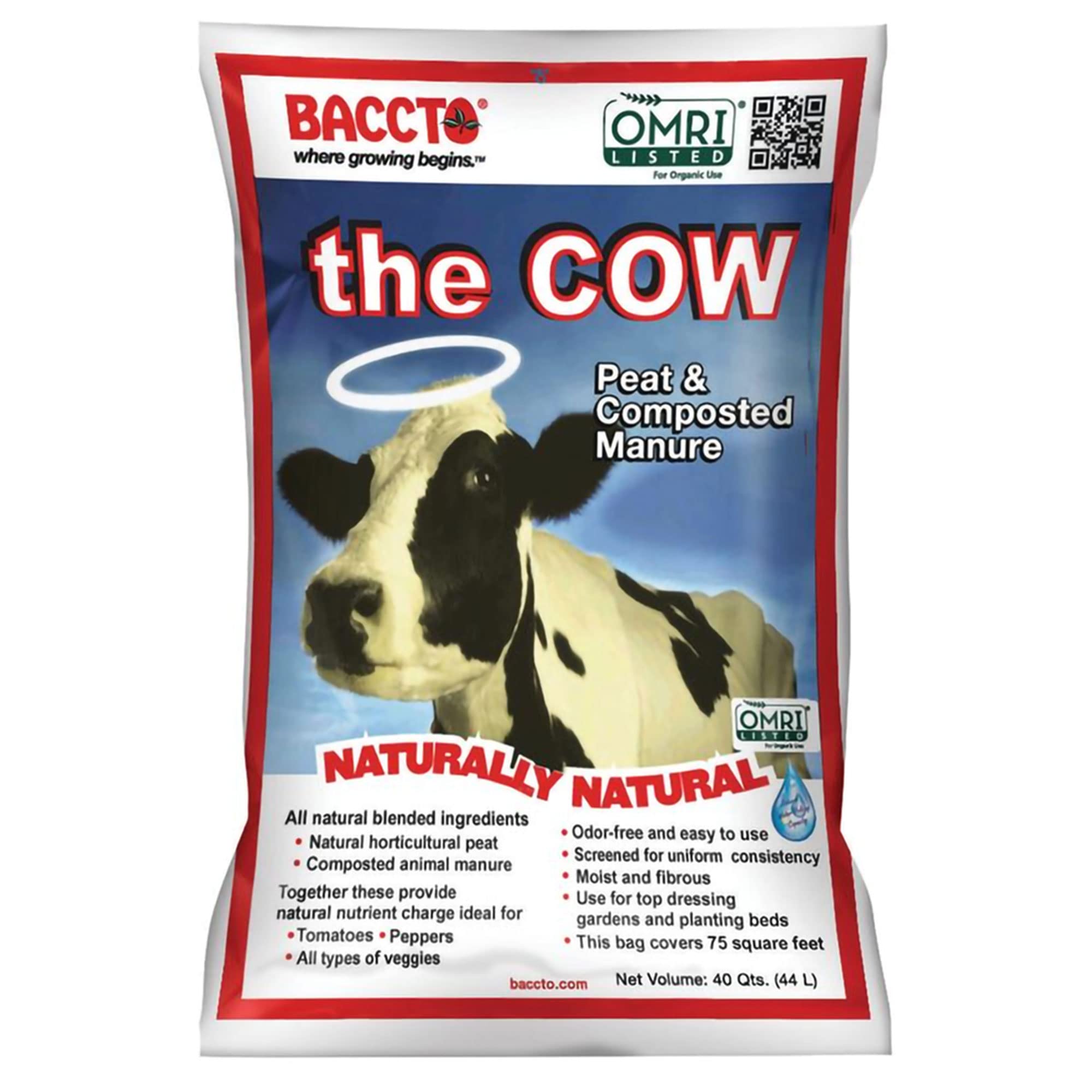
This 40-quart blend combines reed sedge peat with composted animal manure to deliver a dark, fluffy texture that heavy clay soils desperately need. Maize planted in sandy river-bottom soil or compacted suburban lots benefits from the organic matter’s natural water-holding capacity—the typical 40-quart bag can amend a 4×8-foot raised bed to a depth of a few inches.
The product is screened for uniform consistency, with minimal woody debris. One experienced grower reported using it as a mushroom substrate with only 1–3 small sticks per 5-pound increment, far cleaner than other compost brands. For corn, the absence of large chunks means even incorporation into the root zone.
The biggest surprise is the zero-odor formula. Unlike raw manure that can burn roots or attract flies, this compost is fully cured and smells like earthy dirt—pleasant enough for top-dressing lawn areas near the garden. A 78-year-old gardener using it on old river-bottom soil saw immediate improvement in raised bed performance.
What works
- Completely odor-free even when worked into warm soil
- Screened texture allows even distribution in planting holes
- Improves water retention in sand without waterlogging
What doesn’t
- Contains peat, which is not a renewable resource
- Heavier bag weight makes mixing by hand labor-intensive
4. Michigan Peat General All Purpose Premium Potting Soil

This 50-pound all-purpose blend combines dark reed sedge peat with perlite and sand, then adds starter and slow-release fertilizers for sustained feeding. For container-grown maize, the pre-mixed nutrients carry the crop through the first six to eight weeks without additional liquid feeds—a major convenience for growers who want simplicity.
The texture is coarse enough to prevent compaction in pots and raised beds, yet fine enough to hold moisture around germinating seeds. One reviewer described it as “perfect consistency for potting,” and the pre-moistened arrival means it’s ready to scoop into containers immediately. Corn planted in this mix benefits from the sand fraction, which adds weight for stability without suffocating roots.
The main drawback is the gnats. Multiple buyers report fungus gnats emerging from the bag after opening. While this doesn’t harm outdoor maize significantly, growers starting seeds indoors should let the soil dry between waterings to discourage larvae.
What works
- Includes slow-release fertilizer for extended maize feeding
- Sand content adds weight to stabilize tall stalks in pots
- No mixing required—use straight from the bag
What doesn’t
- High moisture during storage can attract fungus gnats
- Not ideal for in-ground beds due to light peat composition
5. The Andersons BioChar DG Organic Soil Amendment
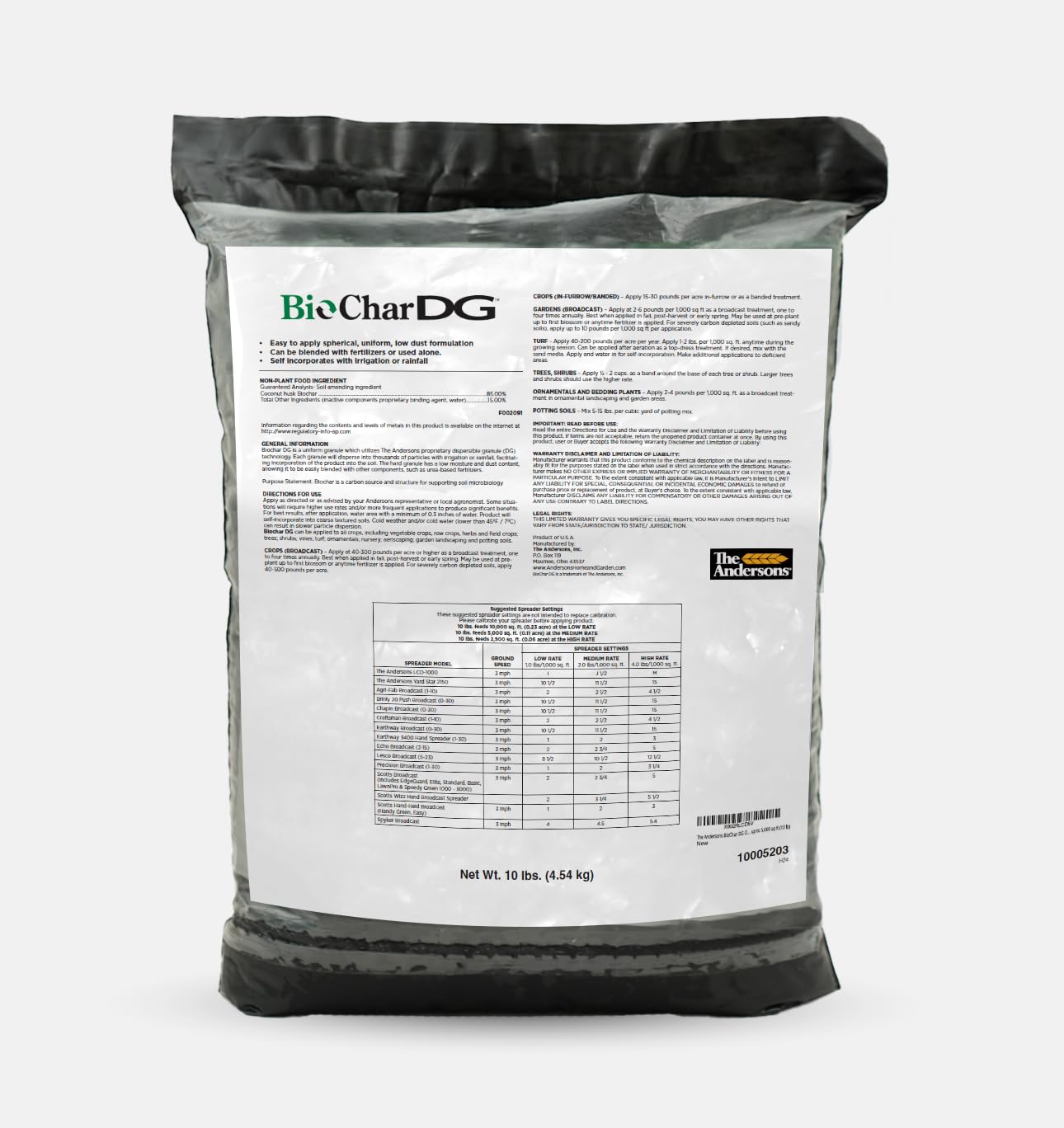
Biochar is not a growing medium—it’s a long-term soil conditioner that improves nutrient and water retention for years. The Andersons uses patented DG (dispersible granule) technology so the particles break down quickly when watered, integrating into the soil instead of sitting on top as dust. For maize grown in heavy clay, this product attracts and holds nutrients and beneficial bacteria within the root zone.
Users on clay soil report that the biochar transforms heavy ground into workable, water-permeable soil over several seasons. The granules are uniform with minimal dust, spreading easily through a drop spreader or by hand. One Bermuda grass grower noted the product darkened the soil and deepened green growth, which mirrors the response maize shows when organic carbon is available.
The catch is that biochar must be “charged” with nutrients before use, or it can temporarily tie up nitrogen. A reviewer found yellowing and stunting when the product wasn’t fully charged, which recovered after additional fertilizer. For maize, pre-charge the biochar by soaking it in compost tea or liquid fertilizer 24 hours before application.
What works
- DG technology dissolves quickly into existing soil structure
- Improves clay drainage without adding sand volume
- Active in soil for multiple seasons, reducing reapplication
What doesn’t
- Must be charged with nutrients to avoid nitrogen lockout
- Not a stand-alone soil—requires blending with a base medium
6. Brut Cow Compost – Nutrient-Rich Composted Cow Manure

Brut Cow Compost delivers a concentrated dose of composted cow manure that’s been aerated and tested for safety. The nitrogen, calcium, and iron profile supports the rapid vegetative phase maize demands—users report tomato seeds planted March 1st reached significant size by late April using a 3:2 ratio of this compost to base soil.
The texture is finely sifted with no odor, making it comfortable to work with in raised beds or mixed into potting containers. One first-time grower mixed it with Miracle-Gro potting soil at a 3:2 ratio and saw vegetable plugs “growing very fast.” For maize, blending it into the top six inches of garden soil provides a nutrient reserve that releases slowly without burning tender roots.
The 10-quart bag is compact, which is convenient for small gardens but means you’ll need multiple bags for a full corn patch. The OMRI listing confirms organic integrity, but the price per quart is higher than larger bulk compost options.
What works
- Zero odor—pleasant enough for indoor potting projects
- Finely sifted texture mixes evenly into native soil
- OMRI certified organic for clean growing
What doesn’t
- Small bag size requires multiple purchases for large plots
- Higher cost per volume compared to generic manure blends
7. FarmTek Horticultural Vermiculite 4 Cubic Feet
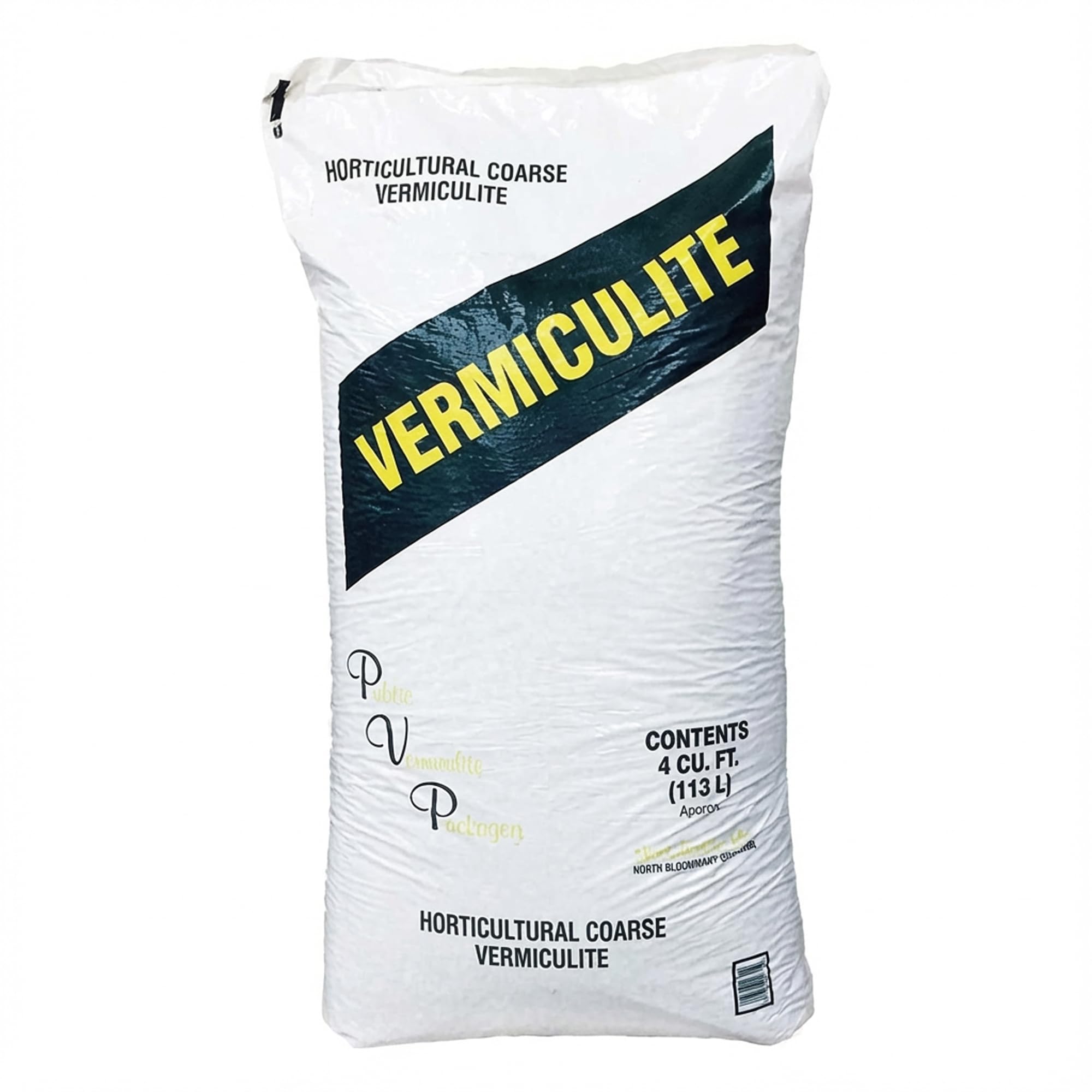
Vermiculite is a mineral amendment, not a complete soil, but it solves the single biggest problem maize growers face in heavy soil: compaction. The coarse-grade particles absorb and hold water within the root zone while maintaining open pore space for oxygen exchange—two conditions that are critical for corn’s deep taproot.
FarmTek’s 4-cubic-foot bag is the largest volume option in this list, making it the most cost-effective amendment per cubic foot. Users describe it as “serious vermiculite”—dust-free, pH-neutral, and sterile. One grower used it to create Mel’s Mix for a fruit and vegetable garden and praised its moisture retention. For maize, blending 20–30 percent vermiculite into clay or sandy loam transforms the texture into a workable loam.
The main issue is shipping. Multiple buyers report receiving damaged bags or having the product swapped for perlite by third-party sellers. Order directly or through reliable fulfillment to avoid surprises; the product itself is excellent for aeration.
What works
- Coarse particles last longer than fine vermiculite in soil
- pH-neutral composition won’t alter soil chemistry
- Excellent water-holding capacity for drought-prone beds
What doesn’t
- Bags often damaged during shipping with product loss
- Requires mixing with compost or fertilizer to support maize
Hardware & Specs Guide
Coir-to-Perlite Ratio in Soilless Mixes
The 70:30 coir-to-perlite ratio found in FoxFarm’s Cultivation Nation provides the ideal balance of water retention and drainage for container maize. Coir holds moisture like peat but wets out faster, while perlite creates air pockets that prevent root suffocation. A ratio with more than 40 percent perlite drains too fast for corn’s high water demand; less than 20 percent retains too much moisture and risks stem rot.
Mycorrhizal Inoculation in Organic Blends
Endo and ecto mycorrhizae, as found in Espoma’s Myco-Tone, form symbiotic relationships with maize roots. The fungi extend the root’s reach into soil pores, increasing phosphorus and micronutrient absorption by up to 80 percent. For in-ground corn, especially in low-fertility native soil, a mycorrhizae-inoculated product reduces the need for synthetic phosphorus inputs.
FAQ
Can I use standard potting soil for maize in raised beds?
How deep should the soil be for healthy maize root growth?
What pH range is best for soil used to grow maize?
Final Thoughts: The Verdict
For most gardeners, the soil for maize winner is the FoxFarm Cultivation Nation 70:30 because its precise coir-perlite ratio delivers the drainage and aeration container corn demands while staying light enough to handle. If you want a nutrient-rich organic base that improves in-ground native soil, grab the Espoma Organic Vegetable & Flower Garden Soil. And for fixing heavy clay or sandy plots on a budget, nothing beats the value of the Michigan Peat Baccto Wholly Cow Compost.