
Amaryllis bulbs are genetically programmed to bloom, but the difference between a single, lackluster stalk and a symphony of oversized, vividly colored trumpets often comes down to one thing: the nutrient mix they receive during their active growth and post-bloom recovery phases. A generic all-purpose feed can push leafy growth at the expense of flower development, which is why experienced bulb growers reach for a formula specifically weighted toward phosphorus and potassium.
I’m Rikta — the co-founder and writer behind Lawn Gear Lab. I’ve spent countless hours comparing NPK ratios, studying the specific nutrient uptake patterns of Hippeastrum bulbs, and analyzing owner feedback to pinpoint which formulations consistently deliver the most dramatic floral results.
Whether you are coaxing a holiday bulb into its first show or recharging a perennial favorite for next season, this guide to the best fertilizer for amaryllis breaks down the exact analysis and form you need to maximize bloom size, color intensity, and bulb strength.
How To Choose The Best Fertilizer For Amaryllis
Amaryllis bulbs store energy in their scales, and the fertilizer you apply during the active growth window directly determines how much of that energy is diverted to flower formation versus leaf expansion. Nailing the right formula means understanding NPK priorities, release speed, and organic versus synthetic options.
Understanding NPK: Why Phosphorus Leads
Nitrogen (N) drives green foliage, phosphorus (P) fuels root and flower development, and potassium (K) supports overall vigor and disease resistance. For amaryllis, the middle number is the star. A ratio like 10-30-20 or 4-10-10 delivers a phosphorus boost that initiates bloom scapes and thickens petals. A balanced 10-10-10 can be used during leaf growth but should be swapped for a high-P feed once flower stalks emerge.
Liquid, Powder, or Granular: Release Speed Matters
Liquid fertilizers, like the TPS Nutrients amaryllis-specific formula, deliver nutrients immediately and are ideal for potted plants you can water on a schedule. Water-soluble powders, such as Jack’s Classic Blossom Booster, offer the same fast action but in a concentrated form that yields more gallons per dollar. Granular slow-release options, like Espoma Bulb-Tone, break down gradually and are better suited for garden beds or heavy feeders that need sustained nutrition over several months.
Organic vs. Synthetic: Soil Health and Bloom Intensity
Organic fertilizers, including Espoma Bulb-Tone and Miracle-Gro Performance Organics, feed the soil microbiome and release nutrients as microbes break them down. This gentler approach reduces the risk of salt buildup and root burn in containers. Synthetic formulas provide an immediate, precisely measurable nutrient surge that can push faster, more dramatic bloom results — but require careful dosing to avoid overfeeding a sensitive bulb.
Quick Comparison
On smaller screens, swipe sideways to see the full table.
| Model | Category | Best For | Key Spec | Amazon |
|---|---|---|---|---|
| Jack’s Classic 10-30-20 | Water-Soluble Powder | Maximum bloom size & color | 10-30-20 NPK | Amazon |
| Cz Garden 4-10-10 | Granular | Long-lasting bulb nutrition | 4-10-10 + 2% Iron | Amazon |
| Espoma Bulb-Tone 3-5-3 | Organic Granules | Organic bulb feeding | 3-5-3 + 6% Calcium | Amazon |
| Lilly Miller Bulb & Bloom 4-10-10 | Powder | Established bulb beds | 4-10-10 Slow Release | Amazon |
| Miracle-Gro Performance Organics | Organic Granules | Organic blooms with trust | 5-7-10 Covers 165 sq. ft. | Amazon |
| Espoma Organic Bloom! Liquid | Organic Liquid | Quick organic feeding | 1-3-1 Liquid Concentrate | Amazon |
| TPS Nutrients Amaryllis Fertilizer | Liquid | Species-specific feeding | 8 oz Liquid | Amazon |
In‑Depth Reviews
1. Jack’s Classic 10-30-20 Blossom Booster
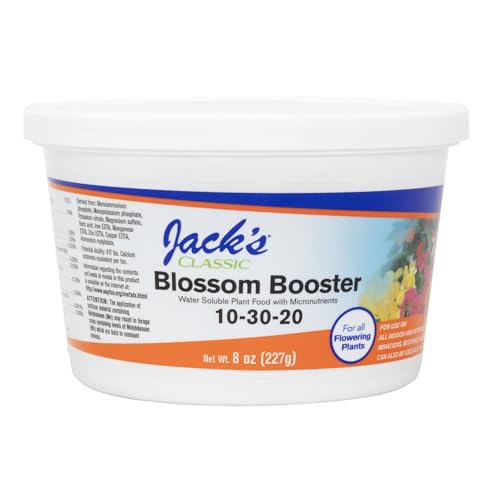
The 10-30-20 NPK ratio in this water-soluble powder is nearly perfect for forcing amaryllis bloom production. The elevated phosphorus content is three times higher than the nitrogen, which directs the plant’s energy into initiating flower scapes rather than churning out leaves. Users consistently report that their Hoyas, jasmine, and amaryllis respond with denser clusters and deeper petal coloration within two weeks of the first application.
One 8-ounce tub mixes into roughly 40 gallons of nutrient solution, making it a high-value option for collections with multiple amaryllis or mixed flowering bulbs. The included measuring spoon removes guesswork, although you will want to store the tub in a dry location because the powder can clump in humid conditions. A few users noted the container arrives partially filled due to settling during shipping, but the net weight is accurate.
For the most dramatic bloom response from a synthetic formula, this Blossom Booster is the standard. It also works well as a foliar spray, giving an extra direct nutrient hit to the emerging bud sheaths. Just wear gloves when mixing — the powder can cause a mild skin irritation on contact.
What works
- High-phosphorus ratio triggers fast, visible bloom initiation
- Concentrated powder yields many gallons per tub
- Works for both root drench and foliar feeding
What doesn’t
- Powder can settle and appear underfilled in tub
- Requires careful measurement to avoid salt burn
2. Cz Garden 4-10-10 Bulb and Bloom Fertilizer

The 4-10-10 analysis is a classic bulb-boosting profile, and Cz Garden strengthens the formula with 2% iron to deepen green leaf color while the phosphorus and potassium drive flower formation. The heavy-duty resealable pouch makes it easy to scoop out just the right amount for a single pot or a whole bed, and the granules break down at a moderate pace that sustains bulb health through several weeks without constant reapplications.
Owner feedback shows this product consistently wakes up reluctant bloomers — bougainvillea that refused to flower and African daisies that needed a phosphorus push both showed positive results. For amaryllis, the granular form is particularly useful during the early growth phase when you can top-dress the container and let slow-release feeding do the work alongside watering.
The 4-pound bag provides extensive coverage for a large collection of amaryllis pots or an outdoor bulb garden. The key limitation is that granular feeds require active soil moisture to break down, making them slightly less immediate than liquid options for container plants that you monitor closely.
What works
- 2% iron enhances foliage color while boosting blooms
- Resealable pouch keeps granules dry and fresh
- Slow-release action reduces feeding frequency
What doesn’t
- Granular breakdown depends on consistent soil moisture
- Less precise for small single-pot feeding
3. Espoma Organic Bulb-Tone 3-5-3

Espoma’s Bulb-Tone is a staple among organic bulb gardeners, and its 3-5-3 analysis combined with 6% calcium makes it a strong match for amaryllis. The calcium helps strengthen cell walls in the flower stalks, reducing the risk of toppling under the weight of large blooms. The Bio-tone beneficial microbes assist nutrient breakdown, which is especially valuable in container environments where soil biology is often depleted.
Because it is a no-mix granular product, you can drop a teaspoon directly into the planting hole when potting a new amaryllis bulb or sprinkle it on the soil surface of established plants. Multiple long-term users report using this product yearly on bulbs like daffodils and tulips with consistent improvements in bloom count and plant vigor over several seasons.
The trade-off is that the 3-5-3 ratio is milder than synthetic bloom boosters, so you may not see the immediate explosive flower response that a 10-30-20 formula delivers. For growers committed to organic practices or who want a gentle, sustained feed that supports soil health, this is the pick.
What works
- Certified organic with calcium for stalk strength
- No mixing required — apply directly to soil
- Bio-tone formula improves long-term soil health
What doesn’t
- Mild NPK ratio may not push big blooms as fast
- Granular form is slower in cool soil
4. Lilly Miller Bulb & Bloom Food 4-10-10

Lilly Miller’s 4-10-10 formula delivers the same phosphorus-to-potassium emphasis as premium blends but at a noticeably lower cost per pound, making it a strong contender for anyone managing a large bulb collection. The slow-release feeding mechanism provides a steady nutrient stream that aligns well with amaryllis’s growth cycle — supporting foliage expansion in early spring and then fueling bud development as days lengthen.
Experienced amaryllis owners on the forum have noted that this product outperforms basic 10-10-10 formulas when used during the pre-bloom and post-bloom feeding windows. The powder form can be sprinkled around the drip line of potted bulbs and watered in, or worked into the top inch of soil in garden beds. One caveat: availability can be spotty in brick-and-mortar stores, so ordering online is often the most reliable route.
The 4-pound bag provides about eight full feeding cycles for a standard 6-inch amaryllis pot if applied at the recommended monthly rate. It is not organic, but the slow-release nature reduces the risk of salt buildup that can plague heavily fertilized container plants.
What works
- Budget-friendly option without sacrificing phosphorus
- Slow release prevents nutrient spikes
- Works well for spring and fall bulb feeding
What doesn’t
- Hard to find in local garden centers
- Not organic certified
5. Miracle-Gro Performance Organics Blooms Plant Nutrition Granules

Miracle-Gro’s Performance Organics line bridges the gap between conventional synthetic convenience and organic ingredients, and the Blooms formula carries a 5-7-10 analysis that tilts toward flower production without completely abandoning nitrogen for leaf support. The OMRI listing gives organic gardeners confidence, and the granular form releases nutrients over a 4-6 week window, aligning perfectly with amaryllis feeding schedules.
Users report seeing visible differences in bloom size and quantity within one to two weeks of application, especially on plants like Mandevilla and butterfly bush that share the same phosphorus-hungry growth habit as amaryllis.
The granules do have a noticeable earthy odor that some users find off-putting, and the paper seal under the lid can be loose, allowing granules to shift during shipping. Still, the combination of organic certification, a balanced bloom-focused ratio, and a trusted brand name makes it a reliable mid-range option.
What works
- OMRI listed with natural and organic ingredients
- Balanced 5-7-10 ratio supports foliage and blooms
- Covers large area for garden use
What doesn’t
- Seal can loosen during shipping
- Odor is stronger than synthetic alternatives
6. Espoma Organic Bloom! Liquid Concentrate

Espoma’s Bloom! liquid concentrate is formulated with kelp extracts and humic acids that provide a gentle but effective nutrient boost for flowering plants, including amaryllis. The 1-3-1 ratio is low in total concentration, which reduces the risk of overfeeding sensitive bulbs, and the liquid form delivers nutrients immediately upon watering. One capful per gallon is all it takes for a single feeding session.
Reviews consistently praise the product for producing noticeably more flowers on lantanas, gardenias, and hydrangeas, and several users noted that the formula outperforms synthetic options like Miracle-Gro in terms of overall plant vibrancy. The liquid is also easy to apply to hanging baskets and potted amaryllis where granular feeds might sit on the surface.
The 16-ounce bottle does not go very far if you are feeding a large collection — some users with extensive gardens wished for a larger size. The product also has a pungent organic odor that can be strong when mixing, so ventilation is recommended. For organic growers who want a fast-acting liquid they can apply every two to four weeks, this is a solid pick.
What works
- Gentle 1-3-1 ratio is safe for frequent feeding
- Contains kelp and humic acids for root health
- Fast-acting liquid hits roots immediately
What doesn’t
- Small bottle size requires frequent repurchase
- Organic odor can be strong during mixing
7. TPS Nutrients Amaryllis Fertilizer — Liquid Plant Food
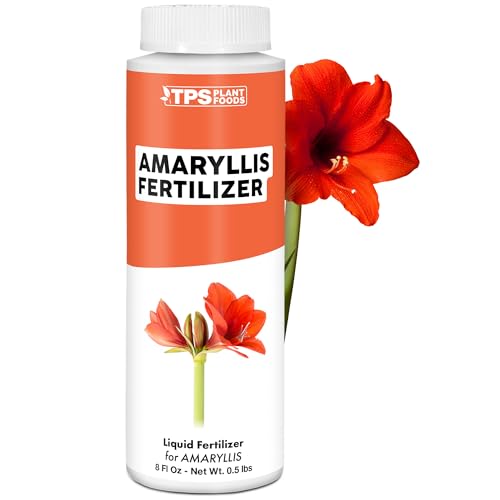
The TPS Nutrients formula is one of the few products on the market that brands itself specifically for amaryllis, and the liquid formulation targets the bloom cycle directly. Users report strong results — one reviewer noted an amaryllis bulb that had delayed its expected December bloom until April resumed flowering after just one application. The 8-ounce bottle is concentrated, so a small amount goes a long way for a single potted bulb.
This product is designed to support both indoor and outdoor use, which is useful if you move your amaryllis between a windowsill and a summer patio. The liquid penetrates the soil quickly and provides immediate nutrition without waiting for granules to break down. The manufacturer is based in the USA and the formula appears to be tailored to the specific growth phases of Hippeastrum species.
The main limitation is the small bottle size and low coverage — it is best suited for one to three bulbs rather than a large garden bed. The price per ounce is higher than multi-purpose fertilizers, but the species-specific targeting may appeal to growers who want a no-guesswork solution for their amaryllis.
What works
- Formulated specifically for amaryllis growth cycles
- Liquid form provides fast absorption
- Easy to use for indoor potted bulbs
What doesn’t
- Small bottle offers limited total volume
- Higher cost per ounce than generic alternatives
Hardware & Specs Guide
NPK Ratio — The Language of Bloom
The three numbers on a fertilizer label represent the percentage by weight of nitrogen (N), phosphorus (P), and potassium (K). For amaryllis, the middle number is the critical one. A ratio like 10-30-20 or 4-10-10 indicates a formula weighted toward phosphorus, which is directly responsible for flower initiation, root development, and the transport of energy within the bulb. Low phosphorus levels result in fewer flower stalks, smaller blooms, and pale color.
Release Speed — Immediate vs Gradual Feeding
Liquid fertilizers, such as the TPS Amaryllis and Espoma Bloom! products, are immediately available to the plant and are ideal for nutrient correction or for fast-feeding potted bulbs. Water-soluble powders provide the same rapid uptake but must be mixed fresh each watering. Granular formulas, both organic and synthetic, release nutrients over 4-8 weeks depending on soil temperature and moisture. For amaryllis, a granular slow-release feed works well during the active leaf-growth phase, while a liquid boost is better when flower stalks are emerging.
FAQ
What is the best NPK ratio for amaryllis fertilizer?
Should I use liquid, powder, or granular fertilizer for potted amaryllis?
Can I use a general-purpose bloom booster for amaryllis?
Final Thoughts: The Verdict
For most gardeners, the fertilizer for amaryllis winner is the Jack’s Classic 10-30-20 Blossom Booster because its high-phosphorus ratio delivers the most dramatic bloom yield per dollar and works equally well as a root drench or foliar feed. If you want organic certification and a long-term soil-building approach, grab the Espoma Organic Bulb-Tone. And for no-fuss liquid feeding that targets amaryllis directly, nothing beats the TPS Nutrients Amaryllis Fertilizer.