
Tulips in containers demand a specific soil architecture: fast drainage to prevent bulb rot, a slightly acidic to neutral pH range for nutrient uptake, and enough organic matter to sustain the bulb through its bloom cycle without becoming waterlogged. Standard garden soil or cheap all-purpose mixes often compact in pots, suffocating roots and leading to premature wilting or failed flowering.
I’m Rikta — the co-founder and writer behind Lawn Gear Lab. I spend my time cross-referencing bagged mix formulas, studying texture ratios, and analyzing hundreds of verified owner reports so you know exactly which blend gives tulip bulbs the right balance of aeration and moisture control.
This guide breaks down the top blends for container tulips, from fast-draining orchid bark mixes to pH-balanced peat blends, all tested against the specific needs of forced bulbs. Finding the right soil for tulips in pots means matching the texture, pH, and nutrient profile to the bulb’s dormant-to-active cycle.
How To Choose The Best Soil For Tulips In Pots
Tulip bulbs are storage organs that rot quickly in dense, wet media. The ideal mix must drain excess water within minutes while holding enough moisture to sustain root development during the cooling period. Beyond drainage, pH and nutrient delivery matter because pots limit the volume of soil the bulb can mine.
Drainage Speed and Texture
Look for a mix that contains perlite, coarse sand, or pine bark fines. These particles create air pockets that let water flow out freely. A mix that stays soggy for hours will cause basal rot, a common failure with standard indoor potting soils that rely too heavily on peat.
pH Range
Tulips prefer a pH between 6.0 and 7.0. Most peat-based mixes land around 5.5 to 6.0, which is slightly acidic. If your blend is too acidic, adding a small amount of lime (like in some pre-mixed formulas) can bring it into the sweet spot. Avoid mixes high in uncomposted bark that can drive pH too low.
Nutrient Load
Bulbs contain their own stored energy, so heavy fertilizers during early growth can burn tender roots. Choose a mix with a mild, slow-release feed or no added fertilizer at all. Liquid feed can be introduced after shoots emerge. Mixes with “feeds for up to 6 months” are fine if the nutrient release is gentle.
Quick Comparison
On smaller screens, swipe sideways to see the full table.
| Model | Category | Best For | Key Spec | Amazon |
|---|---|---|---|---|
| Lambert Potting Mix | All-Purpose | Bulbs needing consistent aeration | 8 qt / peat-moss-perlite blend | Amazon |
| Miracle-Gro Indoor (6qt 2-Pack) | Indoor Mix | Gnat-free container planting | 6 qt / no compost or bark | Amazon |
| Miracle-Gro Organic Indoor | Organic | Overwatering protection | 8 qt / coir + peat + fertilizer | Amazon |
| Midwest Hearth Premium | Seed Starter | pH-controlled small pots | 4 qt / peat-vermiculite-perlite | Amazon |
| HOUNANG Orchid Mix | Bark-Based | Maximum drainage for bulbs | 4 qt / pine bark + coco peat + perlite | Amazon |
| Soil Sunrise Bird of Paradise | Tropical Blend | Aeration in deep pots | 8 qt / peat + perlite + lime | Amazon |
| Soil Sunrise Peace Lily | Custom Blend | Nutrient retention for bulbs | 12 qt / bark + peat + perlite + sand | Amazon |
In‑Depth Reviews
1. Lambert Potting Mix
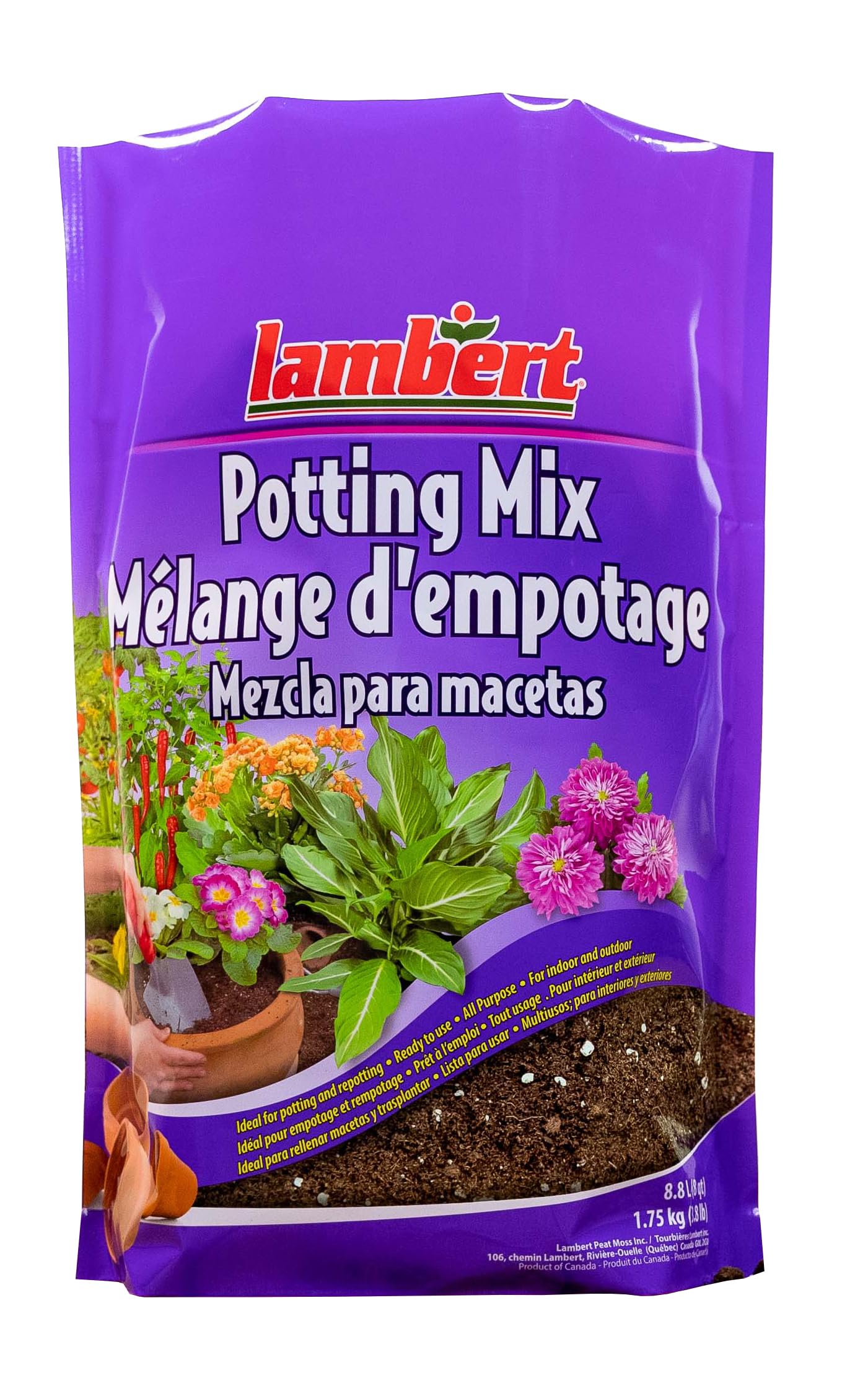
Lambert’s ready-to-use blend hits the sweet spot for tulip bulbs: a peat-moss and perlite base that drains quickly yet retains enough moisture for root development during the cool stratification period. Multiple owners report visible revival in stressed plants after repotting, which aligns with the mix’s consistent, filler-free texture that avoids the clumping issues common in lower-grade soils.
The 8-quart bag covers two to three standard 8-inch pots, making it practical for small container gardens. Reviewers consistently note the clean, uniform particle size and the absence of cheap fillers, which translates to predictable drainage — exactly what tulip bulbs need to avoid basal rot. The eco-friendly sourcing is a bonus for sustainability-minded growers.
One caveat: for tulips started from seeds or very tiny bulbils, the mix may contain small debris that requires sifting. For mature tulip bulbs, the texture is ideal. It also lacks a long-term fertilizer charge, so you will need to provide liquid feed once shoots appear above the soil line.
What works
- Consistent, well-draining texture prevents bulb rot
- Clean and free of cheap fillers that compact over time
- Versatile across indoor and outdoor containers
What doesn’t
- May need sifting for very small seeds or bulbils
- No built-in fertilizer — requires supplemental feeding
2. Miracle-Gro Indoor Potting Mix (6qt 2-Pack)
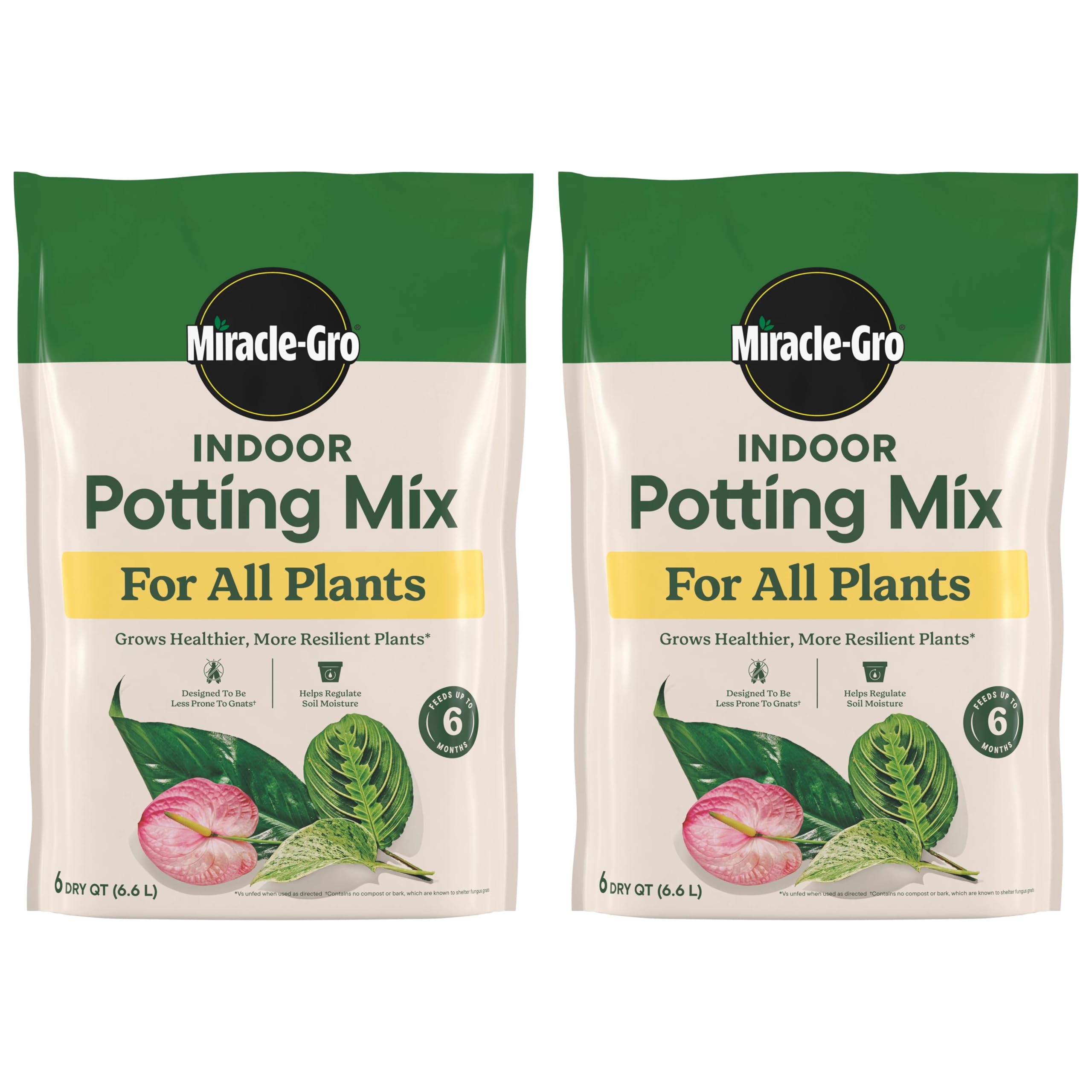
This formula omits compost and bark specifically to avoid sheltering fungus gnats, which are a common nuisance when potting bulbs indoors. The peat-coco coir-perlite blend provides the water retention and release cycle that tulip bulbs need without turning into a breeding ground for pests. Owners switching to this mix from organic varieties report a near-total disappearance of gnat populations.
The 6-quart bags fill four 6-inch containers, ideal for a small tulip display. The soil texture is light and easy to work with, and the built-in feed lasts up to six months, meaning you can plant bulbs in fall and not worry about nutrients until spring growth emerges. Reviewers emphasize the reliable consistency — no clumps, no sticks, no surprises.
Downsides include a dusty opening experience and a formula that may stay too moist for succulents but is perfectly suited for tulips. The lack of bark chunks means less structural aeration than a bark-based orchid mix, so adding 10-15% perlite is recommended for heavy-handed waterers.
What works
- No compost or bark means significantly fewer fungus gnats
- Feeds plants for up to 6 months out of the bag
- Light, consistent texture that settles evenly around bulbs
What doesn’t
- Can be dusty when first opened
- May need extra perlite for faster drainage
3. Miracle-Gro Organic Indoor Potting Mix (8qt 2-Pack)

Designed to protect against both over- and under-watering, this organic mix uses coir and sphagnum peat to buffer moisture levels. For tulip growers who struggle with finding the right watering cadence during the cold storage phase, this blend provides a forgiving margin. The OMRI listing confirms the organic integrity, appealing to buyers who avoid synthetic fertilizers near edible crops or sensitive bulbs.
The 8-quart bags are generous, covering two 8-inch containers each. Owners transitioning from synthetic mixes note that the organic formula drastically reduced gnat issues compared to compost-heavy soils. The quick-start natural fertilizer is mild enough that tulip bulbs won’t suffer fertilizer burn during initial root development.
Some users find it retains moisture a bit too well if the container lacks drainage holes. For tulip pots, ensure you have a clear drainage layer at the bottom. A handful of reviewers also add perlite to boost aeration, which is a straightforward tweak that improves performance in shallow bulb pans.
What works
- Excellent moisture regulation helps prevent bulb rot
- OMRI listed for organic gardening
- Natural fertilizer won’t burn tender new roots
What doesn’t
- Holds water well — needs pots with drainage holes
- Some buyers add perlite for extra aeration
4. Midwest Hearth Premium Potting Soil Mix

The pH-controlled formulation in this Midwest Hearth blend is a standout for tulip growers who understand that bulbs are sensitive to acidity extremes. With balanced pH levels and a light texture from peat moss, vermiculite, and perlite, this mix supports strong root anchoring without the compaction that strangles bulb development in small pots.
The 4-quart bag is compact, making it an excellent choice for a single 8-inch pot or a shallow bulb pan. Owners report faster germination and stronger root systems compared to generic bagged soils, and the resealable bag keeps unused mix fresh for later planting. The US-made sourcing also appeals to buyers wanting to avoid imported fillers.
Because this is a drier mix by design, it benefits from pre-soaking before bulb planting to ensure even moisture distribution. Some buyers note it drains very quickly, so during the active growth phase you may need to water more frequently than with coir-heavy blends.
What works
- pH balanced specifically for broad plant compatibility
- Light, fluffy texture promotes root expansion
- No weeds, bugs, or bad odor reported
What doesn’t
- Small 4-quart bag covers only one pot
- Requires pre-soaking to avoid dry spots
5. HOUNANG Orchid Potting Mix
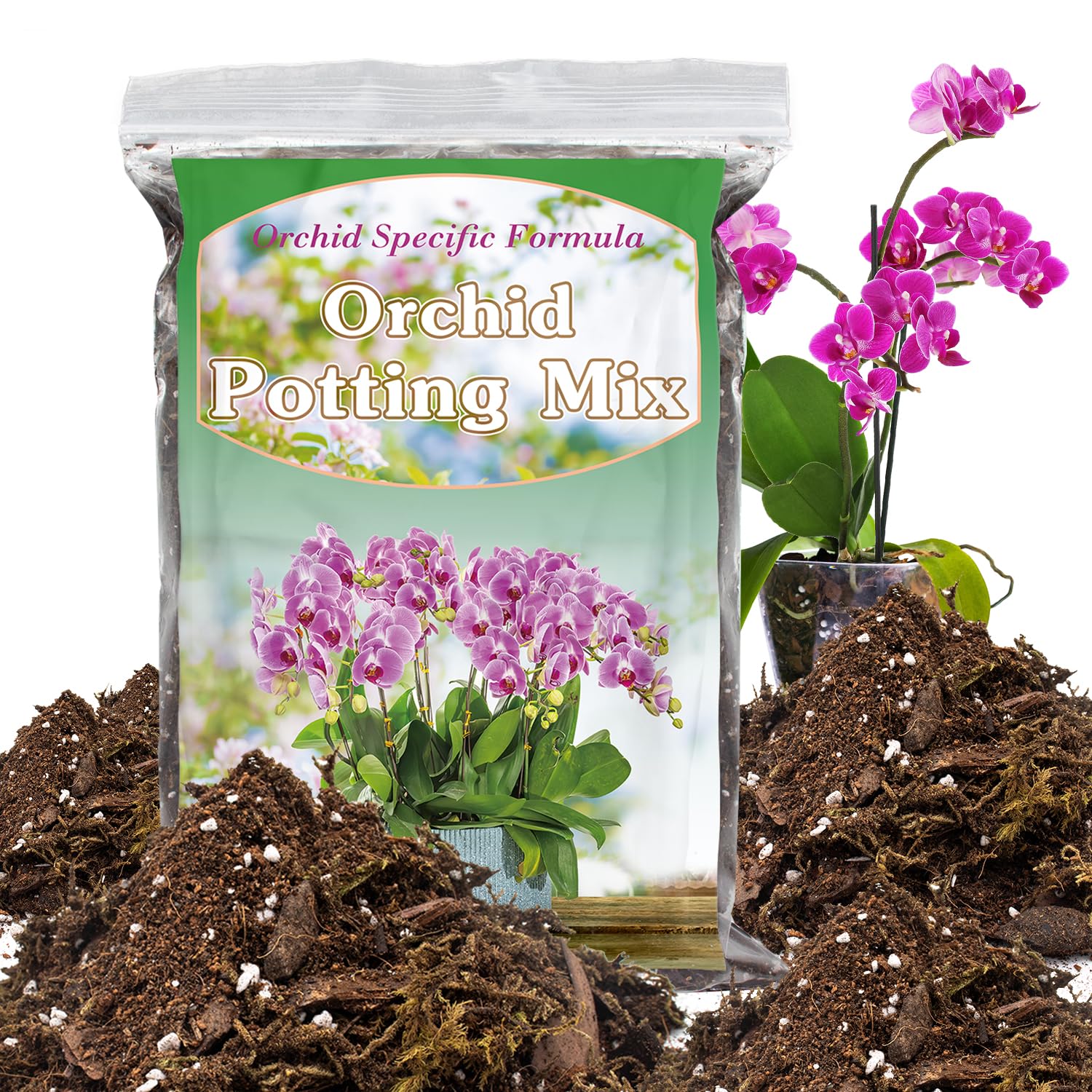
This orchid-specific blend of moss, cocoa peat, pine bark, and perlite offers the highest drainage speed of any mix in this list. For tulip bulbs that are prone to rot in heavy clay or dense potting soils, the coarse bark chunks create large air pockets that let water flow through almost instantly. It is the go-to choice if you tend to overwater or if your containers lack wide drainage holes.
The 4-quart bag is ample for multiple small bulb pots. Owners of orchids and other epiphytic plants praise the blend’s ability to aerate roots and prevent drowning, a benefit that translates directly to tulips grown in pots. The inclusion of cocoa peat adds a gentle nutrient boost without making the mix heavy.
However, the bark pieces are irregular in size, with some chunks being quite large. This can create uneven moisture distribution if the mix isn’t thoroughly blended before use. Adding a handful of horticultural charcoal helps buffer impurities and improve consistency. It also contains no long-term fertilizer, so you’ll need to supplement during the bloom phase.
What works
- Excellent drainage prevents root and bulb rot
- Pine bark and perlite provide long-lasting aeration
- Pre-mixed and ready to use with no preparation
What doesn’t
- Bark chip sizes vary, causing uneven moisture
- No built-in fertilizer — requires separate feeding
6. Soil Sunrise Bird of Paradise Potting Soil Mix

Formulated for tropical plants that demand fast drainage and high aeration, this soilless blend of peat moss, perlite, and lime hits a pH range that suits tulips well. The lime buffer prevents the peat from making the mix too acidic, keeping the pH near the 6.0-6.5 sweet spot. Owners of Bird of Paradise plants note excellent recovery from root rot, a quality that translates to protecting tulip bulbs from the same fate.
The 8-quart bag fills a 12-inch pot, giving you enough volume for a substantial tulip display. The resealable bag is convenient for apartment dwellers who don’t have storage space for open soil bags. The mix is dry and light, so it absorbs water slowly on the first watering — a quick pre-moisten step solves this.
This blend contains no added fertilizer, so tulip bulbs relying on stored energy will be fine initially, but you need to provide liquid feed once stems emerge. Some users find the texture too airy for plants that prefer denser soil, but that quality is precisely what makes it suitable for tulips in pots.
What works
- pH balanced with lime to prevent acidity spikes
- Excellent aeration supports healthy root systems
- Resealable bag for convenient storage
What doesn’t
- Very dry texture requires pre-moistening
- No fertilizer included — needs supplemental feeding
7. Soil Sunrise Peace Lily Potting Soil Mix
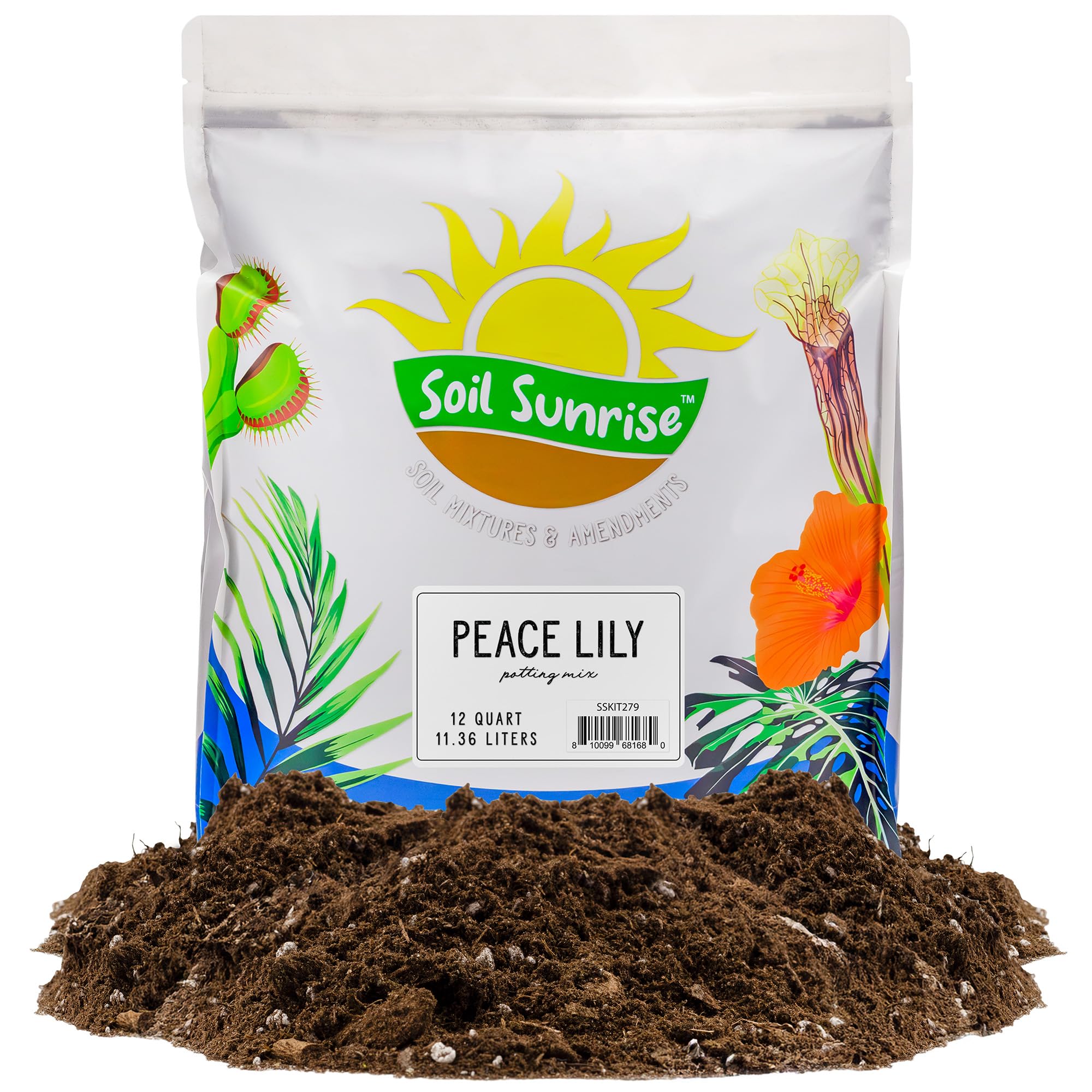
This custom blend combines pine bark, peat moss, perlite, sand, and lime to create a mix that retains nutrients while still draining well. The sand component adds weight and structural stability, which helps anchor tulip bulbs in deeper pots. Owners report that struggling peace lilies bounce back quickly, indicating the mix provides a strong foundation for root recovery — a useful trait for tulips that have been stored over winter.
The 12-quart bag is the largest in this lineup, covering three to four medium pots, making it economical for growers planning multiple containers. The blend is 100% natural with no artificial chemicals, aligning with organic gardening preferences. The inclusion of lime again helps maintain a stable pH, critical for tulips that are sensitive to acidic conditions.
While effective, several buyers note the bag size feels small relative to the price, and the mix requires thorough mixing before use because the sand can settle during shipping. Some long-term users add extra perlite to further improve drainage if the pots are shallow.
What works
- Larger 12-quart bag covers multiple pots
- Sand adds weight and stability for tall tulip stems
- pH balanced with lime for consistent results
What doesn’t
- Sand can settle during shipping — needs remixing
- Premium price for the bag volume offered
Hardware & Specs Guide
Peat Moss vs. Coir
Peat moss holds water well and acidifies the mix, useful for tulips that like slightly acidic conditions. Coir (coconut fiber) is more pH-neutral and rehydrates faster after drying out, making it a better choice for growers who let pots dry between waterings. Blends using both offer a balanced moisture buffer.
Perlite and Aeration
Perlite is volcanic glass that creates air pockets in the soil. For tulips in pots, a mix with at least 15-20% perlite ensures oxygen reaches the root zone even after watering. Vermiculite holds more water than perlite, so it is better for moisture-sensitive bulbs if used in moderation.
Bark Chunks for Drainage
Pine bark fines add structure and prevent compaction over time. In orchid mixes, bark pieces can be large (1/2 inch or bigger), which creates extremely fast drainage. For tulips, a mix with medium bark (1/4 to 1/2 inch) works best — too large and the soil dries out too fast; too fine and it compacts.
pH Buffering with Lime
Lime (calcium carbonate) is added to peat-heavy mixes to raise the pH toward neutral. Tulips prefer a pH of 6.0-7.0. If your mix contains sphagnum peat but no lime, expect a starting pH around 5.0-5.5, which may require additional amendment for best results.
FAQ
Can I use regular garden soil for tulips in pots?
Should I add sand to my potting mix for tulips?
How do I prevent fungus gnats in my tulip pot soil?
Do tulips need fertilizer mixed into the potting soil?
Final Thoughts: The Verdict
For most gardeners, the soil for tulips in pots winner is the Lambert Potting Mix because its consistent, filler-free texture provides the drainage and aeration tulip bulbs need without the risk of compaction. If you want a gnat-free environment and built-in feeding, grab the Miracle-Gro Indoor Potting Mix. And for maximum drainage in shallow pots or for overwaterers, nothing beats the HOUNANG Orchid Potting Mix with its bark-heavy structure.