
The difference between a flower bed that merely survives and one that explodes with color often comes down to what’s underneath. Standard garden soil lacks the organic matter and microbial life that flower roots crave, leading to weak stems, pale foliage, and sparse blooms. The right compost acts as a living soil amendment, feeding both the plants and the complex ecosystem beneath the surface.
I’m Rikta — the co-founder and writer behind Lawn Gear Lab. I’ve spent hundreds of hours cross-referencing soil lab data, analyzing organic matter content, NPK ratios, and pH profiles, and sorting through verified owner experiences to find the compost blends that deliver measurable results for flower beds.
In this guide, I break down the top-performing bagged composts, turf-building manure blends, and nutrient-dense organic mixes to help you transform your garden. This is your complete resource for finding the best compost for flower beds that matches your soil type, planting goals, and garden scale.
How To Choose The Best Compost For Flower Beds
Selecting the right compost is about matching the product’s physical and chemical properties to your specific flower bed’s current condition. Here are the critical factors to consider.
Organic Matter Content
Look for compost with a high percentage of organic matter — ideally 40% or more by weight. This material improves soil structure, feeds beneficial microbes, and slowly releases nutrients. Products listing ingredients like composted manure, peat moss, worm castings, or kelp meal typically deliver higher organic loads than generic topsoil blends.
pH Compatibility
Flowering plants have specific pH preferences. Acid-loving varieties like azaleas and rhododendrons need a low pH range (4.5–5.5), while most annual flowers and perennials prefer neutral soil (6.0–7.0). Selecting a compost with a pH tailored to your target plants prevents nutrient lockup and ensures vibrant blooms.
Mycorrhizae and Beneficial Biology
Premium composts often include added endo- and ecto-mycorrhizae, beneficial fungi that extend the plant’s root system and improve nutrient uptake. Products that also contain earthworm castings or lobster/crab meal provide a broader spectrum of microbial food sources, leading to more resilient flower beds.
Quick Comparison
On smaller screens, swipe sideways to see the full table.
| Model | Category | Best For | Key Spec | Amazon |
|---|---|---|---|---|
| Coast of Maine Azalea & Berry Soil | Acid-Loving | Azaleas & Blueberries | pH 4.5–5.5 Formulation | Amazon |
| Espoma Organic Land & Sea Compost | Gourmet Organic | General Flower Gardening | Lobster & Crab Meal Blend | Amazon |
| Espoma Vegetable & Flower Garden Soil | In-Ground Mix | Vegetable & Flower Beds | Myco-Tone Mycorrhizae | Amazon |
| R&M Organics Premium Compost | Manure-Based | General Soil Amendment | Dairy Cow Manure Base | Amazon |
| Sustane All Natural Plant Food | Granular Fertilizer | Blooms & Fruits | 5 lb Granule Bag | Amazon |
| Great Big Roses Liquid Booster | Liquid Activator | Rose & Hydrangea Blooms | 70 Trace Minerals | Amazon |
| Coast of Maine Bar Harbor Blend | Container Mix | Pots & Hanging Baskets | Lobster & Kelp Meal | Amazon |
In‑Depth Reviews
1. Coast of Maine Organic & Natural Planting Soil for Acid Loving Plants

This blend from Coast of Maine is formulated with a low pH target specifically for acid-loving species, making it a standout for azaleas, rhododendrons, blueberries, and camellias. The 20-quart bag contains composted manure, sphagnum peat moss, and aged bark — a combination that balances moisture retention with drainage. This ensures that sensitive root systems get consistent hydration without becoming waterlogged.
OMRI-listed for organic gardening, the soil is naturally lightweight and contains no synthetic additives. Users report that it revives stressed plants quickly, with several noting that azaleas and blueberries showed visible improvement within a week. The low pH profile also helps prevent iron chlorosis, a common issue in alkaline soils that leads to yellowing leaves.
One bag covers roughly two medium-sized planting holes or one large container, making it a practical size for targeted use. For gardeners who grow acid-loving flowers and berry shrubs in the same bed, this compost offers a single-bag solution that addresses the pH needs of both groups without requiring additional amendments.
What works
- Perfect low pH formulation for acid-loving flowers and shrubs
- Lightweight texture with excellent aeration and drainage
- OMRI-listed and free from synthetic chemicals
What doesn’t
- Too acidic for neutral-preference annuals and perennials
- Bag size is modest for larger flower beds
2. Espoma Organic Land and Sea Gourmet Compost

Espoma’s Land and Sea blend stands apart for its unique inclusion of lobster and crab meal alongside a proprietary mycorrhizae mix. This 1-cubic-foot bag delivers a concentrated source of chitin, calcium, and trace marine minerals that stimulate beneficial soil fungi and bacteria. For flower beds, this translates to stronger root development and more resilient plants that can handle transplant shock.
The granular texture is dry and lightweight, making it easy to incorporate into existing soil during planting or top-dress around established perennials. Users consistently report that hostas, tomatoes, and flowering shrubs respond with noticeably larger foliage and more abundant blooms after just one season of use.
Versatility is a major strength here — it works for in-ground beds, raised beds, containers, and window boxes. The addition of endo- and ecto-mycorrhizae gives it an edge over basic composts, supporting long-term soil biology rather than just providing a one-time nutrient boost.
What works
- Marine-based ingredients provide unique calcium and mineral profile
- Myco-Tone blend supports extensive root networks
- Suitable for both in-ground and container applications
What doesn’t
- Premium price point for the volume
- Dry dust can be messy during application
3. Espoma Organic Vegetable & Flower Garden Soil

Espoma’s Vegetable & Flower Garden Soil is a straightforward, effective mix for improving native soil when planting or transplanting. The 1-cubic-foot bag contains a rich blend of peat moss, earthworm castings, and the same Myco-Tone mycorrhizae found in the premium Land and Sea line, but at a more accessible price point.
Users report that mixing this into existing garden soil produces noticeably better plant performance compared to cheaper store-brand alternatives. Tomatoes, marigolds, and other flowering annuals show vigorous growth and improved moisture retention in the root zone. The inclusion of worm castings adds a natural source of slow-release nitrogen and beneficial microbes.
This option is ideal for gardeners who need to amend larger areas without breaking the budget. The straightforward formula works reliably across vegetable patches, flower beds, and mixed borders. While it lacks the marine-derived extras of the premium blend, it delivers solid, repeatable results for general-purpose flower bed preparation.
What works
- Rich worm casting content boosts microbial activity
- Myco-Tone improves root access to nutrients
- Large bag size covers substantial bed area
What doesn’t
- Some users report potential for soil gnats in indoor use
- Not specifically formulated for low pH flowers
4. R&M Organics Premium Organic Compost
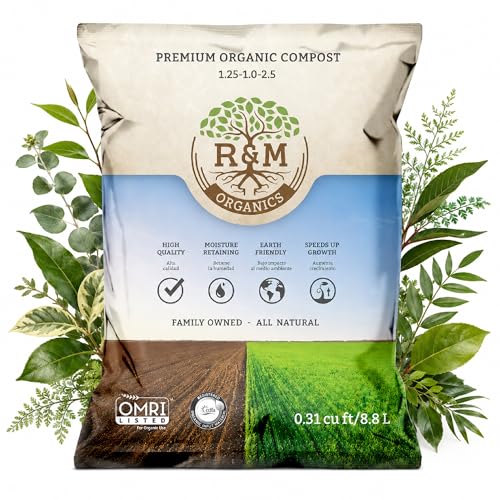
R&M Organics offers a fully composted dairy cow manure product that hits a rare balance: it’s nutrient-dense but low in odor. The 10-pound bag has a fine, earthy texture similar to topsoil, with no clumps or strong manure smell, making it suitable for both outdoor beds and indoor container top-ups. Gardeners who are sensitive to strong compost odors will appreciate this clean-feeding formulation.
Moisture retention is a standout property here. The composted manure creates a sponge-like effect in the soil, holding water longer and reducing the frequency of watering for flowers in raised beds and pots. Users report that struggling plants — from azaleas to tomatoes — show visible recovery within a week of application. One Master Gardener recommended it specifically for reviving plants after root damage from chemical runoff.
The application is straightforward: a quarter-inch layer worked into the topsoil is sufficient for most flower beds. The manageable bag size makes it convenient for small to medium projects, though larger flower beds will require multiple bags.
What works
- Virtually odorless for a manure-based compost
- Excellent moisture retention for reduced watering
- Fine texture integrates smoothly with existing soil
What doesn’t
- Small bag size requires multiple units for large beds
- Not pH-specific for acid-loving plants
5. Sustane All Natural Flower and Vegetable Plant Food

Sustane takes a different approach — this is a granular organic fertilizer rather than a bagged compost. Made from all-natural ingredients including composted poultry manure, it provides a concentrated NPK source that feeds flowers and vegetables throughout the season. Independent research cited by the manufacturer shows it produces more blooms and fruit compared to both synthetic and other organic fertilizers.
Users describe dramatic results: one gardener mixed half a cup into 6-inch deep soil in each raised bed and saw vegetables growing at what they called a “breakneck pace.” Another regrew 150 onion ends in under two weeks by adding Sustane to the water. The granule format is easy to broadcast, mix into soil, or dissolve for liquid feeding.
For flower beds specifically, this product shines as a soil preparation tool. Mixed into the top few inches before planting, it provides a steady supply of macro- and micronutrients that support dense foliage and abundant flowering. It’s a logical choice for gardeners who already have decent soil structure but need a fertility boost.
What works
- Concentrated NPK delivers visible bloom and fruit increases
- Simple granular application suited for broadcast or mixing
- Improves microbial biodiversity in the root zone
What doesn’t
- Not a bulk soil amendment — works alongside existing compost
- Over-application can cause excessive leafy growth
6. Great Big Roses and Flowers Liquid Fertilizer Booster
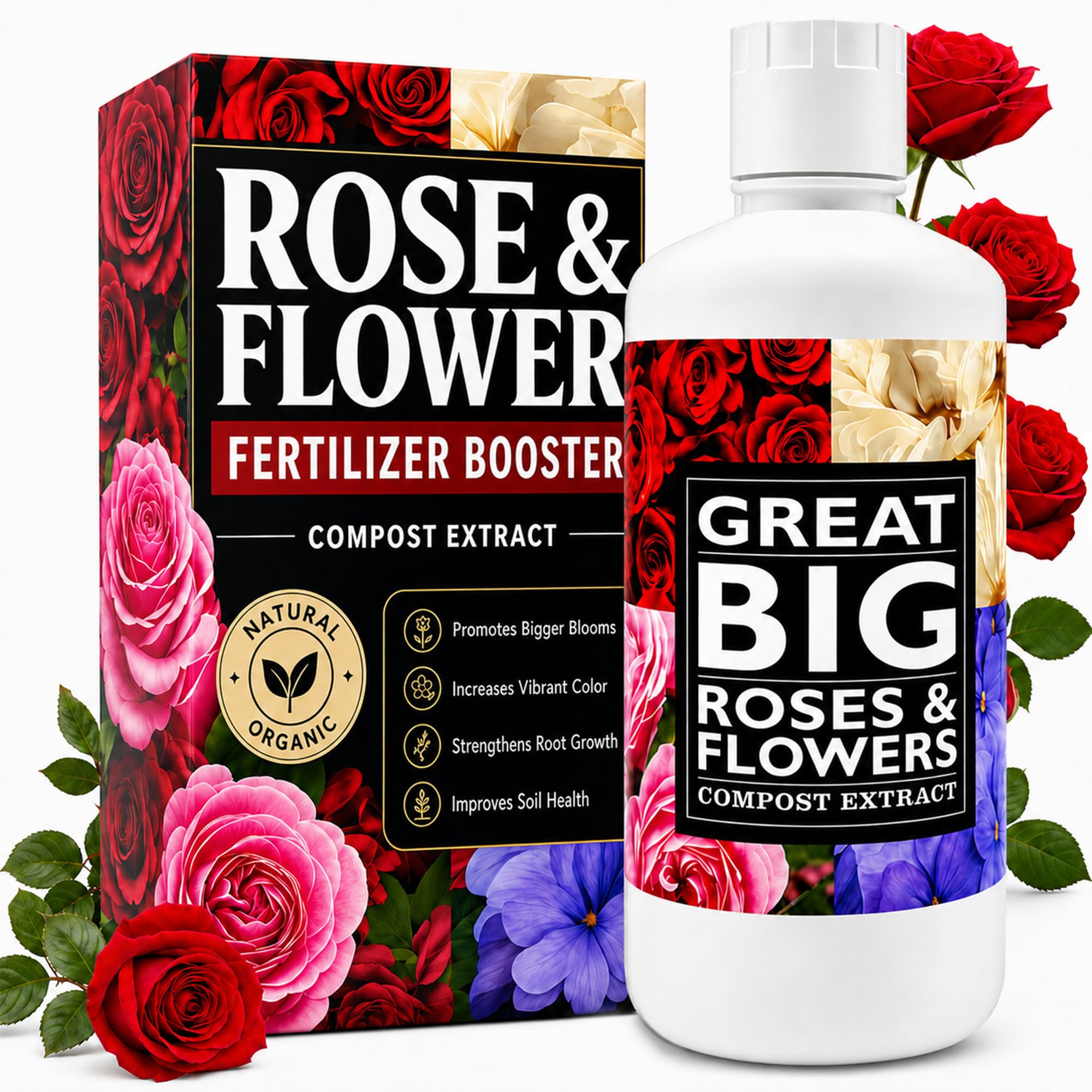
Great Big Roses takes a liquid approach, delivering 70 chelated trace minerals, humic acids, and seaweed extract directly to the root zone. This is not a bulk compost but a concentrated soil activator that amplifies the performance of existing compost and fertilizer. Users consistently describe it as the most effective rose booster they have used, with previously non-blooming bushes producing abundant flowers within weeks.
The 32-ounce bottle mixes at 4 ounces per gallon of water, yielding roughly 8 applications — enough to cover a mid-sized rose bed for a full growing season. The formula works on hydrangeas, citrus trees, and perennials too, making it a versatile addition for mixed flower beds. The humic acid content helps convert locked-up soil nutrients into plant-available forms, which is especially valuable for heavily used or compacted flower beds.
Packaging is a minor frustration — some users note that the wide-mouth jug makes it easy to spill the concentrated liquid while measuring. But the results speak for themselves: deeper green leaves, more buds, and blooms that last longer into the season.
What works
- Dramatically increases bloom count and size on roses
- 70 minerals plus humic acid unlock locked-up soil nutrients
- Concentrated formula provides full-season coverage per bottle
What doesn’t
- Jug design makes measuring and pouring prone to spills
- Higher upfront cost as a specialized liquid booster
7. Coast of Maine Bar Harbor Blend Potting Soil
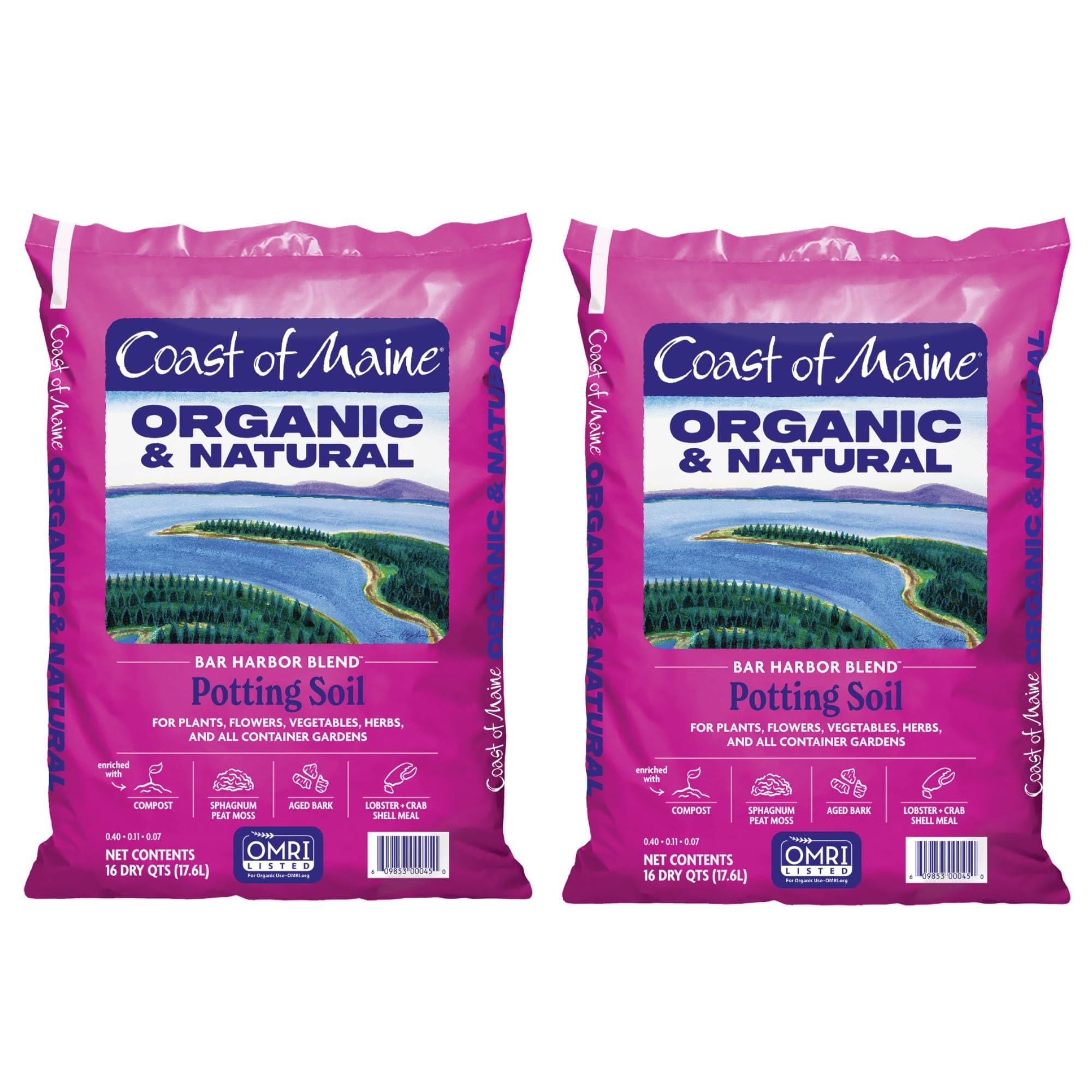
The Bar Harbor Blend is Coast of Maine’s multipurpose potting soil, combining sphagnum peat moss, compost, perlite, lobster and crab shell meal, and kelp meal. This 16-quart bag is designed for containers, hanging baskets, and raised beds rather than in-ground flower beds — making it the best option for gardeners who grow flowers in pots or window boxes.
Unlike many potting mixes that dry out quickly, this blend holds moisture well while maintaining excellent aeration. Users report that tomatoes, potatoes, and flowering ornamentals thrive in this mix, with growth exceeding expectations. The slow-release nitrogen from the natural ingredients provides consistent feeding over several months, reducing the need for supplemental fertilizer.
The texture is dark, rich, and free of large sticks or debris — a common complaint with cheaper bagged soils. Whether used in a greenstalk planter, raised bed, or traditional pot, this formula supports strong root development and sustained flowering. For container-based flower growers, this is the most complete all-in-one option available.
What works
- Excellent moisture retention for container plants
- Natural slow-release nitrogen reduces feeding frequency
- Clean, uniform texture without sticks or debris
What doesn’t
- Best suited for containers rather than in-ground beds
- 16-quart size is modest for large raised beds
Hardware & Specs Guide
Organic Matter Percentage
High-quality compost for flower beds should contain at least 30-50% organic matter by weight. This feeds soil microbes, improves water retention in sandy soils, and loosens clay soils. Products with composted manure, peat moss, worm castings, or marine meals typically score higher on this metric than basic topsoil blends. Lower organic matter means less long-term benefit for your flower bed ecology.
pH Range for Flower Compatibility
Compost pH directly dictates which flowers will thrive. Acid-loving plants require a pH between 4.5 and 5.5 (Coast of Maine’s Azalea mix fits here), while most annuals, perennials, and vegetables prefer neutral soil (pH 6.0-7.0). Blends like Espoma’s Land and Sea and R&M Organics fall in the neutral range. Always test your bed’s existing pH and choose compost that moves it toward your target flowers’ needs.
FAQ
Can I use compost from my backyard pile for flower beds?
How much compost should I mix into my flower bed?
What is the difference between compost and potting soil for flower beds?
Final Thoughts: The Verdict
For most gardeners, the compost for flower beds winner is the Espoma Land and Sea Gourmet Compost because its lobster and crab meal base, combined with beneficial mycorrhizae, delivers both immediate nutrient availability and long-term soil biology improvement for a wide range of flowering plants. If you need an acid-specific, budget-friendly option for azaleas and blueberries, grab the Coast of Maine Azalea & Berry Soil. And for container flower gardeners who want an all-in-one potting mix that feeds for months, nothing beats the Coast of Maine Bar Harbor Blend.