
A successful no-dig garden starts with a single non-negotiable layer: a thick, unbleached, chemical-free cardboard blanket that smothers weeds, retains moisture, and feeds the worms below. Without the right material, your lasagna bed can turn into a sloppy, weed-infested mess or introduce toxins directly into your growing soil.
I’m Rikta — the co-founder and writer behind Lawn Gear Lab. I spend my time researching horticultural science, comparing material thicknesses and adhesive compositions, and analyzing hundreds of verified buyer experiences to separate true no-dig cardboard from repurposed shipping refuse.
Whether you are sheet-mulching a new bed or expanding an existing plot, choosing the right cardboard for no-dig garden is the single most critical decision you will make in suppressing light, feeding your soil biology, and avoiding stubborn plastic or wax contamination.
How To Choose The Best Cardboard For No-Dig Garden
Choosing the wrong cardboard means introducing synthetic adhesives, wax coatings, or colored inks into your soil biology. Focus on these four criteria to pick a clean, effective smothering layer for your garden.
Wall Construction and Burst Strength
Single-wall corrugated (ECT-32 range) is fine for shallow annual weeds, but perennial grasses and deep-rooted dock require double-wall construction with a burst rating of at least 200 psi per inch. Double-wall sheets like the Box USA 275#/ECT-48 provide two layers of fluting that resist tearing under heavy compost and rain, while single-wall breaks down too quickly to suppress vigorous regrowth.
Chemical and Coating Purity
No-dig cardboard must be free of gloss coatings, metallic prints, plastic tape, and wax liners. Stick to plain kraft brown sheets. Recycled content is acceptable, but avoid material with heavy ink coverage or the glossy inserts found in cereal boxes. A simple water test — if water beads on the surface, the sheet has a wax or clay coating and should be discarded.
Sheet Size and Ease of Overlap
Aim for sheets measuring at least 24 x 36 inches so you can overlap the edges by six inches without leaving gaps. Large sheets like the 36 x 48 inch size require fewer pieces and reduce weak spots where light reaches the soil. Smaller scraps require more overlapping and create uneven decomposition patterns.
Moisture and Air Permeability
Your cardboard must be breathable to allow earthworms to reach the surface and to prevent anaerobic decomposition. Uncoated corrugated is naturally permeable, but thick kraft paper rolls (30 lb weight) work well as a thin permeable top layer. Avoid plastic-laminated or wax-coated sheets — they block air exchange and create a barrier that delays soil formation.
Quick Comparison
On smaller screens, swipe sideways to see the full table.
| Model | Category | Best For | Key Spec | Amazon |
|---|---|---|---|---|
| Box USA 36×48 5-Pack | Premium | Large bed coverage | 36″ x 48″ sheets | Amazon |
| Box USA Double Wall 24×48 | Mid-Range | Heavy weed suppression | 275#/ECT-48 | Amazon |
| Henoyso 20-Pack | Mid-Range | Volume mulching | 24″ x 48″ sheets | Amazon |
| IDL Kraft Paper Roll | Mid-Range | Long continuous runs | 30 lb weight | Amazon |
| BLOSMIY Landscape Staples | Value | Anchoring cardboard | 11 Gauge | Amazon |
| FEED GARDEN Landscape Pins | Value | Hard soil anchoring | 8 Gauge, 6 inch | Amazon |
| FEED GARDEN Weed Fabric | Value | Under-cardboard barrier | 3.2 oz fabric | Amazon |
In‑Depth Reviews
1. Box USA 36″ x 48″ 5-Pack

The Box USA 36 x 48 inch sheets are the premium pick for no-dig gardeners who want maximum ground coverage with minimal seams. Each sheet is ECT-32 single-wall corrugated, providing enough structural rigidity to block light from perennial weeds while remaining flexible enough to contour over uneven soil. The 100% recyclable kraft material contains no glossy coatings or colored inks, making it safe for direct contact with garden soil.
These sheets came folded in half during shipping, which creates a natural crease that weakens the fluting at the fold line. Several reports note that the packaging lacks edge protection, so rain during delivery can leave the cardboard damp and prone to tearing. The 36 x 48 inch footprint is excellent for covering large beds quickly, but you must overlap each sheet by six inches to prevent light gaps.
For gardeners establishing a new lasagna bed or expanding an existing plot, this pack reduces labor since you need fewer pieces to cover the same area compared to smaller sheets. The weight capacity of 65 pounds per sheet means the cardboard holds up well under a thick layer of compost and wood chips without collapsing. Expect these to decompose within six to eight months in moist conditions, which is the ideal timeline for a spring-planted bed.
What works
- Large 36″ x 48″ sheets reduce overlapping and labor
- Clean kraft material with no glossy or wax coatings
- Good structural integrity under heavy compost loads
What doesn’t
- Sheets arrive folded, creating a permanent crease
- Poor packaging leaves edges vulnerable to rain damage
- Single-wall may break down faster in perpetually wet climates
2. Box USA Double Wall 24″ x 48″ 5-Pack
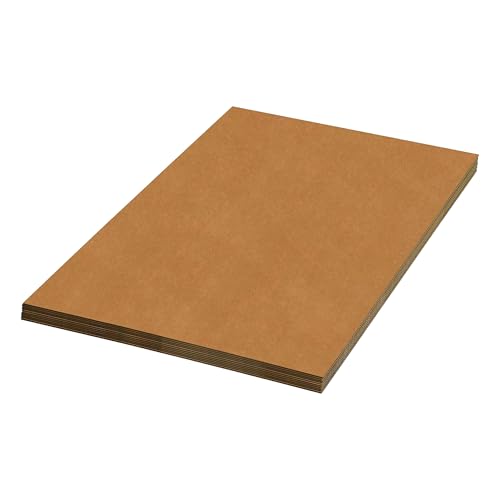
Double-wall corrugated is the gold standard for smothering established Bermuda grass, bindweed, or quackgrass, and the Box USA 275#/ECT-48 sheets deliver the necessary durability. The two layers of fluting create a rigid barrier that resists tearing even when wetted by heavy rain and covered with saturated compost. Each sheet measures 24 x 48 inches, a practical size that fits standard garden paths and raised bed bases without excessive trimming.
The 65-pound breaking strength ensures the cardboard does not collapse under a six-inch layer of wood chips, and the thicker profile takes roughly eight to twelve months to fully decompose, giving your soil food web ample time to establish. The kraft material is chemically clean and contains no plastic laminates or wax coatings. However, the sheets are not perfectly flat and can warp if stored in humid conditions, making it harder to achieve full soil contact on uneven ground.
Gardeners fighting deep-rooted perennial weeds should choose this double-wall option over single-wall because the extra fluting layer prevents weed shoots from pushing through the cardboard before the organic layer above has fully matured. The panel recommends cutting the sheets with a sharp razor knife rather than scissors to get clean edges for tight overlapping seams. For large-scale sheet mulching, the five-sheet pack covers roughly 40 square feet, so plan on purchasing multiple packs for a sizeable garden expansion.
What works
- Double-wall construction stops deep-rooted perennials
- Slow decomposition aligns with a full growing season
- High burst strength holds up under wet, heavy compost
What doesn’t
- Warping can reduce soil surface contact
- Smaller 24″ width requires more overlapping pieces
- Not ideal for tight curves or irregular bed shapes
3. Henoyso 20-Pack 24″ x 48″ Corrugated Sheets
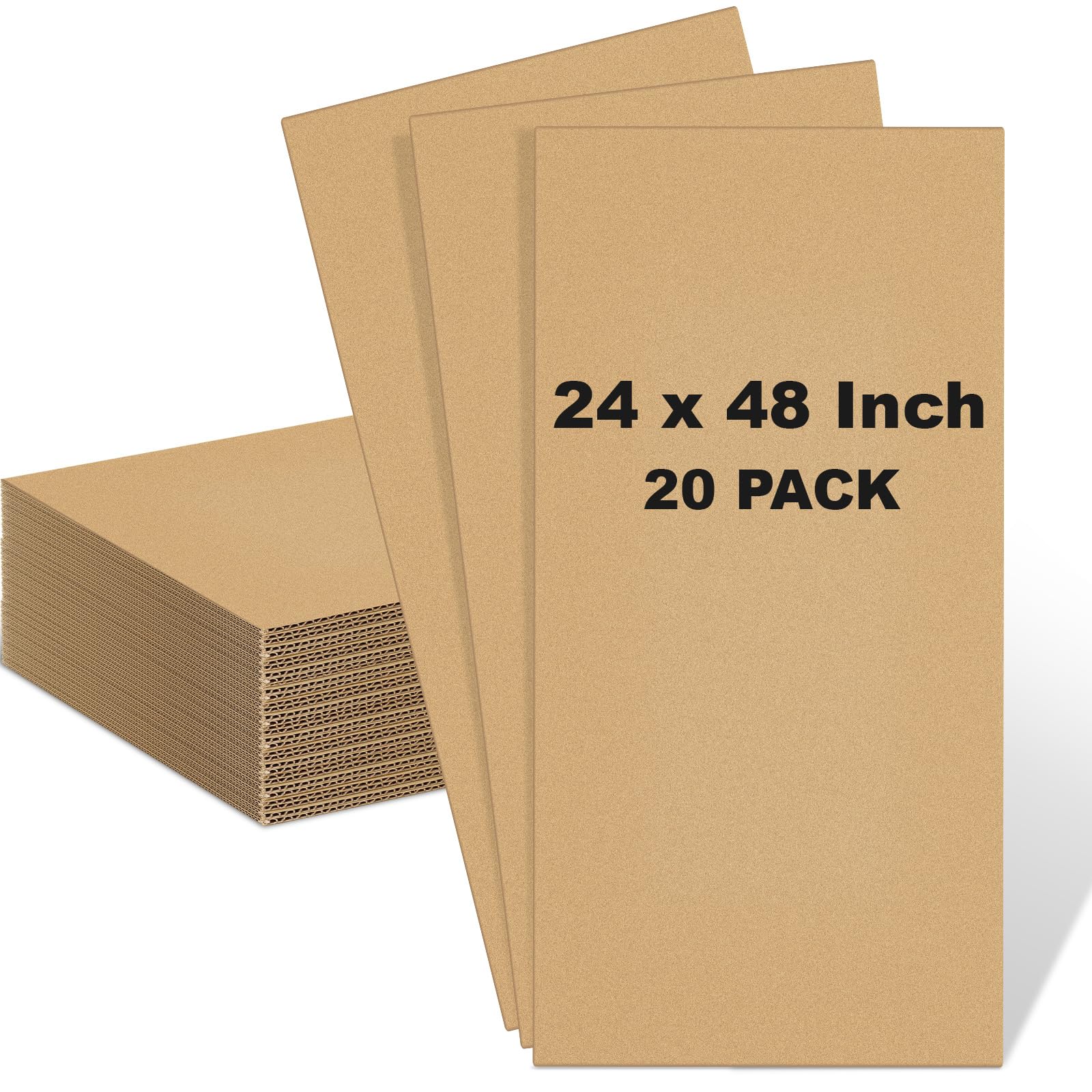
The Henoyso 20-pack provides the highest sheet count in this guide, making it a practical option for gardeners covering multiple beds or a large area all at once. Each sheet is approximately 0.06 inches thick — noticeably thinner than the Box USA double-wall — which means it breaks down faster, typically within four to six months. The corrugated surface is clean kraft brown on one side with a white liner on the other, a dual-tone design that is safe for no-dig use as long as you keep the white side facing down to avoid optical brighteners reaching the soil.
Multiple buyers note the cardboard is slightly thinner than anticipated, but the 20-sheet count still covers about 160 square feet, providing excellent value for the price. The thin profile is actually an advantage on gently sloping or slightly uneven ground because the sheets conform more easily to the soil surface without gaps. However, you must lay a generous overlap of at least eight inches and top with a heavy mulch layer immediately, because the thin material can be lifted by wind before it gets wet and heavy.
This pack is best suited for gardeners who are sheet-mulching annual vegetable beds or converting lawn into new garden space where the weed pressure is light to moderate. For areas with aggressive perennial weeds, lay two sheets thick or place a layer of the FEED GARDEN weed fabric underneath. The thin corrugation also makes this material easy to cut into odd shapes for curved beds or narrow pathways, reducing waste.
What works
- High sheet count covers large areas affordably
- Thin profile conforms to uneven soil terrain
- Easy to cut into custom shapes for irregular beds
What doesn’t
- Thinner single-wall breaks down faster than ideal
- White side liner may contain optical brighteners
- Prone to wind lift before being weighted down
4. IDL Packaging 24″ x 1200′ Kraft Paper Roll
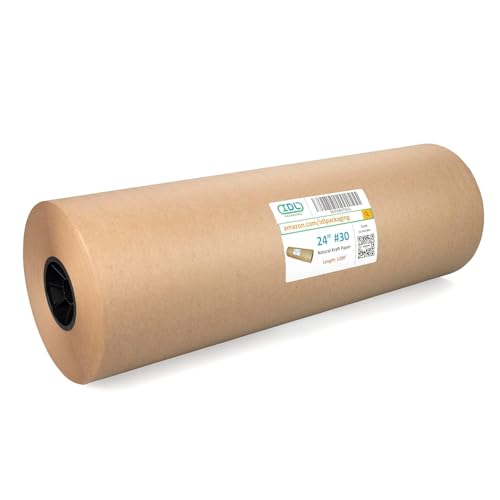
The IDL Packaging kraft paper roll is an unconventional but highly effective no-dig solution for gardeners who want seamless coverage over long, narrow beds or pathways. At 24 inches wide and 1200 feet long, this 30-pound kraft paper provides a continuous sheet that eliminates the overlapping seams required by corrugated sheets. The uncoated, unwaxed, and 100% recycled kraft material allows water and air to pass freely while suppressing light penetration.
This paper is much thinner than corrugated, so it will not smother established perennial weeds on its own. You must apply it in two to three overlapping layers and immediately top it with at least four inches of compost or wood chips to prevent it from tearing as it gets wet. The pliable texture is ideal for contouring around tree bases and along fence lines where rigid corrugated sheets would leave gaps. The 30-pound thickness holds up reasonably well under a heavy mulch layer and decomposes completely within three to five months.
Shipping damage is a notable risk — the roll arrives in a cardboard box, and if the core gets dented during transit, unspooling the paper becomes difficult and leads to tearing. Once successfully laid, this material creates a uniform weed barrier that lets earthworms migrate freely through the paper as it breaks down. Gardeners with large rectangular beds or long-running rows will appreciate not having to piece together multiple corrugated scraps.
What works
- No overlapping seams required on long straight runs
- Uncoated kraft is fully biodegradable and worm-friendly
- Pliable material conforms to trunks and irregular shapes
What doesn’t
- Too thin for use without multiple layers
- Dented roll cores can cause unspooling problems
- Not suitable for smothering deep-rooted perennial weeds
5. BLOSMIY 500-Pack Landscape Staples 6 inch
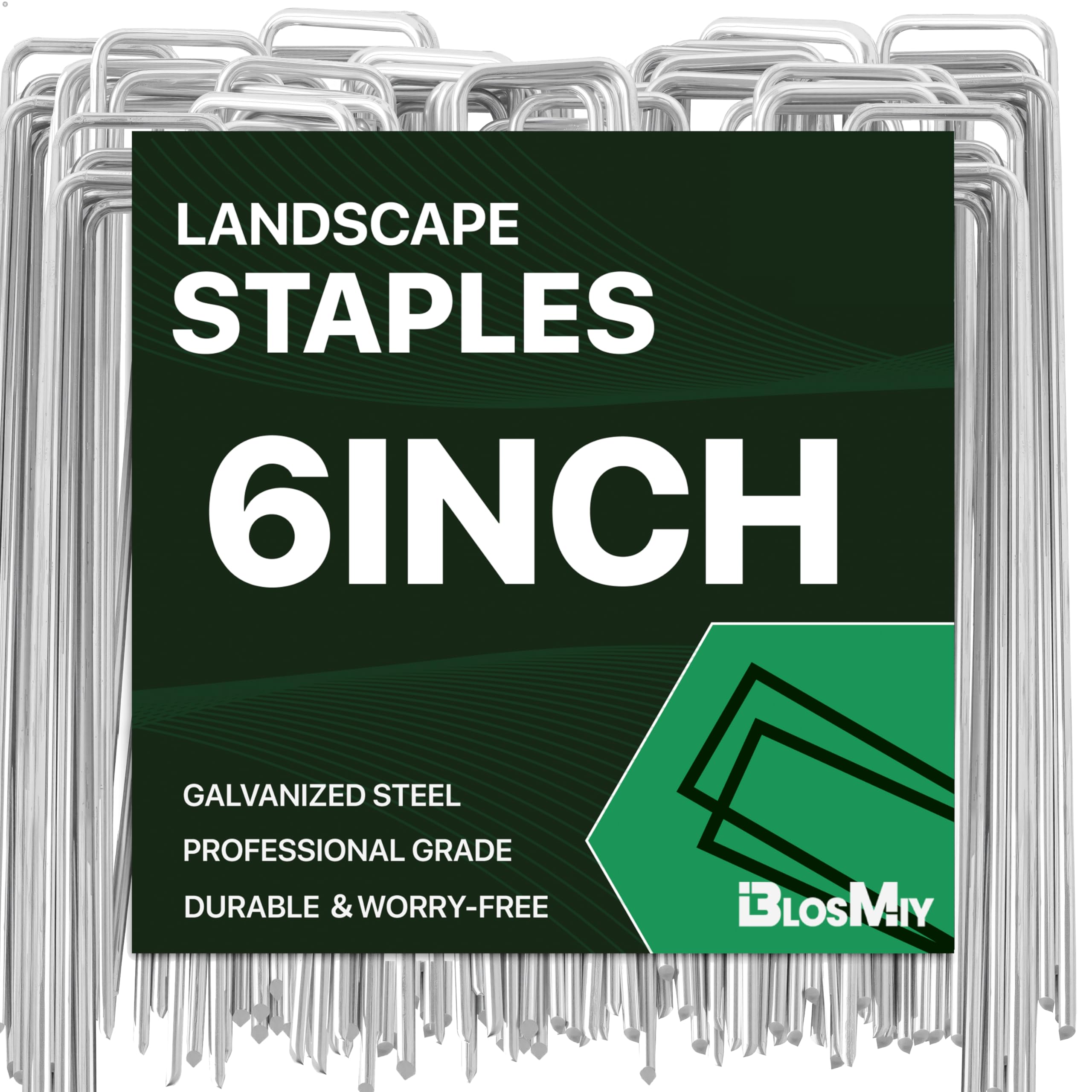
Anchoring cardboard is the most overlooked step in no-dig gardening, and the BLOSMIY 500-pack of 6-inch landscape staples solves the problem of loose edges and wind lift. Each staple is made from 11-gauge galvanized steel with a 1.2-inch wide U-shape that grips the cardboard firmly against the soil. The zinc coating resists rust for at least two seasons, allowing you to reuse the staples when the cardboard decomposes and you add a new layer.
The precision beveled tips penetrate both soft garden loam and compacted clay without bending, though a few staples in the 500-count batch may deform if you hit a thick root or stone. The 6-inch length is perfect for penetrating through a layer of cardboard and three to four inches of soil below, securing the material even in windy conditions. Multiple users report these staples hold up well under the tension of weed fabric and stay in place during heavy rain.
For the no-dig gardener, the high count of 500 pieces means you can secure an entire bed without running short, placing a staple every 12 to 18 inches along each cardboard seam and edge. The included fixing gasket is a small flat washer that adds extra holding force on smooth cardboard surfaces. Pair these staples with any of the corrugated sheets mentioned above to prevent your carefully laid mulch layer from shifting during storms.
What works
- High volume 500-pack covers large beds completely
- Galvanized coating prevents rust for multi-season reuse
- Beveled tips drive easily into hard and rocky soil
What doesn’t
- Occasional bending when hitting thick roots
- 11-gauge is slightly lighter than heavy-duty 8-gauge
- Gasket washer can detach during hammering
6. FEED GARDEN Heavy Duty Landscape Pins 120-Pack

When your no-dig site includes hard-packed clay or rocky soil, the FEED GARDEN 8-gauge landscape pins provide the penetrating force needed to anchor cardboard securely. At 4mm wire diameter, these pins are thicker than standard lawn staples, reducing the likelihood of bending during installation. The 1.3-inch round head offers wider coverage than a U-shaped staple, preventing the cardboard from tearing around the pin point under wind stress.
The single-spike design is a notable advantage over U-staples because it requires less force to drive into compacted ground, and the sharp tip slices through thin weed mat or cardboard cleanly. The included pick hook makes removal easy when you need to reposition or refresh the bed next season. However, the reviews caution that if you hit a semi-thick root, the pin can either cut through or bend under repeated hammering, so you may want to pre-drill pilot holes in extremely hard soil.
This 120-count pack is ideal for smaller garden projects like raised beds, tree rings, or narrow border strips where you need fewer fasteners but require a stronger hold per pin. The hot-dip galvanized finish resists corrosion well, so these pins remain functional for multiple seasons even in wet environments. For best results, place one pin every 18 to 24 inches along the cardboard edges and at each corner to prevent the material from curling up as it dries.
What works
- Heavy 8-gauge wire resists bending in hard soil
- Round head distributes pressure, reduces tearing
- Pick hook included for easy seasonal removal
What doesn’t
- Single spike can bend when hitting thick roots
- 120-pack is lower count than staple alternatives
- Pre-drilling may be needed in extreme hardpan
7. FEED GARDEN 4FT x 100FT Landscape Fabric

The FEED GARDEN landscape fabric serves a different role in a no-dig system: it acts as a long-lasting base layer under your cardboard, particularly useful in areas with aggressive weeds like nutgrass that can punch through pure corrugated. The woven polypropylene material is 3.2 ounces per square yard, providing a durable barrier that resists root penetration for multiple seasons. Unlike cardboard, this fabric does not decompose, so it remains effective for several years in permanent pathways.
The fabric is highly permeable, allowing water and air to move through freely, which prevents the anaerobic conditions that can develop under solid plastic barriers. Clear green guide lines printed on the surface help you align planting holes or rip strips for tree rings. The 30 included U-shaped stakes are a convenient bonus for smaller projects, though you may need additional staples for the full 100-foot roll. The woven material frays slightly at the cut edges, so fold the edge over or place it under a heavy mulch to prevent unraveling.
For no-dig gardeners dealing with chipmunk or vole activity, this fabric adds a digging deterrent that cardboard alone cannot provide. Place this fabric directly on the soil, then top with a thick layer of cardboard and mulch. The combination blocks light, resists animal burrowing, and gives you a surface that you can walk on without disturbing the soil structure. This product is best reserved for semi-permanent installations rather than annually rotated vegetable beds.
What works
- Woven polypropylene resists root and animal penetration
- Permeable design allows water and air exchange
- Large 100-foot roll covers extensive pathways
What doesn’t
- Non-degradable material must be removed eventually
- Frayed edges require folding or heavy mulching
- 30 stakes are insufficient for full coverage
Hardware & Specs Guide
Corrugated Board Grades
The two key ratings for no-dig cardboard are Edge Crush Test (ECT) and Burst Strength. ECT-32 single-wall is sufficient for light weed suppression, while ECT-48 double-wall provides the rigidity needed to smother woody perennials. Burst strength, measured in pounds per square inch, indicates how much force the cardboard can withstand before tearing — look for a minimum of 200 psi for durable coverage under wet compost.
Sheet Dimensions and Coverage
Standard sheet sizes range from 24 x 36 inches up to 48 x 96 inches, though the 24 x 48 and 36 x 48 inch sizes are the most practical for garden beds. Calculate your total area and add 20 percent for overlapping seams. A five-sheet pack of 36 x 48 inch sheets covers roughly 60 square feet with proper overlap, while a 20-sheet pack of smaller sheets covers a larger total area but requires more time to lay.
FAQ
Can I use moving boxes from my last relocation for the garden?
How long does corrugated cardboard take to decompose in a no-dig bed?
Should I wet the cardboard before laying it down?
Final Thoughts: The Verdict
For most gardeners, the cardboard for no-dig garden winner is the Box USA Double Wall 24×48 because its double-wall construction and clean kraft material provide the ideal balance of durability, permeability, and breakdown timing for an entire growing season. If you need to cover a massive area without visible seams, grab the IDL Kraft Paper Roll. And for heavy-duty patches plagued by perennial weeds, nothing beats the broad coverage of the Box USA 36×48 5-Pack.