
Tulips demand sharp drainage and a neutral-to-slightly-acidic pH, yet most garden beds or containers hold onto moisture like a sponge. The difference between a row of tall, vivid blooms and a season of stunted leaves or bulb rot comes down to the texture and chemistry of the medium you provide at planting depth.
I’m Rikta — the co-founder and writer behind Lawn Gear Lab. For this guide, I analyzed dozens of potting mixes, organic amendments, and granular fertilizers, cross-referencing NPK ratios, pH ranges, ingredient composition, and hundreds of verified buyer reports to isolate the soil solutions that actually support strong root systems and reliable flower production for tulips.
Whether you are planting in raised beds, containers, or traditional borders, the right blend makes or breaks your display. This article covers the proven mixes and supplements that define the best soil for tulips available today.
How To Choose The Best Soil For Tulips
Tulips are not heavy feeders in the way roses or tomatoes are, but they are extremely sensitive to waterlogged conditions. A mix that stays wet for more than a day or two after a rain will trigger bulb rot before roots even establish. The three factors below separate a reliable tulip medium from a failed planting.
Texture and Drainage Capacity
A granular, open structure is non-negotiable. Look for blends that include perlite, coarse sand, or vermiculite — ingredients that create air pockets and allow excess water to escape. Dense clay-based soils or mixes that compact after watering trap moisture and suffocate bulb roots.
pH Range and Nutrient Balance
Tulips prefer a pH between 6.0 and 6.8. A neutral-to-slightly-acidic range ensures phosphorus (critical for root and flower development) remains available. Many all-purpose potting mixes fall within this range, but if your native soil is alkaline, you may need a specifically formulated acid blend or an amendment like elemental sulfur.
Fertilizer Strategy: When and How
Tulip bulbs store their own energy for the first year of bloom, but adding a low-nitrogen, phosphorus-rich supplement at planting time encourages stronger root growth and more robust flowers in subsequent seasons. A granular bulb food with an analysis around 3-5-3 applied into the planting hole delivers phosphorus without pushing excessive leafy growth that weakens the bulb.
Quick Comparison
On smaller screens, swipe sideways to see the full table.
| Model | Category | Best For | Key Spec | Amazon |
|---|---|---|---|---|
| Miracle-Gro Potting Mix (3-Pack) | Premium Mix | Outdoor containers | Feeds up to 6 months | Amazon |
| Coast of Maine Tomato & Veggie Soil | Organic | In-ground beds and raised rows | 20 Qt volume | Amazon |
| Miracle-Gro Indoor Potting Mix (2-Pack) | Indoor | Potted bulbs near windowsills | 6 qt. per bag (2-Pack) | Amazon |
| Midwest Hearth Premium Potting Mix | All-Purpose | Seed starting and small containers | 8 Dry Quarts | Amazon |
| Espoma Organic Bulb-Tone | Fertilizer | Planting hole supplement | 3-5-3 NPK | Amazon |
| Midwest Hearth African Violet Mix | Specialty | Small pots and tight root zones | 4 Dry Quarts | Amazon |
| Soil Sunrise Peace Lily Mix | Specialty | Moisture-loving container plants | 8 Quarts | Amazon |
In‑Depth Reviews
1. Miracle-Gro Potting Mix (3-Pack)

This three-bag bundle of outdoor container mix gives you 24 total quarts of a well-aerated medium that includes sphagnum peat moss and perlite. The built-in fertilizer feeds container plants for up to six months, meaning you can plant tulip bulbs in the fall and not worry about supplemental feeding until after spring bloom. The texture stays loose even after repeated waterings, which is exactly what bulbs need to avoid rot.
Multiple verified buyers note that plants grown in this mix show visibly faster growth and greener foliage compared to unsupplemented soil. The formula is designed for outdoor pots, so it handles rain better than indoor mixes without becoming compacted. Each 8-qt bag fills two 8-inch containers, giving you enough volume for several bulb plantings in one purchase.
One caveat: the fertilizer component works well for annual flowers and vegetables, but tulip bulbs already contain stored energy. If you prefer to control phosphorus levels manually, you might want an unfertilized base mix plus a dedicated bulb tone. Still, for sheer convenience and proven results in outdoor pots, this bundle is tough to beat.
What works
- Built-in nutrients last a full growing cycle
- Light, non-compacting texture ideal for container drainage
- Good value per quart in the 3-pack format
What doesn’t
- Fertilizer profile may conflict with bulb-specific feeding plans
- Not formulated for indoor use
2. Coast of Maine Organic Vegetable Soil

This 20-quart organic planting soil blends composted manure, sphagnum peat moss, and aged bark into a dark, crumbly medium that holds moisture without becoming soggy. For in-ground tulip beds, this is one of the most nutrient-dense options available outside a custom mix. The organic matter feeds soil biology over time, which supports bulb health beyond a single season.
Buyers consistently report strong root development and vigorous top growth when using this soil for vegetables and flowers. One gardener specifically noted that their heirloom tomatoes thrived because the drainage is excellent, and the same drainage profile benefits tulip bulbs planted at a 6-inch depth. The composted manure provides a slow-release nitrogen source that does not burn tender roots.
A few users mentioned initial fungus gnat activity, which is common with compost-rich products. Baking the soil before use or applying neem oil after watering eliminates the issue. The 20-quart bag covers a generous area, making it suitable for medium-sized raised beds or multiple container plantings without needing a second bag.
What works
- Rich organic composition feeds soil long-term
- Drains well while retaining enough moisture for bulbs
- Large bag size for bed-scale planting
What doesn’t
- May introduce gnats if used without pretreatment
- Premium price per quart compared to synthetic mixes
3. Miracle-Gro Indoor Potting Mix (2-Pack)
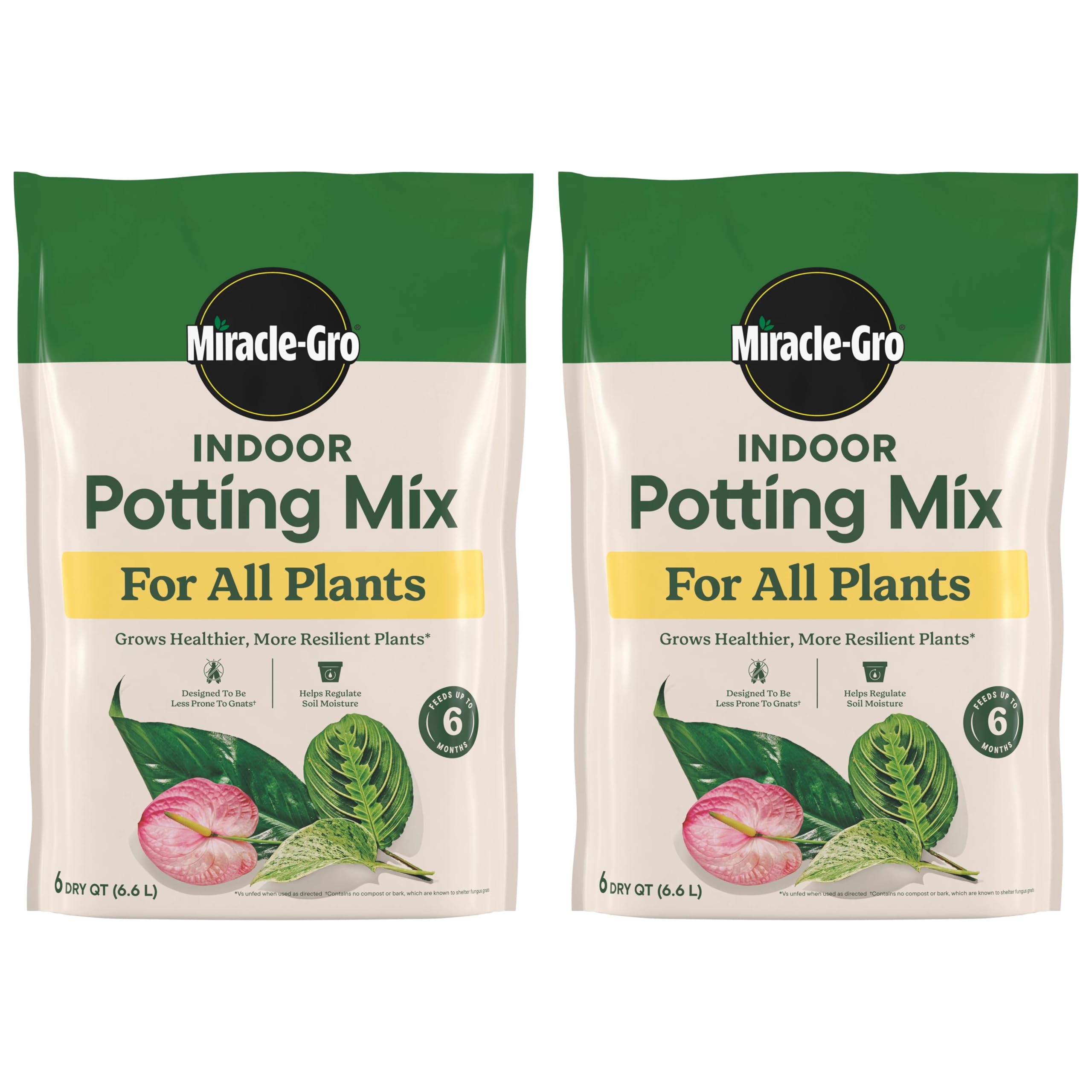
If you plan to force tulip bulbs indoors over winter, this mix is the most reliable option for indoor containers. It explicitly avoids compost and bark — the two ingredients most likely to harbor fungus gnats — and relies on sphagnum peat moss, coconut coir, and perlite for structure. The result is a sterile, lightweight medium that drains fast and dries out predictably between waterings.
The 6-month feed feature gives indoor bulbs a gentle nutrient supply without requiring liquid fertilizer during the forcing period. Multiple reviewers note that plants settle into this mix quickly and show greener foliage than they did with previous soils. The two-bag bundle fills eight 6-inch containers, which is plenty for a windowsill tulip display.
On the downside, the moisture retention is higher than a pure succulent mix, so you need to monitor watering frequency closely during the cold rooting phase. Some users found the texture slightly dusty upon opening, but a quick pre-moisten resolves that. For indoor forcing, this is the most gnat-resistant bagged soil on the list.
What works
- Formulated to repel fungus gnats
- Feeds plants for 6 months indoors
- Lightweight and easy to work with
What doesn’t
- Can be dusty straight from the bag
- Not suitable for succulents or cacti without amendment
4. Midwest Hearth Premium Potting Mix

This professional-grade blend combines peat moss, perlite, and vermiculite in a pH-controlled formula that targets a broad spectrum of plants. The triple-ingredient structure creates an airy, fluffy texture that holds moisture long enough for root uptake but never turns into mud. For tulip bulbs that need consistent moisture during early root growth followed by drier conditions as they approach dormancy, this mix adapts well.
Buyers praise its consistency — no clumps, no weed seeds, and no visible debris. One user specifically highlighted its performance as a seed starter for petunias, noting that the fine particles allowed tiny roots to penetrate easily. The 8-quart size fits smaller containers or a single planting project without leftover waste. The resealable bag is a practical touch for those who store soil between seasons.
The main trade-off is that the mix does not contain any added fertilizer, so you will need to incorporate a bulb-specific supplement at planting time. Also, the mix can shed water quickly if it dries out completely; a thorough pre-soak before planting ensures even rewetting. For growers who want full control over their nutrient inputs, this blank-slate medium is ideal.
What works
- Balanced pH right out of the bag
- No weeds, bugs, or synthetic additives
- Fluffy texture promotes root penetration
What doesn’t
- No fertilizer included
- Needs pre-soaking if stored dry
5. Espoma Organic Bulb-Tone

This is not a potting mix but a targeted granular fertilizer formulated specifically for spring and fall bulbs. The 3-5-3 analysis puts phosphorus front and center — the nutrient responsible for root establishment and flower development — while the low nitrogen level prevents excessive leaf growth that would drain bulb energy. The Bio-tone microbial inoculant in the formula helps break down organic matter in the surrounding soil, making nutrients more available to bulb roots.
A reviewer who used this on tulips and daffodils reported that the plants “thrive” and that they plan to use it every year. Another saw noticeable results within six weeks of applying the granules into the planting hole. The 4-pound bag covers approximately 40 square feet when applied at the recommended rate, making it a cost-effective supplement for a large bed.
The only downside is that this is strictly a fertilizer, not a soil. You still need a proper draining medium to set the bulbs in. Also, the organic granules have a stronger natural odor than synthetic alternatives, though this dissipates quickly after incorporation into the soil.
What works
- Phosphorus-rich formula targets bulb roots and blooms
- Contains beneficial microbes for nutrient cycling
- OMRI listed for organic gardening
What doesn’t
- Requires a separate base potting mix
- Organic odor may be noticeable during application
6. Midwest Hearth African Violet Mix

African violet mixes are known for their light, porous structure that prevents root suffocation — exactly what tulip bulbs need when grown in small containers. This 4-quart bag contains peat moss, perlite, and vermiculite in a controlled pH blend designed for plants that dislike alkaline conditions. The fine texture packs well around bulbs without leaving air pockets, while still draining quickly enough to prevent rot.
Buyers consistently mention how “soft and light” the mix feels, with no large bark chunks or debris. One reviewer reported that their miniature violets recovered quickly after repotting and started blooming again. For a small batch of tulip bulbs in a 6-inch pot, this bag provides just enough volume without excess waste. The price per quart is slightly higher than all-purpose mixes, but the uniform structure justifies the premium for precision work.
Because this is a specialized mix with no added fertilizer, you will need to supplement with a bulb tone if you want phosphorus boost at planting. Also, the 4-quart size is too small for in-ground beds or large containers. But for a tidy windowsill tulip garden, this is one of the most consistent bagged options available.
What works
- Ultra-light texture suits bulb roots in pots
- pH controlled for neutral-acid preference
- No large bark pieces or filler debris
What doesn’t
- Small bag size limits use to 1-2 containers
- No fertilizer included
7. Soil Sunrise Peace Lily Mix
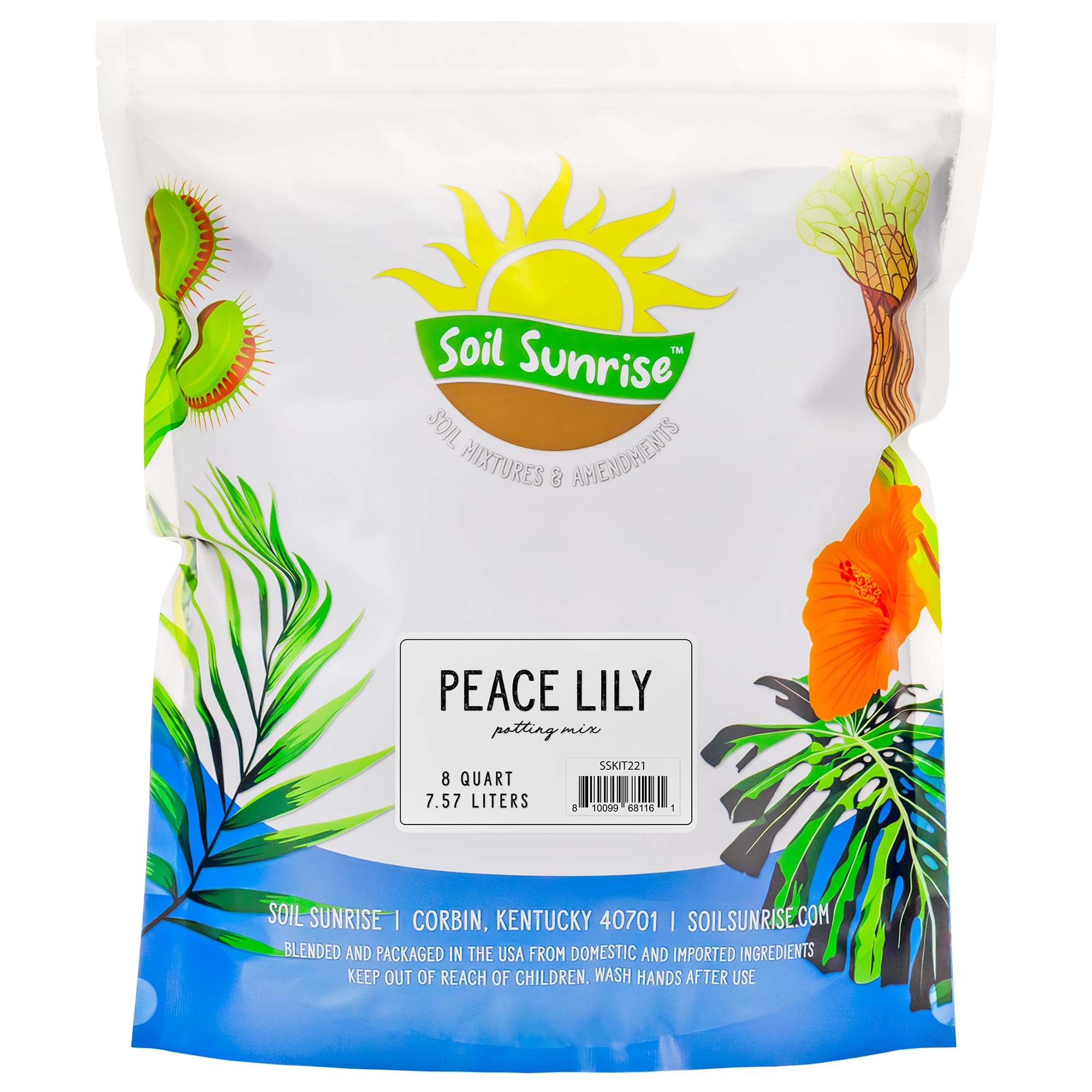
This potting blend is marketed for peace lilies, but its composition of pine bark, peat moss, perlite, sand, and lime creates a well-draining, moisture-retentive base that works well for container tulips. The sand adds weight and improves drainage, while the lime adjusts pH upward slightly, which can counteract acidic peat moss for a neutral final balance. The 8-quart bag is large enough for a 10-inch pot with several bulbs.
Buyers who used it for peace lilies noted that plants that were “on their death bed” revived and produced new growth, indicating the mix provides the right air-to-water ratio for sensitive roots. The ingredients are all-natural with no synthetic fertilizers, giving you a clean starting medium. The texture is light and airy, making it easy to work into planting holes without compacting.
The primary limitation for tulip growers is that this mix retains more moisture than a pure bulb mix would. You will need to water less frequently, especially during the cold rooting period. Also, the pine bark content means the mix will break down faster than perlite-heavy blends, so you may need to refresh the soil after one growing season if you reuse the pot.
What works
- Natural ingredients with no synthetic chemicals
- Good drainage from sand and perlite blend
- Light texture easy to handle
What doesn’t
- Higher moisture retention than dedicated bulb mixes
- Pine bark breaks down faster than mineral components
Hardware & Specs Guide
NPK Ratio in Bulb Fertilizers
The three numbers on a fertilizer bag represent nitrogen (N), phosphorus (P), and potassium (K). For tulips, a ratio with the middle number (phosphorus) being the highest — like 3-5-3 — promotes root growth and flower formation without pushing excessive leaf growth. Never use a high-nitrogen lawn fertilizer on bulbs, as it encourages foliar growth at the expense of next year’s bloom.
pH and Nutrient Availability
Tulips access iron, manganese, and phosphorus best when the soil pH sits between 6.0 and 6.8. Below 6.0, aluminum toxicity can stunt roots; above 7.0, phosphorus becomes chemically locked and unavailable. Most bagged potting mixes fall in the 6.2-6.5 range. If you use an alkaline tap water, occasional pH testing with a probe helps prevent gradual drift.
FAQ
Can I use regular garden soil for tulips in containers?
Should I fertilize tulips at planting time or wait until spring?
What happens if the soil pH is too high for tulips?
Final Thoughts: The Verdict
For most gardeners, the soil for tulips winner is the Miracle-Gro Potting Mix (3-Pack) because it provides a proven, consistent medium with built-in feeding that handles outdoor containers beautifully. If you want an organic base that feeds soil biology, grab the Coast of Maine Organic Vegetable Soil. And for precise phosphorus supplementation, nothing beats the Espoma Organic Bulb-Tone mixed into the planting hole.