
A Norfolk Island pine is not a true pine, but its roots have zero tolerance for the dense, waterlogged soil that works for ferns or peace lilies. Most bagged potting mixes hold too much moisture, turning the lower needles yellow and soft before you even notice the pot is heavy. The key to a thriving Norfolk pine is a mix that drains aggressively while still holding enough moisture for the root ball to drink between waterings.
I’m Rikta — the co-founder and writer behind Lawn Gear Lab. I’ve spent hours cross-referencing soil particle sizes, pH ranges, and drainage specifications, comparing growing media against the specific needs of tropical conifers like Araucaria heterophylla, to find the blends that deliver the fast-drying, slightly acidic environment this plant demands.
This guide breaks down the top mixes for indoor Norfolk pines, from budget-friendly chunky blends to premium organic formulas, so you can stop guessing and start growing. Here is the definitive soil for norfolk pine comparison you need before your next repotting.
How To Choose The Best Soil For Norfolk Pine
Norfolk pines are epiphytic in their youth, meaning their roots are adapted to clinging to bark and organic debris rather than sitting in heavy mineral soil. The wrong mix suffocates the root system, leading to needle drop and stem collapse. Here are the non-negotiable factors to look for.
Drainage and Aeration
The single most important property of a Norfolk pine soil is how fast it sheds excess water. Look for mixes containing perlite, pumice, coarse sand, or pine bark fines. These ingredients create air pockets that allow oxygen to reach the roots and prevent the mix from becoming a soggy sponge after watering. A soil that stays wet for more than a few days is a red flag.
pH Level
Norfolk pines prefer a slightly acidic environment, ideally between pH 5.5 and 6.5. Mixes that contain sphagnum peat moss or composted bark naturally trend toward this range. Avoid alkaline blends or those with added lime unless the product is specifically formulated for acid-loving plants.
Texture and Particle Size
A chunky, loose texture is far better than a fine, dusty one. Fine particles pack together tightly, reducing drainage and holding moisture against the roots. Coarse particles like fir bark, lava rock, or tree fern fiber create a scaffold that keeps the mix open. A well-structured soil should feel light and crumble easily in your hand.
Quick Comparison
On smaller screens, swipe sideways to see the full table.
| Model | Category | Best For | Key Spec | Amazon |
|---|---|---|---|---|
| Perfect Plants Indoor Plant Soil | Premium All-Purpose | Balanced indoor potting | Pine bark, coco coir, perlite | Amazon |
| Tinyroots Conifer Bonsai Soil | Conifer Blend | Fast-draining conifer mix | Double sifted pine bark, pumice | Amazon |
| Midwest Hearth Premium Potting Soil | Balanced General Mix | Small repotting projects | Peat moss, perlite, vermiculite | Amazon |
| Coast of Maine Acid Loving Plant Soil | Low pH Organic | Acidic soil lovers | Low pH, compost, peat moss | Amazon |
| Craft Aroid Potting Mix | Chunky Aroid Blend | Maximum aeration | Fir bark, pumice, lava rock | Amazon |
| Jessi Mae Potting Soil | Organic Slightly Acidic | Easy substitute for snake plant soil | Perlite, slightly acidic blend | Amazon |
| Miracle-Gro Cactus, Palm & Citrus | Fast Drainage Blend | Budget cactus and palm substitute | Fast-draining, 3-pack | Amazon |
In‑Depth Reviews
1. Perfect Plants Indoor Plant Soil
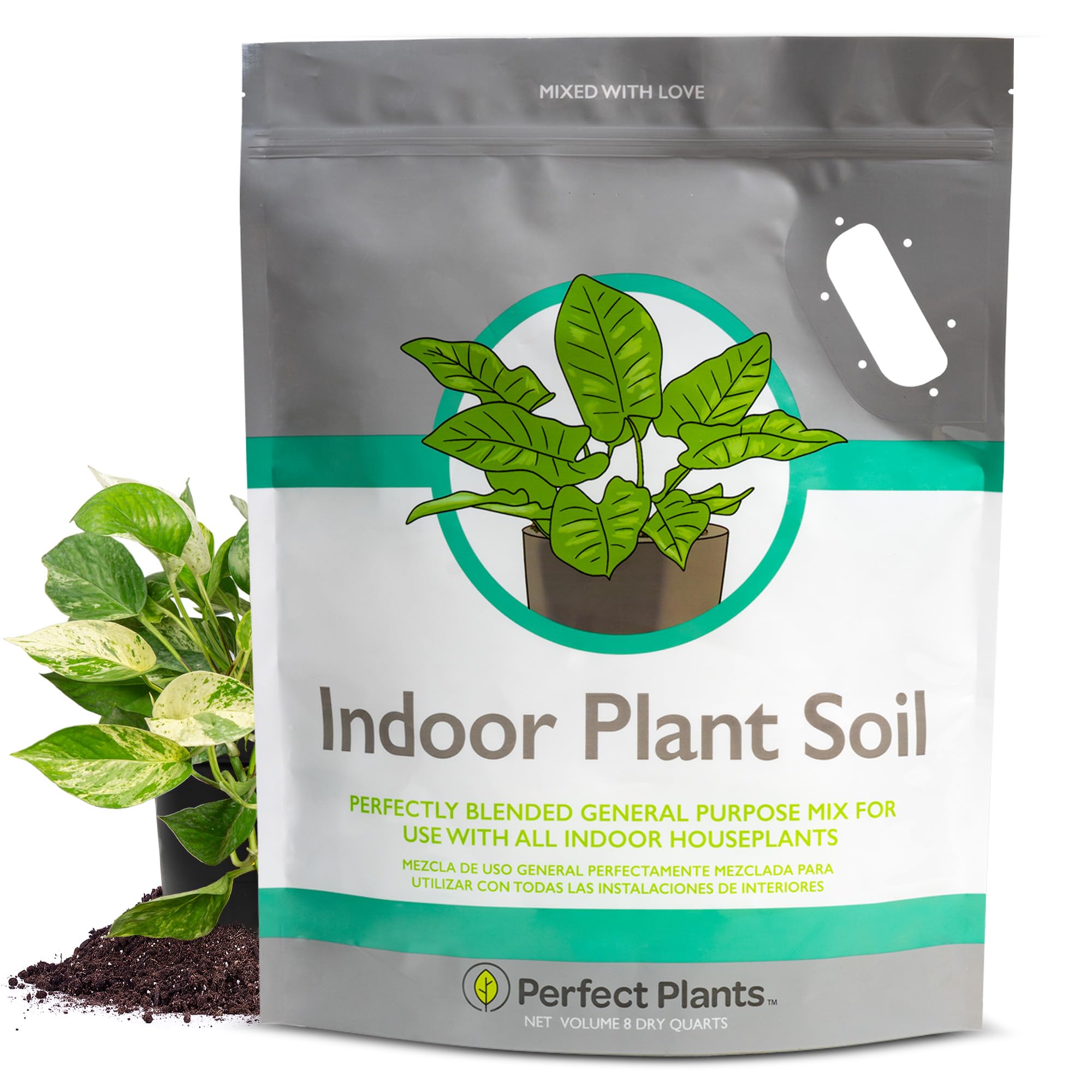
Perfect Plants Indoor Plant Soil hits the sweet spot for Norfolk pine owners who want a mix that drains quickly without drying out completely after two days. The formula uses pine bark fines as the primary structural component, giving the root zone the coarse texture Norfolk pines need to breathe. Coco coir and perlite balance moisture retention against aeration, and the addition of garden lime keeps the pH slightly acidic — right in the 5.5–6.5 range your pine craves.
Users consistently report no fungus gnats and a light, fluffy texture that stays usable even weeks after opening the resealable bag. The 8-quart size is enough to repot two 6-inch Norfolk pines or one larger 8-inch specimen, which makes it a solid value for the quality. Professional growers would appreciate the consistency of the particle sizes — no clumps of dust or huge bark chunks that cause uneven settling.
The main compromise is the price per quart compared to dollar-store potting soils, but given that it’s bug-free and pre-mixed, the convenience premium is justified. If you want a single bag that works for Norfolk pine, snake plants, and fiddle leaf figs alike, this is the safest bet on the list.
What works
- Light, airy texture that promotes fast drainage
- No fungus gnats or strong odor
- Resealable bag keeps soil fresh
What doesn’t
- Bag is smaller than it appears in photos
- May need extra perlite for very humid environments
2. Tinyroots Conifer Bonsai Soil Blend

Tinyroots Conifer Bonsai Soil is the closest thing to a custom blend for Norfolk pines, because it uses exactly the type of coarse, inorganic components that prevent root suffocation. The mix contains double-sifted pine bark fines, coarse river sand, calcine clay, and pumice — a combination that creates sharp drainage without letting the soil dry too fast for a tropical conifer. Water runs through it in seconds, and the large particles resist compaction even after repeated watering cycles.
Reviewers who grow conifers from seed note the soil supports better color and stronger root systems compared to standard potting mixes. The resealable bag is a practical touch for storing leftover soil between repottings. Because the particles are so clean and consistent, you can also use it as a top dressing to improve the look of your pot without worrying about mold or dust.
The trade-off is volume: at 2.25 quarts, you will barely cover a single 8-inch Norfolk pine repotting. For owners with a single tree, this is fine; for multiple plants, you will need two bags. The price per quart is higher than general-purpose mixes, but the drainage performance is unmatched in this comparison.
What works
- Excellent drainage — water flows through immediately
- Particle cleanliness: no dust, no compaction
- Promotes vigorous root growth and healthier needle color
What doesn’t
- Small bag for the price
- May need peat moss mixed in for moisture retention in dry homes
3. Midwest Hearth Premium Potting Soil Mix

Midwest Hearth’s blend is a straightforward, no-frills option that uses the classic peat-perlite-vermiculite trio to deliver balanced aeration and moisture control. For a Norfolk pine, this means you get a light, fluffy soil that resists hardening around the root ball — a common complaint with cheaper soils that turn into a solid brick after a few weeks of watering. The pH is pre-balanced for a broad spectrum of plants, which means it falls safely into the slightly acidic range Norfolk pines prefer.
Customer feedback highlights its performance as a seed starting mix, but multiple reviewers also note that jade plants and petunias thrive in it, which is a good sign for its structural consistency. The 4-quart size is ideal for a single small to medium Norfolk pine repotting or for refreshing the top layer of a larger pot. The resealable bag is a welcome feature that keeps the mix from drying out between uses.
The downsides are that vermiculite holds more moisture than pumice or coarse sand, meaning you need to be more careful with watering frequency — let the top inch dry out fully before the next soak. For owners who tend to overwater, this mix requires a little more discipline.
What works
- Balanced pH for broad plant compatibility
- Soft, fluffy texture that doesn’t harden
- Resealable bag for storage
What doesn’t
- Slightly too moisture-retentive for heavy waterers
- Small bag may feel pricey for the volume
4. Coast of Maine Acid Loving Plant Soil

Coast of Maine’s formula is designed specifically for plants that need a low pH, making it a strong candidate for Norfolk pine owners who want an organic, OMRI-listed soil that naturally buffers toward acidic conditions. The blend uses composted manure, sphagnum peat moss, and aged bark to create a rich, moisture-retentive yet well-draining medium. The 20-quart bag offers exceptional volume for the price, easily handling multiple large containers or a single deep pot.
Reviews from blueberry and strawberry growers confirm that this soil maintains a low pH without adding chemical amendments. For a Norfolk pine, the compost component adds a steady supply of nutrients that supports lush top growth. The texture is noticeably lighter than typical garden soil, but it is heavier than a pure bonsai mix — you may want to mix in a handful of perlite or pumice to sharpen the drainage for your pine.
The main drawback is the bag’s weight and the strong organic smell that dissipates after a day or two. For indoor use, this is a minor inconvenience, but pre-mixing it with a drainage amendment before potting is recommended to avoid accidental overwatering.
What works
- Large volume ideal for multiple pots or deep planters
- Low pH formula perfect for acid-loving plants
- OMRI-listed organic ingredients
What doesn’t
- Heavier texture requires addition of perlite/pumice
- Strong organic smell upon opening
5. Craft Aroid Potting Mix
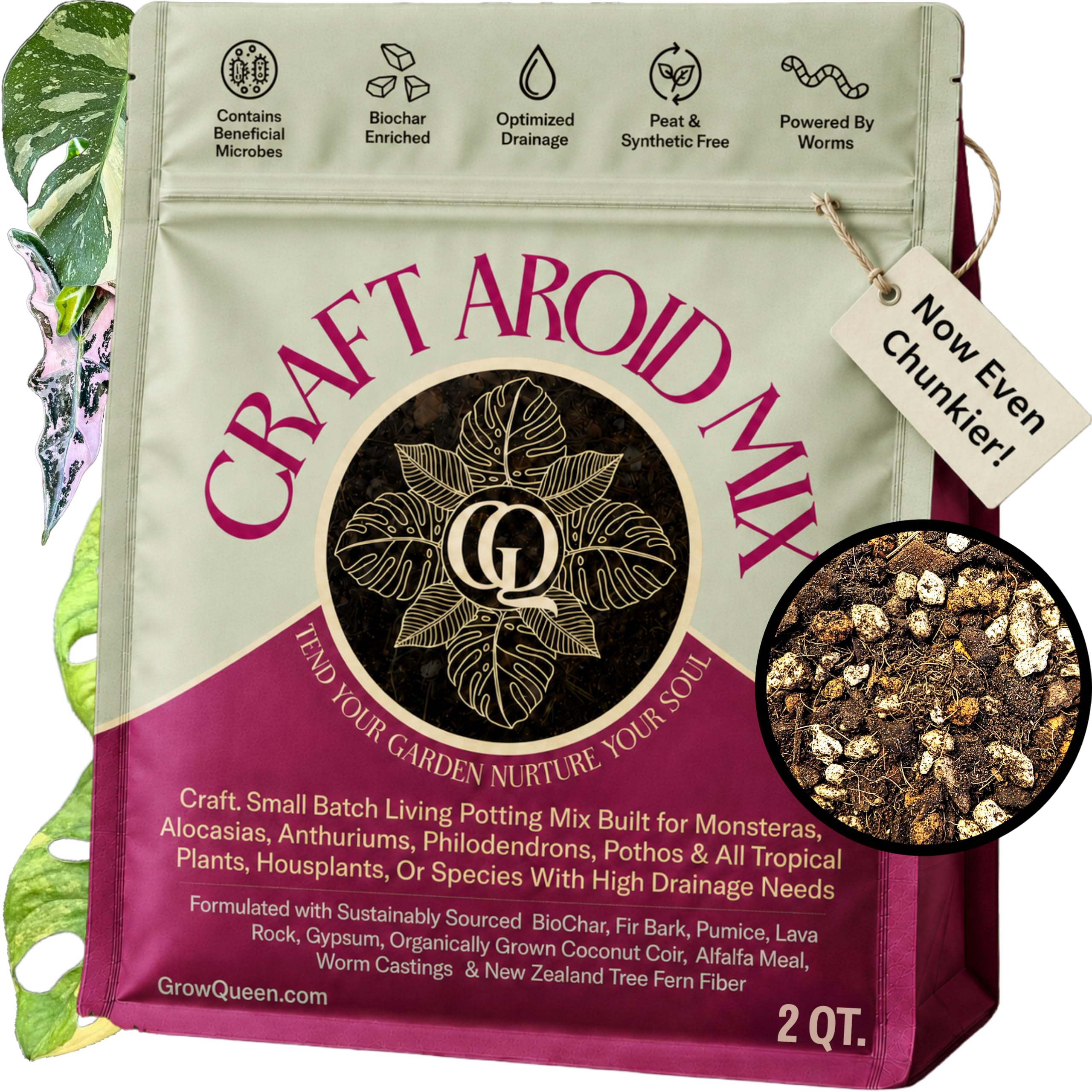
While Craft Aroid is marketed toward monstera and philodendron owners, its chunky, peat-free composition makes it an excellent alternative for Norfolk pines that demand extreme drainage. The mix relies on Douglas fir bark fines, lava rock, and pumice instead of peat and perlite, creating a porous structure that makes overwatering nearly impossible. New Zealand tree fern fiber in the blend helps buffer pH toward 6.0, which is ideal for tropical conifers.
Coco coir and worm castings add organic nutrients without making the mix soggy, and the pet-friendly formulation means you don’t have to worry about toxicity if you keep the pot on a low table. Users consistently praise the chunky, airy consistency — one reviewer called it “my forever soil” for how well it maintains its structure over time. The lack of dust and fines keeps the mix from settling into a dense layer at the bottom of the pot.
The limiting factor is the 2-quart bag size, which is barely enough for a 6-inch pot. For larger Norfolk pines, you will need multiple bags, and the cost adds up quickly. This mix is best for small to medium specimens where drainage is the top priority.
What works
- Exceptionally chunky — near-impossible to overwater
- Peat-free and perlite-free sustainable ingredients
- NZ tree fern fiber optimizes pH for tropicals
What doesn’t
- Very small bag for the price
- May drain too fast for owners who prefer more moisture retention
6. Jessi Mae Potting Soil

Jessi Mae’s formula is marketed as a peace lily and snake plant mix, but its slightly acidic pH and heavy perlite inclusion make it a viable budget entry for Norfolk pine owners. The soil is hand-mixed in small batches, which produces a consistent, light texture that promotes air circulation around the root zone. The 4-quart bag is a practical size for a single repotting, and the lack of chemical additives means there’s no risk of fertilizer burn for sensitive roots.
Customer reviews mention a strong organic smell upon opening, which fades within a day or two. Snake plant owners report their plants love the mix, which is a good proxy for a Norfolk pine because both species prefer well-draining, slightly acidic conditions. The perlite content is visibly high, helping water move through the pot quickly and reducing the chance of waterlogged soil.
The main caveat is that this soil is optimized for snake plants, which tolerate drier conditions better than Norfolk pines. You will need to monitor moisture closely and water a bit more frequently than you would with a peat-heavy mix. For owners who want a simple, affordable solution without mixing their own components, this is a solid fallback option.
What works
- Light, airy texture with visible perlite chunks
- Slightly acidic pH matches Norfolk pine needs
- Chemical-free organic composition
What doesn’t
- Strong organic smell lasts a few days
- May dry out faster than Norfolk pine prefers
7. Miracle-Gro Cactus, Palm and Citrus Potting Mix

Miracle-Gro’s cactus, palm, and citrus mix is the most widely available fast-draining soil on this list, and its 3-pack format gives you enough volume for multiple repottings or a large Norfolk pine specimen. The formula is built for drainage — sand and perlite create air pockets that prevent water from pooling around the root crown. For a Norfolk pine that is prone to stem rot in wet soil, this basic property alone makes it a safer choice than standard Miracle-Gro potting mix.
Reviews from succulent growers confirm the mix works well for plants that need a dry-down period between waterings. The granules contain a small dose of plant food, which gives new transplants a slight nutrient boost without requiring immediate fertilization. The fast-draining nature also means you can water thoroughly without worrying about the pot staying heavy for days.
The biggest drawback is that this mix lacks the chunky organic components like bark fines or coco coir that Norfolk pines benefit from. It is a mineral-heavy blend designed for desert plants, so you may need to mix in a handful of pine bark or orchid bark to give the roots something to grip. The price per bag is cheap, but the value stacks up more if you have multiple plants that appreciate the same dry formula.
What works
- Excellent drainage — water runs through quickly
- Large volume in 3-pack for multiple repottings
- Widely available at retail stores
What doesn’t
- Too mineral-heavy; lacks organic structure for root anchorage
- Contains chemical fertilizer that may burn sensitive roots
Hardware & Specs Guide
Particle Size and Structure
Norfolk pines need a soil where individual particles are large enough to create visible air gaps — think 2–6 mm in diameter. Fine powders and dust fill these gaps and trap water. Mixes with pine bark fines, pumice, or lava rock deliver the open structure this plant requires. Avoid any soil that feels like flour when rubbed between your fingers.
pH and Nutrient Content
A pH of 5.5–6.5 is the sweet spot for nutrient uptake in Norfolk pines. Soils that contain sphagnum peat moss or composted pine bark naturally buffer toward this range. Excess lime or alkaline compost pushes pH above 7.0, which can cause yellowing needles and stunted growth. OMRI-listed organic compost is a bonus, but drainage matters more than pure nutrient density.
FAQ
Can I use regular potting soil for my Norfolk pine?
How often should I repot my Norfolk pine into fresh soil?
Should I add fertilizer to the soil for a Norfolk pine?
Final Thoughts: The Verdict
For most gardeners, the soil for norfolk pine winner is the Perfect Plants Indoor Plant Soil because it delivers the right balance of pine bark, coco coir, and perlite in a bug-free, ready-to-use bag that fits a single tree’s needs. If you prioritize extreme drainage and don’t mind a smaller bag, grab the Tinyroots Conifer Bonsai Soil. And for budget-conscious owners who want fast drainage and volume, nothing beats the Miracle-Gro Cactus, Palm & Citrus Mix — just blend it with some orchid bark for better root structure.