
Hostas in pots suffer more from root rot and nutrient starvation than any in-ground plant ever will, because a container traps water and depletes its fertility within weeks. The wrong soil turns those gorgeous leaves yellow and stunts the rootball inside the confined space of a pot. Getting the mix right—balancing moisture retention for the fleshy roots with sharp drainage to prevent rot—is the single make-or-break factor for lush container hostas.
I’m Rikta — the co-founder and writer behind Lawn Gear Lab. I’ve spent countless hours comparing bagged soil formulations, studying how coco coir versus peat moss affects container root zones, and analyzing owner feedback on drainage failures and fertilizer burn across dozens of potting mediums.
Whether you are repotting a mature ‘Sum and Substance’ or starting a miniature ‘Blue Mouse Ears’ collection, choosing the right soil for hostas in pots determines whether your shade garden thrives or declines within a single season.
How To Choose The Best Soil For Hostas In Pots
Hostas thrive in consistently moist but never soggy conditions, and that Goldilocks zone is harder to hit in a container than in open ground. The wrong mix either drowns the roots or dries out so fast the leaves scorch. Focus on three core attributes when scanning the bag.
Drainage and Aeration
Hosta roots are thick and fleshy, making them especially prone to rot in dense, waterlogged soil. Look for a mix that contains perlite, coarse sand, or pumice as visible aggregates. A bag that feels heavy or clumps when squeezed likely lacks the air pockets hosta roots need. The ideal structure lets water run through freely while still holding moisture against the root hairs between waterings.
Organic Matter and Nutrient Load
Hostas are heavy feeders, but potting soil that arrives with a high dose of synthetic fertilizer can burn tender roots. Choose a mix that includes composted bark, earthworm castings, or aged manure for slow-release nutrition. A soil that lists sphagnum peat moss or coco coir as the primary ingredient usually provides the right balance of moisture retention without becoming a sludge.
pH Balance
Hostas prefer a slightly acidic to neutral pH between 6.0 and 7.0. Many all-purpose potting soils land in this range, but bagged mixes heavy in uncomposted pine bark can tip too acidic. If the soil includes lime or dolomite on the ingredient panel, that is a sign the manufacturer has buffered the pH for container use. Avoid soils labeled specifically for acid-loving plants unless you plan to amend them.
Quick Comparison
On smaller screens, swipe sideways to see the full table.
| Model | Category | Best For | Key Spec | Amazon |
|---|---|---|---|---|
| Espoma Organic Potting Mix | Premium Organic | Long-term container hostas | 2 cu. ft. with Myco-Tone | Amazon |
| Miracle-Gro Potting Mix 3-Pack | Mid-Range Feeder | Multiple large pots | Feeds up to 6 months | Amazon |
| FoxFarm BushDoctor Coco Loco | Premium Coir Base | Root-rot prone environments | Triple-washed for low salt | Amazon |
| Michigan Peat Baccto | Value Bulk | Budget-friendly bulk filling | 25 lb. with slow-release fert | Amazon |
| Avalution 18QT Mix | Premium Blend | Indoor hosta containers | 5-ingredient coir/charcoal | Amazon |
| Dr. Earth Pot of Gold | Organic All-Purpose | Pet-safe container planting | OMRI Listed & Non-GMO | Amazon |
| Miracle-Gro Indoor Bundle | Indoor Starter | Small indoor hosta pots | Gnat-resistant mix + food | Amazon |
In‑Depth Reviews
1. Espoma Organic Potting Mix

Espoma’s AP2 is the gold standard for container hostas that stay in the same pot for multiple seasons. The blend of sphagnum peat moss, perlite, humus, and earthworm castings creates a loamy, open structure that hosta roots can spread through without hitting compacted clay. The addition of alfalfa meal and kelp meal provides a gentle nitrogen release that supports the large leaf surface area hostas are known for without the burn risk of synthetic feeds. The Myco-Tone mycorrhizae inoculant is a serious advantage for potted hostas because it extends the root’s effective reach inside a confined volume.
Customers consistently report that this soil stays fluffy and resist the crusty surface compaction that plagues cheaper mixes. Multiple owners noted that the texture remains workable even after a full growing season, meaning less frequent repotting is needed. The 2-cubic-foot bag volume covers several large hosta planters, making it a cost-effective premium choice despite the higher per-bag price.
One tradeoff is the low native nutrient content—this mix is designed as a base rather than a fully fortified soil. Hostas in containers will need supplemental feeding by mid-season. Also, the bag can arrive with some moisture damage if shipped in extreme temperatures, though the soil quality inside is typically unaffected. For growers who want a clean organic foundation with no synthetic chemicals, this is the top shelf option.
What works
- Loamy, non-compacting structure ideal for fleshy hosta roots
- Myco-Tone boosts nutrient uptake in confined containers
- Large 2 cu. ft. bag reduces number of refill orders
What doesn’t
- Requires supplemental feeding by mid-growing season
- Bag can arrive with moisture damage during shipping
2. Miracle-Gro Potting Mix 3-Pack

Miracle-Gro’s standard potting mix in the 3-pack configuration delivers the most straightforward path to large, vibrant hosta leaves with minimal effort. The soil is pre-loaded with a continuous-release fertilizer that feeds container hostas for up to six months, which is essentially the entire outdoor growing season for most climates. The texture strikes a good middle ground—moisture-retentive enough to support hosta hydration demands but structured with enough perlite to prevent waterlogging in a standard nursery pot.
Owner feedback highlights the consistency of this mix across multiple bags. Gardeners who have planted hostas in this soil report significantly larger leaf spread by midsummer compared to planting in unbranded bulk soil. The 8-quart bags are compact enough to handle easily, and buying the 3-pack provides enough volume to fill three 14-inch pots or one extra-large container plus a smaller accent pot. The lighter weight of these bags also makes them practical for gardeners who struggle with heavy 25-pound sacks.
This mix is not organic, and the synthetic fertilizer can cause leaf tip burn if you accidentally over-apply additional plant food. Some users also note that the soil settles more over a season than peat-heavy mixes, so you may need to top off the pot the following spring. For the hosta grower who wants a reliable, no-fuss experience from bag to bloom, this three-pack is the strongest value proposition.
What works
- Built-in fertilizer feeds hostas for a full season
- Consistent texture across multiple bags in a pack
- Compact bags are easy to carry and store
What doesn’t
- Synthetic nutrients limit organic gardening certification
- Tends to settle and compact more than premium organic blends
3. FoxFarm BushDoctor Coco Loco
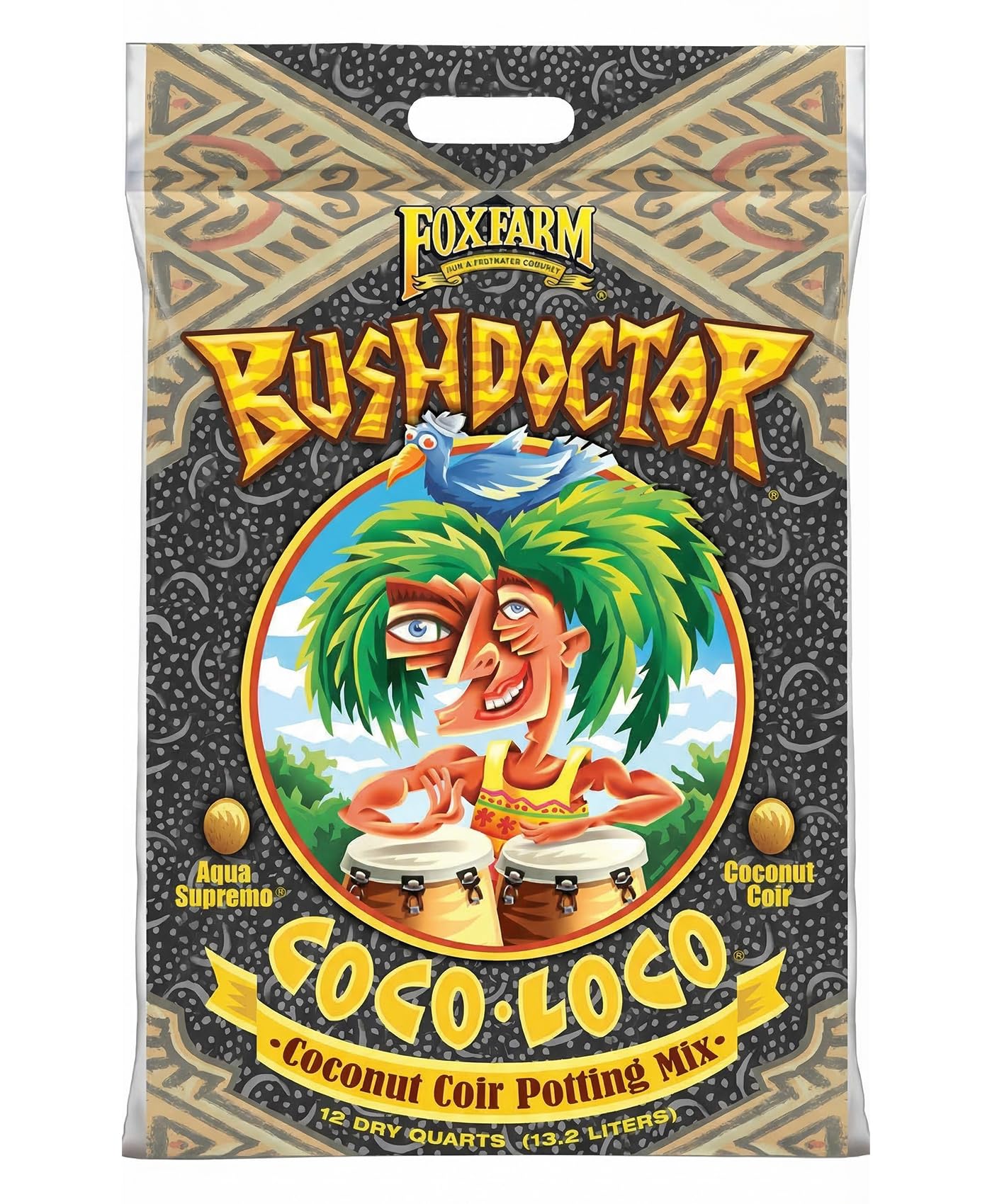
FoxFarm Coco Loco is built for the gardener who has lost hostas to root rot and refuses to repeat the mistake. The mix is 50 to 60 percent coconut coir—triple-washed to remove excess salts that can desiccate hosta root tips—combined with perlite, bat guano, and earthworm castings. The coir structure creates a network of air pores that stays open even after repeated watering cycles, which is critical for hostas in deep containers where the bottom layers tend to turn anaerobic in denser soil.
The triple-wash processing is the standout engineering choice here. Coco coir naturally contains sodium and potassium salts that interfere with water uptake, and FoxFarm’s washing protocol drops those levels far below what standard coir bricks deliver. Owners of hostas growing in Coco Loco report less yellowing at the leaf margins and more consistent turgor pressure in the leaves. The bat guano and castings provide a mild organic nutrient boost without overwhelming young transplants.
The obvious weakness is the price-per-quart, which lands this in the premium category despite the smaller bag size. Also, because coir holds moisture differently than peat, new users may need to adjust their watering rhythm—the surface can look dry while the root zone is still saturated. If you are willing to learn the feel of this mix, it repays you with the healthiest root system possible for a container hosta.
What works
- Triple-washed coir prevents salt buildup at root zone
- Exceptional aeration prevents waterlogged pot bottoms
- Bat guano provides gentle organic fertilization
What doesn’t
- Higher cost per quart than peat-based alternatives
- Requires adjusted watering schedule for coir new users
4. Michigan Peat Baccto Premium Potting Soil
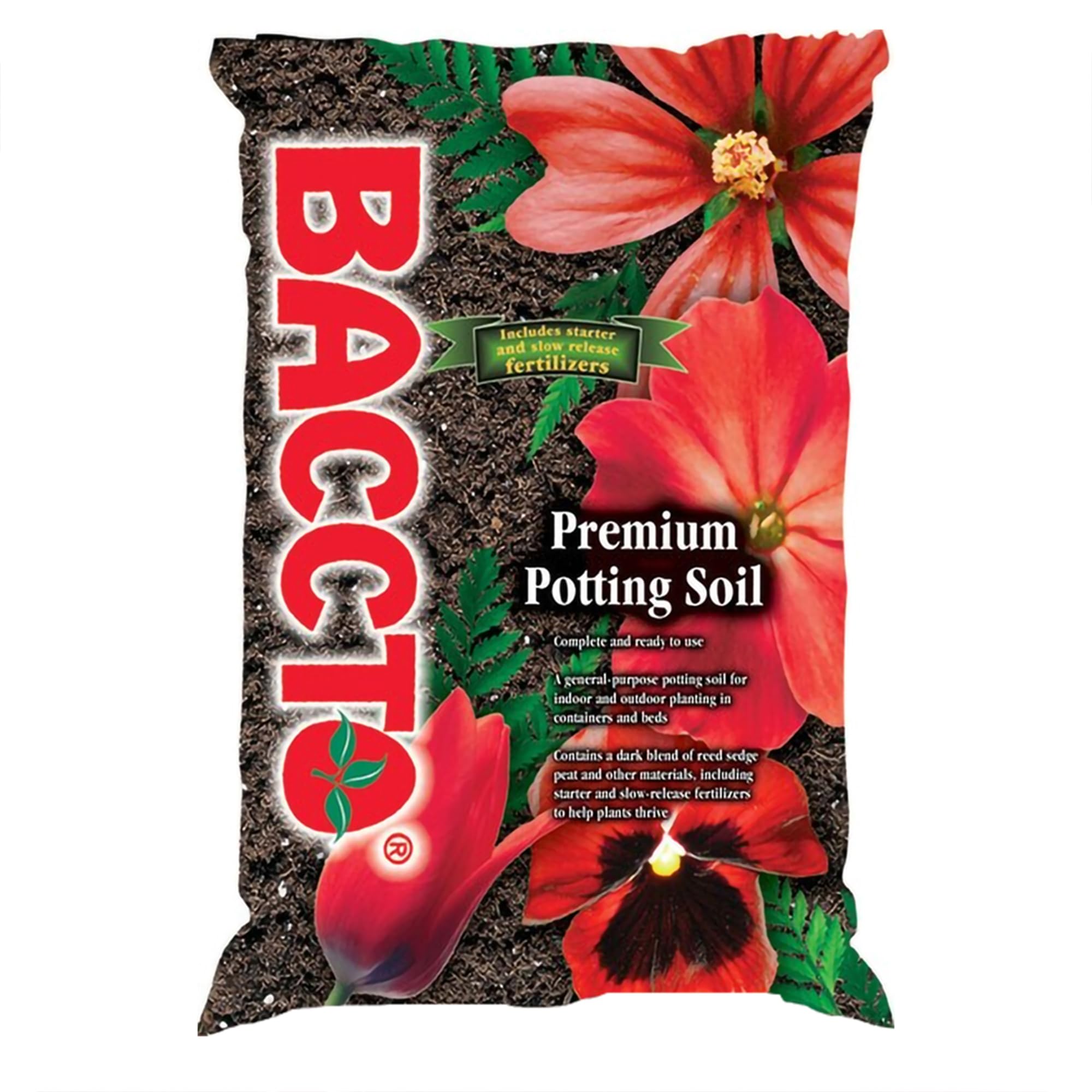
Baccto from Michigan Peat is the workhorse bulk option for gardeners who need to fill multiple large hosta containers without spending a premium. The blend uses reed sedge peat rather than sphagnum peat, combined with perlite and sand to create a medium-weight soil that holds structure reasonably well over a season. The inclusion of both starter and slow-release fertilizers means hostas get an immediate nutrient boost at transplanting and a steady supply for weeks afterward, reducing the urgency of the first feeding.
The 25-pound bag size is the main draw here—it fills a 20-inch pot with room to spare for a few smaller containers. Owners who have tested this against more expensive brands note that seed germination and early leaf expansion are noticeably rapid, likely due to the balanced fertilizer charge. The reed sedge peat also seems to resist the hydrophobic drying that sphagnum peat can develop if a container dries out completely.
Quality control is the recurring concern. Some bags contain an excessive amount of sticks and uncomposted wood fragments that need to be hand-sifted before planting hostas. A minority of buyers report bags where the ratio of organic debris to soil makes the product unusable without significant amendment. For bulk planting where root perfection matters less or where you plan to screen the soil anyway, the cost savings are hard to beat.
What works
- Bulk 25 lb. bag offers best cost per volume
- Dual starter and slow-release fertilizer feeds hostas immediately
- Reed sedge peat resists hydrophobic dry-out
What doesn’t
- Inconsistent batches with high stick and wood content
- Heavy bag can be difficult to transport and store
5. Avalution 18QT Potting Soil Mix
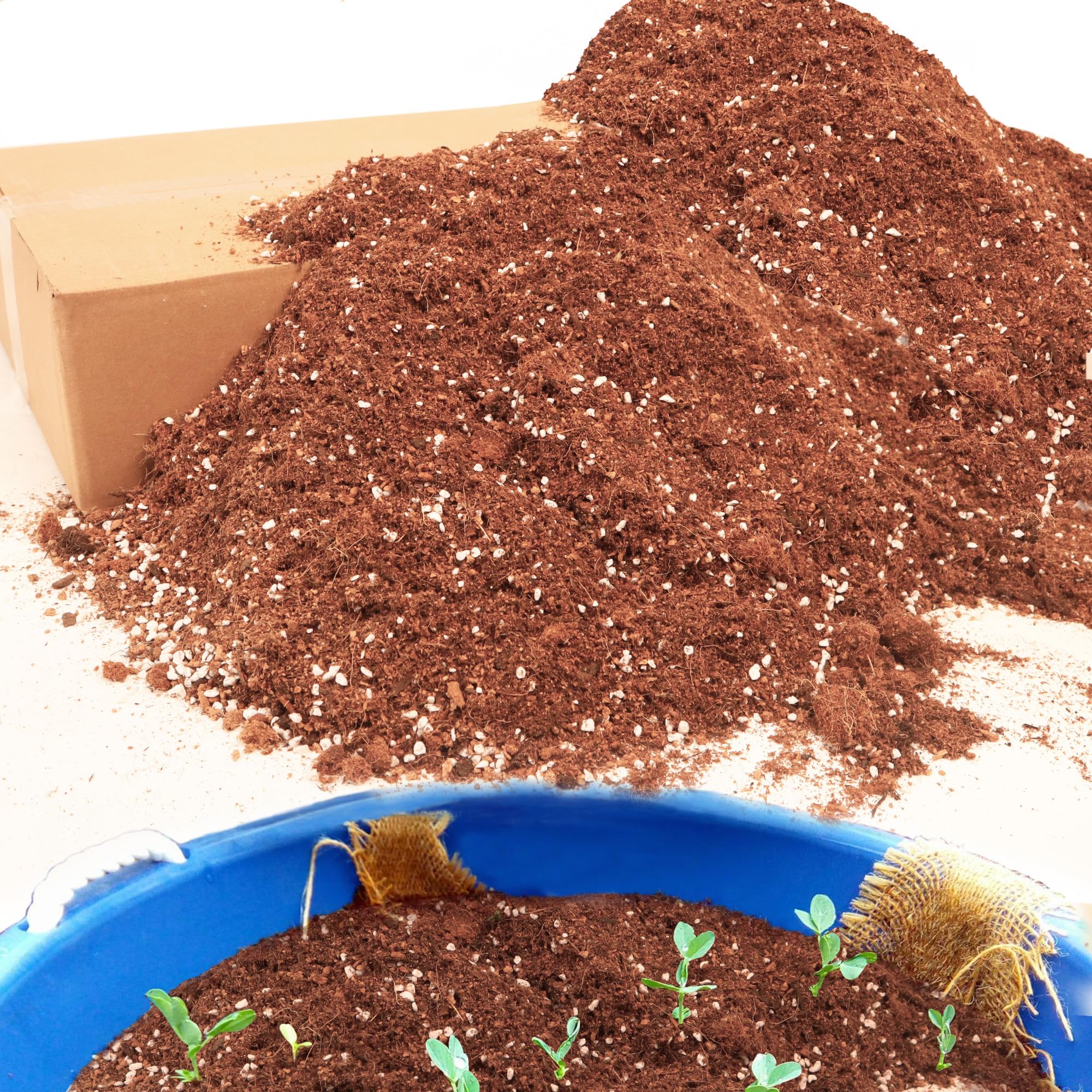
Avalution engineered this mix with a precise five-ingredient ratio that reads like a recipe for hosta container success: 55 percent coconut coir fiber, 12 percent peat moss, 11 percent perlite, 11 percent vermiculite, and 11 percent rice hull charcoal. The rice hull charcoal is the distinctive component here—it adds drainage channels, adsorbs excess nutrients, and provides a habitat for beneficial microbes in the root zone. The result is a soil that weighs almost nothing when dry yet stays hydrated for days between waterings.
The lightweight nature of this mix makes it especially practical for hanging baskets and large fiberglass planters where weight is a concern. The vermiculite in the blend increases the cation exchange capacity, helping the soil hold onto magnesium and calcium that hostas need for deep green leaf coloration. Owners report that transplant shock is minimal with this soil and that hostas establish new roots quickly, likely because the open structure offers little resistance to outward root growth.
The fine texture of this mix means it can wash out of drainage holes if you water aggressively with a hose-end sprayer. It also contains no added fertilizer, so hostas must be fed from day one through the growing season. For the container hosta enthusiast who wants a scientifically balanced base medium rather than a generic all-purpose soil, this is a specialized tool that performs exactly as designed.
What works
- Rice hull charcoal improves drainage and microbial life
- Extremely lightweight for large or hanging containers
- High CEC from vermiculite holds essential micronutrients
What doesn’t
- No added fertilizer requires immediate supplemental feeding
- Fine particles can escape through pot drainage holes
6. Dr. Earth Pot of Gold All Purpose Potting Soil

Dr. Earth’s Pot of Gold is the go-to for hosta owners who share their indoor or patio space with curious pets. The mix carries both OMRI listing and Non-GMO Project verification, and it is formulated without synthetic chemicals, manures, or biosolids that could be harmful if ingested. The base blend supports hostas in containers with a light, loamy texture that drains well enough for sedentary pots while retaining the moisture hosta roots crave.
The organic certification extends to the microbes in the soil. Beneficial soil bacteria and mycorrhizae are included to help hostas access nutrients locked in the organic matter, which is especially useful in containers where the root zone is finite. The 8-quart bag size is modest, making this a better option for repotting a few specimen hostas rather than filling a large patio planter collection. Owners consistently highlight the absence of fungus gnats in this mix, a common problem with bagged soils that contain uncomposted bark.
The main limitation is the volume-to-price ratio—smaller bag for the cost compared to bulk options. The all-purpose formulation is also less specialized for hostas than a dedicated shade-plant mix might be, so you may need to adjust with extra perlite if you are planting in a deep pot with limited drainage holes. For safety-conscious growers with indoor hostas, this is the most reliable certified organic option.
What works
- OMRI listed and Non-GMO for pet-safe gardening
- Fungus gnat free due to no uncomposted bark
- Mycorrhizae enhance nutrient access in small pots
What doesn’t
- Small 8 qt. bag offers limited value for bulk containers
- May need extra perlite for deep hosta pots
7. Miracle-Gro Indoor Potting Mix + Plant Food Bundle

This bundle pairs a 6-quart bag of Miracle-Gro’s indoor potting mix with an 8-ounce bottle of liquid plant food, creating an all-in-one solution for hostas grown in indoor containers. The potting mix is formulated without compost or bark—two common fungus gnat breeding grounds—which makes it a wise choice for hosta pots kept in living rooms, offices, or covered patios where flying pests are unwelcome. The easy-to-wet formula also solves the annoying problem of peat-based soils that repel water when they dry out.
The liquid plant food included in this bundle is designed to be used with every watering, providing a steady nitrogen supply that supports the broad leaf development hostas are prized for. Indoor lighting conditions often limit photosynthesis, so the direct feeding approach helps maintain leaf color and size. Customers who have used this combination for peace lilies and snake plants report similar positive results with indoor hostas, noting that the soil stays fresh-smelling and does not develop the sour odor associated with overwatered potting mixes.
The 6-quart bag size is the smallest in this lineup, making this bundle suitable for one or two medium hosta pots rather than a collection. The indoor formula is also lighter on drainage amendments than outdoor mixes, so hostas in this soil will need careful watering discipline to avoid root rot in the lower pot layers. For the indoor hosta grower who priorities cleanliness and convenience, this bundle removes guesswork from the feeding schedule.
What works
- No compost or bark reduces fungus gnat risk indoors
- Easy-to-wet formula prevents water runoff
- Included liquid food simplifies fertilization routine
What doesn’t
- Small bag volume limits use to a few containers
- Indoor formulation drains slower; root rot risk if overwatered
Hardware & Specs Guide
Peat Moss vs. Coco Coir
Both are the primary moisture-retention base in potting soils, but they behave differently in hosta containers. Sphagnum peat moss holds water like a sponge and is slightly acidic—ideal for hostas that prefer pH around 6.0. Coco coir re-wets more easily after drying and has a neutral pH, but it contains natural salts that must be washed out before use. FoxFarm’s Coco Loco solves this with triple-washing, while budget coir bricks may cause leaf burn if used without leaching.
Perlite and Aeration
Perlite is the white, popcorn-like aggregate that creates air pockets in potting soil. For hosta containers, a mix should contain at least 10 to 15 percent perlite by volume to ensure oxygen reaches the root zone. Soils like the Avalution blend and Espoma AP2 include visible perlite, while some budget soils use sand instead, which adds weight but less aeration. If a mix feels dense and clumps when squeezed, it lacks sufficient perlite for healthy hosta roots.
FAQ
Can I use regular garden soil for hostas in pots?
Should I add extra perlite to my potting soil for hostas?
What pH level should soil for hostas in pots have?
Final Thoughts: The Verdict
For most gardeners, the soil for hostas in pots winner is the Miracle-Gro Potting Mix 3-Pack because its built-in six-month feeding schedule removes the guesswork from fertilizing and the texture supports consistent moisture without turning into mud. If you want a completely organic foundation that stays fluffy for years, grab the Espoma Organic Potting Mix. And for growers battling drainage issues in deep containers, nothing beats the aeration of the FoxFarm BushDoctor Coco Loco.