
Specs are compiled from manufacturer listings and verified buyer reviews and can change over time — please confirm the key details on the product page before buying.
Bare patches, hardpan clay, and grass that just won’t green up — the fix isn’t another bag of seed, it’s what you put under it. Sand for lawns is sold to loosen tough soil and feed roots, but the bags on the shelf could not be more different from each other. Some are mineral conditioners that break up clay, others are pure play sand that does next to nothing for compaction, and a few are blends that hit a happy middle ground. This guide separates the true soil builders from the filler so you buy the right one the first time.
I’m Rikta — the founder and writer behind Lawn Gear Lab. This guide is built by comparing the manufacturers’ published specifications and the patterns across verified customer reviews, so you get each pick’s real strengths and trade-offs instead of marketing spin.
Choosing the wrong type wastes money and delays real improvement, so this breakdown of the best sand for lawns focuses on which mineral actually fixes compaction versus which only fills a sandbox.
Our Picks at a Glance
How To Choose The Best Sand For Lawns
The first thing to know is that “sand for lawns” is a label that holds two very different jobs. One job is physical: opening up dense clay so air and water can reach grass roots. The other job is chemical: adding minerals that feed the soil over a full season. Most buyers grab the first bag they see, but the right choice depends on whether your lawn is compacted earth or just nutrient-starved.
Match the grain to the job
Coarse sand particles physically prop soil apart, which is what you want on a heavy clay lawn. Fine silica sand — the kind sold for sandboxes — packs tighter and can actually worsen compaction if worked into clay. If drainage is your enemy, look for grains around the 1-2mm mark; if you are feeding the soil instead, a fine mineral powder like greensand is the better match.
Check the mineral content, not just the weight
A 5-pound bag of a dense mineral can outperform a 50-pound bag of plain sand because the mineral is doing chemistry, not just taking up space. Greensand delivers glauconite — a mineral source that releases potassium and iron slowly, unlike the inert quartz you get from play sand. When you are comparing bags, ask what the sand is made of before you compare how heavy it is.
Quick Comparison
| Model | Best For | Weight | Grain Type | Action | Amazon |
|---|---|---|---|---|---|
| Soil Sunrise Greensand★ Best Overall | Amending clay soil & feeding roots | 5 lb | Granules | Mineral conditioner | Amazon |
| Texas Greensand 5 lb.Purest Mineral | Organic gardens & true glauconite | 5 lb | Rocky granules | Iron-potassium source | Amazon |
| Sun Joe Silica Play Sand | Sandboxes & light top dressing | 20 lb | Fine white silica | Physical bulk | Amazon |
| Rahato Coarse Sand | Breaking up clay & drainage | 20 lb | 1-2mm coarse | Physical aeration | Amazon |
| Michigan Peat Baccto Top Soil | Top dressing beds & patchwork | 50 lb (2 pack) | Peat & sand blend | Moisture & nutrition | Amazon |
In-Depth Reviews
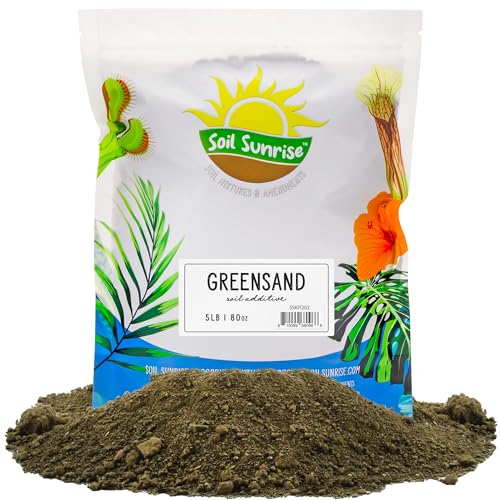
1. Soil Sunrise Greensand Soil Additive
Our pick — over 4.5★ from 250+ verified ratings; the strongest balance of quality and price.
The 5-pound clay-buster that works on chemistry, not just bulk.
This is the pick for the lawn that is hard as a brick and starving for minerals. The greensand comes from marine mineral deposits and delivers glauconite — a slow-release mineral that improves moisture retention and increases root growth over a bio-availability window of 12-14 months. That means one spring application keeps feeding well past the next frost.
What wins people over is how it rescues heavy soil: the top-praised aspect is its effectiveness, and the review pages back it up with stories of clay soil visibly amended. Buyers report it “works wonders for soil blocking and even better in ground to amend clay soil,” and one gardener described it reviving pest-damaged tomato plants in 2.5 weeks, restoring green growth and fruit. It is also a genuine multi-tasker — one owner used it for rescued hermit crabs, and another praised it for storing calcium.
In a straight comparison of mineral value, this 80-ounce bag carries four times the soil-conditioning punch of a standard 20-ounce container of garden additive. The honest trade-off: a 5-pound bag is dense, so it disappears quickly if you are covering a large lawn. Buyers also note the bag is hard to reseal — keep a zip bag handy after opening.
Why it leads the list
- Slow-release minerals feed soil for up to 14 months
- Improves moisture retention in heavy clay
- Effective as an all-purpose additive for lawns and gardens
Where it asks a little more
- 5 pounds is dense, so it covers less area per bag
- Bag reseal is weak, so plan your own storage
Reach for this if: your lawn sits on clay and needs both drainage help and a season-long mineral feed from one bag.
Look elsewhere if: you need bulk volume to spread over a huge yard — this is a concentrated conditioner, not a filler.
2. Texas Greensand 5 lb.
Real glauconite for gardeners who refuse substitutes.
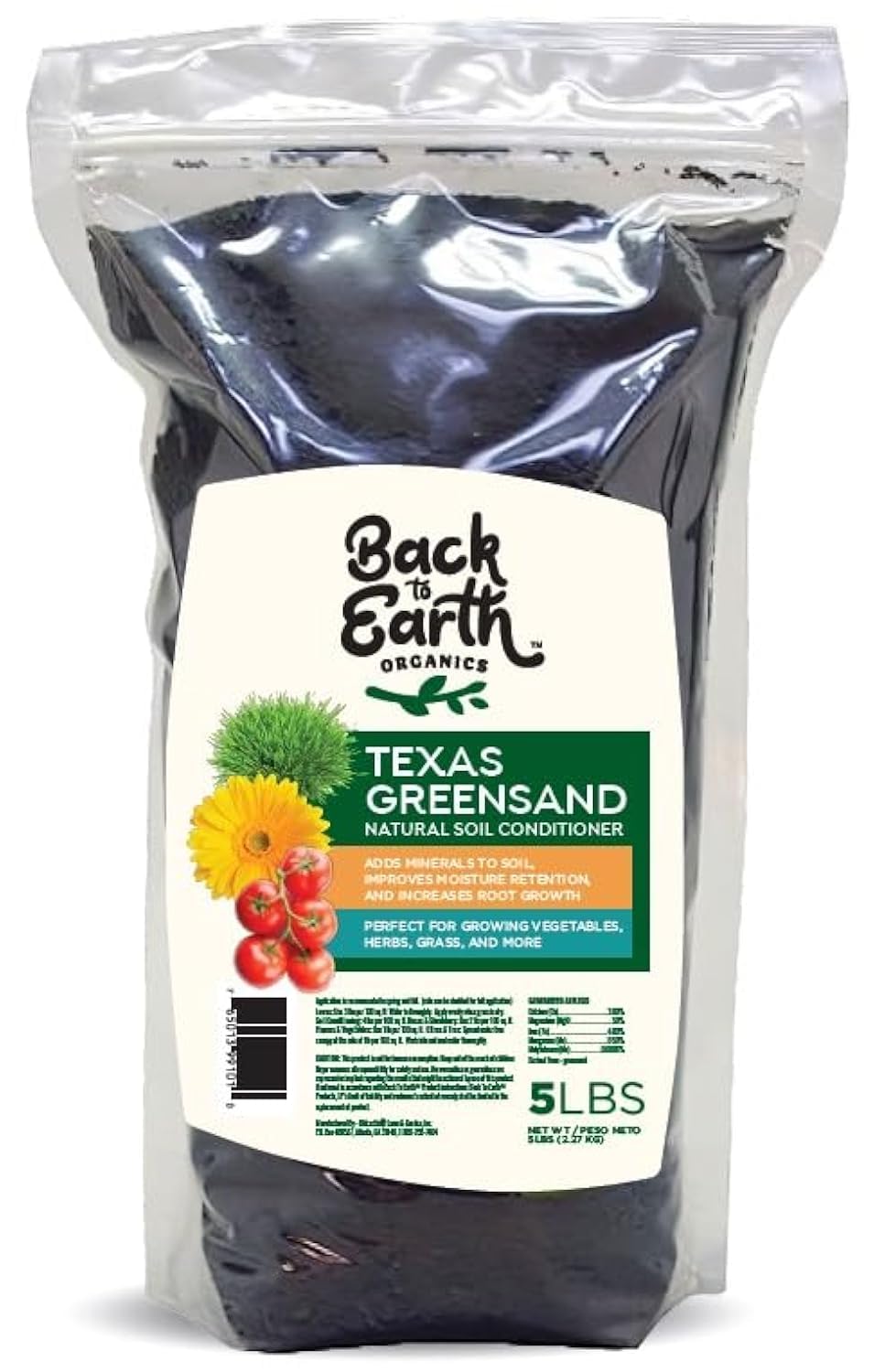
If you have shopped greensand before, you know most bags are blends or imitation minerals. This one is the real thing: a naturally-occurring iron-potassium silicate that delivers iron, potassium, silicate, phosphorus, and trace elements through trilobate glauconite — the exact mineral that organic gardeners hunt for. The work is simple: work it into the soil and water thoroughly.
Owners mention the boron content “enhances flavor in watermelons,” which makes this a favorite if you grow edibles alongside your lawn. The consensus is that it is hard to find genuine trilobate glauconite, and this is it. Owners also note their Bougainvillea and Rock Roses respond well to it — they are happy if the plant is happy.
One honest caveat from the review pages: the texture is “a little more rocky and less fine” than some expect, which matters if you planned to mix it into a fine seedbed. And unlike the Soil Sunrise above, this one has fewer reviews behind it — the crowd favorite is the other greensand — but it is the same 80-ounce size in a purist’s form.
Purist’s choice: buyers who want actual glauconite minerals — not a blend — and who value flavor-enhancing boron in their soil.
The trade-off: the rocky texture is coarser than fine greensand, and the stakes are higher if you are on a strict value budget.
3. Sun Joe Silica Play Sand
Silky white sand that is as much fun as it is functional.
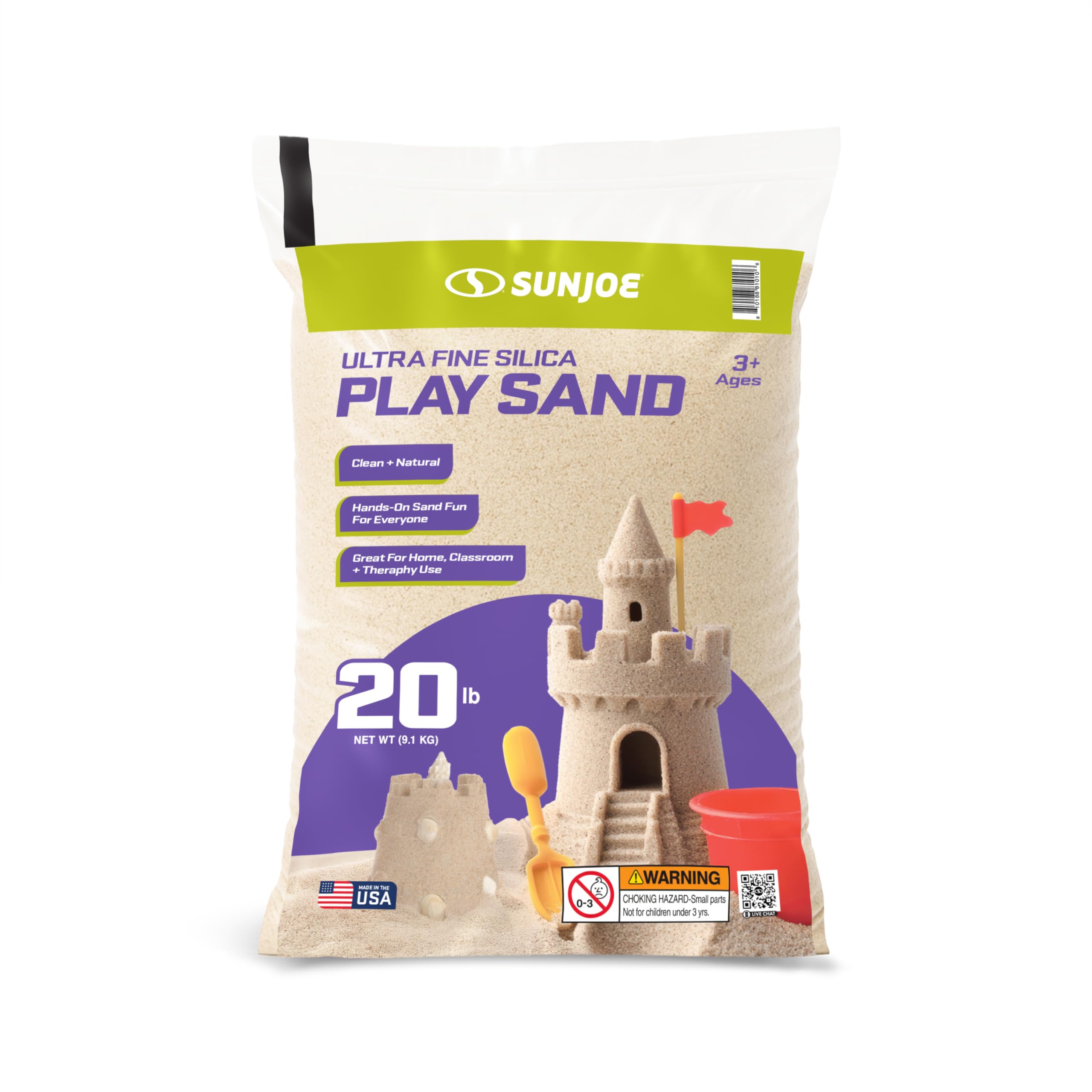
When your lawn project doubles as a family day, this sand does both jobs. The Sun Joe PLYSAND is ultra-clean natural white silica (a fine, smooth mineral sand) with a soft texture buyers call “silky almost” — owners say it is perfect for toddlers and ideal for building sandcastles. Because it is silica, it works beyond the sandbox: buyers use it to fill rifle support bags, mix with dirt for carnivorous plants, and even bag it to stop water.
At 20 pounds it is a solid middle ground — one owner noted “50 pounds was the perfect amount” for a sand table, and the texture is soft enough for sensory tables and therapy sessions. The versatility is the real story: gardens, aquariums, weighted toys, and art projects all make the list of uses. Unlike the greensand picks above, this one is inert, so it is about physical bulk and feel rather than feeding your soil minerals.
The honest catch: it is a high-quality product at a higher price than basic builder’s sand, and one reviewer noted you can get slightly lower quality at a home improvement store for less. But for anyone who values cleanliness, softness, and a bag that is genuinely pleasant to handle, the premium is easy to justify.
Best all-rounder: pairs a lawn top-dressing job with sandbox duty, sensory play, and craft projects in one 20-pound bag.
Who should pass: if your only goal is fixing clay compaction, the coarse Rahato below is the more direct tool.
4. Rahato Coarse Sand for Plants
The 1-2mm coarse grit that physically pries heavy clay apart.
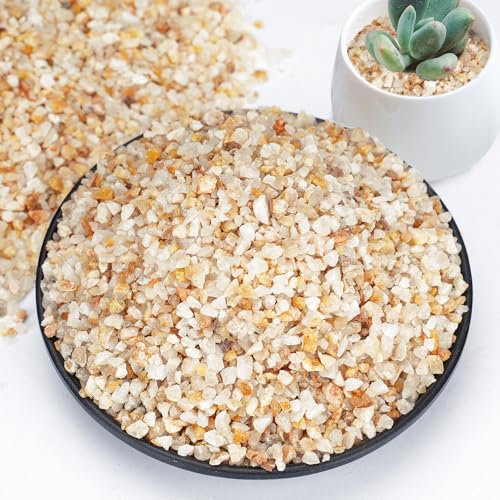
When your lawn is drowning because water pools on the surface, this is the sand that gets down to work. The average grain size runs approximately 1-2mm — coarse enough to create real air channels in dense soil, unlike the fine play sand above that packs tight. Customers note it improves clay soil drainage when mixed with compost and leaves, and even helps with gnat issues by drying out the surface layer.
What stands out in the reviews is the drainage — the top-praised aspect by a wide margin. It is clean, non-toxic, and free of fillers, dyes, or oils, which makes it safe for vases, aquariums, and fish tanks on top of lawn use. One gardener used it to amend clay soil for rosemary, and “the plants are doing very good after one month of being planted.”
Compared to the Sun Joe silica above, this is the more purposeful buy for lawn structure — it is coarser and built for aeration, not for silky sensory feel. The nagging caveat from buyers is value: opinions split on the price, with some calling it good value and others pulling the trigger only because quality is high. It is also an inert sand, so pair it with compost if your soil also needs nutrition.
Choose this for: heavy clay lawns and garden beds that need physical aeration and better drainage, plus aquarium-safe versatility.
You might skip it if: you were hoping the bag would feed your soil — this adds structure, not nutrients.
5. Michigan Peat Baccto Top Soil
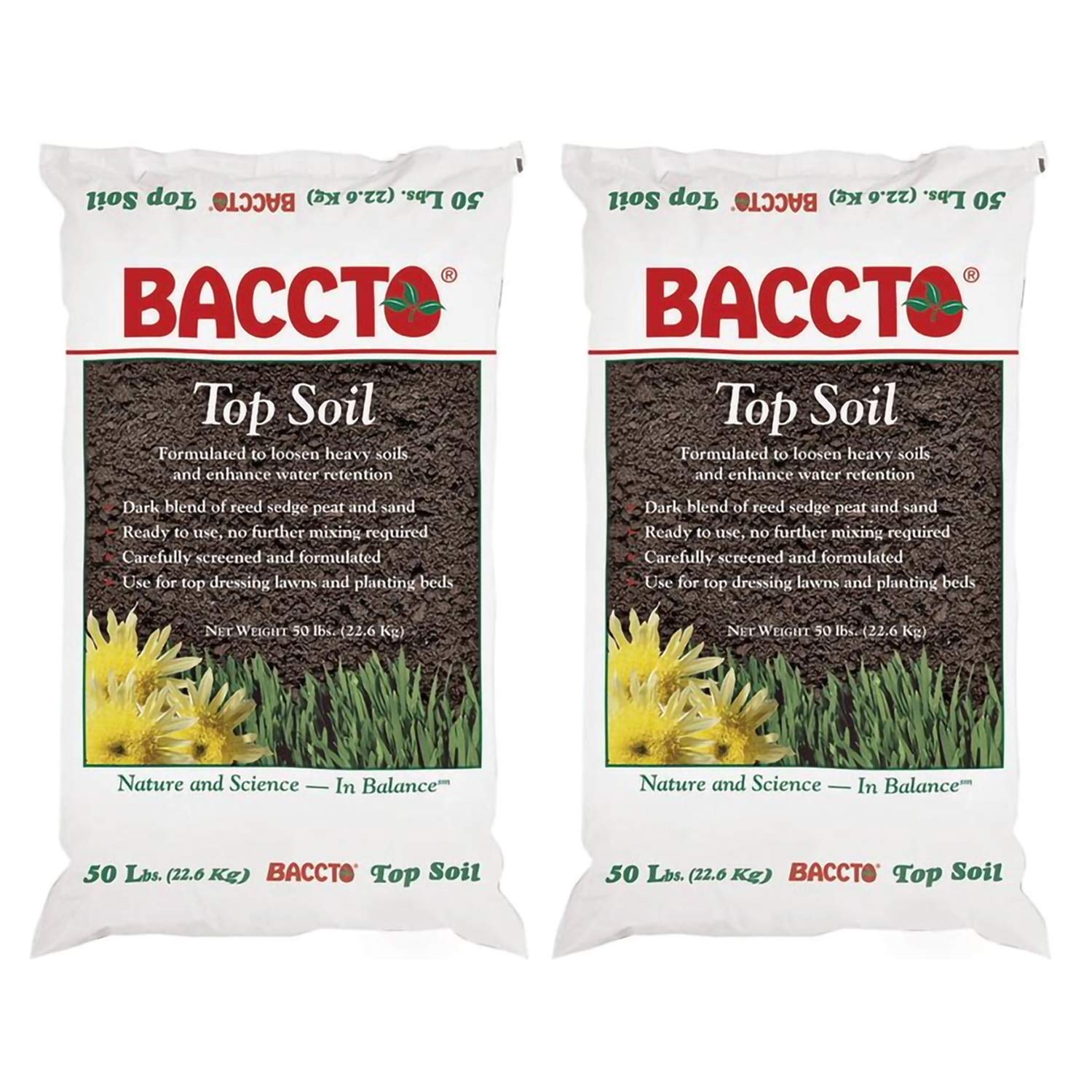
A rich reed sedge and sand blend for lawns that need bulk, not just minerals.
Some lawns need a full soil rebuild, and that is exactly what this 50-pound two-pack delivers. The Baccto blend combines reed sedge peat and sand to help soil maintain moisture, microbial, and nutritional balance — making it a legitimate top-dressing option for lawns, patchwork, and large planting beds. The sand in the mix improves drainage while the peat holds water, so you get both halves of the soil equation in one bag.
Buyers call the quality outstanding: it arrives dark, “cleaner than most screened brands,” and rich with minimal wood products. Reviewers point out plants thriving after application, and one repeat buyer is on their third order for a total of 18 bags — a strong signal of consistency. The full 50-pound bags add up to serious coverage, which separates it from the concentrated 5-pound conditioners at the top of this list.
The honest split in the reviews is about debris. Several owners say the soil is “good quality…but full of twigs,” requiring manual sifting for delicate work, and one buyer found it better suited as mulch for trees than for growing grass. The moisture concern cuts both ways: some love how it holds water, others find it too wet. This is a broad-use blend, not a precision tool.
Best for: big projects — top-dressing lawns, raised beds, and shrub planting — where volume and moisture balance matter more than precision.
Not ideal if: you need a clean, screened soil for fine grass seed; expect some twig-sifting first.
Understanding the Specs
Grain Size: Coarse vs. Fine
The diameter of each sand particle decides whether it helps or hurts your soil. Coarse grains around the 1-2mm range physically prop apart heavy clay, creating air pockets that roots and water can move through. Fine silica sand, by contrast, packs tightly — great for a sandbox, but it can worsen compaction if you work it into dense earth. Match the grain to the physical problem you are solving.
Mineral Content: Glauconite vs. Inert Silica
The chemistry inside the bag matters as much as the weight on the label. Greensand delivers glauconite — a mineral that releases potassium and iron slowly over 12-14 months, feeding the soil instead of just filling space. Plain silica sand is inert: it changes soil structure but adds zero nutrition. If your lawn is nutrient-starved, a mineral conditioner does work a filler never will.
FAQ
Will play sand fix my compacted clay lawn?
What is the difference between greensand and regular sand?
How much sand do I need for a lawn project?
Is sand safe to mix with soil for edible plants?
How long does greensand keep feeding the soil?
Does coarse sand help with fungus gnats in plants?
Can I use the same sand for my lawn and my aquarium?
Is a top soil blend with sand better than pure sand for lawns?
Does sand improve moisture retention or reduce it?
What does top dressing a lawn with sand actually do?
Final Thoughts: The Verdict
For the majority of shoppers, the sand for lawns winner is the Soil Sunrise Greensand because one 5-pound bag delivers both clay-breaking structure and a 12-14 month mineral feed. If you want a purist’s glauconite for organic gardening, grab the Texas Greensand. And for big top-dressing jobs across a full lawn, the Michigan Peat Baccto blend is the one to reach for.
How We Picked
We do not accept paid placement. Every pick is matched to a real buyer and a real use-case; we do not hands-on test units.
Sources & Methodology
Specifications: manufacturer listings and product documentation. Review insights: verified customer reviews, as of August 2026. Pricing: not shown on this page (it changes often); check the current price via the retailer link.
As an Amazon Associate, Lawn Gear Lab earns from qualifying purchases. This does not affect which products we feature.