
Hibiscus plants demand a specific soil recipe to fuel their non-stop production of dinner plate-sized flowers. Standard garden soil or generic potting mixes often turn these tropical beauties into leafy green machines that refuse to bloom, delivering dense, waterlogged conditions that choke roots and starve them of the acidic environment they need to thrive.
I’m Rikta — the co-founder and writer behind Lawn Gear Lab. This guide is built on hours of comparing commercial potting mix formulations, cross-referencing pH levels, evaluating drainage components like perlite and bark ratios, and analyzing hundreds of verified owner experiences to isolate the blends that consistently deliver visible growth and vibrant flowers.
I’ve analyzed the top contenders to help you find the perfect potting soil for hibiscus that balances aeration, moisture retention, and the slightly acidic pH these plants crave.
How To Choose The Best Potting Soil For Hibiscus
Selecting the right mix for your hibiscus is a balancing act between acidity, aeration, and nutrients. The wrong choice leads to yellowing leaves, bud drop, and root rot. Here are the critical factors to evaluate before you open a bag.
pH Level — The Bloom Trigger
Hibiscus thrives in slightly acidic soil, ideally with a pH range of 5.5 to 6.5. Mixes formulated for acid-loving plants (like azaleas or blueberries) often hit this target perfectly. Soil that is too alkaline locks up essential micronutrients like iron and magnesium, causing chlorosis (yellow leaves with green veins) and poor flowering. Always check the label for pH specifications or look for ingredients like sphagnum peat moss that naturally lower pH.
Texture and Drainage — The Root Breathing Room
A hibiscus mix must drain freely while retaining enough moisture between waterings. Look for visible components: perlite (white volcanic glass for aeration), coarse sand or grit, and pine bark fines. Dense blends that feel heavy or compact easily will suffocate the roots. A good mix feels light, fluffy, and should not clump into a solid mass when squeezed. The rule is 60% base (peat/coco coir) and 40% drainage material.
Fertilizer vs. Pure Base Mix
Some premium mixes come pre-loaded with slow-release fertilizer that feeds for months, which is convenient for heavy feeders like hibiscus. Others are bare organic blends that require you to start a feeding regimen immediately. If you buy a mix without added nutrients, you must supplement with a high-potassium liquid hibiscus fertilizer from the first watering. Pay attention to whether a mix is “feeds up to 6 months” or “organic base only” to match your maintenance preference.
Quick Comparison
On smaller screens, swipe sideways to see the full table.
| Model | Category | Best For | Key Spec | Amazon |
|---|---|---|---|---|
| Coast of Maine Acid-Loving | Organic | Low pH stability & large containers | pH 4.5-5.5 range | Amazon |
| Miracle-Gro Potting Mix (3-Pack) | Feeding Mix | Low-maintenance, long-season feeding | Feeds up to 6 months | Amazon |
| Midwest Hearth Premium Mix | Balanced | Versatile indoor/outdoor hibiscus | pH controlled, 4 dry quarts | Amazon |
| Soil Sunrise Peace Lily Mix | Moisture Retaining | Hibiscus in dry indoor air | Includes sand & perlite, 8 qt | Amazon |
| Jessi Mae Organic Potting Soil | Organic | Sensitive plants needing chemical-free base | Slightly acidic, 4 quart | Amazon |
| Rosy Soil Cactus & Succulent Mix | Fast Draining | Wet climates or overwaterers | Peat-free, chunky texture | Amazon |
| TPS Nutrients Hibiscus Fertilizer | Liquid Feed | Add-on to unfertilized base soil | 32 oz, 1:28 mixing ratio | Amazon |
In‑Depth Reviews
1. Coast of Maine Organic Acid-Loving Planting Soil

Coast of Maine delivers the most category-appropriate mix for hibiscus by zeroing in on the single most important spec: acidic pH. With a formulation powered by sphagnum peat moss and composted manure, this blend naturally lands in the 4.5 to 5.5 pH range — right where tropical hibiscus roots can freely access iron and manganese for deep green leaves and continuous budding. The 20-quart volume also offers solid coverage for multiple large patio pots or one substantial raised container.
Users consistently report vigorous green-up and new growth after repotting, even with plants that were previously stalled in neutral-pH garden center mixes. The inclusion of perlite and aged bark fines creates a loose, airy structure that hibiscus roots need to avoid waterlogging during summer rains. This is an OMRI-listed organic product, so it’s free from synthetic wetting agents that can sometimes cause root sensitivity in flowering tropicals.
The primary consideration is that this mix is designed as a base soil rather than a “feeds for months” product. You will need to supplement with a dedicated liquid hibiscus fertilizer every two weeks during the growing season to sustain peak flower production. The composted manure provides a gentle start, but heavy feeders will outpace its nutrient reserves quickly.
What works
- Ideal low pH range for hibiscus root absorption
- Light, fluffy texture drains well in containers
- Large 20-quart size offers great value for multiple pots
What doesn’t
- No slow-release fertilizer included for heavy feeding
- Slightly moist upon opening, needs aeration before use
2. Miracle-Gro Potting Mix (8 qt. 3-Pack)

This bundle puts the reliability of a household name into a 3-pack that covers a full season of container hibiscus without requiring you to mix fertilizer. The patented slow-release formula feeds plants for up to six months, which directly addresses the high-nitrogen and high-potassium demands that keep hibiscus pushing out successive flushes of blooms from spring through early fall.
The texture is notably light and well-draining straight from the bag, with sufficient perlite to prevent the compaction that kills container hibiscus in their second year. Many reviewers point out that smaller bags like these avoid the moisture problems found in giant bags that sit in garden center pallets. The 8-quart size per bag is ideal for one standard 10- to 12-inch pot, letting you open only what you need and keep the rest sealed for later.
Seasoned hibiscus enthusiasts often adjust the pH by adding a small handful of sphagnum peat moss at planting, since this mix is formulated to support a wide range of plants and lands closer to neutral than a dedicated acid-lover. If you’re growing tropical varieties sensitive to chlorosis, plan for this pH tweak or use an acidic liquid supplement from day one.
What works
- Built-in feeding for 6 months reduces maintenance
- Proven drainage structure for container health
- Convenient 3-pack with reseal-able smaller bags
What doesn’t
- pH is closer to neutral, may need peat moss amending
- Not organic; includes synthetic wetting agents
3. Midwest Hearth Premium Potting Soil Mix (4 Qt)

Midwest Hearth delivers a precisely engineered three-way blend of peat moss, perlite, and vermiculite that gives consumers an exceptional “ready-to-use” experience for indoor and patio hibiscus. The peat moss provides the slightly acidic environment, while the perlite creates drainage channels and the vermiculite retains enough moisture to prevent the pot from drying out between daily inspections — a balance that mirrors professional nursery conditions.
The 4-quart bag size is perfect for a single hibiscus repotting or for starting cuttings in small nursery pots. Owners consistently praise the light, fluffy texture that doesn’t harden into a crust around the root ball, a common complaint with cheaper bagged soils that compact over time. The resealable packaging also keeps the unused portion fresh without attracting fungus gnats.
The biggest limitation for hibiscus growers is the small volume — four quarts is barely enough for one 8-inch pot. If you manage a collection of tropical hibiscus, you will need multiple bags. Additionally, this mix contains no added fertilizer, so you must begin a feeding regimen with a bloom-boosting liquid supplement from the very first watering to see flowers.
What works
- Triple-combination for optimal aeration and moisture
- pH-controlled for acid-loving species
- Reseal-able bag preserves freshness
What doesn’t
- Small 4-quart bag size limits value per pot
- Requires immediate fertilizer for bloom cycle
4. Soil Sunrise Peace Lily Potting Soil Mix (8 Qt)
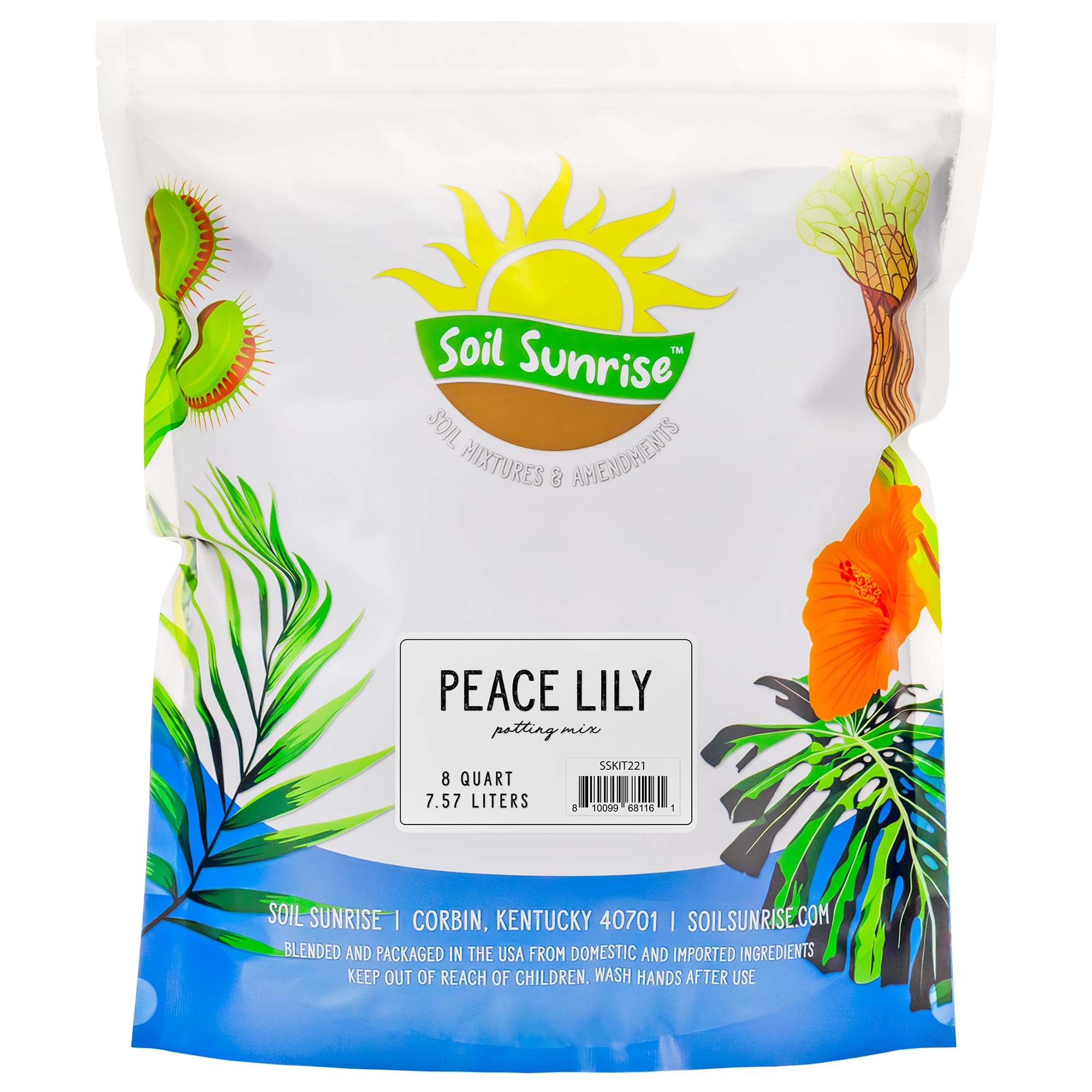
Soil Sunrise uses a specific combination of pine bark, peat moss, perlite, sand, and lime that creates a coarse, moisture-retaining structure ideal for hibiscus kept in dry indoor air or low-humidity patios. The pine bark chunks and sand provide physical drainage channels that prevent root rot, while the peat moss holds enough water so that a missed watering won’t cause immediate wilt. This 8-quart bag offers a middle ground between the tiny 4-quart artisan mixes and the bulk 20-quart bags.
Users appreciate the airy, light consistency that makes potting a breeze — the mix pours easily and settles without compaction around sensitive root systems. While the formula is marketed for peace lilies, its pH balance (aided by the lime to temper the peat’s acidity) lands in the 5.8 to 6.5 range that hibiscus roots recognize as prime territory.
Because this mix contains sand, it’s noticeably heavier than perlite-dominated blends, which can be a downside for hanging baskets or elevated pots. The sand also means the bag is smaller than its volume suggests in terms of potting capacity — the heavier particles take up weight without contributing as much root space as perlite or bark.
What works
- Excellent moisture retention for erratic watering schedules
- Light and airy during potting, easy to work
- 8-quart bag is versatile for single large or two medium pots
What doesn’t
- Sand adds weight to the final pot
- No added fertilizer, needs supplementing immediately
5. Jessi Mae Organic Potting Soil (4 Qt)

Jessi Mae’s hand-mixed organic formula delivers a slightly acidic base specifically designed for sensitive houseplants, making it a clean foundation for hibiscus growers who want total control over their feeding schedule. The blend uses perlite and organic materials to create a light, fluffy texture that prioritizes air circulation around the root zone — exactly what prevents the fungal issues that plague tropical species in humid environments.
Multiple users highlight the total absence of bugs and chemical residues, which matters greatly when you’re bringing a plant indoors after summer. The 4-quart size is small but dense in quality, and the food-grade packaging reflects a commitment to purity that eliminates the worry of salt build-up common in fertilizer-laden commercial mixes. Reviewers with snake plants and pothos report vigorous root response, a signal that the drainage and aeration specs are correct for fibrous root systems similar to hibiscus.
The downside for the dedicated hibiscus gardener is again volume — 4 quarts barely covers one small repotting. The organic smell, described as “earthy but strong” by some purchasers, may be off-putting indoors for the first few days. Most critically, this mix has zero slow-release nutrients, so you must be disciplined with a liquid hibiscus fertilizer from day one to prevent yellowing.
What works
- Chemical-free organic base for sensitive roots
- Light, fluffy texture prevents root compaction
- Pest and bug-free guarantee out of the bag
What doesn’t
- Small bag size for the price
- Strong organic smell for the first few days
6. Rosy Soil Cactus & Succulent Mix (4 Qt)
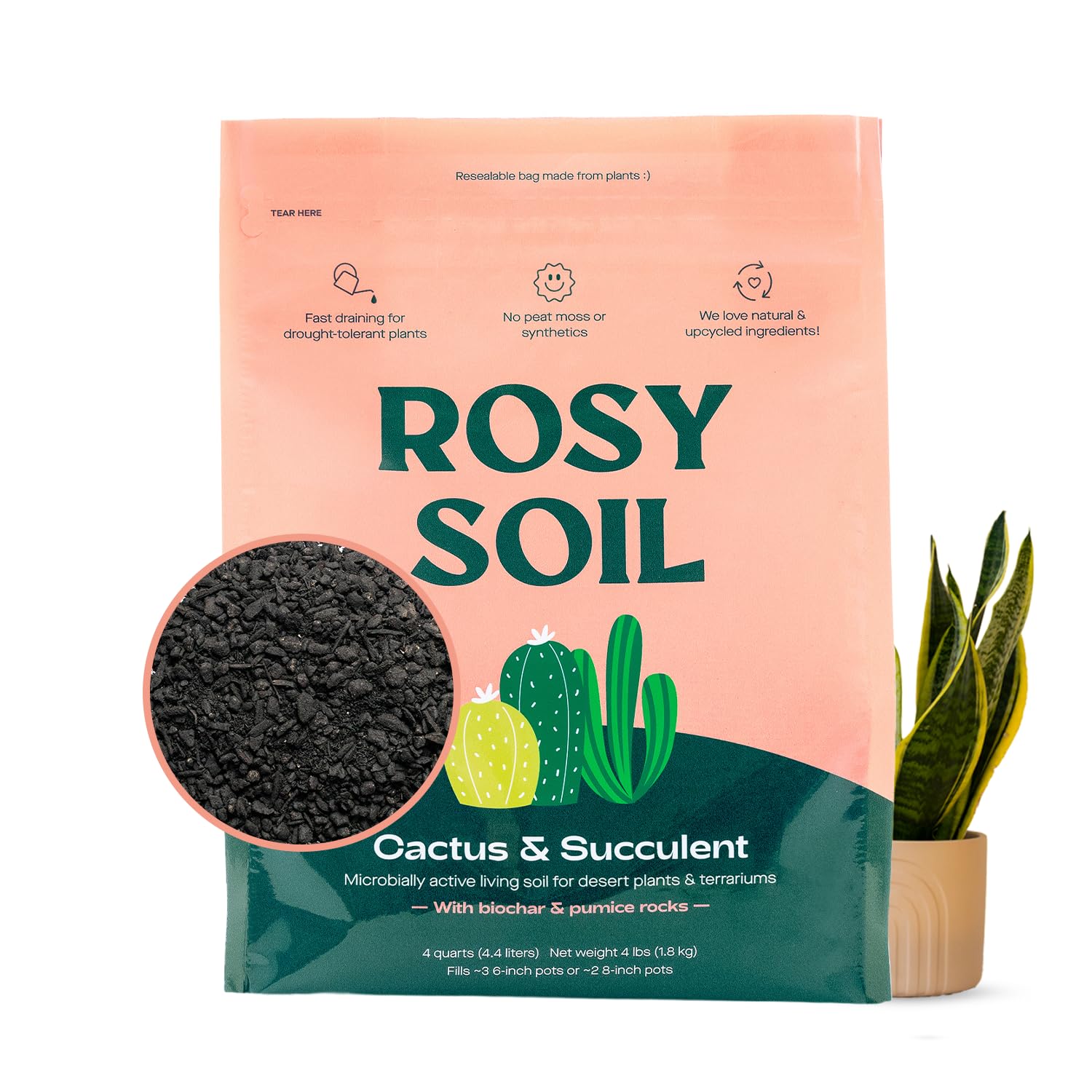
Rosy Soil’s peat-free, chunky cactus formula solves the single biggest hibiscus killer: overwatering. While this mix is designed for succulents, its ultra-fast drainage and living soil biology (pre-loaded with beneficial fungi, microorganisms, and worm castings) create an environment where hibiscus roots cannot stay wet, which is the root cause of chlorosis and petiole rot in container-grown specimens.
The gritty, chunky texture ensures that water flows through the pot in seconds, leaving the root zone adequately moist but never saturated. This is especially valuable for outdoor hibiscus in rainy climates or for growers who tend to water on a fixed schedule. Users report great success using this as a base and cutting it with a small amount of regular potting soil to increase water-holding capacity for the thirsty hibiscus.
Because this mix is so aggressively free-draining, it can dry out too quickly for tropical hibiscus in hot, sunny locations. The 4-quart bag is small and the lack of any synthetic moisture retention means you may need to water daily. You will absolutely need to mix in a slow-release or liquid hibiscus fertilizer, as the worm castings provide only a mild nutrient foundation.
What works
- Unmatched drainage prevents root rot confidently
- Live microbial ecosystem supports natural root health
- No peat = sustainable and uniform texture
What doesn’t
- Dries out faster than hibiscus prefers in direct sun
- Very small bag volume for the application
7. TPS Nutrients Hibiscus Fertilizer (Liquid, 32 oz)
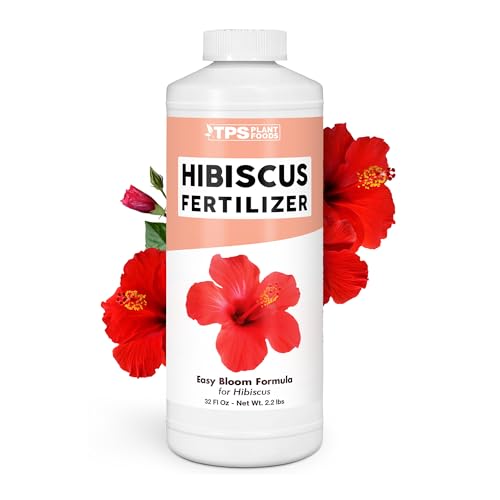
TPS Nutrients created a liquid fertilizer that acts as the essential counterpart to any bare organic potting mix. Specifically formulated for tropical hibiscus, this 32-ounce concentrate supports vibrant, large blooms and consistent flower production through a specialized nutrient ratio that prioritizes potassium and micronutrients over general-purpose nitrogen. The 1:28 mixing ratio means each bottle goes a long way for daily or weekly feeding.
Owner reviews are emphatic about the speed of results: plants that were green but bloomless for years produced buds within one to two weeks of the first application. Yellow leaves reversed to deep green, and existing flower production intensified noticeably. This is the kind of targeted boost that turns a generic soil base into a hibiscus-specific growing environment.
The clear downside is that this is a supplement, not a soil. You must already have a solid base mix. Several users note that the bottle is small and the cost per feeding is higher than a general-purpose fertilizer, though the results justify the premium for dedicated hibiscus enthusiasts. For maximum effect, combine it with one of the organic base soils reviewed above that lacks its own feeding program.
What works
- Rapid blooming response, often within one week
- Specifically formulated for hibiscus nutrient needs
- Concentrated formula provides months of feedings
What doesn’t
- Requires a separate base potting soil
- Cost per feeding is higher than general fertilizers
Hardware & Specs Guide
pH Measurement
Hibiscus roots function best between 5.5 and 6.5 pH. Outside this window, micronutrients like iron and zinc become insoluble and unavailable, causing yellow leaves with dark green veins. A simple probe meter or test strip kit helps you verify your mix’s starting pH before planting. Most peat-based mixes land around 4.5 to 5.5, while compost-heavy blends may read 6.0 to 7.0. Adjust downward with elemental sulfur or liquid pH down solution if necessary.
Perlite and Bark Ratio
Look for mixes listing perlite, pumice, or pine bark fines in the top two ingredients. These coarse particles create macro-pores that allow oxygen to reach the root zone and excess water to drain freely. A mix with less than 30% by volume of these drainage materials will likely compact into a dense, waterlogged mass over time. If your chosen bag looks dark and uniform without visible white or brown chunks, add perlite manually at a 1:4 ratio.
FAQ
Can I use cactus soil for potted hibiscus?
How often should I repot hibiscus into fresh soil?
Final Thoughts: The Verdict
For most gardeners, the potting soil for hibiscus winner is the Coast of Maine Acid-Loving Soil because its guaranteed low pH range directly targets the root-level chemistry hibiscus needs to unlock continuous blooms. If you want built-in feeding with no fertilizer mixing, grab the Miracle-Gro Potting Mix 3-Pack. And for growers who need the purest organic base and plan to dial in their own liquid feeding regimen, nothing beats the Jessi Mae Organic Potting Soil for starting clean.