
Vegetable plants are only as vital as the soil they root into. Thin, exhausted dirt leads to weak stems, yellowing leaves, and a harvest that never meets its potential. The solution isn’t more chemical fertilizer — it’s rebuilding the organic structure of the earth itself with a stable, decomposed humus that feeds the soil food web for months.
I’m Rikta — the co-founder and writer behind Lawn Gear Lab. I spend my days deep-diving into horticultural data, cross-referencing soil amendment specifications, and combing through aggregated owner feedback to find which organic matter products actually convert depleted garden beds into thriving vegetable ecosystems.
The best way to make that selection simple is to identify the specific characteristics of premium humus compost for vegetable gardening that separate genuine soil builders from filler products that contain too much undecomposed material or synthetic additives.
How To Choose The Best Humus Compost For Vegetable Gardening
Not every bag labeled “compost” delivers the stable organic carbon your vegetables need. Humus is the endpoint of decomposition — it won’t break down further and acts as a long-term sponge for nutrients and moisture. Here are the specific specs and signals that separate premium humus from unfinished organic material that can rob your soil of nitrogen.
OMRI Certification and Organic Integrity
For vegetable gardens, especially those growing food for your table, an OMRI (Organic Materials Review Institute) listing is the gold standard. It guarantees the compost contains no synthetic pesticides, sewage sludge, or prohibited additives. Products like the Ribbon Organics and Fishnure carry this certification, ensuring every scoop you add to the bed is compliant with organic growing standards.
Texture and Sifting Quality
Premium humus compost should have a consistent, crumbly texture — like dark, moist coffee grounds. Bags loaded with stones, twigs, or large chunks of undecomposed wood indicate poor sifting. These contaminants reduce the usable volume and can create air pockets that dry out root zones. Look for reviews that specifically mention “no rocks” or “finely sifted” to guarantee you’re getting pure humus, not filler.
Microbial Diversity and Additives
Humus is a living substance. The best vegetable garden composts include active microbial colonies or added mycorrhizal fungi, which partner with plant roots to unlock phosphorus and trace minerals. Products containing lobster and crab meal, kelp, or worm egg material bring additional biological complexity that synthetic fertilizers cannot replicate.
Quick Comparison
On smaller screens, swipe sideways to see the full table.
| Model | Category | Best For | Key Spec | Amazon |
|---|---|---|---|---|
| Wiggle Worm Worm Castings | Worm Castings | Living soil systems | 40 lbs worm castings + eggs | Amazon |
| Espoma Land and Sea | Gourmet Blend | Transplants & containers | Lobster & crab meal | Amazon |
| Ribbon Organics Compost | Pure Compost | Premium soil building | OMRI certified, 7.9 gallons | Amazon |
| GS Plant Foods Root Ruckus | Liquid Concentrate | Foliar & root drench | Humic acid + kelp + mycorrhizae | Amazon |
| Fishnure Humus Fish Compost | Fish-Based | No-till & containers | OMRI listed, odor-free powder | Amazon |
| Brut Cow Compost | Cow Manure | General garden beds | 10 quarts, OMRI listed | Amazon |
| R&M Organics Compost | Manure Based | Moisture retention | 10 lb bag, low odor | Amazon |
In‑Depth Reviews
1. Wiggle Worm Pure Worm Castings
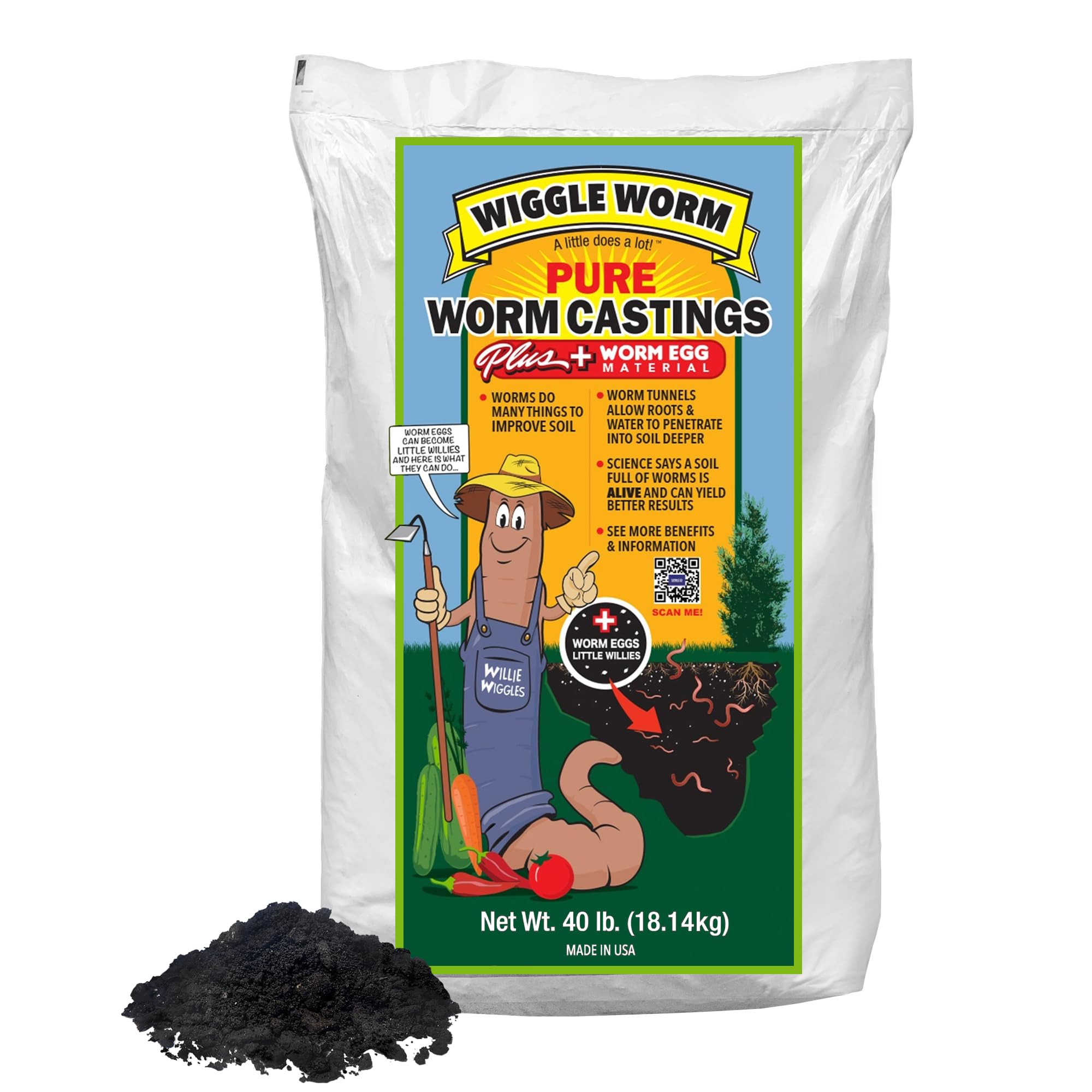
Wiggle Worm delivers 40 pounds of pure worm castings mixed with actual worm egg material — not just castings, but cocoons that can hatch and establish a living worm population in your raised beds. The texture is finely granular and odor-free, making it ideal for direct incorporation into vegetable soil without any composting smell.
The microbial boost from the castings plus the potential for live worms means your soil gets continuous aeration and nutrient cycling long after application. Gardeners in extreme climates report this product helped gardenias and tomatoes survive both triple-digit summers and freezing winters by improving the soil’s buffering capacity.
For vegetable growers focused on building a true living soil food web, this is the most complete bag you can buy. The 40-pound volume covers large beds generously, and the consistent quality of the sifted material means you won’t waste time picking out rocks or twigs.
What works
- Finely sifted, odor-free, and true worm castings without filler
- Worm egg material can establish a self-sustaining population
- Massive 40 lb bag covers large beds at a competitive per-pound value
What doesn’t
- Heavy bag — shipping weight near 40 lbs can be cumbersome
- Some small rocks may still pass through the sifting process
2. Espoma Organic Land and Sea Gourmet Compost

Espoma combines composted organic matter with lobster and crab meal, giving this product a higher calcium and chitin content than standard manure-based composts. The crustacean shells slowly release calcium and stimulate beneficial soil bacteria that suppress fungal pathogens — a significant advantage for solanaceous crops like tomatoes and peppers prone to blossom-end rot.
The inclusion of Myco-Tone, Espoma’s proprietary blend of endo and ecto mycorrhizae, means this compost actively colonizes root systems during transplanting. Indoor container gardeners and outdoor raised-bed growers both report noticeably stronger root development and faster establishment compared to plain compost.
This is a targeted tool for the vegetable gardener who wants to improve native soil at planting time or invigorate tired potting mixes. The 1-cubic-foot bag is dense — about 24 pounds — and a little goes a long way when mixed into the root zone at a 1:4 ratio.
What works
- Lobster and crab meal provides natural calcium and chitin for disease suppression
- Mycorrhizae blend improves transplant success and root expansion
- Versatile for containers, raised beds, and in-ground planting
What doesn’t
- Distinct marine scent that may be noticeable indoors initially
- Bag weight is heavy for its volume — expect dense, moist material
3. Ribbon Organics OMRI Certified Organic Compost

Ribbon Organics produces what many long-time gardeners call the finest bagged compost available. The material is exceptionally dark, friable, and deeply earthy smelling — a sign of fully stabilized humus with high carbon content. OMRI certification confirms no synthetic contaminants, and multiple reviewers note the total absence of plastic shards, sticks, or metal debris that plague cheaper bulk composts.
This compost excels as a base for container mixes, particularly when blended with perlite and orchid bark for moisture-sensitive plants. Indoor growers using grow lights report that greens like lettuce and spinach thrive in a 50% Ribbon Organics mix, producing dense, dark leaves without supplemental fertilizers for weeks.
The primary trade-off is the bag size relative to the price. At 7.9 gallons, it covers less volume than the 40-pound Wiggle Worm bag, but the purity and decomposition quality make it the preferred choice for serious soil builders who want the highest organic carbon density available in a bag.
What works
- Fully decomposed humus with a rich, dark, crumbly texture — no contaminants
- OMRI certified and safe for organic vegetable production at any concentration
- Pairs well with worm castings and other soil builders for custom mixes
What doesn’t
- Higher cost per cubic foot compared to standard manure-based composts
- Smaller bag size — plan to buy multiple units for large raised beds
4. GS Plant Foods Root Ruckus Liquid Compost
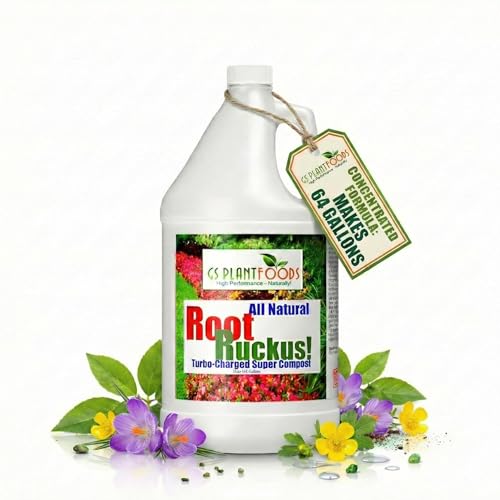
Root Ruckus is a liquid concentrate that delivers soluble humic acid, liquid kelp, and mycorrhizal inoculant in one bottle — effectively condensing the biological benefits of compost into a drench that penetrates the root zone instantly. The 1-gallon container makes 32 to 42 gallons of finished solution, depending on application method, offering extensive coverage for a single purchase.
Humic acid acts as a natural chelator, making bound-up soil minerals available to vegetable roots, while the seaweed-derived cytokinins and auxins promote vigorous vegetative growth. Gardeners report reviving cold-stressed tomatoes overnight and seeing first blooms within five days after application — a speed no solid compost can match.
This product is best used as a supplement to solid compost, not a replacement. Apply it as a foliar spray or soil drench every two to three weeks during the growing season to maximize nutrient cycling and stress tolerance in heavy-feeding vegetables like squash, corn, and tomatoes.
What works
- Fast-acting liquid formula delivers humic acid and kelp immediately to roots
- Highly concentrated — each gallon makes up to 42 gallons of finished solution
- Works synergistically with any granular fertilizer without risk of burn
What doesn’t
- Requires regular reapplication every 2-3 weeks for continuous benefit
- Liquid form adds shipping weight and plastic bottle waste
5. Fishnure Humus Fish Compost Fertilizer
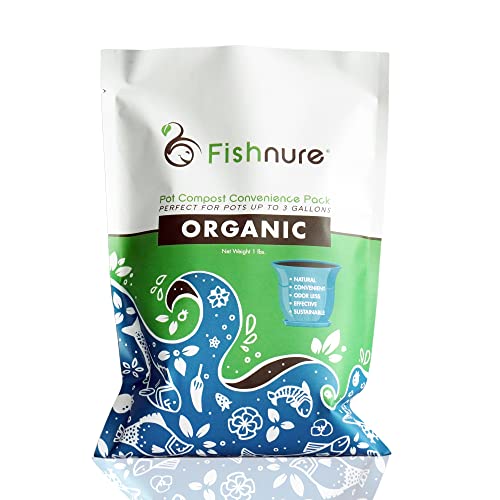
Fishnure produces a unique dry powder compost made from fish manure, offering a controlled-release humus source without the strong odor associated with fish emulsion. Each 1-pound bag is sized for a 3-gallon pot, making it a precise tool for container vegetable growers who want to avoid guessing application rates.
OMRI-listed and completely odor-free, this product shines in indoor growing environments where smell and cleanliness matter. Gardeners report that mixing it into seed-starting media produced the healthiest seedlings they had ever grown, with no nitrogen burn and a significant improvement in root mass compared to synthetic starter fertilizers.
The main caveat reported by multiple users is the presence of small stones in the sifted product. These do not affect the compost’s biological value, but they do require picking out if you’re using the powder in a fine seed-starting mix. For raised-bed top-dressing, the stones are irrelevant.
What works
- Concentrated fish humus with no fishy smell — ideal for indoor use
- Gentle, balanced nutrition that cannot burn seedlings or delicate roots
- OMRI listed and proven for no-till and organic container gardening
What doesn’t
- Small rocks are present in the bag — requires picking for fine media
- Single bag only covers a 3-gallon pot; large beds need multiple units
6. Brut Cow Compost

Brut Worm Farms produces an OMRI-listed cow manure compost that is fully composted and finely sifted, eliminating the risk of nitrogen burn that raw manure presents. The 10-quart bag offers a clean, earthy texture with no strong barnyard odor, making it suitable for both outdoor raised beds and indoor container gardening.
This compost is particularly effective as a bulk soil conditioner for vegetable gardens. Mixed at a 3:2 ratio with standard potting soil, first-time growers report tomato seeds planted in March reaching robust transplant size by late April. The balance of nitrogen, calcium, and iron supports leafy greens like lettuce and kale as well as fruiting crops.
The price per quart makes it one of the more accessible options for gardeners who need to amend a medium-sized raised bed without breaking the budget. Just verify that the product is fully sifted before incorporating into fine seed-starting mixes, as some variability in texture can occur between batches.
What works
- Fully composted cow manure with no risk of burning sensitive seedlings
- Odor-free and finely textured for easy incorporation into existing soil
- OMRI listed for organic vegetable gardening compliance
What doesn’t
- Bag volume is moderate — large raised beds may require multiple purchases
- Some users report occasional variability in sifting consistency
7. R&M Organics Premium Organic Compost
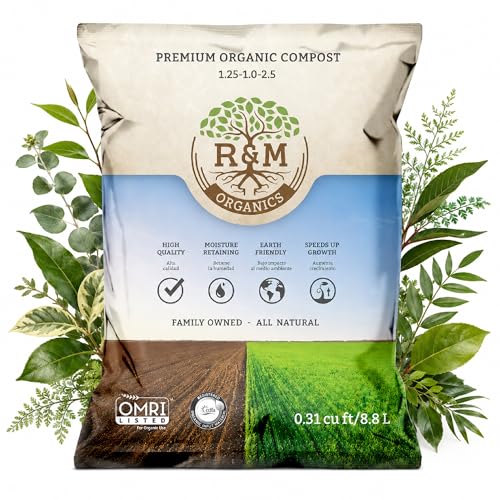
R&M Organics produces a dairy cow manure compost processed through continuous aeration to minimize odor and weed seeds. The 10-pound bag is sized for targeted applications — perfect for reviving a single ailing tomato plant or amending a small container bed without committing to a bulk bag you might not finish.
Multiple verified reviews highlight this compost’s ability to reverse acute plant stress. One gardener used it to rescue azaleas damaged by a roof-cleaning enzymatic wash, while another reported that a single application turned yellowing tomato leaves green within a week and triggered new flower bud formation. The moisture-retention properties of the fully composted dairy manure help reduce watering frequency in containers.
The biggest practical limitation is the cost per pound. This is a premium-priced product by volume, so it fits best as a rescue tool or for small-space gardeners who need high quality in small quantities rather than as a bulk bed filler.
What works
- Smooth, topsoil-like texture with no clumps or strong manure odor
- Proven ability to reverse plant stress and yellowing within one week
- Improves moisture retention in sandy or depleted potting mixes
What doesn’t
- Higher per-pound cost compared to bulk compost from local sources
- 10-pound bag is small — not economical for large in-ground vegetable plots
Hardware & Specs Guide
OMRI Certification
OMRI-listed products undergo independent review confirming no synthetic pesticides, sewage sludge, or prohibited ingredients are present. For vegetable gardens where you plan to eat the produce, this certification is the only reliable way to guarantee the compost meets organic standards. Products like Ribbon Organics, Fishnure, and Brut Cow Compost all carry this designation.
Texture and Sifting Quality
The physical consistency of humus compost determines how quickly it integrates into existing soil. Finely sifted material (particle size roughly 1/4 inch or smaller) mixes evenly and creates uniform pore space for root penetration. Bags with visible rocks, wood chunks, or plastic debris indicate poor quality control and reduce the effective volume of usable compost.
Microbial Additives
Some premium humus composts go beyond basic decomposed organic matter by adding mycorrhizal fungi, kelp meal, or worm egg material. Mycorrhizae form symbiotic partnerships with vegetable roots, extending the root system’s reach for water and phosphorus. The Espoma Land and Sea compost includes Myco-Tone, while Wiggle Worm adds actual worm cocoons that can hatch and establish a self-sustaining population.
Coverage and Application Rate
Compost bags range from 1-pound convenience packs to 40-pound bulk bags. A general rule for vegetable beds is to apply a 1 to 2-inch layer of compost over the planting area and work it into the top 6 inches of soil. A 1-cubic-foot bag covers about 12 square feet at a 1-inch depth. Calculate your bed size before ordering to avoid buying too little for your project.
FAQ
What is the difference between humus compost and regular compost?
How much humus compost should I add to my vegetable garden bed?
Can humus compost burn my vegetable plants like fresh manure does?
Final Thoughts: The Verdict
For most vegetable gardeners, the humus compost for vegetable gardening winner is the Wiggle Worm Pure Worm Castings because it delivers the highest density of living microbial content, worm egg material for self-sustaining soil, and a massive 40-pound bag at a competitive per-pound ratio. If you want a biologically diverse transplant mix, grab the Espoma Land and Sea for its lobster meal and mycorrhizae. And for the purest, most decomposed humus carbon you can buy in a bag, nothing beats the Ribbon Organics Compost.