
A garden bed without mulch is like a roof without shingles — exposed, thirsty, and vulnerable to temperature swings. The right organic layer suppresses weeds, locks in moisture, and feeds the soil food web as it breaks down, but the wrong choice can introduce weed seeds, repel water, or even stunt plant growth.
I’m Rikta — the co-founder and writer behind Lawn Gear Lab. This guide compares seven distinct garden mulches by their material composition, coverage density, moisture retention capacity, and real-world owner feedback to separate effective soil armor from wasteful ground cover.
Whether you are establishing a new lawn, refreshing a flower bed, or protecting vegetable roots from summer heat, choosing the right garden mulch determines how much water you save and how many weeds you pull.
How To Choose The Best Garden Mulch
Selecting the right organic mulch involves more than grabbing the cheapest bag. Material type, particle size, nutrient profile, and breakdown speed all influence how well the mulch performs in your specific beds.
Material Composition and Decomposition Rate
Straw-based mulches break down within a single growing season, adding carbon to the soil and feeding microbial populations — ideal for vegetable beds you till annually. Cocoa shell and pine straw mulches decompose more slowly, making them better suited for perennial borders and foundation plantings where you want a tidy appearance that lasts longer than one season. Wood-based options like coco husk chips sit in the middle, offering two to three seasons of coverage before significant breakdown occurs.
Weed Seed Contamination Risk
Not all straw is created equal. Standard hay or low-grade straw bales often contain viable grass and weed seeds that germinate directly in your mulch layer, creating more work than they save. Look for products labeled “seed-free,” “cleaned,” or “organic processed” with a tackifier that binds fibers together — these have been mechanically filtered to remove most seeds. The tradeoff is higher cost per bag, but you avoid spending hours pulling volunteer wheat from your raised beds.
Water Infiltration vs. Runoff
Course mulches such as pine straw and coco husk chips allow water to pass through easily, soaking into the soil rather than running off the surface. Finer mulches like composted manure or shredded cocoa shells can form a crust if applied too thickly, redirecting water away from plant roots. Match particle size to your irrigation method — drip systems pair well with chunky mulches, while overhead sprinklers benefit from a uniform, medium-texture layer that absorbs droplets without puddling.
Quick Comparison
On smaller screens, swipe sideways to see the full table.
| Model | Category | Best For | Key Spec | Amazon |
|---|---|---|---|---|
| Halatool Coco Husk Chips | Coco Coir | Moisture retention & root aeration | 8 bricks, 7 quarts each | Amazon |
| Michigan Peat Wholly Cow | Compost/Manure | Soil enrichment & top-dressing | 40 quarts, 34 lbs | Amazon |
| EZ-Straw Seeding Mulch | Straw with Tackifier | New lawn seed protection | 2.5 cu ft, covers 500 sq ft | Amazon |
| Blue Mountain Organic Straw | Garden Straw | Raised beds & flower borders | 5 lb compressed box | Amazon |
| HealthiStraw GardenStraw | Cleaned Wheat Straw | Chemical-free vegetable gardens | 3 cu ft, covers 100 sq ft at 2–3″ | Amazon |
| Hull Farm Cocoa Shell Mulch | Cocoa Bean Shells | Ornamental beds & chocolate scent | 2 cubic feet | Amazon |
| USA PINESTRAW Pine Straw | Pine Needles | Erosion control & weed suppression | Covers 65–80 sq ft | Amazon |
In‑Depth Reviews
1. Halatool 8 Pcs Coco Husk Chips
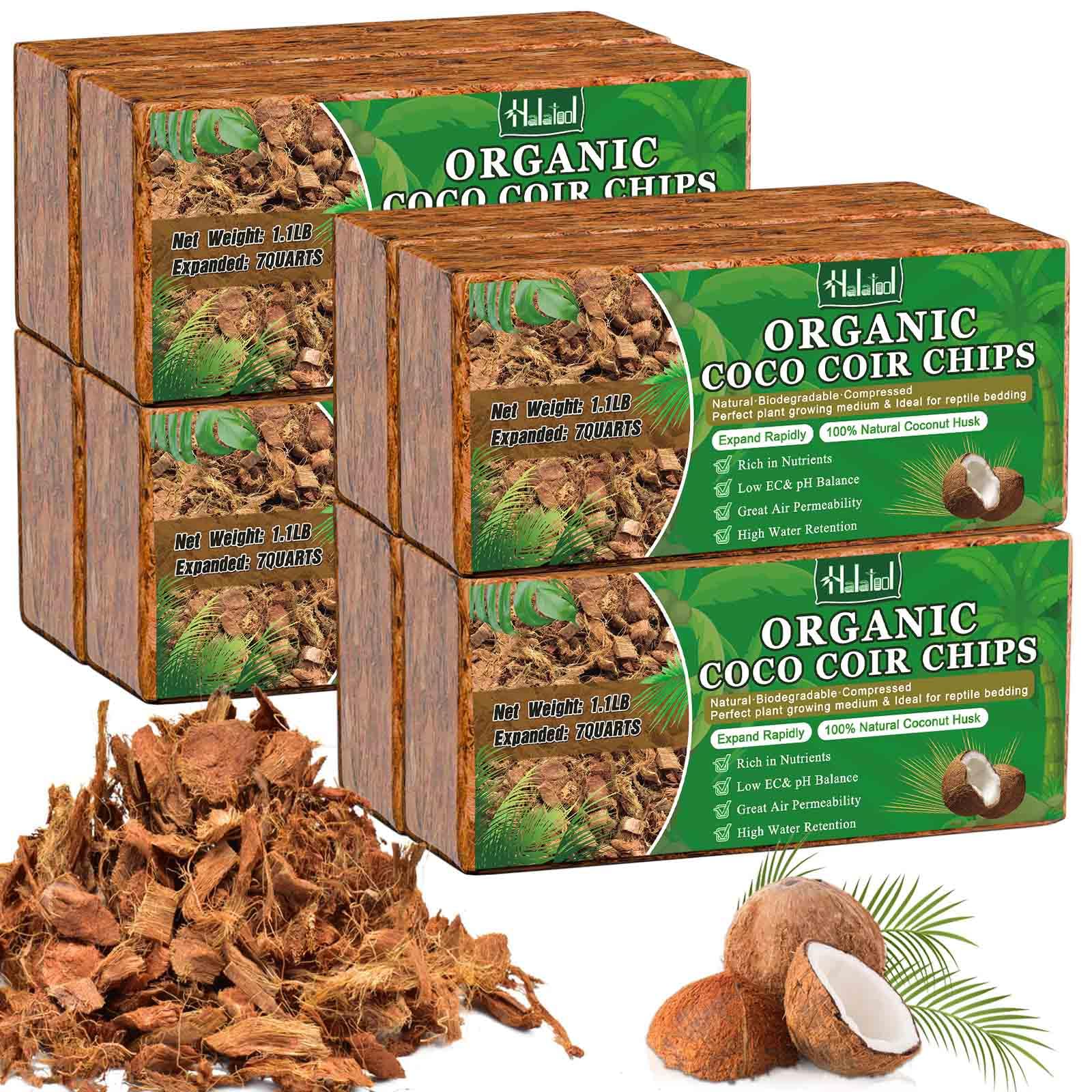
The Halatool coco husk chips arrive as eight compressed bricks, each expanding to roughly seven quarts of chunky, fibrous mulch when hydrated. This format solves the storage problem that plagues bulky straw bales — the dry bricks stack neatly in a shed corner until you are ready to soak and spread them. The chips measure large enough to resist blowing away in moderate wind, yet porous enough to allow free drainage around orchid roots and moisture-sensitive perennials.
Owner reports consistently highlight the mulch’s ability to retain soil moisture for days longer than bare ground, with several users noting that the chips stayed in place through heavy rain events that would scatter lighter straw. The material carries a low electrical conductivity and neutral pH, so it will not burn tender roots or alter soil chemistry. Multiple buyers also mention that the coconut scent deters crawling pests, adding a non-chemical layer of protection around vegetable beds.
The only real adjustment required is the expansion step — each brick needs roughly a gallon of water and a few minutes of soaking time before breaking apart. Skipping the full hydration leaves dry pockets that resist water infiltration. Once expanded, the chips form a durable, long-lasting mulch layer that holds up for two seasons before significant breakdown begins.
What works
- Lightweight dry bricks expand to seven quarts each with simple hydration
- Neutral pH and low EC protect sensitive plant roots and soil biology
- Stays anchored in wind and rain better than shredded bark or straw
What doesn’t
- Requires active soaking and mixing to fully expand each brick
- Coverage per package is modest — best for targeted beds rather than whole-yard application
2. Michigan Peat Baccto Wholly Cow
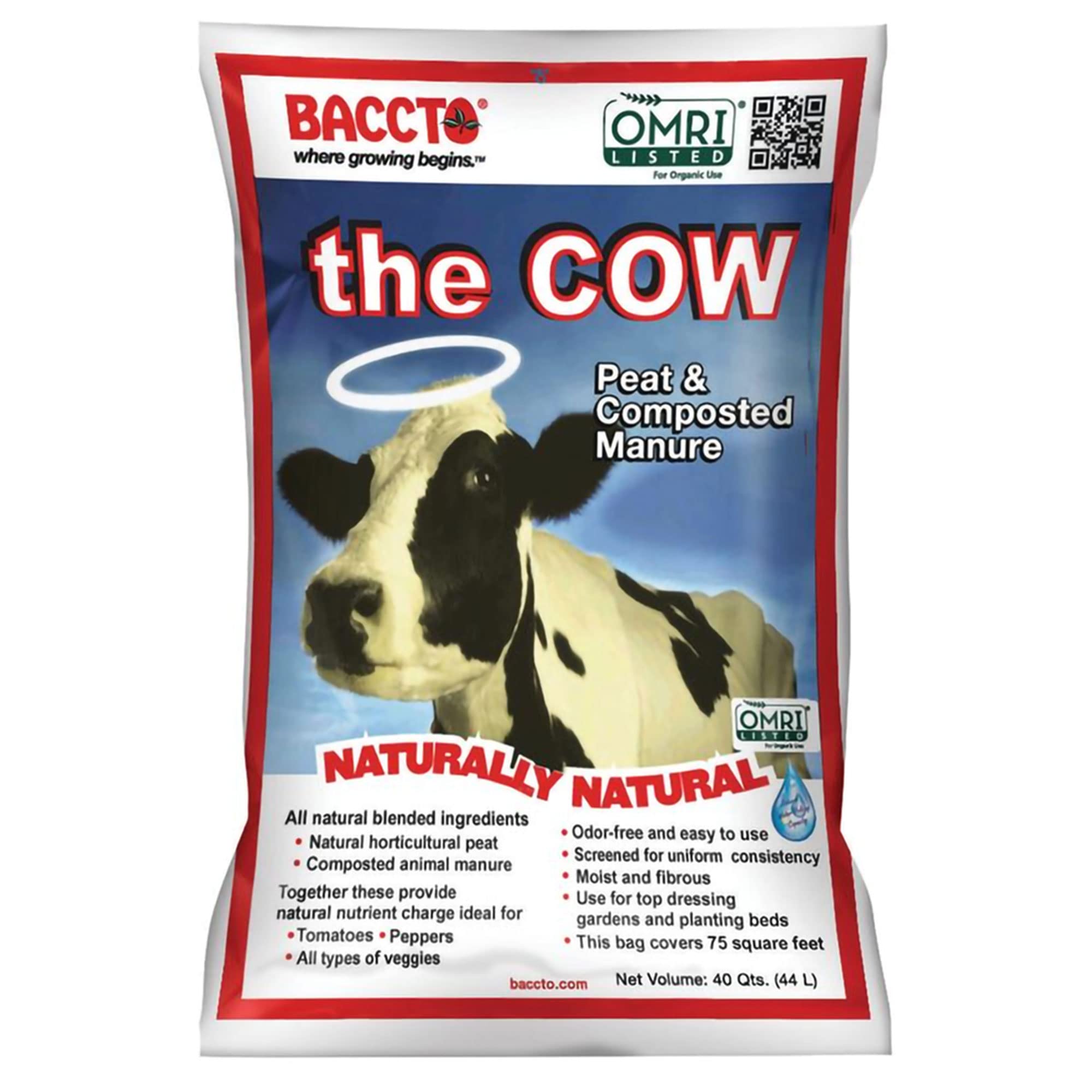
The Michigan Peat Wholly Cow blend combines natural peat with composted animal manure to create a nutrient-dense top-dressing that functions simultaneously as mulch and slow-release fertilizer. The 40-quart bag delivers substantial coverage for raised vegetable beds or bare patches in the lawn, and the screened consistency ensures even spread without clumps. Users describe the material as dark, fluffy, and odor-free — a dramatic improvement over raw manure that would overwhelm a flower border with smell.
Gardeners using this product for top-dressing report visible vigor boosts in roses and leafy greens within weeks of application, thanks to the concentrated nutrient load that leaches into the root zone with each watering. Mushroom cultivators have also adopted the blend as a cost-effective substrate component, mixing it 1-to-1 with coco coir and sterilizing it for bulk spawn runs. The moisture-holding capacity of the peat component reduces watering frequency noticeably during dry spells.
The primary drawback is the fine particle size — applied too thickly, the compost can crust over and shed water rather than absorbing it. A one-inch layer is plenty for nutritional benefit, and anything deeper risks anaerobic conditions. A few users also found small sticks mixed in, though the vast majority report the batch is clean and free of debris.
What works
- Combines mulch coverage with a rich nutrient boost for heavy feeders
- Odor-free formulation makes it pleasant to handle and spread
- Large 40-quart bag offers excellent coverage per dollar
What doesn’t
- Fine texture can form a water-repellent crust if applied deeper than one inch
- Contains some woody debris in occasional batches
3. EZ-Straw Seeding Mulch with Tackifier

The EZ-Straw Seeding Mulch is purpose-built for one job — protecting freshly sown grass seed from washout, wind, and avian predation. The processed straw is double-cut for easy hand application and infused with a biodegradable tackifier that binds the fibers together once they are dampened. Unlike loose straw that drifts into neighbor’s yards, this material mats into a cohesive blanket that stays put through moderate rain and routine sprinkler cycles.
Users targeting lawn renovation report that grass germinated within five days under the straw layer and reached full coverage in under two weeks, with the tackifier holding the seed in contact with soil moisture. The 2.5-cubic-foot bale covers up to 500 square feet at the recommended seeding depth, making it a practical choice for overseeding a typical suburban lawn. The straw is 99% weed-free according to the manufacturer, and the majority of reviews confirm no volunteer grass sprouting from the mulch itself.
The tackifier does make the straw a little messy to handle — it clumps on gloves and can stick to clothing if applied on a humid day. A few owners noted that the coverage estimate is optimistic for thick layers, but for standard seeding depth the bale stretches as advertised. This is not a decorative mulch; it is a functional erosion blanket that biodegrades naturally after the grass is established.
What works
- Tackifier binds straw into a wind-resistant mat that protects seed
- Covers up to 500 sq ft — ideal for full-lawn overseeding projects
- Biodegrades completely, leaving no cleanup after germination
What doesn’t
- Tackifier makes the straw tacky and somewhat messy to handle
- Not suitable as a decorative top-dress for permanent beds
4. Blue Mountain Hay Organic Garden Straw
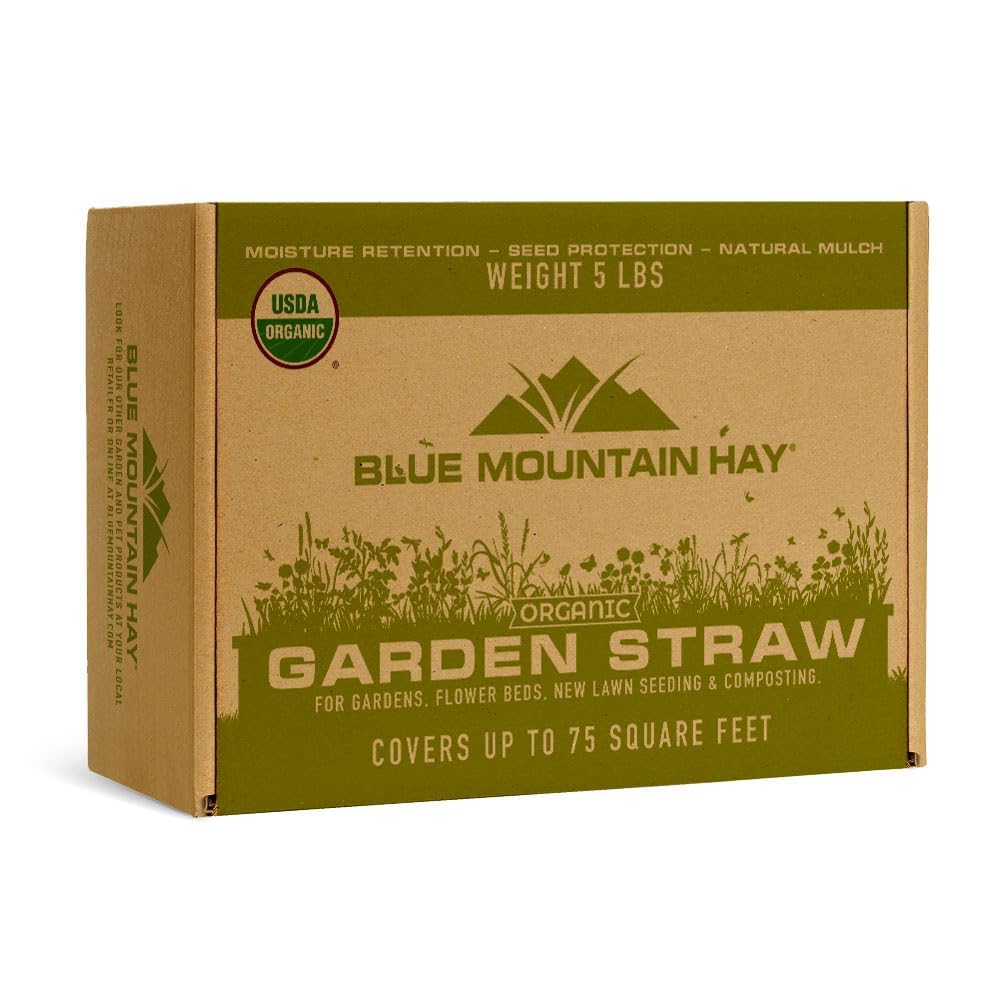
Blue Mountain Hay offers a premium organic straw that is naturally dried and minimally processed, resulting in a clean, soft, low-dust mulch that spreads easily around potted plants, raised beds, and flower borders. The 5-pound box is compressed for compact storage and expands when opened to provide enough material for modest garden projects — users covering onion and garlic beds found the box more than sufficient for layering and moisture control.
The straw is notably free of the dirt, bugs, and mold that can plague bargain bales from big-box retailers. Gardeners appreciate the convenient sheaves that pull apart without generating clouds of dust, and the organic certification makes it safe for edible beds and pet areas. Several buyers from the home state praised the small-business sourcing and consistent quality across multiple purchases.
The primary concern is seed content — a significant minority of users reported wheat or grass shoots emerging from their beds after application, suggesting the straw was not fully cleaned of viable grain. Additionally, the 5-pound box covers roughly 100 square feet at one inch depth, not the claimed 300 square feet, making it expensive for large-scale coverage. This is a niche product for small, high-value beds where cleanliness matters more than raw coverage per dollar.
What works
- Exceptionally clean, soft, and low-dust compared to standard bale straw
- Organic certification makes it safe for vegetable and herb beds
- Compressed box stores easily and expands for targeted application
What doesn’t
- Some batches contain viable grass or wheat seeds that germinate in beds
- Coverage per box is modest — cost-effective only for small spaces
5. HealthiStraw GardenStraw
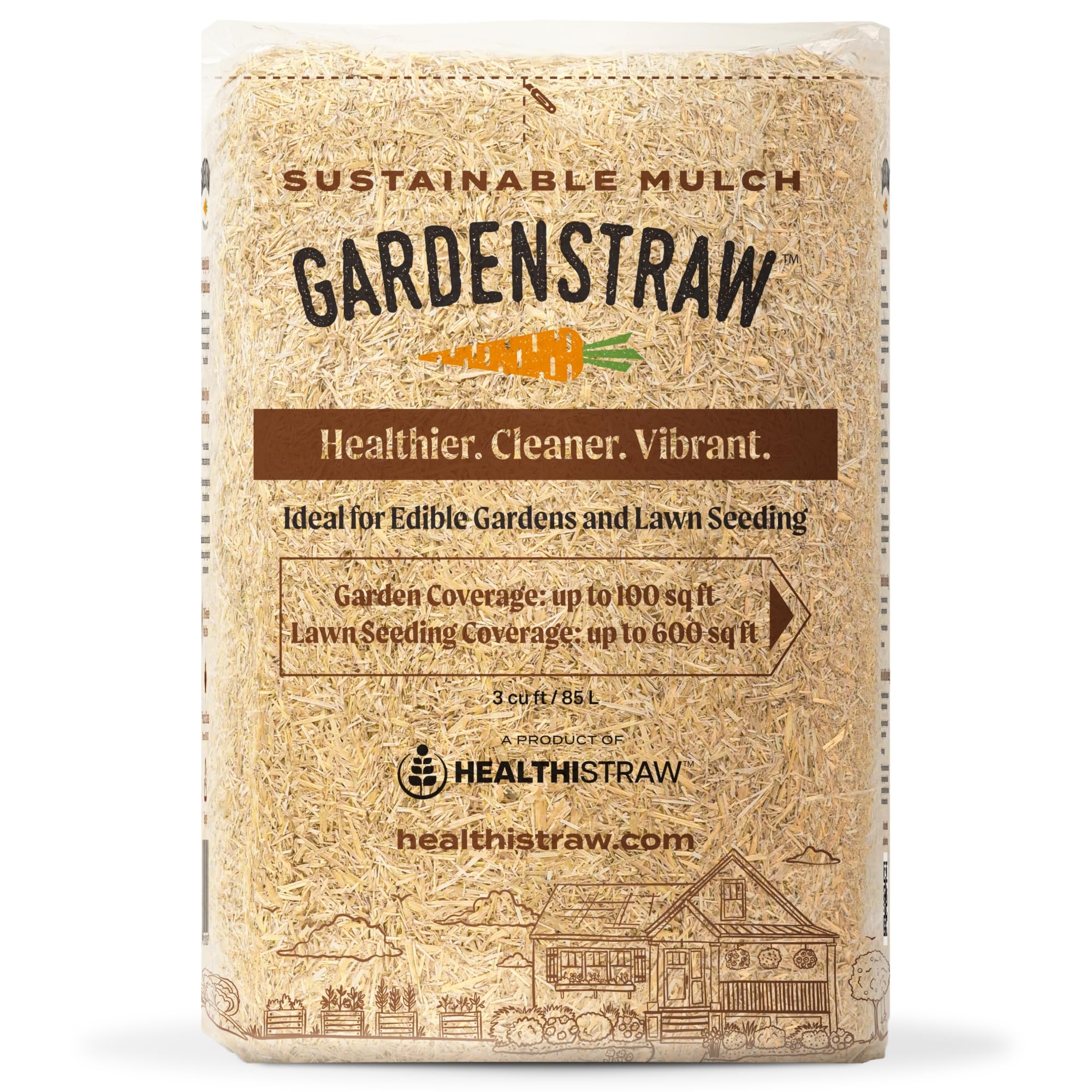
HealthiStraw GardenStraw is a premium, all-natural wheat straw that has been mechanically filtered to remove dust, dirt, and as many weed seeds as possible — addressing the single biggest frustration gardeners have with standard straw mulch. The 3-cubic-foot compressed bale expands to cover up to 100 square feet at the ideal 2-to-3-inch depth for weed suppression, or up to 600 square feet when used as a thin seeding blanket. The fibers are cut to a length that interlocks when watered, creating a self-anchoring mat that resists wind without chemical binders.
Owners consistently praise the product’s cleanliness and longevity — multiple users reported minimal errant seed germination compared to other straw mulches, and the material breaks down slowly enough to last a full growing season in vegetable beds. The straw adds carbon to the soil as it decomposes, feeding microbial populations and improving tilth in sandy or clay-heavy soils. Gardeners also appreciate the water conservation benefit, noting a measurable reduction in irrigation frequency after applying a two-inch layer around tomatoes and peppers.
The bale is bulky but lightweight, and the interlocking fiber design means you do not need to wet it immediately after spreading to keep it from blowing. The only consistent critique is that a handful of grass seeds still appear in some batches — the filtering is excellent but not absolute. For gardeners who prioritize clean, chemical-free straw with real staying power, this is the top-tier option.
What works
- Thoroughly cleaned with very low weed seed content compared to standard straw
- Interlocking fiber design stays in place without chemical tackifiers
- Breaks down into nutrient-rich organic matter that improves soil structure
What doesn’t
- Not completely seed-free — occasional grass shoots still reported
- Premium price per cubic foot limits its use for very large areas
6. 50150 Cocoa Bean Shell Mulch

The Hull Farm cocoa bean shell mulch delivers the most distinctive sensory experience of any product in this category — a rich chocolate aroma that fills the garden for the first week after application. Beyond the fragrance, the shells carry a fertilizer value of 2.5-1-3 (nitrogen-phosphorus-potassium), meaning they feed the soil as they break down without burning vegetation. The 2-cubic-foot bag provides enough material to dress a moderate-sized flower border or several large container plantings.
Users in hot, dry climates report that cocoa hulls form a dense, moisture-retaining crust that significantly reduces watering frequency once the shells are dampened and settled. The material also deters squirrels — multiple owners who previously struggled with pecan mulch being dug up found that cocoa shells were far less attractive to digging rodents. The shells are lightweight enough to spread easily but heavy enough after watering to resist blowing away.
There are two important cautions. First, cocoa shell mulch is toxic to dogs if ingested in quantity — the theobromine content that gives chocolate its appeal to humans can cause serious issues in canines. Second, the initial strong chocolate scent can attract wildlife like raccoons or opossums, especially if the bag is stored outside. A few buyers also noted the lack of a warning label about flower sensitivity, as the hulls can temporarily acidify soil in very high concentrations.
What works
- Pleasant chocolate aroma creates a unique garden experience
- Provides a mild fertilizer boost with a 2.5-1-3 NPK ratio
- Deters squirrels and forms a moisture-retaining crust after watering
What doesn’t
- Toxic to dogs if ingested — not suitable for homes with canines
- Strong scent can attract wildlife and fades after the first week
7. Long Needle Pine Straw Mulch
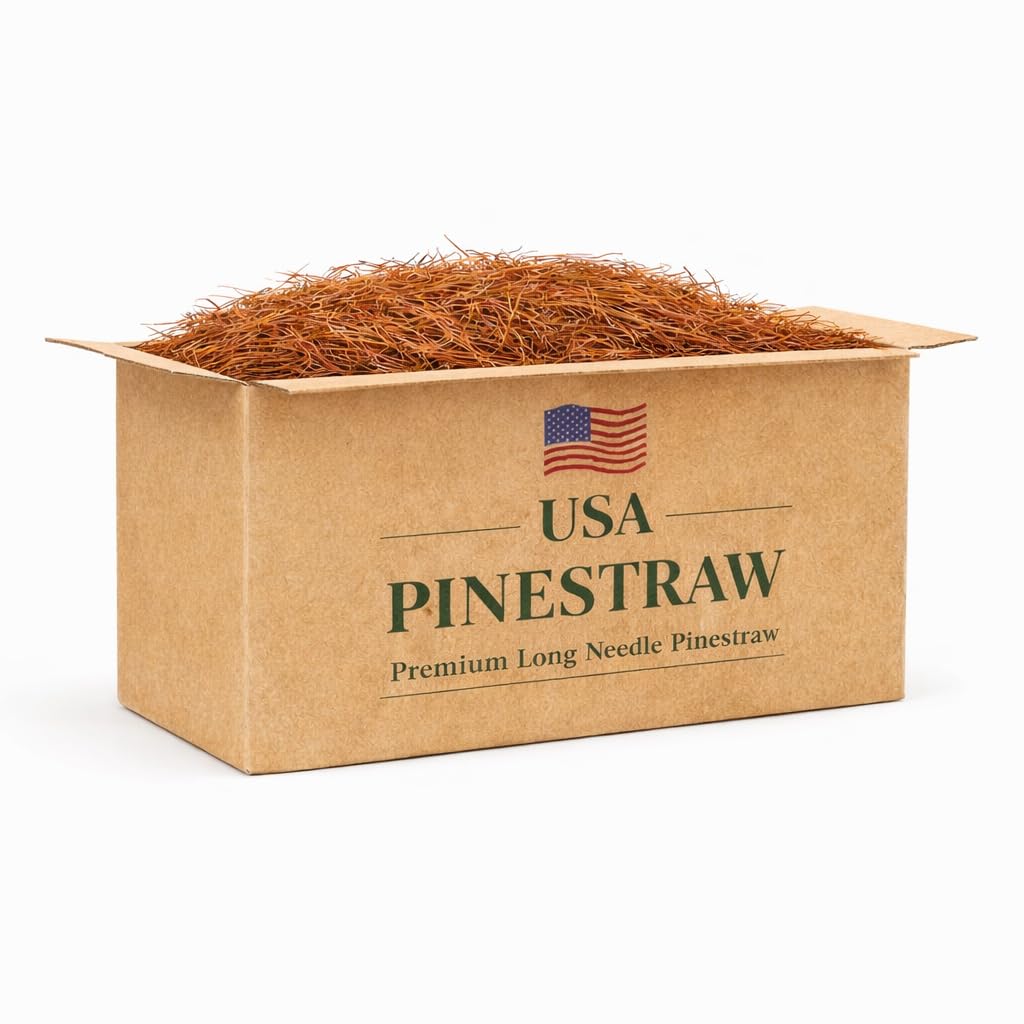
USA PINESTRAW’s Long Needle Pine Straw is harvested from sustainably managed pine forests and delivers the natural, uniform needles that landscapers favor for sloping sites and erosion-prone beds. The 14-inch needles interlock when layered, creating a permeable mat that allows water to infiltrate while preventing soil from washing away during heavy rain. The red-brown color provides a natural, woodsy aesthetic that complements both modern and traditional landscapes.
Master growers and home gardeners alike report that pine straw suppresses weeds effectively without the use of chemical barriers, and the slow decomposition rate means one application can last through an entire growing season and into the next. Users spreading the straw around raised beds and foundation plantings found it easy to break apart into manageable sections and apply evenly. The material is lightweight even when dry, and the interlocking nature means it stays put better than shredded bark on windy days once the needles settle.
The main drawbacks are coverage and price. Multiple buyers noted that the bale does not actually cover the advertised 80 square feet — realistic coverage at a proper two-inch depth is closer to 50 square feet, making the cost per square foot higher than straw or coco chips. A few owners also mentioned that pine straw can be slippery when freshly applied over hard surfaces like patios or walkways. For gardeners with small, erosion-prone beds who value aesthetics and longevity, this is a solid choice despite the premium cost.
What works
- Long needles interlock to resist erosion on slopes and garden edges
- Slow decomposition means fewer reapplications per season
- Natural red-brown color provides an attractive, woodsy finish
What doesn’t
- Realistic coverage is lower than advertised — about 50 sq ft at 2-inch depth
- Premium price per square foot limits its use for large-scale application
Hardware & Specs Guide
Compressed Volume vs. Expanded Coverage
Coco coir bricks and compressed straw bales reduce shipping volume by 50-70%, but the expansion ratio varies. Halatool’s bricks expand to about seven quarts each after hydration, while HealthiStraw’s 3-cubic-foot bale reaches full volume once the fibers are fluffed. Always check the expanded coverage estimate — a brick might weigh one pound but spread to fill a 14-inch pot, not a full garden bed.
Particle Size and Water Infiltration
Pine straw needles and coco husk chips (roughly 0.5-1.5 inches) allow water to percolate freely, reducing runoff on slopes. Finer mulches like composted manure or cocoa shells (under 0.25 inches) can form a mat that sheds water if applied deeper than one inch. For drip-irrigated beds, chunky mulches are preferred; for overhead sprinklers, a uniform medium texture works better to absorb droplets without puddling.
Carbon-to-Nitrogen Ratio and Soil Impact
Straw and pine needles have a high C:N ratio (80:1 or higher), meaning they temporarily tie up soil nitrogen as they decompose. Composted manure and cocoa shells carry a lower C:N ratio (15:1 to 30:1), releasing nitrogen as they break down. Vegetable beds that are tilled annually benefit from low-C:N mulches that feed the crop; perennial beds benefit from high-C:N mulches that slowly build organic matter without stimulating excessive leafy growth.
Biodegradation Timeframe
Straw mulches (EZ-Straw, Blue Mountain, HealthiStraw) break down within a single growing season, typically 4-6 months. Cocoa shell mulch lasts 6-9 months before significant decomposition. Coco husk chips and pine straw are the longest-lasting organic options, enduring 12-18 months before needing replenishment. Matching breakdown speed to your garden cycle reduces waste and labor — annual beds pair with fast-decomposing straw, while permanent borders benefit from slow-decomposing pine straw or coco chips.
FAQ
How deep should I apply garden mulch for optimal weed suppression?
Can I use straw mulch that contains seeds if I plan to till it in at the end of the season?
Is cocoa shell mulch safe to use around all garden plants?
Final Thoughts: The Verdict
For most gardeners, the garden mulch winner is the Halatool Coco Husk Chips because it combines excellent moisture retention, neutral pH, durable particle size, and pest-deterrent properties in a format that stores compactly and expands reliably. If you want the nutritional boost of compost without the odor, grab the Michigan Peat Wholly Cow. And for oversowing a bare lawn or protecting new seed from birds and washout, nothing beats the EZ-Straw Seeding Mulch.