
That white dust on your monstera leaves or fuzzy gray coating on your succulent’s soil means a fungal infection has arrived. Catching it fast and picking the right spray matters more than any other plant-care decision you will make this season. The best fungicide for indoor plants, the Athena IPM, stops fungus and insects with a single ready-to-use bottle that is safe around your pets and kids. This guide breaks down which formulas actually stop the spread, which ones are safe around your pets and kids, and what to look for so you can treat the problem without guessing.
I’m Rikta — the co-founder and writer behind Lawn Gear Lab. This guide is built by comparing the manufacturers’ published specifications and the patterns across verified customer reviews, so you get each pick’s real strengths and trade-offs instead of marketing spin.
After narrowing the field to six proven indoor formulas, the clearest winner stood out by its combination of broad-spectrum (works on many types of fungus and pests) coverage and straightforward application, which is why it leads our look at the best fungicide for indoor plants.
How To Choose The Best Fungicide For Indoor Plants
Picking the wrong fungicide can mean wasting a treatment cycle while the fungus spreads to your other plants. Here is what matters most when you shop.
Ready-to-Use vs Concentrate: Which Fits Your Routine?
A ready-to-use (RTU) spray comes in a bottle with no mixing required — you shake it and spray directly on the leaves. This is ideal if you have just a few houseplants and want to treat them immediately. A concentrate, on the other hand, requires you to mix a small amount with water in a separate sprayer. A 16-ounce concentrate (like the Bonide Revitalize) can make several gallons of spray, which is more economical if you have many plants or need to retreat frequently. The catch: concentrates demand a bit of measuring and a clean spray bottle, while RTU products are grab-and-go.
Active Ingredients: What Actually Kills the Fungus
Look for ingredients like Bacillus amyloliquefaciens (a beneficial bacterium that stops fungal growth on contact), botanical oils (such as clove oil or rosemary oil, which smother fungal spores), or sulfur-based compounds. A “biofungicide” uses living organisms or natural plant extracts rather than synthetic chemicals. If you have pets or children who touch your plants, a biofungicide or an EPA 25(b) exempt formula (meaning the EPA (U.S. Environmental Protection Agency) considers its ingredients minimum-risk) is your safest bet.
Liquid Volume and Treatment Coverage
A small 8-ounce bottle may treat only 4-5 medium houseplants per application. A 32-ounce bottle can cover a much larger collection across multiple treatment cycles. Check the label for how many fluid ounces it contains — that number tells you how many refills or how many plants you can treat before it runs out. If you have a large indoor garden, you want a bigger volume or a concentrate to avoid buying a new bottle every two weeks.
Target Fungi: Not All Sprays Work on Every Problem
Powdery mildew (the white dust on leaves) and root rot (brown mushy roots and yellowing leaves) require different active ingredients. Some fungicides list specific target species like “anthracnose” or “leaf spot” on the label. If you are treating a known issue (like powdery mildew on your fiddle leaf fig), pick a spray that explicitly says it works on that disease. A broad-spectrum formula (like Athena IPM (Integrated Pest Management)) covers multiple problems in one product, which is handy if you are not sure exactly what fungus you are dealing with.
Quick Comparison
On smaller screens, swipe sideways to see the full table.
| Model | Category | Best For | Key Spec | Amazon |
|---|---|---|---|---|
| Athena IPM | Broad Spectrum | Multi-pest & disease control | 32 fl. oz. (RTU) | Amazon |
| Grower’s Ally Crop Defender 3 | Organic Triple-Action | Spider mites & powdery mildew | 24 fl. oz. (RTU) | Amazon |
| Miracle-Gro Leaf Protect & Shine | 4-in-1 Combo | Pest control + leaf shine | 8 fl. oz. (RTU, 2-pack) | Amazon |
| Arber Organic Biofungicide | Premium Concentrate | Targeted disease treatment | Concentrate (makes ~1 gal) | Amazon |
| Bonide Revitalize Biofungicide | Organic Concentrate | Large collections & gardens | 16 fl. oz. (Concentrate) | Amazon |
| Evergreen Way Organic Spray | Insecticide + Fungicide | Dual pest & fungus control | 16 fl. oz. (Concentrate) | Amazon |
In‑Depth Reviews
1. Athena IPM Plant Pest Control Ready-to-Use Spray
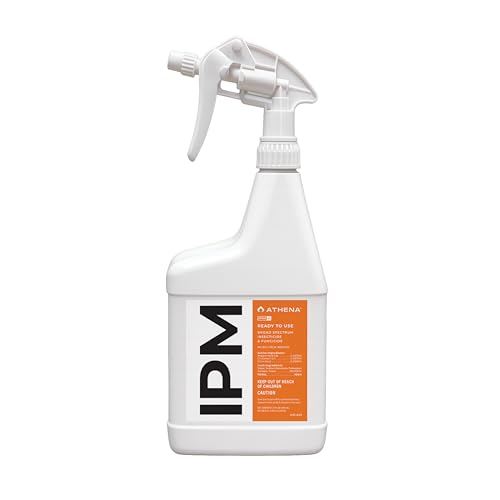
32 fluid ounces of ready-to-use spray makes this the top pick for anyone with a large indoor plant collection who wants a single bottle that kills spider mites, powdery mildew, aphids, and thrips on contact — no need to stock three separate products. It is EPA 25(b) exempt, meaning the U.S. Environmental Protection Agency considers its ingredients minimum-risk, and buyers report it is safe around pets and children when used as directed. This is the one you grab when you spot trouble and you are not sure if it is fungus or bugs.
What makes Athena stand out is the sheer volume: 32 fluid ounces means you can spray a whole room of houseplants multiple times without rationing. The formula is a broad-spectrum (works on many types) fungicide and insecticide in one, which saves you the hassle of diagnosing exactly what you are fighting — you spray, and it handles both. Owners mention the pleasant smell and the convenience of the no-mix bottle, with one calling it “the best of the best” for battling mites.
One honest limit: it is a ready-to-use spray, so you cannot dilute it to stretch further like you can with a concentrate. For a small collection of 2-3 plants, an 8-ounce bottle might be more economical. But for anyone with a dozen or more indoor plants, the Athena IPM is the most complete, grab-and-go solution on this list. It simply works on everything.
Why it’s great
- Combines fungicide + insecticide in one ready-to-use spray
- Large 32-ounce bottle covers many treatment sessions
- Safe for use around pets, people, and kids
Good to know
- Cannot be diluted — you use the bottle as-is
- Not a concentrate, so per-ounce cost is higher than mixing your own
2. Grower’s Ally Crop Defender 3
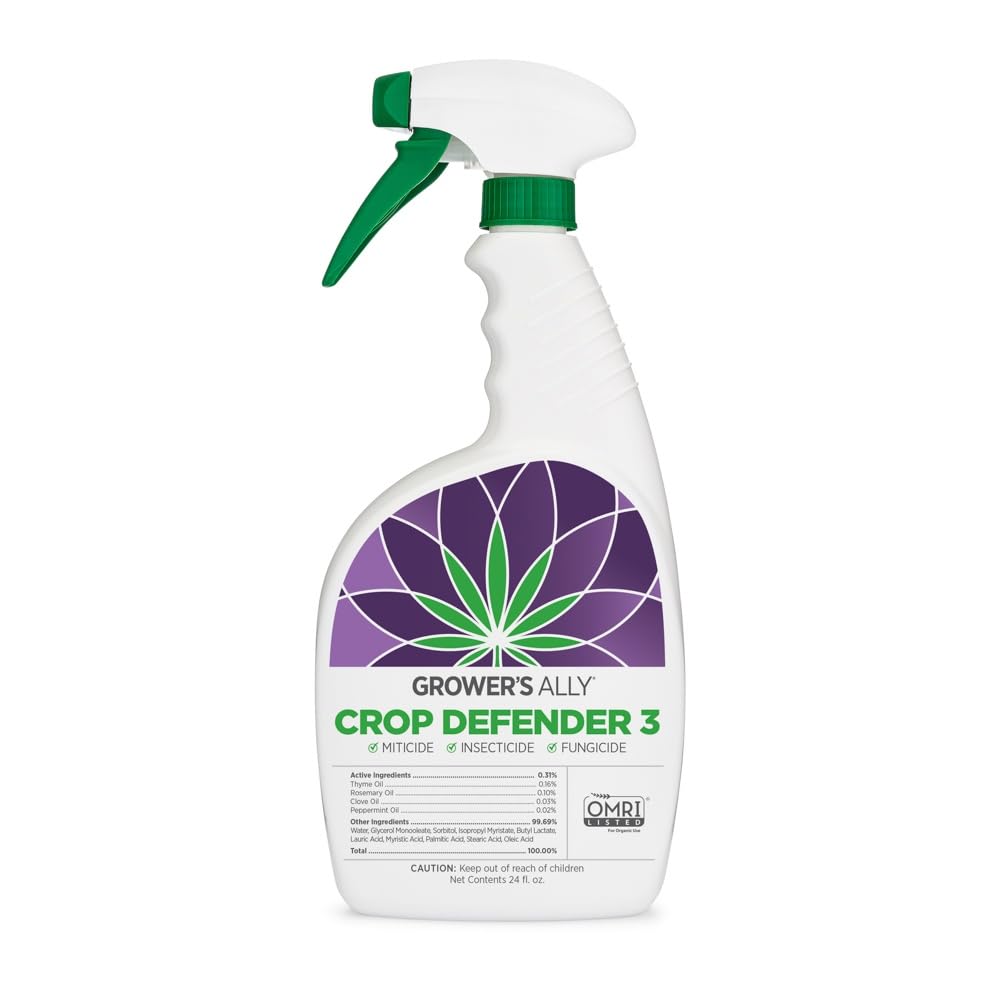
Grower’s Ally Crop Defender 3 beats the top-pick Athena IPM in one important way: it is OMRI Listed for organic gardening, meaning its botanical oil formula is certified for use on edible plants, and it works as a miticide, insecticide, and fungicide all in one spray — so if you grow herbs or leafy greens indoors alongside your ornamentals, this is the safer choice. It is also a ready-to-use spray, so you cannot dilute it to stretch the bottle further.
Where this spray really shines is its effectiveness against spider mites and powdery mildew. One application at elimination concentration is reported to eradicate spider mites for over two weeks, which is a long gap between treatments compared to weekly applications. The formula smells like cloves and does not burn leaves, even on delicate seedlings. Buyers confirm that it is bee-safe and safe to use around kids and pets, making it a strong option for households that want peace of mind.
Choose Grower’s Ally over the Athena IPM if you are growing food indoors or if you want an organic label you can trust. The triple-action coverage is the same breadth as the top pick, but the OMRI (Organic Materials Review Institute) certification gives it the edge for edible gardens.
Where it shines
- OMRI Listed for organic gardening — safe on edible plants
- Triple-action formula kills mites, insects, and fungus
- Does not burn leaves, even on young seedlings
Worth noting
- 24-ounce bottle is smaller than the top pick by 8 oz
- Ready-to-use — cannot dilute for more coverage
3. Miracle-Gro Plant Care Leaf Protect and Shine
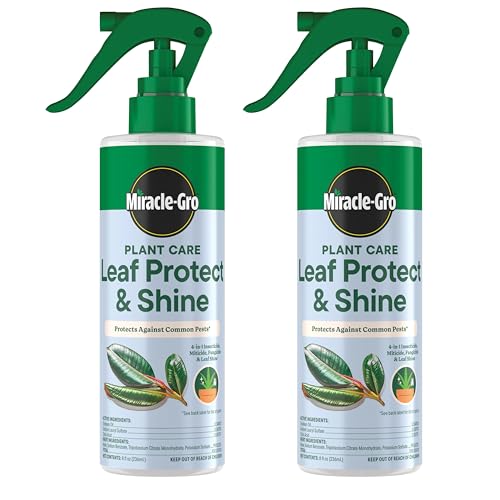
Let’s say your biggest frustration is not just fungus — it is that your plant leaves look dull even after dusting, and you want one product that fights pests and makes foliage glossy. The Miracle-Gro Leaf Protect & Shine is a 4-in-1 spray that kills mites, thrips, aphids, and whiteflies while treating powdery mildew and adding a leaf shine all in one application. The 2-pack gives you two 8-ounce bottles, ideal for a small household plant collection of 4-6 medium plants.
The fungicide component targets powdery mildew specifically, which is the most common fungal problem on indoor houseplants like fiddle leaf figs, monsteras, and pothos. Customers note that “my plants look radiant and healthy after two days of using these products,” which captures the dual benefit of cleaning up the infection while making leaves look presentable. The spray has no noticeable smell, and it is not greasy — the shine looks natural. Just note: it is not recommended for succulents, as the leaf shine can block their pores (stomata, the tiny openings they breathe through).
The standout spec here is the convenience: you get two bottles in one purchase, so you can keep one at your desk and one at the plant shelf without lugging a big container around. Each 8-ounce bottle is small, but for someone with a modest collection who also wants cleaner, shinier leaves, this is a smart space-saving buy. If your collection has more than 6 plants, the Athena IPM’s 32-ounce bottle is a better value per spray.
What stands out
- Combines fungicide, insecticide, miticide, and leaf shine in one spray
- 2-pack gives you a backup bottle right away
- No greasy residue — leaves look naturally shiny
The trade-offs
- Not suitable for succulents (leaf shine can damage them)
- Each bottle is only 8 ounces — small for a large collection
4. Arber Organic Biofungicide Concentrate

The single number that matters most here is that this is a concentrate — it makes roughly 1 gallon of spray from one bottle — which means it delivers far more treatments per dollar than any ready-to-use product on this list. If you have a large indoor plant collection or you want to be stocked for an entire season, Arber’s biofungicide is the most economical way to repeatedly attack powdery mildew, leaf spot, root rot, and lawn fungi without buying a new bottle every week.
What you trade for that economy is a bit of extra effort: you must measure and mix the concentrate with water, then apply with a sprayer. It also has a specific target range — it is a pure fungicide, not an insecticide, so if you also have spider mites or aphids, you would need a separate product. Reviewers point out that “it stopped the fungus in my succulents when I caught it quickly enough,” showing it works best as an early intervention rather than a cure for advanced infections. If you want both fungus and insect control in one mix, the Evergreen Way concentrate covers both for the same type of mixing effort.
For the premium price tag, you get certified-organic biologicals (living microorganisms that fight fungus) that create a protective barrier on leaves and support the soil microbiome (the community of beneficial microbes in the dirt), plus a 3-year shelf life so it will not go bad between uses.
The upsides
- Concentrate delivers many treatments from one small bottle
- Certified-organic formula safe around kids, pets, and pollinators
- 3-year shelf life — no rush to use it up
Keep in mind
- Requires mixing and a separate sprayer
- Fungicide only — does not kill insects or mites
5. Bonide Revitalize Biofungicide Concentrate

What you actually get at this lower price is 16 fluid ounces of biofungicide concentrate that triggers an immune response in plants to fight blight, powdery mildew, black spot, and anthracnose both indoors and outdoors. At this price point, you are getting a concentrate that can treat a much larger area than any ready-to-use spray — making it the smartest buy for someone with a big indoor garden or a mix of houseplants and a vegetable patch.
What you give up for the low cost is the convenience of a ready-to-use formula — you must mix it with water and apply it as a foliar spray (on the leaves) or soil drench (poured into the dirt). Some shoppers say that it took a few applications to see results on tough diseases like septoria leaf spot on tomatoes, so it is not an instant cure. However, one reviewer called it “the best option to treat fungal problems on houseplants,” which speaks to its reliability after a couple of rounds. The concentrate also does not double as an insecticide, so you will need a separate product if bugs are part of your problem — the Evergreen Way concentrate handles both for similar money.
If you have 15 or more houseplants and want an organic fungicide you can mix yourself to stretch every dollar, this one covers both indoor and outdoor plants without compromise — making it the exact budget buyer it is perfect for.
Why we’d pick it
- Organic concentrate — very low cost per treatment
- Triggers plant immune response against multiple diseases
- Works indoors and outdoors on vegetables, fruits, trees, and shrubs
A few caveats
- Requires mixing and a separate sprayer
- May take multiple applications for tough fungal infections
6. Evergreen Way Organic Insecticide & Fungicide Concentrate

This concentrated formula is perfect for the indoor gardener who battles both pests and fungus across a large collection of plants and wants the lowest per-treatment cost possible. At 16 fluid ounces of concentrate, a single bottle yields multiple gallons of spray, making it the best bridge between someone who wants broad coverage and someone who wants to save money over the long term.
The bio-based formula targets powdery mildew, spider mites, aphids, whiteflies, thrips, and fungus gnats — so whether your problem is fuzzy leaves or tiny flying bugs, this one bottle handles both. Buyers report that just 10 drops mixed into 32 ounces of water made bugs shrivel within seconds, and that regular weekly misting keeps fungus at bay without burning leaves. The concentrate instructions are clear, and the formula has no strong smell, making it comfortable to use indoors.
The one reason to choose this over the Bonide or Arber concentrates is that it is the only concentrate on this list that combines fungicide and insecticide in a single economical bottle. If you deal with both pests and fungus on your indoor plants and you have many plants to cover, Evergreen Way gives you the most coverage for your dollar in a single purchase. skip it if you want a ready-to-use no-mix bottle — the Athena IPM or Grower’s Ally are your grab-and-go options instead.
Strong points
- Concentrate that handles both fungus and insects in one bottle
- Very low cost per treatment — single bottle makes multiple gallons
- No strong smell and safe on seedlings
Before you buy
- Requires mixing with water and a separate sprayer
- Concentrate is thicker than ready-to-use sprays, may need extra shaking
Understanding the Specs
Ready-to-Use vs Concentrate
A ready-to-use (RTU) spray comes pre-diluted in a bottle — you just shake it and spray directly on the leaves. It is the fastest option when you spot a problem and want to treat it immediately, and it requires no extra equipment. A concentrate is a small bottle of highly concentrated formula that you mix with water in your own sprayer. A 16-ounce concentrate can make up to a gallon or more of spray, so it is far more economical for large collections or repeated treatments. The downside is that you need to measure accurately and keep a spray bottle clean and ready. If you have 5 plants or fewer, a RTU is simpler. If you have 10 or more, a concentrate saves you money and storage space.
OMRI Listing and EPA 25(b) Exemption
OMRI (Organic Materials Review Institute) Listed means the product has been reviewed and is approved for use in organic gardening. This is important if you grow herbs, vegetables, or edible flowers indoors — it tells you the ingredients are derived from natural sources and do not contain synthetic pesticides. EPA 25(b) exempt means the U.S. Environmental Protection Agency has determined that the active ingredients pose minimum risk, so the product is not subject to full federal pesticide registration. Both labels indicate a formula that is generally safe around kids and pets when used as directed, but always read the label for specific safety instructions. Not all fungicides carry these labels — if you see a product without them, check the active ingredients carefully before spraying near food or pets.
Biofungicide vs Chemical Fungicide
A biofungicide uses living microorganisms (like Bacillus amyloliquefaciens, a beneficial bacterium) or natural plant extracts (like clove oil or rosemary oil) to stop fungal growth. These work by colonizing the leaf surface and outcompeting the fungus, or by directly disrupting fungal cell membranes. They are generally gentler on plants and safer for household use, but they may require more frequent applications and work best as preventive measures. Chemical fungicides (like those containing sulfur or copper) are more aggressive and can knock down an active infection faster, but they can be harsher on leaves and may have safety precautions around children and pets. For routine indoor use on houseplants, a biofungicide is usually the smarter choice because the lower toxicity matters more than speed in a small, enclosed space.
Liquid Volume and How Many Plants You Can Treat
Liquid volume measured in fluid ounces tells you how much product you have, but the number of plants you can treat depends on the dosage per plant. A typical medium houseplant (like a 6-inch potted monstera) needs about 1-2 fluid ounces of spray per application to coat all leaf surfaces. An 8-ounce bottle gives you about 4-8 full applications, which might last 2-4 weeks if you spray weekly. A 32-ounce RTU bottle gives you 16-32 applications — enough for a small collection of 8-12 plants for a full month of weekly treatments. Concentrates stretch much further: a 16-ounce concentrate that mixes at a 1:10 ratio with water makes 176 ounces of spray, which can treat dozens of plants across multiple months. Always check the label’s dilution ratio before buying — a small concentrate bottle often outlasts a large RTU bottle by a wide margin.
FAQ
Can I use outdoor fungicide on my indoor plants?
How often should I spray my indoor plants with fungicide?
What is the difference between a fungicide and a biofungicide?
Will fungicide harm my plant’s leaves?
Final Thoughts: The Verdict
For most buyers, the best fungicide for indoor plants winner is the Athena IPM because it combines broad-spectrum (works on many fungus types) fungicide and insecticide in a generous 32-ounce ready-to-use bottle that requires no mixing and is safe around pets and kids. If you want an organic, OMRI (Organic Materials Review Institute) Listed formula for your edible indoor garden, grab the Grower’s Ally Crop Defender 3. And for the largest indoor collections where economy matters most, the Evergreen Way Organic Concentrate gives you the most coverage per dollar while still handling both fungus and pests in one bottle.