
Soybean food plots for deer demand more than just tossing seed into the ground. The soil’s nutritional profile directly determines whether your plot produces a lush, protein-rich stand that attracts and holds deer all season long. Selecting the wrong granular or liquid formula can stunt growth or fail to support the plant’s critical vegetative and pod-filling stages.
I’m Rikta — the co-founder and writer behind Lawn Gear Lab. I’ve spent countless hours comparing NPK ratios, studying soil amendment data for legume-specific crops, and analyzing aggregated owner feedback to determine which formulations deliver measurable results in food plot scenarios.
This guide cuts through the marketing noise to evaluate the top contenders, from balanced all-purpose granules to specialized liquid enhancers. Here is an analytical breakdown of the best fertilizer for soybean food plots based on real-world efficacy and core agronomic specs.
How To Choose The Best Fertilizer For Soybean Food Plots
Soybeans are heavy feeders that require a consistent supply of nitrogen, phosphorus, and potassium, but they also have a unique relationship with soil bacteria (rhizobia) that fix atmospheric nitrogen. Choosing a formula that complements this process—rather than overwhelming it with excess N—is the key to a dense, high-protein plot.
Understanding NPK Ratios for Legumes
A balanced fertilizer like 10-10-10 or 16-16-16 provides equal parts of the three primary macronutrients. Soybeans benefit from a steady supply of phosphorus for root development and potassium for disease resistance and pod fill, while relying on their own nitrogen fixation for much of their N needs. A balanced ratio ensures you don’t stunt nodulation by overloading the soil with synthetic nitrogen.
Granular vs. Liquid Formulations
Granular fertilizers release nutrients slowly and are ideal for pre-plant incorporation or side-dressing during the growing season. Liquid fertilizers offer rapid uptake and are particularly effective for a foliar boost or for treating seedlings that need an immediate nutrient jolt. However, liquid formulas are less forgiving of over-application and require more frequent reapplication compared to long-lasting granules.
Micronutrients and Soil pH
Soybeans thrive in soil with a pH between 6.0 and 7.0. A soil test is the first step before applying any fertilizer. Pelletized lime, often included in pre-blended mixes, helps correct soil acidity and makes phosphorus and potassium more available. Look for products that also contain calcium, iron, and other trace elements to prevent common deficiencies that cause yellowing leaves or poor pod set.
Quick Comparison
On smaller screens, swipe sideways to see the full table.
| Model | Category | Best For | Key Spec | Amazon |
|---|---|---|---|---|
| Supply Solutions 16-16-16 | Granular | Pre-plant soil incorporation | 10 lbs, 16-16-16 NPK | Amazon |
| Antler King Clover Fuel | Liquid | Legume-specific boost | 32 oz, legume-formula | Amazon |
| Howard Johnsons 7136 | Granular | Large coverage area | 35 lbs, 10-10-10 NPK | Amazon |
| GreenView Multi-Purpose | Granular | Versatile plot feeding | 33 lbs, 10-10-10 NPK | Amazon |
| Pendelton Turf Supply 13-13-13 | Granular + Lime | Soil amendment combo | 6 lbs, 13-13-13 + lime | Amazon |
| TPS Nutrients Triple 10 | Liquid | Liquid balanced feed | 1 gal, 10-10-10 + iron | Amazon |
| FoxFarm Grow Big | Liquid | Fast vegetative growth | 1 qt, 6-4-4 NPK | Amazon |
In‑Depth Reviews
1. Supply Solutions 16-16-16 Complete Lawn & Garden All Purpose Granular Fertilizer
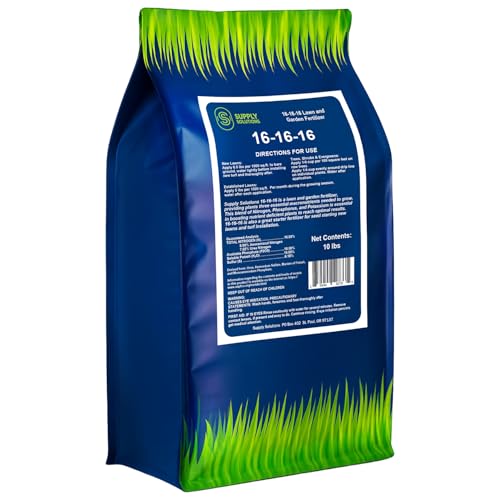
The Supply Solutions 16-16-16 delivers the highest balanced NPK ratio in this lineup, making it a powerhouse for pre-plant incorporation in soybean food plots. Each pound of granules supplies a concentrated dose of nitrogen, phosphorus, and potassium to fuel robust root development and dense foliage growth before the critical pod-fill stage. The 10-pound size covers a moderate plot without forcing you to store a massive bag, but the 16-16-16 ratio provides significantly more nutrients per pound than standard 10-10-10 blends.
Users consistently report visible results within five days on crops like tomatoes and peppers, which mirrors the fast-acting nature of the high-nitrogen front. For soybeans specifically, this formulation supports strong nitrogen fixation by the rhizobia bacteria because it avoids the excessive N that can kill nodulation. The potassium content also strengthens stalks against wind and heavy summer rains, a common pain point for food plot managers.
One limitation is that the 10-pound bag is intended for coverage up to 2,500 square feet, which may require multiple bags for larger acreage. The granular nature means it needs to be incorporated into the top few inches of soil or watered in thoroughly, making it less convenient for a quick top-dress on an established plot. Still, for the grower seeking the highest nutrient density per cup, this is a compelling choice.
What works
- Highest balanced NPK ratio (16-16-16) in the guide
- Powder-like granules disperse well and don’t clump
- Quick visible greening and growth response
- Versatile for all vegetables, not just legumes
What doesn’t
- 10-pound bag size is small for larger food plots
- Requires thorough watering or tilling to activate
- Higher N content could inhibit nodulation if over-applied
2. Antler King Clover Fuel Food Plot Enhancer
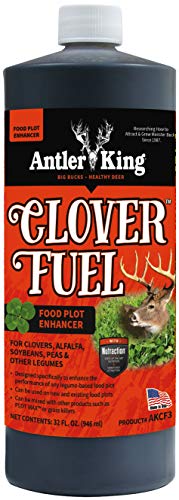
Antler King’s Clover Fuel is one of the few formulations specifically engineered for legume-based food plots, including soybeans. Unlike general-purpose garden fertilizers, this liquid concentrate is designed to be applied both before planting and as a monthly foliar or soil drench after emergence. The 32-ounce bottle mixes with water to treat a full acre when used at the recommended pre-plant rate of two bottles per 20 gallons of water.
The key advantage here is the burn risk mitigation. Granular fertilizers can scorch tender soybean seedlings if applied too heavily or left on leaves, whereas this liquid formula is much gentler on young plants. Food plot managers report that clover and soybean plots “jumped up in growth” shortly after application, and the monthly reapplication schedule helps maintain peak vegetative production through the summer. It can also be tank-mixed with herbicides like Plot Mix, simplifying one-pass maintenance.
The main drawback is the cost per acre, which is higher than buying a standard 35-pound bag of 10-10-10 granular. For large plots, the price of multiple bottles adds up quickly, especially if you follow the monthly reapplication schedule. However, for those with smaller food plots or who prioritize a targeted legume-specific feed, the results justify the premium.
What works
- Specifically formulated for legumes (soybeans, clover, alfalfa)
- Low burn risk compared to granular fertilizers
- Can be used pre-plant and as a monthly booster
- Mixable with other spray treatments
What doesn’t
- Higher cost per acre than basic granular blends
- Requires a sprayer for even application
- Monthly reapplication schedule may be time-consuming
3. Howard Johnsons 7136 All-Purpose Fertilizer, 10-10-10

Howard Johnsons 7136 is a classic workhorse for soybean food plots that require mass coverage. The 35-pound bag is one of the largest in this guide, providing enough granular 10-10-10 to cover a substantial plot at a cost-effective per-pound rate. The balanced ratio supports every stage of soybean development, from seedling emergence to pod fill, without the risk of overloading nitrogen that might suppress natural nodulation.
One of the unsung benefits of this particular formulation is the absence of pre-emergent herbicides or weed killers. Many blended lawn fertilizers contain these additives, which can kill broadleaf plants like soybeans. Howard Johnsons 7136 is a straight nutrient mix, making it safe for food plot use. Users also appreciate that it doesn’t contain extra potassium for blooming plants, which is a non-issue for soybeans focused on vegetative leaf mass.
The granules are powder-fine, which can lead to some dust during application, but they dissolve well when watered in. The main limitation is the lack of added micronutrients or lime, so a separate soil test and amendment may be necessary if your plot has a pH below 6.0. For large-scale growers who want a simple, nutrient-dense base fertilizer, this is a top contender.
What works
- Large 35-lb bag covers big plots economically
- No pre-emergent or weed killer additives
- Powder-like granules incorporate easily into soil
- Balanced 10-10-10 supports steady growth
What doesn’t
- Dusty granules during application
- No added micronutrients or lime
- Requires soil pH testing for best results
4. GreenView Multi-Purpose Fertilizer, 33 lb. Bag – NPK 10-10-10

GreenView’s 33-pound bag of 10-10-10 delivers reliable value for food plot managers who need consistent coverage without breaking the bank. The granules are well-formed and resist clumping, making them easy to broadcast with a spreader or apply by hand for smaller areas. As a general-purpose fertilizer, it works effectively on vegetables, flowers, trees, and shrubs, meaning a single bag can serve both your food plot and your home garden.
Users in various climates report good results across the Midwest and Hawaii, noting that the formula greens up plants quickly and doesn’t cause burning when applied at the correct rate. The 10-10-10 ratio is a safe bet for soybeans, providing enough phosphorus and potassium without overwhelming the soil with nitrogen that could delay nodulation. The 33-pound bag offers strong value per application, especially for those with multiple plots.
The biggest difference between GreenView and the Howard Johnsons bag is packaging quality and granule consistency. Some users have noted that the bag can tear during shipping if not handled carefully, and the lack of a resealable closure means you’ll need a storage container. Additionally, like other basic 10-10-10 blends, it doesn’t include lime or micronutrients, so a soil amendment plan is still required for optimal soybean health.
What works
- Large 33-lb bag offers excellent value
- Non-clumping granules spread evenly
- Suitable for food plots and general garden use
- No chemical burn at recommended rates
What doesn’t
- Bag tears easily during shipping
- No resealable closure
- Missing micronutrients and lime
5. Pendelton Turf Supply 13-13-13 Garden Grower Fertilizer with Pelletized Lime and Micronutrients
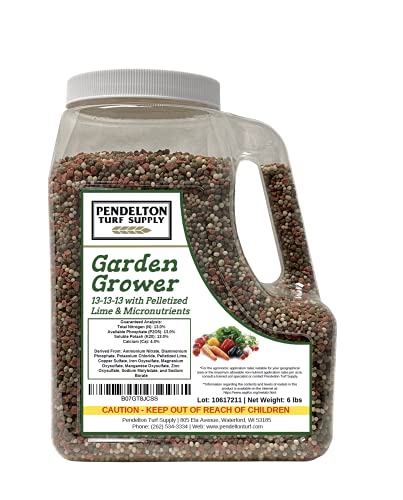
Pendelton Turf Supply’s 13-13-13 blend stands out because it combines a balanced NPK ratio with pelletized lime and micronutrients in a single bag. The lime helps raise soil pH toward the 6.0–6.8 range that soybeans prefer, while the calcium component improves nutrient uptake. For food plot managers who haven’t done a recent soil test, this all-in-one approach reduces the risk of acidity-related deficiencies that cause yellowing leaves and poor yields.
At 6 pounds, this is a compact size ideal for smaller food plots, raised beds, or test patches. The mixing ratio of half a pound per 25 feet of row makes it easy to calculate application rates without a scale. Users consistently praise the formula for producing “big healthy produce” and note that it works fast without burning plants. The inclusion of micronutrients like calcium gives soybeans an edge in environments where soil quality varies.
The primary trade-off is the small bag size. At 6 pounds, you’ll need several bags to cover a half-acre food plot, which makes it less practical for large-scale operations. The cost per pound is also higher than bulk 10-10-10 options, but the added lime and micros justify the premium for those managing small plots or wanting a pre-mixed solution.
What works
- Includes pelletized lime for pH correction
- Added micronutrients (calcium) improve plant health
- Balanced 13-13-13 ratio suitable for soybeans
- Easy to measure and apply in small plots
What doesn’t
- Small 6-lb bag is expensive per pound for large areas
- Not available in bulk sizes
- Results may vary without proper soil test
6. TPS Nutrients Triple 10 10-10-10 Liquid Fertilizer with Iron & Micronutrients

TPS Nutrients Triple 10 brings a premium liquid formulation to the food plot market with a full gallon of 10-10-10 fertilizer enhanced with iron and other trace elements. The liquid form allows for rapid root absorption and can be applied as a soil drench or foliar feed, giving soybeans an immediate nutrient boost during active growth phases. The addition of iron is a smart feature for food plots with alkaline soil where iron chlorosis is common.
Users report dramatic improvements in struggling plants, with basil, collard greens, cabbage, and broccoli all showing strong growth. While these testimonials are for vegetable crops, the formula’s balanced ratio and micronutrient profile translate directly to soybean plots. The one-gallon size provides concentrated coverage, and the mixing instructions are straightforward. It is made in the USA, which appeals to buyers looking for domestic manufacturing.
The primary complaint revolves around packaging quality. Multiple users have reported that the bottle’s seal is unreliable, leading to leaks during shipping that can waste product and create a mess. Additionally, the liquid form requires a sprayer or watering can for application, adding a step compared to simply broadcasting granules. For food plot managers willing to deal with the packaging risk, the nutrient delivery speed is a clear advantage.
What works
- Full gallon of concentrated liquid formula
- Added iron and micronutrients prevent deficiencies
- Fast nutrient uptake through foliar or soil drench
- Made in the USA
What doesn’t
- Packaging seal is prone to leaking
- Requires sprayer or watering can for application
- Higher per-ounce cost than granular alternatives
7. FoxFarm Grow Big Liquid Plant Food – 6-4-4

FoxFarm Grow Big is a liquid concentrate with a 6-4-4 NPK ratio that biases toward nitrogen for strong vegetative growth. While soybeans don’t need high N levels due to their nitrogen-fixing ability, this formula excels as a seedling starter or foliar booster when plants are stressed from cold weather or poor soil. At 2–3 teaspoons per gallon, the quart-sized bottle goes a long way, making it a cost-effective option for small plots or spot treatments.
Users have documented remarkable 22-day turnarounds on stunted vegetables, transforming purple, cold-stressed leaves into healthy green foliage. The low pH formulation ensures micronutrient stability during storage and in the soil, which is beneficial for plots with marginal pH. However, some users caution that it is not organic and requires a flush before harvest to remove salt residue, which is less relevant for food plots but worth noting if you are also consuming the produce.
The main limitation for soybeans specifically is the low phosphorus and potassium content compared to balanced feeds. For soybeans to fill pods effectively, they need more P and K than the 6-4-4 ratio provides, so this product is best used in tandem with a balanced granular or as a targeted early-season green-up treatment. For the price and ease of use, it remains a valuable tool in the food plot arsenal.
What works
- Fast-acting liquid for stressed or young plants
- Concentrated formula covers many plants per bottle
- Low pH maintains micronutrient availability
- Well-documented turnaround on cold-stunted growth
What doesn’t
- Lower P and K ratio not ideal for pod-filling stages
- Not organic and may leave salt residue
- Requires pH adjustment and flushing for best results
Hardware & Specs Guide
NPK Ratio: The Core Metric
The NPK ratio is the most critical specification for any fertilizer. For soybean food plots, a balanced ratio between 10-10-10 and 16-16-16 provides equal parts nitrogen, phosphorus, and potassium. The N supports early green growth, the P drives root development and flowering, and the K strengthens stalks and improves disease resistance. Ratios like 13-13-13 or 16-16-16 deliver more nutrients per pound, while 6-4-4 liquid formulas work best as a fast vegetative booster rather than a full-season solution.
Granular Weight vs. Liquid Volume
Granular fertilizers are sold by weight (pounds), while liquids are sold by fluid volume (ounces, quarts, or gallons). For a one-acre food plot, you’ll generally need 200–300 pounds of a 10-10-10 granular, or multiple bottles of a liquid concentrate applied every few weeks. Granules provide longer residual effect but require soil incorporation or rainfall to activate. Liquids offer rapid uptake but need more frequent reapplication. Choose based on your plot size and the time you can dedicate to maintenance.
FAQ
What is the best NPK ratio for soybean food plots?
Can I use general garden fertilizer on my soybean food plot?
Liquid vs granular fertilizer for soybeans: which is better?
Do I need to add lime to my soybean plot?
Final Thoughts: The Verdict
For most food plot managers, the fertilizer for soybean food plots winner is the Supply Solutions 16-16-16 because its high-density balanced NPK ratio delivers the most nutrients per pound for a competitive cost, making it ideal for pre-plant incorporation. If you want a targeted legume-specific formula that minimizes burn risk, grab the Antler King Clover Fuel. And for large coverage on a budget, nothing beats the Howard Johnsons 7136 35-pound bag.