
Hibiscus grown in pots live a high-stakes life. Confined roots drain nutrients faster than in-ground plants, forcing the tropical beauty to choose between survival foliage and those dinner-plate blooms you actually want. Without the right nutritional strategy, you get leggy stalks, yellowing leaves, and flower buds that drop before opening. The fix isn’t more water or more sun — it’s a targeted feeding plan built around the specific NPK ratios that trigger continuous flowering in containerized hibiscus.
I’m Rikta — the co-founder and writer behind Lawn Gear Lab. I’ve spent hundreds of hours cross-referencing botanical nutrient requirements with real-world Amazon feedback to separate the formulas that actually push bloom production from the general-purpose products that leave potted hibiscus underfed and underwhelming.
Whether you’re coaxing blooms from a dwarf variety on a patio or maintaining a specimen in a self-watering container, this guide to fertilizer for hibiscus in pots breaks down every critical factor — from phosphorus concentration ratios to slow-release coatings and organic certification — so you can feed with total confidence.
How To Choose The Best Fertilizer For Hibiscus In Pots
Container hibiscus have a different appetite than in-ground plants. The potting mix drains fast, roots heat up quickly, and the limited soil volume means nutrients vanish after just a few waterings. Choosing the wrong formulation starves the plant of the specific phosphorus hit it needs to set buds. Here’s exactly what to look for when shopping for a potted hibiscus feed.
Phosphorus-Heavy Ratios (The Middle Number)
Hibiscus are heavy feeders during bloom cycles, and phosphorus (the second NPK number) is the primary driver of flower development. Look for a ratio where the middle number is significantly higher than the first — formulas like 10-30-20 or 9-58-8 are built for this exact purpose. A balanced 10-10-10 general-purpose feed will keep foliage green but won’t push the quantity of blooms a high-phosphorus mix will.
Format: Water-Soluble vs. Granular Slow-Release vs. Liquid
In pots, you control every drop. Water-soluble powders dilute into a nutrient bath that reaches roots instantly — ideal for weekly feeding during peak growing season. Granular slow-release formulations like 17-7-10 prills meter nutrients over weeks and reduce the risk of salt buildup from overfeeding. Liquid concentrates offer immediate absorption for rehabbing stressed plants but require more frequent application. Your choice depends on how much hands-on feeding time you have each week.
Micronutrients and Secondary Elements
Beyond the big three NPK numbers, potted hibiscus need magnesium for chlorophyll production, iron to prevent interveinal chlorosis (yellow leaves with green veins), and trace zinc or manganese for flower bud retention. Products that list chelated micronutrients on the label deliver these in a form roots can absorb even in alkaline potting mixes. Organic options like Dr. Earth rely on microbial digestion to release these elements slowly, while synthetic blends like Jack’s Classic include them pre-chelated for immediate uptake.
Organic vs. Synthetic Formulations
Organic fertilizers feed the soil food web and reduce the risk of root burn in small pots, but they release nutrients more slowly — a potential drawback when a hibiscus needs a quick phosphorus jolt to set buds. Synthetic water-solubles act within hours and allow precise control of dosage, but their high salt index can damage roots if applied too frequently without leaching. For container hibiscus, many experienced growers alternate between a slow-release organic base and a synthetic bloom booster every second watering during peak flowering weeks.
Quick Comparison
On smaller screens, swipe sideways to see the full table.
| Model | Category | Best For | Key Spec | Amazon |
|---|---|---|---|---|
| Dr. Earth Exotic Blend | Organic Powder | Organic grower who wants 5-4-6 gentle feeding | 1 lb bag; OMRI-listed organic | Amazon |
| Jack’s Classic Blossom Booster | Water-Soluble | Weekly feeding for maximum bloom count | 10-30-20 high-phosphorus ratio | Amazon |
| Carl Pool BR-61 | Bloom Booster | Aggressive bud set on mature hibiscus | 9-58-8 extreme phosphorus | Amazon |
| Fertilome Tropical Plant Food | Granular | Slow-release feeding for potted tropicals | 17-7-10 granular prills | Amazon |
| FoxFarm Happy Frog All Purpose | Organic Granules | Soil health & microbial diversity | 6-4-5 with mycorrhizae | Amazon |
| TPS Nutrients Hibiscus Liquid | Liquid Concentrate | Quick recovery of stressed potted hibiscus | 1:28 mixing ratio liquid | Amazon |
| BGI Fertilizers HIBISGAIN | Granular | Commercial-grade feeding for large pots | 10 lb bag; no mixing needed | Amazon |
In‑Depth Reviews
1. BGI Fertilizers HIBISGAIN

BGI HIBISGAIN is the fertilizer that commercial hibiscus growers in Homestead, Florida, have trusted for years, and the formulation reflects that grower-level focus. The granular blend is designed specifically for hibiscus root physiology — it doesn’t need mixing, just a top-dress application directly onto the soil or mulch surface. At 10 pounds, this bag lasts the entire season for several large containers, delivering consistent phosphorus-rich nutrition that triggers repeat blooming cycles.
The resealable top and cut-out handle make storage and application convenient even when the bag is half-empty, and the scent, while earthy and noticeable, is a sign of active organic matter working in the root zone. Buyers report that yellowed leaves turn green within a week of the first application and that flower production resumes after one or two feeding cycles. This is the set-it-and-forget-it powerhouse for anyone with multiple hibiscus containers.
For potted hibiscus, leaching from frequent watering is the biggest challenge — HIBISGAIN’s granular format meters nutrients over several weeks, reducing the salt burn risk that liquid boosters can cause when over-applied. It is premium-priced per bag, but the per-feeding cost is lower than most concentrated liquids when you factor in the total coverage.
What works
- Formulated by professional hibiscus growers using decades of container data
- 10-pound bag provides exceptional per-ounce value for large pots
- One application revives yellow leaves and triggers new blooms within 7-10 days
What doesn’t
- Strong earthy odor for the first few hours after application
- Not suitable for precise foliar feeding or weekly rotation with other supplements
2. Jack’s Classic 10-30-20 Blossom Booster
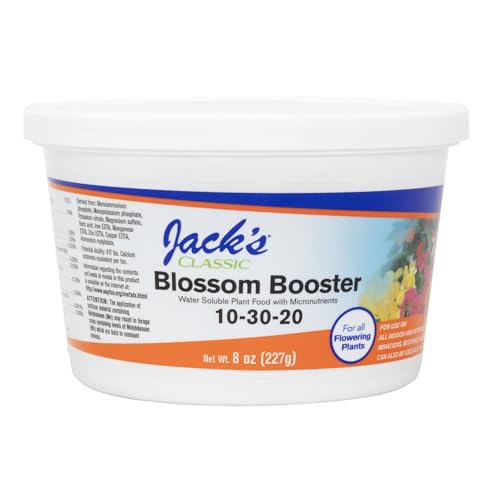
Jack’s Classic 10-30-20 is a water-soluble powder engineered specifically to increase both the color intensity and the sheer number of flowers per plant. The 10-30-20 ratio delivers a massive phosphorus punch relative to nitrogen, which is exactly what potted hibiscus need during their blooming phase. The micronutrient package includes chelated iron and manganese, both critical for preventing the interveinal yellowing that plagues container-grown tropicals in alkaline potting mixes.
The included measuring spoon takes the guesswork out of dosage — one scoop per gallon of water gives you a full-strength feeding that lasts roughly one week in active growth. Many users apply it every 7-10 days from spring through early fall and report that plants that previously produced one or two blooms at a time suddenly push clusters of five to seven flowers. It works as both a root drench and a foliar spray, though gloves are recommended during handling because the fine powder can irritate skin on contact.
The 8-ounce container is compact — it fills about ten standard watering cans. For a small pot collection of two to three hibiscus, that’s roughly a month of weekly feedings. The value is in the concentration, not the package size. If you have a larger container garden, the 1.5-pound or 4-pound refills offer better economy.
What works
- Extremely concentrated — a single scoop treats one full gallon of water
- High phosphorus ratio (30) triggers rapid, dense bloom formation
- Micronutrients prevent leaf chlorosis in container soil
What doesn’t
- 8 oz size runs out quickly if you have more than 3-4 pots
- Powder can cause skin irritation without gloves
3. Carl Pool BR-61 9-58-8 Bloom Booster
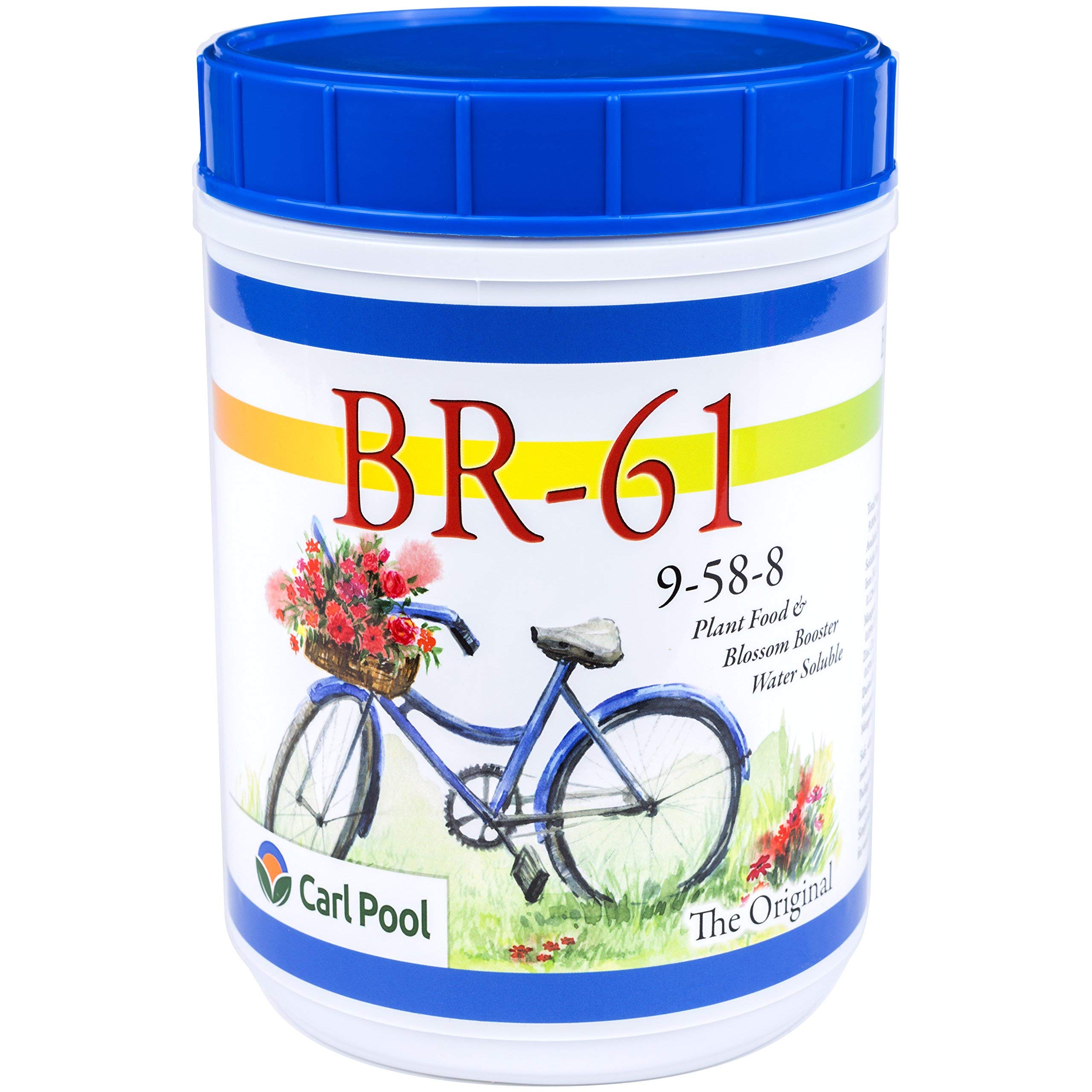
Carl Pool BR-61 holds a 9-58-8 ratio that pushes phosphorus far beyond any general-purpose or even mid-range bloom booster. The 58 percent phosphorus content is aggressive by design — it forces plants that have been slow to set buds into a flowering response within days. For potted hibiscus that have received too much nitrogen and responded with all foliage and zero flowers, BR-61 acts as a reset button.
At 3 pounds, this bag provides around 48 gallons of mixed solution at the recommended rate of one tablespoon per gallon of water. That’s roughly three months of weekly feedings for a medium-sized container collection. Plumeria growers discovered this product years ago and have used it to coax blooms from stubborn plants, and hibiscus enthusiasts report similar transformation — one reviewer noted their Rose of Sharon finally bloomed after a single season of BR-61 feeding. It is designed for flowering plants across the board, but the NPK fingerprint matches what container hibiscus crave during bud formation.
The primary caution is to avoid over-application. Because the phosphorus level is so high, using BR-61 too frequently can lock out zinc and iron in the potting mix. Alternate it every other week with a balanced micronutrient feed, or apply it at half-strength during cooler weather when growth slows.
What works
- Extreme 58% phosphorus forces bloom response from stubborn plants
- One tablespoon per gallon creates 48 gallons of ready-to-use feed
- Long-established formula with decades of positive grower feedback
What doesn’t
- High phosphorus can block micronutrient uptake if used every watering
- Powder can be dusty; use a mask when mixing large batches
4. Fertilome Tropical Plant Food 17-7-10
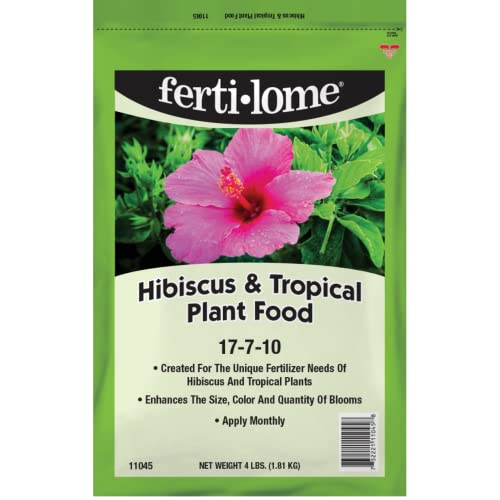
Fertilome’s 17-7-10 granular formula flips the script on the typical high-phosphorus strategy — it leans heavily into nitrogen to support the lush, dark-green foliage growth that tropical hibiscus are known for, while still supplying enough potassium for flower development. The 17-7-10 ratio is ideal for the early growing season when the plant is building leaf mass and structural energy before shifting into bloom production. For potted hibiscus, this means you can apply it every other week during spring and then switch to a bloom booster once flower buds appear.
The granule format releases nutrients gradually with each watering, which is a safety net for beginners who might forget a feeding week. The bag is labeled at 4 pounds, though some buyers report it arrives at 3.25 pounds — check the weight on delivery. Users consistently report visible results within a week of first application, with buds forming on previously bare branches. It works specifically on hibiscus and other tropicals like mandevilla and bougainvillea, making it a smart base feed for a mixed container garden.
Because nitrogen is higher than phosphorus, relying on this as your exclusive feeding method during peak summer may lead to plenty of leaves but fewer blooms. Pair it with a phosphorus booster during the flowering window for best results.
What works
- Granular slow-release format reduces risk of salt burn in containers
- High nitrogen drives rapid leaf growth and deep green color
- Formulated specifically for tropical plants including hibiscus
What doesn’t
- Lower phosphorus means you may need a bloom booster during peak flowering
- Bag weight sometimes arrives below the advertised 4 pounds
5. Dr. Earth Exotic Blend 5-4-6 Palm, Tropical and Hibiscus

Dr. Earth’s Exotic Blend is a 100-percent organic, hand-crafted powder that relies on natural ingredients rather than synthetic salts to deliver its 5-4-6 NPK ratio. No GMOs, no chicken manure, and no sewage sludge — the ingredient panel is clean enough for organic certification and safe for potted plants in close proximity to people or pets. The 5-4-6 ratio is moderate, designed for gentle, sustained feeding across the entire growing season.
The 1-pound bag covers roughly 15 square feet of potted surface, which translates to two or three medium to large hibiscus containers. Users report that a little goes a long way — just a light dusting worked into the top inch of potting mix every 4-6 weeks keeps foliage green and promotes steady, natural blooming. Because the formula feeds the soil microbiology rather than the plant directly, it works best when the potting mix is already alive with worms or compost. For nursery-grade sterile potting soil, organic release may be slower than synthetic alternatives.
The biggest tradeoff is the nitrogen content: at 5-4-6, this is a balanced feed, not a high-phosphorus trigger. It is excellent for maintaining general health and supporting existing blooms, but it will not force a non-blooming hibiscus into flower production the way a 10-30-20 water-soluble would. Treat it as your base organic feed and supplement with a liquid bloom booster during peak demand.
What works
- 100% organic and OMRI-listed, safe for organic container gardening
- Feeds soil microbes slowly, reducing risk of root burn in small pots
- Light application frequency (every 4-6 weeks) for low-maintenance feeding
What doesn’t
- Moderate phosphorus level won’t force flowering on stubborn plants
- 1 lb bag covers only 2-3 pots; larger collections need multiple purchases
6. TPS Nutrients Hibiscus Liquid Fertilizer 32 oz
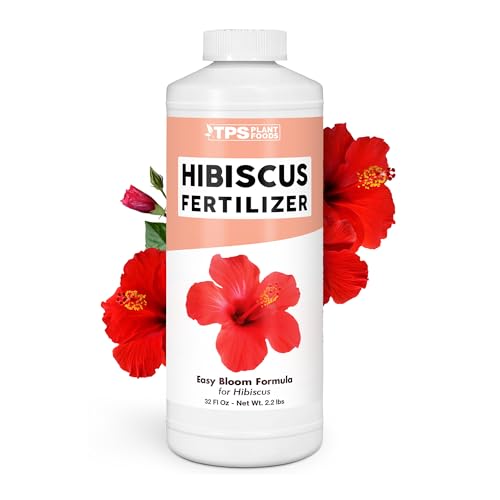
TPS Nutrients formulated this liquid concentrate specifically for hibiscus and tropical flowering plants, and the results are immediate — the liquid format bypasses the need for microbial digestion and delivers soluble nutrients directly to the root zone within hours. For a potted hibiscus that has dropped all its buds or turned yellow from stress, this is the fastest way to restart growth. The 1:28 mixing ratio means one 32-ounce bottle yields approximately 8 gallons of ready-to-use feed.
User reports consistently mention visible improvement within one week: yellow leaves regain color, and plants that had not bloomed in months push new buds. Because it is a liquid, it integrates perfectly into a watering schedule without measuring spoons or pre-dissolving granules. Just add the capful or measured dose to your watering can and apply. The bottle includes clear instructions for both indoor and outdoor potted uses, and the formula works equally well on flowering shrubs like mandevilla and bougainvillea.
The downside is cost per feed. At 32 ounces, each gallon of mixed solution carries a higher price point than powdered alternatives. For a small collection of two to five containers, it’s manageable — for a large patio garden, you will run through it quickly. It also lacks the slow-release buffer of granules, so you must stick to a weekly schedule to maintain results.
What works
- Liquid concentrate delivers immediate nutrient absorption for stressed plants
- Easy no-mix design — just add capful to watering can
- Visible recovery of yellow leaves and lost buds within 7 days
What doesn’t
- Higher per-feed cost compared to water-soluble powders
- Requires consistent weekly schedule for continued bloom production
7. FoxFarm Happy Frog All Purpose Fertilizer 6-4-5

FoxFarm’s Happy Frog All Purpose Fertilizer is a 6-4-5 granular feed packed with beneficial soil microbes and mycorrhizal fungi that form symbiotic relationships with root systems. In a potted environment where natural soil biology is often absent, these microbes help unlock nutrients that would otherwise remain unavailable. The formula is OMRI-listed for organic gardening and works as a gentle all-purpose feed for a wide range of plants, including hibiscus.
The 4-pound bag covers a generous area — about four to six medium containers applied monthly. Users who grow in fabric pots or self-watering containers note that the mycorrhizal fungi colonize the root zone effectively, improving both nutrient uptake and water efficiency. Plants that had stalled in growth for months respond with new leaf development within two weeks. The earthy smell is strong and distinct, so it is best applied outdoors or in a well-ventilated area.
The primary limitation for hibiscus-specific feeding is the NPK ratio: 6-4-5 is a balanced maintenance ratio, not a bloom-boosting formula. For a potted hibiscus that is actively growing and pushing buds, the 4 phosphorus is too low to sustain heavy flowering. Use Happy Frog as a soil-conditioning base feed early in the season and supplement with a stronger phosphorus blend once buds start forming.
What works
- Contains mycorrhizal fungi that improve root health in container soil
- OMRI-listed organic formula safe for edible and ornamental pots
- Gentle 6-4-5 ratio won’t burn roots even in small containers
What doesn’t
- Low phosphorus content limits bloom production in heavy-flowering hibiscus
- Strong earthy odor when applied, especially indoors
Hardware & Specs Guide
NPK Ratio Explained for Potted Hibiscus
The three numbers on every fertilizer package represent Nitrogen (first), Phosphorus (second), and Potassium (third). For container hibiscus, phosphorus is the critical driver of flower bud formation. A ratio where the middle number exceeds the first — like 10-30-20 or 9-58-8 — tells you the product is designed to maximize bloom count and size. Nitrogen promotes leaf growth, so high-first ratios like 17-7-10 are better applied early in spring before the plant shifts to flowering.
Water-Soluble vs. Granular vs. Liquid Delivery
Water-soluble powders (Jack’s Classic, Carl Pool) dissolve completely in water and deliver nutrients immediately to the root zone — ideal for weekly feeding schedules during peak growth. Granular products (Fertilome, BGI HIBISGAIN, FoxFarm, Dr. Earth) are applied dry to the soil surface and release nutrients gradually with each watering, reducing the frequency of application. Liquid concentrates (TPS Nutrients) offer the quickest absorption but require the most consistent schedule and tend to cost more per ounce of mixed feed.
FAQ
How often should I fertilize my hibiscus in pots during peak growing season?
What happens if I use a general-purpose fertilizer like 10-10-10 on my potted hibiscus?
Is organic or synthetic fertilizer better for hibiscus in containers?
Final Thoughts: The Verdict
For most gardeners, the fertilizer for hibiscus in pots winner is the BGI Fertilizers HIBISGAIN because it delivers commercial-grade, species-specific nutrition in a no-mix granular format that lasts all season — the perfect balance of convenience and results. If you want Jack’s Classic 10-30-20 Blossom Booster, grab it for its concentrated water-soluble boost that triggers maximum bloom quantity during summer. And for TPS Nutrients Hibiscus Liquid, nothing beats the speed of a liquid concentrate when you need to revive a stressed potted hibiscus and get it flowering again within a week.