
Feeding a Bird of Paradise the wrong fertilizer is the fastest way to get tall, floppy leaves with zero blooms. These tropical plants demand a specific nutrient balance — too much nitrogen produces massive leaves at the expense of those iconic orange-and-blue flowers. A formula that locks in the right ratio of phosphorus and potassium makes the critical difference between a foliage-only houseplant and a specimen that rewards you with multiple blooms each season.
I’m Rikta — the co-founder and writer behind Lawn Gear Lab. My analysis here draws on hundreds of hours cross-referencing NPK ratios, micronutrient profiles, and verified owner feedback across dozens of tropical plant food formulas to isolate the best performers for Bird of Paradise.
This guide cuts through the marketing noise to deliver a tight, spec-focused comparison of the most effective options. You’ll find the fertilizer for bird of paradise that matches your plant’s stage and your feeding style.
How To Choose The Best Fertilizer For Bird Of Paradise
Bird of Paradise plants are heavy feeders during their active growing season, but their nutrient needs shift depending on whether you’re trying to push leaf size, root development, or flower production. The wrong formula leads to burnt roots, salt accumulation, or lush foliage with zero blooms. Here are the key factors to evaluate before you buy.
NPK Ratio and Bloom Triggers
The middle number in the NPK ratio — phosphorus — is the primary bloom trigger for Bird of Paradise. A ratio like 9-58-8 jumps phosphorus high to force flowering, while a balanced 3-1-2 formula like 9-3-6 is better for overall leaf and root health during the off-season. Match the ratio to your plant’s current growth stage.
Micronutrient Profile
Magnesium, iron, and sulfur are not optional extras for Bird of Paradise: these micronutrients support chlorophyll production and prevent yellowing between leaf veins. Jack’s Classic 16-5-25 includes a full micronutrient suite that many cheaper liquid blends omit. Check the guaranteed analysis label for these secondary nutrients before buying.
Form — Liquid vs. Powder vs. Granule
Liquid concentrates deliver nutrients instantly and let you adjust dose weekly. Powders like Jack’s Classic are water-soluble and store longer without degrading. Granules release slowly but require consistent moisture to break down. For container-grown Bird of Paradise, liquid or powder formulas give you more control over feeding frequency and strength.
Quick Comparison
On smaller screens, swipe sideways to see the full table.
| Model | Category | Best For | Key Spec | Amazon |
|---|---|---|---|---|
| Jack’s Classic 16-5-25 | Powder | Steady lush growth with micronutrients | 1.5 lbs powder / NPK 16-5-25 | Amazon |
| Dyna-Gro Foliage Pro 9-3-6 | Liquid | Foliage density & root strength | 32 oz liquid / Ratio 3:1:2 | Amazon |
| TPS BOP Fertilizer 32 oz | Liquid | Species-specific tropical feeding | 32 oz liquid / Balanced NPK | Amazon |
| Fertilome Tropical 17-7-10 | Granule | Hibiscus-style bloom boost | 3.25 lb granule / NPK 17-7-10 | Amazon |
| TPS Palm Tree 9-3-6 | Liquid | Versatile tropical foliage support | 32 oz liquid / Ratio 9-3-6 | Amazon |
| Carl Pool BR-61 9-58-8 | Powder | Intensive bloom forcing | 3 lbs powder / High-phosphorus 9-58-8 | Amazon |
| Foliage-Pro 9-3-6 | Liquid | Indoor foliage growth on a budget | 32 oz liquid / Ratio 3:1:2 | Amazon |
In‑Depth Reviews
1. Jack’s Classic 16-5-25 Tropical Food
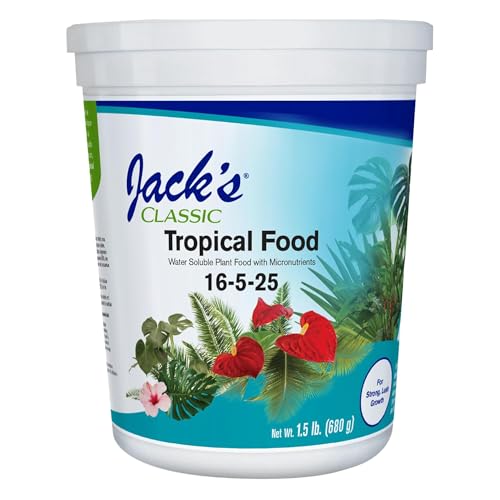
Jack’s Classic 16-5-25 delivers a unique high-potassium, low-phosphorus ratio that matches what tropical plants like Bird of Paradise actually need during their growth phase. The 16-5-25 analysis prevents salt buildup in containers while supplying extra magnesium and sulfur — two micronutrients directly tied to chlorophyll density and stem rigidity. Owners report that palms and cycads respond with steady, structured growth rather than the soft stretching caused by nitrogen-heavy formulas.
The water-soluble powder format is economical: one 1.5-pound bag makes over 60 gallons of liquid fertilizer when mixed at the standard rate. Each bag includes a measuring spoon, removing guesswork for beginners. Users consistently note that the powder dissolves cleanly with no gritty residue in sprayers or watering cans, making it suitable for both root drench and foliar feeding.
Multiple verified reviews describe this formula as the best bloom fertilizer for peace lilies and hibiscus, which share Bird of Paradise’s preference for higher potassium. The main drawback is the packaging: a few customers received bags with loose lids or minor tears during shipping. Taping the lid before storage prevents the occasional spill reported in feedback.
What works
- High potassium ratio (25) supports stem strength and bloom potential for Bird of Paradise
- Includes magnesium and sulfur — critical micronutrients often missing in generic fertilizers
- One bag makes over 60 gallons, providing excellent value per feeding
What doesn’t
- Packaging lid can loosen during shipping, risking minor spillage
- Powder form requires mixing before each use, less convenient than ready-to-use liquids
2. Dyna-Gro Foliage Pro 9-3-6
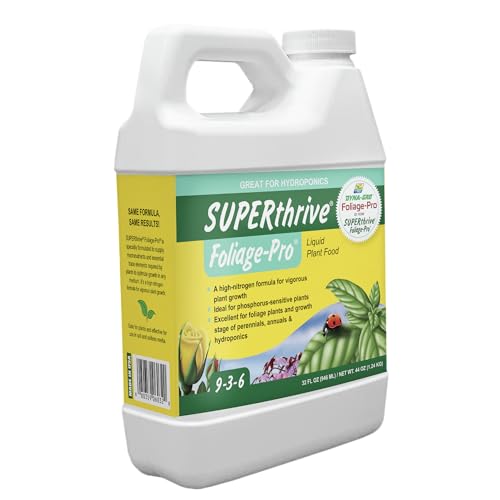
Dyna-Gro Foliage Pro uses a time-tested 3:1:2 NPK ratio (9-3-6) that professional growers recommend for tropical foliage plants. This balanced formula targets leaf development and root health without pushing excessive top growth that weakens stems. The liquid concentrate mixes at a tiny dose — about 1/4 teaspoon per gallon — meaning one 32-ounce bottle lasts many months even with weekly feeding.
Verified buyers report seeing new leaf growth within days of first application, with multiple customers noting that yellowing leaves reversed after switching to this formula. The nutrient profile works well for low-light indoor environments where Bird of Paradise tend to stretch toward windows. Users with mixed collections also appreciate that one bottle feeds monstera, philodendron, and Bird of Paradise with equal success.
The primary caution is dosage precision: several reviews warn that over-concentrating the mix can burn roots and cause leaf tip dieback. One customer nearly lost an entire plant by not reading the label. Follow the 1/4-to-1/2 teaspoon per gallon instruction strictly, and scale up only for mature, actively growing specimens in bright light.
What works
- Tiny dose per watering makes the bottle last months for multiple plants
- 3:1:2 ratio encourages dense, sturdy foliage without soft stretching
- Compatible with both soil and hydroponic setups
What doesn’t
- Requires careful measurement — over-dosing easily burns roots
- Not formulated to trigger blooming; better for off-season foliage maintenance
3. TPS Bird of Paradise Fertilizer 32 oz

TPS formulated this liquid fertilizer specifically for Bird of Paradise, which means the NPK balance and micronutrient profile target the exact needs of these tropical plants rather than making compromises for a broader market. The 32-ounce concentrate provides enough solution for multiple months of weekly feeding on a single mature specimen. Users consistently report deeper green leaf color within two weeks of first application.
Verified reviews from owners of 20-year-old Bird of Paradise plants show that this formula can trigger blooming even on specimens that had not flowered in years. Multiple customers mention that their plants produced more blooms than in any previous season after switching to this product. The formula works equally well for indoor potted plants and outdoor patio containers, making it versatile across growing conditions.
The drawback is price per ounce compared to generic fertilizers: you pay a premium for the species-specific labeling. However, users who feed multiple Bird of Paradise plants report that the cost is justified by the visible bloom response. A few reviews note that the bottle could benefit from a more precise measuring cap — use a separate measuring spoon for accuracy.
What works
- Formulated specifically for Bird of Paradise — not a repurposed all-purpose mix
- Can trigger blooms on mature plants that haven’t flowered for years
- Suitable for both indoor containers and outdoor tropical landscapes
What doesn’t
- Higher cost per fluid ounce compared to multi-purpose tropical fertilizers
- Bottle cap not designed for precise measuring; needs separate tool
4. Fertilome Tropical Plant Food 17-7-10
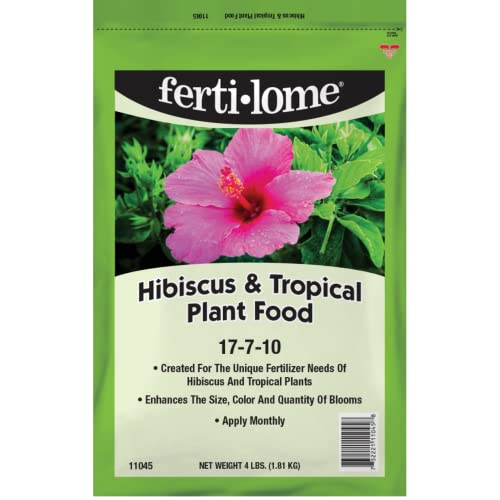
Fertilome 17-7-10 delivers a granular slow-release option for Bird of Paradise owners who prefer less frequent feeding. The 17-7-10 ratio supplies high nitrogen for leaf mass with moderate phosphorus and potassium for root and bloom support. The product is marketed primarily for hibiscus but works on all tropical flowering plants, including Bird of Paradise, because of the similar nutritional demands during the growing season.
Verified reviews highlight that users see new blooms within a week of applying the granules to established tropical plants. The slow-release mechanism reduces the risk of root burn compared to over-enthusiastic liquid feeding, which makes this a safer choice for beginners who worry about measuring correctly. The application schedule is simple: apply every two weeks until blooms form, then monthly during active flowering.
One significant caveat is packaging accuracy: multiple customers report that the bag contains 3.25 pounds despite the listing claiming 4 pounds. If you’re calculating feed value per bag, factor in the lower net weight. The granules also require consistent soil moisture to break down properly, so this is less ideal for growers who tend to let their Bird of Paradise dry out between waterings.
What works
- Slow-release granules reduce need for weekly mixing and measuring
- Consistent reported bloom response within 7-10 days of application
- Lower risk of root burn for gardeners new to tropical plant feeding
What doesn’t
- Actual net weight is 3.25 lbs, not the 4 lbs advertised
- Requires consistent soil moisture to release nutrients effectively
5. TPS Palm Tree Fertilizer 32 oz
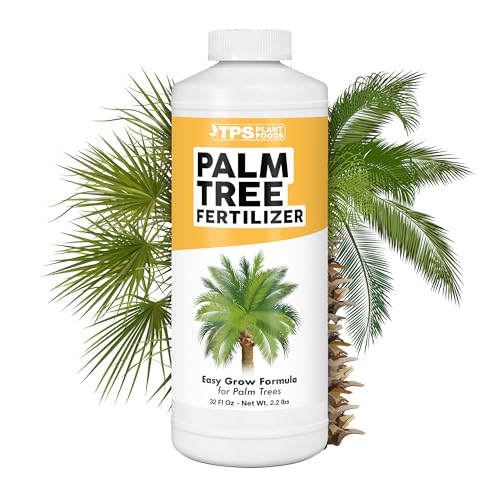
TPS Palm Tree Fertilizer uses a 1:128 mixing ratio — just 1 ounce of concentrate per gallon of water — making the 32-ounce bottle stretch across 32 feedings. While formulated for palms, the balanced nutrient profile supports Bird of Paradise foliage health and root vigor during non-blooming periods. The liquid formula absorbs quickly and won’t sit undissolved on bark mulch or potting mix.
Customer feedback shows dramatic recovery results: one user whose palm lost half its canopy to spider mites reported bright green regrowth within three days of application. Another saw weekly new frond development on palms and tropicals. The same nitrogen and micronutrient blend that drives palm recovery also benefits Bird of Paradise leaf expansion and color intensity, especially after stress events like repotting or pest damage.
This formula is not optimized for bloom forcing — the phosphorus level is too low to trigger flowering in mature Bird of Paradise. Use it as a maintenance fertilizer between bloom cycles or during the cooler months when you want to support foliage without pushing flower development. The bottle lacks an integrated measuring system, so you’ll need a separate measuring cup to hit the 1:128 ratio.
What works
- Highly concentrated 1:128 ratio delivers 32 gallons of feed per bottle
- Fast-acting liquid restores green color even after pest or stress damage
- Versatile for tropical foliage — feeds Bird of Paradise, palms, and similar plants
What doesn’t
- Low phosphorus content makes it ineffective for promoting blooms
- No measuring tool included; precise dosing requires extra equipment
6. Carl Pool BR-61 9-58-8
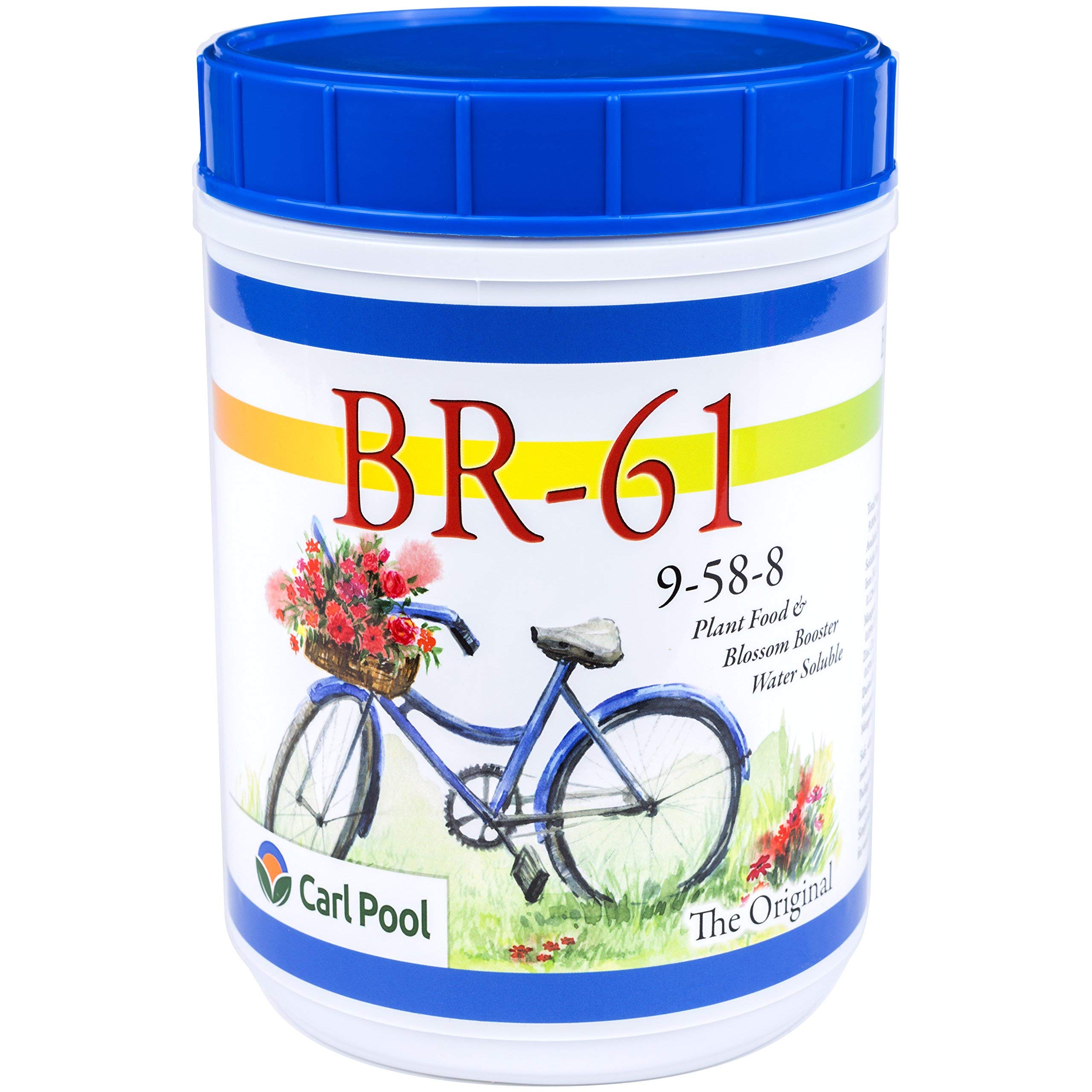
Carl Pool BR-61 hits an aggressive 9-58-8 NPK ratio that is essentially a bloom booster in powder form. The phosphorus content (58) is extremely high — this is not a maintenance feed but a targeted tool for forcing flower production. For Bird of Paradise owners who have mature plants that stubbornly refuse to bloom, BR-61 provides the phosphorus spike that signals the plant to shift energy from foliage to flower formation.
Verified reviews from plumeria growers (a plant with similar bloom demands to Bird of Paradise) describe BR-61 as the fertilizer that produced more flowers than any previous season. The powder mixes at 1 tablespoon per gallon of water, and a 3-pound bag provides many applications. Several customers report using BR-61 in rotation with fish emulsion or seaweed fertilizer — alternating high-phosphorus feed with balanced organic feed every two weeks.
The high phosphorus concentration means this fertilizer can burn roots if applied too frequently or at double strength. Use it strictly during the pre-bloom and blooming window — spring through early summer — then switch to a balanced formula for the rest of the growing season. Do not use BR-61 on young or recently repotted Bird of Paradise plants; reserve it for established specimens with mature root systems.
What works
- Extremely high 58% phosphorus content forces bloom initiation effectively
- Powder form stores indefinitely and provides many doses per bag
- Proven results on tropical flowering plants like plumeria and hibiscus
What doesn’t
- High burn risk if used too often or on immature plants
- Not a complete feed — must be rotated with balanced fertilizer for long-term health
7. Foliage-Pro 9-3-6 Plant Food
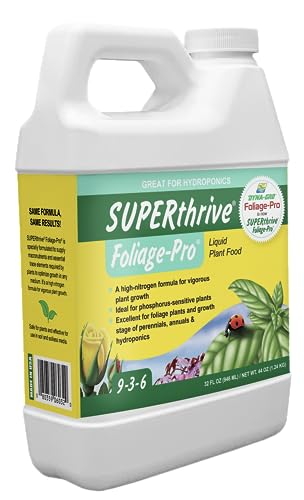
Foliage-Pro 9-3-6 uses the same 3:1:2 NPK ratio as Dyna-Gro but carries a lower upfront cost per ounce, making it the most accessible entry point for Bird of Paradise owners who want a reliable foliage feed without spending for premium branding. The liquid concentrate mixes at just 1/4 to 1/2 teaspoon per gallon, so the 32-ounce bottle handles dozens of waterings. Users describe it as producing “luxurious” foliage with denser, darker leaves.
Verified reviews show that this formula reverses leaf yellowing on indoor tropical plants like monstera and philodendron — the same yellowing that often plagues Bird of Paradise during winter months. One customer reported that a 42-year-old bonsai banyan tree, never fertilized in its lifespan, produced new branch formation within three weeks of use. The nitrogen sources are diverse (ammoniacal, nitrate, urea), which helps maintain steady green color without the soft growth surge that single-nitrogen-source fertilizers cause.
The 9-3-6 ratio is not a bloom formula. If your primary goal is flowers rather than foliage, this product will not provide the phosphorus spike needed. Several users noted that while their plants grew faster and produced more leaves, they did not see increased flowering. Reserve this for the off-season maintenance window and pair it with a bloom booster during spring if flowers are your target.
What works
- Lowest price per ounce among the 9-3-6 liquid concentrates reviewed
- Diverse nitrogen sources prevent weak, stretched growth on indoor plants
- Highly concentrated — tiny dose per watering provides months of feed
What doesn’t
- Cannot stimulate blooming; foliage-only formula
- Requires careful measuring — over-concentration risks root burn
Hardware & Specs Guide
NPK Ratio Interpretation
N-P-K stands for Nitrogen-Phosphorus-Potassium. For Bird of Paradise, a 3-1-2 ratio (like 9-3-6) supports balanced leaf and root growth. A ratio like 9-58-8 signals a bloom booster with extremely high phosphorus. Reading the NPK numbers tells you exactly what the plant will prioritize: leaf size, flower count, or stem strength.
Powder vs. Liquid Economics
Powdered fertilizers like Jack’s Classic 16-5-25 typically provide more feed per dollar because shipping weight is just the dry salts. Liquid concentrates pay for water weight but offer instant absorption and zero-mix convenience. For a single Bird of Paradise, a 32-ounce liquid lasts months. For multiple plants, a powder bag delivers more value per feeding.
FAQ
Should I use a fertilizer with a higher middle number for more blooms on Bird of Paradise?
Can I use a palm fertilizer on my Bird of Paradise?
Final Thoughts: The Verdict
For most gardeners, the fertilizer for bird of paradise winner is the Jack’s Classic 16-5-25 because it delivers the high-potassium ratio and micronutrient profile that tropical plants need for steady, healthy growth without salt buildup. If you want a species-specific liquid that directly targets bloom production, grab the TPS Bird of Paradise Fertilizer. And for forcing flowers on a mature plant that refuses to bloom, nothing beats the Carl Pool BR-61 9-58-8 in the spring window.