
A dragon fruit cactus is a heavy feeder that demands a specific balance of phosphorus, potassium, and micronutrients to push out those vibrant, sweet fruits instead of just sprawling green growth. Get the NPK ratio wrong, and you’ll end up with a massive, unproductive vine that refuses to flower. The right formula, applied on a precise schedule, is what separates a tropical ornament from a prolific harvest.
I’m Rikta — the co-founder and writer behind Lawn Gear Lab. My approach is anchored in deep market research, comparing hundreds of specification sheets, studying horticultural data on epiphytic cacti nutrient uptake, and analyzing aggregated owner feedback to find the exact chemistry that makes a dragon fruit cactus thrive.
A truly effective best dragon fruit fertilizer delivers a carefully calibrated NPK ratio, often with elevated potassium and phosphorus, alongside secondary nutrients like calcium and magnesium that prevent blossom-end rot and support thick, vigorous stems.
How To Choose The Best Dragon Fruit Fertilizer
Dragon fruit is a cactus, but its nutritional needs are far closer to a fruiting tropical tree than a desert succulent. You must prioritize formulas that support flowering and fruit bulking without causing nitrogen burn or salt buildup in the shallow root zone.
NPK Ratio: The Master Key
Aim for a formula where the middle (phosphorus) and last (potassium) numbers are higher than the first (nitrogen). A ratio like 2-4-5 or 5-10-10 is ideal. High nitrogen forces the plant to produce long, thin vegetative growth and delays flowering. Phosphorus drives root development and bloom set, while potassium is the primary driver of fruit size, sugar content, and tissue strength.
Micronutrients & Secondary Elements
Dragon fruit often struggles with calcium, magnesium, and iron deficiencies. Calcium strengthens the stem cell walls and prevents fruit cracking, magnesium is core to chlorophyll production (preventing yellowing), and iron availability is critical for healthy green stems. A good fertilizer for this crop will either contain these or have specific instructions to supplement them.
Application Form: Liquid vs. Granular
Liquid concentrates offer immediate nutrient availability and are excellent for the active growing and fruiting seasons, but require frequent mixing and reapplication. Slow-release granular formulas are set-and-forget for the base season, but they can be harder to control in small potted specimens or during the cooler winter dormancy period. Many growers use a combination of a granular meal for the base and a liquid boost during fruit swell.
Quick Comparison
On smaller screens, swipe sideways to see the full table.
| Model | Category | Best For | Key Spec | Amazon |
|---|---|---|---|---|
| FoxFarm Trio Pack | Complete System | Stage-Specific Feeding | NPK: 2-8-4 (Bloom) | Amazon |
| Farmer’s Secret Booster | Super Concentrate | Early Roots & Blooms | High Phosphorus Formula | Amazon |
| Alaska Fish Fertilizer | Organic Liquid | Gentle Nitrogen Boost | NPK: 5-1-1 | Amazon |
| Bloom City Citrus & Fruit | Liquid Concentrate | Container Trees | Balanced Citrus Mix | Amazon |
| Espoma Berry Tone | Granular | Acid-Loving Setup | NPK: 4-3-4 | Amazon |
| Neptune’s Harvest Fish & Seaweed | Liquid Combo | Foliar & Soil Drench | NPK: 2-3-1 | Amazon |
| Espoma Citrus Tone | Granular | Mid-Range Fruit Trees | NPK: 5-2-6 | Amazon |
In‑Depth Reviews
1. FoxFarm Soil Liquid Trio Pack

This three-bottle system from FoxFarm delivers the most comprehensive feeding protocol for the dragon fruit life cycle. The Grow Big formula (6-4-4) fuels the early vegetative stage when you are building a strong trellis structure, while the Big Bloom (0.01-0.3-0.7) provides gentle microbial support throughout. The real star for fruit set is Tiger Bloom (2-8-4), a bloom-specific formula that pushes phosphorus and potassium hard without adding excess nitrogen that would trigger unwanted green growth.
Each pint bottle produces a significant amount of mixed solution — the manufacturer recommends feeding every other watering during active growth — which gives you precise control over nutrient timing. The trio allows you to taper nitrogen exactly as the plant shifts from stem-building to flowering, a strategy that directly increases yield. Users consistently report immediate color changes and swelling of the fruit within a week of switching to the Tiger Bloom phase.
The only trade-off is the learning curve: you must rotate bottles on a schedule and flush the soil periodically to prevent salt buildup. The bottles themselves have a design flaw where liquid leaks into the screw cap, causing a crusty residue that makes opening harder over time. Despite that, for growers who want to dial in each phenological stage, this is the most effective kit available.
What works
- Stage-specific NPK ratios perfectly match the dragon fruit transition from vegetative to fruiting.
- Produces fast, visible results — fruit swelling and stem darkening within days of bloom formula.
- No strong odor, making it comfortable for indoor container growing.
What doesn’t
- Requires a strict multi-bottle rotation schedule and periodic salt flushing.
- Bottle cap threads allow liquid seepage, creating a sticky residue over time.
- Price has risen significantly, making it a less budget-friendly long-term choice.
2. Farmer’s Secret Plant Booster

Farmer’s Secret uses a high-phosphorus liquid formula designed specifically for early-stage root and bloom development — exactly where most dragon fruit growers need help. The 32-ounce bottle is an extremely dense concentrate (weighing nearly 3 pounds) with a recommended dilution of just 1 teaspoon per 2 gallons of water, making it one of the most cost-efficient options on this list per application.
The super-concentrated nature means you can customize the feed strength with precision. Applied during the pre-flowering phase, it pushes the cactus to convert sunlight into energy more efficiently, which directly correlates to more flower buds. Many gardeners report seeing new root growth on cuttings within a week of the first application, which is critical for getting young dragon fruit plants established.
The high phosphorus content, however, means this is not a complete standalone feed for the entire season — you will still need a balanced micronutrient source for the fruit-swelling stage. Also, because it is so concentrated, measuring incorrectly can easily lead to nutrient burn, especially on young or stressed vines. Stick to the 1 tsp per 2 gallon rule and you get a reliable bloom trigger.
What works
- Extremely concentrated — a 32-ounce bottle goes a very long way with proper dilution.
- Fast-acting phosphorus spike encourages root establishment and flower bud initiation.
- Professional-grade results with minimal effort; works great for feeding seedlings.
What doesn’t
- Not a complete fertilizer — requires supplementary micronutrients for fruit development.
- Easy to over-apply; must dilute precisely to avoid burning sensitive roots.
- Does not contain the higher potassium levels needed for fruit bulking and sweetness.
3. Alaska Fish Fertilizer 5-1-1
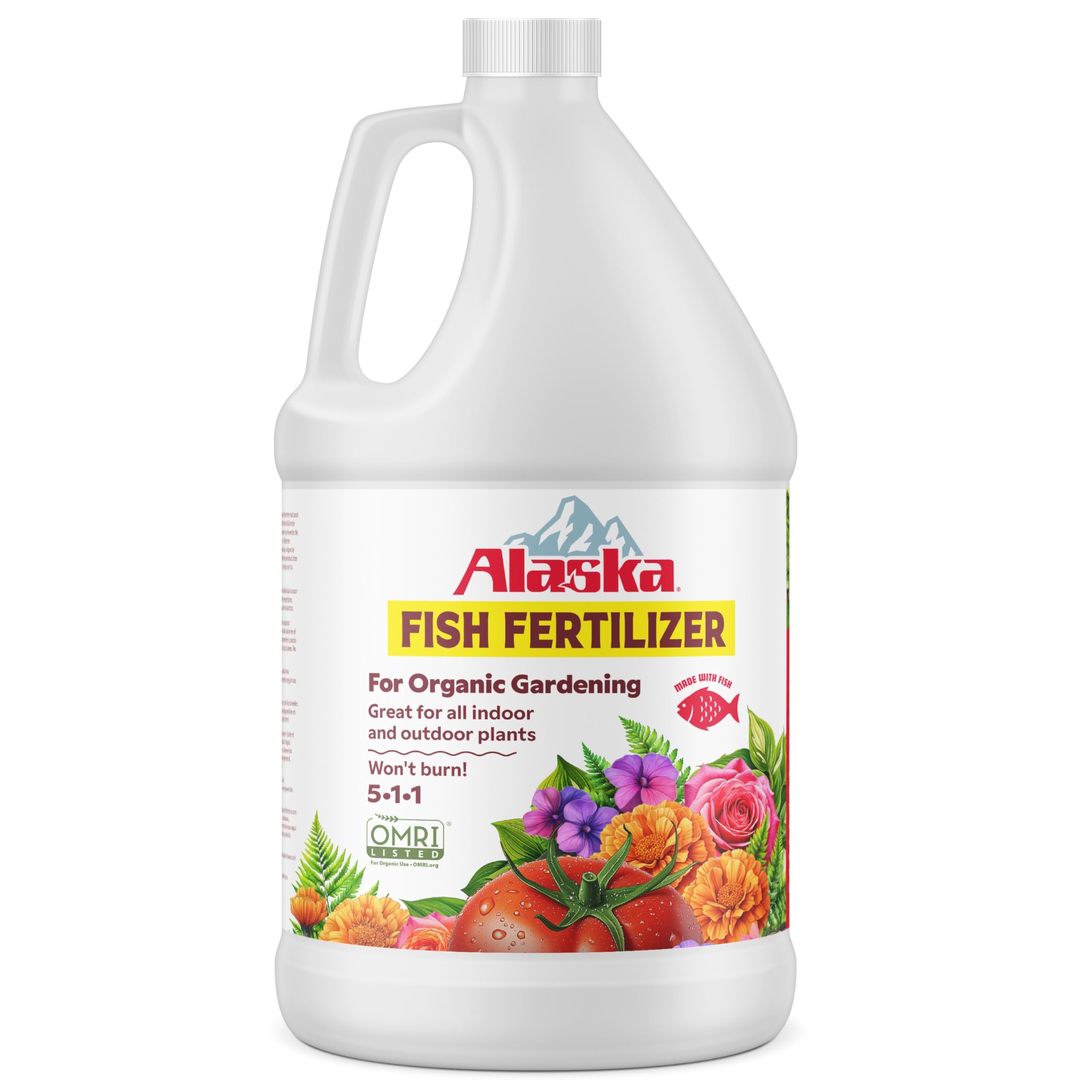
Alaska Fish Fertilizer is an OMRI-listed organic liquid that provides a gentle, slow-release nitrogen source through cold-pressed fish emulsion. With a 5-1-1 NPK ratio, it is clearly designed for vegetative vigor rather than bloom production, making it an ideal companion for the spring growth flush. The 115-ounce jug provides exceptional volume-per-dollar value for growers maintaining a large trellis of dragon fruit vines.
The fish-based formula feeds the soil microbes, improving root zone biology and soil structure over time — especially valuable for container-grown dragon fruit where potting mix can become depleted. Users report that it quickly revives yellowing, nitrogen-deficient stems, turning them a deep, healthy green within a week of application. It is also safe enough to use on seedlings and cuttings without risk of burning, provided you follow the recommended dilution.
The obvious trade-off is the odor. The fishy smell is quite pungent during mixing and for about 24 hours after application. Indoor or greenhouse growers will need good ventilation. Additionally, the low phosphorus and potassium numbers mean this cannot be your only fertilizer if you want fruit — you must supplement with a bloom-booster or granular PK formula once the plant enters its reproductive phase.
What works
- Large, cost-effective jug that lasts many applications for a multi-plant setup.
- Excellent for correcting nitrogen deficiency — turns yellow stems green quickly.
- OMRI listed for organic production and feeds beneficial soil microbes.
What doesn’t
- Strong fishy odor that lingers for about a day; not comfortable for indoor use.
- Low phosphorus and potassium make it unsuitable as a standalone fruit-set fertilizer.
- Requires 3-week reapplication frequency during the active growing season.
4. Bloom City Organic Citrus & Fruit Fertilizer

Bloom City’s liquid concentrate is formulated specifically for citrus and fruit-bearing trees, and its balanced nutritional profile aligns well with the demands of a dragon fruit cactus. The formula includes a full range of micronutrients that target root strength and fruit development without pushing excessive foliage growth. It is a straightforward liquid that can be mixed and applied in minutes, making it ideal for the gardener who wants simplicity.
Users report noticeable changes in leaf (stem) color and density within 24 to 48 hours of the first feeding, especially on container-grown specimens that had been showing signs of stress. The product is safe for potting mix and does not cause the salt burn issues that sometimes accompany synthetic citrus formulations. It supports both the vegetative phase and the transition into flowering when applied on a consistent schedule.
The main drawback is inconsistency in results across different users. Some report underwhelming vigor and yield improvement compared to more specialized bloom formulas. The bottle size at 32 ounces is moderate, and the suggested mixing ratio is 1:1, meaning the bottle does not stretch as far as some competitors. For smaller collections or as a supplement to a granular base feed, it works well, but heavy producers may need a stronger secondary feed.
What works
- Fast-acting liquid that shows visible stem-color improvement within one to two days.
- Safe for container plants and does not cause salt buildup or root burn.
- Formulated specifically for citrus and fruit trees, which share nutrient needs with dragon fruit.
What doesn’t
- Results can be inconsistent — some growers report minimal impact on fruit yield.
- Smaller 32-ounce bottle requires more frequent repurchase for larger trellises.
- Lacks the high potassium kick needed for maximum fruit sweetness and size.
5. Espoma Berry Tone 4-3-4
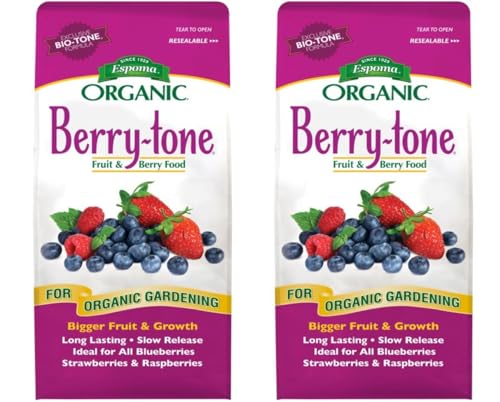
Espoma’s Berry Tone is a granular, slow-release formula with a 4-3-4 NPK analysis enhanced with 5% sulfur, making it slightly acidifying — a useful trait for dragon fruit growers who struggle with alkaline water or potting mixes. The granular form means you apply it to the soil surface once per season and let the microbes do the work, providing a steady nutrient baseline over several months.
The Bio-tone formula contains beneficial microbes that colonize the root zone and improve nutrient cycling. This is particularly beneficial for dragon fruit, which has a relatively shallow root system that benefits from active soil biology. Users have reported dramatic increases in berry and fruit yields — one reviewer noted a massive increase in blackberry production after switching to this, with a noticeable drop-off when they forgot to apply it the following season.
The primary limitation here is the NPK ratio: 4-3-4 is fairly balanced, but it does not deliver the high potassium (K) numbers that optimal fruit set requires. You may need to supplement with a liquid high-potassium source during the fruit swell period. Additionally, because it is granular with no mixing required, you cannot easily adjust the feed strength on a week-to-week basis for a potted specimen — it is designed for in-ground or large-pot use.
What works
- Set-and-forget granular application — just sprinkle and water in once per season.
- Contains Bio-tone microbes that boost root zone biology and nutrient cycling.
- Slightly acidifying formula helps counteract high-pH water sources for healthier stems.
What doesn’t
- NPK ratio lacks the high potassium needed for maximized fruit size and sweetness.
- Inflexible for adjustments — cannot easily boost feed strength mid-season.
- Labeled for berries; may require supplemental calcium and iron for dragon fruit specific needs.
6. Neptune’s Harvest Fish & Seaweed 2-3-1
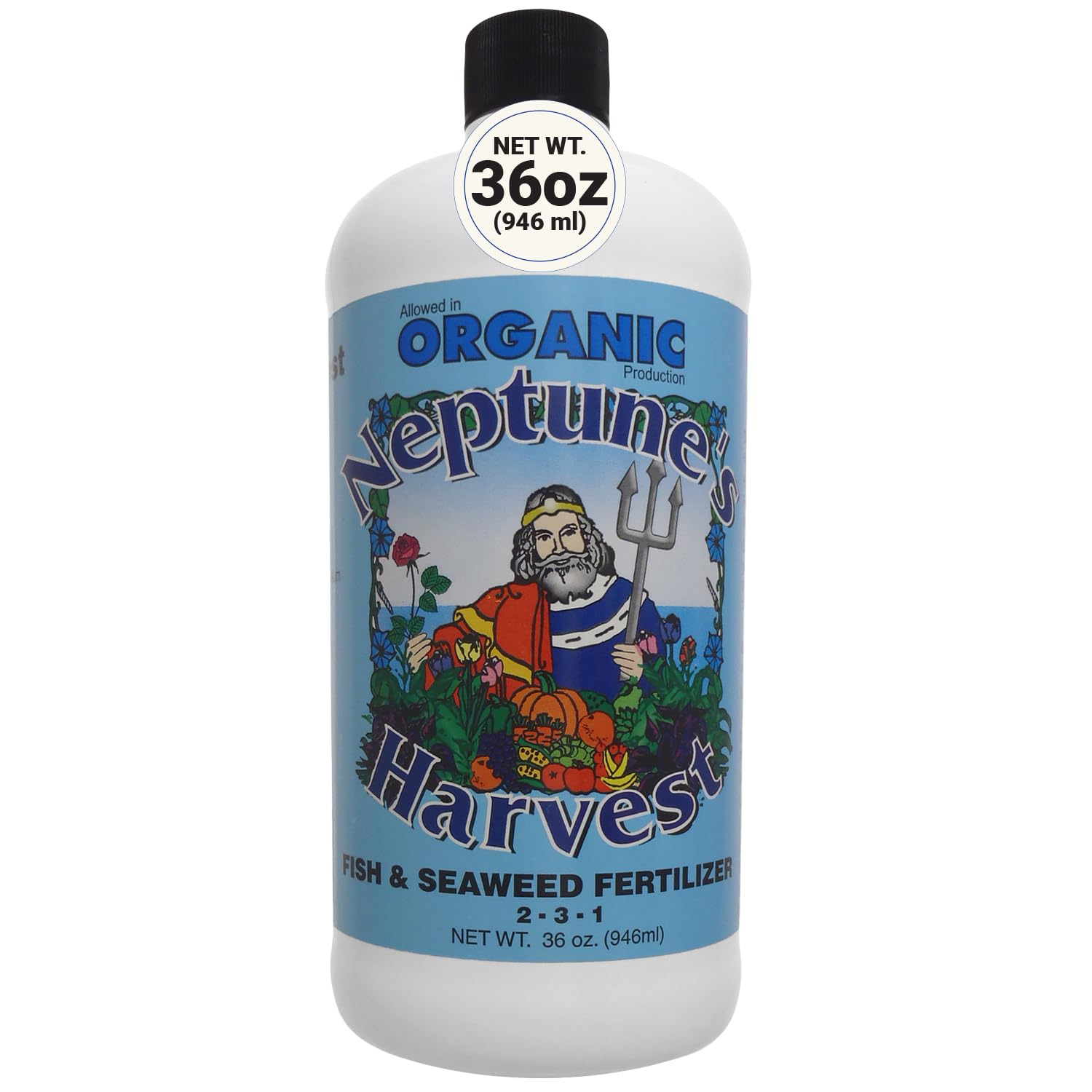
Neptune’s Harvest combines hydrolyzed fish and seaweed into a single 2-3-1 liquid that provides a broad spectrum of macro and micronutrients. The 75% fish base supplies organic nitrogen and proteins, while the 25% seaweed adds trace elements, natural growth hormones, and potassium. This combination supports both foliage health and root development, making it a versatile all-purpose feed for a dragon fruit collection.
The product can be applied as a soil drench or a foliar spray. As a foliar feed, the seaweed component is absorbed directly through the cactus stems, providing an immediate micronutrient boost that can help correct deficiencies faster than soil application. Many organic growers use this as their primary liquid feed through the entire growing cycle, supplementing only with a high-potassium granular topdress during fruit swell.
The main complaint is the strong fishy odor — it is one of the smelliest options on this list, and it can linger for a day or two. It is best used outdoors or in a well-ventilated greenhouse. Furthermore, because it is concentrated, improper dilution can burn plants; multiple reviewers noted that even 0.5 tsp per cup of water caused leaf tip burn on sensitive tomato seedlings, so caution is advised with young dragon fruit cuttings.
What works
- Combines fish protein and seaweed extract for a complete micronutrient and hormone profile.
- Works as both a soil drench and a foliar spray for flexible feeding.
- Builds organic matter and improves soil structure with repeated use.
What doesn’t
- Very strong fishy odor that requires outdoor or well-ventilated application.
- Easy to over-concentrate and burn plants if the dilution ratio is not followed exactly.
- Relatively low potassium (1) for the fruit-bulking phase, requiring a secondary supplement.
7. Espoma Citrus Tone 5-2-6

Espoma’s Citrus-Tone is a granular organic formula with a 5-2-6 NPK that delivers a respectable potassium content — one of the highest K ratios among the granular options on this list. The 4-pound bag is an entry-level, budget-conscious buy that provides a solid baseline of nutrients for a small backyard dragon fruit trellis or a few potted plants.
The formula includes 5% calcium, which is a critical secondary nutrient for preventing blossom-end rot and maintaining stem integrity. When applied around the drip line and watered in, the granules break down slowly, releasing nutrients over several weeks. The Bio-tone microbial consortium helps unlock existing nutrients in the soil, making this a good option for growers who want to gradually improve their potting mix or in-ground soil quality.
The biggest limitation is the nitrogen content. At 5% N, this is a relatively high-nitrogen granular, especially when compared to specialized bloom formulas. If applied too frequently or in high doses, it can push excess vegetative growth at the expense of flower bud development. It also has a strong, farm-like odor when first applied that can attract dogs or wildlife for the first week. For a simple, low-maintenance feed that covers the basics, it works, but serious fruiters will want to pair it with a bloom-specific liquid.
What works
- Good potassium-to-nitrogen ratio for a general granular — supports fruit development.
- Provides 5% calcium, helping prevent blossom-end rot and strengthening stems.
- Simple, no-mix granular application is beginner-friendly and low-effort.
What doesn’t
- Higher nitrogen content can promote leafy growth over flowering if over-applied.
- Strong organic odor during the first week can attract curious pets and wildlife.
- Not concentrated enough to deliver the PK spike needed for a heavy fruit set.
Hardware & Specs Guide
N-P-K Ratio
This is the single most important number on any fertilizer bag. For dragon fruit, you want a middle (phosphorus) and last (potassium) number that are close to or higher than the first (nitrogen). A ratio like 2-4-5 or 5-10-10 is ideal. High nitrogen forces vegetative stretching; phosphorus drives roots and blooms; potassium builds fruit size and sugar content.
Secondary Nutrients (Ca, Mg, Fe)
Dragon fruit is prone to deficiencies in calcium (causes fruit cracking and weak stems), magnesium (causes yellowing between stem veins), and iron (causes new growth to appear pale or bleached). Look for fertilizers that list calcium oxide, magnesium sulfate, or chelated iron in the guaranteed analysis or supplement with Epsom salt and liquid iron separately.
FAQ
Is a high-nitrogen fertilizer bad for dragon fruit?
How often should I fertilize a container-grown dragon fruit cactus?
Can I use tomato fertilizer for my dragon fruit?
Final Thoughts: The Verdict
For most gardeners, the best dragon fruit fertilizer winner is the FoxFarm Soil Liquid Trio Pack because it gives you stage-specific control over the entire life cycle, from vegetative growth to heavy fruit production, with fast, visible results. If you want a set-and-forget granular with high potassium and calcium, grab the Espoma Citrus Tone 5-2-6. And for a budget-friendly organic liquid that feeds the soil and revives weak stems, nothing beats the volume and value of the Alaska Fish Fertilizer 5-1-1.