
A bumpy lawn makes every mow a scalp, every step a trip hazard. The right dirt turns hollows into flat, carpet-like turf without you having to haul boulders or pay for a grading crew. You need a mix that settles tight, drains well, and gives roots something to grip, not a bag full of wood chips that rots into a sinkhole six months later.
I’m Rikta — the co-founder and writer behind Lawn Gear Lab. To build this guide I analyzed dozens of bagged soil blends, cross-referenced technical specs like organic matter percentages and texture uniformity, and sifted through hundreds of verified owner reports to isolate the handful of products that actually deliver a true leveling result.
Whether you are patching low spots or resurfacing a full yard, the right fill material determines whether you get a permanent fix or a recurring headache. This guide breaks down the best options to help you find the best dirt for leveling yard projects, from a sandy compost blend that stays porous to a microbial booster that rebuilds soil structure from the ground up.
How To Choose The Best Dirt For Leveling Yard
Not every bag of dirt is built for leveling. The three factors below separate a true long-term fix from a product that will leave your lawn looking like a topographical map after the first heavy rain.
Texture and Screen Size
Coarse, unscreened soil contains clods, rocks, and chunks of bark that prevent the material from settling into a uniform, dense layer. For leveling, you want a screened product with a consistent, sandy-loam texture. Particles that are too fine will compact into a concrete-like crust, while particles that are too large leave air pockets that eventually collapse. Look for blends described as “screened” or “uniform consistency” in the product description to avoid the sifting labor that many cheap topsoils require.
Organic Matter Percentage
Too much organic matter (above 15-20%) will decompose over time, causing the filled area to drop several inches below the surrounding turf. For leveling projects, you need a blend with a moderate organic content — enough to support grass roots but not so much that the material shrinks as microbes break it down. Pure compost should be used as a top-dress amendment, not as the primary bulk fill. A screened topsoil or a peat-and-sand mix provides the stable, low-shrinkage base a level lawn demands.
Moisture Retention and Drainage
Leveling dirt that holds too much water turns low spots into mud puddles, while material that drains too fast dries out the grass roots above it. The ideal blend balances water-holding capacity with free drainage. Blends containing sphagnum peat moss or coir hold moisture without becoming waterlogged, while sand or fine gravel provides the drainage channels. Avoid any product that lists “clay” as a primary ingredient unless you are amending it with sand or compost to improve percolation.
Quick Comparison
On smaller screens, swipe sideways to see the full table.
| Model | Category | Best For | Key Spec | Amazon |
|---|---|---|---|---|
| Michigan Peat Baccto Top Soil | Screened Topsoil | Bulk yard leveling | 50 lb bag, screened sand/peat blend | Amazon |
| Michigan Peat Wholly Cow Compost | Compost/Manure | Nutrient-rich top dressing | 40 qt, uniform screened texture | Amazon |
| Coast of Maine Cobscook Blend | Premium Garden Soil | Fixing small depressions in beds | 1 cu ft, peat/compost/aged bark | Amazon |
| BuildASoil Build-A-Flower Kit | Organic Amendment | Flowering bed top dress | 1 gal, high phosphorus/potassium | Amazon |
| Dremmt Lawn Leveling Rake | Leveling Tool | Spreading and smoothing fill | 30 in x 72 in, 2mm steel plate | Amazon |
| The Andersons Dirt Booster Plus | Soil Amendment | Rebuilding subsoil structure | 20 lb, biochar/humic acid powder | Amazon |
In‑Depth Reviews
1. Michigan Peat Company Baccto Top Soil

The Baccto Top Soil is the closest thing to a universal leveling medium you can buy in a bag. Its blend of reed sedge peat and sand creates a texture dense enough to fill deep ruts without compacting into a brick, yet porous enough to let water percolate freely. Multiple buyers reported using it for large-scale yard resurfacing, noting that it contains minimal wood debris compared to other “clean” topsoil brands, which means less volume loss as the organic fraction breaks down.
At 50 pounds per bag, this is a heavy-duty fill material designed for covering ground quickly. The screened consistency means you can dump and spread it with a rake or leveler without having to pick out rocks and bark chunks. Owners consistently praised its dark, rich appearance and how well it blends with native clay or sandy soils when establishing new grass seed or patching existing turf.
The main trade-off is the bag weight — 50 pounds is cumbersome for smaller projects or gardeners who prefer lightweight handling. A handful of reviews also noted that occasional large twigs slipped through the screening, though this appears to be an exception rather than the norm across thousands of bags sold. For bulk leveling where material cost and coverage per trip matter, this is the most reliable screened topsoil on the market.
What works
- Consistent screened texture with minimal wood waste
- Dark, nutrient-rich appearance blends well with existing lawn
- Large 50-lb bag provides ample coverage for yard-scale projects
What doesn’t
- Heavy bag weight makes handling tough for small repairs
- Occasional twigs can slip through the screening process
2. Michigan Peat Baccto Wholly Cow Compost
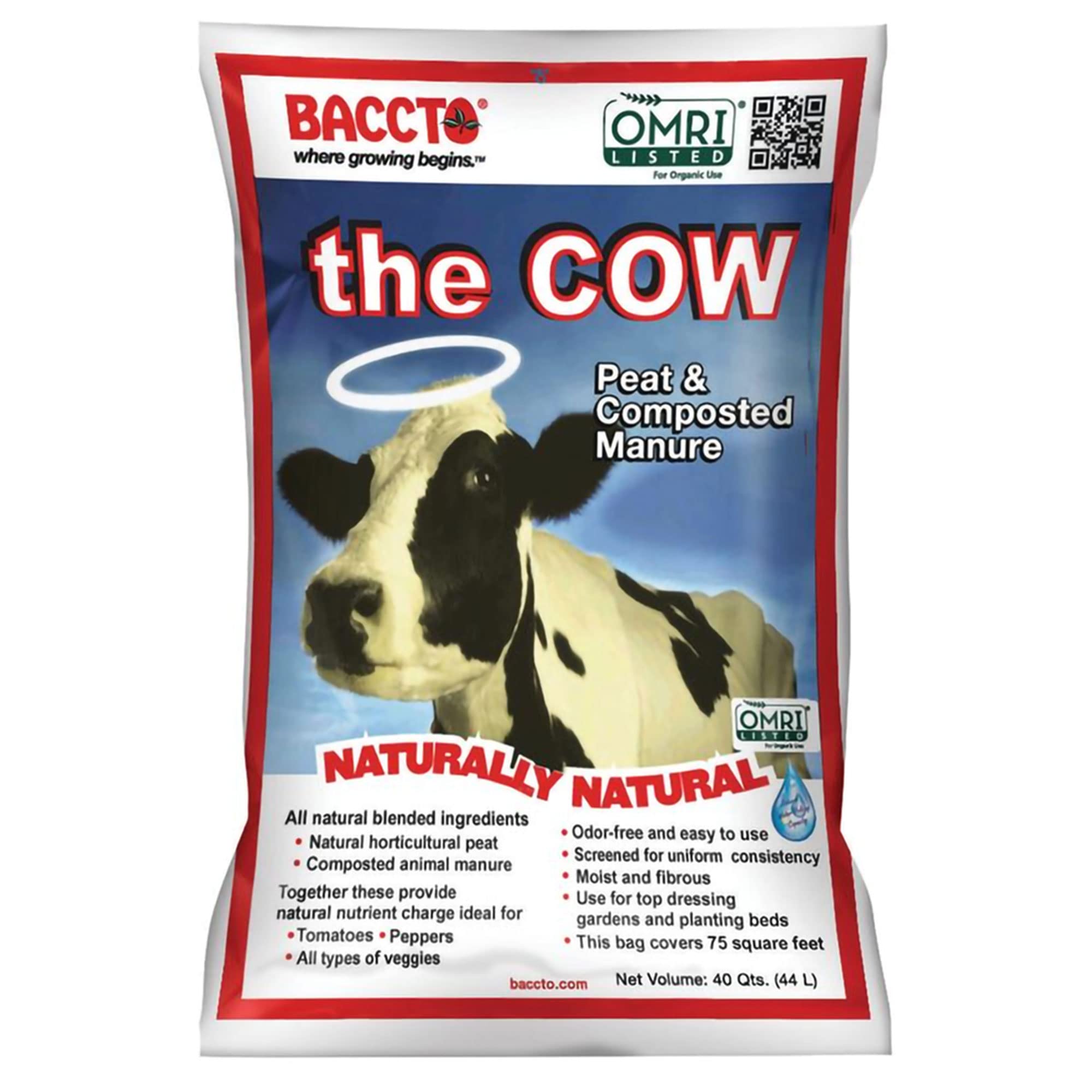
Wholly Cow fills a different niche from straight topsoil — it is a high-nutrient compost and manure blend that works best as a top-dress layer on top of your base fill. The 40-quart bag is screened to a uniform, fluffy consistency with no large woody pieces, making it pleasant to spread by hand or with a rake. Owners specifically called out the absence of manure odor, which is rare for a compost product in this category, meaning you can work near patios or open windows without complaint.
The organic matter content is higher than what you want for deep fill, but for a final 0.5- to 1-inch cap over screened topsoil, it provides a nutrient boost that helps new grass germinate quickly. Multiple verified buyers reported using it to top-dress lawns and in-ground flower beds, noting that plants that struggled in native soil rebounded within weeks. The moisture retention from the peat base also reduces the watering frequency needed during seed establishment.
Use it as the finishing layer after your bulk fill is in place, not as the structural base itself. The bag size is also modest for large lawns — you will need multiple units to cover a significant depression.
What works
- Truly odor-free compost, rare in this category
- Light, fluffy texture with minimal debris and large chunks
- Provides rapid nutrient availability for new grass or plants
What doesn’t
- High organic matter will decompose and settle over time
- Bag size requires multiple units for medium to large lawns
3. Coast of Maine Cobscook Blend In-Ground Garden Soil
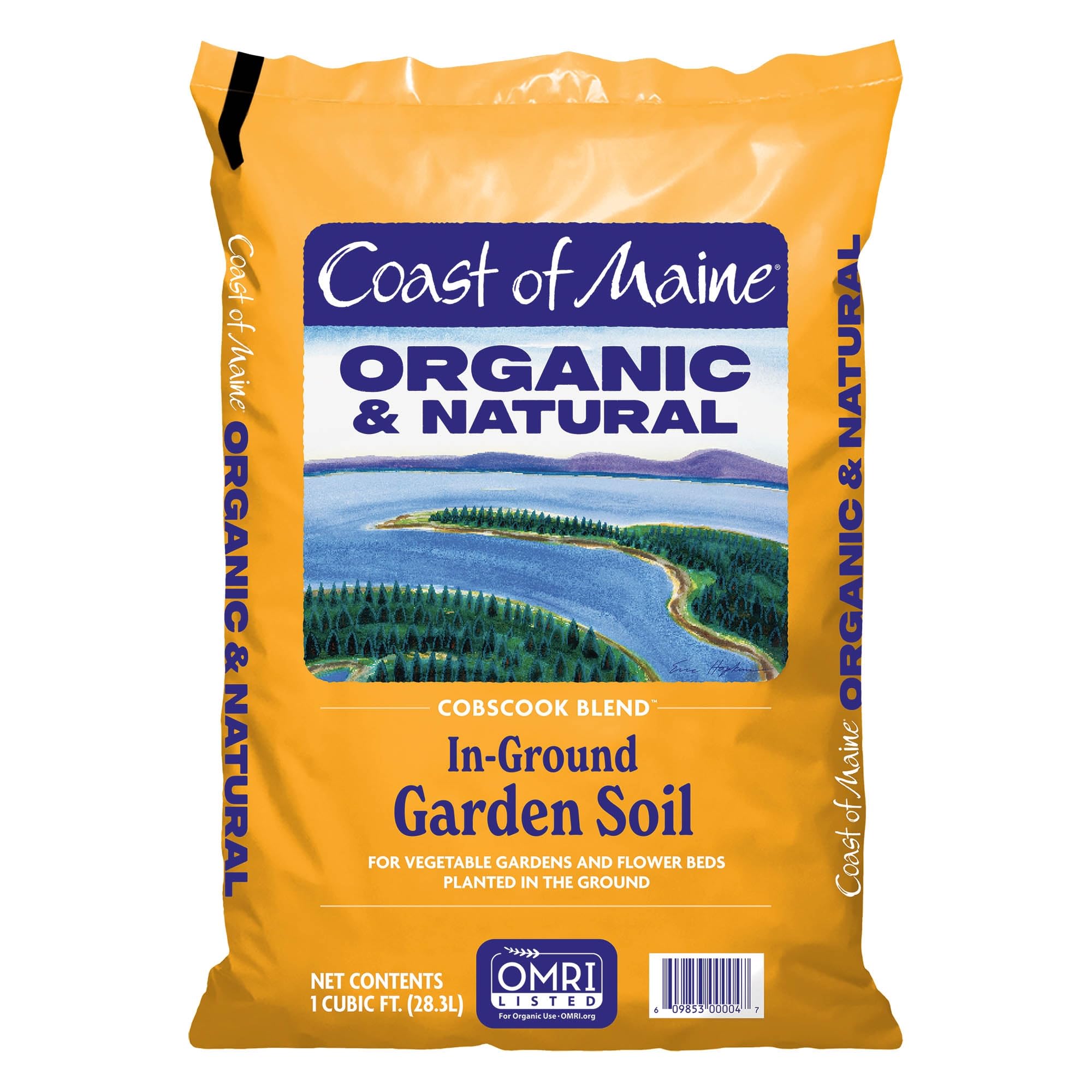
Cobscook Blend is a premium in-ground soil formulated with sphagnum peat moss, compost, and aged bark, designed to improve the structure of compacted or poor native soil. For leveling purposes, this product excels at filling shallow depressions in garden beds or lawn edges where you want to boost organic matter at the same time. Owners consistently describe it as “beautiful soil” that feels light and fresh, with a pleasant earthy smell and no detectable synthetic additives.
The blend’s water retention is excellent — the peat base holds moisture while the aged bark provides the drainage channels that prevent waterlogging. This makes it a strong choice for leveling areas that stay damp after rain, since the soil structure resists turning into mud. Several reviewers noted that their plants responded dramatically after using this as a top-dress or fill mix, with one reporting a rose that flowered for the first time in years after being transplanted into this soil.
On the downside, the 1-cubic-foot bag size is small for serious yard-leveling projects, and the price per cubic foot is higher than bulk screened topsoil. The aged bark component also means there is some organic matter that will eventually decompose, so you may need to top off the filled area after a full growing season. This is a targeted repair product, not a cost-effective bulk fill solution for an entire bumpy lawn.
What works
- Light, fresh-smelling soil with no synthetic fillers or junk
- Excellent moisture retention without becoming waterlogged
- Adds significant microbial activity to compacted or dead soil
What doesn’t
- Small bag size and high per-volume cost for big leveling jobs
- Aged bark component will decompose and cause settling over time
4. BuildASoil Build-A-Flower Top Dress Kit
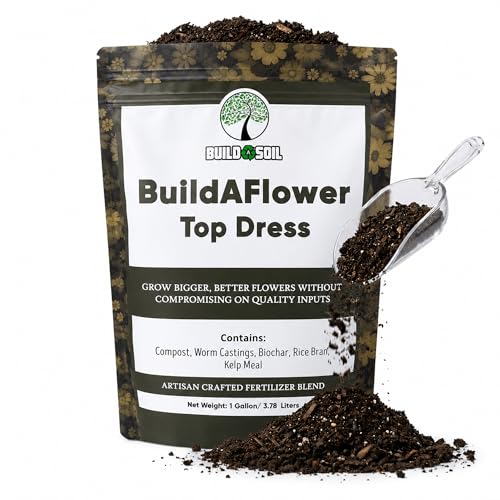
The Build-A-Flower kit is a specialized top-dress amendment focused on flowering plants, combining two types of premium compost with phosphorus and potassium for bloom development. For the leveling category, this product is a niche add-on rather than a primary fill — it works as a lightweight, nutrient-dense cap for raised beds or flower garden areas where you want to simultaneously raise the soil level and feed the plants. The granular, easy-pour format lets you top-dress individual plants without disturbing existing root systems.
Owners who follow the BuildASoil system praised the product for feeding beneficial microbes and improving overall soil biology. The organic matter is sustainably sourced with no synthetic chemicals, making it suitable for organic vegetable and flower gardens. The kit’s small 1-gallon bag size means it is impractical for large-scale leveling, but for targeted spot filling in premium garden beds, it delivers both soil structure and bloom nutrition in one application.
A few users noted that the texture was slightly dry and chunky compared to expectations, requiring manual breaking before application. The price per volume is also high relative to bulk topsoil or compost blends, so reserve this for high-value planting areas where your flowers or vegetables will directly benefit from the phosphorus and micronutrient profile.
What works
- Concentrated phosphorus and potassium boost for flowering plants
- Clean, sustainably sourced ingredients with no synthetic chemicals
- Easy granular application for targeted top-dressing of individual plants
What doesn’t
- Small 1-gallon bag is impractical for broad lawn leveling
- Dry, chunky texture sometimes needs manual breaking before use
5. Dremmt Lawn Leveling Rake 30×10 in

Having the best dirt means nothing if you cannot spread it evenly. The Dremmt leveling rake is the tool that turns a pile of soil into a uniform, carpet-smooth surface. Its 30-inch wide stainless steel head with a 2mm thick plate glides over the ground without flipping over or skipping across clumps, a common failure of cheaper levelers. The 72-inch extended handle lets you work while standing fully upright, which reduces back fatigue significantly during the repetitive dragging motion required to spread fill material.
Build quality is a standout feature — the stainless steel frame resists bending even when loaded with heavy, wet topsoil, and the head’s weight distribution helps press down high spots while simultaneously pulling material into low areas. Owners praised how the rake works equally well pushing and pulling, doubling the efficiency of each pass. The included assembly tools and gloves make setup straightforward, and the tool cleans easily with a garden hose after use.
The only real drawback is the weight — at roughly 10 pounds, it is heavy enough to feel substantial after a full afternoon of leveling. The included “cutters” attachment was widely panned as a gimmick, but the core rake function is exceptional. For any leveling project, pairing a screened topsoil with this tool is the fastest path to a professional-grade result.
What works
- Anti-flip 2mm steel head stays stable even on uneven fill piles
- 72-inch handle allows standing work position, reducing back strain
- Equally effective pushing and pulling material for faster spreading
What doesn’t
- Heavy head is fatiguing during very long leveling sessions
- Included “cutters” attachment is essentially non-functional
6. The Andersons Dirt Booster Plus 20 lb
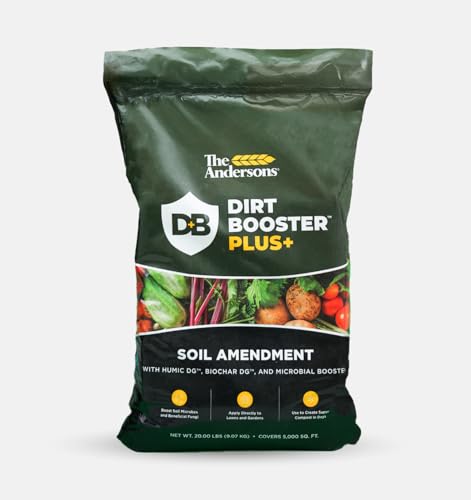
Dirt Booster Plus is not a fill material — it is a biological soil amendment designed to accelerate the breakdown of organic matter and improve soil structure from the inside out. For leveling projects, this is the product you add to your base fill to prevent the long-term compaction and shrinkage that plagues many DIY grading jobs. The powder formula contains microbials, biochar, humic acid, corn distillates, and molasses that feed beneficial bacteria and fungi, creating a stable soil structure that resists settling.
Owners using it on heavy clay soil reported that after two seasons of application, their native soil became noticeably easier to work with, allowing water to drain instead of pooling in the same low spots. The product works alongside any fertilizer program and can be broadcast with a standard spreader. This makes it a smart addition to a leveling plan where the native subsoil is compacted or nutrient-poor, as it helps the fill layer bond with the underlying ground rather than forming a distinct boundary layer.
It is not effective as a standalone leveling medium because it contains no bulk volume. The 20-pound bag is also not available for sale in California due to local regulations, so West Coast buyers should verify availability before ordering. For long-term soil health after a major grading project, this is the product to spread after your fill is in place.
What works
- Biochar and humic acid improve soil structure and reduce future settling
- Easy broadcast application with a standard lawn spreader
- Works well on heavy clay that resists drainage and root penetration
What doesn’t
- Provides no bulk volume for filling physical depressions
- Not available for sale in California
Hardware & Specs Guide
Screened Topsoil (Standard Fill)
A screened topsoil like Michigan Peat Baccto is the default recommendation for most leveling jobs. It contains a balanced blend of sand, silt, and organic matter, with the key advantage being that large debris has been mechanically removed. This ensures the material packs evenly and settles at a predictable rate. Aim for a product that lists “screened” or “uniform consistency” on the label, and avoid anything that describes itself as “unscreened” or “native fill.” The 50-pound bag size is standard and provides roughly 0.75 cubic feet of material, enough to fill a 3×3-foot depression to a depth of one inch.
Compost Blend (Top-Dress Layer)
Compost-rich blends such as the Michigan Peat Wholly Cow and Coast of Maine Cobscook Blend serve as finishing layers rather than structural fill. Their high organic matter content (typically over 20%) means they will decompose and shrink over a growing season, so they should be used only as the top 0.5 to 1 inch of your fill. The advantage is rapid nutrient release and superior moisture retention, which accelerates grass seed germination. When used in combination with a screened topsoil base, these blends create a surface that is both level and fertile.
FAQ
Can I use garden soil or native dirt from a hole in my yard for leveling?
How thick of a layer can I apply without killing the existing grass?
Should I mix sand into my topsoil to prevent compaction in leveling fills?
Final Thoughts: The Verdict
For most gardeners, the dirt for leveling yard winner is the Michigan Peat Baccto Top Soil because it delivers the balanced texture, consistent screening, and bulk volume needed to fill real depressions without excessive settling or debris. If you want a nutrient-rich top-dress that jump-starts new grass growth, grab the Michigan Peat Wholly Cow Compost. And for a professional-level spreading experience that saves your back on a large project, nothing beats pairing your fill with the Dremmt Lawn Leveling Rake.