
Salvias demand a specific balance: sharp drainage at the root zone to avoid rot, yet enough organic richness to fuel those long, vibrant bloom spikes. Standard potting soils hold too much moisture, while pure composts lack the structural aeration salvias need to thrive season after season.
I’m Rikta — the co-founder and writer behind Lawn Gear Lab. I’ve spent countless hours cross-referencing soil science, pH requirements, and aggregated owner feedback to identify the composts that actually deliver the drainage and fertility salvias require, filtering out mixes that cause more root problems than they solve.
Whether you’re planting new salvia starts or recharging established beds, matching the right organic mix to the variety you grow makes the difference between a few blooms and a full-season display. Below is my curated list of the best compost for salvias based on real performance in containers and garden borders.
How To Choose The Best Compost For Salvias
Salvias evolved in rocky, well-drained soils across the Americas and Mediterranean. Recreating those conditions in a pot or garden bed means selecting a compost that drains freely without drying out completely, and that delivers steady nutrition without burning tender roots. These are the criteria that separate a salvia-friendly mix from a sopping, root-rotting disaster.
Drainage and Particle Size
Look for composts that include perlite, pumice, sand, or coarse bark. The particle structure creates air pockets that allow excess water to exit the root zone quickly. Dense, clay-like composts or those with excessive peat (without aeration amendments) can waterlog salvia roots within days, especially in containers or raised beds with limited evaporation.
pH Range
Most salvias prefer a slightly acidic to neutral soil pH of 6.0 to 7.0. Composts formulated for acid-loving plants (blueberries, azaleas) often have a pH of 4.5–5.5 — too low for many common salvia species. If using an acid mix, plan to blend it with lime or a neutral base to bring the pH into the appropriate range for your specific salvia variety.
Organic vs. Synthetic Nutrients
OMRI-listed organic composts release nutrients slowly as soil microbes break them down, which matches the moderate feeding requirements of salvias. Manure-based composts provide a rich nitrogen source for leafy growth, while blends with worm castings or kelp meal supply trace minerals that support flower development. Avoid mixes with synthetic slow-release fertilizers unless you can verify the nutrient release curve aligns with summer-active salvias.
Quick Comparison
On smaller screens, swipe sideways to see the full table.
| Model | Category | Best For | Key Spec | Amazon |
|---|---|---|---|---|
| Brut Organic Potting Soil | Organic All-purpose | Nutrient-balanced containers | pH 6.3–6.5 / Worm castings | Amazon |
| Coast of Maine Acid-Loving Mix | Acid-Loving Blend | Low-pH raised beds | Composted manure + peat | Amazon |
| R&M Organics Premium Compost | Manure-Based | Top-dressing established salvia | Fine, low-odor texture | Amazon |
| LGM Cactus & Succulent Mix | Fast Draining | Container salvias prone to rot | Volcanic ash + perlite | Amazon |
| Spike & Bloom Cactus Mix | Gritty/Acidic | Small pots with mycorrhizae | pH 6.5 / Mycorrhizal fungi | Amazon |
| Soil Sunrise Olive Tree Mix | Pumice Blend | Mediterranean-style plantings | Peat + perlite + pumice | Amazon |
| Soil Sunrise Avocado Mix | Aeration-Focused | Seedlings and transplants | Peat + perlite + sand | Amazon |
In‑Depth Reviews
1. Brut Organic Potting Soil
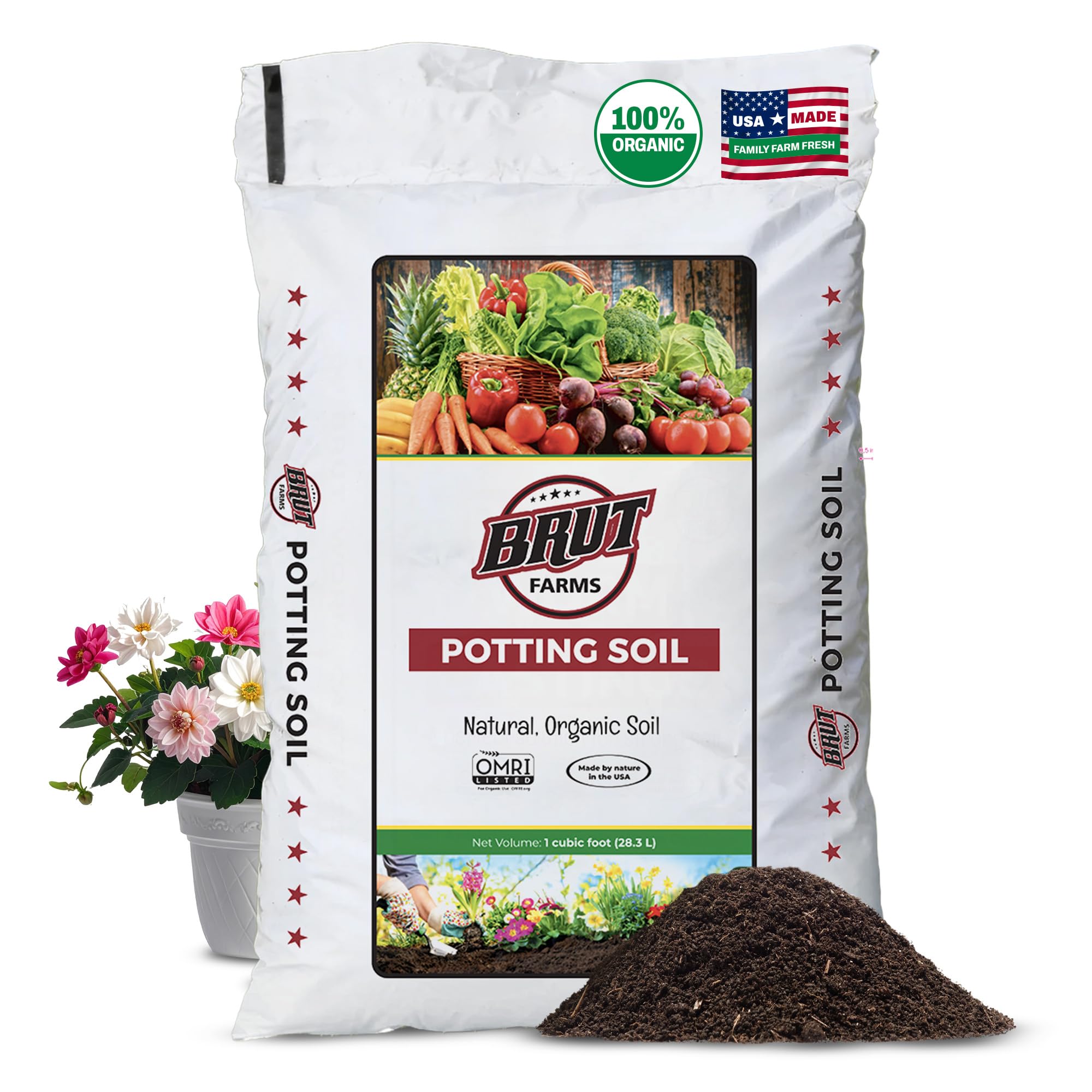
Brut’s mix lands in the ideal pH sweet spot for salvias without requiring any amending. The inclusion of microbe-rich worm castings and Azomite trace minerals provides a slow-release nutrient profile that supports both root development and sustained flower production over several months, making it a strong all-in-one option for container and raised-bed salvias alike.
The texture is notably clean and filler-free — no sticks, wood chips, or synthetic additives that can create uneven moisture pockets. This uniform particle size helps water move through the root zone predictably, reducing the risk of soggy spots that can trigger root rot in sensitive salvia varieties.
While the per-cubic-foot cost sits at the premium end of the market, the OMRI certification and the absence of synthetic fertilizers make it a safe choice for edible gardens if you interplant salvias with herbs or vegetables. Owners report rapid greening and new growth within days after transplanting.
What works
- Perfect pH range for most salvia species without adjustment
- Worm castings and trace minerals support steady bloom cycles
- Filler-free, uniform texture improves drainage consistency
What doesn’t
- Premium price per bag compared to basic potting soils
- Top layer may attract fungal gnats if kept overly moist, requires sand topping
2. Coast of Maine Organic & Natural Planting Soil for Acid Loving Plants

This Coast of Maine blend is formulated specifically for acid-loving plants like azaleas and blueberries, which means its pH sits below 5.5. For salvias that prefer neutral soil (such as Salvia leucantha or Salvia nemorosa), you will need to mix this with garden lime or a neutral base to raise the pH before planting — it is not a drop-in solution for general salvia beds.
The composted manure and sphagnum peat moss create a lightweight, aerated structure that holds moisture without becoming dense. The organic matter content is high, which can be beneficial for established salvias in raised beds with poor native soil, but the low pH must be managed carefully to avoid nutrient lockout in sensitive varieties.
Where this mix earns its place is for salvia species that genuinely prefer acidic conditions, such as Salvia guaranitica or certain woodland salvias. Owners have reported excellent results using it to rescue stressed shrubs and perennials, noting that the low odor and ready-to-use texture make it easy to work with in borders.
What works
- Excellent aeration and moisture retention from peat and bark
- OMRI listed and sustainably sourced ingredients
- Works well for acid-preferring salvia species
What doesn’t
- Too acidic for most common salvia varieties without amendment
- Bag size is small for large garden projects
3. R&M Organics Premium Organic Compost
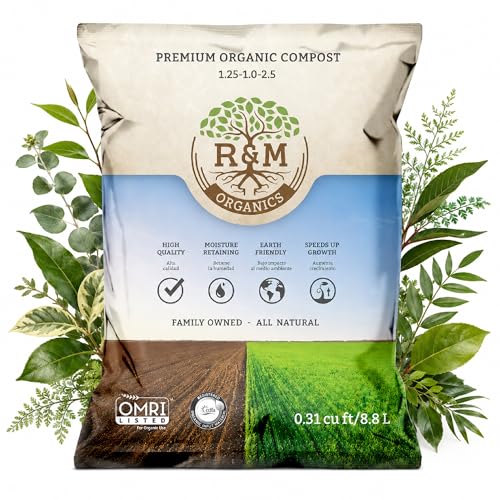
R&M Organics offers a fully composted dairy cow manure that functions more as a soil amendment than a standalone potting mix. The fine, topsoil-like texture spreads easily and works well as a top-dressing around established salvia plants, slowly releasing nitrogen and organic matter to support foliage growth and root health.
The low-odor processing makes this suitable for indoor use, but for potted salvias it should be blended with perlite or coarse sand to improve drainage. Alone, the fine particles can compact in containers, reducing the air porosity that salvias depend on for root respiration.
Reviewers noted quick recovery in stressed perennials after applying this compost, with one master gardener recommending it for rescuing azaleas. For salvias, using it as a quarter-inch top-dressing or mixing it at a 5:1 ratio with aeration amendments provides a balanced nutrient boost without waterlogging the root zone.
What works
- Fine texture makes top-dressing and soil incorporation easy
- Low odor suitable for indoor and container use
- Provides steady nutrient release for foliage growth
What doesn’t
- Requires aeration amendments for container salvias
- 10-pound bag is small for larger garden beds
4. LGM Cactus & Succulent Soil Mix
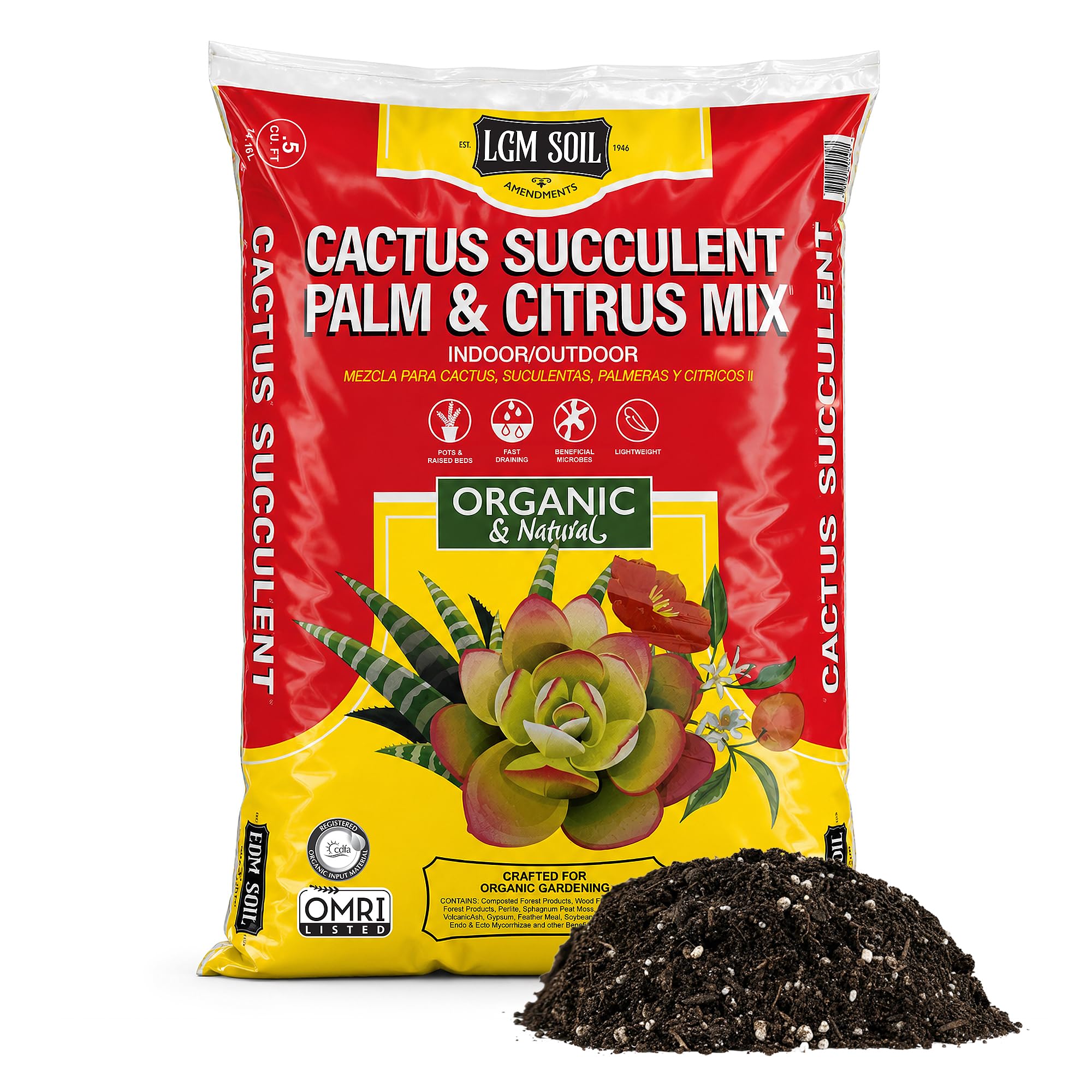
LGM’s cactus and succulent mix is built around instant drainage — volcanic ash and perlite ensure water moves through the container within seconds. This is a strategic choice for salvia growers who battle heavy clay native soil or who tend to overwater pots, as the rapid drying cycle closely mimics the natural conditions salvias evolved in.
The inclusion of chicken manure, kelp meal, and iron sulfate adds a nutrient punch that typical cactus mixes lack. Unlike sterile gritty blends that require liquid fertilizing from day one, this mix provides months of slow-release feeding, which matches the moderate nutrient demands of salvia without the risk of salt buildup.
For container-grown salvias, this mix may drain too fast in hot, dry climates unless it is blended with a small amount of peat or coco coir to retain some moisture. Owners report excellent results with succulents and citrus, and the pH-balanced formula should work for most salvia species without adjustment.
What works
- Exceptional drainage prevents root rot in containers
- Contains slow-release nutrients not found in standard cactus mixes
- pH-balanced for most salvia varieties
What doesn’t
- May require moisture-retention amendments in hot, dry conditions
- Contains some loose sticks and bark pieces
5. Spike & Bloom Cactus Soil Potting Mix

Spike & Bloom’s Desert Blend formula brings mycorrhizal fungi into the equation, which forms a symbiotic network around salvia roots to enhance water and nutrient uptake. The gritty texture — a custom blend of clays, sands, and minimal organic matter — creates the kind of free-draining environment that salvias need to avoid root rot in small pots.
The pH of 6.5 sits directly in the neutral range that most salvia species prefer, so no pH adjustment is required. The fine charcoal and wood chip inclusions add structure without making the mix too heavy, and the mycorrhizal component is especially beneficial when transplanting young salvia starts, reducing transplant shock.
The main trade-off is volume — the 8-pound bag covers only about 4 quarts, which is enough for a few small- to medium-sized containers. For large raised beds or multiple plantings, the per-unit cost becomes significant, but for specialized container salvias or propagation trays, the root health benefits justify the expense.
What works
- Mycorrhizal fungi reduce transplant shock and improve nutrient uptake
- pH 6.5 is ideal for most salvia species with no amendment needed
- Excellent drainage for small containers prone to overwatering
What doesn’t
- Small volume is expensive for large-scale planting
- Not ideal alone for large salvia specimens with deep root systems
6. Soil Sunrise Olive Tree Potting Soil Mix
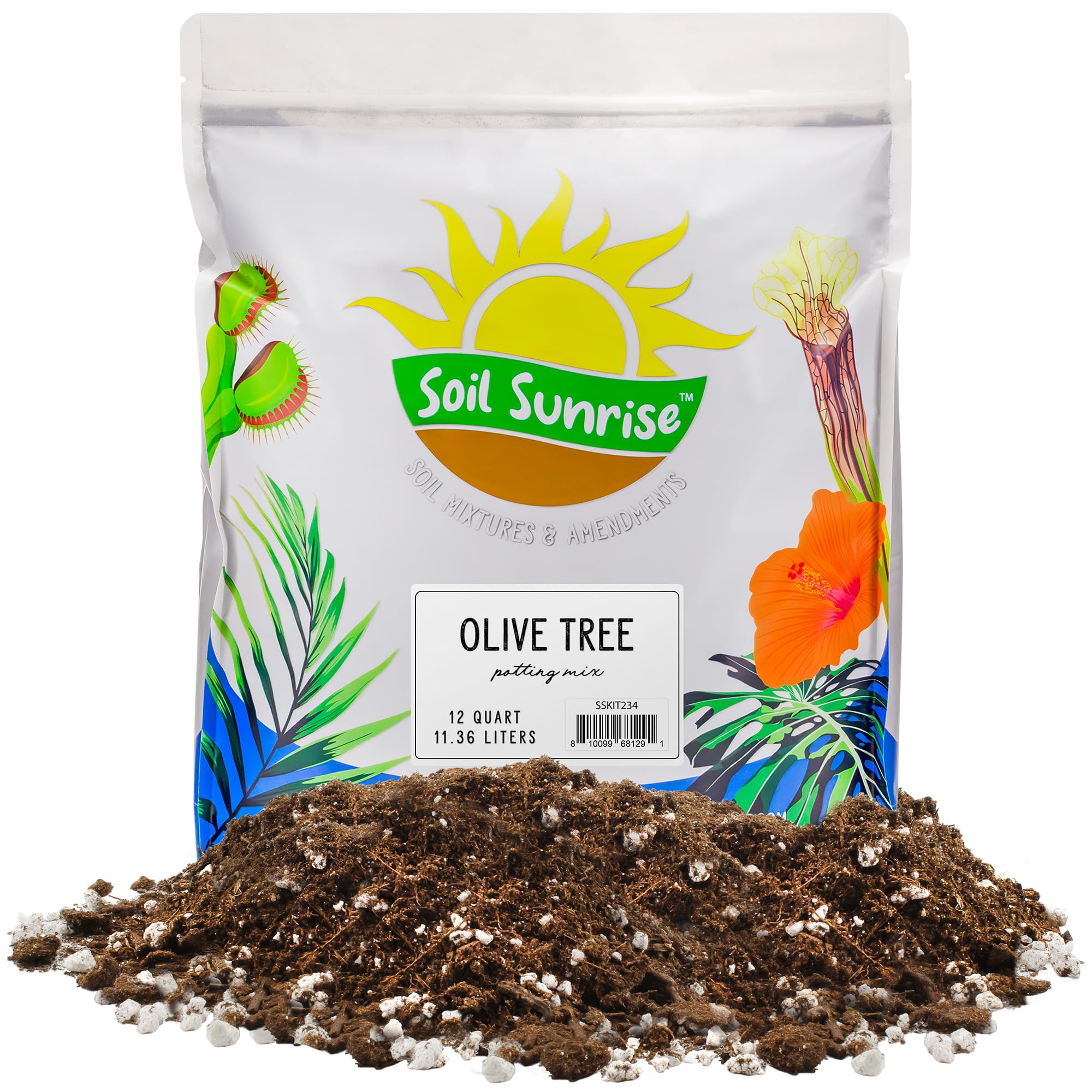
Though labeled for olive trees, this Soil Sunrise mix contains the same structural ingredients — peat moss, perlite, pumice, and lime — that create a well-draining, slightly alkaline root environment suitable for Mediterranean salvia species. The pumice adds permanent pore space that prevents the mix from compacting over time, which is especially valuable for salvias in long-term containers.
The lime in the formulation buffers the pH toward neutral, making it a safer choice than unadjusted peat-based mixes for salvia varieties that dislike acidic soil. Users have reported successful results using it for asparagus roots and olive trees, noting the mix is not full of mulch twigs, and the texture holds up well through multiple watering cycles.
For a mid-range price, the 12-quart bag provides enough volume for several large pots, and the ingredient list is straightforward and natural. The only caveat is that it is lighter on organic matter than manure-based blends, so salvia growers planning a full season without supplemental feeding may want to mix in a small amount of compost or use a liquid fertilizer after a few months.
What works
- Pumice provides permanent aeration that does not break down
- Lime keeps pH neutral, safe for most salvia species
- Clean texture with minimal debris
What doesn’t
- Lower organic matter content requires supplemental feeding over time
- May drain too fast for salvias in very dry climates
7. Soil Sunrise Avocado Tree Potting Soil Mix

This avocado potting mix uses peat moss, perlite, sand, and lime to create a lightweight, fast-draining blend that works well as a base for salvia seedlings and young transplants. The sand component adds a gritty texture that improves drainage compared to standard peat-based potting soils, making it a budget-friendly option for growers who need to fill multiple small pots without sacrificing aeration.
The lime content buffers the peat’s natural acidity, keeping the pH in a range that is safe for most salvia species. Owners have reported excellent results transitioning avocado seedlings, noting that the mix holds enough moisture without becoming soggy — a balance that also suits salvia propagation and early growth stages.
The main limitation is the lower nutrient density compared to manure-based or worm-casting-rich blends. Salvias grown in this mix for an entire season will need regular feeding with a balanced liquid fertilizer or a top-dressing of compost to maintain vigorous blooming. It is best treated as a structural base rather than a complete nutritional solution.
What works
- Sand and perlite provide strong drainage for sensitive roots
- pH-buffered with lime to avoid acidity issues
- Affordable price for filling multiple small containers
What doesn’t
- Low in organic matter, requires additional feeding for full-season blooms
- Not suitable as a standalone mix for heavy-feeding salvia varieties
Hardware & Specs Guide
pH Level
Salvias generally thrive in soil with a pH between 6.0 and 7.0. Composts labeled for acid-loving plants (four point five to five point five) require correction with garden lime or a neutral base before use. Always check the pH specification on the bag before mixing, as a mismatch can cause nutrient lockout and reduced blooming.
Particle Structure and Drainage
Look for visible perlite, pumice, coarse sand, or volcanic ash in the ingredient list. These particles create macro-pores that allow excess water to drain freely while retaining enough moisture between watering cycles. Dense, silt-heavy composts or those listing only peat moss and bark should be amended with aeration material before use with salvias.
FAQ
Can I use acid-loving compost for salvias?
Should I use manure-based compost for container salvias?
How often should I reapply compost to salvia beds?
Final Thoughts: The Verdict
For most gardeners, the compost for salvias winner is the Brut Organic Potting Soil because it delivers the ideal pH range (6.3–6.5) and steady, filler-free nutrition that supports both foliage growth and bloom production without requiring amendments. If you need a fast-draining mix for containers prone to overwatering, the LGM Cactus & Succulent Mix with volcanic ash provides the safest drainage profile. And for a budget-friendly base to start seedlings or small transplants, the Soil Sunrise Avocado Mix with sand and perlite offers reliable aeration at a lower cost.