
Herbs demand a specific balance of drainage, nutrients, and organic matter that generic garden compost often fails to deliver. The wrong mix leads to waterlogged roots, weak flavor profiles, and leggy growth—a frustrating outcome for anyone who expects a bountiful harvest of basil, rosemary, or thyme. Selecting a compost tailored to the unique physiological needs of culinary herbs is the single most impactful decision you can make for your container garden or raised bed.
I’m Rikta — the co-founder and writer behind Lawn Gear Lab. My approach combines deep market research, side-by-side ingredient analysis, and hours of sifting through owner-reported results to identify exactly which compost formulations deliver measurable benefits for herb cultivation.
Whether you grow on a sunny windowsill or in a dedicated outdoor patch, this guide reveals the top performers and the critical buying criteria you need to know before choosing the right compost for herbs.
How To Choose The Best Compost For Herbs
Herbs respond best to a lean, well-structured organic amendment that mimics their native Mediterranean growing conditions. The ideal compost should improve soil texture, provide a gentle nutrient release, and avoid excess nitrogen that can dilute essential oils and produce leafy but tasteless plants.
Organic Certification and Ingredient Purity
OMRI (Organic Materials Review Institute) listing ensures the compost contains no synthetic pesticides, sewage sludge, or prohibited additives. For edible herbs you will harvest and consume, third-party organic verification is non-negotiable. Pure worm castings or manure-based composts that disclose their full ingredient list offer the cleanest foundation.
Drainage and Aeration Profile
Herb roots rot quickly in dense, waterlogged soil. Look for composts that include coarse materials like perlite, coco coir, or finely sifted bark that create air pockets. A mix that feels fluffy and crumbly rather than muddy or compacted will support the root zone respiration that herbs like rosemary, thyme, and oregano demand.
NPK Balance and Nutrient Release
Herbs do not need heavy feeding. An NPK ratio near 3-4-4 provides a balanced supply of nitrogen for leaf growth, phosphorus for root development, and potassium for overall vigor without triggering excessive foliage. Slow-release sources such as worm castings or composted manure are preferable because they feed gradually and reduce the risk of nutrient burn.
Volume and Bag Size Considerations
Container herb gardens typically require 2 to 5 quarts of compost per medium-sized pot when amending existing soil. Bag sizes range from 5-pound bags of pure castings to 1-cubic-foot bulk blends. Smaller batches make sense for windowsill growers, while larger volumes suit raised beds or multiple outdoor containers.
Quick Comparison
On smaller screens, swipe sideways to see the full table.
| Model | Category | Best For | Key Spec | Amazon |
|---|---|---|---|---|
| Espoma Garden-Tone 3-4-4 | Granular Fertilizer | Monthly feeding of potted herbs | NPK 3-4-4 | Amazon |
| Coast of Maine Bar Harbor Blend | Potting Mix | Container herb gardens | Packed with perlite & kelp meal | Amazon |
| Espoma Land and Sea Compost | Soil Amendment | Transplanting herbs into garden beds | Lobster & crab meal with mycorrhizae | Amazon |
| Coast of Maine Veg & Tomato Soil | Potting Mix | Herbs in raised beds | Composted manure & peat moss | Amazon |
| Brut Cow Compost | Pure Manure Compost | Top-dressing outdoor herb beds | OMRI 100% pure composted manure | Amazon |
| R&M Organics Premium Compost | Soil Amendment | Quick recovery for stressed herbs | Dairy manure compost, low odor | Amazon |
| Back to the Roots Worm Castings | Pure Castings | Gentle feeding for new seedlings | 5 lb bag, no-burn formula | Amazon |
In‑Depth Reviews
1. Espoma Organic Garden-Tone 3-4-4

Espoma’s Garden-Tone delivers a precisely calibrated 3-4-4 NPK analysis that matches the moderate feeding requirements of culinary herbs. The granular format allows you to apply monthly throughout the growing season without mixing, and the Bio-tone blend includes beneficial microbes that improve nutrient uptake in the root zone. Long-time users report that this fertilizer supports steady leaf production without the soft, waterlogged growth associated with high-nitrogen products.
The two-pack configuration (4 lb each) provides enough material for a full-season feeding regimen across a dozen medium-sized containers. Gardeners who have used Espoma products for years consistently note that the slow-release organic ingredients reduce the risk of burning even when applied liberally, which is especially important for delicate herb seedlings. The subtle earthy smell fades quickly after incorporation into the soil.
Some users mention that the granules can appear “hot” immediately after application, but this effect subsides within a single watering cycle. The 3-4-4 ratio is intentionally lower in nitrogen than all-purpose vegetable fertilizers, making it a better match for basil, parsley, and chives that can lose flavor intensity when over-fertilized. Garden-Tone is OMRI listed and approved for organic production.
What works
- Balanced NPK ratio perfectly suited for herbs
- Bio-tone microbes enhance root development
- Burn-resistant formula, safe for seedlings
What doesn’t
- Noticeable odor upon application
- Requires monthly re-application for sustained results
2. Coast of Maine Bar Harbor Blend Potting Soil
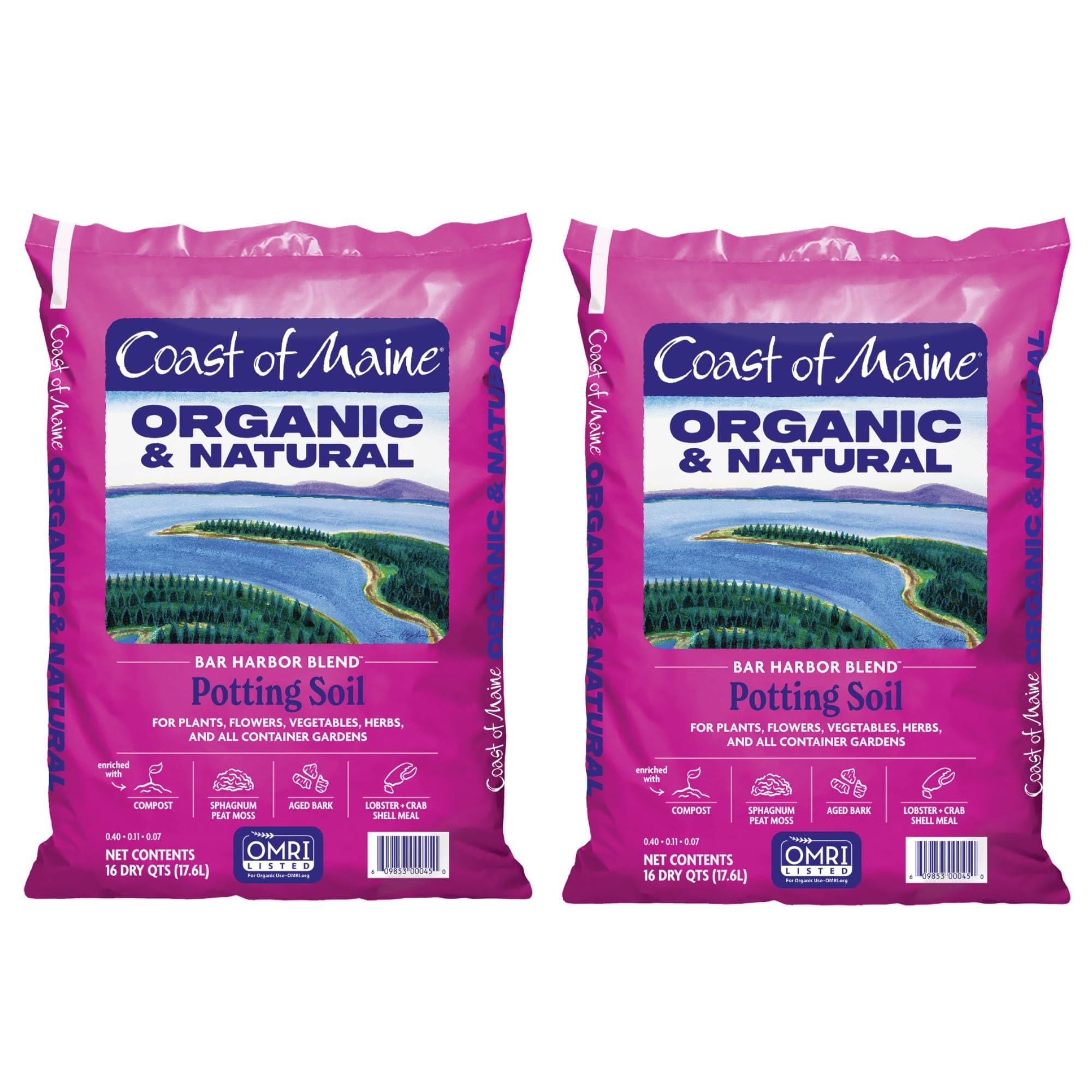
Coast of Maine’s Bar Harbor Blend is a complete potting mix designed specifically for container plants, and its composition makes it exceptional for herbs. The inclusion of perlite ensures sharp drainage, while sphagnum peat moss and coco coir provide consistent moisture retention without saturation. This balance is critical for Mediterranean herbs such as rosemary, oregano, and thyme that evolved in well-drained, rocky soils.
The organic slow-release nitrogen from kelp meal and lobster shell meal feeds herbs steadily over weeks, eliminating the need for frequent liquid feeding. Users report healthier root systems and denser foliage compared to standard potting soils. The mix arrives pre-moistened and ready to use straight from the bag, saving preparation time. Many container gardeners note that the blend contains no large wood chips or uncomposted debris that can clog drainage holes.
At 16 quarts per bag, the volume is appropriate for several large pots or a single raised container bed. The two-pack option doubles that capacity without increasing packaging waste. A handful of customers mention that the bag can retain excess moisture if pots lack adequate drainage holes, so pairing with a high-drainage pot is recommended. Overall, it is one of the most complete off-the-shelf solutions for growing herbs in containers.
What works
- Excellent drainage and aeration for root health
- Slow-release organic nutrients reduce fertilizing
- Consistent texture, free of large debris
What doesn’t
- Higher moisture retention may require careful watering
- Premium price point per bag
3. Espoma Organic Land and Sea Gourmet Compost

Espoma’s Land and Sea Compost combines terrestrial and marine organic matter into a single, nutrient-dense amendment that goes beyond basic soil conditioning. The lobster and crab meal provide a significant calcium and chitin boost, which strengthens cell walls in herb plants and can improve pest resistance. The inclusion of Myco-Tone—a proprietary blend of endo and ecto mycorrhizae—establishes a symbiotic fungal network around herb roots, dramatically increasing water and mineral absorption.
This product works best when mixed into native soil at planting or transplanting time. For herb beds, a 1:4 ratio of Land and Sea to existing soil delivers a measurable increase in plant vigor without overwhelming sensitive roots. Users who have incorporated this compost into their herb gardens report visibly thicker stems, deeper green coloring, and higher essential oil concentration in leaves. The compost arrives as a dry, lightweight granular material that spreads evenly.
A single 1-cubic-foot bag covers roughly 6 square feet at a 2-inch amendment depth, making it practical for small garden plots and raised beds. The price reflects the premium marine ingredients and bio-inoculants, but consistent users across multiple growing seasons consider it worth the investment for soil health. Some gardeners note that the compost is dry and benefits from pre-moistening before application to avoid dust.
What works
- Mycorrhizae improve long-term soil biology
- Calcium-rich marine ingredients strengthen leaves
- Lightweight and easy to incorporate
What doesn’t
- Significant cost per cubic foot
- Dry texture can create dust during handling
4. Coast of Maine Veg & Tomato Planting Soil

While marketed primarily for tomatoes and vegetables, Coast of Maine’s organic planting soil works exceptionally well as a base amendment for herbs in raised beds. The blend combines composted manure, sphagnum peat moss, and perlite in proportions that produce a lightweight, crumbly texture. The manure provides a moderate nitrogen release that supports steady leaf development without the extreme growth spikes caused by synthetic fertilizers.
Gardeners appreciate the inherent moisture retention and drainage balance, which reduces the frequency of watering during the hot summer months. Several long-term users note that this soil contains aromatic wood materials that appear to deter some common garden pests, a secondary benefit for outdoor herb plots. The mix is OMRI listed and arrives consistently moist without being soggy, which indicates proper composting process control.
For pure container herbs, this product is heavier than specialized blends like Bar Harbor Blend, so mixing in additional perlite may be necessary for pots. The 20-quart bag provides generous coverage for small to medium raised beds. Some customers have reported the presence of fungus gnats in fresh bags, so airing out the soil before use is a simple precaution that avoids introducing pests into your indoor garden.
What works
- Versatile for both raised beds and containers
- Manure-based nutrients support consistent growth
- Good moisture retention for outdoor use
What doesn’t
- May require added perlite for potted herbs
- Fungus gnats can appear if soil is not aired out
5. Brut Cow Compost

Brut Cow Compost is a 100% pure composted cow manure product with zero additives or synthetic fillers. The composting process is carefully aerated and tested for safety, resulting in a fine, sifted texture that integrates seamlessly with existing garden soil. The odor-free nature of this compost makes it suitable for indoor herb gardens and small balcony setups where smell could be a concern.
The nitrogen, calcium, and iron content from the manure provides a complete micronutrient profile that supports both leaf and root development. Users report that mixing at a 3:2 ratio of this compost to soil produced impressive growth in tomato and herb seedlings within weeks. The lack of burning gives beginners confidence to apply the compost as a top dressing around established herbs without fear of damaging delicate root systems.
At 10 quarts, the bag size is appropriate for targeted use in smaller gardens. Some users note that while the compost is finely sifted, it can compact over time in pots, so mixing with perlite or coco coir is advisable for container applications. The OMRI listing confirms that the product meets organic standards, making it a safe choice for edible herb cultivation.
What works
- Odor-free, suitable for indoor use
- Pure manure compost with no additives
- Does not burn roots even with generous application
What doesn’t
- Can compact in containers without aeration amendment
- Smaller bag size may not suit large beds
6. R&M Organics Premium Organic Compost
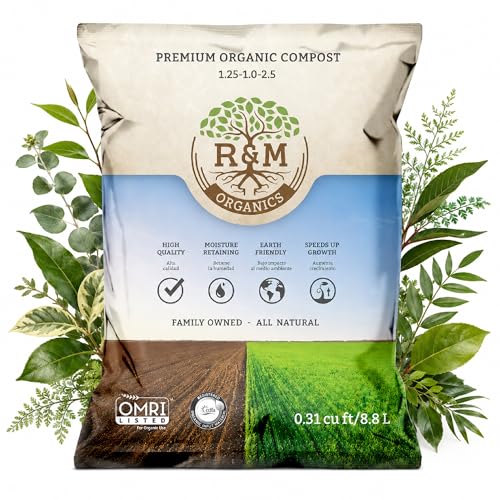
R&M Organics produces a dairy-cow-manure-based compost that is fully composted through a continuous aeration process to reduce odor and impurities. The result is a fine, soil-like texture with a clean, earthy scent that is barely noticeable during application. This makes it a practical choice for growers who need to amend soil near living spaces or in enclosed greenhouses.
The product has demonstrated impressive recovery results for struggling plants. Users have reported that yellowing tomato leaves returned to deep green and new flower buds appeared within one week of mixing the compost into a 27-gallon container. The nutrient density of the dairy manure provides a broad spectrum of macronutrients and trace minerals that help herbs recover from transplant shock, pest stress, or nutrient deficiency.
The 10-pound bag covers roughly 0.31 cubic feet, which is enough for several medium-sized pots or a small raised bed. The manufacturer recommends applying a quarter-inch layer around established plants, making this a top-dressing-focused product. While the price per pound is higher than bulk compost options, the convenience and performance justify the cost for targeted applications. A few users note that the bag can be heavy when moist.
What works
- Excellent for reviving stressed or nutrient-deficient plants
- Low odor, suitable for indoor use
- Fine, easy-to-work texture
What doesn’t
- Premium price for the bag size
- Bag can become heavy when moisture is retained
7. Back to the Roots Organic Worm Castings

Back to the Roots delivers pure USA-sourced worm castings in a convenient 5-pound resealable bag. Worm castings are one of the most forgiving amendments available because they are physically impossible to burn plants with, even at high application rates. The organic matter is processed by earthworms into a stable, slow-release form that feeds herbs consistently for weeks without producing growth spurts that dilute flavor.
The beneficial microbes present in high-quality vermicompost help suppress soil pathogens and enhance nutrient cycling around the root zone. Users report that this product blends easily into chunky soil mixes containing coco chips, perlite, and charcoal, making it a perfect addition to custom aroid-style herb blends. The texture is rich, clean, and uniform, without the clumps or debris that sometimes appear in less refined composts.
A 5-pound bag goes further than expected because castings are concentrated. A thin quarter-inch top dressing is sufficient for most potted herbs, and mixing a handful into the planting hole provides a strong nutritional foundation. Some growers note that the castings retain more moisture than expected, so adjusting watering frequency downward is important to prevent soggy roots. The product is Made in the USA with a satisfaction guarantee.
What works
- Zero burn risk, safe for delicate seedlings
- Concentrated formula with high beneficial microbe content
- Blends easily into custom soil mixes
What doesn’t
- Higher moisture retention requires careful watering
- Small bag size necessitates frequent re-purchase for large beds
Hardware & Specs Guide
NPK Ratio Explained
The three numbers on a fertilizer label (Nitrogen-Phosphorus-Potassium) tell you the percentage by weight of each primary nutrient. For herbs, a ratio like 3-4-4 provides enough nitrogen for leaf production without overwhelming the plant, while the slightly higher phosphorus and potassium support root strength and flavor development. Avoid ratios above 10-10-10, which are designed for heavy feeders like tomatoes and can make herbs taste bland.
OMRI vs. Non-Organic Compost
OMRI (Organic Materials Review Institute) listing means the product has been reviewed and approved for use in certified organic production. For edible herbs, this ensures no synthetic pesticides, sewage sludge, or genetically modified organisms were used during production. Non-organic composts may contain residual chemicals that can accumulate in leaf tissue, affecting both safety and flavor.
FAQ
Can I use regular garden compost for my potted herbs?
How often should I apply compost to my herb garden?
What is the best compost for basil, rosemary, and thyme?
Is worm castings better than manure compost for herbs?
Final Thoughts: The Verdict
For most gardeners, the compost for herbs winner is the Espoma Organic Garden-Tone 3-4-4 because its balanced NPK ratio and Bio-tone formula deliver consistent, flavor-focused growth without the guesswork. If you want a complete ready-to-use potting mix for containers, grab the Coast of Maine Bar Harbor Blend. And for a gentle, burn-free amendment that works in any setting, nothing beats the Back to the Roots Organic Worm Castings.