
A calcium deficiency in your tomatoes or peppers doesn’t announce itself with a subtle hint—it shows up as a sunken, leathery black spot on the blossom end of your fruit, the moment you were about to harvest your best crop yet. This isn’t a disease; it’s a nutrient transport failure that a targeted foliar spray can correct in days.
I’m Rikta — the co-founder and writer behind Lawn Gear Lab. I’ve spent hundreds of hours comparing the NPK ratios, chelation sources, and mixing concentrations of dozens of calcium foliar sprays to understand which formulas actually deliver bioavailable calcium to the leaf tissue of fruiting plants.
Your plants need a solution that delivers calcium fast and without residue or clogging. This guide examines the top-rated options to find the best calcium foliar spray that provides immediate relief from blossom end rot while supporting strong cell wall development.
How To Choose The Best Calcium Foliar Spray
Not all calcium formulas are created equal. The source of calcium, the presence of complimentary nutrients like magnesium and iron, and the intended application method (hydroponic vs soil vs coco) determine whether your spray prevents rot or just sits on the leaf surface.
Calcium Source Matters: Nitrate vs Chloride
Calcium nitrate is the superior chelate for foliar sprays. It provides a bioavailable form of calcium that enters the leaf cuticle efficiently, unlike calcium chloride which can leave a salty residue on foliage and in drip lines. Products like ENVY CalMag+ explicitly advertise their calcium nitrate base for this reason.
NPK Ratio and Micronutrient Profile
A 2-0-0 ratio is typical for calmag supplements, providing a small nitrogen boost that helps transport calcium through the plant. Look for a formula that includes magnesium (for chlorophyll synthesis) and iron (for enzyme function). The General Hydroponics GH5312 uses sugar chelates to facilitate transport of both calcium and magnesium into the plant tissue.
Compatibility With Your Growing System
If you run a hydroponic or coco coir system, you need a residue-free formula that won’t clog drippers or alter pH. The Athena Blended CaMg is designed for automated dosing systems, while the Southern Ag product is a straightforward garden spray for soil-based tomatoes. RO water users require a formula that replenishes minerals stripped during filtration.
Quick Comparison
On smaller screens, swipe sideways to see the full table.
| Model | Category | Best For | Key Spec | Amazon |
|---|---|---|---|---|
| General Hydroponics GH5312 | Premium | Organic growers / flowers | Sugar chelate complex | Amazon |
| Botanicare Cal-Mag Plus | Premium | Coco coir / RO water systems | Spill-proof seal | Amazon |
| Athena Blended CaMg | Mid-Range | Automated dosing systems | Residue-free formula | Amazon |
| ENVY CalMag+ | Mid-Range | Calcium nitrate preference | Calcium nitrate base | Amazon |
| Bloom City Veggie Cure | Mid-Range | Wet spring / outdoor gardens | 32 oz bottle | Amazon |
| Southern Ag Stop Blossom-End Rot | Budget | Soil tomatoes / peppers | Fast-acting foliar calcium | Amazon |
| Cal-Mag Complete (TPS Nutrients) | Budget | Indoor / hydroponic starters | 1:200 mixing ratio | Amazon |
In‑Depth Reviews
1. General Hydroponics GH5312 CaMg+ Plant Nutrition

The General Hydroponics GH5312 sets the benchmark for premium calcium supplements through its unique use of fermented calcium and magnesium complexed with low molecular weight organic acids and sugar chelates. This organic chemistry approach facilitates active transport of calcium ions through the leaf cuticle and into the plant’s vascular system, making it particularly effective for flowers and leafy greens that show interveinal chlorosis.
Users report dramatic recovery in yellowing leaves after just one or two applications, and the concentrated formula means a single quart goes a long way—most growers use only a few milliliters per gallon. The product is part of the General Organics line, which is fully OMRI-listed for organic gardening, giving you confidence you aren’t introducing synthetic salts into your soil food web.
Where this formula truly excels is its versatility across growing media. Whether you run a deep water culture hydro system, fabric pots in a greenhouse, or raised beds outdoors, the GH5312 integrates seamlessly with any base nutrient program. The only trade-off is the premium price per ounce, but the concentration and chelation efficiency offset that cost over a full season.
What works
- Organic chelates for superior foliar absorption
- Highly concentrated; small dose per gallon
- Revives chlorotic leaves quickly
What doesn’t
- Price per ounce is higher than budget options
- Some users find the product line confusing
2. Botanicare Cal-Mag Plus Plant Supplement

Botanicare has built a strong reputation among hydroponic and coco coir growers, and their Cal-Mag Plus 2-0-0 lives up to that pedigree. It delivers a highly fortified blend of calcium, magnesium, and iron specifically designed for use during vegetative, transition, and bloom stages, making it a complete life-cycle supplement. The sealed bottle with a spill-stopper is a small but appreciated detail that prevents oxidation and leakage during storage.
Growers using reverse osmosis water will find this supplement essential—RO water strips out the calcium and magnesium that plants need, and this formula replenishes those minerals without adding excess nitrogen that could burn sensitive clones. The 1:1 mixing ratio simplifies dosing: one part product to one part water makes it easy to calculate for both hand-watering and automated irrigation systems.
Community feedback consistently highlights increased produce yield and disease resistance when this product is used in conjunction with a complete nutrient regimen. Some users note that the container can leak from the spout if shaken vigorously before opening, but the formula itself delivers exactly as advertised. For growers who value consistency and professional-grade results, this is a top-tier choice.
What works
- Works across all growth stages
- Ideal for RO water and coco coir
- Sealed bottle maintains freshness
What doesn’t
- Spout may leak if shaken vigorously
- Premium price point
3. Athena Blended CaMg
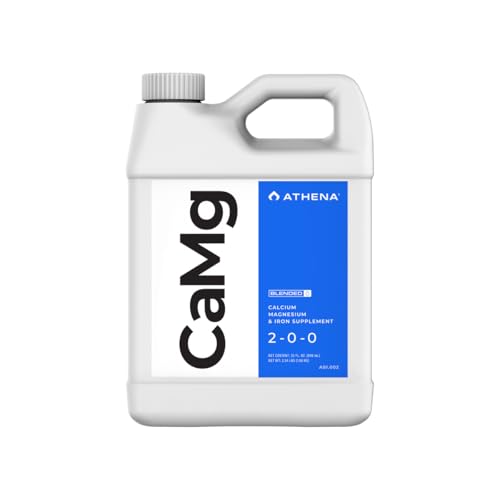
Athena has carved out a niche in the commercial hydroponics market by engineering a formula that leaves zero residue in drip lines and dosatron systems. The NPK 2-0-0 blend delivers calcium, magnesium, and iron in a form that remains stable in solution without precipitating out, even in high-EC environments. This makes it the default choice for growers running automated fertigation cycles who cannot afford clogged emitters.
The formula is built specifically for heavy feeders—tomatoes, peppers, and other fruiting plants that demand continuous calcium availability during flowering and fruit set. Users operating high-LED and CO2-enriched environments report that the plant-available calcium prevents deficiency spots on new growth. The concentrate is potent at small doses, and the cost per gallon of mixed solution is competitive with mid-range alternatives.
While the product performs admirably in soilless setups, soil growers may find the formula less necessary if their soil already contains adequate calcium. Some users transitioning from other calmag brands note the difference is subtle until they push their plants to higher yields. For hydroponic growers seeking a professional, reliable supplement that won’t cause mechanical issues, this is a strong contender.
What works
- Zero residue in irrigation lines
- Effective at very low dosing rates
- Stable in high-EC nutrient solutions
What doesn’t
- Less necessary for soil-grown plants
- Some users prefer calcium nitrate source
4. ENVY CalMag+ Professional Grade
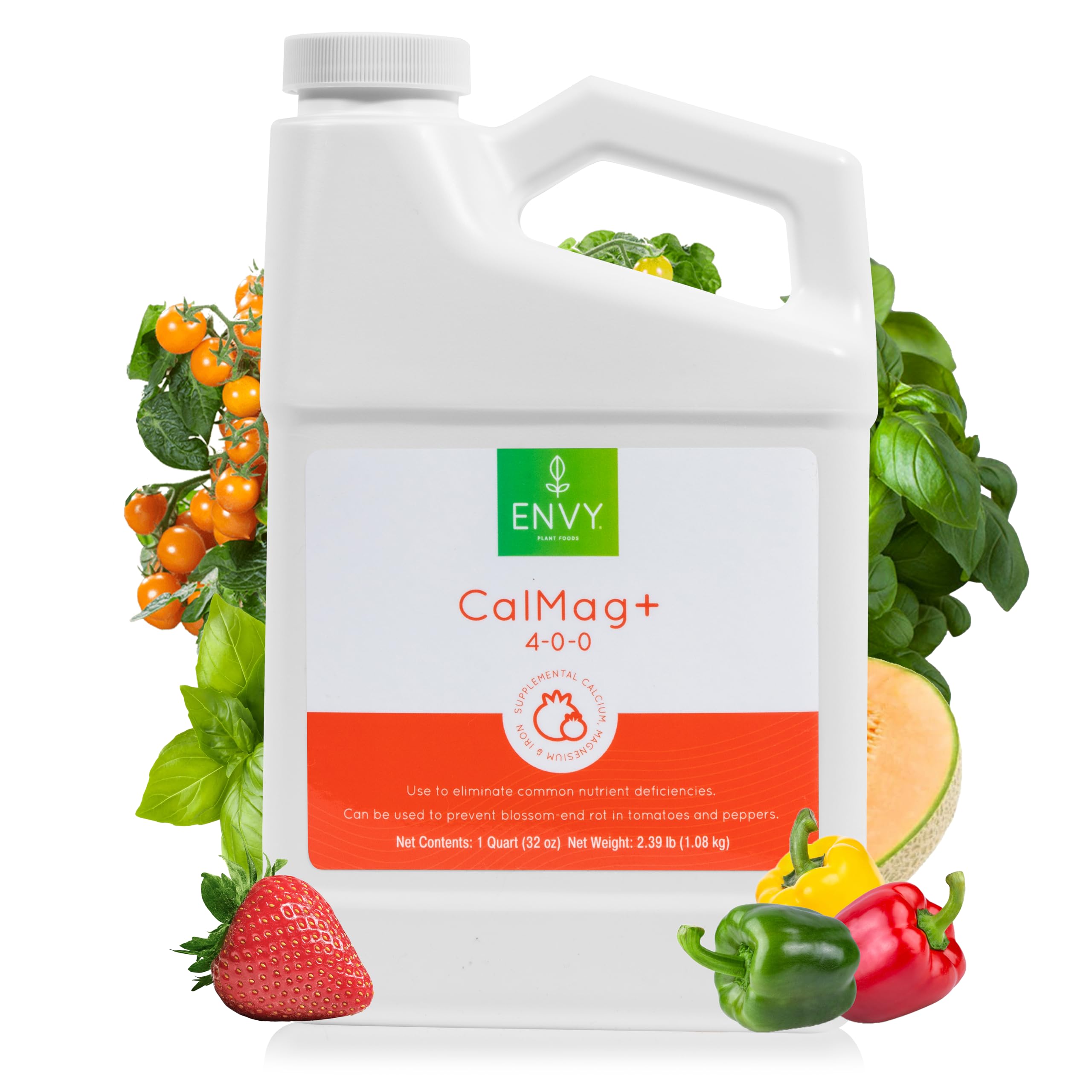
ENVY CalMag+ distinguishes itself by using calcium nitrate as its primary calcium source rather than the more common calcium chloride. This distinction matters because calcium nitrate is more plant-friendly and doesn’t cloud up your reservoir or leave a salty residue on leaves. The formula is specifically designed for RO water applications, replenishing the minerals that reverse osmosis strips away while preventing blossom end rot in tomatoes and peppers.
The product also addresses coco coir nutrient lock-up—coir fibers have a natural affinity for binding calcium and magnesium, making them unavailable to roots. ENVY’s concentrated CalMag+ replenishes these lost nutrients, ensuring your coco-based grow gets the calcium it needs even when the medium tries to hoard it. Users report that it does not cloud the water like some calmags do, which is a significant advantage for growers who value clarity in their reservoir.
One limitation is that the product is optimized for hydroponic and coco systems; soil growers with adequate calcium levels may not see the same dramatic results. Some users mention needing to adjust pH after adding the concentrate, as calcium nitrate can raise pH slightly. For hydro growers who prioritize a calcium-nitrate-based supplement, this is a top recommendation.
What works
- Calcium nitrate base is highly absorbable
- Does not cloud reservoir water
- Corrects coco coir nutrient lock-up
What doesn’t
- May raise pH in solution
- Less effective for soil plants with sufficient Ca
5. Bloom City Veggie Cure for Blossom End Rot
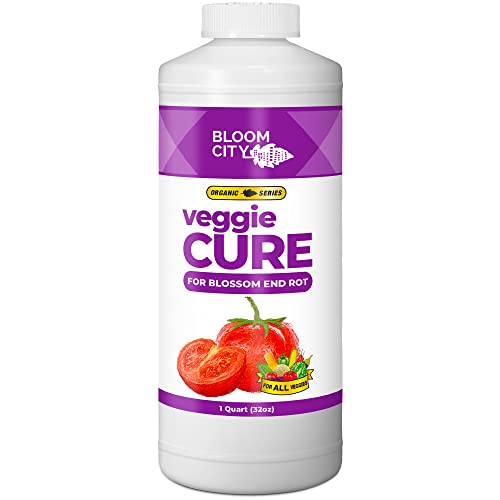
Bloom City’s Veggie Cure is formulated for the common gardener who battles blossom end rot during wet springs—the exact conditions that prevent calcium from traveling from the soil to the fruit. The liquid plant food is calcium-enriched and designed to be mixed with water and sprayed directly onto foliage, where it provides immediate support to fruit development. Users report that squash and tomatoes that had visible rot began producing clean fruit after regular application.
The mixing ratio is 1:10, which makes the 32-ounce bottle stretch further than some competitors that require higher concentrations per gallon. The formula is gentle enough for all garden vegetables—tomatoes, peppers, squash, and eggplants—without burning leaves or damaging beneficial insects. The product is also suitable for organic gardening practices when used as directed.
Where this product falls short is in the depth of its micronutrient profile. It focuses primarily on calcium support and lacks the magnesium and iron found in more comprehensive calmag supplements. If your plants show signs of interveinal chlorosis (yellowing between green veins), you may need a separate magnesium supplement. For targeted blossom end rot prevention in outdoor gardens, however, this is a cost-effective and effective solution.
What works
- Effective at stopping blossom end rot
- Good value for 32 oz concentrate
- Easy to mix and apply outdoors
What doesn’t
- Lacks magnesium and iron for complete nutrition
- Requires consistent reapplication
6. Southern Ag Stop Blossom-End Rot

Southern Ag has been a trusted name in garden supplements for decades, and their Stop Blossom-End Rot formula is a straightforward, no-nonsense solution for soil-grown tomatoes. The active ingredient is identical to what you’d find in pricier garden center bottles, but at a significantly lower price point. The application is simple: half a teaspoon per 11 ounces of water, sprayed directly on leaves and stems at the first sign of blossom end rot.
Users report overnight results—buds that had dried up on pepper plants began producing healthy fruit within days of foliar application. The formula works fast because it bypasses the soil and delivers calcium directly to the leaf tissue, where it can be transported to developing fruit. This is especially useful when soil pH imbalances or inconsistent watering are preventing root uptake of calcium.
However, this product is a band-aid, not a long-term solution. It corrects acute calcium deficiencies but does not address underlying soil issues like compaction or improper pH. For prevention, combining this with a soil amendment like eggshells or gypsum is recommended. The product also has a strong odor when spraying, which some users may find unpleasant.
What works
- Works overnight on blossom end rot
- Active ingredient same as pricier brands
- Cost-effective per application
What doesn’t
- Does not address underlying soil issues
- Strong odor during application
7. Cal-Mag Complete (TPS Nutrients)

TPS Nutrients Cal-Mag Complete is an entry-level calcium magnesium supplement that gets the job done without breaking the bank. The 1:200 mixing ratio (4cc per gallon) means a single 32-ounce bottle will treat over 180 gallons of water, making it one of the most cost-effective options on the market for hydroponic growers. Users with indoor grows report zero blossom end rot after a full year of use, producing tomatoes over a pound each.
The formula includes micronutrients beyond just calcium and magnesium, supporting overall plant health and nutrient uptake efficiency. Made in the USA, it is suitable for both soil and hydroponic systems. Novel growers who are just setting up their first indoor garden will find the simple dosing instructions easy to follow, and the results are consistent with more expensive competitors.
The main downside is that it is extremely concentrated—some users have accidentally over-dosed by not following the mixing instructions carefully, leading to nutrient burn. The product also lacks the refined chelation technology of premium brands, meaning absorption may be less efficient in suboptimal environmental conditions. For budget-conscious beginners, this is a solid starting point.
What works
- Extremely cost-effective per gallon treated
- Prevents blossom end rot reliably
- Simple dosing for hydroponic beginners
What doesn’t
- Easy to over-dose without care
- Less refined chelation than premium options
Hardware & Specs Guide
Calcium Source: Nitrate vs Chloride
Calcium nitrate (Ca(NO₃)₂) is the preferred source for foliar sprays because it provides both calcium and nitrogen in a form that plants can immediately transport. Calcium chloride (CaCl₂) is cheaper to manufacture but leaves a salty residue on foliage and can clog fine-mist sprayers. Products like ENVY CalMag+ and General Hydroponics GH5312 specifically use nitrate-based calcium for superior absorption.
NPK Ratio and Nitrogen Content
Most calcium foliar sprays carry an NPK ratio of 2-0-0, meaning they contain 2% nitrogen with zero phosphorus or potassium. This small nitrogen boost helps transport calcium through the plant’s phloem and xylem tissues. Avoid formulas with high nitrogen content during fruiting, as excess N can cause excessive vegetative growth at the expense of fruit development.
Mixing Ratio and Concentration
Mixing ratios vary significantly—TPS Nutrients recommends 1:200 (4cc/gal), while Bloom City uses a 1:10 ratio. A more concentrated formula is not necessarily better; it indicates that the product has a lower concentration of active ingredients per milliliter. Choose a product whose dosing guidelines match your watering habits and system type.
Residue Profile for Automated Systems
If you use drip irrigation, dosatrons, or any automated fertigation system, the residue profile of your calmag matters. Athena Blended CaMg is engineered to leave zero residue, preventing clogged emitters and maintaining flow rate. Calcium chloride-based supplements are more likely to precipitate and cause blockages over time.
FAQ
What is the difference between calcium foliar spray and soil-applied calcium?
How often should I apply calcium foliar spray to my tomatoes?
Can I use calcium foliar spray in hydroponic systems without clogging?
What causes blossom end rot if I already use a calcium supplement?
Final Thoughts: The Verdict
For most gardeners, the calcium foliar spray winner is the General Hydroponics GH5312 because its organic sugar chelates provide superior foliar absorption for both indoor and outdoor plants. If you run a coco coir or RO water system, grab the Botanicare Cal-Mag Plus for its sealed freshness and broad stage compatibility. And for budget-conscious soil gardeners dealing with wet spring rot, nothing beats the Southern Ag Stop Blossom-End Rot for fast, targeted relief.