
Blossom-end rot on your first tomato of the season is a gut punch. The fruit looks perfect one day, then a sunken, leathery patch appears on the bottom. That decay is rarely a pathogen—it’s almost always a calcium deficiency exacerbated by inconsistent watering, and adding a dedicated calcium and boron supplement is the only way to get ahead of it.
I’m Rikta — the co-founder and writer behind Lawn Gear Lab. I’ve spent countless hours cross-referencing lab-certified NPK ratios, analyzing supplier sourcing for chelated micronutrients, and studying aggregated owner feedback from thousands of indoor and outdoor growers to understand which liquid formulations actually correct tissue-level deficiencies without locking up other elements.
This guide breaks down seven distinct concentrates, from compact quart bottles for apartment hydroponics to gallon jugs that feed a whole vegetable plot, so you can pick the right concentration and balance for your specific medium—because chasing down the best calcium boron fertilizer means matching the supplement to your water source and your crop’s real-time demands.
How To Choose The Best Calcium Boron Fertilizer
Fertilizer shopping for micronutrients isn’t like buying all-purpose granules. You are correcting a specific ionic imbalance, and the wrong ratio can precipitate calcium out of solution or lock out magnesium. The following criteria will help you decode the label and pick a formula that matches your growing system.
Check the Base NPK and Chelation
Nearly every calmag supplement sits at a 2-0-0 base—that tiny amount of nitrogen is there to carry the positively charged calcium and magnesium ions into the plant. The two zeros mean zero phosphorus and zero potassium, so you are not throwing off your main feeding schedule. Look for chelated minerals (chelated calcium or chelated iron) because chelates protect nutrients from binding to carbonates in high-pH water, keeping them bioavailable for root uptake.
Match the Concentration to Your Water Source
Growers using reverse osmosis (RO) water start with a blank slate and need a full-spectrum calmag that includes both calcium and magnesium in a predictable ratio. If you use hard tap water that already contains some calcium, you might want a formula with a slightly higher magnesium-to-calcium ratio to avoid calcium buildup. Always check the label for the unit count—1 quart concentrates differ wildly in dose per gallon from 1 gallon jugs.
Identify the Boron Presence
Boron is the unsung hero of calcium transport. Without adequate boron, calcium cannot move from the roots into new leaf and fruit tissue, which is why blossom-end rot persists even when you add calcium alone. Not all calmag supplements include boron; if you are growing tomatoes, peppers, or celery indoors under lights, seek out a formula that explicitly lists boron in the guaranteed analysis to maximize cell wall strength.
Quick Comparison
On smaller screens, swipe sideways to see the full table.
| Model | Category | Best For | Key Spec | Amazon |
|---|---|---|---|---|
| VIVOSUN Cal+Mag+Iron (2-0-0) | Liquid Supplement | Indoor & outdoor deficiencies | 2-0-0 NPK, 32 oz | Amazon |
| VitaLink CalMag | Liquid Nutrient | Tomato blossom-end rot fix | 33.8 oz, includes iron | Amazon |
| Botanicare Cal-Mag Plus | Plant Supplement | RO water & coco coir | 2-0-0, 32 oz | Amazon |
| GS Plant Foods Cal-Mag Extreme | Liquid Supplement | Orchids & raised beds | 1 gal, 1 tsp/gal dose | Amazon |
| TPS Nutrients Cal-Mag Complete | Full Coverage | Large hydroponic gardens | 1 gal, 1:100 ratio | Amazon |
| Cronk Nutrients CalMag 2-0-0 | Pharmaceutical Grade | Small-space hydroponics | 16 oz, marine extracts | Amazon |
| Vital Earth Minerals Cal-Mag Liquid | Human Bone Supplement | Alkalizing water pH | 32 oz, fulvic acid | Amazon |
In‑Depth Reviews
1. VIVOSUN Cal+Mag+Iron (2-0-0)
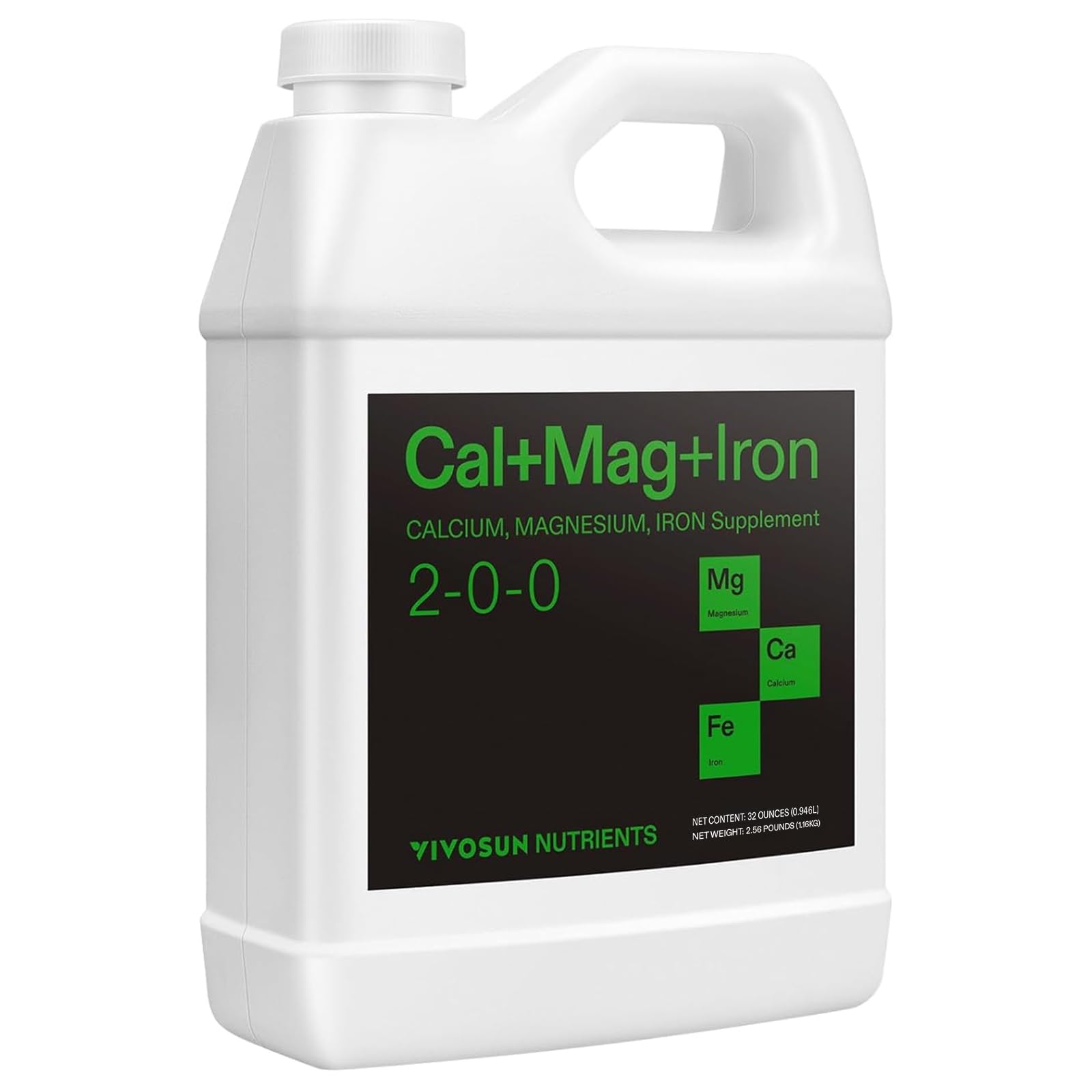
VIVOSUN’s 2-0-0 supplement earned a 4.7-star rating from 118 reviewers because it hits the sweet spot between concentration and versatility. Users report completely eliminating blossom-end rot on jalapeño plants and harvesting over 1,000 peppers from 20 plants after switching to this liquid. The 32-ounce quart treats a substantial number of gallons—users mention feeding every 2 to 4 months in soil setups—making the value per dose impressive for a mid-range concentrate.
The formula contains chelated iron in addition to calcium and magnesium, which prevents interveinal chlorosis in young leaves. VIVOSUN explicitly markets it as compatible with hydroponics, aeroponics, coco coir, DWC, and soil, so you don’t need to second-guess compatibility with your medium. The label recommends experimenting with dosage, which gives experienced growers flexibility to dial in for specific crop stages.
While the bottle lacks a pump or graduated measuring cap, the liquid pours cleanly and mixes without sediment. A small complaint from some users is that the instructions on the bottle are minimal, but the general guideline of 1-2 mL per gallon works reliably for most fruiting plants. For a grower who wants proven results across multiple systems, this is the one to start with.
What works
- Proven to stop blossom-end rot on peppers and tomatoes
- Works in soil, coco, and hydro without issues
What doesn’t
- No measuring cap or dropper included
- Instructions on bottle are sparse
2. VitaLink CalMag 1L

VitaLink’s CalMag is widely recommended by British tomato growers for curing blossom-end rot in a single application. Users confirm that 1 mL per liter of water—applied at every watering—prevents the corky bottom rot that ruins early fruit sets. The 33.8-ounce bottle (roughly 1 liter) is smaller than the US quart standard, but the concentration is high enough that a single bottle lasts many weeks even in a dense indoor garden.
A key differentiator is that VitaLink includes iron in its trace element package, unlike some generic calmag products that omit it. Reviewers growing in soft water or coco coir specifically note that this extra iron prevents the yellowing that often appears alongside calcium deficiency in high-humidity tents. The liquid is clear and mixes instantly without residue.
One recurring issue is the measuring cap: multiple buyers report that the cap has a large hole that makes it unusable for accurate dosing, forcing you to use a separate syringe. The bottle seal under the lid can also tear if you twist aggressively, leading to leaks during shaking. Despite those packaging flaws, the formula itself delivers quick, visible correction of calcium-related disorders.
What works
- Cures blossom-end rot in one application
- Includes iron for complete micronutrient coverage
What doesn’t
- Measuring cap hole is too large for accurate dosing
- Seal can tear and cause leakage when shaken
3. Botanicare Cal-Mag Plus 2-0-0

Botanicare is one of the most recognized names in hydroponic nutrients, and their Cal-Mag Plus 2-0-0 is the standard recommendation for anyone using reverse osmosis water. RO water strips out all minerals, and without this supplement, plants quickly develop soft stems and curled leaf tips. Users confirm that the sealed freshness cap keeps the concentrate potent even after partial use over several months.
The 1-quart bottle uses a fortified formula including chelated iron, and growers report visible improvement in leaf color within 5-7 days when used at the vegetative stage. The label recommends use through all three growth phases—vegetative, transition, and bloom—which is rare for calmag products that are often restricted to early growth only. This makes it a complete package for a continuous indoor cycle.
The only negative feedback concerns the bottle’s tendency to leak from the cap area if shaken vigorously. The seal works perfectly for storage, but once broken, the cap does not create a watertight seal during mixing agitation. Use a separate mixing container rather than shaking the bottle itself to avoid wasted product on your grow table.
What works
- Specifically formulated for RO water and coco coir
- Freshness seal preserves potency over time
What doesn’t
- Cap can leak after the seal is broken
- Requires separate mixing container for agitation
4. GS Plant Foods Cal-Mag Extreme
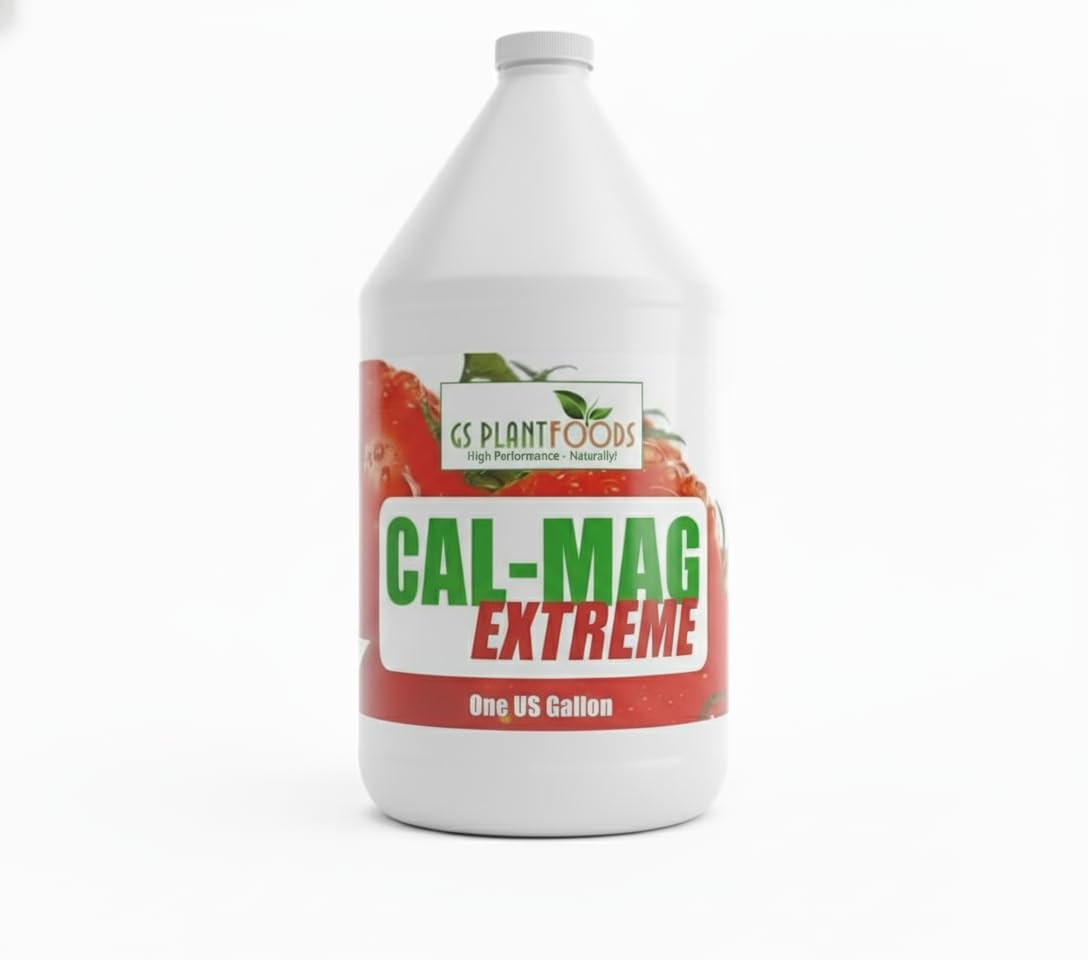
GS Plant Foods Cal-Mag Extreme is a gallon-sized concentrate that comes with an exceptionally low recommended dose of 1 teaspoon per gallon of water. That ratio means one gallon jug can treat up to 768 gallons of feed water, making it the most cost-effective option on this list for large gardens. Orchid growers in particular report dramatic root growth improvement when using this formula twice weekly in lava rock media.
The formula includes sulfur alongside the standard calcium, magnesium, and iron lineup. Sulfur plays a role in chlorophyll formation and protein synthesis, which matters for heavy-fruiting crops like tomatoes and peppers where yield depends on efficient photosynthesis. Users consistently report that their plants “perked up” within days of the first application, a response often faster than with milder concentrates.
A minor concern is that the thick concentrate can form a gel-like consistency if mixed with certain other dry amendments in a filter bag—this is likely a reaction between the liquid and the filler medium rather than a product defect. Stick to mixing it directly into water as directed to avoid the jelly clumping issue that some users encountered.
What works
- Extremely low dose rate (1 tsp/gal) stretches value
- Includes sulfur for enhanced protein synthesis
What doesn’t
- Can form gel clumps when mixed with dry amendments in a filter bag
- Thick concentrate requires thorough mixing
5. TPS Nutrients Cal-Mag Complete
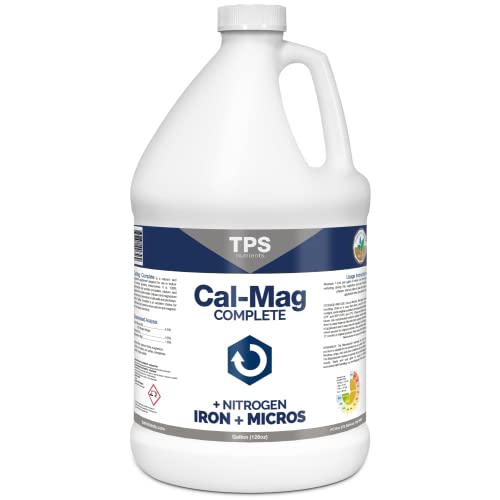
TPS Nutrients Cal-Mag Complete delivers a full 1-gallon volume at a relatively accessible price point, making it a workspace-friendly choice for dedicated indoor fruit and vegetable growers. The recommended mixing ratio of either 1:100 or 1:200 allows the grower to adjust for tap water hardness—lower ratio for soft water, higher for hard water. Users report zero blossom-end rot on Brandywine tomatoes that reached 1 lb 10 oz per fruit when using this product consistently.
The formula boasts a higher calcium-to-magnesium ratio compared to some competitors, which is beneficial for growers who already have some magnesium in their base nutrients. Reviewers growing leafy greens like broccoli and kale note that the micronutrient package boosts nutrient density in the harvested crop. The concentrate is potent—users caution to start at 1 mL per gallon and slowly ramp up to avoid overcorrection.
The bottle’s plain label and basic cap lack any measuring aids, so a separate syringe is mandatory for accurate dosing. Some indoor growers on their first cycle found it difficult to gauge the exact effect compared to their previous calmag brand. The gallon size is cost-effective per dose, but the lack of dropper graduations is an inconvenience that the brand could easily solve.
What works
- Concentrated formula supports huge fruit yields in tomatoes
- Adjustable mixing ratio adapts to water hardness
What doesn’t
- No measuring graduations on the bottle or cap
- New users may struggle to calibrate dose without reference
6. Cronk Nutrients CalMag 2-0-0

Cronk Nutrients positions their CalMag as a pharmaceutical-grade supplement with marine extracts, chelates, and acids designed to enhance nutrient absorption. The 500 mL (roughly 16 fluid ounce) bottle is the smallest in this lineup, which makes it an ideal trial size for new growers who want to test a calmag program without committing to a quart or gallon. Users report good results on tomatoes and peppers when applied at transplant and again at first fruit set.
The formulation is compatible with soil, soilless, and hydroponic mediums, and the low starting price makes it a low-risk entry into targeted supplementation. The 2-0-0 NPK base provides the standard calcium/magnesium/iron load without adding excess nitrogen that could push vegetative growth at the expense of fruit. Customers note that the compact packaging is ideal for small grow spaces like a shelf or a tent corner.
However, the bottle seal under the lid is prone to tearing during the first opening, which can cause the liquid to leak out when you invert the bottle to fill a cap or syringe. The smaller volume also means you will reorder sooner than with gallon options, which may offset the initial savings for large gardens. Use a separate container to decant the product and avoid the fragile seal.
What works
- Pharmaceutical-grade ingredients for enhanced absorption
- Compact size is perfect for small grow spaces
What doesn’t
- Bottle seal tears easily, causing leakage
- Small volume means more frequent reordering
7. Vital Earth Minerals Cal-Mag Liquid

Vital Earth Minerals markets this Cal-Mag Liquid primarily for human bone health, not as a plant fertilizer. The formula contains calcium citrate, magnesium citrate, vitamin D3, K2, boron, and fulvic acid—an interesting combination for growers who want to use fulvic acid to chelate calcium in the soil and improve uptake at the root zone. The inclusion of boron makes this technically usable as a micronutrient drench for plants, though the manufacturer does not market it as such.
The product is designed to be added to non-chlorinated water for human consumption, so its concentration and pH balancing are aimed at alkalizing drinking water rather than providing the 2-0-0 NPK profile typical of horticultural calmag. The fulvic acid complex could theoretically help break down calcium deposits in hard water, but the lack of a guaranteed plant-grade NPK label means you are flying blind on dosage rates for specific crops.
For plant growers, this is a high-risk option because there is no guaranteed analysis for horticultural use. Users who attempt it would need to experiment extremely cautiously. The bottle design also cements the serving cap in place, making it difficult to remove for cleaning. This product is best left to its intended human use and not considered a primary option for addressing plant calcium deficiencies.
What works
- Includes fulvic acid for potential mineral transport enhancement
- Contains boron and vitamin cofactors
What doesn’t
- Not labeled or formulated for plant use
- Serving cap is permanently attached and cannot be removed
Hardware & Specs Guide
NPK Ratio and What the Numbers Mean
All the calmag supplements on this list share a base NPK of 2-0-0. The first number (2) represents available nitrogen, which acts as a carrier ion for calcium and magnesium. The zeros mean the product contains no phosphorus or potassium—critical because adding P or K during a deficiency correction could lock out the micronutrients you are trying to deliver. Always verify the NPK on the label before mixing into an existing feeding regimen.
Chelation Technology and Bioavailability
Calcium and magnesium are positively charged cations that can precipitate out of solution when they encounter bicarbonate (common in hard tap water) or phosphate (common in bloom boosters). Chelation wraps the mineral in an organic molecule that shields it from binding, keeping it dissolved and root-available. Look for labels that mention “chelated calcium” or “chelated iron”—this is the difference between a supplement that works in high-pH conditions and one that settles in the reservoir.
Dosage Concentration and Volume Economics
The range from 16 ounces to 1 gallon is not just about size—it reflects different mixing ratios. A 1-gallon jug with a dose of 1 teaspoon per gallon (like GS Plant Foods) treats nearly 800 gallons of water. A 32-ounce quart with a dose of 2-4 mL per gallon treats a few hundred gallons. Calculate your total water volume per week and multiply by weeks of use before buying, so you don’t end up paying concentrate premium on frequent repurchases.
Iron and Micronutrient Inclusion
Iron is often included in calmag supplements because iron chlorosis (yellowing between leaf veins) develops under the same root conditions that cause calcium deficiency—cold soil, overwatering, or high pH. A formula that packs iron alongside calcium and magnesium gives you a two-for-one correction. Boron, when present, ensures the calcium that is taken up actually moves to new growth tips rather than getting stranded in older leaves.
FAQ
Can I use a calmag supplement on all plants or only on fruiting vegetables?
How do I know if my plant needs calcium rather than a general fertilizer?
Is it safe to mix calmag with my regular nutrient solution?
Final Thoughts: The Verdict
For most gardeners, the best calcium boron fertilizer winner is the VIVOSUN Cal+Mag+Iron (2-0-0) because it delivers consistent blossom-end rot prevention across soil, coco, and hydroponic systems at a dose rate that stretches further than smaller bottles. If you want the largest volume-per-dollar and grow a high-volume vegetable garden or orchid collection, grab the GS Plant Foods Cal-Mag Extreme gallon. And for growers using RO water or coco coir who want a proven brand with sealed-freshness packaging, nothing beats the Botanicare Cal-Mag Plus.