
Specs are compiled from manufacturer listings and verified buyer reviews and can change over time — please confirm the key details on the product page before buying.
You are building a raised garden bed for food, and the wood matters just as much as the soil. The wrong lumber can leak chemicals into your vegetables, warp after one rainy season, or cost you hours of frustrating assembly. The core question is simple: which untreated, organic-safe wood bed gives you the best mix of durability, capacity, and ease for your actual garden space?
I’m Rikta — the founder and writer behind Lawn Gear Lab. This guide is built by comparing the manufacturers’ published specifications and the patterns across verified customer reviews, so you get each pick’s real strengths and trade-offs instead of marketing spin.
For most people, the wood for raised garden beds organic winner is the Greenes Fence Premium Cedar 3-Pack because it gives you three untreated cedar beds that you can snap together in under 10 minutes each. If your garden plan includes deep-root crops like tomatoes, the Infinite Cedar 3’x6’x11″ model offers thicker, 1-inch boards and a 5-year warranty.
Quick Picks
- Greenes Fence Premium Cedar Raised Garden Bed, 4′ x 4′ x 7″ (3-Pack) — Best Overall
- Infinite Cedar Premium Cedar Raised Garden Bed – 3′ x 6′ x 11″ — Premium Pick
- Infinite Cedar Premium Cedar Raised Garden Bed – 4′ x 8′ x 16.5″ H — Large Capacity
- Giantex Raised Garden Bed, Wood Planter Box, Outdoor Square Garden Bed, 40″ Lx40 Wx12 H — Budget Square Bed
- Giantex Wooden Raised Garden Bed, Rectangular Planter Box, 48″ Lx24 Wx10 H — Budget Rectangular
How To Choose The Best Wood For Raised Garden Beds Organic
An organic garden bed starts with wood that has zero chemical treatments. Pressure-treated lumber contains preservatives that can leach into your soil — always look for “untreated” or “natural” on the label. Western red cedar is the gold standard here because it resists rot and insects naturally without any added chemicals.
Wall Thickness and Durability
The thickness of the wood boards is the single biggest factor in how many seasons the bed will last. Thin boards around ½ inch are common on budget beds and can warp or crack in the first year. Beds with boards that are ¾ inch or a full 1 inch thick stand up to soil pressure, rain, and freezing temperatures much better.
Soil Capacity and Root Depth
A bed that is at least 10 to 12 inches deep gives most vegetables enough room for their root systems. Leafy greens can get by in shallower beds, but tomatoes, peppers, and carrots need deeper soil. The capacity, measured in cubic feet, also tells you how many bags of soil you will need to fill it.
Assembly and Expandability
Some beds use interlocking joints that require no tools at all, while others need screws or bolts. If you plan to expand your garden later, look for modular designs with routed corner posts that let you stack additional layers or connect multiple beds.
Quick Comparison
| Model | Best For | Material | Capacity | Dimensions | Amazon |
|---|---|---|---|---|---|
| Greenes Fence Premium Cedar 4’x4’x7″ (3-Pack) | Best Overall Organic Bed | North American Cedar | 9.3 cu ft each | 48x48x7 inches | Amazon |
| Infinite Cedar 3’x6’x11″ | Premium Long-lasting Bed | Western Red Cedar | 16.5 cu ft | 72x36x11 inches | Amazon |
| Infinite Cedar 4’x8’x16.5″ | Large Capacity Bed | Western Red Cedar | 44 cu ft | 96x48x16.5 inches | Amazon |
| Giantex Square 40″x40″x12″ | Budget Square Bed | Fir Wood | 8.7 cu ft | 40x40x12 inches | Amazon |
| Giantex Rectangular 48″x24″x10″ | Budget Rectangular Bed | Fir Wood | 6.35 cu ft | 48x24x10 inches | Amazon |
In‑Depth Reviews
1. Greenes Fence Premium Cedar Raised Garden Bed, 4′ x 4′ x 7″ (3-Pack)

Three beds in one box with tool-free assembly that takes under ten minutes each.
The reason this set earns the top spot is simple: it is the only one that gives you three separate beds for the price of one premium model. You get three 4-foot square beds made from North American cedar with no chemical treatments — perfect for an organic vegetable garden right away. The ¾-inch thick boards are smooth-sanded, and the dovetail interlocking joints let you snap the pieces together without a single screw. Each bed holds 9.3 cubic feet of soil, and the 7-inch depth works well for shallow-root crops like lettuce, herbs, and strawberries. The routed corner posts let you stack additional layers if you want to expand the depth later, unlike the single-piece Infinite Cedar bed.
Buyers report that they assembled both beds solo in under 10 minutes with a power screwdriver and rubber mallet. One reviewer noted that after a month of rain, the soil stayed put and drained well, with vegetables growing great. The main trade-off here is the 7-inch depth: it is not deep enough for tomatoes or carrots unless you stack an extra layer. A few owners noted that some planks arrived slightly warped or splintered, though the interlocking design makes replacement straightforward.
Three Reasons It Works
- Chemical-free North American cedar is naturally rot-resistant and safe for growing food
- Tool-free dovetail joints make assembly fast and simple
- Three beds for the price of one premium single bed gives great value per square foot
The Limitations
- 7-inch depth is shallow for deep-root vegetables like carrots or tomatoes
- Some reviewers experienced warped boards in their shipment
Start here if: You want three organic-safe cedar beds that assemble fast and fit a standard vegetable patch.
Look elsewhere if: Your garden plan includes deep-root crops that need more than 7 inches of soil without stacking.
2. Infinite Cedar Premium Cedar Raised Garden Bed – 3′ x 6′ x 11″

A 1-inch thick cedar bed built in Maine without a single screw or nail.
You pay more for this Infinite Cedar bed because the Western Red Cedar boards are a full inch thick — noticeably heavier than the ¾-inch planks on the Greenes Fence model. The 3-foot by 6-foot footprint holds 16.5 cubic feet of soil, versus 6.35 cubic feet for the smaller Giantex rectangular bed. The no-screw assembly relies on interlocking joinery, and the 11-inch depth gives you enough room for tomatoes, peppers, and carrots without stacking. The manufacturer backs it with a 5-year warranty, which is the longest guarantee in this lineup.
Owners mention the cedar arrived pristine with no knots, cracks, or warping, and one 72-year-old reviewer assembled it solo without help. On the downside, one owner noted that a long piece started to warp after four weeks. The manufacturer sent a replacement kit, but the replacement also had bowed planks. If you want confidence on the warranty and the thickest natural cedar boards available, this bed delivers — just be prepared to check the wood quality when it arrives. Compared to the Greenes Fence 3-pack, this one gives you a deeper, thicker-walled single bed that is built to last longer.
Why It Stands Out
- 1-inch thick Western Red Cedar resists rot and warping far longer than thinner wood beds
- 5-year workmanship warranty covers manufacturing defects
- 16.5-cubic-foot capacity at 11 inches deep suits virtually all common vegetables
Heads Up
- Some customers received replacement kits with warped boards, pointing to occasional quality control issues
- At 11 inches deep, the bed is heavier and less portable than shallower options
Grab this if: You want the thickest untreated cedar bed available with a multi-year warranty and enough depth for a full vegetable garden.
skip it if: Your budget is tight and you only need a shallow bed for greens and herbs.
3. Infinite Cedar Premium Cedar Raised Garden Bed – 4′ x 8′ x 16.5″ H
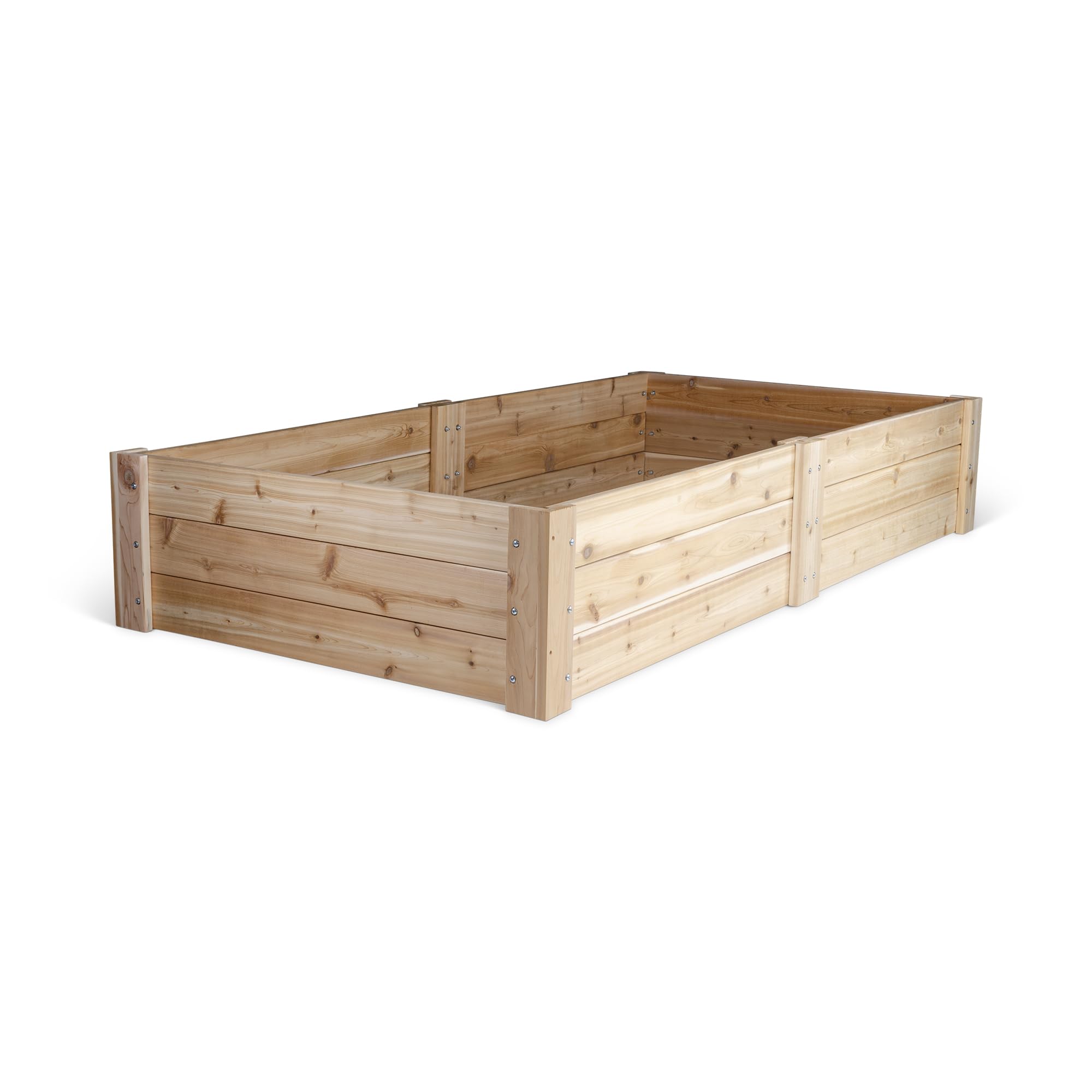
A massive 4×8 foot bed with 16.5 inches of depth for serious vegetable production.
If the standard 11-inch Infinite Cedar bed is not big enough, this one gives you a surface area of 32 square feet and a towering 16.5-inch depth. It holds 44 cubic feet of soil — that is enough for a full season of tomatoes, squash, carrots, and herbs in one single bed. The construction uses 1-inch thick Western Red Cedar with no added chemicals, and assembly is done with pre-cut boards and bolts. The 83-pound weight makes it a permanent fixture in your yard, so pick your spot carefully before you fill it. At 16.5 inches deep, this provides the deepest root zone of any bed here, which customers note means healthier, more productive plants than the shallower Giantex models.
Reviewers point out the bed is solid and easy to assemble, and one buyer mentioned it lasts over 3 years in a New England climate. A few owners mentioned that the included nuts have seal rings that prevent tight fastening, causing some wobble and gaps — they recommend swapping in standard nuts from a hardware store.
What You Get
- 44-cubic-foot capacity at 16.5 inches deep supports deep-root vegetables and heavy yields
- 1-inch thick cedar boards withstand weather and soil pressure without warping
- Bolt-together assembly is straightforward once you have the right hardware
The Downsides
- 83 pounds is very heavy to move once assembled
- Seal-ring nuts can prevent a tight fit and need to be replaced for stability
Choose this when: You need a large, deep organic bed for a high-yield vegetable garden and have a permanent spot in your yard.
Pass on it if: You have limited space or want a bed you can reposition after setup.
4. Giantex Raised Garden Bed, Wood Planter Box, Outdoor Square Garden Bed, 40″ Lx40 Wx12 H
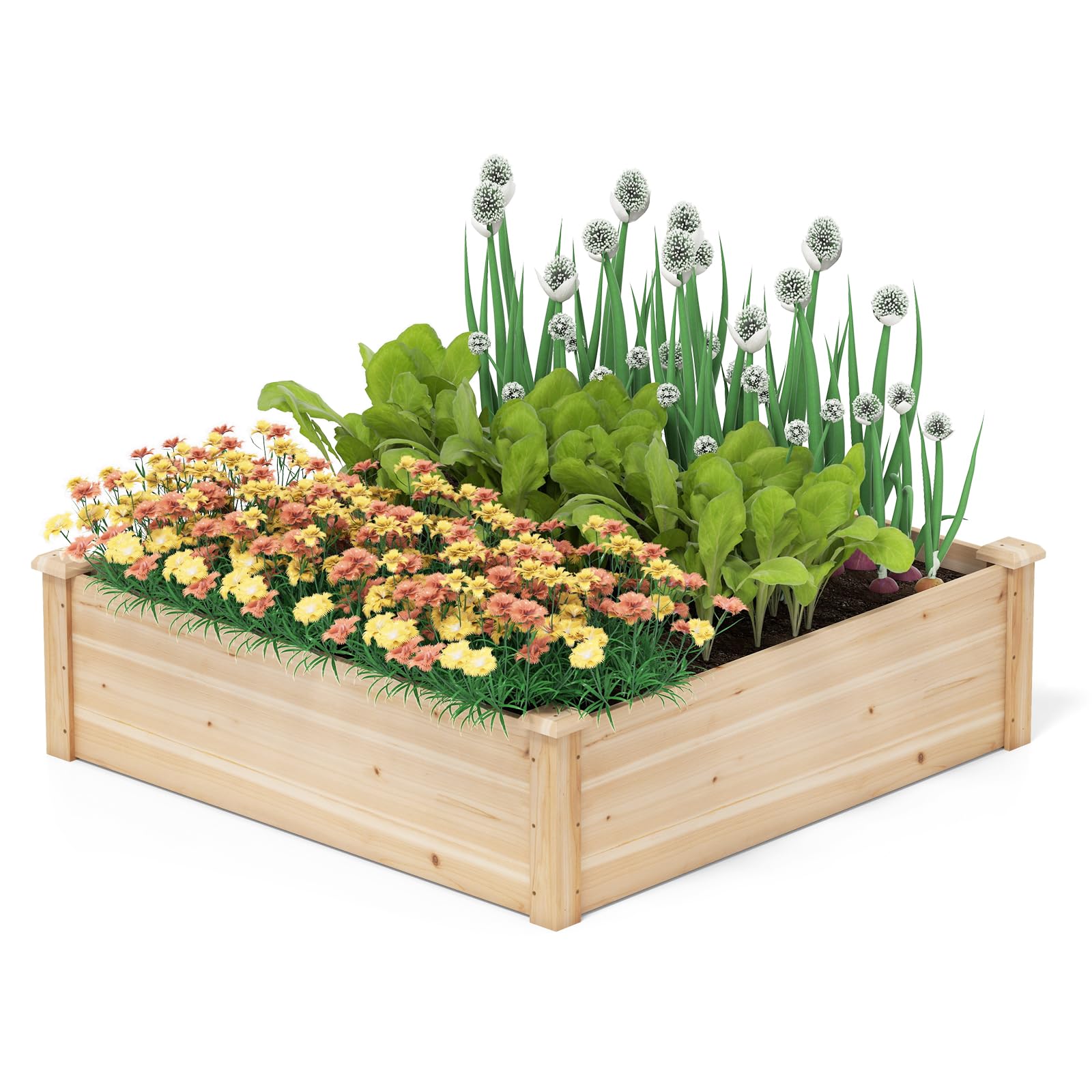
An affordable 40-inch square fir bed with 12 inches of depth for under fifty dollars.
If you are starting your first organic garden on a tight budget, this Giantex square bed gives you a 40×40-inch growing area at 12 inches deep for very little money. The fir wood is untreated and safe for vegetables, and the 8.7-cubic-foot capacity holds enough soil for a decent variety of crops. Assembly is straightforward, with most buyers finishing in about 10 minutes. The 12-inch depth is actually deeper than the Greenes Fence 3-pack (7 inches), making it a better fit for tomatoes and carrots right from the start.
Shoppers say that “I got them on sale and although they are thin, they will work great for my garden.” The wood is noticeably thinner than the cedar options, and several owners mentioned the need to seal the wood themselves to make it waterproof. The open-ended base promotes drainage and air circulation, but the thin fir boards may warp or split after a couple of seasons in wet climates.
The Appeal
- Very affordable entry point for testing raised bed gardening
- 12-inch depth is generous for the price and works for most vegetables
- Simple 10-minute assembly with basic tools
The Trade-offs
- Fir wood is thinner and less rot-resistant than cedar
- Buyers recommend sealing the wood yourself to extend its lifespan outdoors
Best for: Beginner gardeners who want a low-cost, untreated wood bed to try raised bed gardening without a large investment.
Not ideal for: Gardeners who need a long-term, low-maintenance bed that can handle harsh winters without sealing.
5. Giantex Wooden Raised Garden Bed, Rectangular Planter Box, 48″ Lx24 Wx10 H

A narrow 48-inch fir bed at 10 inches deep that fits small patios and tight yards.
This rectangular planter is designed for tight spaces where a square bed simply will not fit. Measuring 48 inches long by 24 inches wide and 10 inches deep, it holds 6.35 cubic feet of soil, versus 16.5 cubic feet for the Infinite Cedar bed. The fir wood is untreated and safe for organic gardening, and the 10.5-pound weight makes it easy to move around your yard. An open-ended base keeps drainage working well so you do not drown your plants. It is the lightest bed here, making it the easiest to reposition before you fill it.
Buyers report the bed “seems to be holding up fine after a month” and many note that assembly is straightforward with a power screwdriver. One owner reported that one panel arrived cracked and the edges were unsanded, but they lined the bed with plastic and added a plywood base to make it work indoors.
Why It Fits
- Compact 48×24-inch footprint fits balconies, decks, and narrow garden strips
- 10.5 pounds is light enough to move before filling with soil
- Untreated fir wood is safe for growing food
The Downsides
- 6.35-cubic-foot capacity is the smallest in this lineup
- Wood quality varies — some panels arrive cracked or unsanded
Reach for this if: You have a small patio or balcony and need a lightweight, affordable rectangular bed for shallow-root plants.
pass on it if: You want a long-term outdoor bed that can stand up to weather without modifications like sealing or lining.
Understanding the Specs
Cedar vs. Fir Wood
Western red cedar is naturally rot-resistant and contains oils that repel insects, so it lasts years outdoors without any chemical treatment. Fir wood is cheaper and structurally strong when dry, but it lacks the same natural decay resistance. For organic gardening, both are safe untreated options, but cedar will survive wet climates and ground contact much longer.
Wall Thickness
The thickness of the boards determines how well the bed resists bowing under the weight of wet soil and how many seasons it lasts. Beds with 1-inch thick wood are noticeably heavier and more durable than those with ½-inch or ¾-inch boards. Thinner wood is fine for a temporary or budget bed, but expect to replace it sooner.
Soil Depth and Capacity
Root depth requirements vary: leafy greens can grow in 6 to 8 inches of soil, while tomatoes and carrots need 10 to 12 inches minimum. Capacity, measured in cubic feet, tells you the total volume of soil required. A bed with 16.5 cubic feet will need about 10 to 12 bags of standard 1.5-cubic-foot garden soil to fill it.
Assembly Method
Tool-free interlocking joint systems are the fastest to set up, often taking under 10 minutes with just a rubber mallet. Bolt-together or screw-based beds take a bit longer but usually allow you to disassemble and move the bed later. Budget models often rely on screws that can strip over time, so look for reinforced corners on those.
FAQ
Is pressure treated lumber safe for vegetable gardens?
How long does an untreated cedar raised bed last outdoors?
Can I paint or stain an untreated raised garden bed?
How much soil do I need to fill a 4×8 foot raised bed that is 16.5 inches deep?
Is fir wood safe for organic gardening?
What is the minimum soil depth for growing tomatoes in a raised bed?
Can I stack two raised garden beds to make them deeper?
Do raised garden beds need drainage holes?
How do I prevent the wood of my raised bed from rotting?
What size raised bed is best for a beginner gardener?
Final Thoughts: The Verdict
For the majority of shoppers, the wood for raised garden beds organic winner is the Greenes Fence Premium Cedar Raised Garden Bed (3-Pack) because it delivers three chemical-free cedar beds with tool-free assembly and the best value per square foot. If you want a long-lasting premium option with a warranty, grab the Infinite Cedar 3’x6’x11″. And for large-scale vegetable production with deep soil, the Infinite Cedar 4’x8’x16.5″ gives you the most growing volume in a single organic bed.
How We Picked
We do not accept paid placement. Every pick is matched to a real buyer and a real use-case; we do not hands-on test units.
Sources & Methodology
Specifications: manufacturer listings and product documentation. Review insights: verified customer reviews, as of July 2026. Pricing: not shown on this page (it changes often); check the current price via the retailer link.
As an Amazon Associate, Lawn Gear Lab earns from qualifying purchases. This does not affect which products we feature.