
Specs are compiled from manufacturer listings and verified buyer reviews and can change over time — please confirm the key details on the product page before buying.
Brown patches that peel back like a rug, skunks and raccoons digging up your turf at night, and grass that pulls away with no roots — that is the calling card of grubs feeding under your lawn. Choosing the right treatment stops grubs fast, while the wrong one wastes your weekend and ruins your turf. This guide ranks the top grub killers by active ingredient, residual duration, and the lawn condition each one suits.
I’m Rikta — the founder and writer behind Lawn Gear Lab. This guide is built by comparing the manufacturers’ published specifications and the patterns across verified customer reviews, so you get each pick’s real strengths and trade-offs instead of marketing spin.
To rescue a lawn that is already thinning, you need a treatment for grubs in lawn that matches your climate, your grass type, and how patient you are willing to be.
Our Picks at a Glance

How To Choose The Best Treatment For Grubs In Lawn
The right fix depends on grub population size, your preference for chemical knockdown versus natural long-term control, and the square footage you need to cover.
The Timing Trap
Most grub damage happens in late summer and early fall, but the window to treat is earlier. Curative products kill on contact when grubs are actively feeding, while preventative products like Imidacloprid work when applied before the eggs hatch. If you apply a preventative in November, you wasted the season.
Chemical vs Biological
Synthetic insecticides like Imidacloprid and Gamma-Cyhalothrin kill grubs quickly and are the standard for big infestations. Biological options like Milky Spore (a bacteria that infects grubs) and beneficial nematodes (microscopic worms that eat them) take longer and need patience, but they are harmless to pets, pollinators, and earthworms.
Coverage and Format
Granules need a spreader and watering-in, while liquids attach to a garden hose for quick soaking. Check the square footage a bag or bottle covers so you don’t buy a 20-pound bag for a 25,000-square-foot yard and run out halfway.
Quick Comparison
| Model | Best For | Active Ingredient | Format | Coverage / Size | Amazon |
|---|---|---|---|---|---|
| Quali-Pro Imidacloprid★ Best Overall | Large yards, deep infestation | 21.8% Imidacloprid | Liquid Concentrate | 128 fl oz bottle | Amazon |
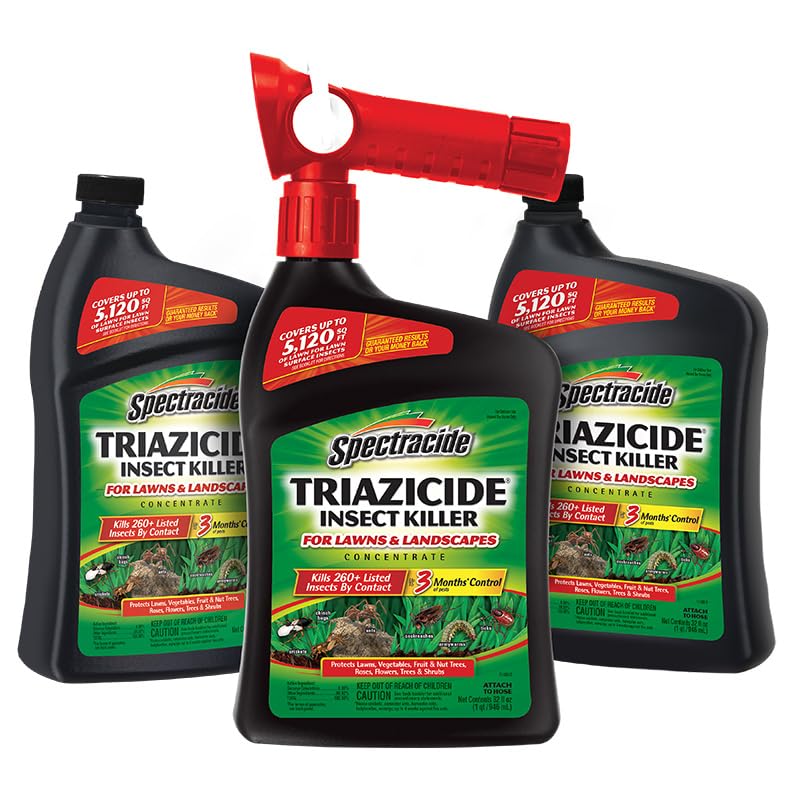
| Spectracide TriazicideBest Value | Quick-kill, hose attachment | 0.08% Gamma-Cyhalothrin | Ready-to-Spray Concentrate | 96 fl oz total (3-pack) | Amazon |
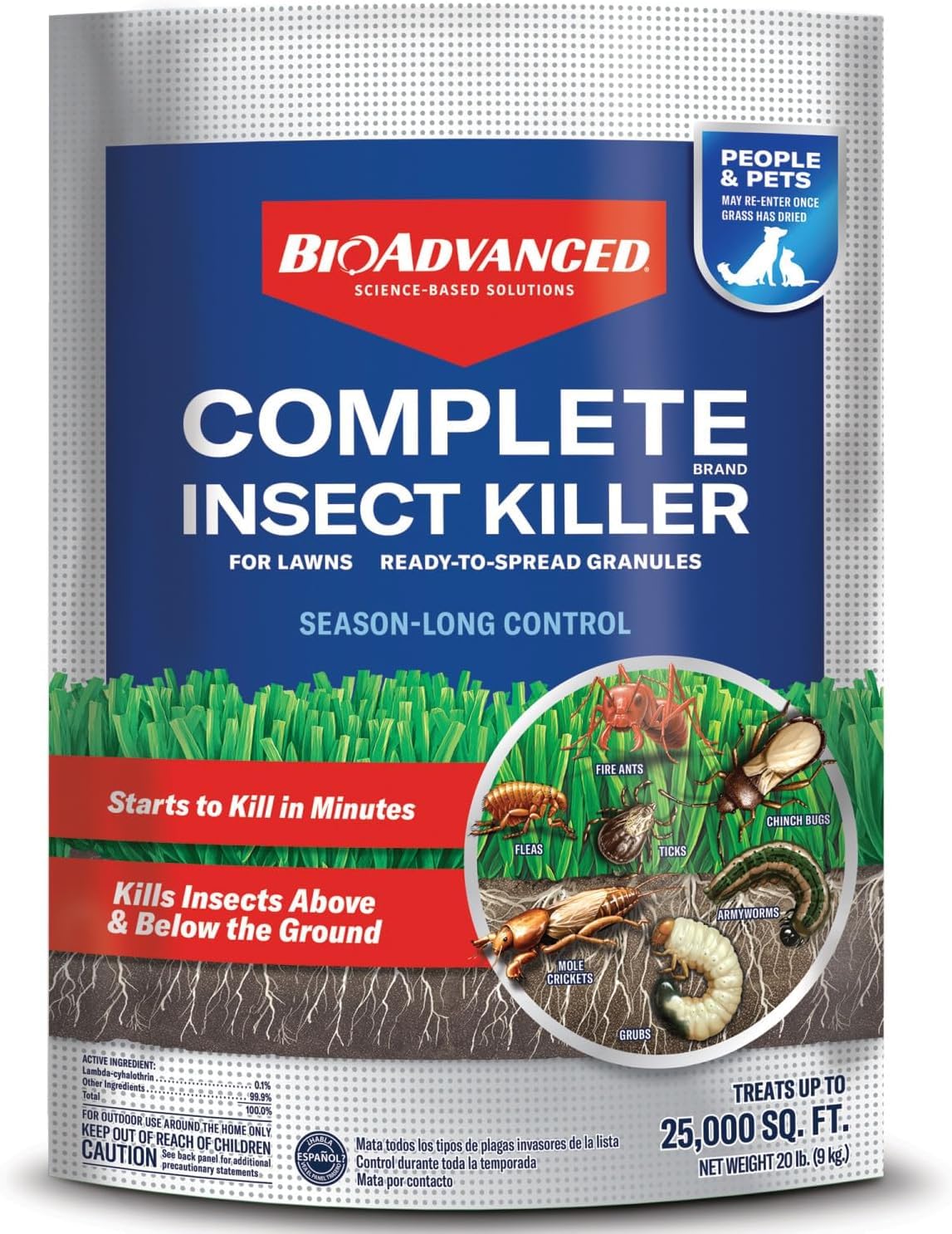
| BioAdvanced Complete GranulesTop Performer | Above & below ground pests | Fast-acting formula | Granules | 20 lb bag (25,000 sq ft) | Amazon |
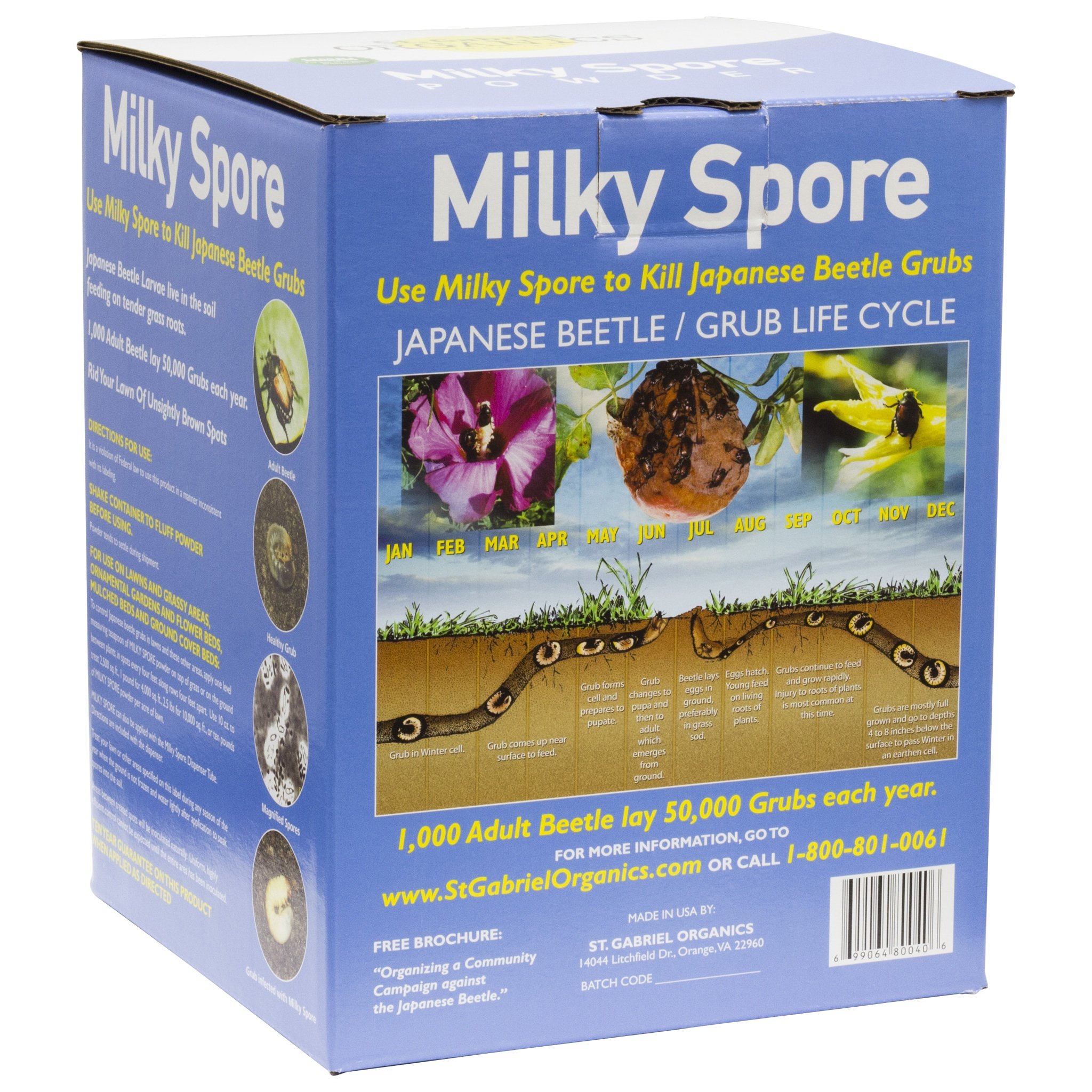
| Milky Spore 80010-9 | Organic, long-term grub control | Bacillus Popilliae | Powder | 10.1 oz | Amazon |
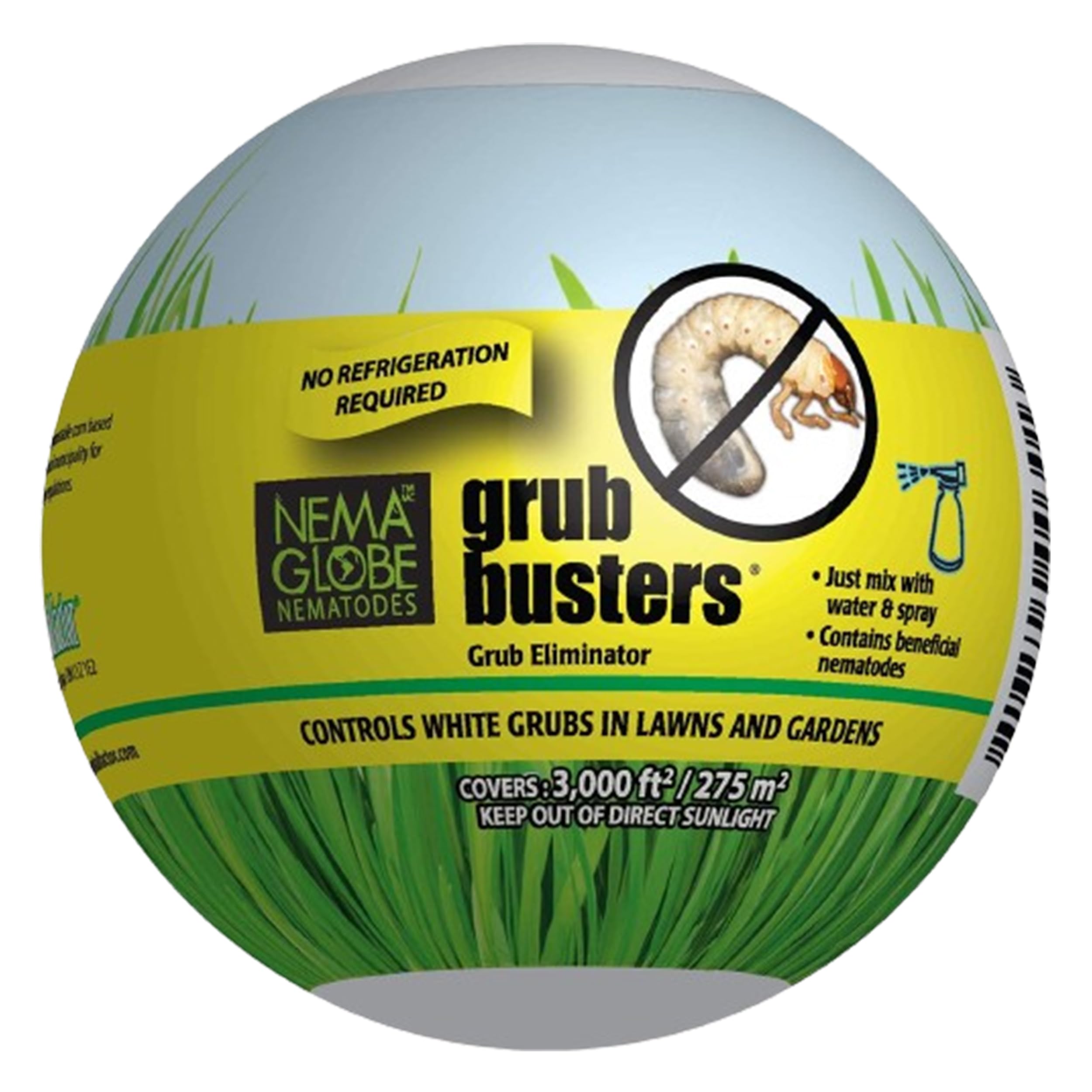
| Grub Busters Nematodes | Organic, pet-safe, spot treat | Beneficial Nematodes | Spray (hose-end) | Covers 3,000 sq ft | Amazon |
| St. Gabriel Granular Milky Spore | Easy spreading organic control | Bacillus Popilliae | Granules | 15 lb bag (5,250 sq ft) | Amazon |
| Jonathan Green Natural Grub | Safe for kids & pets | Plant Oils | Granules | 10 lb bag (5,000 sq ft) | Amazon |
| Bayer Merit 0.5 Granular | Pure Imidacloprid granules | 0.5% Imidacloprid | Granules | 30 lb bag | Amazon |
| St. Gabriel Milky Spore Powder | Largest organic coverage | Bacillus Popilliae | Powder | 40 oz (10,000 sq ft) | Amazon |
In-Depth Reviews
1. Quali-Pro Imidacloprid T&O 2F Insecticide
Our pick — over 4.5★ from 450+ verified ratings; the strongest balance of quality and price.
The high-concentration liquid that revives damaged turf and ornamentals
This is the professional-grade systemic that resets a grub-infested lawn. With 21.8% Imidacloprid, it delivers systemic control (the grass absorbs the chemical and poisons the grub from the inside) that targets southern masked chafer, northern masked chafer, Japanese beetle, European chafer, European crane fly, and green June beetle. A single 128 fluid ounce bottle covers serious ground, and the low use rates mean that jug lasts through multiple applications.
The review pages are full of people who watched dying plants bounce back, not just in lawns but on ornamentals too. One owner’s Crape Myrtle went from barely blooming to thriving after “a couple of soakings 3 weeks apart” — and the same bottle handled ants and slugs. The crowd consensus lands it near the top with a 4.7-star score across 400+ owners, and the thing buyers praise most is effectiveness.
It is a concentrate, so you must mix it carefully yourself, and it is not for edible plants. But for the price per ounce, nothing else here competes with the sheer value of this much active ingredient.
What wins people over
- Huge 128 oz bottle with low use rates stretches across big yards
- Kills a wide list of chafer and beetle grubs plus crane flies
- Buyers call it very easy to use and a strong value
Who should think twice
- Requires mixing and measuring on your own
- Owners say it is not for edible plants
Reach for this if: you want maximum control per dollar and don’t mind measuring a concentrate.
Look elsewhere if: you want a grab-and-go hose spray rather than mixing.
2. Spectracide Triazicide Insect Killer 32 Oz, 3 Pack
The hose-end spray that delivers fast knockdown and earns repeat purchases
When you need bugs gone overnight, this ready-to-spray concentrate attaches right to your garden hose with a QuickFlip sprayer and gets to work by contact. Its 0.08% Gamma-Cyhalothrin targets grubs, ants, fleas, deer ticks, and Japanese beetles, and it is non-staining to most home siding. Three 32 fluid ounce bottles give you 96 total ounces, and the whole 3-pack weighs just 7.2 pounds.
Buyers love that it eliminates the need for a pest control service, and the spray coverage is wide enough for a quick perimeter pass. The most-discussed caveat is weather: heavy rain resets the clock on that 3-month claim, so owners in wet climates like Hawaii plan on respraying. Even so, repeat purchases are common — one summary noted “3rd bottle purchased.”
Keep the expectation tight: this kills on contact, so it shines as a fast knockdown for a visible infestation rather than a season-long preventative.
Why buyers grab it
- Easy hose hookup with a wide spray pattern
- Kills 260+ listed insects on contact
- Multiple buyers report bugs gone by the next morning
The honest catch
- Heavy rain washes away the residual effect
- Owners note it is pricey per ounce
Grab it for: a fast, no-mix solution for visible bugs across lawn, vegetables, and flowers.
skip it if: you need one application to last the entire season without a respray.
3. BioAdvanced Complete Brand Insect Killer Granules
The 20-pound granule that eliminates mole crickets and ticks for up to a season
This is the do-everything granular option. The 20-pound bag treats up to 25,000 square feet, which puts it miles ahead of smaller packs and you see why big-lawn owners gravitate here. It kills listed insects on contact both above and below ground: ants, fleas, ticks, chinch bugs, mole crickets, and grubs.
Owners mention it handles heavy infestations, including a “deep forest campsite” loaded with ticks and a Florida lawn full of mole crickets. The granular form is easy with a broadcast or drop spreader, then you water it in. Users in warm climates like South Florida find it lasts about 3 months, which matches the season-long promise.
The size is double-edged: if your yard is small, 20 pounds of granules is a lot to store, and opinions on value split — some call it a waste while others consider it a deal for the coverage.
Why it stands out
- Huge 20 lb bag covers up to 25,000 sq ft
- Kills insects above and below ground on contact
- Safe for St. Augustine grass, customers note
Consider this
- Opinions on value for money are mixed
- Heavy rain can wash it away before it works
Choose it if: you have a big lawn and want one granule that handles grubs plus ticks, ants, and mole crickets.
Pass it by if: you want a smaller, cheaper option for a postage-stamp yard.
4. Milky Spore 80010-9 Japanese Beetle Killer
The biological powder that builds lasting control over multiple seasons
If you want grub control without synthetic chemicals, this is the classic. Milky Spore is a naturally occurring bacteria that infects and kills Japanese beetle grubs, and because it persists in the soil, reviewers point out it working for over six years. It is eco-friendly and harmless to earthworms and fireflies, which is a point buyers love.
The application is fussy: it’s a fine powder, and owners advise applying 1 teaspoon per 4 square feet and watering it in. It also stays inactive below 50°F soil temperature, so timing matters. And as buyers warn, the instructions are not printed on the package — you’ll want to look them up online before you start.
Patience is the real requirement here. An owner who used it through multiple applications put it plainly: “Expensive and requires multiple applications BUT it works,” adding they had no grubs or Japanese beetles that year. The powder is also small — the 10.1-ounce package surprises some people.
Why people trust it
- Lasts season after season once established
- Selective — doesn’t harm worms or fireflies
- Effective against Japanese beetle grubs
The trade-offs
- Package is small for the price
- No printed instructions included
- Needs soil above 50°F to activate
Best for: the organic gardener who wants a one-time biological investment rather than a yearly chemical spray.
Not for: anyone needing immediate grub knockdown this week.
5. Grub Busters Beneficial Nematodes
Microscopic worms that hunt grubs without a single harsh chemical
These are living organisms, not a poison. The Nema-globe beneficial nematodes target white grubs (May/June beetles, European chafer, Japanese beetles), billbugs, flea larvae, and black vine weevils — and they are safe for people, pets, and pollinators. One pack covers 3,000 square feet, and you apply it by mixing into a hose-end sprayer (which is not included).
Success here depends on conditions, not just the product. Shoppers say it works best when applied in the evening or on cloudy days, and the treated area must stay moist for 3 days (up to a week in dry weather). The most successful stories are dramatic: after one application, dogs found discolored, dying grubs within days, and the population dropped drastically.
But this is the most variable pick in the lineup. Effectiveness gets mixed feedback, with some owners seeing no impact after two weeks, and the sprayer is known to clog. Timing matters — use it in spring and fall when larvae are actively feeding, in soil between 50°F and 86°F.
The upside
- Targets grubs, billbugs, and weevils
- Easy hose-end mixing when done right
The risk
- Effectiveness is mixed — some report dead nematodes on arrival
- Sprayer can clog during application
Reach for it if: you want biological control that is safe around pets and pollinators and you can commit to the watering schedule.
Look elsewhere if: you want guaranteed, weatherproof results from a single application.
6. St. Gabriel Organics Milky Spore Granular Grub Control

The 15-pound granule that sets up a decade of grub defense
This is Milky Spore in an easier-to-spread granular form. The active ingredient is Bacillus Popilliae (the bacteria that sickens and kills Japanese beetle grubs), and this 15-pound bag covers 5,250 square feet. It is USDA-certified organic and safe around food crops, pets, and beneficial insects.
The payoff is long-term, not instant. The maker claims protection against Japanese beetle grubs for up to 15 years, and owners back that up — one used it for over 10 years with no grubs in the yard. The typical program is three annual applications over two years to build the spore population in the soil.
Buyers consistently report big reductions in grubs and even side benefits: no more mole problems and no more lawn brown spots. The main complaint is the price tag, and it works best when neighbors treat too, since adult beetles can fly in from nearby properties.
What makes it worth it
- USDA-certified organic and safe for animals
- Up to 15 years of grub protection
- Easy to spread granular form
The mindset needed
- Requires 2-3 years of annual applications to build up
- Premium price point
- Less effective if neighbors don’t also treat
Pick this if: you think in years, not weeks, and want an organic, permanent-feeling solution.
Pass if: you need grub damage stopped before next week.
7. Jonathan Green Natural Grub & Insect Control

The peppermint-scented granule that keeps ticks off and kids safe
This one stands apart for what it isn’t: a harsh chemical. It controls over 10 insects including grubs, ants, chinch bugs, ticks, and fleas using proprietary plant oils, and the maker states it won’t harm bees, ladybugs, butterflies, or earthworms. Kids and pets can re-enter the lawn right after treatment.
Buyers report it smells like peppermint and doesn’t bother the dog, and it has genuinely impressed owners with fast results — one saw ants eliminated on a sandy hill property within 5 minutes. The 10-pound bag covers up to 5,000 square feet and can be applied spring, summer, or fall.
The catch is longevity. Owners mention grub activity returns around 6 weeks, so you’ll need to reapply through the season, and heavy rain means another pass — which owners admit “can get expensive over the course of an entire Summer.” It’s also one of the newer, lower-review-count entries on this list, so there’s less long-term feedback to rely on.
Why it’s a standout
- Safe to apply wherever children and pets play
- Smells like peppermint, not chemicals
- Kills and repels over 10 insects
What to expect
- Needs monthly reapplication to stay effective
- Rain washes it away faster
- One owner found it ineffective on gophers
Best for: families with kids and pets who want a natural-feeling, fast-acting granule and don’t mind reapplying.
Not for: anyone who wants a single seasonal application.
8. Bayer Merit 0.5 Granular Systemic Insect Control

The 30-pound pure Imidacloprid granule for serious turf programs
This is the granular sibling of the Quali-Pro concentrate: same active ingredient (Imidacloprid at 0.5%), but in a ready-to-spread 30-pound bag. It is labeled for turfgrasses, trees, shrubs, evergreens, flowers, foliage plants, and ground covers, making it a versatile tool for a whole property, not just the lawn.
Buyers use it far beyond grubs — it protects against emerald ash borer, elm leaf beetle, pine borer, and spittle bugs, and one gardener sprinkles it around iris rhizomes to stop iris borers. The user experience is consistent: easy to spread, effective at eliminating grubs and the moles that eat them, and it stores well for a couple of years in a sealed container.
Two caveats. First, the price is the highest per-bag here. Second, and more important, timing is critical — owners stress that the wrong application timing or heavy rain right after will blunt results, and they blame user error, not the product, when it fails.
Why pros like it
- Large 30 lb bag handles turf plus trees and shrubs
- Customers note it eliminates grubs and the moles that eat them
- Long shelf life when stored properly
The reality check
- Expensive upfront cost
- Timing and watering are make-or-break for results
Reach for this if: you have a large property with turf plus ornamentals and want one systemic granule for everything.
Look elsewhere if: your grub problem is small and a concentrate would go further for less money.
9. St. Gabriel Organics Milky Spore Powder Grub Control
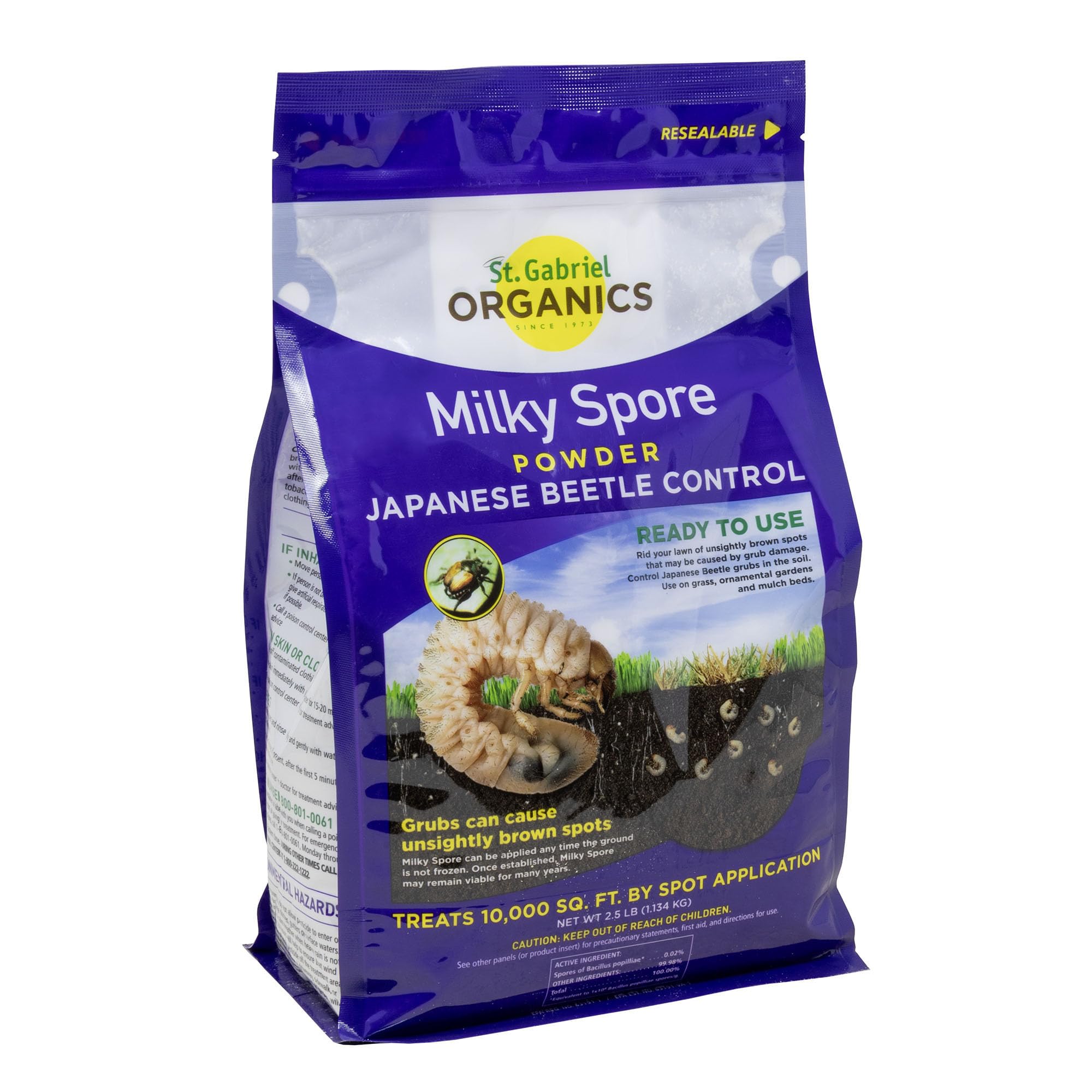
The 40-ounce powder that stretches 10,000 feet and 7 years
This is the largest-coverage organic option on the list. The 40-ounce bag covers up to 10,000 square feet, compared to the granular version’s 5,250 square feet, and the maker claims the Bacillus popilliae spores multiply in the soil for years of continuous protection. Owners put real-world numbers on it: one applied in April 2019 and reported it still working years later, while others say “5 to 7 years if you do it right.”
Beyond grub control, reviewers point out a delightful side effect: no grubs means no skunks, possums, or raccoons digging up the yard at night. It’s also OMRI organic and safe for pets, beneficial insects, fish, bees, birds, and plants.
The honest complaints are about cost and effort. The bag is small for the price, and effective application demands work — one owner describes slicing the soil 500-600 times per acre and powdering the holes, then stepping on them. It also needs soil temperatures above 60°F to work, so it’s not a cold-weather quick fix.
Why it’s worth the spend
- Covers up to 10,000 sq ft per 40 oz bag
- Lasts years — shoppers say 5 to 7+ years of protection
- OMRI organic and safe for pets and beneficial insects
What it demands
- High price for a relatively small bag
- Labor-intensive application for best results
- Needs warm soil (60°F+) to activate
Pick this if: you have a large yard, want organic control, and are willing to put in the application work for years of payoff.
pass on it if: you want a fast chemical knockdown or hate fussy application.
Understanding the Specs
Imidacloprid vs Gamma-Cyhalothrin
These are the two chemical workhorses in grub control, and they act differently. Imidacloprid is systemic — the grass takes it up and grubs die when they feed on the roots, which makes it a strong preventative. Gamma-Cyhalothrin (as in the Spectracide pick) is a contact killer, so it knocks down insects fast when sprayed but doesn’t build long-term protection in the plant.
Milky Spore and Bacillus Popilliae
Milky Spore is a biological option that uses a naturally occurring bacterium to infect Japanese beetle grubs. Unlike chemicals, it doesn’t kill on contact — the spores sit in the soil, get eaten by grubs, and build up over multiple seasons. That’s why buyers describe it as a multi-year program that eventually lasts for years.
Beneficial Nematodes
These are microscopic worms that actively hunt and infect soil-dwelling grubs. They’re completely safe for pets, people, and pollinators, but they’re living organisms — so they need moisture, the right soil temperature (ideally 50-86°F), and correct timing. If the package gets too hot or dry in transit, the nematodes can arrive dead, which is the big variable.
Coverage Math
Grub products are sold by weight or volume, but what matters is square footage. A 20-pound bag might cover 25,000 square feet while a 15-pound bag covers only 5,250 — the difference is concentration. Always match the listed coverage to your actual lawn size, or you’ll run out mid-yard.
FAQ
When is the best time to apply a grub treatment?
What is the difference between Imidacloprid and Milky Spore?
Will a grub treatment get rid of moles and skunks?
How long does Milky Spore last in the soil?
Do I need to water the lawn after applying granules?
Are these products safe for pets and children?
Why are grub treatments mixed on effectiveness?
Can I use the same treatment on my flower beds and garden?
How do I know if I even have grubs?
Is a liquid or granular grub treatment better?
Final Thoughts: The Verdict
For the majority of shoppers, the treatment for grubs in lawn winner is the Quali-Pro Imidacloprid because it delivers the most active ingredient per dollar and covers the widest range of grub species in one jug. If you want a grab-and-go hose spray that kills on contact, grab the Spectracide Triazicide. And for a long-term, organic approach that builds protection for years, the St. Gabriel Granular Milky Spore is the one to reach for.
How We Picked
We do not accept paid placement. Every pick is matched to a real buyer and a real use-case; we do not hands-on test units.
Sources & Methodology
Specifications: manufacturer listings and product documentation. Review insights: verified customer reviews, as of August 2026. Pricing: not shown on this page (it changes often); check the current price via the retailer link.
As an Amazon Associate, Lawn Gear Lab earns from qualifying purchases. This does not affect which products we feature.