
Specs are compiled from manufacturer listings and verified buyer reviews and can change over time — please confirm the key details on the product page before buying.
Potatoes grow entirely underground. Soil that is too dense makes them rot. Soil that is too sandy lets them dry out. Soil that lacks nutrients gives you tiny potatoes. The right mix sits in the middle: loose enough for tubers to swell (the underground stems that become the potatoes you eat), moist enough to keep the plant happy, and rich enough to feed a heavy feeder all season. This guide looks at six bagged options that fit that description, from budget-friendly blends to premium organic mixes.
I’m Rikta — the founder and writer behind Lawn Gear Lab. This guide is built by comparing the manufacturers’ published specifications and the patterns across verified customer reviews, so you get each pick’s real strengths and trade-offs instead of marketing spin.
In a raised bed, a grow bag (a large fabric pot designed for planting), or a traditional trench, the right bagged soil makes the difference between a hill of marble-sized tubers and a full harvest of baking potatoes. This guide breaks down the best soil for potatoes by the numbers that actually matter for a successful crop.
Quick Picks
- Coast of Maine Organic & Natural Planting Soil for Vegetables & Tomatoes — Best Overall
- Coast of Maine Organic & Natural Bar Harbor Blend Potting Soil — Best Value
- FoxFarm BushDoctor Coco Loco Soil Potting Mix — Top Performer
- Miracle-Gro Moisture Control Potting Mix (2-Pack) — Budget Champion
- Roots Organics Rod Hydroponic Gardening Ready-to-Grow Coco Fiber-Based Potting Soil — Premium Pick
- Vermont Compost Company Fort Vee Organic Potting Mix — Compost-Rich Option
How To Choose The Best Soil For Potatoes
Potatoes demand a soil that is loose, slightly acidic (pH around 5.0 to 6.0), and consistently moist but never soggy. Bagged potting mixes are usually a better bet than bagged garden soil because they are lighter and drain better. Here are the three things to check on the label before you buy.
Texture and drainage
The ideal potato soil feels crumbly and light, not sticky or compacted. Look for ingredients like perlite (tiny white volcanic glass bits that create air pockets), coconut coir (fibrous material from coconut husks), or washed sand. These create air pockets that let tubers expand. A 12-quart bag is roughly enough to mound two to three seed potatoes (the small potatoes you plant) in a 10-gallon grow bag.
Organic matter and feeding
Potatoes are heavy feeders (plants that need more nutrients than average). They need a steady supply of nitrogen (leaf growth), phosphorus (root development), and potassium (overall health). Blends with composted manure, worm castings (earthworm waste), kelp meal (ground seaweed), or bat guano (bat droppings) provide slow-release nutrition (nutrients that release gradually over weeks). Avoid mixes with added synthetic time-release fertilizer (man-made nutrients that release over time) unless you are planting in a container that you can flush periodically.
Weight and volume
A 20-quart bag can weigh anywhere from 14 to 21 pounds depending on how much sand or peat (partially decayed plant matter) it contains. Heavier soil holds more moisture but is harder to mound. Lighter soil is easier to work but may need more frequent watering. Match the weight to your planting setup — raised beds handle heavier mixes better than fabric pots.
Quick Comparison
| Model | Best For | Volume | Weight | Key Ingredient | Amazon |
|---|---|---|---|---|---|
| Coast of Maine Planting Soil for Veg & Tomato | Heavy feeders needing drainage | 20 Quarts | 21 Pounds | Composted manure, cedar | Amazon |
| Coast of Maine Bar Harbor Blend | Organic container mounding | 16 Quarts | 14 Pounds | Lobster & crab shell meal | Amazon |
| FoxFarm BushDoctor Coco Loco | Frequent-watering gardeners | 12 Quarts | — | 50-60% coconut coir | Amazon |
| Miracle-Gro Moisture Control | Potted container plants | 32 Quarts (2×16) | — | Sphagnum peat moss, coir | Amazon |
| Roots Organics Coco Fiber | Season-long nutrient needs | 10 Gallons | — | Bat guano, worm castings | Amazon |
| Vermont Compost Fort Vee | Seed starting & heavy feeders | 20 Quarts | — | Composted manure, blood meal | Amazon |
In‑Depth Reviews
1. Coast of Maine Organic & Natural Planting Soil for Vegetables & Tomatoes
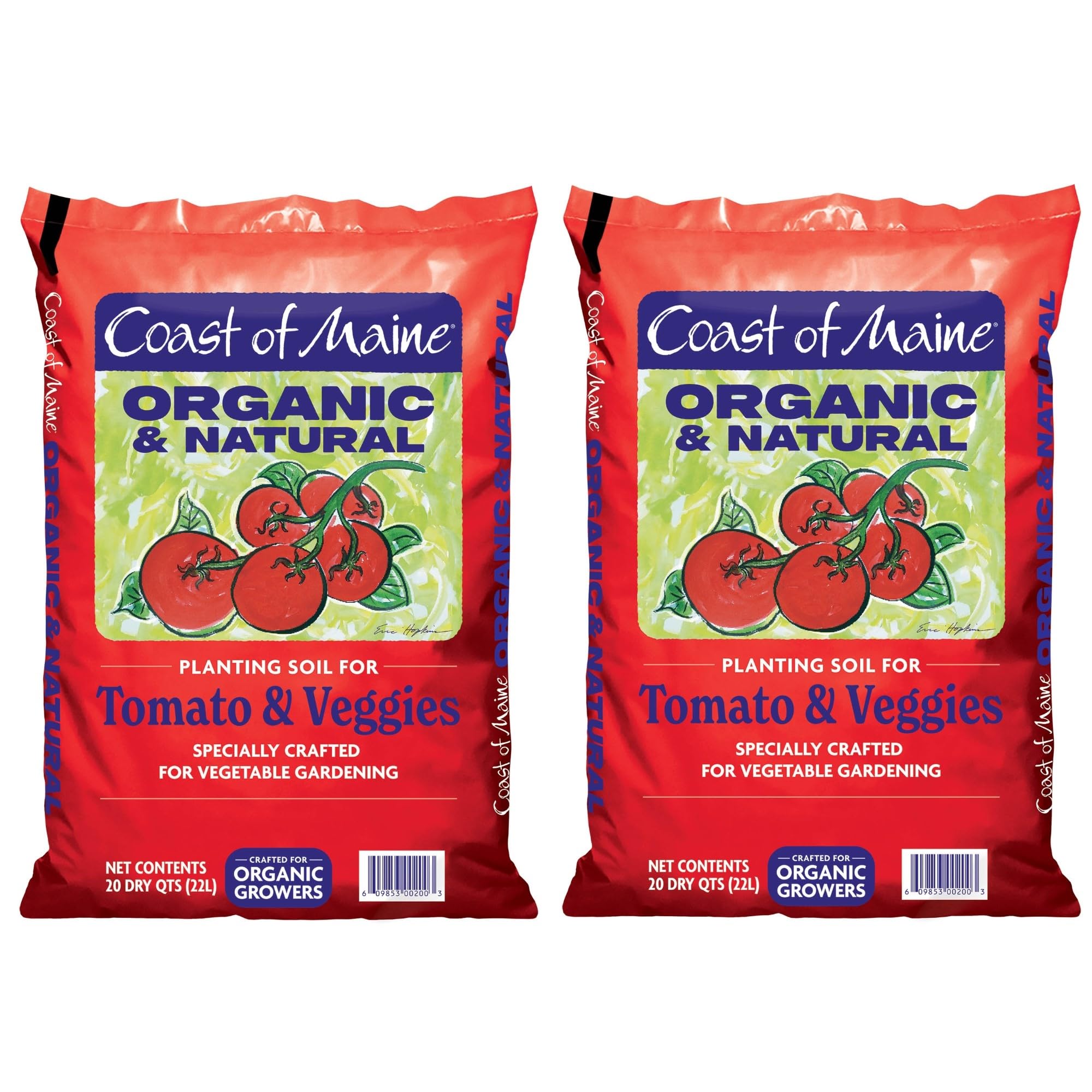
This 21-pound mix holds onto moisture better than the Bar Harbor Blend, so you can skip a watering day without stressing your potatoes.
This organic compost blend gives you a lightweight texture that balances moisture retention and drainage. At 20 Quarts and 21 Pounds, it is 50% heavier than the Coast of Maine Bar Harbor Blend (14 Pounds for 16 Quarts). That extra weight means it packs more water-holding capacity per scoop — useful if you tend to forget watering for a day or two. The bag includes cedar, which buyers report helps deter insects.
Owners mention it is “lightweight” despite the heft, and they saw “visible plant growth within days.” The main trade-off is the weight — one buyer called it “heavy,” and the bag may contain occasional twigs or undecomposed material.
For potatoes, that small debris is less of a worry than it would be for fine-rooted carrots. The mix also supports heirloom tomatoes that need sharp drainage, so it handles the consistent moisture that potatoes demand without turning into a bog.
What works
- Excellent moisture retention and drainage
- High nutrients — plants responded within days
- Cedar content may help repel insects
- Lightweight feel for a 21-pound bag
What to watch
- Bag is noticeably heavy to carry
- May contain small twigs that need sifting for fine planting
Reach for this if: you want an organic, nutrient-dense mix that holds moisture well and feeds potatoes all season without extra fertilizer, and you don’t mind a heavy bag.
Look elsewhere if: you need a lighter mix for frequent mounding in fabric pots, or you want a finer texture free of any debris.
2. Coast of Maine Organic & Natural Bar Harbor Blend Potting Soil
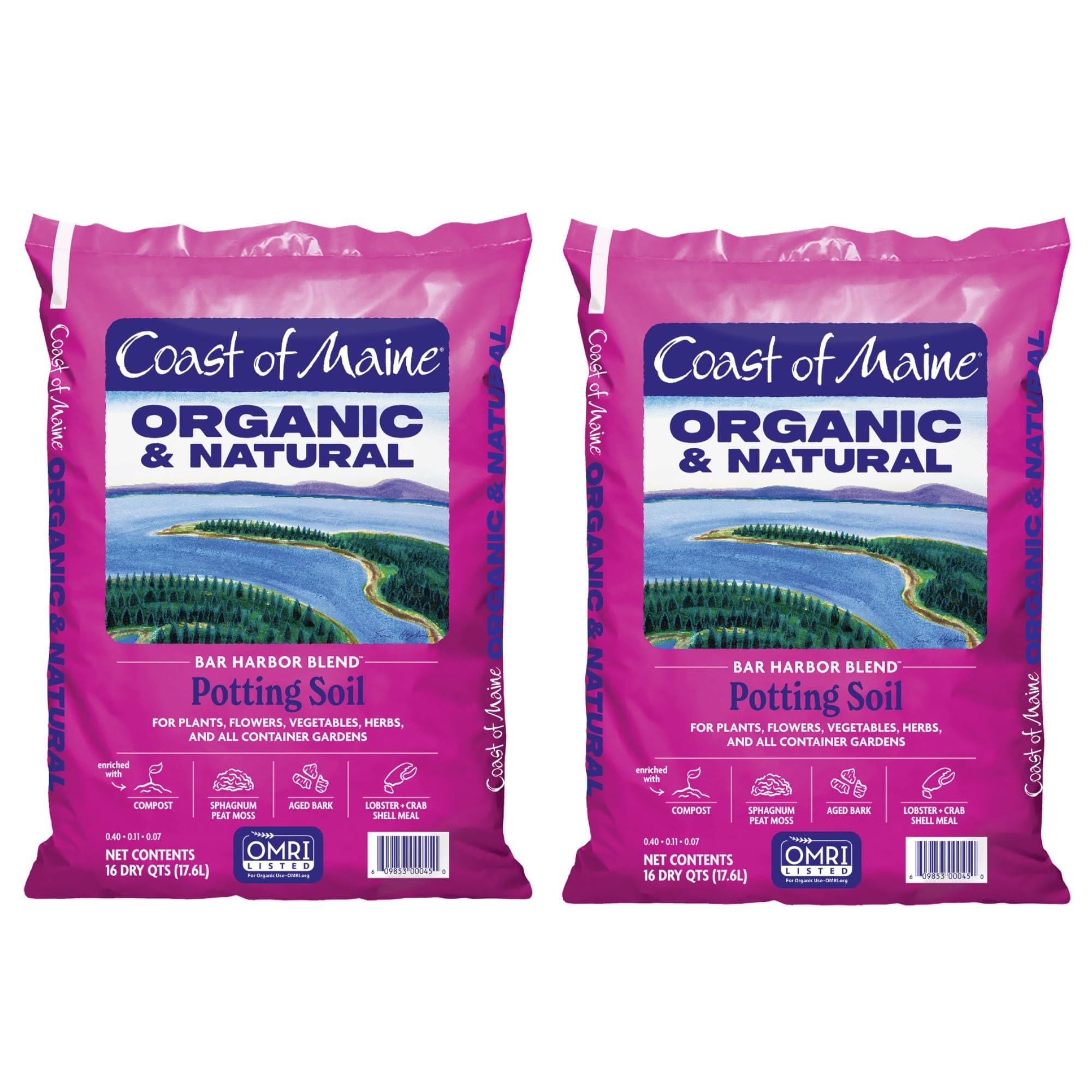
You get an easier-to-carry bag that still packs enough organic power for a small container potato patch.
If you are planting in containers or raised beds, this 14-pound, 16-Quart mix is the balance between weight and volume. It is 7 pounds lighter than the vegetable-specific Coast of Maine mix, making it easier to haul and pour, yet it still holds enough organic oomph for potatoes. The formula uses lobster and crab shell meal and kelp meal — ingredients that slowly release nutrients as the season goes on.
One reviewer noted that “two bags were enough to mound up 8 potato plants, and have extra for 2 more planters.” That is a practical data point for anyone trying to figure out how many bags to order. The same reviewer said “everything is growing more than I even expected.” Other buyers praised the “nutrient-rich” blend, pointing out it includes perlite for aeration and a good mix of compost and peat moss.
Unlike some bagged soils that sprout mystery weeds, customers note “no unexpected weeds.” The lower weight means you can mound more easily around growing stems without compacting the soil.
Smart mounding pick: Lighter than the vegetable-specific Coast of Maine mix, less heavy to carry, and each bag covers about four potato plants in a container. Great organic ingredients for the price, though the 16-Quart size means you will need multiple bags for a full row.
Grab this for: container potato growing where you need to mound soil up around stems — the lighter weight makes it easier to work and water.
skip it if: you are planting a large in-ground patch and need maximum water retention from a heavier mix.
3. FoxFarm BushDoctor Coco Loco Soil Potting Mix
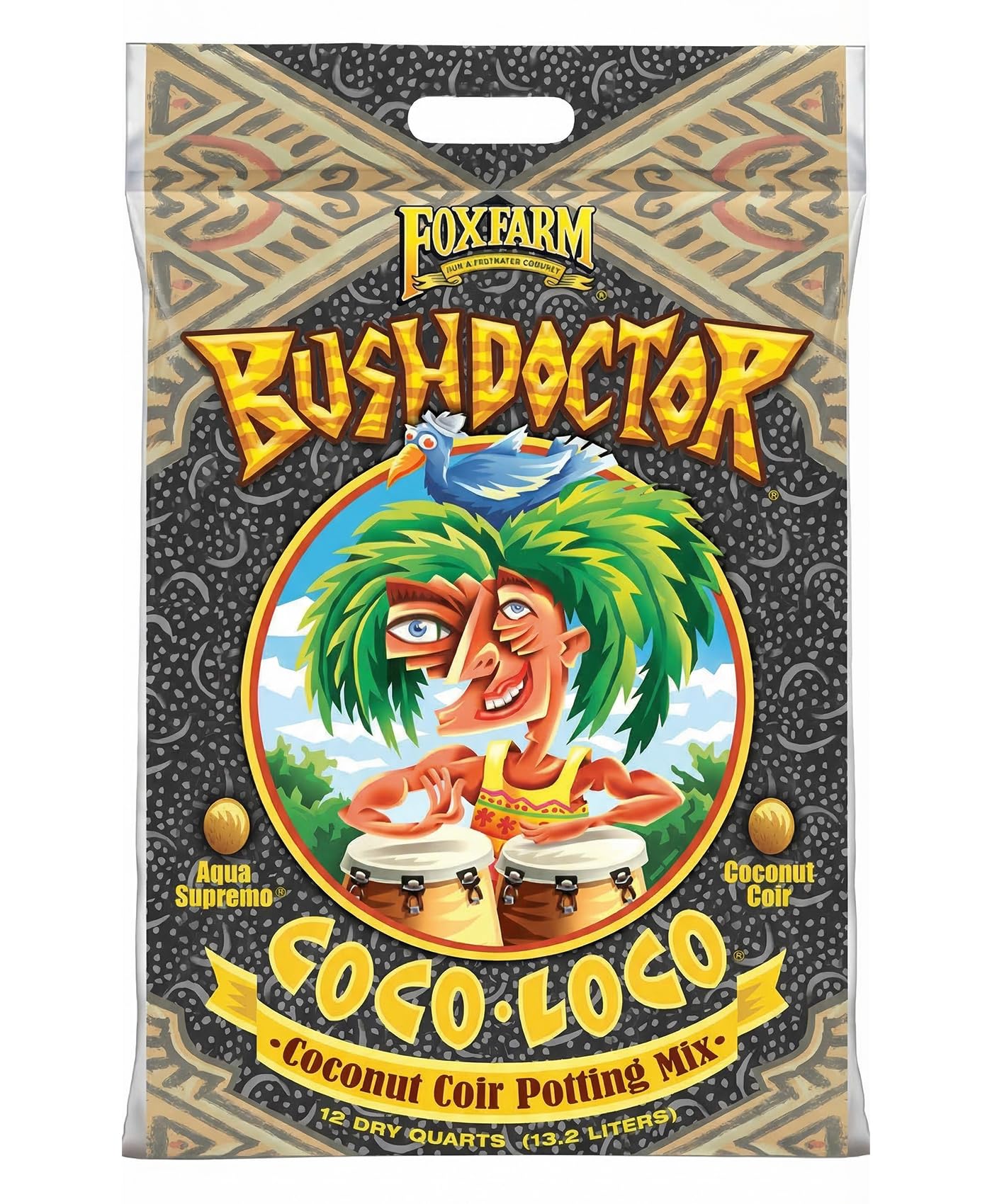
You water frequently, so this mix’s fast-draining coco coir base keeps roots moist without drowning tubers.
This mix is 50-60% coconut coir, triple-washed (rinsed multiple times) to reduce salt content — a smart move for potatoes, which are sensitive to salt buildup. Coco coir holds water at the root zone but drains quickly, so you can water frequently without drowning the tubers. The manufacturer says plants typically need watering every two to three days in most climates, which is about right for potato grow bags in warm weather.
At 12 Quarts, this is the smallest bag on this list — it holds 67% less volume than the 20-Quart Coast of Maine vegetable mix. That matters if you are mounding: you will need about two bags for a 10-gallon grow bag. The upside is that the triple-washed coir and added bat guano and earthworm castings create a very clean, consistent medium with no debris or weed seeds.
Buyers who switched from other brands appreciated the reduced salt and the fact that coco coir does not compact over time like peat-based mixes can.
For the precision grower: Excellent drainage and a clean, salt-free base make this a strong choice if you want to control your own fertilizer schedule. The 12-Quart size means you will buy multiple bags, but the consistent quality justifies it.
Best for: gardeners who want a coir-based, triple-washed, low-salt medium and are comfortable watering every few days.
Not ideal if: you want a larger bag that minimizes the number of bags you need to buy, or you prefer a heavier mix that holds moisture longer.
4. Miracle-Gro Moisture Control Potting Mix (2-Pack)

This mix absorbs up to 33% more water than basic potting soil, so you get a grace period if you miss a watering day.
This mix is designed to absorb up to 33% more water than basic potting soil that does not contain sphagnum peat moss (a type of moss that holds water), coir, and a wetting agent (a chemical that helps the soil absorb water). For potatoes, that moisture buffer is a real advantage. The manufacturer claims it feeds plants for up to 6 months, which would cover the entire potato growing cycle without extra fertilizer.
Reviewers point out a “light texture” and “decent moisture retention,” though one noted occasional 1-inch wood chips in the mix. Those chips are minor for potatoes but a sign that the blend is not as refined as premium organic options. The 2-pack gives you 32 Quarts total, enough to fill a couple of large containers or a small raised bed.
Unlike the organic mixes from Coast of Maine, this is a synthetic-fertilizer product, not OMRI-listed (Organic Materials Review Institute — a certification for organic inputs). If you are growing strictly organic potatoes, this is not the bag for you. But for a budget-friendly container potato crop, the moisture control feature is the real draw.
Why it works
- Absorbs 33% more water than basic soil — forgiving for inconsistent watering
- Feeds up to 6 months — no extra fertilizer needed
- 32 Quarts total at a budget-friendly price
The downsides
- Occasional 1-inch wood chips in the mix
- Synthetic fertilizer, not suitable for organic growing
Grab this if: you want a big volume of soil at a low cost and the moisture-control feature matches your watering habits.
pass on it if: you need an organic, compost-based soil with no synthetic fertilizers or if you dislike finding small wood chips in your mix.
5. Roots Organics Rod Hydroponic Gardening Ready-to-Grow Coco Fiber-Based Potting Soil

One 10-gallon bag covers a full row of potatoes and feeds them for weeks — fewer bags to buy than the FoxFarm Coco Loco.
This is the biggest bag on the list at 10 Gallons (roughly 40 Quarts) — enough to mound a full row of potatoes or fill several large containers. The coco-fiber base is repeatedly washed for low salt content, and the ingredients list reads like an organic all-star team: bat guano, premium earthworm castings, fish bone meal, feather meal, green sand (a mineral that adds potassium), mycorrhizae (beneficial fungi that help roots absorb nutrients), glacial rock dust (finely ground rocks that add trace minerals), soybean meal, and humic acid (a compound that improves soil structure and nutrient uptake).
One buyer who switched from FoxFarm Ocean Forest said Roots Organics is “better than Ocean Forest” and noted that plants “perked up immediately” after transplant. Another reviewer mentioned the soil “drains water quickly,” which is crucial for potatoes, though it means you need to water more often in hot weather. The same buyer noted the bag was “larger quantity than anticipated” and worth the price.
The catch? Some recent batches have had rocks mixed in, which one long-time user said was “more than I have seen before.” That is a quality-control note to watch, though most buyers were very satisfied with the consistency and the nutrition that carries plants for 5-plus weeks.
Standout features
- 10-gallon bag covers a lot of ground — fewer bags to buy
- Loaded with organic amendments for season-long feeding
- Drains quickly, good for potatoes in containers
- Shoppers say plants perk up fast after transplant
Potential issues
- Recent batches have included rocks in the mix
- Drains fast — requires frequent watering
Pick this if: you want a large volume of organic, coco-based soil with a broad spectrum of slow-release nutrients, and you are fine watering more often.
it’s not for you if: you want a lighter bag that is easier to handle, or you are concerned about the occasional rocks reported in recent batches.
6. Vermont Compost Company Fort Vee Organic Potting Mix

This compost-rich blend holds its shape well for mounding — less collapsing than the loose coco-based mixes.
Fort Vee is a rich, compost-based potting mix blended from composted manure and plant materials, blonde sphagnum peat moss (a refined type of peat), crushed and screened granite and basalt (rock types that add minerals), blood meal (dried animal blood for nitrogen), kelp meal, steamed bone meal (crushed bones for phosphorus and calcium), mined gypsum (a mineral that improves soil structure), vermiculite (a mineral that absorbs water and aerates soil), and washed coconut coir. That is a dense list of ingredients, and it is designed specifically for “heavy feeders” — plants that need more nutrients than average. Potatoes fit that description perfectly.
The 20-Quart bag is formulated for soil blocks (compressed cubes of soil used for starting seeds), trays, and pots, and the manufacturer says it boosts nutrient, mineral, and antioxidant levels in crops. The vermiculite and coir help with aeration and moisture retention, while the compost base provides a steady supply of organic matter. Unlike the lighter coco-based mixes, this one holds its form well, which is helpful for mounding around potato stems without the soil collapsing.
The main thing to know is that this is a premium-priced, specialty mix. There are no customer reviews in the data to tell you how it performs in the real world, but the ingredient list is strong for organic container growing.
For the dedicated organic grower: The compost base and rock mineral content make this a solid choice if you want a biologically active soil that feeds heavily and holds its shape for mounding. The 20-Quart size is practical for several large containers.
Choose this for: organic potato growing where you want a compost-rich, nutrient-dense mix that supports heavy feeders from seed to harvest without synthetic fertilizers.
Pass on it if: you prefer a lighter, coir-based mix that drains faster, or you are looking for a more budget-friendly option for large in-ground plantings.
Understanding the Specs
Volume vs. Weight
The volume (how much space the soil fills) and the weight (how heavy the bag is) tell you two different things. A bag labeled 20 Quarts but weighing 21 Pounds is denser and holds more moisture than a 20-Quart bag that weighs 14 Pounds. For potatoes in containers, a medium-heavy mix (14-16 pounds per 16 quarts) is usually ideal — it stays moist long enough without becoming waterlogged. Lighter blends need more frequent watering; heavier blends are harder to mound and may compact around tubers.
Organic Amendments
The ingredients listed after the base material are the slow-release nutrient sources. Bat guano and earthworm castings provide nitrogen and microbes. Kelp meal and fish bone meal add potassium and phosphorus. Crab and lobster shell meal contribute chitin (a fibrous substance that some gardeners believe deters soil pests). Composted manure is a balanced all-purpose addition. The more diverse the amendment list, the longer the soil feeds without extra fertilizer. For a full potato season (roughly 70-120 days), a mix with at least three amendment sources is a good benchmark.
FAQ
Can I use regular garden soil for potatoes?
How many quarts of soil do I need per potato plant?
Is coco coir good for potatoes?
Should I add fertilizer to bagged potato soil?
What does “triple-washed” mean on a coco coir bag?
Can I reuse potato soil from last year?
Is organic soil worth the higher price for potatoes?
How do I prevent potato tubers from turning green?
Can I mix different bagged soils together?
What if the bagged soil has small rocks or twigs?
Final Thoughts: The Verdict
Across the board, the best soil for potatoes winner is the Coast of Maine Organic & Natural Planting Soil for Vegetables & Tomatoes because it delivers the moisture retention, nutrient density, and drainage that heavy-feeding root crops need, all in one 20-Quart bag that buyers confirm produces visible plant growth within days. If you want a lighter, easier-to-mound organic mix for containers, grab the Coast of Maine Bar Harbor Blend — two bags mounded eight potato plants with soil left over. And for the biggest volume of coco-based organic soil in a single purchase, the Roots Organics Coco Fiber mix covers 10 gallons and carries plants nutritionally for 5-plus weeks without extra fertilizer.
How We Picked
We do not accept paid placement. Every pick is matched to a real buyer and a real use-case; we do not hands-on test units.
Sources & Methodology
Specifications: manufacturer listings and product documentation. Review insights: verified customer reviews, as of July 2026. Pricing: not shown on this page (it changes often); check the current price via the retailer link.
As an Amazon Associate, Lawn Gear Lab earns from qualifying purchases. This does not affect which products we feature.