
A lime tree suffers in silence when the wrong soil suffocates its roots. The difference between a sparse, yellowing plant and a vigorous, fruit-laden tree often comes down to one thing: the growing medium. Most bagged soils are too dense, hold too much moisture, or have the wrong pH, leading to root rot, nutrient lockout, and disappointing harvests. Selecting a specialized mix tailored for citrus’s unique needs is the single most impactful decision you can make for your tree’s long-term health.
I’m Rikta — the co-founder and writer behind Lawn Gear Lab. I’ve spent countless hours comparing NPK ratios, drainage profiles, and pH ranges across dozens of citrus soil products, cross-referencing hundreds of verified owner reviews to isolate the formulations that genuinely support lime trees through every growth stage.
Whether you’re potting a dwarf Key lime or transplanting a standard bearer into a larger container, this guide identifies the specific mixes that deliver the aeration, acidity, and nutrient foundation your tree demands. This is the definitive breakdown of the best soil for lime trees available today, ranked by real-world performance and formulation integrity.
How To Choose The Best Soil For Lime Trees
Selecting the right mix for your lime tree isn’t complicated, but it does require understanding a few non-negotiable properties. Most failures happen when a gardener grabs a generic potting soil that holds too much water or has a near-neutral pH. Focus on these four criteria to narrow your choices quickly.
Prioritize pH — The Acidic Sweet Spot
Lime trees, like all citrus, thrive in slightly acidic soil with a pH between 5.5 and 6.5. This range unlocks essential micronutrients like iron, manganese, and zinc. A soil that sits above pH 7.0 will cause nutrient deficiencies even if the fertilizer is perfectly balanced. Always check the bag for the target pH range or be prepared to amend with sulfur or peat moss.
Drainage and Aeration — The Root Rot Barrier
Lime roots need oxygen, and they need water to drain away from the crown quickly. A good mix should feel chunky, not like fine mud. Look for ingredients like perlite, coarse sand, vermiculite, or coconut coir. These materials create air pockets and prevent the soggy conditions that cause root rot — the single biggest killer of potted citrus trees.
Nutrient Profile — Balanced Feeding vs. Starter Charge
Some products are complete soils that include a slow-release fertilizer charge, while others are inert base mixes that require you to add your own feeding schedule. A balanced NPK ratio like 6-4-6 or 5-2-6 is ideal for established trees. If you choose a mix without fertilizer, you’ll need a separate citrus-specific feed two to three times during the growing season.
Organic vs. Synthetic Ingredients
Organic soil blends use natural compost, worm castings, and bone meal to build soil health over time. They typically feed more gently and improve microbial activity. Synthetic mixes often provide faster nutrient release but may lack the long-term structural benefits of organic components. For container-grown lime trees, an organic or natural base is usually the safer, more forgiving choice.
Quick Comparison
On smaller screens, swipe sideways to see the full table.
| Model | Category | Best For | Key Spec | Amazon |
|---|---|---|---|---|
| GARDENWISE Citrus Fertilizer | Granules | Fertilizer boost | 6-4-6 NPK + Micronutrients | Amazon |
| Espoma Citrus-tone | Organic | Natural feeding | 5-2-6 NPK + Calcium, Bio-tone | Amazon |
| DUSPRO Citrus Potting Mix | Ready Mix | Container replanting | 6 Quarts, screened natural ingredients | Amazon |
| Coast of Maine Acid-Loving Soil | Organic Compost | Ground beds & planters | 20 Quarts, low pH organic compost | Amazon |
| GARDENWISE Organic Lemon Soil | Premium Mix | Potted trees (long-term) | pH 5.5-6.5, 6-month fertilizer | Amazon |
| Soil Sunrise Citrus Mix | Hand-Blended | Indoor/outdoor containers | 8 Quarts, peat moss + worm castings | Amazon |
| Miracle-Gro Cactus, Palm & Citrus | Budget Pack | Quick low-cost repotting | 8 qt x 3, fast-draining formula | Amazon |
In‑Depth Reviews
1. GARDENWISE Professional Citrus Fertilizer + Vital Micronutrients
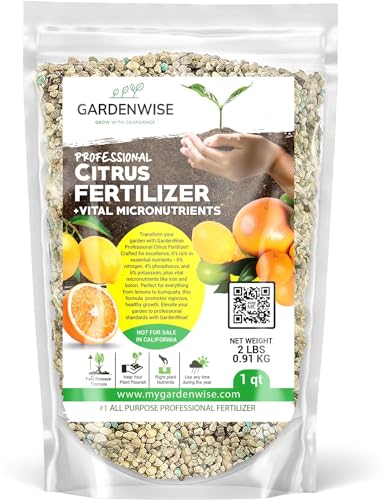
This granular fertilizer from GARDENWISE delivers a balanced 6-4-6 NPK ratio specifically calibrated for citrus trees at every growth stage. The nitrogen supports leafy growth and a lush canopy, while the potassium works to enhance fruit size and flavor. The inclusion of magnesium, zinc, copper, iron, and boron goes beyond basic NPK to address microdeficiencies that often cause leaf yellowing and poor fruit set in lime trees. Each granule is coated for slow release, providing continuous nourishment for up to two months per application.
Gardeners report visible results within two to three weeks, with one owner noting their Meyer lemon tree hit full bloom in just seven days after the first feeding. Another long-term user with a four-year-old potted Cara Cara orange reported consistent flower and fruit production when using this product on a six- to eight-week schedule alongside weekly fish emulsion. The formula works equally well for indoor and outdoor citrus, making it a versatile option for both hobbyists and serious growers.
What separates this from simple soil amendments is its all-in-one design — you do not need to mix or blend several products. Just sprinkle the granules around the drip line and water in. The 1-quart size covers several applications for a single mature tree, and the resealable bag keeps granules dry between uses. For anyone who wants a direct, proven nutrient boost without guesswork, this is the starting point.
What works
- Balanced slow-release NPK with full micronutrient profile
- Visible bloom and leaf improvement within two weeks
- Simple sprinkle-and-water application
What doesn’t
- Not a standalone soil — must be used with a base growing medium
2. GARDENWISE Organic Lemon Tree Soil – Citrus Potting Mix
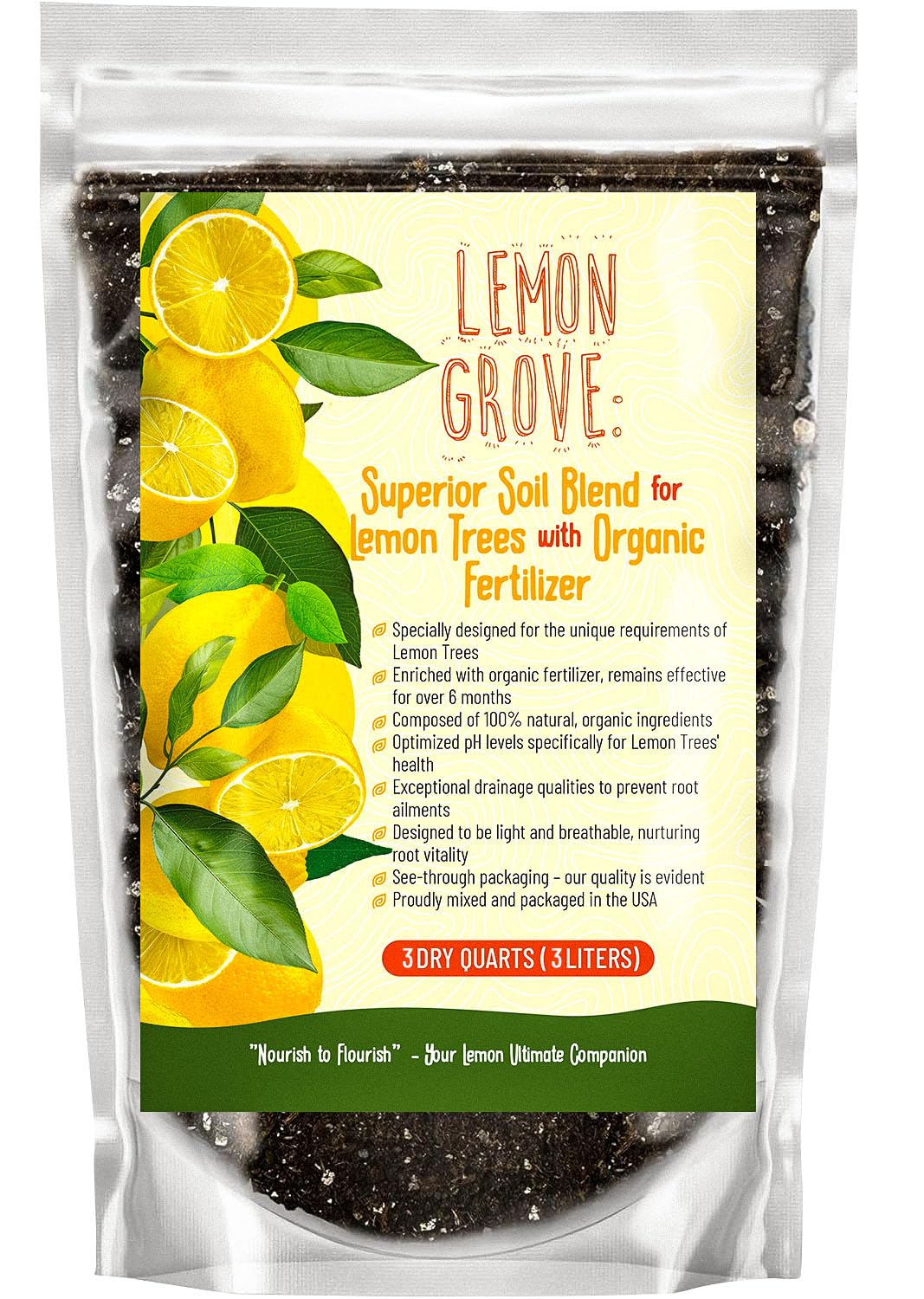
This ready-to-use mix is built from the ground up for potted citrus, combining perlite, coarse sand, coconut coir, vermiculite, garden compost, organic acidic compost, peat moss, dolomite, and a slow-release organic fertilizer. The result is a lightweight, chunky texture that drains rapidly while retaining enough moisture to prevent drought stress. The pH is dialed into the 5.5 to 6.5 sweet spot, eliminating the need for acidifying amendments right out of the bag.
The included organic fertilizer provides sustained feeding for up to six months, which dramatically reduces the maintenance schedule. Owners of Meyer dwarf lemon trees report new sprout growth appearing within two weeks after repotting, and multiple buyers note that their trees produced abundant blooms shortly after transplanting. The mix also includes iron, magnesium, and manganese to support deep green foliage and strong root architecture — all without synthetic chemicals.
At 3 quarts, the bag is best suited for a single repotting of a medium-sized container tree. If you are working with multiple pots or a larger planter, you will need two or three bags. The premium formulation justifies the higher per-quart cost through the extended feeding window and optimized drainage, making it a low-labor solution for anyone serious about their container-grown citrus.
What works
- Pre-blended with organic fertilizer for six months of feeding
- Optimal pH and drainage for root health
- Rich in essential micronutrients
What doesn’t
- Small bag size limits use to one or two containers
3. Espoma Organic Citrus-tone 5-2-6 Natural & Organic Fertilizer

Espoma has been a fixture in organic gardening since 1929, and its Citrus-tone formula reflects that legacy. The 5-2-6 NPK ratio is slightly lower in nitrogen than some synthetic alternatives, but it compensates with a rich blend of natural ingredients and Espoma’s proprietary Bio-tone microbes. These beneficial bacteria colonize the root zone and help break down organic matter into plant-available nutrients, improving soil structure over time. The mix also contains 5% calcium, which is critical for cell wall strength and fruit firmness in limes.
Growers consistently highlight the product’s effectiveness on a wide range of fruit trees, not just citrus. One owner reported excellent results using it on strawberries and raspberries in addition to their orange trees. The powder form is odoriferous — a natural byproduct of the organic ingredients — and several buyers warn that dogs find the smell irresistible. The manufacturer recommends applying late winter before bloom, again after bloom in spring, and once more in fall. No mixing is required; just work it into the soil around the drip line and water well.
The 4-pound bag provides plenty of applications for a small orchard or several container trees. Because it is OMRI-listed, it meets organic certification standards. The main tradeoff is the smell, which means it should be stored in a sealed container outdoors or in a garage. For organic growers who value microbial soil health and long-season feeding, this is a time-tested choice.
What works
- OMRI-listed organic ingredients with Bio-tone microbes
- 5% calcium supports strong fruit development
- Effective on multiple fruit and nut tree varieties
What doesn’t
- Strong natural odor lingers for a week after application
- Requires three annual applications for best results
4. Soil Sunrise Citrus Tree Potting Soil Mix (8 Quarts)

Soil Sunrise offers an 8-quart bag of hand-blended potting mix specifically formulated for potted citrus trees. The recipe combines peat moss, horticultural perlite, coarse sand, worm castings, and lime to create a well-aerated medium that retains nutrients without getting waterlogged. Worm castings provide a gentle, natural source of nitrogen and beneficial microbes, making this mix suitable for organic gardeners who prefer not to add synthetic fertilizers at planting time.
Users report that lime trees repotted in this mix respond quickly with new leaf growth and improved color. One long-time buyer noted that their guava tree appeared happier after being moved into this blend. The mix is designed for both indoor and outdoor containers, and it works well as a complete soil right out of the bag. The 8-quart volume is substantial enough to fill a larger container or multiple smaller pots, and the resealable box helps keep unused portions fresh.
Packaging is the primary friction point — the mix arrives in a box with a large plastic bag inside, and some owners wish it came in a resealable bag for easier storage. The price per quart is competitive with other citrus-specific blends, though a few gardeners consider it slightly premium compared to generic potting mixes. If you want a natural, ready-to-use soil with strong drainage and a gentle nutrient base, this is a strong all-around pick.
What works
- Generous 8-quart volume for multiple containers
- Includes worm castings for natural feeding
- Good drainage and aeration for root health
What doesn’t
- Box-and-bag packaging can be messy to store
- Lacks a long-term slow-release fertilizer charge
5. Coast of Maine Organic & Natural Planting Soil for Acid Loving Plants

Coast of Maine specializes in regionally sourced, sustainable composts, and this acid-loving blend lives up to that reputation. The primary ingredients are composted manure, sphagnum peat moss, and aged bark, creating a dark, crumbly soil that naturally holds a lower pH. The low acidity, combined with excellent drainage from perlite and organic matter, makes it a solid foundation for lime trees — especially when grown in ground beds or outdoor planters where the native soil is alkaline.
Owners of blueberry and strawberry plants have praised this mix for its ability to support berry production and maintain vibrant foliage. The 20-quart bag is the largest volume in this roundup, making it ideal for filling raised beds or amending multiple in-ground planting holes. The compost is clean, with no foul odor, and it integrates well with existing garden soil without creating a perched water table.
The one caveat is that this soil is not exclusively formulated for citrus. It lacks the specific perlite-to-coir ratio that some dedicated citrus mixes provide. Lime tree growers may want to blend in a little extra coarse sand or a citrus-specific fertilizer to dial in the nutrient profile. For gardeners who prioritize organic, Maine-sourced ingredients and need large volumes at a competitive price, this is a superb base that can be customized.
What works
- Large 20-quart bag covers ground beds and planters
- OMRI-listed natural compost with low pH
- No unpleasant animal manure smell
What doesn’t
- Not citrus-specific — may need drainage or fertilizer adjustments
6. DUSPRO Citrus Tree Potting Soil Mix (6 Quarts)
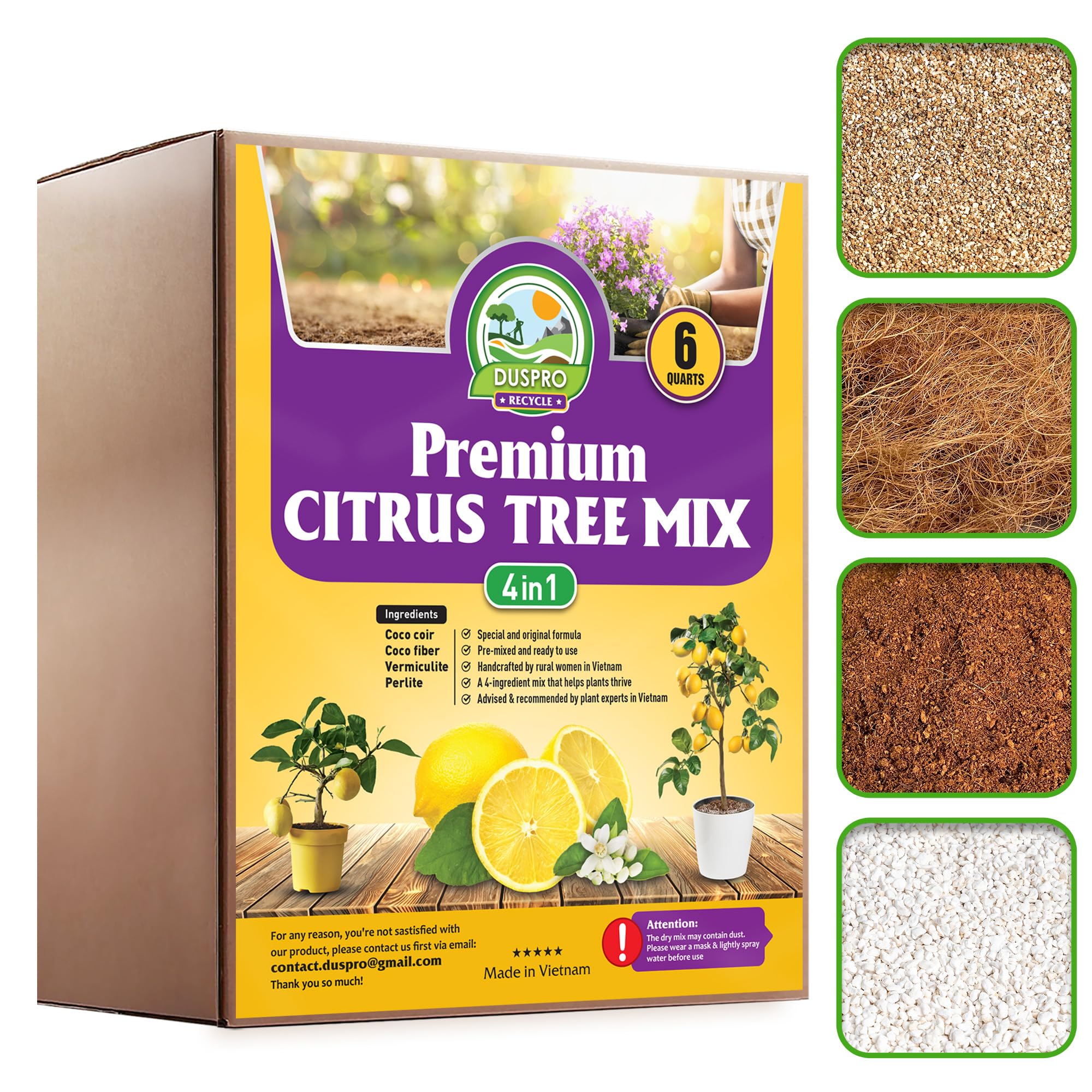
DUSPRO has formulated a double-screened citrus potting mix that feels clean and consistent straight from the bag. Ingredients are carefully selected for the specific demands of citrus, focusing on drainage, pH balance, and breathability. The 6-quart size is ideal for repotting a single medium-lime tree or refreshing the top layer of a larger planter. Users with indoor citrus trees have reported noticeable leaf greening and new growth within three to four weeks of transplanting.
One owner documented how their struggling orange tree perked up almost immediately after replacing the heavier existing soil with this mix. Another buyer used it to repot four 8-inch containers and two 4-inch pots, confirming that the 6-quart bag stretches further than expected for smaller plants. The mix works as a standalone medium or can be blended with other substrates. A free tree care ebook is included, which is a thoughtful addition for novice growers.
The main knock against this product is the dusty quality near the bottom of the bag, which users advise handling with a mask or outdoors. Additionally, the mix contains natural ingredients but does not include a long-term fertilizer charge, so you will need to plan your own feeding schedule. For a straightforward, well-screened soil that gets new transplants off to a strong start, this is a reliable mid-range option.
What works
- Double-screened ingredients for consistent texture
- Promotes rapid root establishment and leaf growth
- Includes a free citrus care ebook
What doesn’t
- Dusty fine particles at the bottom of the bag
- Does not contain a slow-release fertilizer
7. Miracle-Gro Cactus, Palm and Citrus Potting Mix (3-Pack)

Miracle-Gro’s fast-draining formula is the most accessible option in this lineup. Designed for cacti, palm, citrus, and succulents, it relies on a lightweight, porous structure that lets water pass through quickly — a critical feature for lime trees prone to root rot. The mix also contains a small charge of Miracle-Gro plant food, providing a gentle initial nutrient boost for newly transplanted trees. The 3-pack gives you three 8-quart bags, enough to fill multiple containers or rebag several trees at a budget-friendly price per quart.
Growers have used this mix successfully for a range of citrus trees, including Meyer lemons and limes, as well as Christmas and Easter cacti. Many buyers appreciate the convenience and consistent quality, noting that their plants look healthy and show improved growth after repotting. A common tip from experienced users is to blend half cactus mix with half standard potting soil for a custom balance that works even better for citrus specifically.
The formula is not organic and contains synthetic components, which may be a dealbreaker for some. It is also a general succulent mix rather than a citrus-specific soil, so the nutrient profile is not tailored to lime trees in the same way as blends from GARDENWISE or Soil Sunrise. If your priority is low cost and immediate availability, this pack delivers, but you may need to supplement with a dedicated citrus fertilizer for long-term success.
What works
- Excellent fast drainage prevents root rot
- Three-bag pack offers strong volume for the price
- Widely available and easy to find
What doesn’t
- General succulent mix, not citrus-specific
- Contains synthetic, non-organic components
Hardware & Specs Guide
NPK Ratio & Feeding Duration
The NPK ratio tells you the percentage of nitrogen, phosphorus, and potassium in a fertilizer or soil charge. For lime trees, a balanced ratio like 6-4-6 or 5-2-6 supports leaf growth, root development, and fruit production without over-stimulating foliage at the expense of flowers. Slow-release granules, like those used in GardenWise and Espoma products, feed for two to six months per application, reducing the need for frequent reapplication. Always check the feeding duration before potting — a mix with a six-month charge saves you two to three seasonal applications.
pH Level
Lime trees require soil pH between 5.5 and 6.5 to absorb iron, manganese, and other micronutrients efficiently. A pH above 7.0 leads to chlorosis (yellowing leaves) and poor fruit development. Dedicated citrus soils typically state their pH range on the bag. If you are using a general acid-loving mix like Coast of Maine, you should test the pH with a probe meter and amend with sulfur or acidic fertilizer if the reading drifts too high. Consistent pH monitoring is one of the highest-leverage actions for keeping your tree healthy.
Drainage Components
The physical texture of the soil determines how well it drains and aerates. Look for perlite, coarse sand, vermiculite, coconut coir, and composted bark in the ingredients list. These materials create pore spaces that allow excess water to flow out of the container while holding enough moisture for the roots to drink. A dense, clay-like soil will suffocate lime roots within weeks. The best citrus mixes feel light and crumbly when you squeeze them, not heavy or sticky. If your soil clumps in a wet ball, it is too dense for a potted lime tree.
Organic Certification
OMRI (Organic Materials Review Institute) listing confirms that a product meets USDA organic standards. For gardeners who want to avoid synthetic pesticides and chemical fertilizers, an OMRI-listed soil or amendment like Espoma Citrus-tone or Coast of Maine’s blend is the right choice. Organic ingredients generally feed the soil microbiome as well as the tree, leading to better long-term root health. Non-organic mixes may still perform well but often rely on synthetic salts that can build up in containers over time, requiring periodic flushing.
FAQ
Can I use regular potting soil for my lime tree?
How often should I fertilize a potted lime tree?
What is the best pH for lime tree soil?
Should I use an organic or synthetic soil for my lime tree?
Final Thoughts: The Verdict
For most gardeners, the soil for lime trees winner is the GARDENWISE Professional Citrus Fertilizer because it delivers a perfectly balanced, slow-release 6-4-6 NPK plus essential micronutrients in an easy granular format that works with any base soil. If you want a complete ready-to-use mix with six months of built-in feeding, grab the GARDENWISE Organic Lemon Tree Soil. And for a large-volume organic base soil that you can customize for multiple trees, nothing beats the Coast of Maine Acid-Loving Plant Soil at 20 quarts.