
Your jade plant’s number one enemy isn’t a pest or disease—it’s a potting mix that holds onto moisture like a sponge. These succulent trees store water in their thick, fleshy leaves, and when their roots sit in soggy soil, rot sets in fast, turning vibrant green leaves into mushy yellow casualties. Shifting from a generic houseplant bag to a well-draining, aerated mix designed for crassula ovata is the single most impactful move an indoor grower can make.
I’m Rikta — the co-founder and writer behind Lawn Gear Lab. I built this guide by cross-referencing bag ingredients, pore structure claims, and hundreds of verified owner reports from users who have already repotted their crassula with these specific mixes. No guesswork, just spec-level analysis.
This breakdown clears the confusion around drainage, pH balance, and organic additives so you can confidently pick the best soil for jade plant indoors without wasting money on bags that keep the roots too wet.
How To Choose The Best Soil For Jade Plant Indoors
Jade plants are desert-adapted succulents that evolved in gritty, fast-drying conditions. The mix you choose must replicate that environment in a container. Here are the three factors that separate a good mix from a root-rotting one.
Drainage & Aeration: The Non-Negotiables
The pore space between soil particles determines how quickly water exits the pot after a thorough soak. Coarse ingredients—perlite, pumice, lava rock, or horticultural charcoal—create air pockets that allow roots to breathe. A mix that stays compacted or feels dense when squeezed will suffocate fine jade roots. Look for bags that list visible perlite or pumice as a primary ingredient, not just a trace component.
Organic vs. Peat-Free Formulas
Many standard cactus mixes rely heavily on sphagnum peat moss to provide bulk, but peat breaks down over time and begins holding moisture around the root zone. Premium jade-specific blends often replace peat with coconut coir, pine bark, or vermiculite to maintain a lighter texture that resists compaction. Peat-free formulas also tend to drain more freely from day one, which reduces the risk of overwatering for new growers.
Nutrient Content & pH Balance
Jade plants are light feeders, but they still benefit from a pH-neutral to slightly acidic range (around 6.0 to 6.5) and a low but steady supply of organic nutrients. Worm castings and compost provide slow-release nitrogen without the salt buildup common in synthetic fertilizers. Avoid mixes with high percentages of uncomposted bark or large wood chips—they can harbor fungal spores and create uneven moisture pockets that stunt root development.
Quick Comparison
On smaller screens, swipe sideways to see the full table.
| Model | Category | Best For | Key Spec | Amazon |
|---|---|---|---|---|
| Soil Sunrise Jade Plant Potting Mix | Premium | Dedicated jade growers | 8 quarts, perlite + charcoal + coir | Amazon |
| Rosy Soil Cactus & Succulent Mix | Organic | Peat-free, living soil fans | 4 quarts, chunky texture, worm castings | Amazon |
| DUSPRO 7-in-1 Succulent Potting Mix | Mid-Range | Variety of succulents | 7 ingredients, pumice + lava rock | Amazon |
| Hoffman Organic Cactus & Succulent Mix | Mid-Range | Fungus gnat control | 4 quarts, low organic debris | Amazon |
| Tinyroots Succulent Soil | Premium | Small succulents & lithops | 2.25 quarts, fine grain, no perlite | Amazon |
| Midwest Hearth Cactus & Succulent Mix | Budget | Cost-effective repotting | 4 quarts, pH balanced | Amazon |
| Miracle-Gro Succulent Potting Mix | Budget | Wide availability | 4 quarts, sphagnum peat base | Amazon |
In‑Depth Reviews
1. Soil Sunrise Jade Plant Potting Soil Mix (8 Quarts)
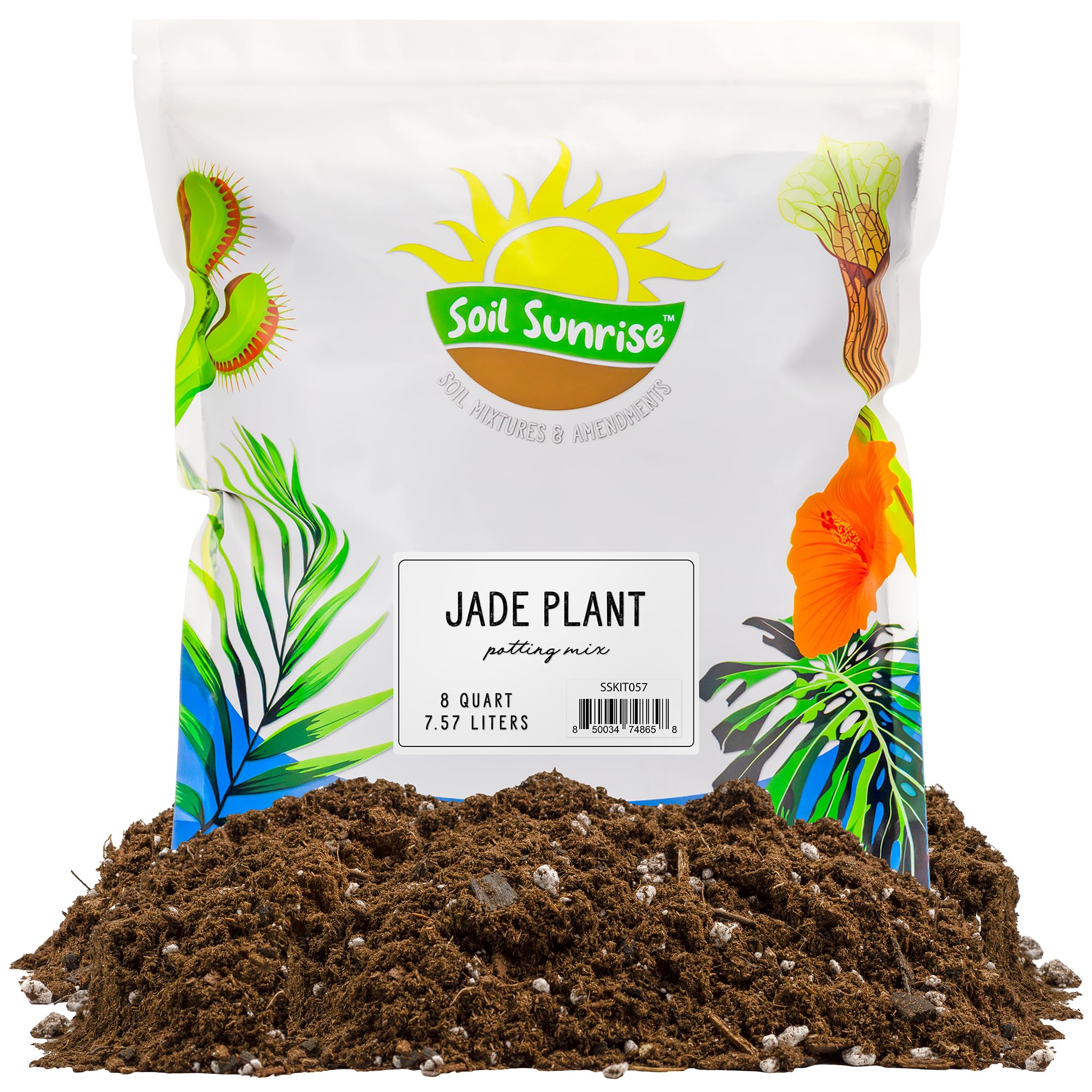
Soil Sunrise built a blend specifically for crassula ovata, and it shows. The ingredient list reads like a drainage masterclass: coconut coir for moisture wicking, pine bark for structural porosity, horticultural charcoal for odor and mold resistance, and perlite to prevent compaction. At 8 quarts, it fills a 12-inch pot comfortably, which is generous for the price bracket.
Owner reports consistently mention that this mix drastically reduced soggy root issues that plagued their jade plants when using generic succulent soil. The blend stays loose and airy even after multiple watering cycles, which is exactly what jade roots need to avoid suffocation. Multiple users pointed out that the 8-quart volume is excessive for a single small bonsai pot, but perfect for anyone maintaining a small collection.
The only real tradeoff is the bag size—if you have a single 4-inch jade cutting, you will have a lot of leftover mix. But given that jade plants should be repotted every two to three years, the extra volume will be used eventually.
What works
- Formulated exclusively for jade plants with five drainage-focused ingredients
- Maintains loose, airy texture after multiple waterings
- Large 8-quart bag covers big pots or multiple repots
What doesn’t
- 8-quart volume is too much for owners of a single small jade plant
- Coarse texture may feel unfamiliar to growers used to fine potting soil
2. Rosy Soil Cactus & Succulent Potting Mix (4 Quarts)
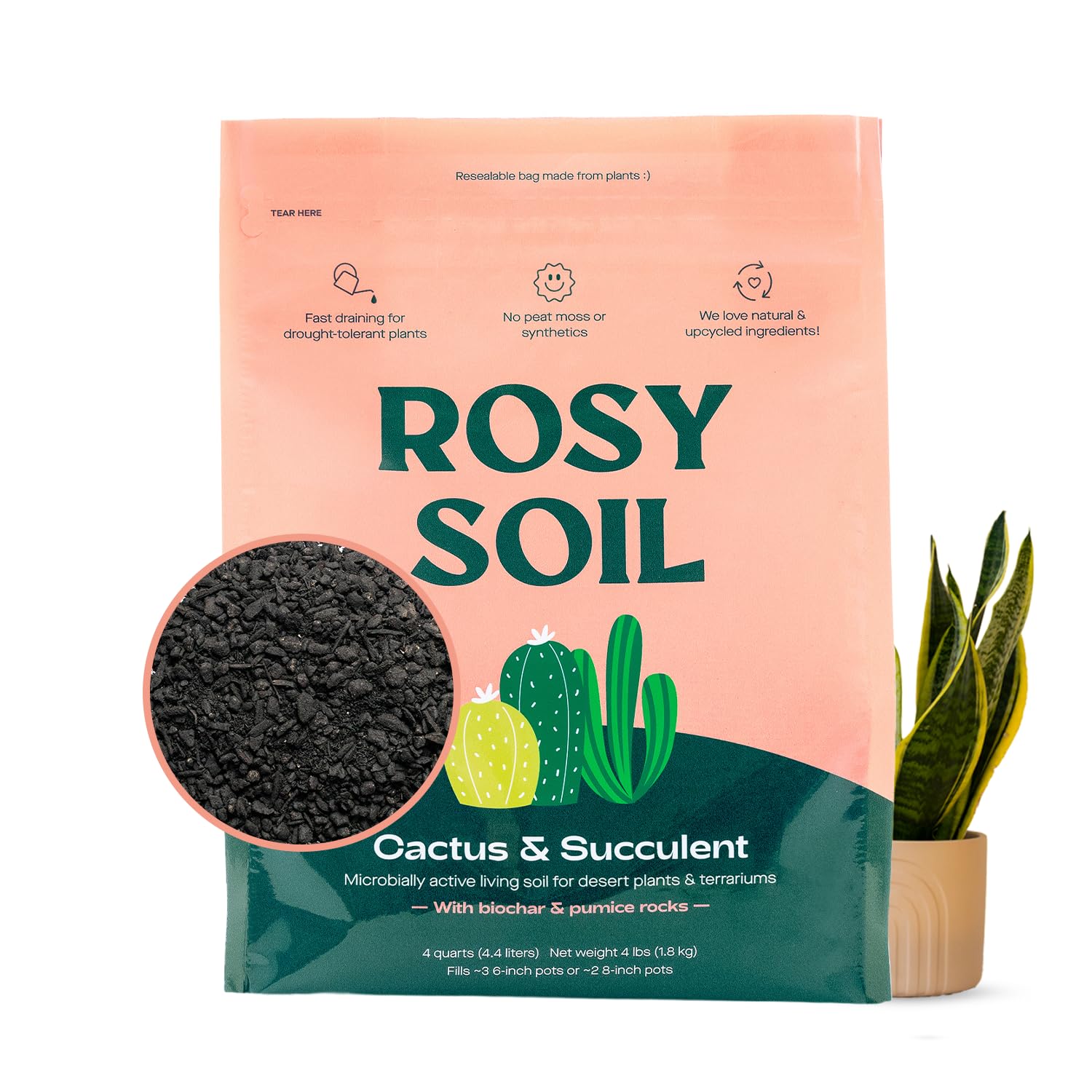
Rosy Soil took a fundamentally different approach by skipping peat moss entirely and packing the bag with pre-loaded beneficial microbes and worm castings. The result is a chunky, gritty texture that drains aggressively while still holding enough moisture to support root development. For jade growers who have battled compaction from peat-heavy mixes, this feels like a reset button.
Customer feedback highlights the clean appearance of the mix—even after six bags, no one reported fungus gnats or mold. That is a strong signal that the aeration and low organic debris content are working correctly. A few experienced growers noted that for older, top-heavy jade specimens, mixing in a small amount of additional gravel or bonsai soil improved stability, but the base blend worked fine for rooting new cuttings.
The resealable bag is a nice touch for those who repot in stages, but some users found the closure difficult to seal completely, which could let moisture escape if stored improperly.
What works
- Peat-free formula drains faster and stays loose longer than peat-based mixes
- Pre-loaded microbes and worm castings feed roots without synthetic additives
- No reported occurrences of fungus gnats or mold across multiple bags
What doesn’t
- Resealable bag closure is difficult to seal fully, risking moisture loss
- May benefit from extra grit for stabilizing large, heavy jade plants
3. DUSPRO 7‑in‑1 Succulent Potting Mix (4 Quarts)
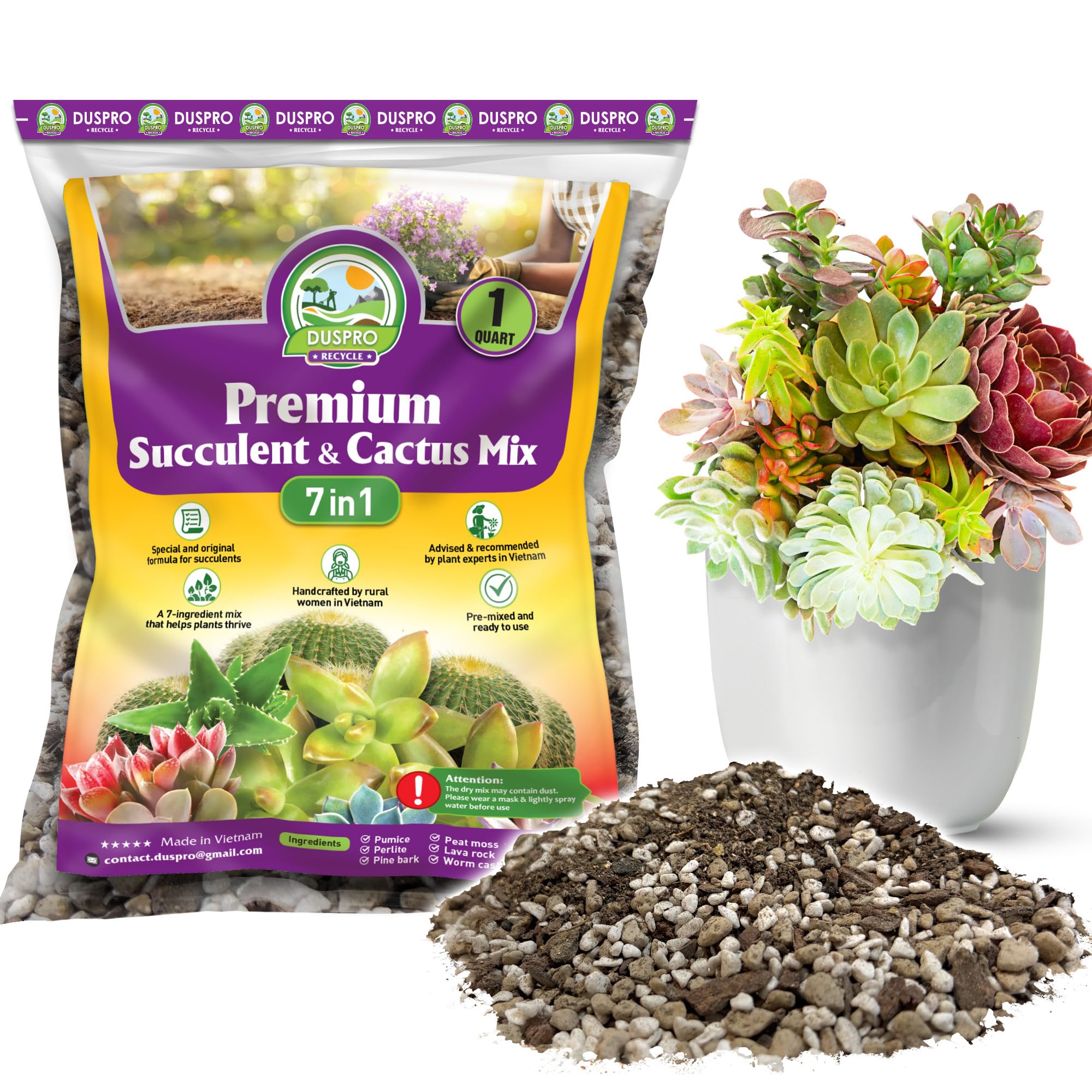
DUSPRO packed seven ingredients into one bag—perlite, pumice, lava rock, peat moss, pine bark, worm castings, and vermiculite—creating a mix that balances drainage with a modest nutrient profile. The visible pumice and lava rock chunks provide the structural aeration that jade roots need, while the worm castings supply slow-release nutrition without burning tender root tips.
User reports indicate that the bag requires a thorough shake or hand-mix before use because the components settle during shipping. Once blended, owners found the mix effective for jade, echeveria, and desert cacti alike. A few reviewers noted the bag was smaller than expected for a 4-quart volume, but the actual draining performance met their expectations for keeping succulents healthy.
The main downside is the higher cost per quart compared to simpler blends. For a single jade plant, the 4-quart size is practical, but growers with large collections will want the 8-quart option to avoid repeat purchases.
What works
- Seven-ingredient blend provides excellent drainage and natural slow-release nutrition
- Visible pumice and lava rock create stable air pockets for root health
- Versatile enough for jade, cacti, and other drought-tolerant plants
What doesn’t
- Ingredients separate during shipping, requiring manual mixing before use
- Cost per quart is higher than standard cactus mixes
4. Hoffman Organic Cactus & Succulent Soil Mix (4 Quarts)

Hoffman’s organic mix stands out for what it leaves out. The formula is intentionally low in uncomposted wood chips and fibrous organic matter, which makes it less hospitable to fungus gnats and less prone to creating anaerobic pockets. For growers who have lost jade plants to root rot despite using other cactus soils, this bag consistently gets credited with turning things around.
Multiple reviewers specifically called out that this mix eliminated persistent fungus gnat infestations that had survived in other blends. The texture is lighter and fluffier than typical cactus soil, which allows water to pass through quickly. A few owners added extra perlite for an even leaner mix, but the base formula performed well on its own for snake plants, aloe, and jade.
The one recurring complaint involved packaging—the bag is thin and prone to tearing during shipping. If the bag arrives intact, the soil inside delivers reliable performance for the volume.
What works
- Low organic debris content reduces risk of fungus gnats and mold
- Light, fluffy texture promotes fast drainage and root aeration
- pH-balanced formula encourages blooming and root development
What doesn’t
- Thin bag material tears easily during shipping, causing spillage
- Some growers prefer adding extra perlite for even faster drainage
5. Tinyroots Succulent Soil (2.25 Quarts)

Tinyroots designed this mix around a finer particle size than most succulent soils. The absence of large perlite chunks gives it a more uniform consistency that works well for small pots, shallow bonsai trays, and tiny succulents like lithops or haworthia. For jade cuttings just starting out in 2-inch nursery pots, the finer texture provides better contact with developing root hairs.
Owner reviews consistently mention that this mix made it nearly impossible to overwater, even when saturating the pot completely. The blend drains so efficiently that plants can be watered weekly without risk of standing moisture. Several users reported seeing new growth and even cactus blooms after switching to Tinyroots, suggesting the nutrient profile is well-calibrated for flowering.
The small bag size and premium per-quart cost make this a niche pick. It is ideal for miniature jade forests or propagation trays, but an expensive option for a single large jade tree.
What works
- Fine, uniform grain provides excellent root contact in small pots
- Drains so efficiently that overwatering is nearly impossible
- Encourages blooming in cacti and flowering succulents
What doesn’t
- Small 2.25-quart bag is expensive on a per-quart basis
- Too fine for large jade trees that benefit from chunkier aeration
6. Midwest Hearth Cactus & Succulent Potting Mix (4 Quarts)
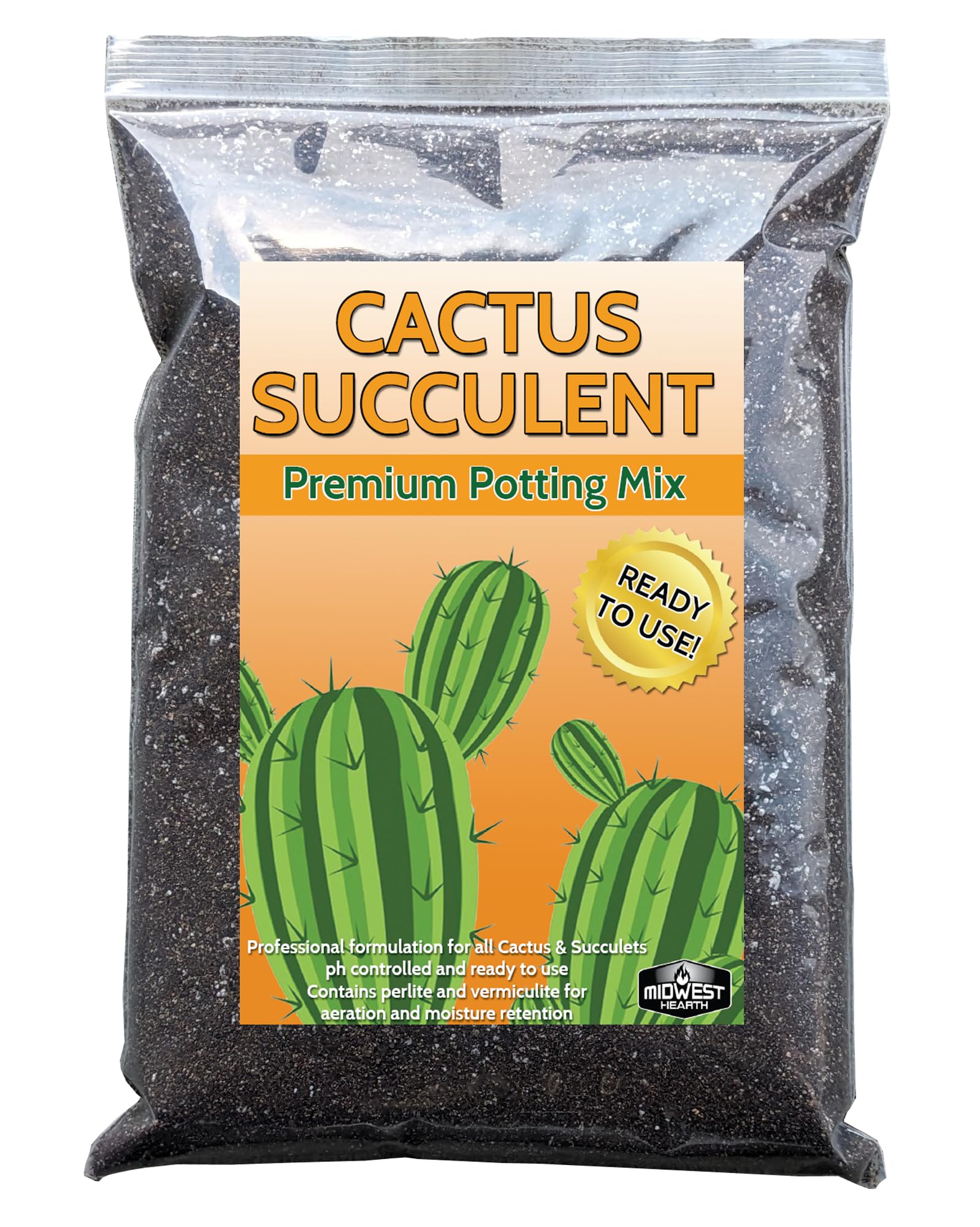
Midwest Hearth’s formula blends peat moss, perlite, and vermiculite into a pH-controlled mix that is ready out of the bag. The resealable 4-quart pouch is convenient for small repotting tasks, and the pH calibration eliminates the guesswork for growers unsure about acidity requirements. Many users reported their jade and aloe plants responded positively within weeks of repotting.
The main feedback from owners was that the top layer of dry soil particles can be lightweight enough to blow away if the pot sits near an open window. Indoors, this is rarely an issue, but it points to a less cohesive structure than some premium blends. Several customers mixed this with a second cactus soil to tweak the texture, indicating the out-of-bag drainage is functional but not exceptional.
For the price, it undercuts many competitors while still delivering acceptable results. It is a solid entry-level choice for a new jade owner who wants a safe starting point without paying top dollar.
What works
- Pre-mixed and pH-balanced for immediate use without amendments
- Resealable 4-quart bag is practical for small repotting sessions
- Low cost makes it an accessible option for new succulent growers
What doesn’t
- Dry top particles can shift or blow away in breezy indoor conditions
- Drainage is functional but not as aggressive as premium chunky blends
7. Miracle-Gro Succulent Potting Mix (4 Quarts)

Miracle-Gro’s entry into the succulent category uses a base of sphagnum peat moss and processed forest products, fortified with their standard plant food formula. It works decently for the first few months, especially for hardy succulents like aloe vera or echeveria. The 4-quart bag fits a single 8-inch container, which aligns with the typical pot size for a young jade plant.
Experienced owners consistently point out that this mix retains more moisture than succulent-specific blends from specialized brands. Several reviewers noted they had to add extra perlite to improve drainage for their jade plants. The peat-dominant composition can become compacted over time, reducing pore space and increasing root rot risk if watering is not carefully managed.
For a first-time jade owner who prioritizes convenience and brand familiarity, this mix will keep a plant alive as long as watering is strictly controlled. But for long-term health and root freedom, it ranks below the other options on this list.
What works
- Extremely easy to find in stores and online with consistent availability
- Contains pre-added plant food for the first few months of growth
- Suitable for tough succulents if watering is carefully controlled
What doesn’t
- Sphagnum peat base stays too wet for jade without added perlite
- Compacts over time, reducing aeration and raising root rot risk
Hardware & Specs Guide
Perlite & Pumice Content
The volume and size of perlite or pumice granules directly determine how fast water drains through the pot. Premium mixes like Soil Sunrise and Rosy Soil use visible, multifaceted chunks that create stable air pockets. Budget mixes like Miracle-Gro use finer, more compacted particles. A quick visual check: if the bag looks predominantly brown and homogeneous, it lacks the structural aggregate that jade roots need.
Peat vs. Peat-Free Base
Peat moss acts as a moisture reservoir that can keep the root zone damp for too long. Peat-free formulas from brands like Rosy Soil substitute coco coir, which wicks moisture laterally rather than holding it vertically. This difference reduces the risk of overwatering by encouraging water to move through the pot rather than pooling at the bottom. For growers in humid climates or using non-terracotta pots, peat-free is the safer bet.
FAQ
Can I use regular potting soil for my jade plant by adding perlite?
How often should I repot my jade plant with fresh soil?
Final Thoughts: The Verdict
For most indoor jade plant owners, the winner in the hunt for the right soil for jade plant indoors is the Soil Sunrise Jade Plant Potting Mix because it was formulated specifically for crassula ovata and uses five ingredients that collectively prevent root rot while delivering steady nutrients. If you want a peat-free, microbe-rich formula that drains aggressively, grab the Rosy Soil Cactus & Succulent Mix. And for a versatile, seven-ingredient blend that feeds multiple succulents from a single bag, nothing beats the DUSPRO 7-in-1 Succulent Potting Mix.