
Hydrangeas in pots are a different beast from those planted in the ground. Container roots have no escape from poor drainage, and the wrong pH means pale, unhappy blooms instead of the deep blues or vibrant pinks you’re after. The soil you choose is the single factor that determines whether your potted hydrangeas thrive or struggle through the season.
I’m Rikta — the co-founder and writer behind Lawn Gear Lab. For this guide I’ve spent dozens of hours comparing bagged mixes on their pH range, drainage materials, organic certifications, and long-term nutrient profiles, then cross-referencing these specs against real owner feedback to find what actually works for container hydrangeas.
Whether you want vivid blue mopheads or sturdy panicles on a balcony, the right best soil for hydrangeas in pots must balance moisture retention with fast drainage and an acidic pH around 5.5 to 6.2 to unlock proper nutrient uptake and bloom color control.
How To Choose The Best Soil For Hydrangeas In Pots
Container hydrangeas live in a closed system — every drainage failure, pH drift, or nutrient imbalance hits harder than in open garden soil. You need a mix that stays porous, stays acidic, and stays consistent through multiple watering cycles.
pH Range and Bloom Color Control
Hydrangea flower color is a direct pH meter. Soil pH below 6.0 encourages aluminum uptake, turning bigleaf varieties blue; pH above 6.5 blocks aluminum and shifts blooms toward pink. For container plants, the buffering capacity of the mix matters — you want a starting pH near 5.5 to 6.2 that resists upward drift as you water with tap water. Look for mixes containing sphagnum peat moss or pine fines, which naturally hold acidity longer than coir or compost alone.
Drainage and Aeration for Potted Roots
Hydrangea roots hate sitting in water, but they also can’t dry out completely. The ideal container mix includes coarse perlite, pumice, or bark fines that create air pockets while retaining enough moisture for a day or two between waterings. Avoid heavy topsoil blends or mixes high in fine sand, which compact quickly in pots and suffocate roots. A chunky, light texture you can feel when squeezing a handful is the goal.
Organic Matter and Nutrient Supply
Potted hydrangeas need steady nutrition without chemical burn. Blends that include worm castings, aged compost, or slow-release organic fertilizers feed plants over weeks rather than dumping all nitrogen at once. Look for mixes that are OMRI-listed or certified organic if you want to avoid synthetic additives. Keep in mind that some bagged “potting soils” are heavy on peat and light on functional nutrients — you may need to supplement with an acidic fertilizer after the first six weeks.
Quick Comparison
On smaller screens, swipe sideways to see the full table.
| Model | Category | Best For | Key Spec | Amazon |
|---|---|---|---|---|
| Coast of Maine Acid Loving | Premium Organic | Long-term container acidity | 20 Qt bag, pH low, OMRI listed | Amazon |
| Soil Sunrise Acid Loving Mix | Premium Blend | Balanced acidity + drainage | 12 Qt, peat + pine + perlite | Amazon |
| Midwest Hearth Premium Mix | Mid-Range All-Purpose | pH-balanced general potting | 8 Qt, peat + vermiculite + perlite | Amazon |
| Jessi Mae Organic Slightly Acidic | Entry-Level Organic | Small pots and indoor mixes | 4 Qt, perlite, organic, slightly acidic | Amazon |
| Craft Aroid Mix by Grow Queen | Specialty Chunky | Superior drainage and aeration | 2 Qt, pumice + lava, peat-free | Amazon |
| Espoma Holly-Tone (2-Pack) | Acidic Fertilizer | Supplementing existing soil | 4 lb per bag, 4-3-4 NPK | Amazon |
| Miracle-Gro Cactus, Palm & Citrus 3-Pack | Fast-Draining Formula | Higher drainage, periodic use | 8 Qt per bag, 3-pack, fast-draining | Amazon |
In‑Depth Reviews
1. Coast of Maine Organic & Natural Planting Soil for Acid Loving Plants

Coast of Maine builds this mix specifically for acid lovers like azaleas and blueberries, and that low-pH formulation is exactly what potted hydrangeas need to hold aluminum availability for blue blooms. The 20-quart bag gives you enough volume to fill a standard 14-inch pot with leftovers for top-dressing. The composted manure and sphagnum peat moss provide organic matter that feeds slowly without the chemical spike that can scorch container roots.
In practice, the texture is light and crumbly — it drains well while still feeling moisture-retentive after watering. Multiple owners report using it for berries and acid-loving ornamentals with consistent results across seasons. The mix is OMRI-listed, so you’re avoiding synthetic ingredients that can throw pH upward over time.
One trade-off is that the bag is labeled for outdoor use primarily, and some users find it slightly heavy for very small hanging pots. But for a dedicated hydrangea container mix that stays acidic and feeds naturally over months, this is the most complete ready-to-use option in this roundup.
What works
- Low pH formulation ideal for blue blooms
- Large 20-quart bag for multiple pots
- OMRI listed, compost-based, slow-release nutrition
What doesn’t
- May feel heavy for small hanging baskets
- Best for large containers, not tiny planters
2. Soil Sunrise Acid Loving Plant Potting Soil Mix
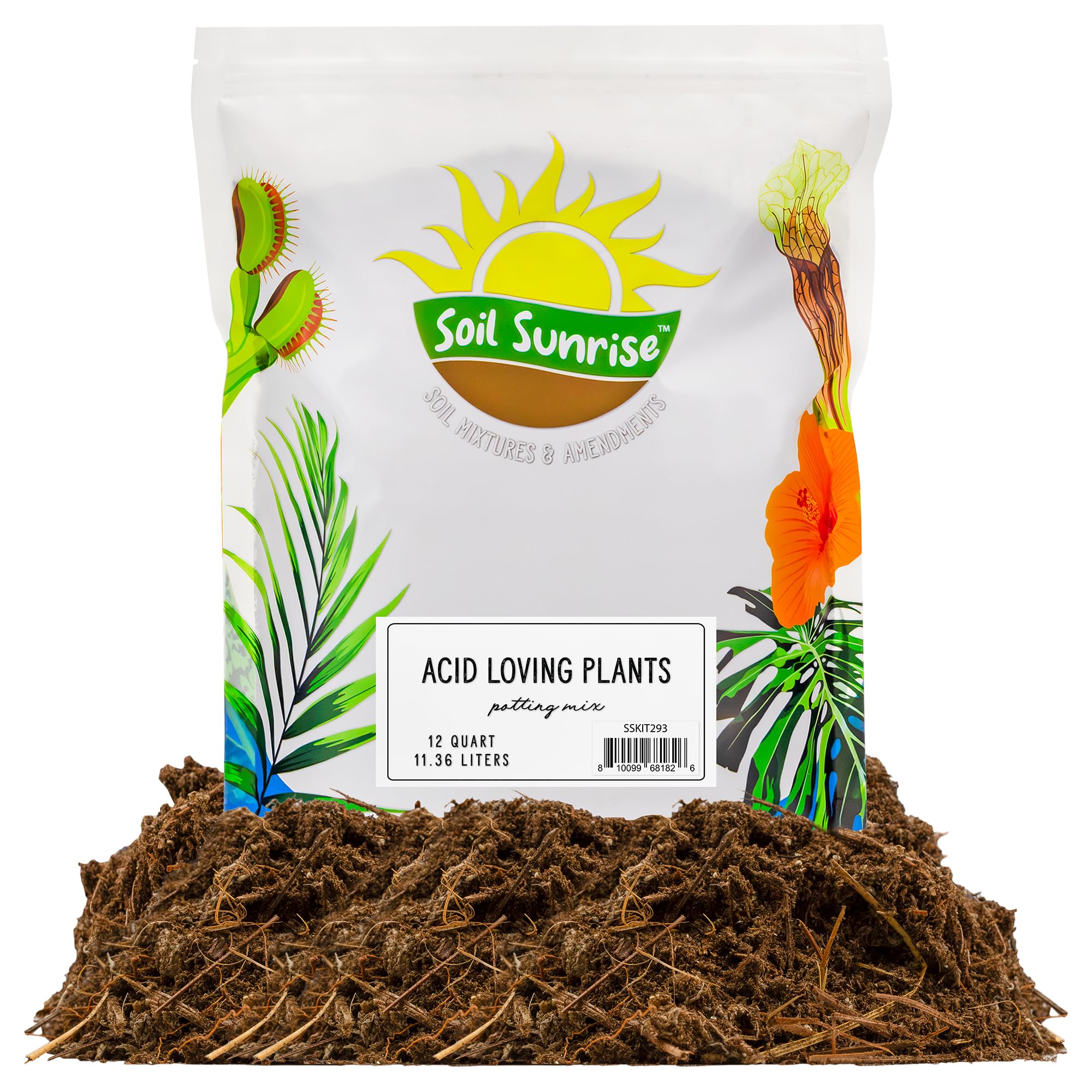
Soil Sunrise crafts this blend in Kentucky with a targeted formula of peat moss, pine needle mulch, pine bark mulch, sphagnum moss, and vermiculite. That combination delivers the acidic environment hydrangeas need while keeping the texture open enough for container aeration. The 12-quart bag is a tidy size for repotting one or two medium planters without leftover waste.
User reports highlight that the mix arrives rich and moisture-retentive, though it can be slightly hydrophobic if allowed to dry out completely — a quick pre-soak before potting solves that. Gardenia and fuchsia owners have seen strong growth and flowering, which signals the mix holds acidity well through multiple waterings. The pine fines contribute to a natural pH buffer that resists the alkaline drift common with tap water.
The main complaint is bag size: at 12 quarts, this mix costs more per quart than some competitors. For a single large hydrangea pot it works well, but if you’re filling multiple containers the Coast of Maine option gives more volume per dollar.
What works
- Targeted acidic blend with pine and peat
- Pest-free, arrives clean and ready to use
- Supports strong growth in acid-loving ornamentals
What doesn’t
- Smaller bag than some competing products
- Can be hydrophobic if stored dry
3. Midwest Hearth Premium Potting Soil Mix

Midwest Hearth offers a straightforward, well-balanced potting mix built around peat moss, perlite, and vermiculite. That trio gives you the moisture retention of peat paired with the drainage channels of perlite and the water-holding capacity of vermiculite, which helps potted hydrangeas stay hydrated during hot spells. The pH is controlled in the manufacturing process, targeting a neutral-to-slightly-acidic range that works for a broad spectrum of plants.
Users describe the texture as light and fluffy, with no weeds or bugs reported even after extended use. The 8-quart resealable bag is convenient for smaller projects, and several owners noted strong root development in herbs and flowers. For hydrangeas specifically, this mix provides a solid base that you can easily amend with acidic fertilizer if you’re targeting blue blooms.
The bag is relatively small at 8 quarts — for a single big hydrangea pot you’ll likely need two bags. And while the pH is controlled, it isn’t formulated specifically for acid lovers, so you’ll need to monitor and adjust if your water is alkaline.
What works
- Light, fluffy, non-compacting texture
- pH-controlled for reliable starting baseline
- Resealable bag keeps unused soil fresh
What doesn’t
- Not specifically formulated for acid lovers
- 8-quart size may require multiple bags per pot
4. Jessi Mae Potting Soil – 4-Quart Organic Slightly Acidic Mix

Jessi Mae’s hand-mixed formula is marketed as slightly acidic and includes perlite and organic materials for well-draining structure. The 4-quart bag is compact — perfect for a single small hydrangea pot or for mixing into a larger batch to boost acidity. The mix is made in the USA and packaged in food-grade materials, which reflects extra attention to ingredient quality.
Owners report strong results with peace lilies and snake plants, and the light, fluffy texture helps prevent the compaction that frustrates potted root systems. The smell upon opening is notably organic (some users describe it as earthy), but it fades within a couple of days. For hydrangeas, the slightly acidic lean is a good starting point, though you may need to supplement with an acidic fertilizer for long-term blue color.
The small bag size limits its use to small pots or as an amendment rather than a primary fill for large containers. Budget-conscious buyers should also note that the 4-quart volume is smaller than it appears in product photos.
What works
- Slightly acidic pH suitable for hydrangeas
- Light, airy texture with good drainage
- Organic, chemical-free ingredients
What doesn’t
- 4-quart bag is small for larger pots
- Initial organic smell can be strong
5. Craft Aroid Potting Mix by Grow Queen
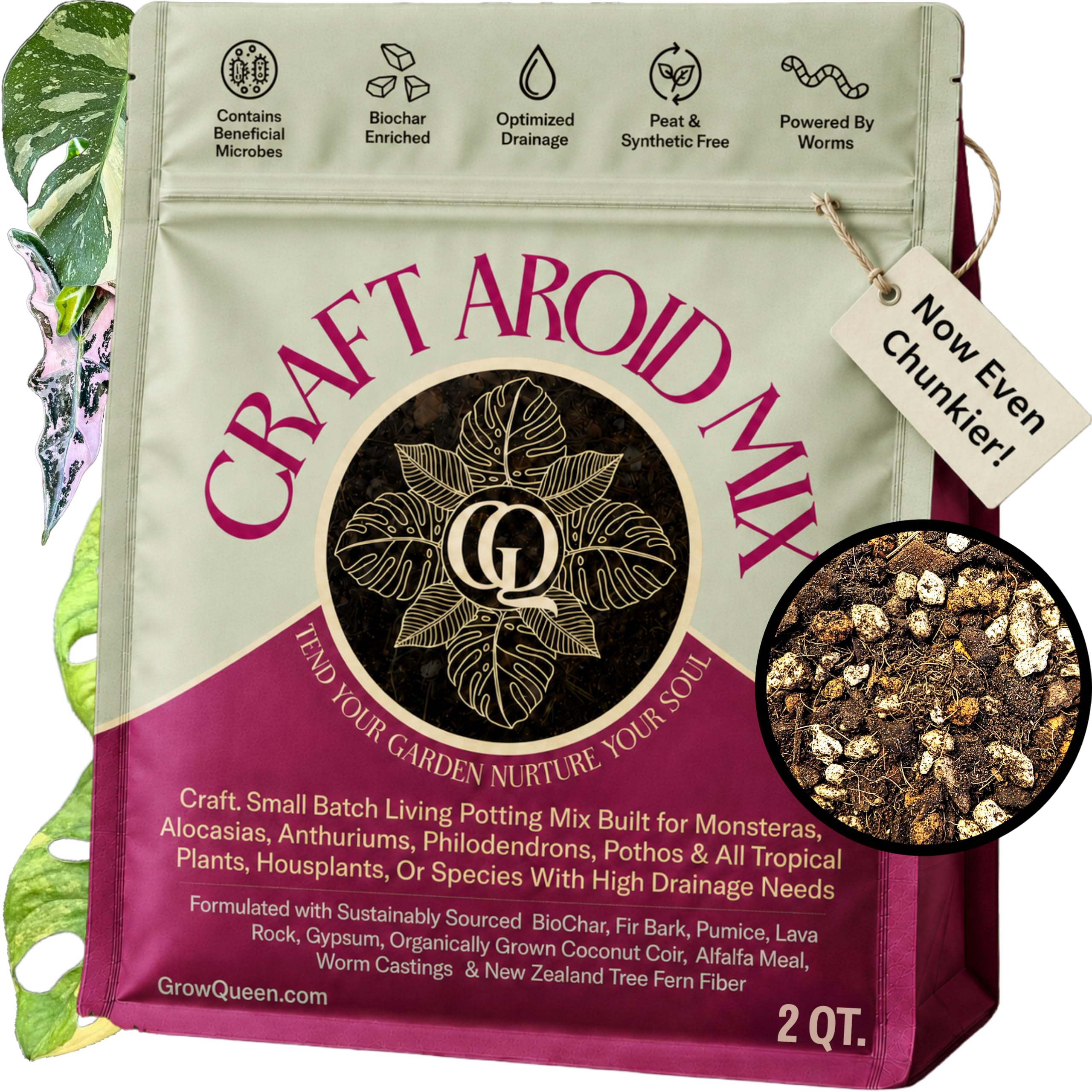
Grow Queen’s aroid mix is built for plants that demand exceptional drainage, using large Douglas fir bark fines, pumice, and lava rock in place of peat and perlite. That chunky structure means water flows through rapidly, which is valuable for growers who tend to overwater. The inclusion of New Zealand tree fern fiber helps neutralize pH toward 6.0, falling right in the target range for hydrangeas.
The mix is also peat-free and perlite-free, which appeals to environmentally conscious gardeners. User feedback across multiple orders is consistently positive: plants show less transplant shock, roots spread quickly through the mix, and no mold or pest outbreaks have been reported even after weeks. The 2-quart bag is small, but for a single special hydrangea cutting or a small container it works perfectly.
On the downside, 2 quarts is very limited — you’ll need several bags for a full-sized hydrangea pot. And while the drainage is excellent, you need to water more frequently because the mix holds less moisture than peat-based alternatives.
What works
- Exceptional aeration and drainage
- pH neutralized toward 6.0 with tree fern fiber
- Peat-free and perlite-free composition
What doesn’t
- Very small 2-quart bag
- Dries out faster than peat-based mixes
6. Espoma Organic Holly-Tone 4-3-4 (2-Pack)
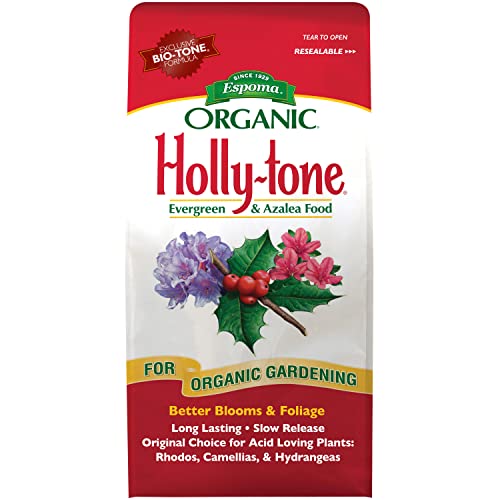
Espoma Holly-Tone is the classic acid-lover’s fertilizer, not a base potting soil, but it’s an essential tool for anyone trying to maintain acidic conditions in a container over time. The 4-3-4 NPK analysis delivers moderate nitrogen balanced with phosphorus and potassium, and the 5% sulfur content helps lower soil pH naturally. It’s OMRI-listed and uses Bio-tone beneficial microbes to support root health.
This 2-pack gives you two 4-pound bags, which is enough to supplement several pots through spring and fall feedings. Users have relied on this for years on azaleas, evergreens, and hydrangeas, reporting improved bloom color and denser growth when used as directed. Because it’s granular and requires no mixing, you simply spread it around the drip line and water it in.
The limitation is obvious: this isn’t a potting mix. If your starting soil pH is above 6.5, Holly-Tone can help shift it downward, but you need a proper acidic base mix alongside it. It’s best used as a seasonal supplement, not a replacement for the right container soil.
What works
- Proven acidic fertilizer for bloom color control
- Slow-release granules feed for weeks
- OMRI-listed with beneficial Bio-tone microbes
What doesn’t
- Not a standalone potting soil
- Needs proper acidic base mix for best results
7. Miracle-Gro Cactus, Palm & Citrus Potting Mix 3-Pack

Miracle-Gro’s Cactus, Palm & Citrus Mix is formulated for fast drainage, which makes it a surprisingly useful base for hydrangeas that are prone to overwatering. The three-pack provides 24 total quarts at a very accessible entry point. The fast-draining formula prevents waterlogged soil, but it also means the mix holds less moisture than peat-heavy alternatives — you’ll need to water more frequently during hot weather.
Seasoned container growers often blend this mix 50/50 with regular potting soil to get the drainage benefits while retaining some moisture. Several users reported strong growth in cacti and succulents, and the bag size is generous for the price. The pH is not specifically adjusted for acid lovers, so you’ll need to amend with acidic fertilizer if you want blue hydrangeas.
The biggest downside is that this mix is designed for plants that prefer drier conditions; hydrangeas are thirsty plants, so you must monitor moisture closely. It’s a viable budget-friendly base but not a complete solution for acidic container hydrangeas without additional amendments.
What works
- Excellent drainage reduces root rot risk
- Three-bag pack provides good volume
- Works well blended with other soils
What doesn’t
- Not formulated for acidic pH needs
- Dries out quickly requiring frequent watering
Hardware & Specs Guide
pH Level
Hydrangeas in pots perform best when the soil pH sits between 5.5 and 6.2. Below 6.0, aluminum becomes available to the roots, turning bigleaf varieties blue; above 6.5, aluminum is locked out and blooms shift toward pink. The mixes reviewed here approach pH differently: Coast of Maine uses a low-pH compost blend, while Soil Sunrise relies on pine fines and peat moss. If your tap water is alkaline (pH above 7.5), choose a mix with strong natural acidity buffering or plan to supplement with an acidic fertilizer like Espoma Holly-Tone every six to eight weeks.
Drainage Components
Container drainage is measured by the size and type of aggregate in the mix. Perlite (volcanic glass) creates pores but floats to the top over time; pumice stays put and is more durable. Bark fines, like the Douglas fir used in the Craft Aroid mix, create large air pockets that prevent compaction. Vermiculite holds water, which helps in dry conditions but reduces drainage. For hydrangeas — which need consistent moisture without standing water — a mix that contains both drainage aggregate (perlite, pumice, or bark) and moisture-retaining material (peat, coir, or vermiculite) hits the right balance.
FAQ
Can I use regular potting soil for hydrangeas in pots?
How do I keep the soil acidic after repotting?
What size pot needs what volume of soil?
Final Thoughts: The Verdict
For most gardeners, the best soil for hydrangeas in pots winner is the Coast of Maine Organic & Natural Planting Soil for Acid Loving Plants because it combines a guaranteed low pH, OMRI-listed organic ingredients, and a generous 20-quart bag that fills large containers without needing amendment. If you want a premium artisan blend with pine fines and excellent aeration, grab the Soil Sunrise Acid Loving Mix. And for budget-friendly drainage or supplementing an existing mix, the Espoma Holly-Tone or Miracle-Gro Cactus 3-Pack fill specific roles well.