
Your outdoor herb garden hangs on a single decision: what you fill the pots or beds with. Ordinary garden soil compacts around tender roots, suffocating basil and turning rosemary yellow. The right mix must balance moisture retention, drainage, and a precise pH range that culinary herbs demand. Every bag on this list was evaluated for texture, aeration, nutrient density, and organic integrity to match the needs of container-grown and in-ground herbs.
I’m Rikta — the co-founder and writer behind Lawn Gear Lab. I research these blends by dissecting technical specifications, cross-referencing horticultural requirements for common outdoor herbs, and analyzing hundreds of verified owner reports to separate marketing fluff from actionable performance data.
If you are serious about growing fragrant, resilient herbs in raised beds, containers, or in-ground gardens, this guide to the best soil for herbs outdoors breaks down the seven most reliable mixes available today, covering organic certification, drainage additives, and feeding duration.
How To Choose The Best Soil For Herbs Outdoors
Outdoor herbs live in a Goldilocks zone: too much moisture and roots rot, too little and leaves wilt. Selecting the right bag means understanding four specific characteristics that determine how well your rosemary, thyme, basil, and sage will perform under direct sun and rain.
Drainage and Aeration
Herbs like lavender, oregano, and thyme originate from dry, rocky Mediterranean hillsides. A soil mix that stays soggy after rain invites root diseases. Look for visible perlite, coco coir chips, or pumice in the blend. The mix should feel light and crumbly, not dense or clay-like. The best soil for herbs outdoors holds moisture just long enough for roots to drink but drains excess within minutes.
pH Range
Culinary herbs thrive in slightly acidic to neutral soil — 5.5 to 6.5 is the sweet spot. Outside that range, nutrient uptake drops off, and leaves turn pale or yellow. Many premium mixes list the pH on the bag; for blends that don’t, a simple soil test kit gives peace of mind before planting.
Organic vs. Synthetic Ingredients
Herbs absorb whatever is in the soil, including synthetic fertilizers. An OMRI-listed organic mix uses composted manure, earthworm castings, kelp meal, or bone meal to feed plants slowly. This matters for edible herbs because synthetic quick-release formulas can generate rapid foliage growth at the cost of flavor concentration and aromatic oil production.
Bag Volume and Coverage
One cubic foot (roughly 25 dry quarts) fills three 12-inch pots or about one 4×4-foot raised bed at a depth of 3 inches. Smaller bags under 8 quarts are convenient for patio containers but cost more per quart. If you are filling multiple beds or large planters, buying in larger bags or multi-packs reduces waste and per-container cost.
Quick Comparison
On smaller screens, swipe sideways to see the full table.
| Model | Category | Best For | Key Spec | Amazon |
|---|---|---|---|---|
| FoxFarm Ocean Forest | Premium Blend | All container herbs and vegetables | Aged forest products + sandy loam | Amazon |
| Coast of Maine Bar Harbor Blend | Organic Potting Mix | Container herbs and floral baskets | Lobster/crab shell meal + perlite | Amazon |
| Miracle-Gro Potting Mix 3-Pack | Container Blend | Outdoor pots and window boxes | Feeds container plants up to 6 months | Amazon |
| Espoma Organic Vegetable & Flower | In-Ground Mix | Amending native garden soil | Myco-tone mycorrhizae + worm castings | Amazon |
| Michigan Peat Garden Magic | General Purpose | Large raised beds and in-ground gardens | 40 lbs reed sedge peat / organic peat moss | Amazon |
| Coast of Maine Tomato & Veggie | Vegetable Blend | In-ground herb gardens and container tomatoes | Composted manure + sphagnum peat moss | Amazon |
| Legigo Coco Coir Chips 4-Pack | Soil Amendment | Improving aeration and drainage in existing mixes | Low EC (0.2-0.4) pH 5.5-6.5 coco chips | Amazon |
In‑Depth Reviews
7. FoxFarm Ocean Forest Potting Soil with 2 Plant Tags, 1.5 cu ft
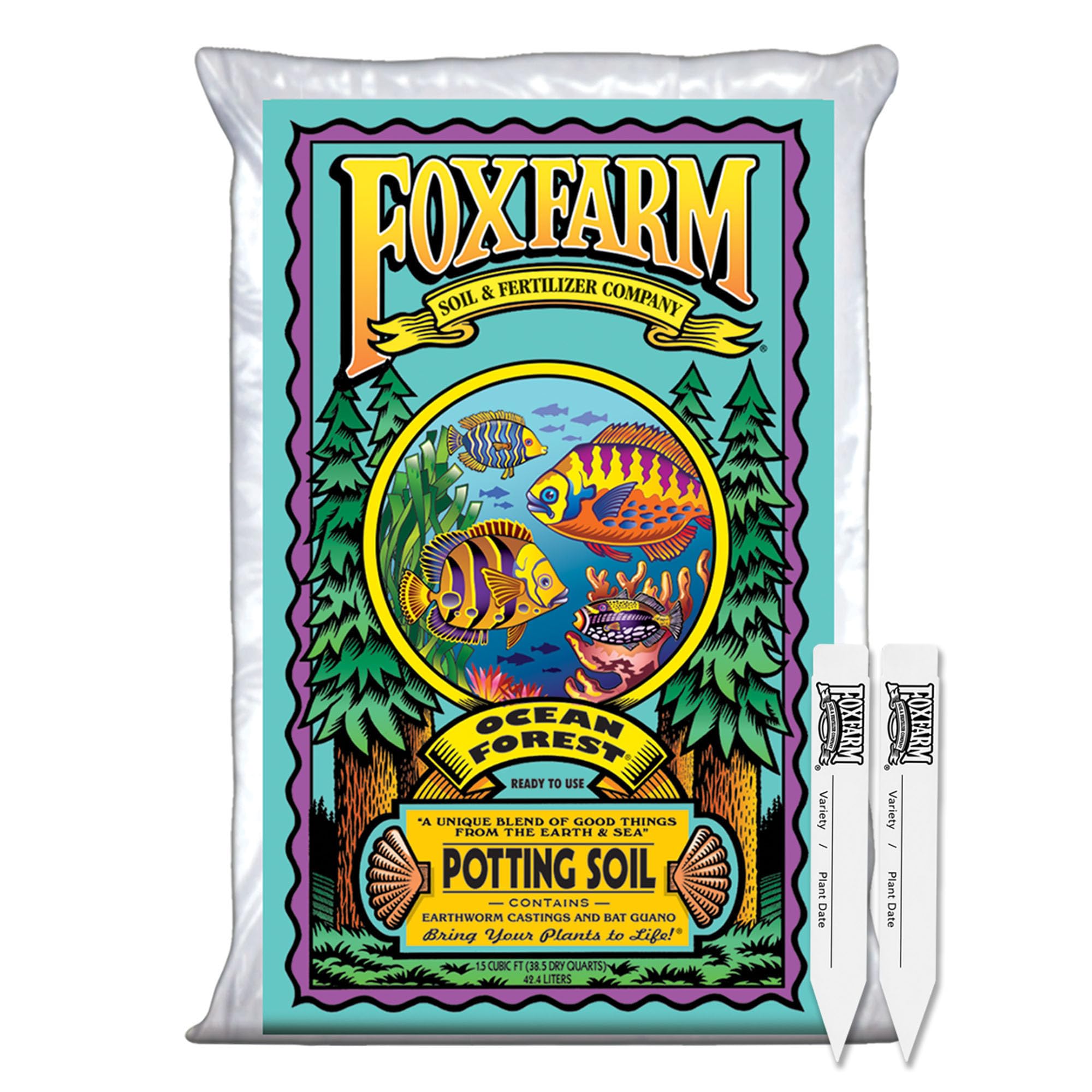
FoxFarm Ocean Forest is the gold standard for container herb growing. The 1.5-cubic-foot bag contains 50 to 60 percent aged forest products, sphagnum peat moss, perlite, and sandy loam — a combination that creates an open, fluffy structure. Water absorbs immediately when poured and drains fast enough to prevent the waterlogged conditions that kill outdoor herbs after heavy rain. The sandy loam component adds just enough weight to anchor tall basil stems without compacting.
The nutrient profile is derived from fish emulsion, crab meal, shrimp meal, earthworm castings, kelp meal, and oyster shell. This lineup delivers a balanced, slow-release feed that keeps rosemary, thyme, and oregano producing concentrated oils without the leafy growth explosion typical of synthetic fertilizers. The mix is ready to use straight from the bag — no additional perlite or compost needed. Two plant tags are included for labeling varieties and planting dates.
Owner reports consistently mention that plants grown in Ocean Forest outperform those in standard potting soils, with thicker stems and darker leaf color. Some users note that the bag can sprout harmless mushrooms in humid climates, a sign of active organic matter. The price reflects premium positioning, but the bag volume amortizes well when filling multiple medium-to-large containers.
What works
- Light, aerated texture with excellent drainage for Mediterranean herbs
- Nutrient-dense organic formula feeds without chemical burn
- Ready to use immediately — no mixing or sifting required
What doesn’t
- Slightly more expensive per quart than commodity blends
6. Coast of Maine Organic & Natural Bar Harbor Blend Potting Soil (16 QT)
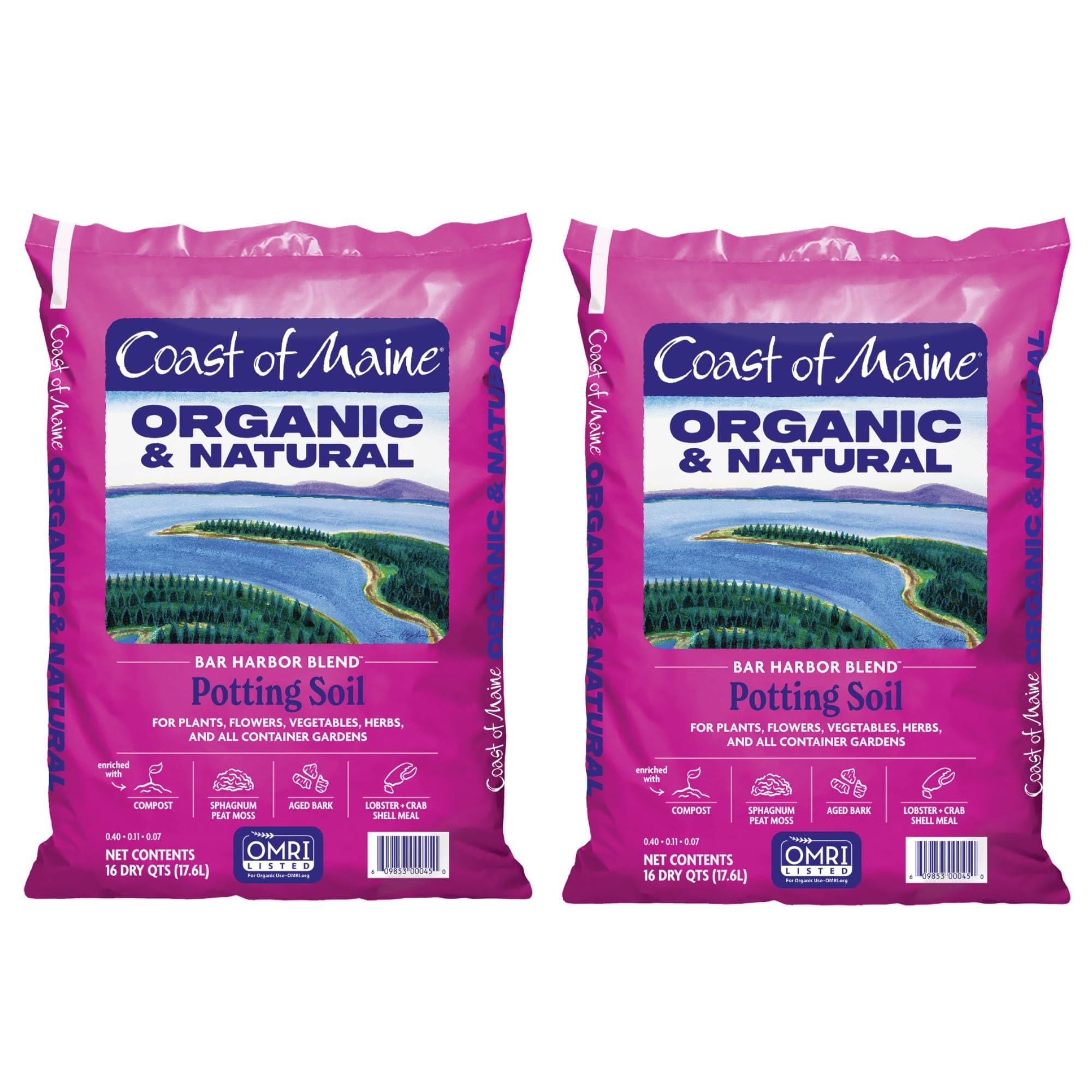
The Bar Harbor Blend from Coast of Maine leverages its Maine heritage with lobster and crab shell meal and kelp meal as primary nutrient sources. This gives the soil a distinctive marine nutrient profile rich in chitin and trace minerals that support robust root systems. Sphagnum peat moss and perlite provide the drainage and aeration needed for outdoor herbs, while the compost base offers a dark, crumbly texture that holds moisture without becoming sludgy.
This 16-quart bag is formulated specifically for containers, hanging baskets, and raised beds. The slow-release nitrogen from the shellfish meal eliminates the need for frequent liquid feeding, making it a low-maintenance option for gardeners who want to set and forget herbs like sage, chives, and mint. OMRI listing confirms that no synthetic chemicals are used — important for anyone harvesting leaves for cooking or drying.
Users highlight the absence of weed seeds and large wood chunks, a common frustration with cheaper soils. The darker color indicates a healthy compost-to-peat ratio, and the texture stays light even after weeks of rain. The two-pack configuration provides good coverage for larger projects, but individual bags are also available for smaller plantings.
What works
- Unique marine-based organic nutrients promote steady herb growth
- Excellent moisture retention with fast drainage through perlite
- Weed-free and free of large debris right out of the bag
What doesn’t
- Two-pack only; single-bag purchase not available on this listing
5. Miracle-Gro Potting Mix Feeds up to 6 Months, 8 qt. (3-Pack)

Miracle-Gro Potting Mix remains one of the most accessible options for outdoor container herbs, and this 3-pack of 8-quart bags provides smart coverage for multiple pots. The formula is engineered to feed plants for up to six months, eliminating the guesswork of when to apply liquid fertilizer. Water moves through the mix readily, reducing the risk of standing water in plastic pots after mid-summer storms.
The mix works with a wide range of outdoor plants including annual and perennial herbs, flowers, and vegetables. The feeding guarantee is built on a controlled-release fertilizer that kicks in after planting. Young basil and parsley transplants respond quickly, showing new leaf growth within the first week. The texture is consistent bag to bag, and the smaller bag size means no heavy lifting or risk of the soil drying out before use.
While this is not an organic mix, the convenience and cost efficiency are hard to beat for gardeners managing a large number of containers. Some users note that the feeding duration means replanting mid-season requires flushing the soil or transitioning to a different mix. For seasonal herb plantings that run from spring through fall, the six-month window covers the entire growing period.
What works
- Six-month feeding window covers the full outdoor growing season
- Three 8-qt bags are easy to handle and store
- Consistent drainage works well in plastic and terracotta pots
What doesn’t
- Not OMRI certified for organic gardening
4. Espoma Organic Vegetable & Flower Garden Soil, 1 Cubic Foot Bag

Espoma’s Organic Vegetable & Flower Garden Soil is designed to be mixed with native in-ground soil rather than used standalone in pots. The 1-cubic-foot bag is packed with earthworm castings and Espoma’s proprietary Myco-Tone — a blend of endo and ecto mycorrhizae that colonize herb roots and improve water and nutrient uptake. For gardeners planting herbs directly into garden beds or raised beds filled with poor native soil, this mix acts as a biological turbocharger.
The base is a rich blend of natural and organic ingredients without synthetic plant foods or chemicals. When mixed at roughly a 50-50 ratio with existing garden soil, it lightens heavy clay and adds organic matter that sandy soil lacks. The mycorrhizae are especially valuable for perennial herbs like rosemary and lavender that establish deep root systems over multiple years. Users report that plants in Espoma-treated beds require less frequent watering than those in untreated soil.
Customer feedback highlights the bug-free nature of the bags and the noticeable performance gap between Espoma and generic organic alternatives. A small number of users reported fungus gnat issues with indoor container use, but outdoor application in well-drained beds reduces that risk dramatically. The bag is large enough to amend approximately 16 square feet of garden bed at a 3-inch incorporation depth.
What works
- Mycorrhizal inoculant improves root health and drought tolerance
- Worm castings provide gentle, long-lasting organic nutrition
- Ideal for improving heavy clay or sandy native garden soil
What doesn’t
- Not intended as a standalone container potting mix
3. Michigan Peat 40 Pound Bag of Garden Magic General Purpose Potting Soil Mix
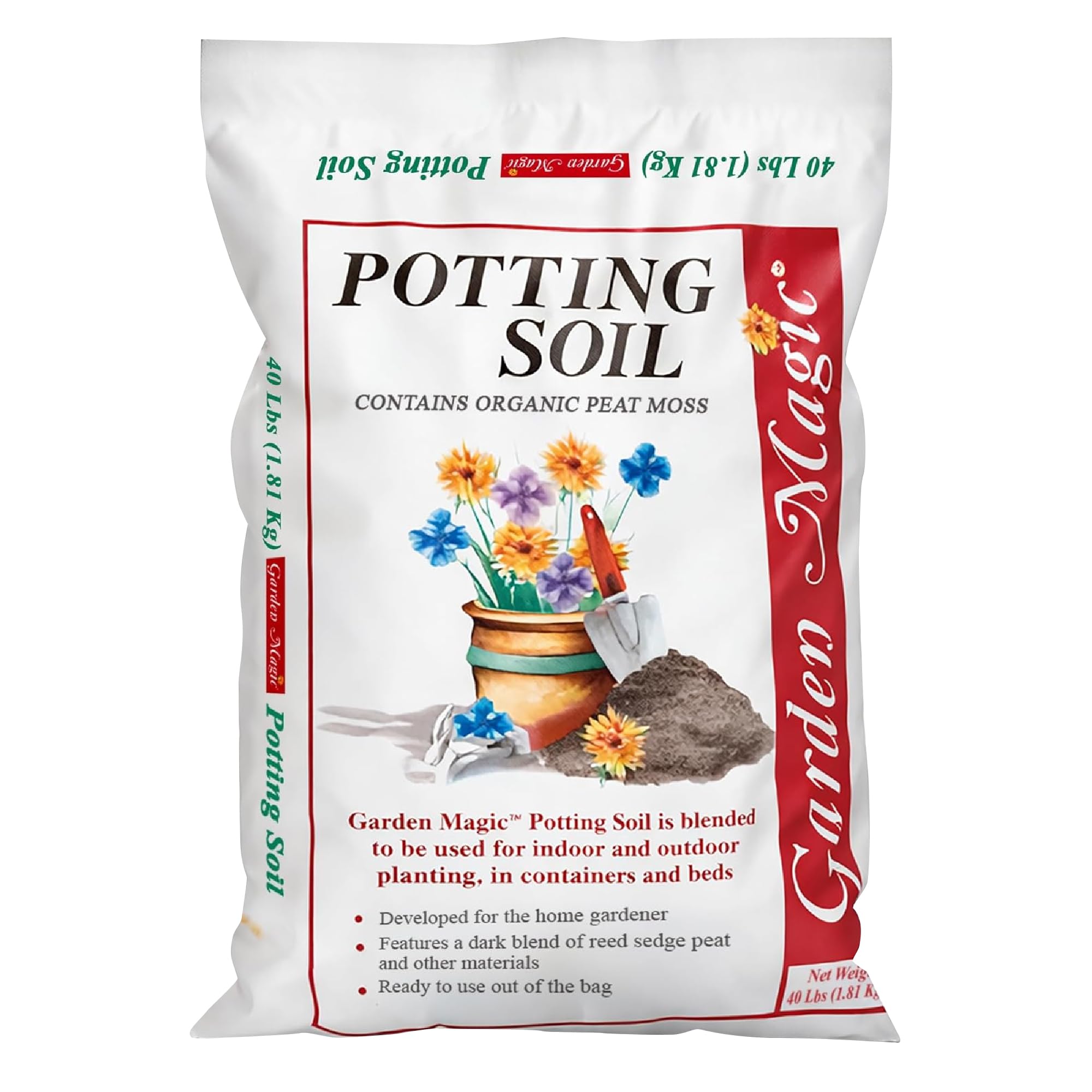
Michigan Peat Garden Magic is a straightforward, no-frills general-purpose potting soil that delivers high volume at a low per-pound cost. The 40-pound bag contains a dark blend of reed sedge peat, organic peat moss, and other natural materials. Designed for both indoor and outdoor use, it retains moisture effectively during dry spells — a useful trait for in-ground herb gardens that are not irrigated daily.
The texture is denser than premium potting mixes, which makes it better suited for in-ground beds and large raised beds than for small patio pots. Heavy clay soils benefit from the organic matter addition, and sandy soils gain water-holding capacity. The bag is ready to use out of the bag with no mixing required. Gardeners looking to fill multiple raised beds in one trip will appreciate the bulk availability.
Owner reports consistently praise the moisture retention and the earthy smell that signals active biological material. A minority of users noted the occasional large wood stick in the bag, which is more of an aesthetic annoyance than a functional problem — those pieces break down over time in open beds. For container herb gardening, adding perlite or coco coir chips improves drainage for Mediterranean herbs that prefer drier roots.
What works
- Excellent moisture retention for in-ground herb beds during dry periods
- High volume per bag reduces trips to the garden center
- Ready to use immediately without mixing or adjustments
What doesn’t
- Occasional large wood chunks in the blend
- Denser texture needs aeration amendments for container herbs
2. Coast of Maine Organic & Natural Planting Soil for Vegetables & Tomatoes (20 Qt)

Coast of Maine’s planting soil for vegetables and tomatoes is a compost-heavy blend formulated to balance moisture retention and drainage for in-ground and container use. The 20-quart bag contains composted manure and sphagnum peat moss, creating a lightweight structure that holds moisture while allowing excess water to escape. For outdoor herb gardens with a mix of thirsty basil and drought-tolerant rosemary, this universal balance works reasonably well.
The OMRI-listed organic composition means no synthetic chemicals are present, which is important for edible herbs. The soil is slightly more acidic than neutral, fitting the 5.5–6.5 pH range preferred by most culinary herbs. Users note that the soil contains aromatic wood particles that appear to deter some flying insects, though the effect is subtle and not a replacement for proper pest management.
Customer reports are positive for both container growers and in-ground planters, with multiple reviews mentioning thriving heirloom tomatoes and marigolds. A small subset of users reported fungus gnat issues when bringing the soil indoors, so outdoor use is the primary scenario for this blend.
What works
- Organic compost and peat moss balance moisture and drainage well
- Lightweight texture that doesn’t compact in pots
- OMRI listed for organic herb gardens
What doesn’t
- Occasional gnat issues reported by indoor users
1. Legigo 4 Pack Coco Coir Chips for Plants — 4.4 LB, Low EC pH Balanced
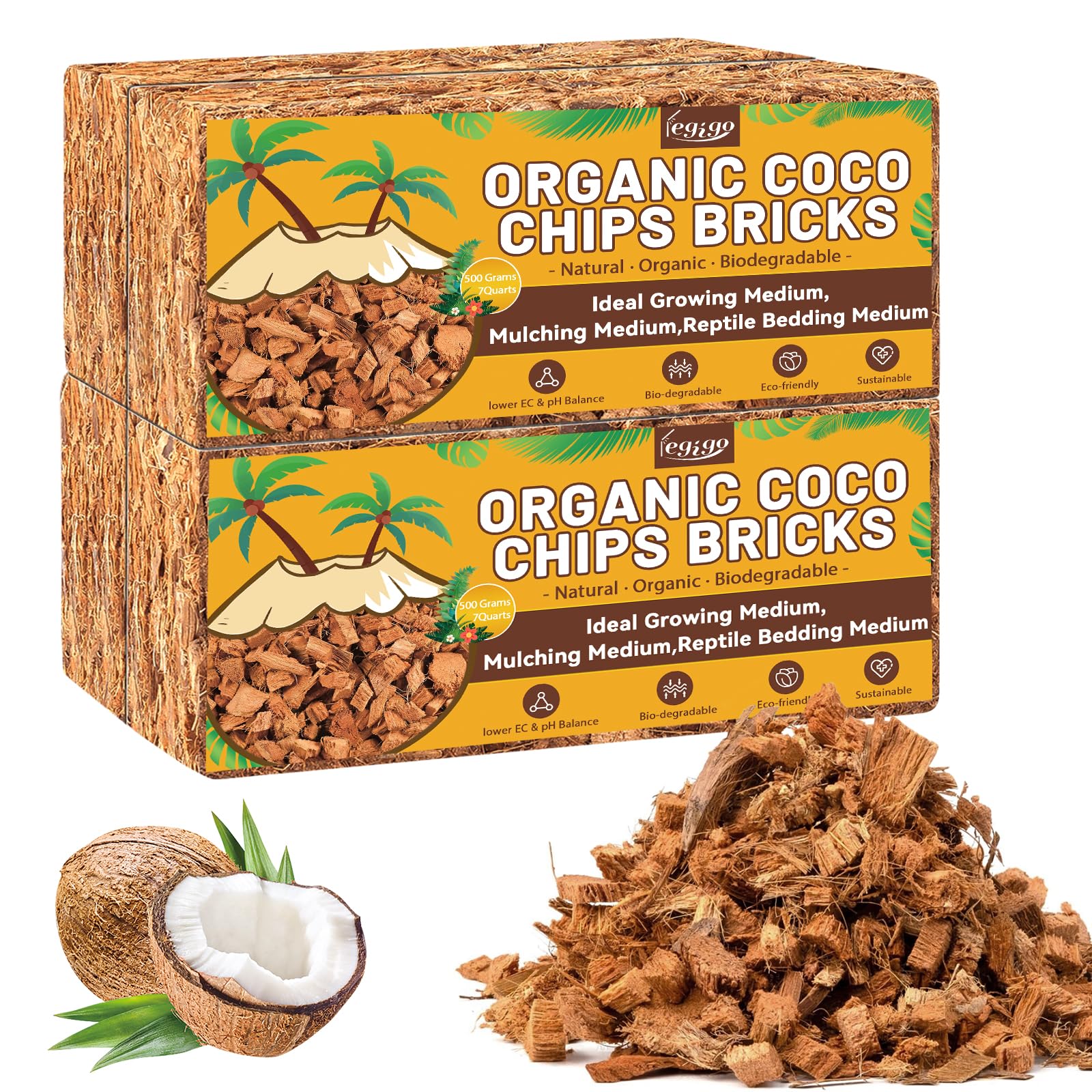
Legigo’s coco coir chips are compressed bricks that expand to roughly 5 to 7 times their dry volume when rehydrated. The 4-pack yields about 7 quarts of chunky, fibrous material with a low EC value (0.2–0.4), which eliminates the risk of root burn that plagues poorly rinsed coir. The pH sits in the 5.5–6.5 range, matching the preference of most outdoor herbs. This product is not a complete potting soil — it is a soil amendment designed to be mixed with existing potting mix or used as a standalone substrate in hydroponic or semi-hydronic setups.
The chips absorb 4 to 6 times their weight in water and release it slowly, reducing watering frequency during hot outdoor conditions. The porous structure creates excellent air pockets, preventing waterlogging and root rot. For outdoor herb growers dealing with heavy native soil or compacted potting mixes, blending in these chips drastically improves aeration. The chips can also serve as a top-dress mulch layer to retain soil moisture and suppress weed germination around basil, cilantro, and parsley.
Owner feedback consistently reports that the chips arrive clean, bug-free, and free of the large fiber clumps that plague cheaper coco products. Expansion is quick and complete once water is added. The low EC value ensures that the chips act as a neutral reservoir rather than adding unwanted salts to the growing medium. For gardeners who already have a base soil and simply need better drainage and moisture buffering, this is the most cost-effective upgrade available.
What works
- Low EC prevents nutrient burn when used as amendment
- High moisture holding capacity reduces watering frequency
- Expands quickly and packs cleanly without debris
What doesn’t
- Not a standalone potting soil — must be mixed with other media
Hardware & Specs Guide
pH Range for Herb Health
Outdoor herbs require a pH window between 5.5 and 6.5 for optimal nutrient absorption. Below 5.5, micronutrients like iron and manganese become overly available and can reach toxic levels. Above 6.5, iron, zinc, and phosphorus become locked out, causing yellowing leaves and stunted growth. A mix that does not list its pH on the bag should be tested before planting — most premium blends will state the range directly.
Cation Exchange Capacity (CEC)
CEC measures how well the soil holds onto positively charged nutrient ions — the higher the CEC, the longer nutrients stay available for root uptake. Coco coir and peat moss both have high CEC values, which is why mixes heavy in organic matter require less frequent fertilization. Sandy loam and perlite have lower CEC but provide essential drainage. The best blends balance both: organic matter for nutrient retention and mineral aggregates for drainage.
Organic Certification Labels
OMRI (Organic Materials Review Institute) listing confirms that every ingredient in the bag meets USDA organic standards. For edible outdoor herbs, this certification matters because it guarantees no synthetic pesticides, herbicides, or fertilizers were used in the growing or processing of the soil components. Coast of Maine and Espoma both carry OMRI listing. FoxFarm Ocean Forest, while using organic ingredients, does not carry the OMRI seal, but its nutrient sources are all naturally derived.
Perlite vs. Coco Coir for Drainage
Perlite is volcanic glass expanded by heat — it creates permanent air pockets but does not hold water. Coco coir holds water and releases it slowly while still providing aeration. For outdoor herbs in rainy climates, a mix with more perlite ensures water moves through quickly. For hot, dry regions, coco coir chips buffer against rapid evaporation. Many premium blends include both, giving you a balanced structure that adapts to variable weather.
FAQ
Can I use general potting soil for herbs outdoors?
How often should I replace the soil in outdoor herb containers?
What is the difference between potting mix and garden soil for outdoor herbs?
Do herbs need fertilizer mixed into the soil or applied later?
Final Thoughts: The Verdict
For most gardeners, the soil for herbs outdoors winner is the FoxFarm Ocean Forest Potting Soil because its aged forest product base, sandy loam drainage, and organic nutrient profile create the ideal environment for basil, rosemary, thyme, and sage to thrive in containers. If you want a premium organic soil with marine-based nutrients, grab the Coast of Maine Bar Harbor Blend. And for gardeners improving heavy native soil or filling multiple raised beds on a tight budget, nothing beats the value of Michigan Peat Garden Magic when blended with perlite for aeration.