
Specs are compiled from manufacturer listings and verified buyer reviews and can change over time — please confirm the key details on the product page before buying.
You picked out the basil, the mint, the cilantro. You found the perfect sunny windowsill. Then, a few weeks later, the leaves yellow and the stems go mushy. Nine times out of ten, the culprit is the dirt. Regular garden soil is too heavy for a pot; it holds water like a sponge and starves the roots of air. The right mix does the opposite — it stays fluffy, drains fast, and feeds the plant steadily without you having to guess.
I’m Rikta — the founder and writer behind Lawn Gear Lab. This guide is built by comparing the manufacturers’ published specifications and the patterns across verified customer reviews, so you get each pick’s real strengths and trade-offs instead of marketing spin.
The five mixes below each approach the problem differently — some emphasize aeration, others prioritize organic feeding, and a few try to do it all at once. This guide to the best soil for herbs indoors breaks down exactly what each bag delivers, so you match the dirt to the plant, not the other way around.
Quick Picks
- Avalution 18QT Potting Soil Mix — Best Overall
- Espoma Organic Potting Soil Mix AP8 — Best Value
- DUSPRO 8QRT Pre-Mixed House Plant Soil 7-in-1 — Top Performer
- Coast of Maine Bar Harbor Blend 16 QT — Premium Pick
- Grow Queen Craft Organic Houseplant Potting Mix 2QT — Specialized Pick
How To Choose The Best Soil For Herbs Indoors
Herbs grown indoors face a different set of challenges than the ones in your garden bed. The pot limits root space, and indoor air dries slower than a breeze outside. A good potting mix works around both problems by being light enough to let roots breathe but rich enough to feed the plant for weeks.
Drainage and Aeration
This is the dealbreaker. Indoor herbs hate sitting in wet soil. Look for ingredients such as perlite (volcanic glass popped into lightweight white pebbles), pumice (porous volcanic rock), coarse sand, or pine bark fines — these create air pockets in the mix so water runs through instead of pooling. A mix that feels light and crumbly in your hand will almost always beat one that feels dense and heavy.
Organic vs. Synthetic Nutrients
Herbs you plan to eat taste better when grown in organic soil. Ingredients like worm castings (decomposed worm waste that adds nutrients and microbes), kelp meal, and compost deliver nutrients slowly, so the flavor develops naturally. Synthetic fertilizers can push fast, leggy growth that dilutes the oils responsible for that strong basil or mint taste.
Bag Size and Value
Herb pots are small — a standard windowsill pot holds about one to two quarts of soil. A bag that holds 8 to 16 quarts can repot a full kitchen garden several times over. Bigger bags usually give you a much lower cost per quart, so if you plan to keep multiple herbs alive at once, the larger volumes make more sense.
Quick Comparison
| Model | Best For | Volume | Key Ingredients | Weight | Amazon |
|---|---|---|---|---|---|
| Avalution 18QT | Largest volume for multi-herb gardens | 18 Quarts | Coco coir, peat moss, perlite, vermiculite, rice hull charcoal | — | Amazon |
| Espoma Organic AP8 | Budget-friendly trusted brand | 8 Quarts | Peat moss, humus, perlite, worm castings, mycorrhizae | 4.4 lbs | Amazon |
| DUSPRO 8QRT 7-in-1 | All-in-one blend with excellent reviews | 8 Quarts | Pine bark, pumice, coco coir, perlite, worm castings, gypsum, peat moss | — | Amazon |
| Coast of Maine Bar Harbor 16 QT | Premium organic with compost and seafood meal | 16 Quarts | Sphagnum peat moss, compost, perlite, lobster/crab shell meal, kelp meal | 14 lbs | Amazon |
| Grow Queen Craft Organic 2QT | Specialized chunky mix for small pots | 2 Quarts | Douglas fir bark fines, lava rock, pumice, worm castings, biochar | — | Amazon |
In‑Depth Reviews
1. Avalution 18QT Potting Soil Mix
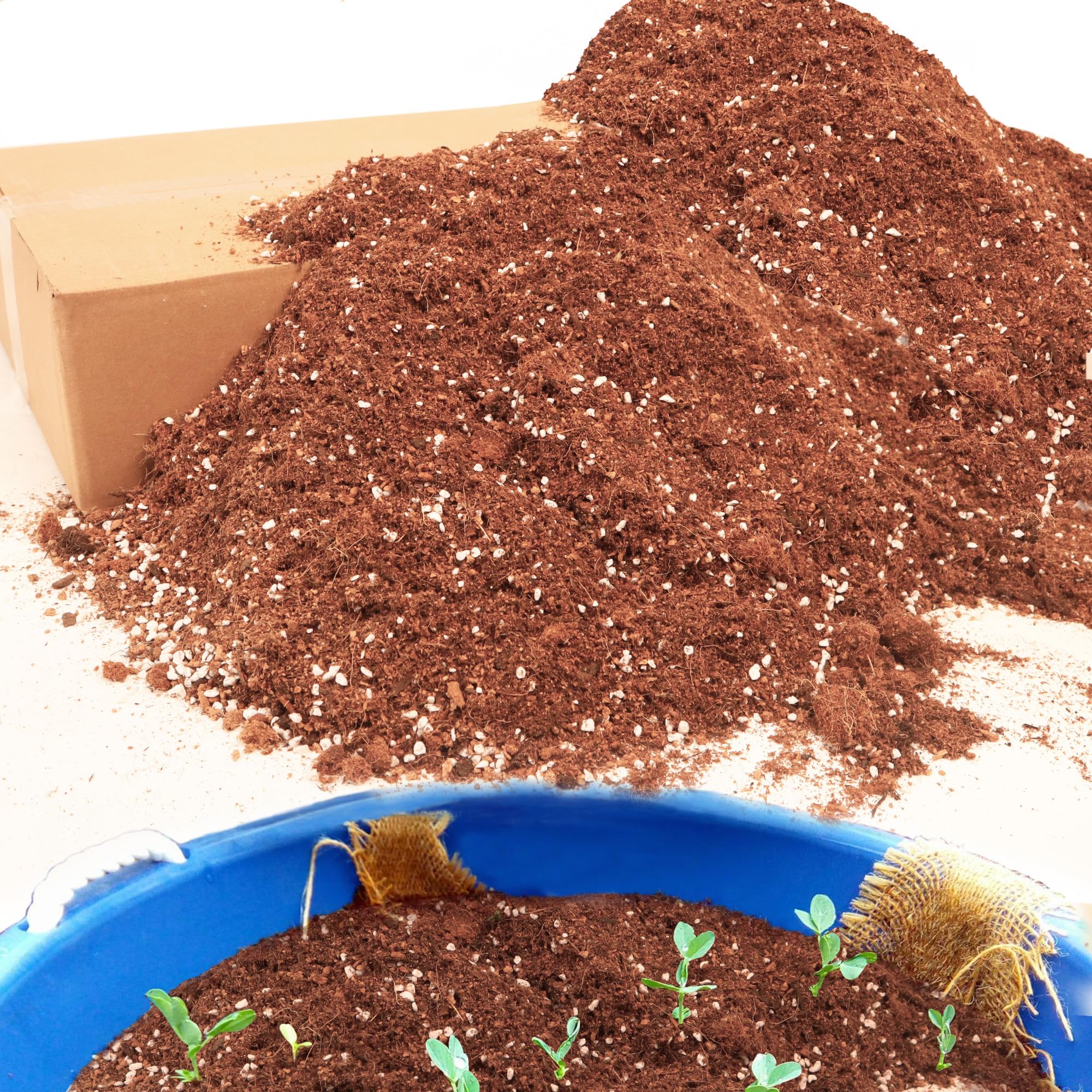
The biggest bag on the list, packed with five precise ingredients that keep herbs fed and breathing.
At 18 quarts, this mix gives you enough to fill several medium pots or one large planter box for a full windowsill herb garden — compared with the 8-quart Espoma and 8-quart DUSPRO options. It keeps roots healthy through an exact recipe: 55% coconut coir fiber (ground coconut husks that hold water) for moisture retention, 12% peat moss (partially decomposed bog moss that also holds water), 11% perlite (lightweight volcanic glass pebbles for aeration), 11% vermiculite (a mineral that absorbs water and releases it slowly), and 11% rice hull charcoal (charred rice husks that improve drainage and prevent compaction). Unlike the DUSPRO or Grow Queen blends that rely on bark for structure, this one gives you both perlite and vermiculite — so roots get oxygen from the air pockets while still having stored water to draw from between waterings.
Buyers report that the mix saved a withered plant overnight and that a ghost pepper plant grew super fast in it. The rice hull charcoal is an unusual addition here — it helps with drainage and adds a bit of mineral structure that prevents the soil from collapsing over time.
One trade-off: the mix is described as porous (full of open spaces), meaning water runs through quickly. If you tend to forget watering, this might dry out faster than the denser, compost-heavy Coast of Maine soil. It suits the attentive waterer who checks soil moisture a few times a week.
The balance is the point: this blend gives you enough water retention for busy weeks and enough drainage for safety — the 18-quart bag also means you will not run out halfway through a repotting session.
Reach for this if: you are starting a multi-herb indoor garden and want one bag that handles basil, mint, rosemary, and parsley with no extra mixing.
Look elsewhere if: you prefer a pre-moistened, bioactive soil that arrives ready to plant immediately — this bag is dry and needs a first watering.
2. Espoma Organic Potting Soil Mix AP8

A trusted name in organic gardening, this mix adds a mycorrhizae boost that most budget options skip.
At 8 quarts and 4.4 pounds, the AP8 comes in a smaller bag than the 18-quart Avalution 18QT, but it packs a biological punch those bigger bags lack. The ingredient list is honest: sphagnum peat moss, humus (decomposed organic matter), perlite, earthworm castings (worm waste that enriches soil), alfalfa meal, kelp meal, and feather meal. The perlite ensures air channels stay open so roots do not drown.
Where this mix separates itself from cheaper alternatives is the Myco-Tone, a proprietary blend of endo and ecto mycorrhizae (beneficial fungi that attach to plant roots and help them absorb water and nutrients). For herbs like rosemary and thyme that prefer leaner soil, this symbiotic boost means you might water less often because the roots can scavenge more efficiently. Owners mention the consistency is excellent for general garden needs and that the soil arrives well-packaged.
The catch: one reviewer noted the bag came taped closed with a date from months prior, raising a concern about freshness and potential pests, though no actual pests were confirmed. This is worth checking when the bag arrives — tear open and inspect before using on your herbs.
What stands out
- Myco-Tone mycorrhizae blend improves nutrient uptake for herbs.
- Rich organic ingredients (worm castings, kelp, alfalfa) feed naturally.
What to watch
- Bag sealing has been inconsistent, review freshness date on arrival.
- At 8 quarts, it comes in a smaller bag than the 18-quart Avalution 18QT mix.
Best for budget-minded organic growers: the Espoma gives you proven ingredients and a biological booster at a fair price per quart, as long as you confirm the bag is fresh on delivery.
3. DUSPRO 8QRT Pre-Mixed House Plant Soil 7-in-1
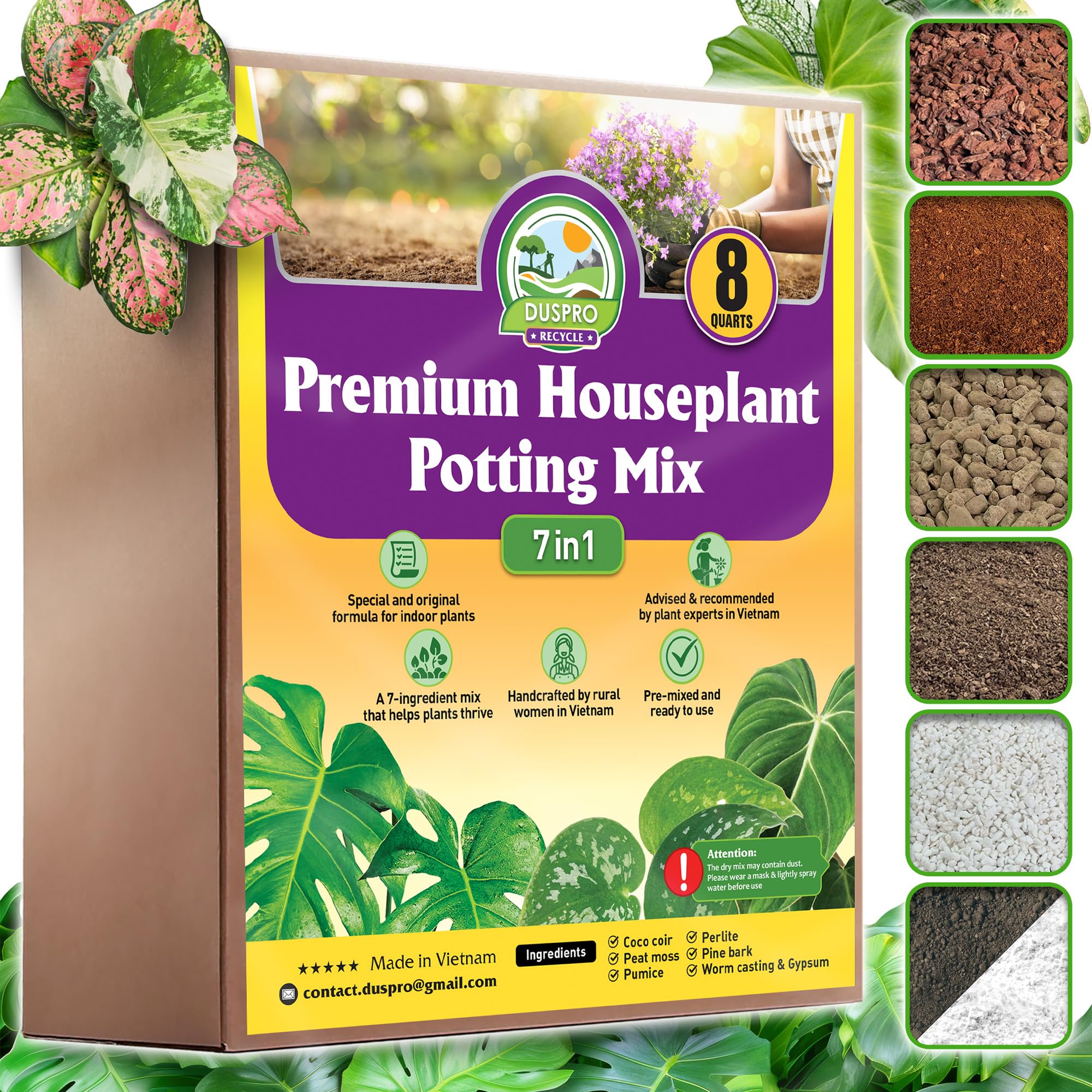
A seven-ingredient blend that arrives pre-mixed and ready, with buyer reports of no mold after six months.
If you want to open a bag and pour it straight into a pot without measuring perlite, peat, and bark separately, the DUSPRO 8QRT eliminates that work. It combines pine bark, pumice, coco coir, perlite, worm castings, gypsum (a mineral that adds calcium without raising soil pH too much), and peat moss into a chunky, well-draining mix. The gypsum is a nice touch — it adds calcium without raising the pH too much, which matters for herbs like basil that prefer slightly acidic to neutral soil (pH 6.0 to 7.0). This is chunkier than the Espoma AP8, so it drains faster — a plus if you tend to water generously.
One buyer mentioned that after six months of use, there was no mold or mildew in the soil — a strong sign that the aeration is working as designed. Another noted that their Monstera and herbs showed visible growth within weeks. The mix is designed for aroids (plants like pothos and philodendrons) and tropicals, but its open texture works well for culinary herbs that dislike compaction. The 8-quart bag fits an 8-inch pot, a 6-inch pot, and four 4-inch pots, according to one review — so you can repot a small herb collection from a single bag.
The main downside is dust. Several reviewers mention the bag is dusty when first opened. The manufacturer suggests misting it lightly before use, which settles the fines.
Ready-to-use convenience: the 7-in-1 blend means you do not need to mix your own aeration ingredients — just open, lightly mist, and plant your herbs.
Reach for this if: you want a fuss-free, pre-balanced mix that is proven to resist mold and support rapid root growth for a variety of herbs.
Look elsewhere if: the dust at opening bothers you, or you prefer a completely peat-free formulation.
4. Coast of Maine Bar Harbor Blend 16 QT
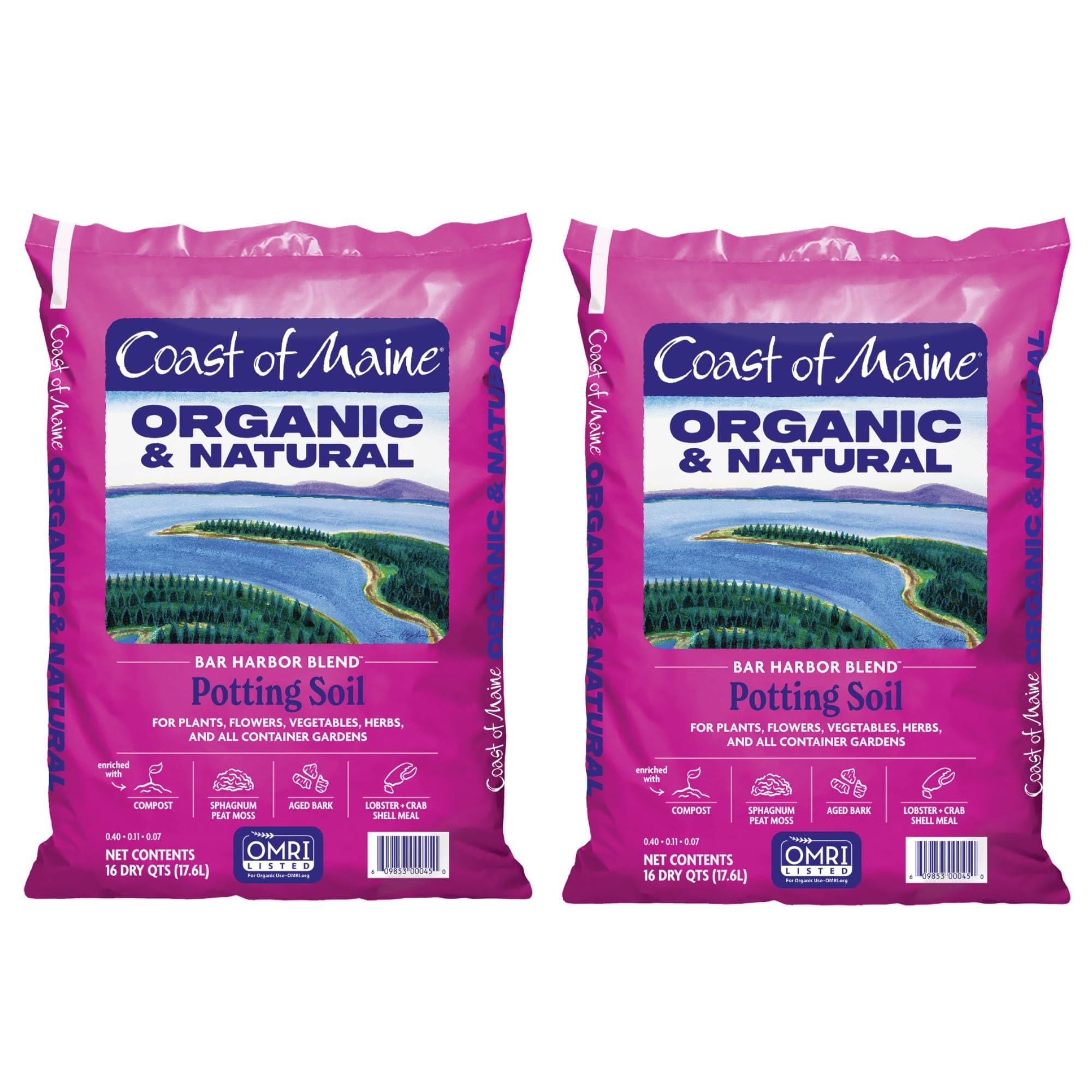
A 14-pound bag of compost-enriched soil made with lobster and crab shell meal from the Maine coast.
This mix takes a different path from the others — instead of relying on peat and bark for structure, it builds fertility around compost and seafood meal. The ingredient list includes sphagnum peat moss, compost, perlite, lobster and crab shell meal (ground shells that slowly release calcium and chitin), and kelp meal (dried seaweed that provides trace minerals). The shellfish meal provides a slow-release source of calcium and chitin, which can naturally suppress certain soil-borne pests while feeding the plant. At 16 quarts and 14 pounds, this is a dense, nutrient-heavy bag — heavier than the Avalution 18QT because of the compost content. That weight means your small herb pots will stay planted stably on the windowsill, unlike the lighter Avalution mix.
Customers note that their tomato plants never looked better and that the soil is rich, dark, and free of sticks and debris. One owner reported it is well worth the price and uses it in raised beds, pots, and indoor containers alike. For indoor herbs, the compost adds a level of microbial activity that lighter peat-based mixes lack — this helps break down organic matter into nutrients the plant can use steadily.
The trade-off is weight and texture. The compost makes this mix denser, so heavy-handed watering can lead to compaction over time. Herbs like rosemary that prefer sharper drainage might need extra perlite mixed in — something you would not need to do with the Avalution or DUSPRO blends.
Strengths
- Lobster and crab shell meal provide natural calcium and trace minerals.
- Compost base adds rich microbial life missing from lighter mixes.
- No sticks or filler debris, per buyer feedback.
Trade-offs
- Heavier and denser than peat-based or bark-based blends.
- Needs careful watering to avoid compaction in herb pots.
Best for the serious indoor gardener: the Coast of Maine delivers exceptional organic richness if you pair it with moderate watering habits — your basil and mint will reward you with strong growth and deeper flavor.
5. Grow Queen Craft Organic Houseplant Potting Mix 2QT
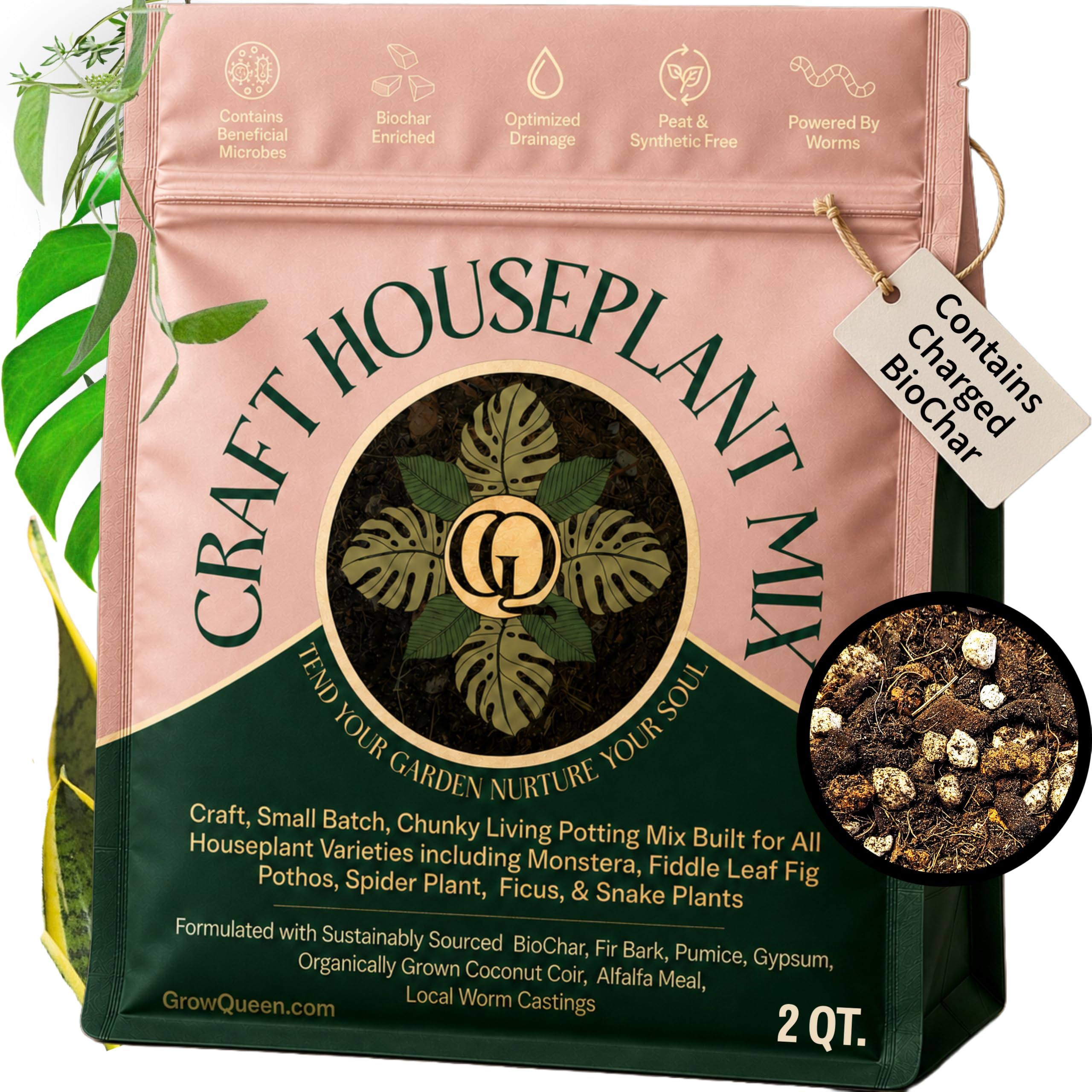
A peat-free, perlite-free chunky mix that arrives pre-moistened so roots settle in with zero shock.
This is the specialty option — a 2-quart bag built for soil nerds who want maximum aeration and a sustainable footprint. Instead of peat or perlite, the blend uses large Douglas fir bark fines (small bark pieces), lava rock, and pumice for structure, with premium organic worm castings and charged biochar (charred organic material that holds nutrients like a permanent sponge) for nutrients. The biochar acts like a permanent sponge, holding onto nutrients and releasing them slowly, which means you might fertilize less often. Because it is peat-free and perlite-free, there is no dusty mess and no white floating chunks on the soil surface after watering — unlike the DUSPRO mix which has noticeable dust on opening.
A buyer reported that their Monstera Thai Constellation thrived and unfolded a new leaf after repotting in this mix — a good sign for herbs, since Monstera is notoriously picky about root conditions. Another reviewer noted no bugs in the soil, which is a relief for indoor gardeners worried about fungus gnats. The pre-moistened arrival is unique among these picks: the soil comes slightly damp, so it does not repel water on first watering the way dry peat often does.
The clear limitation is volume. At only 2 quarts, this bag is much smaller than the Espoma 8QT at 8 quarts. It will fill one standard 6-inch herb pot, maybe two small ones. If you want to plant a full windowsill of multiple herbs, you will need several bags, and the per-quart cost is higher than any other mix here — a budget-choice buyer should grab the Espoma AP8 instead.
Perfect for the single-pot herb grower: the chunky, pre-moistened, peat-free composition is ideal if you are repotting one prized basil or mint plant and want the absolute best root environment.
Reach for this if: you have one or two small herb pots and prioritize a bug-free, peat-free, pre-moistened mix that prevents transplant shock.
skip it if: you are outfitting a full kitchen herb garden — the 2-quart bag runs out fast, and the larger options above give far more soil per dollar.
Understanding the Specs
Drainage and Aeration
Drainage refers to how fast water moves through the soil. Aeration is the amount of air space between soil particles. For indoor herbs, you want both to be high. Ingredients like perlite (volcanic glass popped into lightweight white pebbles), pumice (a porous volcanic rock), and pine bark fines create those air pockets. A simple test: take a handful of moist soil and squeeze. If water drips out easily and the ball crumbles when you poke it, the drainage is good. If it holds together like clay, it is too dense for herbs.
Organic Matter and Nutrients
Organic matter such as worm castings, compost, and kelp meal feeds the soil microbes, which in turn feed the plant. Unlike synthetic fertilizers that give a quick spike of growth, organic ingredients release nutrients slowly over weeks. Herbs grown in organic soil develop oils more slowly, which often means a stronger flavor and aroma. Mixes that list “earthworm castings” or “compost” as a primary ingredient are generally richer than those based purely on peat and perlite.
FAQ
Can I use regular garden soil for indoor herbs?
How often should I water herbs in a well-draining indoor mix?
What is the difference between peat moss and coco coir?
Do I need to add fertilizer to these potting mixes?
Will a chunky aroid-style mix work for all herbs?
How long does an opened bag of potting soil stay good?
What is biochar and why is it in the Grow Queen mix?
Is pre-moistened soil better than dry soil for repotting herbs?
Can I mix two of these soils together?
Why does the DUSPRO mix say it is dusty?
Final Thoughts: The Verdict
If you want one dependable pick, the best soil for herbs indoors is the Avalution 18QT because you get the largest volume with a balanced five-ingredient recipe that provides both drainage and water retention — enough to fill a whole kitchen garden from one bag. If you want a bio-active organic mix with mycorrhizae for stronger roots, grab the Espoma AP8. And for a premium, compost-rich soil that feeds herbs steadily, the Coast of Maine Bar Harbor Blend is the top performer.
How We Picked
We do not accept paid placement. Every pick is matched to a real buyer and a real use-case; we do not hands-on test units.
Sources & Methodology
Specifications: manufacturer listings and product documentation. Review insights: verified customer reviews, as of July 2026. Pricing: not shown on this page (it changes often); check the current price via the retailer link.
As an Amazon Associate, Lawn Gear Lab earns from qualifying purchases. This does not affect which products we feature.