
Grow bags are fantastic for root health — they air-prune roots and eliminate the circling that plagues plastic pots. But the wrong soil turns that advantage into a soggy disaster, suffocating roots and inviting fungal rot. The mix inside a breathable fabric bag needs to drain aggressively while still holding enough moisture between waterings, a balance standard potting soils often fail to strike.
I’m Rikta — the co-founder and writer behind Lawn Gear Lab. I’ve spent countless hours cross-referencing soil ingredient lists, comparing aeration profiles, and analyzing thousands of owner experiences to find exactly which bagged mixes deliver the drainage, structure, and nutrient profile that grow bags demand.
After evaluating dozens of formulas against the unique physics of fabric containers, I narrowed the field to seven stands-out options. If you want a soil that keeps roots oxygenated, dries evenly, and won’t collapse into mud after three waterings, this guide to the best soil for grow bags is built to save you a season of guesswork.
How To Choose The Best Soil For Grow Bags
Grow bags dry out faster and drain differently than rigid containers. The ideal mix must hold structure, resist compaction, and allow roots to breathe. Here are the three most critical factors to evaluate before you buy.
Drainage and Aeration
The fabric walls of a grow bag accelerate evaporation, which is good — but only if the soil itself doesn’t hold a puddle at the bottom. Look for a mix that includes perlite, pumice, coarse sand, or expanded shale. These components create pore spaces that let excess water escape and allow oxygen to reach the root zone. A soil that stays wet for more than a day or two after watering is a bad fit for bags.
Base Medium: Peat vs. Coco Coir
Peat moss is lightweight and holds water well but can become hydrophobic when dry and has a lower pH. Coco coir rewets easily, has a neutral pH, and provides better air-filled porosity. For grow bags, coco coir based mixes generally outperform peat because they resist compaction and drain more consistently across the entire bag.
Nutrient Content and Longevity
Grow bags require more frequent feeding than pots because nutrients leach out faster with each watering. A soil that includes worm castings, compost, or slow-release organic amendments gives your plants a strong start. That said, avoid mixes with synthetic time-release fertilizers unless you plan to repot or flush regularly — they can dump nutrients unevenly in the bag environment.
Quick Comparison
On smaller screens, swipe sideways to see the full table.
| Model | Category | Best For | Key Spec | Amazon |
|---|---|---|---|---|
| FoxFarm Cultivation Nation 70:30 | Coco Coir Mix | Maximum aeration in bags | 70% coir / 30% perlite | Amazon |
| Roots Organics Original | Organic Potting Soil | Heavy-feeding vegetables | 10 gallons / 1.5 cu ft | Amazon |
| Premier Pro Mix HP | Peat-Based Mix | Seedlings and cuttings | High porosity / Mycorise | Amazon |
| Miracle-Gro Potting Mix 3-Pack | All-Purpose Potting Mix | General container flowers | Feeds up to 6 months | Amazon |
| Miracle-Gro Cactus Mix 3-Pack | Fast-Draining Mix | Succulents and citrus | 8 qt per bag / 3-pack | Amazon |
| R&M Organics Compost | Soil Amendment | Boosting bag soil nutrients | 10 lb / 0.31 cu ft | Amazon |
| Perfect Plants Snake Plant Soil | Specialty Potting Mix | Small decorative bag plants | 8 qt / Coco coir base | Amazon |
In‑Depth Reviews
1. FoxFarm Cultivation Nation 70:30 Growing Media

The FoxFarm Cultivation Nation 70:30 is purpose-built for the airy, fast-draining environment that grow bags crave. With 70% buffered coconut coir and 30% perlite, this mix delivers exceptional aeration while retaining enough moisture to prevent the rapid drying that small fabric containers experience. The 2-cubic-foot bag provides generous volume for multiple large grow bags or a single deep container.
Owners consistently report faster growth in this medium compared to standard potting soils, with spinach maturing two weeks sooner under identical conditions in one documented test. The lightweight texture makes handling large bags far easier than dense peat-based alternatives, and the pH-stable coir base eliminates the need for lime amendments that peat mixes require.
It arrives dry and needs thorough pre-moistening before planting, but that initial step pays off in consistent performance throughout the growing cycle. For bag gardening where root zone oxygen is the top priority, this blend sets the benchmark.
What works
- Optimal air-to-water ratio for fabric bag drainage
- Lighter than peat-based soils, easier to move bags
- Buffered coir resists pH swings
What doesn’t
- Must be hydrated before use — not ready-moist
- No built-in nutrients; needs regular feeding
2. Roots Organics Original Potting Soil

Roots Organics Original blends coco fiber with a robust lineup of organic amendments — bat guano, earthworm castings, fish bone meal, and mycorrhizae — creating a nutrient-dense medium that sustains heavy feeders through multiple weeks without supplemental fertilizer. The coco fiber base provides the aeration that grow bags need, while the amendments supply a steady release of nitrogen and trace minerals.
Long-term users appreciate the consistent quality across batches, with many reporting fewer pest issues than they experienced with competing premium soils. The balanced air-to-water porosity allows frequent watering cycles common in fabric containers without waterlogging roots. Users have noted that the soil drains water quickly, which is exactly what a grow bag environment demands.
A few recent bags have contained small rocks, an occasional inconsistency that stands out at this price tier. Still, for gardeners who want a ready-to-grow bag soil that skips the amendment mixing step, this remains a reliable premium pick.
What works
- Rich organic amendment package reduces early feeding
- Coco fiber base resists compaction in bags
- Consistent quality across multiple purchases
What doesn’t
- Occasional rocks or debris in the mix
- Premium pricing per cubic foot
3. Premier Pro Mix HP with Mycorise

The Pro Mix HP stands out for its exceptionally light, fluffy texture — a high-porosity peat-based formula that virtually eliminates the risk of overwatering in grow bags. The inclusion of Mycorise, a beneficial mycorrhizal inoculant, helps roots establish faster and access nutrients more efficiently, which is particularly valuable in the leach-prone environment of fabric containers.
Growers working with sensitive plants or rooting cuttings will appreciate the consistent pH and gentle nutrient profile. One user reported a 90% success rate with native plant cuttings that previously failed at 20% in other soils, attributing the difference to the mix’s drainage and lack of mold issues. The loose, clump-free consistency ensures uniform filling across the bag.
It ships in a large 2.8-cubic-foot bale that must be rehydrated and fluffed before use. This is a near-inert base, so you must add your own fertilizer regimen for long-term growth. For growers who want total control over nutrients and need a pure, well-aerated starting point, this is a top contender.
What works
- Extremely high porosity prevents waterlogging
- Mycorrhizae boost early root development
- Excellent for seedlings and cuttings in bags
What doesn’t
- Requires regular fertilizing — very low native nutrients
- Large bale needs rehydration before use
4. Miracle-Gro Potting Mix 3-Pack

For bag gardeners on a budget who want a simple, grab-and-go solution, the Miracle-Gro Potting Mix 3-pack offers dependable performance at a per-bag cost that undercuts almost everything else. The built-in fertilizer feeds plants for up to six months, which simplifies the first half of the season for flowers, herbs, and vegetables in medium-sized grow bags.
The texture is lighter than typical bargain-priced soils, with enough perlite to provide decent drainage in fabric containers. Users consistently note that it doesn’t pack down into a hard layer, maintaining loose structure that allows water to reach roots. The 8-quart bags are manageable to handle and store, making this a convenient choice for gardeners who want to experiment with different mixes without committing to a huge bale.
The nutrient charge is synthetic and time-released, which means it can’t be precisely controlled for organic growing. Some heavy-feeding plants may also exhaust the fertilizer before the six-month mark. Still, for straightforward container gardening where convenience matters most, this mix delivers reliable results.
What works
- Built-in feeding lasts multiple months
- Light texture stays loose in fabric bags
- Convenient small bag format
What doesn’t
- Not suitable for organic growing regimens
- Fertilizer may run out before stated duration with heavy feeders
5. Miracle-Gro Cactus, Palm & Citrus Mix 3-Pack

This fast-draining formula is engineered for plants that despise wet feet, making it a natural fit for succulents, snake plants, and citrus grown in grow bags. The blend incorporates extra perlite and sand to create large pore spaces, ensuring water passes through quickly and roots stay oxygenated — a non-negotiable trait for bag-based succulent cultivation.
Users report excellent results with Christmas cacti and other epiphytic succulents, noting vigorous new growth after transplanting. The 3-pack covers multiple pots or a few small grow bags, and the resealable packaging helps keep unused mix fresh. Many experienced growers combine this formula with standard potting soil to tailor drainage for specific plants.
The nutrient content is minimal, so plants will need supplemental feeding after the first few weeks. For dedicated succulent growers who use fabric containers, this mix provides the sharp drainage that bag environments amplify.
What works
- Excellent drainage prevents root rot in bags
- Works well as a base to customize with other mixes
- Great for succulents and drought-tolerant plants
What doesn’t
- Low nutrient content, needs early feeding
- Not ideal for moisture-loving vegetables
6. R&M Organics Premium Organic Compost
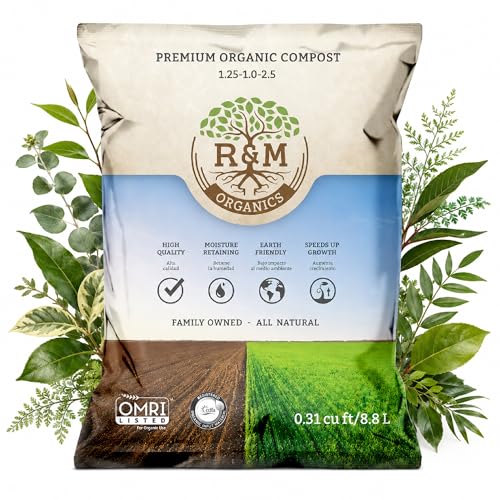
The R&M Organics compost works best as an amendment rather than a standalone grow bag medium, but its role is critical. Blending a quarter-inch layer of this fully composted dairy manure into an existing bag mix replenishes organic matter and introduces beneficial microbes that improve soil structure and moisture retention. Users have successfully revived struggling plants within a week of mixing this into their containers.
The low-odor, fine-textured compost integrates easily into any base soil without clumping. One master gardener recommended it to revive azaleas after a harsh chemical wash, and the plants bounced back fully. For bag gardeners who use a neutral base like coco coir or peat, this compost adds the organic nutrient punch that keeps vegetables and flowers productive.
The 10-pound bag covers only a limited volume when used as a straight potting medium. For large grow bags, you’ll want to treat this as a supplement rather than the main event, mixing it at the recommended 5:1 ratio with your base soil.
What works
- Revives struggling plants quickly
- Fine texture integrates easily into existing mix
- Low odor works for indoor use
What doesn’t
- Small bag limits use as standalone medium
- Needs to be mixed with aeration components for bags
7. Perfect Plants Organic Snake Plant Soil
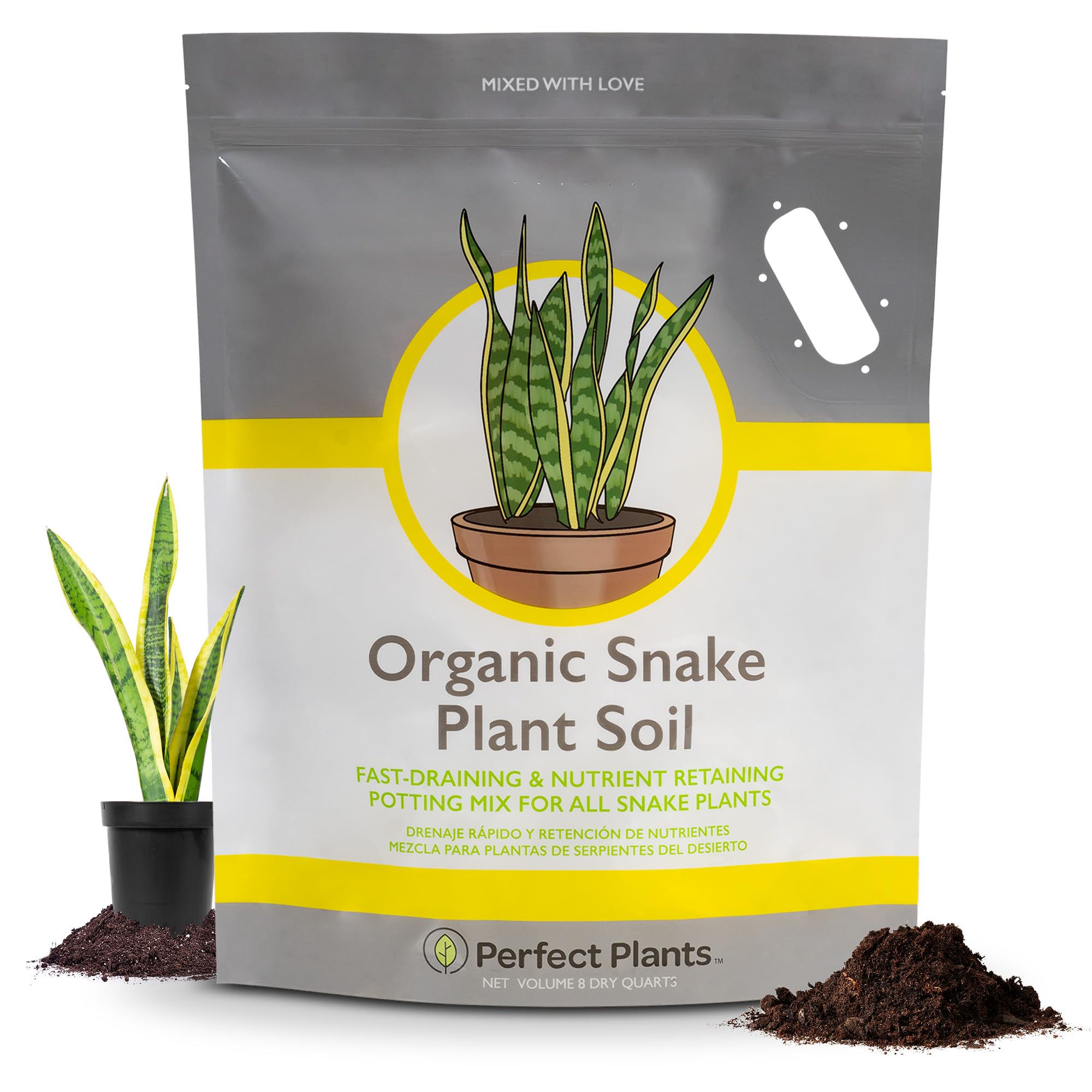
The Perfect Plants Organic Snake Plant Soil is a niche option that works well for small decorative grow bags holding succulents or snake plant varieties. Its coco coir, pine bark chips, perlite, and sand composition provides the sharp drainage and porous structure these plants need, and the complete lack of slow-release fertilizer gives you full control over feeding.
Users praise its consistency — the blend holds the same quality across bags, and the coarse texture prevents the compaction that kills snake plants in standard potting soils. The resealable bag is practical for smaller spaces. It works equally well for other succulents and even some tropical houseplants grown in breathable containers.
The 8-quart bag size is economical only for smaller planting projects. If you’re filling multiple large grow bags, the cost per cubic foot climbs quickly compared to bulkier options. For targeted use with specific bag plants, it’s a thoughtfully formulated mix that delivers exactly what its name promises.
What works
- Ideal drainage for succulents in small bags
- No synthetic fertilizers — full grower control
- Consistent blend from bag to bag
What doesn’t
- Expensive per cubic foot for larger projects
- Not intended for moisture-loving vegetables
Hardware & Specs Guide
Aeration Components
Perlite and pumice are the most common aeration agents in bag-specific mixes. Perlite is lightweight, inexpensive, and provides excellent drainage, but it can float to the surface over time. Pumice is heavier, stays mixed better, and offers superior capillary action. Coco coir naturally holds more air than peat at the same moisture level, which is why premium bag soils lean heavily on coir-based blends.
Water Retention Balance
Grow bags lose moisture from all sides, not just the top. A soil that retains water too aggressively will stay soggy near the bottom, while one that is too light will require multiple daily waterings in hot weather. The best bag soils use a blend of coir for even moisture distribution and perlite for drainage, creating a gradient that stays consistently damp without saturation.
FAQ
Can I use regular garden soil in a grow bag?
How often should I water grow bags compared to plastic pots?
Should I add perlite to bagged potting mix for grow bags?
Final Thoughts: The Verdict
For most gardeners, the best soil for grow bags winner is the FoxFarm Cultivation Nation 70:30 because its coir-to-perlite ratio delivers unmatched aeration while maintaining enough moisture for healthy growth between waterings. If you want an organic, nutrient-dense mix that reduces early feeding, grab the Roots Organics Original. And for budget-conscious bag gardeners who value convenience, the Miracle-Gro Potting Mix 3-Pack is the straightforward choice that gets the job done.