
Cherry tomatoes are hungry plants. They need a soil that stays moist but never soggy, feeds them steadily, and gives roots room to roam. A bag of cheap garden dirt can lead to stunted plants, rotten roots, or a disappointing handful of fruit. The right mix changes everything — turning a single plant into a cascade of sweet, sun-warmed tomatoes all summer long.
I’m Rikta — the co-founder and writer behind Lawn Gear Lab. This guide is built by comparing the manufacturers’ published specifications and the patterns across verified customer reviews, so you get each pick’s real strengths and trade-offs instead of marketing spin.
The best soil for cherry tomatoes balances moisture retention with sharp drainage while delivering a steady supply of organic nutrients for vigorous growth and heavy fruiting.
How To Choose The Best Soil For Cherry Tomatoes
Cherry tomatoes are heavy feeders that also hate wet feet. The wrong soil leads to yellow leaves, blossom-end rot, or a poor harvest. Here are the three things to look for on every bag.
Drainage and Aeration
Cherry tomato roots need oxygen as much as they need water. A good soil contains perlite (those small white volcanic rocks), vermiculite, or sand to create air pockets. This prevents the roots from drowning in standing water — a common killer of container tomato plants.
Organic Matter and Nutrients
Look for compost, worm castings, aged manure, or kelp meal listed in the ingredients. These provide a slow-release buffet of nitrogen, phosphorus, and potassium that keeps your plants fed for weeks. Avoid mixes that rely on synthetic quick-release fertilizers — they can burn delicate seedlings.
pH Balance
Tomatoes prefer slightly acidic soil, ideally between 6.0 and 6.8. In this range, roots can absorb phosphorus and other nutrients efficiently. Many premium organic mixes are pre-balanced, but it is worth checking the label or testing your own soil at home.
Quick Comparison
On smaller screens, swipe sideways to see the full table.
| Model | Category | Best For | Key Spec | Amazon |
|---|---|---|---|---|
| FoxFarm Ocean Forest | Premium | Best Overall Performance | 1.5 cu ft / 34 lbs | Amazon |
| Coast of Maine | Premium Organic | Best Balanced Organic | 20 Quarts | Amazon |
| Espoma Vegetable & Flower | Top Performer | Best for In-Ground Beds | 1 Cubic Foot | Amazon |
| Espoma Organic Potting Mix | Best Value | Best for Container Gardens | 1 Cubic Foot | Amazon |
| Brut Organic | Best Value | Best for Quick Growth | 21 Quarts | Amazon |
| Michigan Peat | Budget Champion | Best for Large Gardens | 50 lbs | Amazon |
| Vermont Compost Fort Vee | Premium Pick | Best for Seed Starting | 20 Quarts | Amazon |
In‑Depth Reviews
1. FoxFarm Ocean Forest Potting Soil
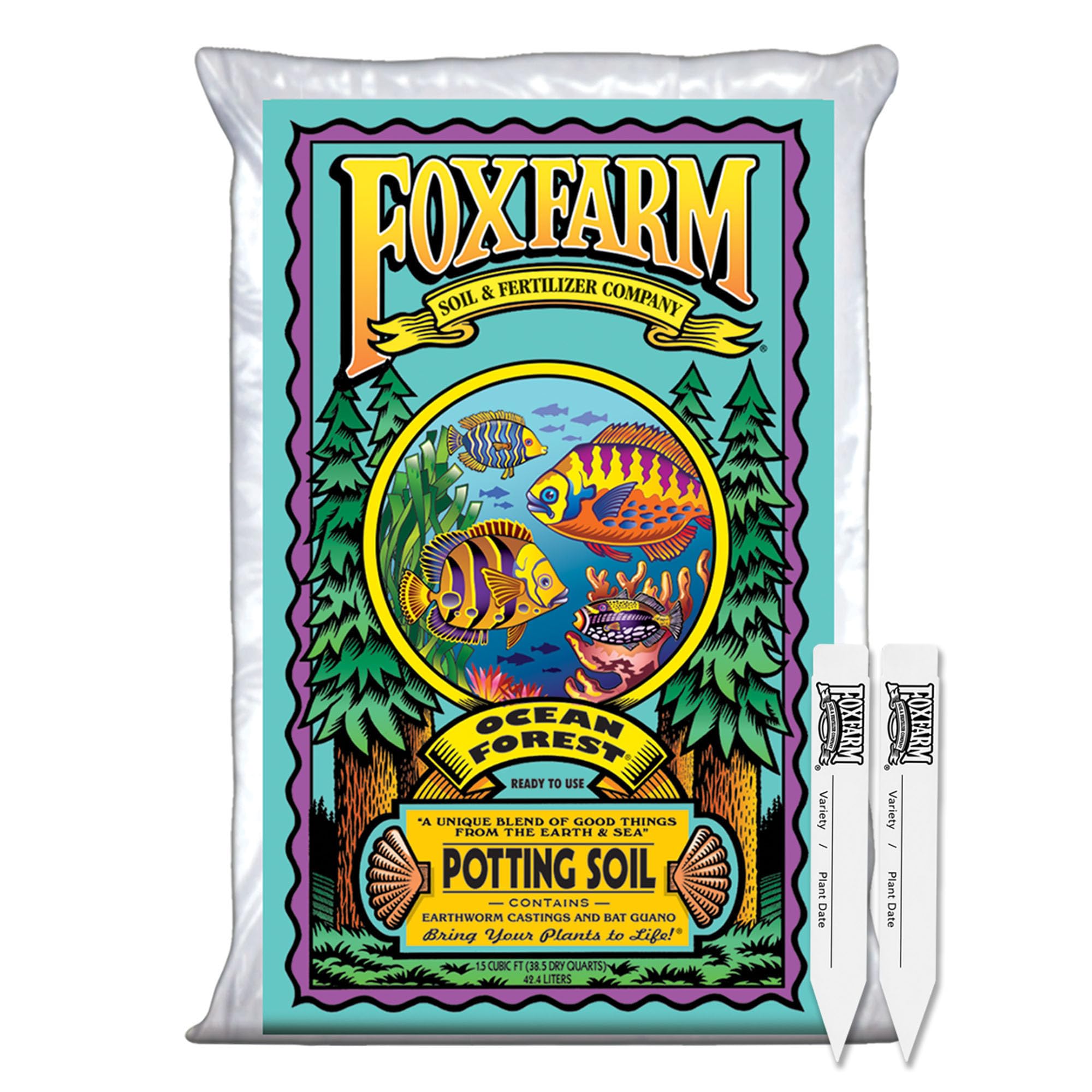
1.5 cubic feet (34 pounds) is the bag size that makes this the top pick for serious tomato growers who want a complete, organic-rich mix from the bag — no synthetic chemicals, just steady feeding from aged forest products, sphagnum peat moss, perlite, sandy loam, fish emulsion, crab meal, shrimp meal, earthworm castings, and kelp meal.
Reviewers report that FoxFarm significantly outpaced a standard store brand like Miracle-Gro for tomato plants started from seed under the same exact watering schedule. Buyers report the soil absorbs water immediately when you pour it in — no dry pockets that repel moisture — and one bag fills several large containers or a small raised bed.
The only cost is the investment — this is a premium soil at a premium price point. But for the gardener who wants the highest likelihood of a heavy, sweet harvest without fussing over extra fertilizers, this bag delivers the most reliable performance in the lineup.
Why it’s great
- Rich organic ingredients feed plants for weeks
- Immediate water absorption — no dry spots
- Light, aerated texture prevents root rot
Good to know
- Pricier than most competitors
- Best for containers and raised beds, not in-ground use
2. Coast of Maine Organic & Natural Planting Soil for Vegetables & Tomatoes

Where FoxFarm leads on pure nutrient density, Coast of Maine wins on balanced versatility. At 20 quarts, you get a lightweight organic compost blend that holds moisture well while also draining sharply — a combination that reviewers call “excellent for vegetables.” It is formulated specifically for both in-ground garden beds and containers, so you are not locked into one style of growing.
Owners mention the soil is rich in nutrients and holds together without caking. The bag contains cedar and aromatic wood to naturally deter insects, which is a thoughtful bonus for outdoor planters. For heirloom cherry tomato varieties that need sharp drainage, one reviewer called this “the best soil she’s tried thus far.”
The catch is that some bags arrive with fungus gnats, which one reviewer managed with a neem oil treatment. If you are growing only a couple of tomato plants, this bag is a perfect fit — for a larger garden, you may want a more economical option. Choose Coast of Maine over the top pick if you want an organic compost blend that works equally well in containers and in-ground beds, with built-in insect-deterring cedar and a lighter weight that makes handling easier.
Where it shines
- Balanced moisture retention and drainage
- Lightweight and easy to work with
- Great for both containers and in-ground beds
Worth noting
- Some bags may harbor fungus gnats
- Premium price for a relatively small bag
3. Espoma Organic Vegetable & Flower Garden Soil

If you’re refreshing an existing garden bed rather than starting from scratch in containers, this is the bag to grab. Espoma’s Vegetable & Flower formula is designed to be blended with your native garden soil at planting time — it is not a standalone potting mix. The 1 cubic foot bag is made for improving earth, not replacing it.
The formula includes earthworm castings and a proprietary mycorrhizae blend (beneficial root fungi that help roots absorb more water and nutrients). Reviewers report “noticeably better plant growth compared to a store-bought organic alternative.” Multiple buyers mention the bags arrived bug-free, and outdoor plants thrived after planting. The texture is rich and well-structured, holding moisture without turning into mud.
A few buyers found that indoor plants developed soil gnats, though this may have been a drainage issue rather than the soil itself. For direct planting in your raised bed or vegetable patch, this is a reliable, mid-price workhorse. If you are a container-only grower, the Espoma Potting Mix below is a better fit.
What stands out
- Enriches native soil effectively
- Rich, bug-free bags reported by most buyers
- Organic with mycorrhizae for root health
The trade-offs
- Designed for in-ground use, not containers
- Some indoor plants developed gnats
4. Espoma Organic Potting Soil Mix

The single number that matters most in this category is zero — this mix contains no added fertilizer, which scores perfectly for buyers who want full control over feeding. Espoma’s Organic Potting Soil Mix is explicitly designed for containers, both indoor and outdoor, and the 1 cubic foot bag contains sphagnum peat moss, humus, perlite, earthworm castings, alfalfa meal, kelp meal, and feather meal, all blended for good aeration and drainage in a confined pot.
The standout feature is that this mix contains no added fertilizer, exactly as some buyers prefer. One reviewer specifically noted “this potting soil has no fertilizer which is what I wanted,” allowing you to control the feeding schedule yourself. You simply moisten the soil before planting by layering it in the pot and mixing with your hands — it takes a few passes to get evenly damp.
The downside is that some users reported small flying insects after a week of indoor use. Several buyers recommend using this mix outdoors or in a well-ventilated space. At a mid-range price point, this is a solid, customizable container mix — a fair price-to-value read for those who want to tailor their own nutrient schedule rather than pay for pre-added fertilizer.
The upsides
- Designed specifically for containers
- No added fertilizer — you control the feed
- Light texture for good root aeration
Keep in mind
- May attract gnats in indoor use
- Requires proper pre-moistening before planting
5. Brut Organic Potting Soil 1 CU FT
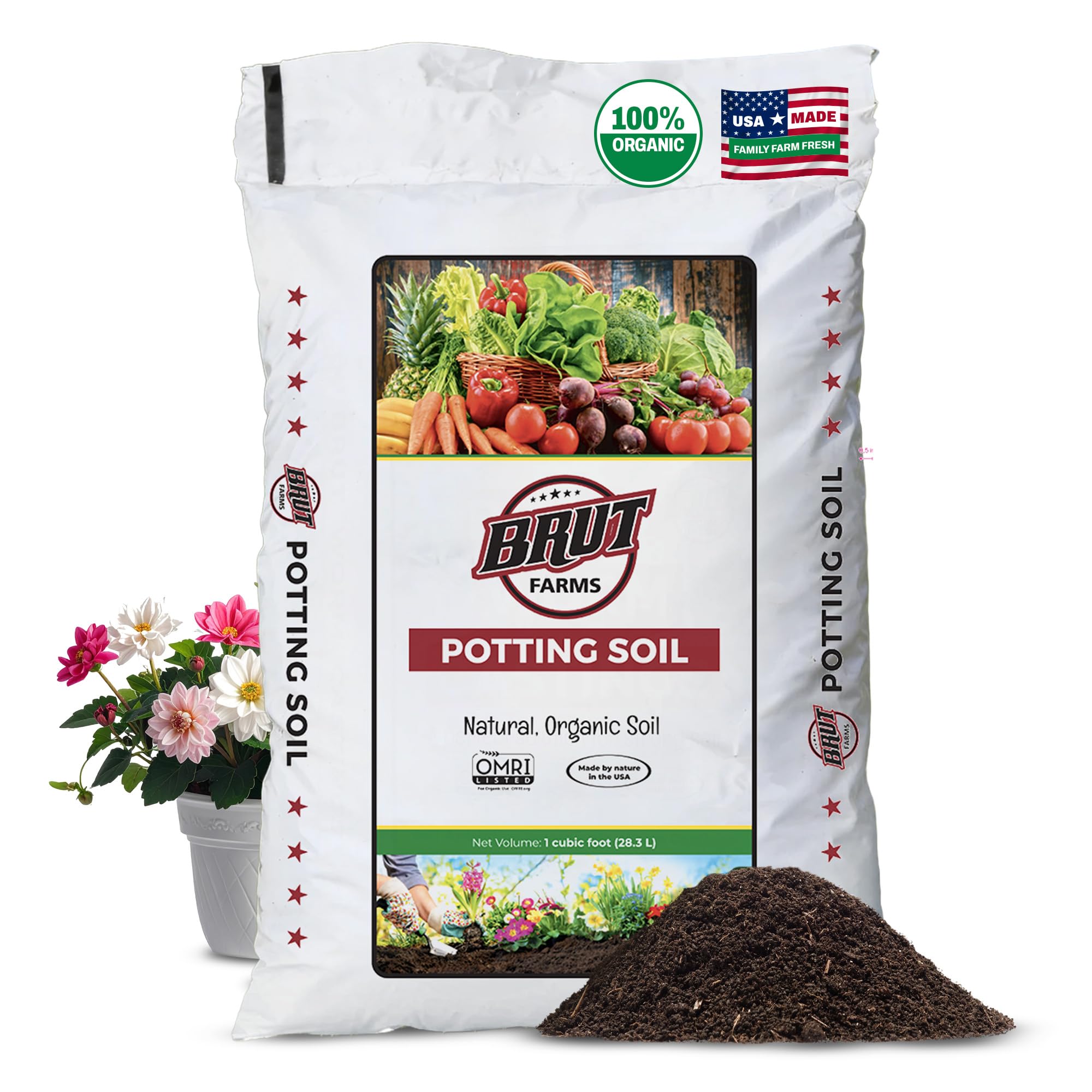
At 21 quarts with a natural pH balance between 6.3 and 6.5, this bag hits the sweet spot for cherry tomatoes — slightly acidic as they prefer. The ingredients list is clean: microbe-rich worm castings, Azomite trace minerals, and kelp, with no sticks, wood chips, or synthetic fillers. It is OMRI listed for organic gardening.
Customers note dramatic results: one reviewer noted that Cara Cara orange and Lapins cherry trees showed “deep green leaves and new growth within 2 days” after transplanting into this soil. The fine particulate texture makes it easy to work with in pots or raised beds. For the mid-range price, you get a premium-feel organic mix that feeds plants from the root level up.
The honest downside is that the fish and bone meal in the formula can attract fruit flies and other insects if the bag is left open or not topped with a layer of sand or gravel. As one reviewer discovered, “user error” in leaving the surface exposed can lead to a maggot infestation. A thin top layer of sand solves this easily, making it perfect for the budget buyer who wants organic quality but is willing to manage a simple pest-prevention step.
Why we’d pick it
- Rich in worm castings and trace minerals
- Filler-free with fine texture
- pH perfect for tomatoes
A few caveats
- Fish/bone meal can attract flies if exposed
- Pricey for the bag size
6. Michigan Peat General All Purpose Premium Potting Soil

For the gardener filling a large raised bed or a row of containers on a tight budget, Michigan Peat delivers the most soil for your dollar. At 50 pounds, this is a heavy, dense bag that includes reed sedge peat, perlite, and sand — plus starter and slow-release fertilizers already mixed in. No additional blending is required before use.
Buyers describe it as “good quality” and “perfect for pot and container gardens,” with a consistency that holds up well for planting. The perlite provides decent drainage, and the included fertilizers give your seedlings an early boost. One reviewer summed it up: “I mean, it’s dirt. But it’s a good potting mix.”
The main complaint is fungus gnats. One reviewer flatly warned: “Good soil but lots of gnats come out of it.” If you are growing indoors or near a living space, this is a real consideration. For outdoor use in a large garden where a few gnats are a minor nuisance, the value is hard to beat. Choose FoxFarm or Coast of Maine if you want a gnat-free experience.
Strong points
- Most soil per dollar — 50 pounds
- Ready to use with included fertilizers
- Good for large raised beds and containers
Before you buy
- Fungus gnats are a known issue
- Heavy bag — hard to move and store
7. Vermont Compost Company Fort Vee Organic Potting Mix

At a higher price than any other mix in this guide, Vermont Compost Fort Vee offers a compost-based formula that is denser with nutrients per quart, making it a premium investment for seed starting rather than a budget-friendly bulk option. The 20-quart bag costs more per quart than FoxFarm or Miracle-Gro, but the composition—composted manure, sphagnum peat moss, granite, basalt, blood meal, kelp meal, and vermiculite—provides slow-release minerals that other mixes lack.
Reviewers point out “superb for seed starting,” “100% germination,” and “holds water well in 90°F FL heat, reducing watering.” The fluffy, light texture includes gold flecks of vermiculite for aeration and drainage, and reviewers also praise it for making soil blocks, a technique that gives tomato seedlings a strong, undisturbed root start.
The price is the highest in this roundup, and for a single raised bed or large container garden, the cost per quart makes sense only if you prioritize seed-starting quality above all else. The one clear reason to choose it is that it is the only mix here designed specifically for seed starting and transplants, giving cherry tomato seedlings the most nutrient-dense, well-aerated start possible under lights.
What we like
- Excellent for seed starting and soil blocks
- Holds moisture well in hot conditions
- Rich in slow-release minerals and compost
The downsides
- Most expensive per quart in this lineup
- Can contain small bark/twigs
Understanding the Specs
Soil bags use a few key terms that matter when picking the right one for cherry tomatoes. Here is what they mean in plain English.
Perlite and Aeration
Perlite is the small white popcorn-like pieces you see in potting soil. They create air pockets so roots can breathe and water can drain. Without enough perlite, your soil turns into a compacted sponge that drowns the roots. Look for it in the ingredient list — it is a sign the soil will stay loose and airy.
Organic Matter and Fertilizer
Words like “compost,” “worm castings,” and “kelp meal” mean the soil contains natural slow-release food for your plants. This is better than synthetic fertilizers because it feeds gently over weeks instead of dumping a chemical dose all at once. Cherry tomatoes are heavy feeders, so organic matter is a must, not a nice-to-have.
FAQ
Can I use regular garden soil for cherry tomatoes in a pot?
What causes blossom-end rot in cherry tomatoes?
Should I add fertilizer to soil for cherry tomatoes?
How often should I repot cherry tomatoes into fresh soil?
Final Thoughts: The Verdict
When it comes down to it, the best soil for cherry tomatoes winner is the FoxFarm Ocean Forest Potting Soil because its rich organic ingredients, light texture, and immediate water absorption give your plants the best start with the least effort. If you want an organic mix that is more budget-conscious and doubles for in-ground use, grab the Coast of Maine Organic & Natural Planting Soil. And for starting seeds indoors where you need fine texture and high nutrient density, the standout is the Vermont Compost Company Fort Vee Organic Potting Mix.