
Specs are compiled from manufacturer listings and verified buyer reviews and can change over time — please confirm the key details on the product page before buying.
Tomatoes love the sun, but when summer temperatures climb past 90°F, that same sun starts cooking your fruit, causing sunscald (white, leathery patches on the skin) and shutting down production. A shade cloth is the simple fix — it filters harsh rays so your plants keep setting fruit through the hottest months.
I’m Rikta — the founder and writer behind Lawn Gear Lab. This guide is built by comparing the manufacturers’ published specifications and the patterns across verified customer reviews, so you get each pick’s real strengths and trade-offs instead of marketing spin.
From lightweight fabrics for temporary coverage to heavy-duty weaves built for multi-season use, picking the right amount of shade makes all the difference. That is exactly what this breakdown of the best shade cloth for tomatoes is designed to help you do.
Quick Picks
- Alion Home HDPE 50% Sun Block Garden Netting Mesh (6′ x 10′, Beige) — Top Performer
- Mklsit Garden 40% Shade Cloth, 10 x 20 FT — Best Overall
- ColourTree 30% Black Shade Cloth, 8FT x 12FT — Light Dweller
- Coolaroo 50% UV Block Garden Shade Cloth, 6ftx15ft Roll, White — Premium Pick
- VICLLAX 50% Black Garden Shade Fabric, 3×10 FT — Compact Pick
- 55% Shade Cloth for Garden (TREEVEX), 6.5X10 FT — Desert Defender
- DGSL 40% Shade Cloth Greenhouse Shade Cover, 10Ft x 20Ft — Value Snag
How To Choose The Best Shade Cloth For Tomatoes
Picking a shade cloth is straightforward once you know the two numbers that matter: the shade percentage and the dimensions you need for your garden setup. Here is what to look for.
Shade Percentage: 30%, 40%, or 50%?
Tomato plants still need plenty of light to flower and fruit. A 30% cloth (blocks 30% of sunlight) is ideal for mild climates where you just want a few degrees of cooling. A 40% cloth is a common balance — it significantly reduces heat stress and the risk of sunscald (pale, leathery patches on the fruit surface) without dimming things too much. A 50% or 55% cloth is better for intense desert climates like Arizona or New Mexico, where the midday sun is brutal enough to cook fruit before it ripens. Avoid anything above 60% for tomatoes, as too little light can reduce your harvest.
Material and Durability
Nearly all shade cloths are made from high-density polyethylene (HDPE) — a knitted plastic fabric that resists tearing and lets air and water through. The difference in longevity depends on UV stabilizers in the material and the quality of the edges and grommets (the metal rings used for hanging). Look for reinforced stitching on the edges and rust-proof grommets spaced every 20 to 24 inches. Cheaper cloths may fray or have grommets that pull out after a single windy season.
Size and Installation
Measure your garden bed, hoop house, or frame before buying. You want the cloth to overlap the edges by at least a foot so you can secure it. Most cloths come with grommets on all four sides, making it easy to attach with zip ties, bungee cords, or rope. If you are covering a tall tomato trellis, consider a cloth with grommets every foot along the shorter sides so it stays put in the wind.
Quick Comparison
| Model | Best For | Shade % | Size | Grommet Spacing | Amazon |
|---|---|---|---|---|---|
| Alion Home HDPE 50% | Long-Term Durability | 50% | 6′ x 10′ | ~24 inches | Amazon |
| Mklsit Garden 40% | Heat Reduction | 40% | 10′ x 20′ | 20 inches | Amazon |
| ColourTree 30% | Mild Cooling & Light Frost | 30% | 8′ x 12′ | 1 ft (shorter), 2 ft (longer) | Amazon |
| Coolaroo 50% | Premium Longevity | 50% | 6′ x 15′ | Variable | Amazon |
| VICLLAX 50% | Small Garden or Lettuce | 50% | 3′ x 10′ | Standard | Amazon |
| 55% Shade Cloth (TREEVEX) | Intense Desert Sun | 55% | 6.5′ x 10′ | Standard | Amazon |
| DGSL 40% | Value Coverage | 40% | 10′ x 20′ | ~3.28 ft | Amazon |
In‑Depth Reviews
1. Alion Home HDPE 50% Sun Block Garden Netting Mesh (6′ x 10′, Beige)

The long-haul pick that still looks new after two summers of blazing heat.
If you want a shade cloth that you install once and forget about for several seasons, this Alion Home is the one to beat. It blocks 50% of sunlight — enough to cool fruit in hot climates without starving your plants of light for photosynthesis. The cloth is made from UV-stabilized HDPE (a tough knitted plastic) with thick aluminum grommets (metal rings for hanging) placed about every 24 inches on all four sides. This means it resists rust and holds firm even in strong wind. Buyers report that after 2+ years in extreme heat, the cloth shows no degradation or sun damage and looks like new.
At 0.86 Kilograms, it is moderately heavier than some budget options, which contributes to a sturdy feel. The beige color reflects more heat than black, keeping the area underneath slightly cooler — so your tomatoes get less heat stress. One minor note from reviewers: the included rope disintegrates quickly, so plan on using your own weather-proof paracord or zip ties for installation. It comes with a 2-year limited replacement warranty, and the manufacturer offers custom sizes made to order in California if the 6′ x 10′ does not fit your setup. Compared to the Mklsit 40% which snags easily, the Alion Home’s hemmed edges and stitched tape help it resist fraying over time.
Built to Last
- Proven durability: owners mention zero degradation after 2+ years in extreme heat
- Rust-resistant aluminum grommets spaced every 24 inches for secure hanging
- Beige color reflects UV better than black, keeping temperatures lower
Watch For
- Included rope is low quality and falls apart quickly
- Only available in a 6-foot width, which limits coverage for wider beds
- 50% shade may be too dark for cooler climates with less intense sun
Your best bet for longevity: Grab this if you have a permanent or semi-permanent garden structure and want a cloth that will survive multiple seasons without looking ragged.
One real limitation: The fixed 6-foot width means you may need to buy two panels for wide raised beds or hoop houses; plan your measurements before ordering.
2. Mklsit Garden 40% Shade Cloth, 10 x 20 FT

The temperature-tamer that dropped a greenhouse from 103°F to 93°F.
This is the cloth that hits the balance for most tomato growers. The 40% shade rate blocks enough harsh midday rays to prevent sunscald (pale, leathery patches on fruit) while still letting 60% of light through for fruit production. What sets this Mklsit apart are the upgraded copper grommets — two per corner and evenly spaced every 20 inches along the edges — solving the common problem of aluminum grommets that bend or pull out. A buyer in a hot climate reported that the 40% weave dropped their greenhouse temperature by 10°F (from 103°F to 93°F). That is a meaningful difference for tomato plants that stop setting fruit above 90°F.
At 0.94 Kilograms, it is one of the heavier options here, but that weight comes from the reinforced six lock-stitch edge design that resists rips and fraying. Two honest trade-offs from user reviews: the fabric snags easily on screws or rough surfaces, so handle it carefully during installation, and one reviewer noted a mild chemical smell initially. The cloth covers a generous 10′ x 20′ area, making it practical for large raised beds or hoop houses. Compared to the DGSL 40% below, this one has much better grommet density (every 20 inches versus every 3.28 feet) and stronger edge reinforcement, which is why seasoned gardeners tend to prefer it.
Best for serious heat reduction: Customers note the 40% weave dropped greenhouse temps by 10°F, which directly translates to less heat stress on your tomatoes and more fruit setting through summer.
Reach for this if: You have a 10′ x 20′ garden space or hoop house and want a proven drop in temperature without sacrificing too much light.
Look elsewhere if: You need something that can handle rubbing against rough wood or metal without snagging — this fabric catches easily on sharp edges.
3. ColourTree 30% Black Shade Cloth, 8FT x 12FT
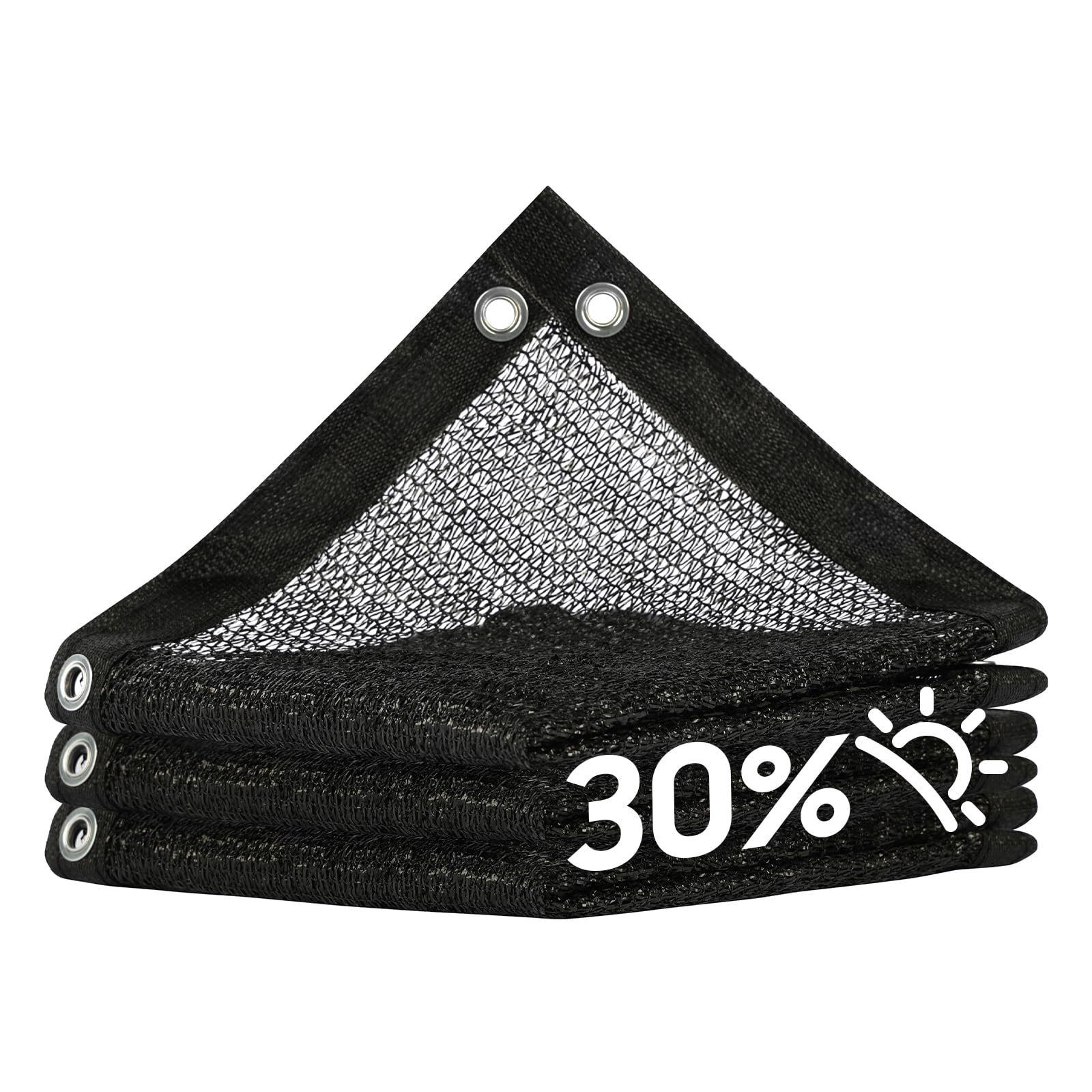
A light touch for gardeners who just want to take the edge off.
In mild summer climates where temperatures only occasionally spike, this ColourTree at 30% shade may be all you need. It blocks 30% of sunlight, which reduces solar exposure and lowers temperatures without significantly dimming your garden. The HDPE (high-density polyethylene) fabric includes added antioxidants and reinforced UV resistance. All edges are covered with reinforced binding, and the grommet layout is generous — one grommet (metal ring) every foot along the shorter sides and one every two feet along the longer sides, making it easy to secure even in breezy conditions.
It comes with a 3-year limited warranty, which is better than most budget cloths offer. One buyer mentioned it provides ideal filtered sunlight for greenhouse plants and holds up well. However, another reviewer reported that it is not very durable, suggesting it is better suited for moderate climates or temporary seasonal use rather than year-round exposure. At 30%, it is also not ideal for intense desert heat — if your summers regularly hit 100°F+, you would be better served by the 55% TREEVEX option below, which blocks nearly twice as much light.
Best for gentle cooling: The 30% shade rate keeps your plants from wilting on hot afternoons while letting nearly all the light through, so your tomatoes keep ripening normally.
Choose this for: Temperate climates where you just need a few degrees of relief, or for tender crops like lettuce that bolt in heat but still need strong light.
skip it if: Your area sees sustained 100°F+ summers — the 30% rating will not provide enough cooling to prevent sunscald on your tomatoes.
4. Coolaroo 50% UV Block Garden Shade Cloth, 6ftx15ft Roll, White
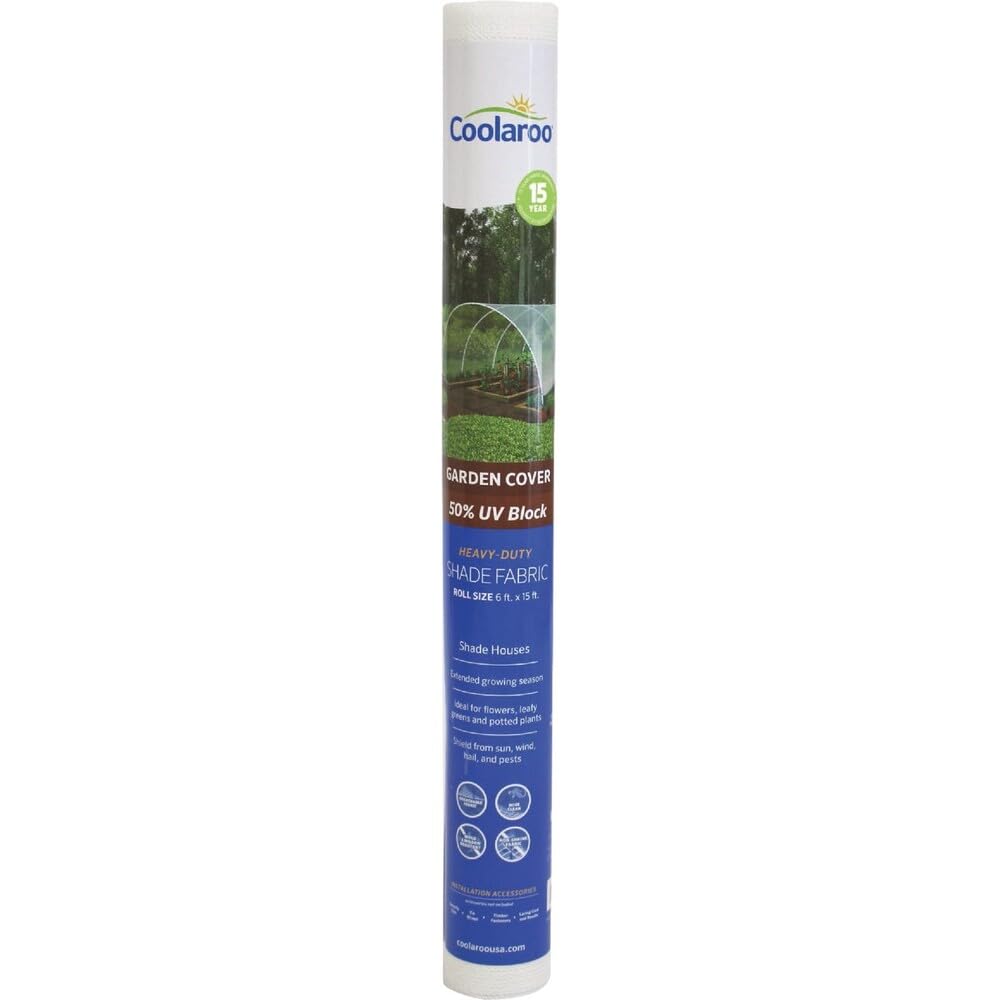
A premium investment that comes with a 15-year UV-degradation warranty.
The Coolaroo is different from most shade cloths here. It is white, meaning it reflects significantly more UV radiation (ultraviolet light) than black cloths — a real advantage in high-desert climates. One buyer in New Mexico reported that it reduced greenhouse temperatures from 110°F down to match the outside air temperature, which is remarkable for a shade fabric. The 50% UV block is woven into a tear- and fray-resistant HDPE (high-density polyethylene) material that holds up through rain and wind season after season, backed by a 15-year warranty against UV degradation — a vote of confidence you do not see with budget cloths.
The white color also lets more visible light pass through while blocking UV, which some gardeners find keeps their plants growing more naturally than black cloth. At 6′ x 15′, it is designed for long runs on hoop houses or raised beds. Reviewers point out it is easy to cut and does not fray, and that it has survived tropical conditions and even a hurricane over multiple years. The biggest consideration is the price point — it is the most expensive cloth here — but the warranty and durability make it a genuine long-term value for serious gardeners.
Why It Stands Out
- 15-year warranty against UV degradation — class-leading in this category
- White color reflects UV, keeping temperatures significantly lower than black cloths
- Tear- and fray-resistant HDPE survives high winds and tropical weather
Considerations
- Higher price point than most other options
- Size (6′ x 15′) is long but narrow — not great for wide garden beds
Invest in this if: You live in a high-UV area and want one cloth that will not degrade for over a decade — the 15-year warranty makes the upfront cost easier to swallow.
One real trade-off: The white color can get dirty-looking over a season, and the 6-foot width means you will need multiple panels for a wide greenhouse. It costs more than the Alion Home, but the warranty is 13 years longer.
5. VICLLAX 50% Black Garden Shade Fabric, 3×10 FT
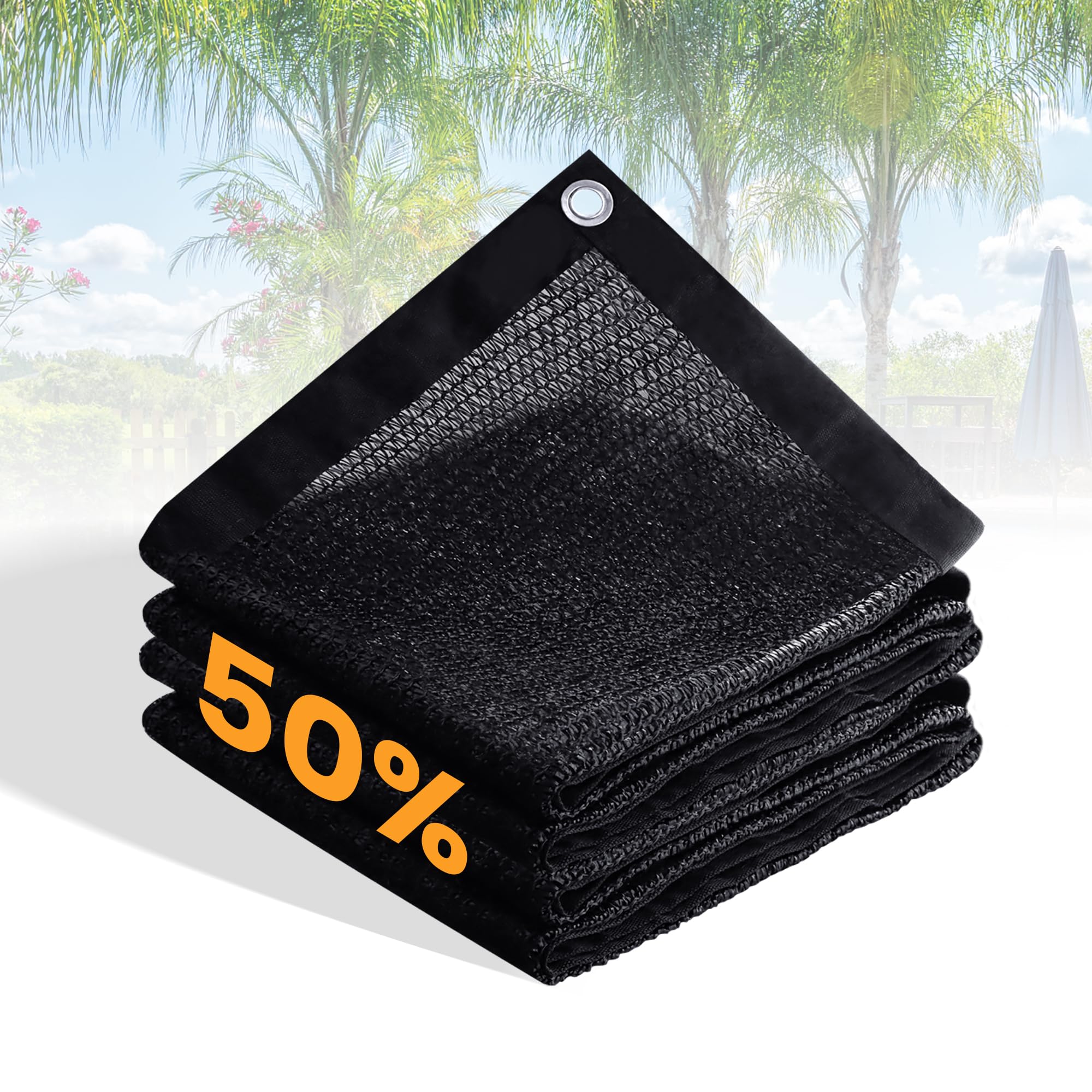
The small-space specialist that one buyer bought twice for their tomatoes.
If you have a few tomato plants on a patio or a small raised bed, buying a massive 10′ x 20′ cloth is overkill. This VICLLAX is a compact 3′ x 10′ strip that is perfect for draping over a single trellis or a row of container plants. It blocks 50% of UV rays (ultraviolet light), which is enough to prevent sunscald on your fruit even in intense sun. One owner reported using it to shade lettuce on the sunny side of their house, then bought a second one for their just-setting tomatoes. At 9.6 ounces, it is easy to move around and store when not in use.
The HDPE (high-density polyethylene) fabric has anti-rust grommets and comes with rope for tying. Several reviewers praised the accurate sizing and perfectly aligned grommets. The trade-off is the size: at only 3 feet wide, it will not cover a full 4′ x 8′ raised bed in one piece. But for targeted shading — a hoop tunnel over a single row, or covering the south-facing side of a trellis — it is tough to top. Compared to the TREEVEX 55% cloth at 8.4 ounces, the VICLLAX weighs 9.6 ounces, giving it a slightly more substantial feel despite the smaller footprint.
Perfect for small gardens: At 3′ x 10′, it is sized for single rows, container gardens, or covering just the sunny side of a trellis where your tomatoes are ripening.
Best for: Gardeners with limited space who need to shade just a few tomato plants or a small patch of lettuce without buying a full-size cloth they do not need.
Not for: Large raised beds or hoop houses — you would need multiple panels, which would cost more than buying a single larger cloth like the Mklsit 40%.
6. 55% Shade Cloth for Garden (TREEVEX), 6.5X10 FT
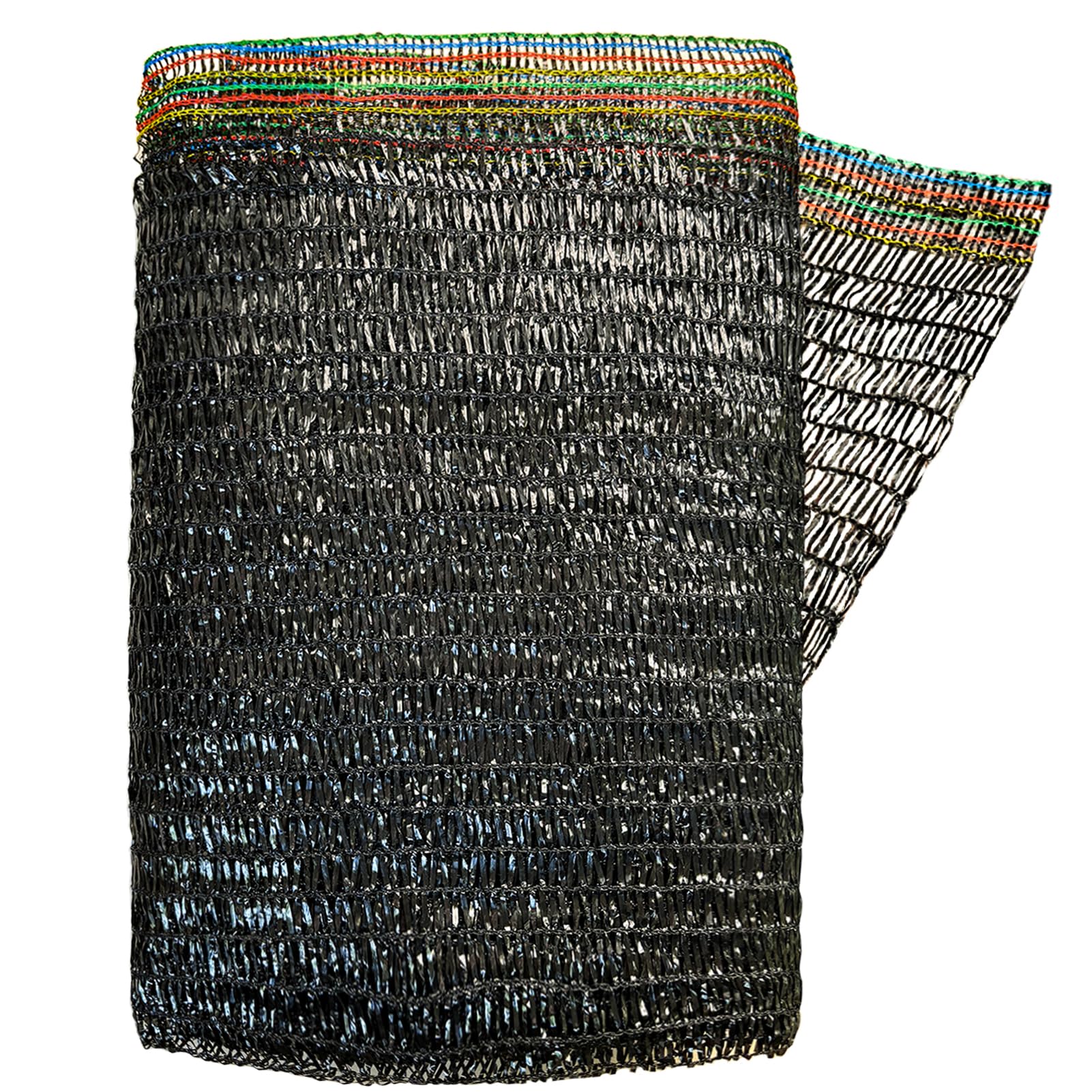
The 55% weave that Arizona gardeners rely on when the thermometer hits 100°F.
In places like Arizona, New Mexico, and inland California, the summer sun is so intense that a 30% or 40% cloth may not be enough to stop your tomatoes from cooking on the vine. This TREEVEX cloth blocks up to 55% of sunlight, which is about the highest shade percentage you would want for tomatoes (above 60%, and you risk slowing down fruit production because the plants lack light for photosynthesis). One buyer confirmed it works well in Arizona’s 100°F+ heat to protect potted herbs from scorching, and it reduces watering needs because less evaporation happens underneath.
At 8.4 ounces, it is a lightweight cloth in this roundup. The knitted HDPE (high-density polyethylene) design is tear-resistant and flexible. Shoppers say it is easy to cut and install, and that water penetrates easily while airflow stays good. One customer observed it blocks about 60% of light as described, which is slightly higher than the stated 55%. The trade-off for the ultra-lightweight design is that it looks flimsy out of the package — one buyer admitted it “looks flimsy but [is] effective at cutting heat.” If you need a cloth that survives being snagged on rough surfaces season after season, the heavier Mklsit 40% or Alion Home 50% options may be a better fit.
Why It Works in Extreme Heat
- 55% shade rate provides meaningful cooling in 100°F+ desert conditions
- At 8.4 ounces, it is the lightest cloth here — easy to handle and reposition
- Knitted HDPE is tear-resistant and lets water and air through freely
The Catch
- Looks and feels flimsy compared to heavier-duty options like the Alion Home
- 55% shade may be too much in milder climates where tomatoes need more light
- Not ideal for windy areas without extra securing
Reach for this if: You garden in a desert climate where summers regularly hit 100°F+ and your tomato plants are getting cooked despite other protection.
pass on it if: You are in a moderate climate — the 55% shade will block too much light, slowing down your tomato harvest compared to what a 40% cloth like the Mklsit would allow.
7. DGSL 40% Shade Cloth Greenhouse Shade Cover, 10Ft x 20Ft
A decent size for the money, but don’t count on it for a second season.
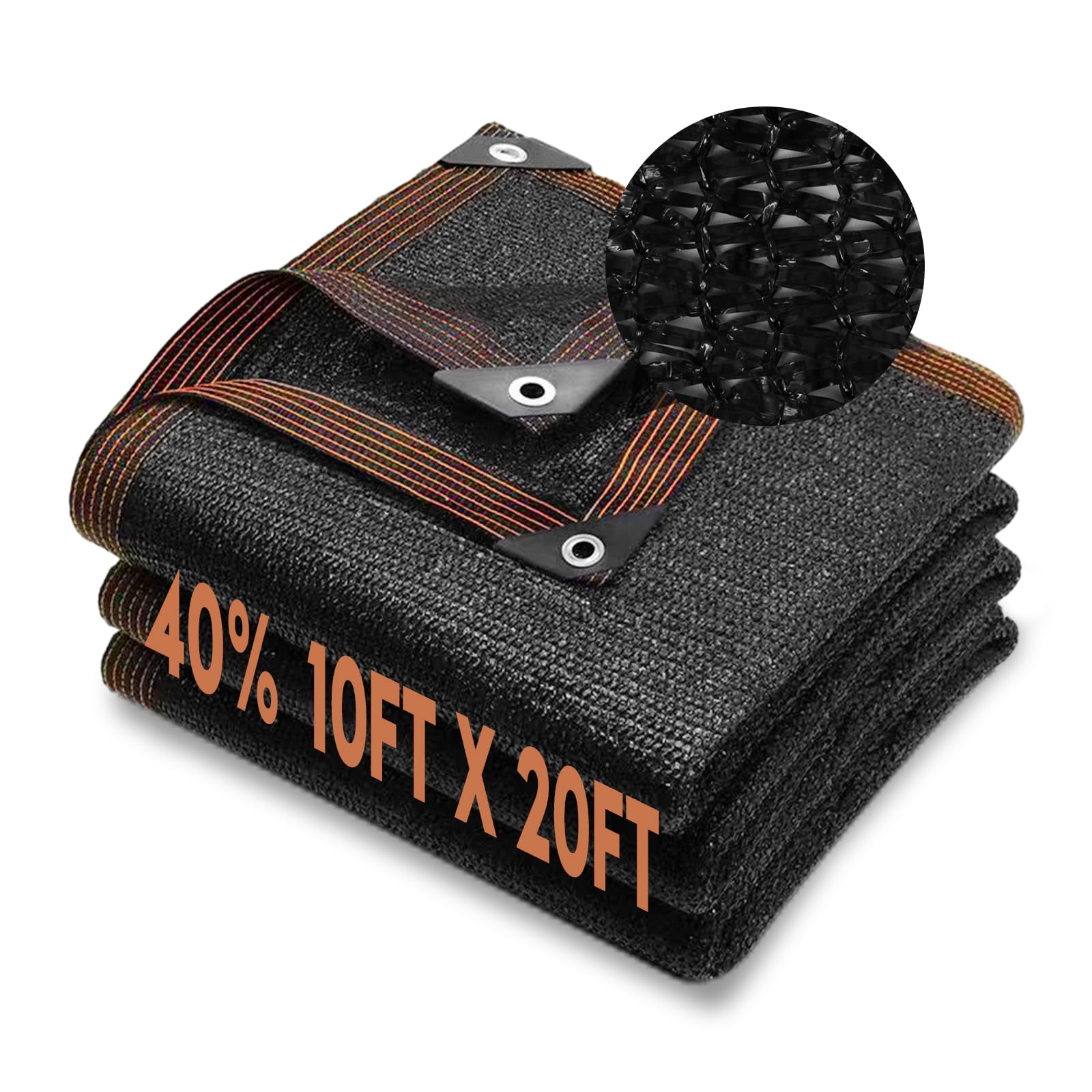
This DGSL cloth is the budget-friendly big-area option. At 10′ x 20′ with a 40% shade rate, it covers a lot of ground for a price that undercuts most competitors with similar dimensions. The HDPE (high-density polyethylene) construction weighs 0.82 Kilograms, while the Mklsit 40% weighs 0.94 Kilograms, and the rustproof aluminum grommets are spaced every 3.28 feet. One user highlighted it protected their vegetables from a heat wave, with plants thriving and showing improved growth and fruit set.
The honest catch, confirmed by multiple reviewers, is longevity. One owner said it did not last a full season — between sun, wind, and rain, the fabric got weather-beaten within 4 to 6 months. Another noted that if the cloth catches on anything, it frays easily. If you need a temporary cover for a single hot summer or you are testing whether shade cloth helps your garden before investing more, this fits the bill. But if you want something that will last multiple seasons, the extra dollars for the Mklsit 40% or Alion Home 50% options are worth it — both weigh more and have better edge reinforcement.
A functional season-stretcher: For the price, you get a full 10′ x 20′ of 40% shade coverage that can rescue your tomatoes from an August heat wave — just do not expect it to survive into next year.
Best for: Gardeners who need a large patch of coverage for one season and want to spend as little as possible to get it done.
it’s not for you if: You want a cloth that will last multiple seasons — the fabric frays easily and may not survive a full year of sun and wind. That is why the Mklsit 40% is a better overall value for long-term use.
Understanding the Specs
Shade Percentage
This is the single most important number. It tells you how much sunlight the cloth blocks. A 30% cloth blocks 30% of sunlight and lets 70% through — good for mild climates. A 40% cloth is the common all-rounder for tomatoes. A 50% or 55% cloth is for hot, intense-sun regions. Go above 60%, and you risk slowing down fruit production because the plants are not getting enough light for photosynthesis.
Grommet Quality and Spacing
Grommets (the metal rings around the edges that you use to hang the cloth) matter a lot. Better cloths use copper or aluminum grommets that resist rust and are spaced every 20 to 24 inches. Cheaper cloths space them farther apart (every 3 feet or more), which makes the cloth sag or flap in the wind. Two grommets per corner is a sign of a well-designed cloth because it distributes tension evenly and prevents tearing.
FAQ
What shade percentage is best for tomatoes?
Can I leave shade cloth on my tomatoes all season?
Will shade cloth stop my tomatoes from getting sunscald?
How do I install shade cloth over a tomato trellis or raised bed?
How long does a shade cloth last outdoors?
Can I cut shade cloth to a custom size?
Is black or white shade cloth better for tomatoes?
Does shade cloth block rain or prevent watering?
Final Thoughts: The Verdict
For the majority of shoppers, the shade cloth for tomatoes winner is the Mklsit Garden 40% because it gives you the ideal shade percentage, heavy-duty copper grommets, and a temperature drop that matters — all at a reasonable investment. If you want a cloth that will survive for years, grab the Alion Home 50%. And for high-desert heat where maximum UV reflection is needed, the Coolaroo 50% with its 15-year warranty is worth the money.
How We Picked
We do not accept paid placement. Every pick is matched to a real buyer and a real use-case; we do not hands-on test units.
Sources & Methodology
Specifications: manufacturer listings and product documentation. Review insights: verified customer reviews, as of July 2026. Pricing: not shown on this page (it changes often); check the current price via the retailer link.
As an Amazon Associate, Lawn Gear Lab earns from qualifying purchases. This does not affect which products we feature.