
You added sand to stop the fungus gnats, improve drainage, and give your succulents a fighting chance — but the wrong sand can make things worse, turning your pots into concrete or washing away into a dusty mess. The two numbers that matter most here are grain size (measured in inches or millimeters) and the total volume you get for the coverage you need, because a bag that looks big on screen might only give you a half-inch layer across a few pots. This guide breaks down the best sand for plants by comparing grain diameters, weight, and the real-world results buyers report for each pick.
I’m Rikta — the co-founder and writer behind Lawn Gear Lab. This guide is built by comparing the manufacturers’ published specifications and the patterns across verified customer reviews, so you get each pick’s real strengths and trade-offs instead of marketing spin.
Whether you need a top-dressing to block pests or a soil amendment to stop root rot, picking the right sand for plants comes down to matching grain size to your specific plants and pot sizes — finer grains work better for seed-starting, while coarser 1/8-inch particles create the air pockets that succulents and cacti crave.
How To Choose The Best Sand For Plants
Sand isn’t just sand when it comes to plants — the wrong grain size can compact your soil and trap water instead of draining it. Here is what actually matters when you shop.
Grain Size: The Single Most Important Spec
Grain size determines everything. A fine sand (around 0.04 inches or smaller) is good for seed-starting mixes and light top-dressing but can clog pores in heavy clay soils. A coarse sand (around 0.13 inches or 1-2 mm) creates air pockets that let water flow through quickly — ideal for succulents, cacti, and any plant prone to root rot. If the product page lists an item diameter in inches or millimeters, that number tells you exactly how open the soil structure will be.
Volume vs. Bag Weight
Sand is heavy, so a 5-pound bag might only fill 2 quarts — roughly enough to top-dress six to eight 4-inch pots. If you are mixing sand into soil for multiple large planters, a 2-gallon bag (8 quarts) at around 24 pounds gives you the volume you actually need. Always check the unit count or volume (listed in fluid ounces or quarts) rather than assuming the bag weight translates to coverage.
Washed vs. Unwashed Sand
Most horticultural sand arrives with fine dust from transit. A product that says “washed” or “clean” saves you the step of rinsing it yourself, but many buyers find that a quick rinse in a colander or knee-high stocking removes the dust easily. If you are adding sand directly to an aquarium or terrarium, washed sand is non-negotiable to avoid clouding the water.
Decorative vs. Functional Use
Some sands are labeled as decorative top-dressing — they look nice on the surface but may not mix well into soil because the grains are too uniform or too fine. Functional horticultural sand (often labeled “coarse” or “grit”) is designed to be blended into potting mixes at a 1:3 ratio. If your primary goal is better drainage, pick a product that explicitly mentions soil amendment or aeration, not just decoration.
Quick Comparison
On smaller screens, swipe sideways to see the full table.
| Model | Category | Best For | Key Spec | Amazon |
|---|---|---|---|---|
| Premium Pebbles Coarse Sand | Premium | Squirrel-proof top-dressing & large pots | 0.13-inch grain, 9.9 lbs | Amazon |
| Calibonsai Coarse Sand | Premium | Serious growers with large planters | 2 gallons (8 quarts), 24 lbs | Amazon |
| GARDENWISE Fine Sand | Mid-Range | Seed-starting & fine top-dressing | 3 quarts, 8.4 lbs | Amazon |
| Hoffman Western Desert Sand | Mid-Range | Fungus gnat control on small pots | 2 quarts, 7.5 lbs | Amazon |
| NUPICK Coarse Sand | Mid-Range | Succulent & cactus soil mix | 1-2mm grain, 6 lbs | Amazon |
| TINYUNICORN Mixed Sand | Value | Budget-friendly multi-pot coverage | 0.04-inch grain, 5 lbs | Amazon |
| Pure Original Ingredients Sand | Value | Small craft or single-plant use | 32 oz (2 lbs) | Amazon |
In‑Depth Reviews
1. Premium Pebbles Coarse Sand (Golden, 10 lb)

0.13-inch grains — more than 3 times larger than the 0.04-inch grains in the TINYUNICORN mix — make this 10-pound bag the top pick for anyone fighting pests that dig in planter boxes or needing a decorative yet functional top-dressing, because water flows through easily and squirrels find the surface unpleasant to dig in.
Owners mention that the golden color matches the product images exactly, and the stones come with a shiny, sturdy finish that holds up to outdoor weather. One reviewer wrote, “THESE ARE JUST PERFECT. NICE RANGE OF COLORS. I USE THEM TO TOP A PLANTER BOX THAT THE SQUIRRELS HAVE BEEN DIGGING IN.” At 9.9 pounds, this bag weighs nearly double the 5-pound TINYUNICORN bag, giving you enough coverage for several large planters without needing a reorder.
The catch is that the rock is on the softer side, so some customers note it breaks down a little over time and produces some dust on arrival — rinse it before use and you’ll get a durable, attractive top-layer that stops pests and looks good doing it. Verdict: the best all-around sand for plants when you want pest protection and top-tier drainage in one bag.
Why it’s great
- Largest grain size (0.13 inches) gives superior drainage and pest-deterrence
- Shiny, attractive finish enhances pot appearance
- Double-bagged for secure delivery
Good to know
- Rock is softer and may produce dust on arrival
- Heavier bag (9.9 lbs) may surprise if you expected a small pouch
2. Calibonsai Coarse Sand (2 Gal)

Where the Premium Pebbles gives you 10 pounds of top-dressing, the Calibonsai delivers 24 pounds of coarse sand in a 2-gallon bag — more than double the weight for about 1.5 times the cost, making this the clear volume champion for anyone mixing sand into soil across multiple large planters or grow bags.
The grains are consistent and clean, with very little dust compared to other options. One buyer summed it up: “I have been using other gritty mix and this by far is the nicest quality and affordability. Very clean and live up to my expectation. It doesn’t have much powder as others have.” At 8 quarts, you get four times the volume of the 2-quart Hoffman sand, but you also carry a 24-pound bag — this is not a grab-and-go choice for small apartments.
Choose the Calibonsai over the Premium Pebbles if you are a serious succulent or cactus grower with multiple large containers and you want the lowest cost per quart on the market. The coarse #12 size creates excellent drainage for carnivorous plants too.
Where it shines
- Best volume-to-cost ratio at 2 gallons
- Very clean with minimal dust compared to competitors
- Consistent coarse #12 grain size for optimal drainage
Worth noting
- At 24 pounds, it is heavy and awkward to move
- Overkill if you only need to top-dress a few small pots
3. GARDENWISE Fine Sand for Plants (3 Quarts)
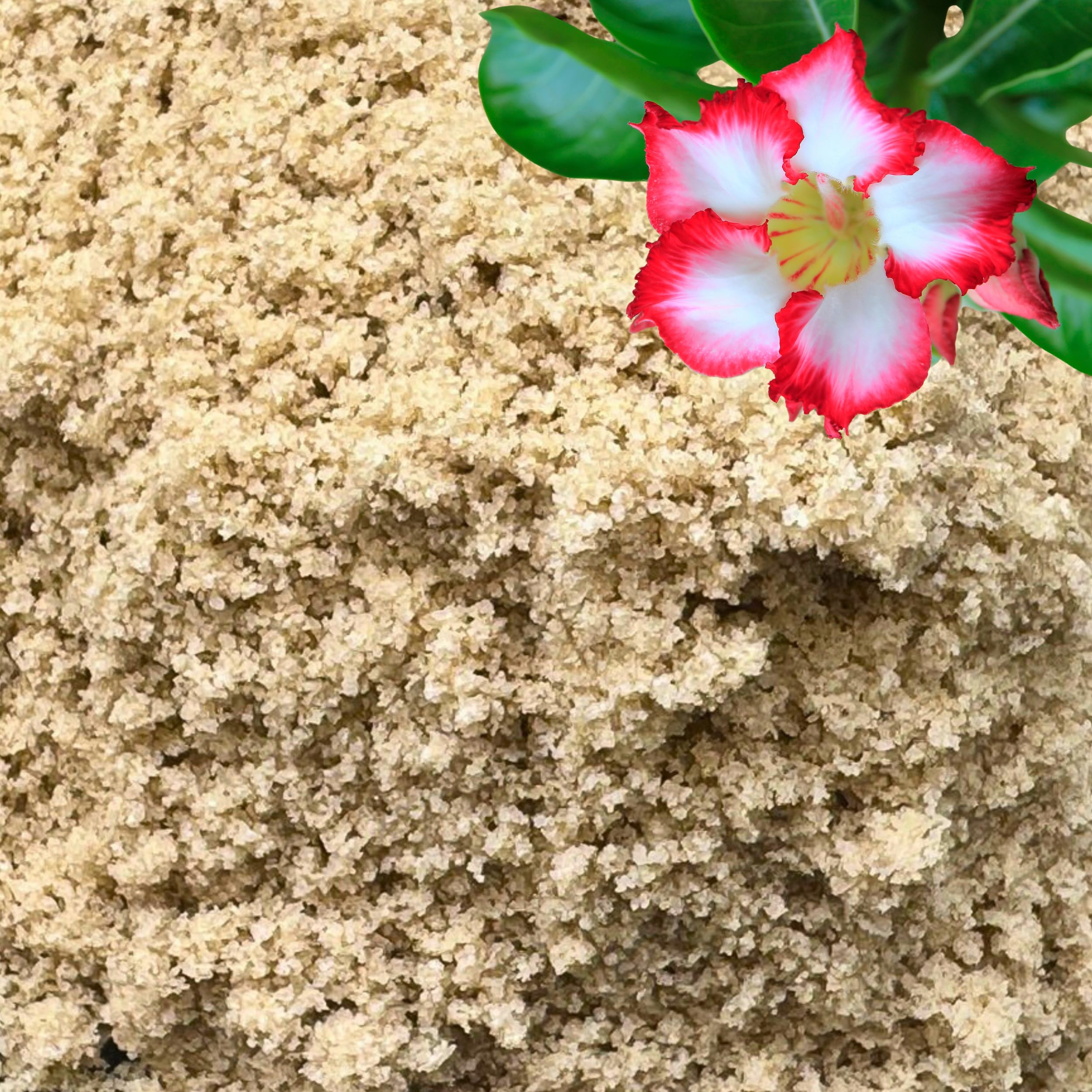
If your main goal is mixing sand into a seed-starting blend or giving delicate cuttings a soft, breathable base, the GARDENWISE fine sand offers a finer texture that won’t overwhelm tiny roots — unlike the chunky 1-2 mm NUPICK sand, this is ground finer so it integrates smoothly with peat or perlite without leaving large air pockets that small seeds can fall through.
The tan color looks natural as a top-dressing, and reviewers point out it helps establish new plants quickly. One reviewer noted, “Use this to mix with my soil to plant my dwarf lemon tree in a pot and it did exactly what it needed to do.”
The standout spec here is the fine grain itself: it says “fine sand” right in the name, so if you need a finer texture for seed germination or fine-rooted plants like wildflowers (one buyer called it “perfect for planting wildflower seeds”), this is the only pick in the roundup designed specifically for that job.
What stands out
- Fine texture ideal for seed-starting and delicate root systems
- Natural tan color works as an attractive top-dressing
- No dust clouds — safe for indoor use around pets
The trade-offs
- Too fine for heavy drainage needs of large succulents
- Smaller volume than the Calibonsai or Premium Pebbles
4. Hoffman Western Desert Sand (2 Quarts)

The single number that matters most in this category is the consistent grain size, which scores high for stopping fungus gnats by creating a dry surface barrier they cannot burrow through — a trick that the coarser Premium Pebbles sand also accomplishes, but the Hoffman sand’s finer, softer texture looks more natural as a minimalist top-dressing for small pots.
One buyer confirmed the pest-blocking ability: “Used as soil cover with nematodes to eliminate fungus gnats. Consistent grain size, nice appearance, effective.” At 7.5 pounds for just 2 quarts, you pay a premium for the brand name and the washed quality, but the downside is that the packaging is thin — another reviewer noted the bag arrived with “a huge tear, spilling sand everywhere.”
If your primary concern is fungus gnat control on a modest collection of houseplants (six to eight 4-inch pots) and you want a reliable, fine-grained sand that looks clean on the surface, this is the pick. Just plan to transfer it into a sturdier container when it arrives — a fair price-to-value read given the premium cost for a specialized, effective product.
The upsides
- Consistent grain size creates an effective pest barrier
- Soft, fine texture looks natural as soil cover
- Washed silica sand with minimal dust
Keep in mind
- Thin packaging often tears during shipping
- Small volume (2 quarts) — only enough for a few pots
5. NUPICK 1-2mm Coarse Sand (6 lb)
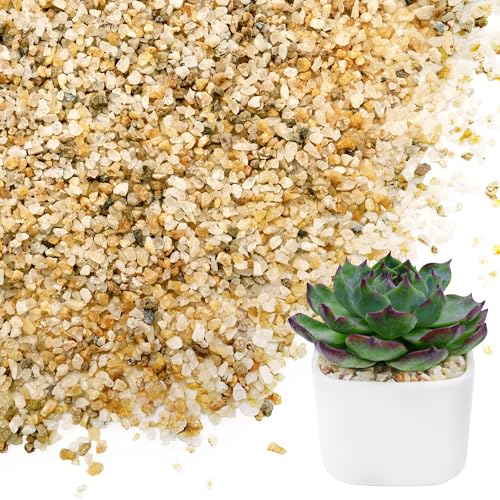
At 6 pounds with a 1-2 mm grain size, this NUPICK bag hits the sweet spot between the fine Pure Original Ingredients sand and the chunky 1/8-inch Premium Pebbles — making it a versatile choice for succulent growers who want a gritty mix that drains fast but still holds some moisture around the roots. The grains are round and smooth, unlike the more angular Hoffman sand, so they pour easily when dry.
Buyers praise it for lithops and other succulents that need sharp drainage, with one reviewer noting, “I bought the 1-2mm sand for my Lithops and it was perfect size for me.” However, another buyer reported, “Weight accurate, but size insufficient for 10/10 gal grow bags (only top 0.5 inch layer)” — so this 6-pound bag is best for a modest collection of smaller pots, not a full garden overhaul. The bag itself arrived torn for one customer, so the packaging is a weak point.
This is the exact budget-conscious succulent grower’s pick if you want a mid-range investment that delivers true coarse drainage without buying a massive 24-pound bag you cannot finish.
Why we’d pick it
- 1-2 mm grain size is ideal for succulents and lithops
- Low dust and easy to wash using a knee-high stocking
- Versatile as soil amendment, top-dressing, or aquarium substrate
A few caveats
- Only 6 pounds — covers just a thin layer over larger pots
- Packaging can rip during transit
6. TINYUNICORN Mixed Sand Rocks (5 lb)

This bag is perfect for a beginner or casual houseplant owner who wants to test whether a sand top-dressing works for their setup without committing to a larger, more expensive bag. At just 5 pounds with a fine 0.04-inch grain size, it covers about five to seven standard pots, matching one buyer’s description: “sufficient for 7 plants, convenient pour.”
The natural mixed colors add visual interest, and the sand works well as a gnat deterrent — one buyer mentioned, “Used to deter gnats from house plants; gnats gone, rocks look pleasant.” But the fine 0.04-inch grain is noticeably smaller than the 0.13-inch Premium Pebbles sand (a 3.2x gap), which means it compacts more easily and won’t create the same air pockets for heavy drainage. The bag also generates significant dust, so you’ll need to rinse it before use.
This is the cheapest entry point for a few pots, offering a low-cost way to see if a sand layer solves a gnat problem or adds a decorative touch to succulents. However, its fine grain compacts quickly and won’t provide the same drainage as coarser sands, so it is best for top-dressing rather than heavy drainage duty.
Strong points
- Lowest cost option for testing sand top-dressing
- Natural mixed colors look attractive in pots
- Sufficient quantity for small collections (5-7 pots)
Before you buy
- Fine 0.04-inch grain compacts more than coarser options
- Requires thorough rinsing due to heavy dust
7. Pure Original Ingredients Potting Sand (2 lb)

Compared to the 5-pound TINYUNICORN bag at a similar price point, this 2-pound pouch from Pure Original Ingredients is the smallest sand in the roundup — making it a controversial pick for value but a perfect fit for a very specific buyer: someone who needs just a handful of sand for a single project or craft and does not want to store a big bag.
What you actually get is 2 pounds of washed, screened sand with no additives — pure material that does the job for small applications. One owner reported, “Adding a sand layer on top prevents bugs from burrowing and laying eggs. Improved plant health, brighter blooms, lush leaves, and tidy garden appearance.” That same reviewer, however, called it “too expensive for such a small amount.”
The one clear reason to choose it: if you only need sand for a single small planter or a craft project (like cold-stratifying seeds, which one buyer used it for), you pay for purity and convenience rather than bulk.
What we like
- Pure washed sand with no additives or fillers
- Perfect for single-project or craft use
- Helps retain moisture and prevent bugs as top-dressing
The downsides
- Very small quantity for the cost
- Only 2 pounds — not enough for multiple pots
Understanding the Specs
Grain Size (Item Diameter)
This number, listed in inches or millimeters, is the single most important spec for sand for plants. A coarse grain around 0.13 inches (like the Premium Pebbles sand) creates large air pockets that let water drain quickly and prevent soil compaction — ideal for succulents, cacti, and any plant that hates wet feet. A finer grain around 0.04 inches (like the TINYUNICORN mix) is better for seed-starting mixes where you want gentle moisture retention without heavy compaction. If the number is missing on the product page, check customer photos for a size reference next to a coin.
Volume vs. Weight (Quarts vs. Pounds)
Sand is deceptive: a 5-pound bag might only fill 2 quarts, which covers about six to eight 4-inch pots as a thin top-dressing. A 2-gallon bag (8 quarts) at 24 pounds gives you enough to mix into soil for multiple large planters or grow bags. Always check the volume (listed in fluid ounces, quarts, or gallons) rather than assuming the bag weight tells you how far it will go. For reference: 1 quart of sand weighs roughly 3.5 to 4 pounds depending on grain density.
FAQ
Can I use play sand or beach sand for my plants?
How much sand do I need to mix into potting soil?
Does sand actually stop fungus gnats?
Do I need to rinse sand before using it in pots?
Final Thoughts: The Verdict
When it comes down to it, the sand for plants winner is the Premium Pebbles Coarse Sand because its 0.13-inch grain size delivers the best drainage and pest-blocking ability in a generous 10-pound bag that covers multiple large planters. If you want the best value per quart for serious growing, grab the Calibonsai Coarse Sand with its 2-gallon volume and minimal dust. And for seed-starting or delicate seedlings, the standout is the GARDENWISE Fine Sand for its soft, breathable texture that tiny roots love.