
Forgetting to water your plants is a common mistake, but the real issue is often the opposite — overwatering. A wicking system delivers moisture directly to the roots without drowning the soil, and the single variable that makes or breaks that system is the rope you choose. The wrong material holds too much water, rots, or simply fails to transport anything at all.
I’m Rikta — the co-founder and writer behind Lawn Gear Lab. I’ve spent many hours comparing the capillary action of natural versus synthetic fibers, analyzing tensile strength data, and cross-referencing thousands of owner accounts to determine which ropes actually move water and which just sit there looking wet.
This guide breaks down the best materials, diameters, and constructions so you can build a self-watering setup that works. After combing through the specs and real-world feedback, I’ve identified the best rope for wicking water in multiple use-case scenarios.
How To Choose The Best Rope For Wicking Water
Not every rope can move water uphill against gravity. The key is a combination of fiber type, weave density, and diameter that creates strong capillary action. Here’s what to look for.
Fiber Material: Cotton vs Polyester vs Nylon
Cotton is the natural champion for wicking because its fibers are hydrophilic — they literally attract water molecules and pull them along. Polyester and nylon are hydrophobic by nature; they repel water. While some braided synthetics can wick minimally through the gaps between fibers, they will never match the volume and speed of a cotton rope. For a serious self-watering wick, cotton is the standard. Polypropylene floats, so it is a poor choice for submerged wicking.
Diameter and Capillary Rise
Thicker does not mean better wicking. Capillary action works best in narrow channels, so a 3/16-inch to 1/4-inch diameter rope generally lifts water higher than a 1/2-inch rope. A thicker rope holds more total water volume, but the water column may not rise as far. For most potted plants where the reservoir sits below the pot, a 1/4-inch rope offers the best balance of lift and flow rate.
Braided vs Twisted Construction
Braided ropes maintain a consistent, round cross-section with continuous capillary channels running along the length. Twisted ropes have looser strands that can separate under tension, breaking the water column and stopping wick action. Always choose a tight, diamond-braided or hollow-braid construction for reliable, uninterrupted water transfer.
Quick Comparison
On smaller screens, swipe sideways to see the full table.
| Model | Category | Best For | Key Spec | Amazon |
|---|---|---|---|---|
| YUZENET Braided Cotton Rope | Premium Cotton | High-volume wicking, large pots | 1/2 inch diameter, 1080 lb tensile | Amazon |
| SGT KNOTS Polypropylene Rope | Mid-Range Polypro | Outdoor marking, non-wicking uses | 1/4 inch, 1000 lb tensile | Amazon |
| COCONUT Polyester Rope | Polyester Braid | Sun shade, flagpole, UV resistance | 1/4 inch, 600 lb strength | Amazon |
| PerkHomy Cotton Rope | Budget Cotton | Craft wicks, small planter wicks | 3/16 inch (5mm), 200 ft length | Amazon |
| Wellmax Nylon Rope | Nylon Braid | Marine mooring, heavy load | 3/8 inch, 1500 lb tensile | Amazon |
| Shappy Polypropylene Rope | Floating Rope | Life rings, pool lines | 1/4 inch, 15 meters, floats | Amazon |
| SGT KNOTS Polyester Webbing | Flat Webbing | Trellis, wire pulling, flat loads | 5/8 inch, 1800 lb tensile | Amazon |
In‑Depth Reviews
1. YUZENET Braided White Cotton Rope
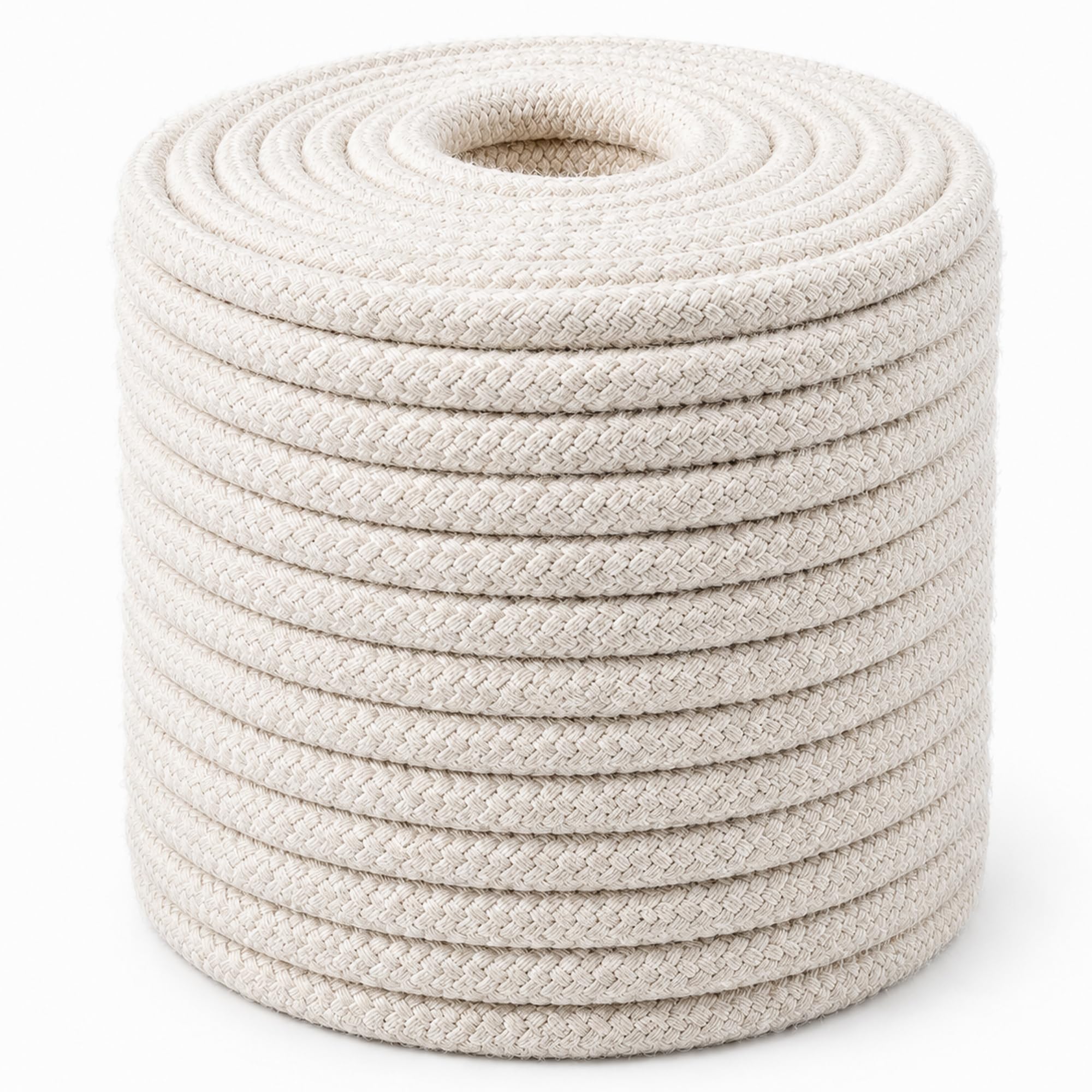
This is pure braided cotton, 1/2 inch thick, and it is the most effective wicking rope on this list. Cotton fibers are naturally hydrophilic — they grab water and pull it upward through the tight diamond braid structure. The 50-foot length gives you plenty of material for multiple wicks, and the 1080-pound tensile strength is overkill for an irrigation wick, but it confirms the rope is densely constructed without loose strands that would break the water column.
At half an inch, this rope moves a lot of water volume. The trade-off is that capillary rise decreases as diameter increases; you won’t get the same lift height as a thinner cotton rope. For deep reservoirs placed far below the pot rim, you may need to use a longer wick or pair it with a narrower cord. The natural unbleached color looks clean against potting soil and doesn’t leach dyes.
Multiple owners report using it successfully for coiled baskets and craft projects, which suggests the weave is tight enough to hold shape. The softness makes it easy to thread through drainage holes without fraying. For a self-watering system feeding a large container, this is the premium choice that delivers consistent moisture.
What works
- Thick natural cotton absorbs and wicks water efficiently.
- Tight diamond braid holds its structure and resists unraveling.
- Generous 50-foot length for multiple wicks or large projects.
What doesn’t
- 1/2 inch diameter reduces capillary lift height compared to thinner ropes.
- Natural color shows dirt and mineral stains over time.
2. SGT KNOTS Polypropylene Rope

This is a hollow-braid polypropylene rope that is lightweight and hydrophobic. It will not wick water through its fibers — polypropylene repels moisture. However, the hollow braid construction creates a tubular channel that can passively transport water through capillary action in the narrow gaps between the braided strands. It works, but at a much lower efficiency than cotton.
The 1/4-inch diameter and 1000-pound tensile strength make this rope almost indestructible for outdoor use. It resists UV, chemicals, and rot. The Hunter Green/White color blends into garden beds well. Several owners use it for boat anchor lines and sail grommets, confirming it holds knots without slipping even when wet.
If you need a wick that also serves as a structural tie-down — for example, securing a shade cloth while also wicking water to a hanging basket — this dual-purpose rope works in a pinch. But for dedicated wicking, you’ll get far better results with a cotton alternative. This rope shines as a general utility cord for marking, barrier control, or heavy lashing.
What works
- Hydrophobic fibers resist rot and mold in wet environments.
- Hollow braid allows some water movement through the inner channel.
- Extremely durable, high UV resistance, and holds knots well.
What doesn’t
- Polypropylene does not absorb water; wicking is weak and slow.
- Not ideal as a primary wick for self-watering systems.
3. COCONUT Polyester Braided Rope

Polyester shares the same hydrophobic problem as polypropylene — its fibers repel water. But this 1/4-inch braided rope has a tight weave that creates fine interstitial channels capable of mild capillary action. The 600-pound breaking strength is modest but sufficient for a shade sail or clothesline, and the white color remains bright even after prolonged sun exposure.
Owners report using this rope for three straight years under brutal North Texas sun with zero degradation. That UV stability is unmatched by cotton, which degrades quickly in direct sunlight. If your wick needs to sit exposed above the soil line under intense sun, polyester will outlast cotton by a wide margin.
The drawback for wicking is speed. This rope moves water slowly — it will keep a small pot moist but cannot keep up with a large, thirsty plant. Several reviewers note that the ends unravel easily when cut; you must melt the cut ends with a lighter to prevent fraying. For a short-term wick in a low-light indoor planter, it gets the job done without rotting.
What works
- Excellent UV resistance for exposed wicks and outdoor use.
- Tight braid creates some capillary channels for slow water movement.
- No strength loss when wet; good for sail shade and flagpole lines.
What doesn’t
- Hydrophobic fibers limit wicking volume and speed.
- Cut ends fray badly; must be heat-sealed.
4. PerkHomy 200 Feet Cotton Rope
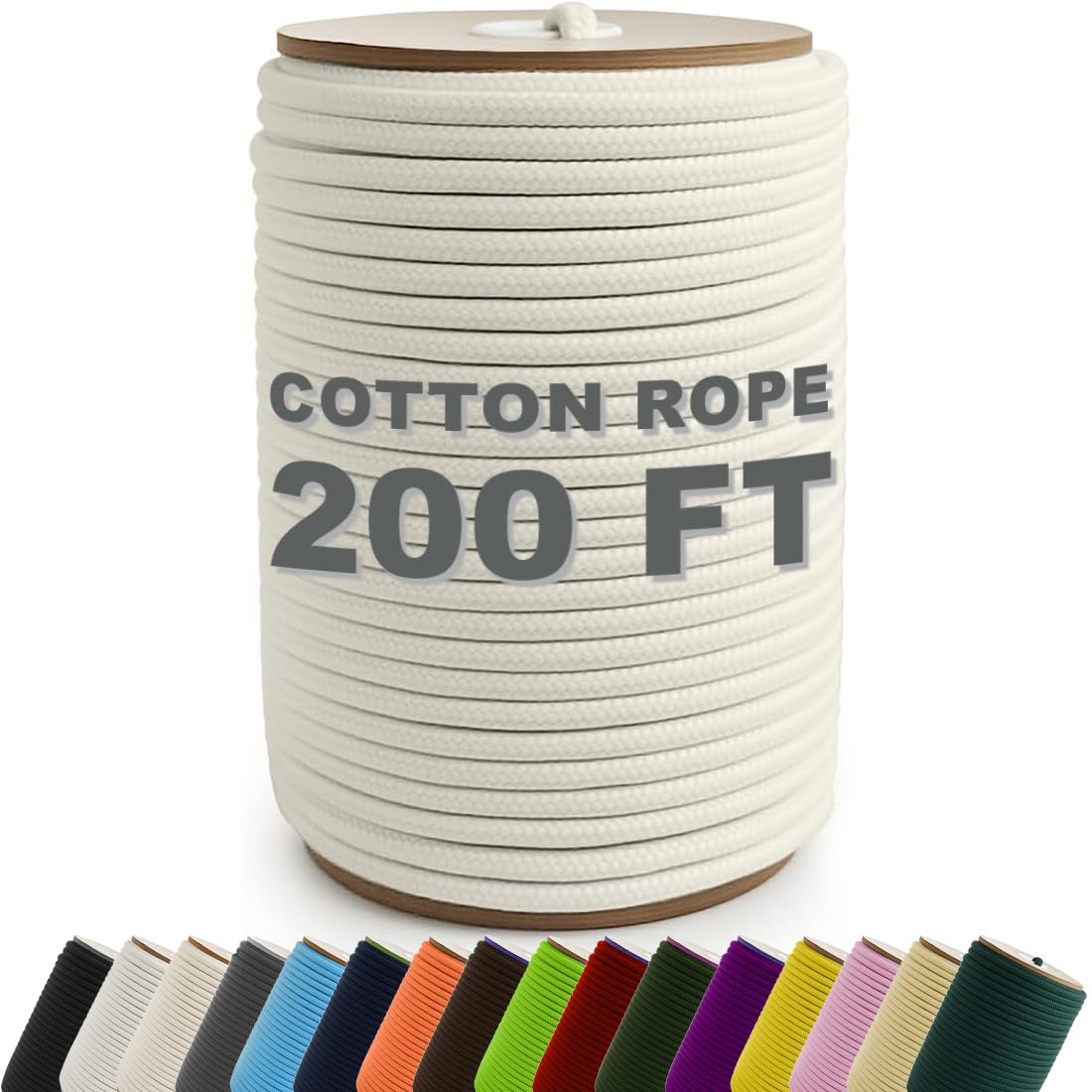
At 3/16 inch, this cotton rope is the thinnest option on the list, and that narrow diameter gives it surprising capillary lift. Thin cotton wicks water higher than thick cotton, making this an excellent choice for deep pots or tall self-watering inserts where the reservoir sits significantly below the root ball. The 200-foot spool provides enough material for dozens of wicks at a very low cost per wick.
The manufacturer states this is a poly-cotton blend, not 100% pure cotton. Several buyers noted the packaging says “premium polyester,” which introduces ambiguity. A polyester blend reduces water absorption compared to pure cotton, but the natural cotton portion still provides enough hydrophilic material to drive wicking. For craft projects like rope bowls, owners love it — the fibers are soft, easy to stitch, and hold a coiled shape.
For a dedicated wicking system, this rope works best in small to medium pots where the water reservoir is within 12 inches of the soil. The thin diameter means water moves quickly but holds less total volume — you may see the rope surface dry out faster than a thicker cotton wick. It is a fantastic budget entry point for testing a wicking setup.
What works
- Narrow 5mm diameter offers strong capillary lift for tall setups.
- 200-foot spool provides enormous value for multiple projects.
- Soft texture is easy to thread through small drainage holes.
What doesn’t
- Poly-cotton blend has less absorption than pure cotton.
- Packaging is misleading about material composition.
5. Wellmax Diamond Braid Nylon Rope
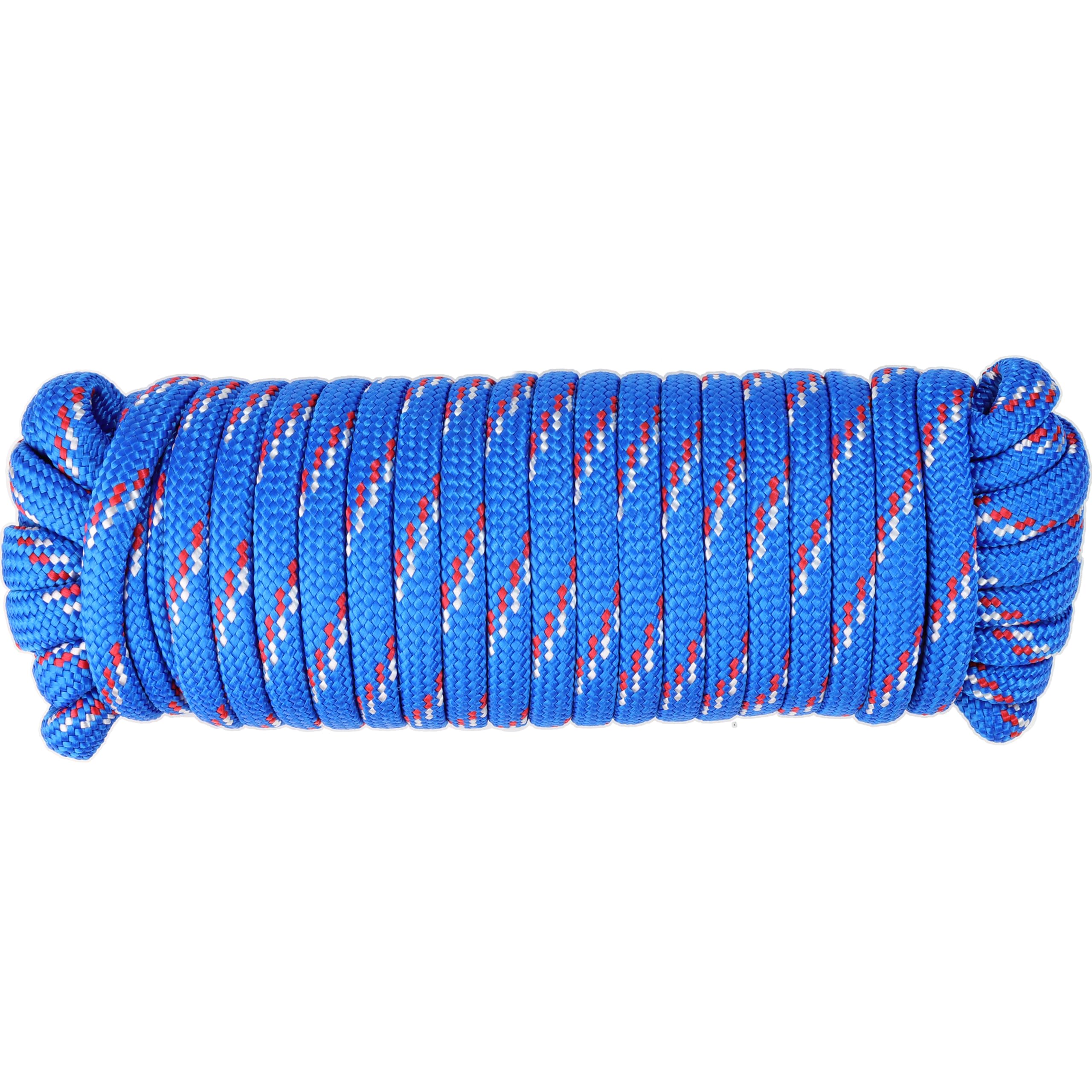
Nylon is another hydrophobic synthetic, but its diamond braid construction creates a dense, uniform structure with micro-channels that can move small amounts of water. The 3/8-inch diameter is on the thicker side, which reduces capillary rise but increases total water holding capacity if the wick is fully submerged. The 1500-pound tensile strength makes this rope incredibly strong for its size.
This rope is built for marine environments — it resists oil, acid, alkali, and UV. Owners use it for dock lines and anchor lines, and one creative buyer turned it into an all-weather dog lead that survived rain, snow, and ice without fraying. The blue color is vibrant, though some customers reported the actual shade is darker than the listing photos.
For wicking, nylon performs similarly to polyester: slow and weak compared to cotton. However, the diamond braid structure is superior to twisted nylon, which would unravel and lose capillary channels entirely. If you already have this rope for mooring and want to repurpose a short section for a temporary wick, it will work, but don’t expect high-volume water transport.
What works
- Diamond braid holds consistent shape and resists unraveling.
- Extremely strong, weather-resistant, and long-lasting.
- Resists moisture, oil, and chemicals without degrading.
What doesn’t
- Nylon is hydrophobic; wicking is minimal and slow.
- Thick 3/8-inch diameter reduces capillary lift height.
6. Shappy Polypropylene Rope with Spring Hook

This rope is designed to float, which is the opposite of what you want in a wicking system. A submerged wick should stay submerged and saturated; a floating rope will sit on the water surface and lose contact with the reservoir as the water level drops. The polypropylene material is hollow-braided and naturally buoyant.
The 15-meter length and bright orange color are excellent for pool safety lines, life ring tethers, and rescue throw bags. Owners love it for attaching diver-down buoys and retrieving floating lounges — it stays visible and easy to grab. The stainless steel spring hook adds secure attachment, though some users reported the latch quality is inconsistent.
This rope is not suited for wicking water to plants. If you need a visible line to mark a water feature or a floating marker for pond plants, it’s a great buy. But for soil wicking, skip this one entirely and choose a cotton or blended cotton rope instead.
What works
- Floats on water for easy retrieval and visibility.
- Long 15-meter length with pre-attached spring hook.
- Bright orange color is highly visible in outdoor settings.
What doesn’t
- Floating design prevents proper submerged wicking.
- Polypropylene is hydrophobic; zero fiber absorption.
7. SGT KNOTS Polyester Webbing Flat Rope
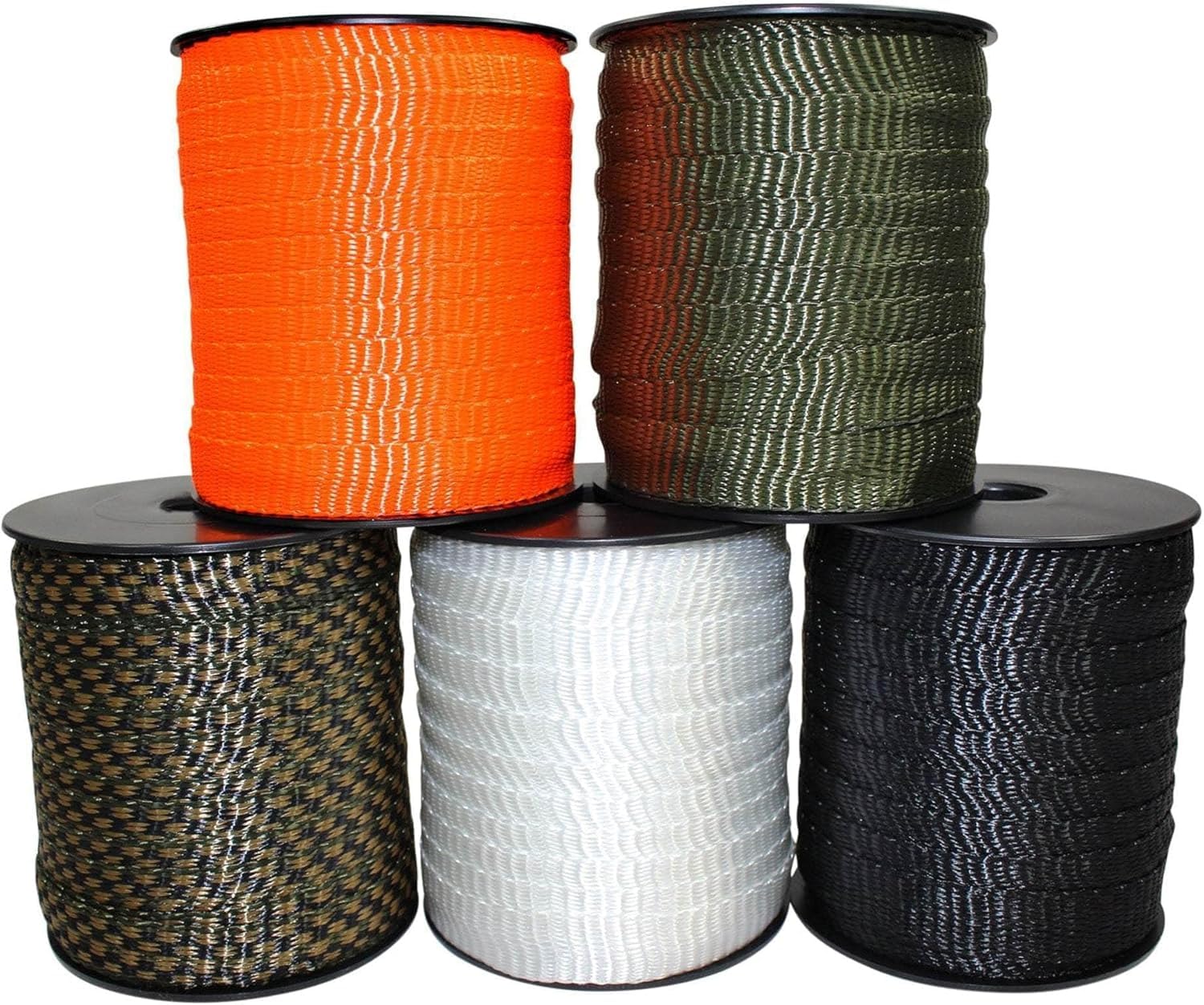
This flat webbing is 5/8 inch wide, woven from high-tenacity polyester threads with a tensile strength of 1800 pounds. The flat profile creates a wide surface area that can sit flat against a reservoir bottom, but the polyester fibers are hydrophobic. It will not absorb water — any wicking that occurs is purely through capillary action in the weave gaps.
The flat shape is unusual for wicking. Most round ropes provide 360-degree contact with the soil, while flat webbing only touches the soil on two faces. Owners use this for pulling wire through conduit, securing cargo, and building trellises for grapes and tomatoes. One reviewer reported using it for 7 years as a trellis line with no stretch or slip.
For wicking, the flat webbing geometry is a disadvantage. It does not stay submerged as easily as a round rope, and the wide shape can fold over, reducing the effective cross-section. If you need a flat pulling tape for conduit or a non-stretch trellis line, this is a top-tier product. For wicking water to plants, it is not the right tool.
What works
- Extremely strong with 1800 lb tensile strength.
- Zero stretch; holds shape under heavy loads for years.
- UV and abrasion resistant for permanent outdoor installation.
What doesn’t
- Flat profile reduces contact area with soil and water.
- Hydrophobic polyester fibers provide negligible wicking.
Hardware & Specs Guide
Fiber Absorption Rate
The single most important spec for a wicking rope is the fiber’s absorption coefficient. Cotton can hold 8-10 times its dry weight in water. Polyester and nylon hold less than 1% of their weight. Nylon does absorb about 4% moisture by volume, but that is negligible for wicking. Check the material tag — if it says polypropylene, polyester, or nylon, expect weak wicking. If it says cotton or a cotton blend, you have a viable wick.
Diameter vs Capillary Rise
Water rises higher in narrower tubes due to capillary pressure. A 3/16-inch rope can lift water 18-24 inches in a vertical wick. A 1/2-inch rope may only lift 6-10 inches. However, the thicker rope moves more total volume per hour. For pots under 12 inches tall, 1/4-inch is the sweet spot. For taller planters, drop to 3/16-inch or use a longer wick path.
FAQ
Can I use nylon rope as a water wick?
Does rope thickness affect how high water wicks?
Will a braided polypropylene rope wick water?
Final Thoughts: The Verdict
For most gardeners, the best rope for wicking water winner is the YUZENET Braided White Cotton Rope because natural cotton fibers provide the strongest capillary action and highest water volume of any material on the market. If you want a budget-friendly spool for small pots and craft projects, grab the PerkHomy 200ft Cotton Rope for its thin 5mm diameter that lifts water higher. And for outdoor trellis lines that also need to pull occasional duty as a wick, nothing beats the UV-stable COCONUT Polyester Braided Rope.