
Specs are compiled from manufacturer listings and verified buyer reviews and can change over time — please confirm the key details on the product page before buying.
An amaryllis bulb rots when its roots sit in soggy, airtight dirt — so the single most important job of your potting soil is to drain fast while still holding enough moisture for those thick roots to drink. The right mix is loose, chunky, and airy, letting water flow straight through the pot instead of pooling around the bulb’s base. This guide breaks down the best ready-made bags for that exact balance, so you can plant with confidence and watch the flower spike rise.
I’m Rikta — the founder and writer behind Lawn Gear Lab. This guide is built by comparing the manufacturers’ published specifications and the patterns across verified customer reviews, so you get each pick’s real strengths and trade-offs instead of marketing spin.
Here is what matters when choosing the right potting soil for amaryllis bulbs, with the top mixes ranked by drainage, aeration, and proven root health.
Our Picks at a Glance

How To Choose The Best Potting Soil For Amaryllis Bulbs
Amaryllis bulbs are native to warm, dry climates, which means their roots are used to quick drinks followed by fast drying. Pick a soil that holds water like a sponge, and you are basically inviting rot. Your goal is a mix that drains aggressively but still feels slightly moist to the touch a day after watering.
Drainage is the non-negotiable
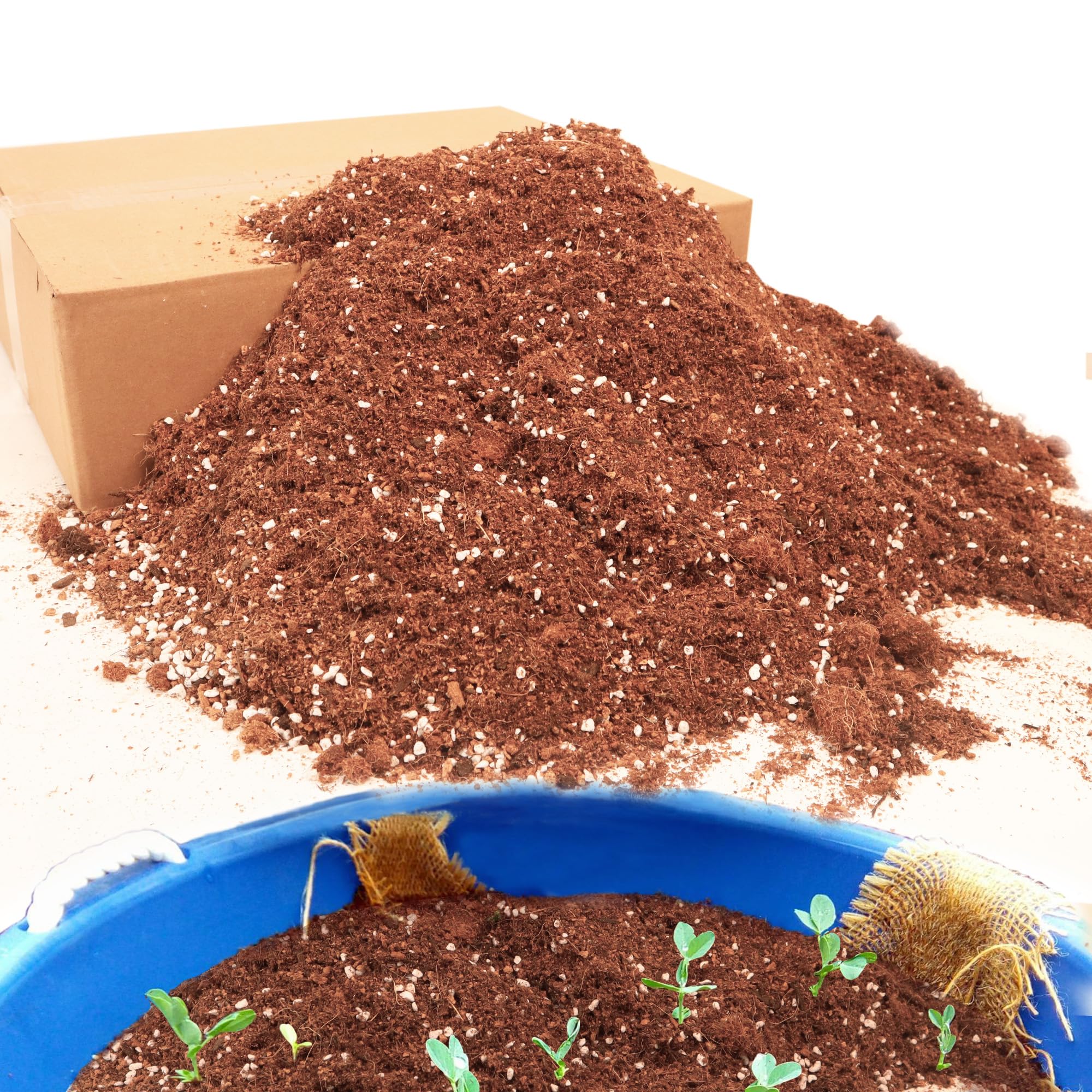
Look for ingredients like perlite, pumice, orchid bark, or coco husk — these create air pockets that let excess water escape in minutes. A bag that lists these near the top of the ingredient list is on the right track. Dense, compost-heavy soils are the ones that turn your pot into a swamp.
Moisture retention without the sogginess
You still want the soil to hold some water so the bulb’s roots can hydrate between waterings. Coco coir and sphagnum moss are great at holding moisture while staying fluffy. The trick is balance — enough retention to keep roots happy, but not so much that the base of the bulb stays wet.
Peat vs. peat-free
Peat moss is common and cheap, but it can become dense and waterlogged over time. Peat-free mixes using coco coir and bark are lighter, drain better, and are less attractive to fungus gnats — the tiny flies that love damp indoor soil. For an indoor bulb in a pot, a peat-free chunky mix is often the smarter buy.
Quick Comparison
| Model | Best For | Volume | Key Drainage Additives | Organic Content | Amazon |
|---|---|---|---|---|---|
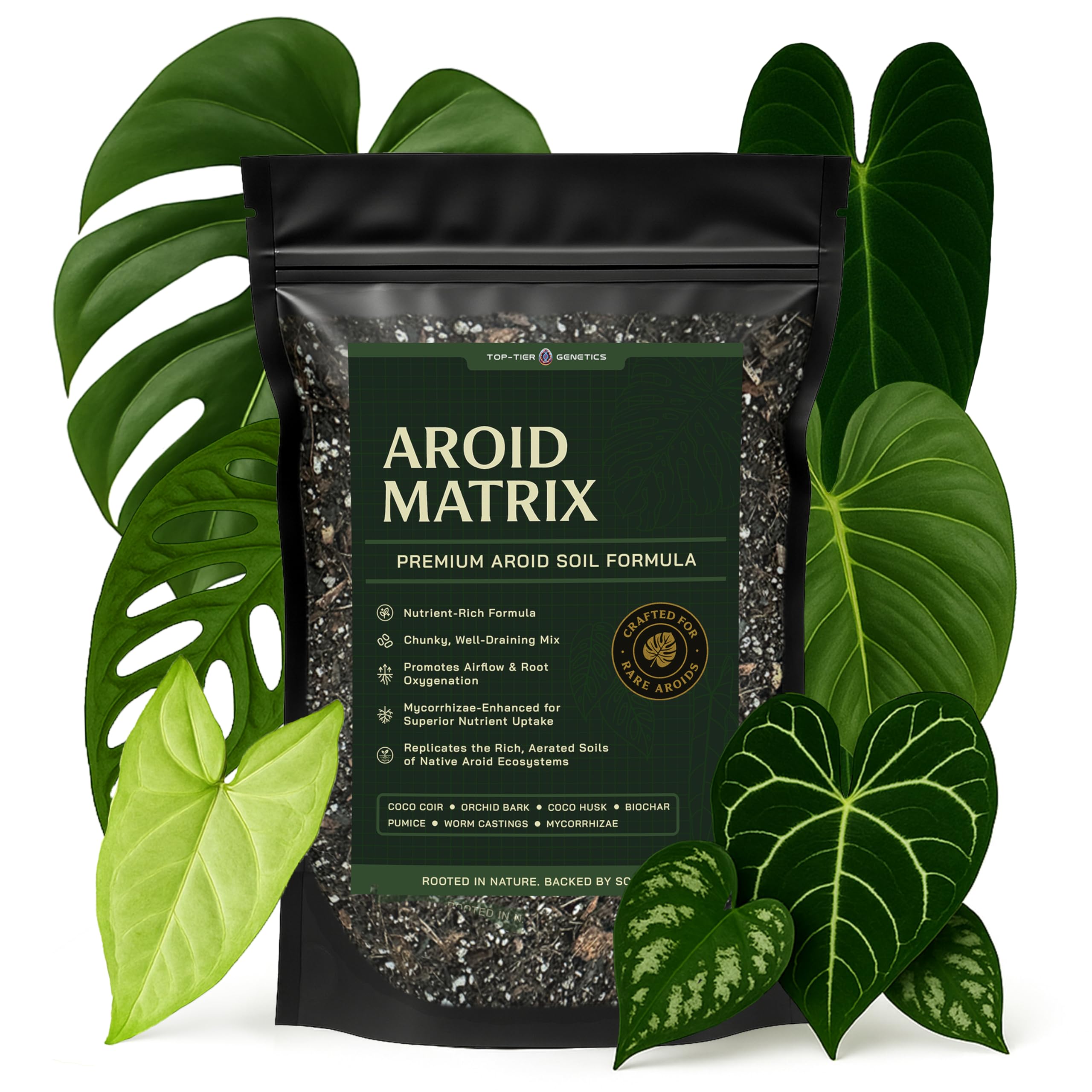
| AROID Potting Mix★ Best Overall | Bulbs & tropicals needing max aeration | 4 quarts | Orchid bark, pumice, coco husk | Worm castings, mycorrhizae, biochar | Amazon |
| Midwest Hearth Premium MixBest Value | Budget-friendly general potting | 4 dry quarts | Perlite, vermiculite | Peat moss | Amazon |
| Avalution 9QT MixTop Performer | Lightweight all-purpose indoor mix | 9 quarts | Perlite, vermiculite | Coco coir, rice charcoal | Amazon |
| Halatool 6QT Mix | Small pots and bonsai-style planting | 6 quarts | Perlite | Peat, humic acid, coconut bran | Amazon |
| Miracle-Gro Moisture Control | Forgiving moisture management | 2 x 16 quarts | Sphagnum peat moss, coir | Wetting agent | Amazon |
| Grow Queen Craft Mix | Gnat-prone homes & sensitive roots | 4 quarts | Douglas fir bark, lava rock, pumice | Worm castings, biochar | Amazon |
| Brut Organic Potting Soil | Large pots & certified organic planting | 1 cubic foot | Perlite, pumice | Worm castings, kelp, Azomite | Amazon |
| Forbidden Cereal Aroid Mix | Collectors who want the chunkiest mix | 6.5 quarts | Douglas fir bark, fine & coarse perlite | Worm castings, biochar, sphagnum moss | Amazon |
| Houseplant Resource Center Mix | Monstera-style aroids & quick drainage | 7.5 liters | Aged bark, perlite | Coco coir, biochar, worm castings | Amazon |
In-Depth Reviews
1. AROID Potting Mix
Our pick — over 4.5★ from 250+ verified ratings; the strongest balance of quality and price.
The chunky, airy blend that lets amaryllis roots breathe instead of drowning.
For a bulb that hates wet feet, this mix is built around drainage first — orchid bark, coco husk, and pumice create the fast-draining structure your amaryllis roots need to avoid rot. The 4-quart bag is ready to use straight out of the package, so there is zero mixing or measuring before you plant. It balances moisture with coco coir, keeping roots hydrated without leaving them soggy.
What makes this stand out for bulbs is the nutrient layer. Worm castings and mycorrhizae feed the roots gently, while biochar helps hold onto nutrients for the long haul — useful when your amaryllis is building energy for that big flower spike. Weighing just 1.5 pounds, the bag is feather-light and easy to handle, though the 4-quart volume means you will need two or three bags for very large containers.
Buyers report that “plants take off after repotting in this mix,” with roots showing explosive growth and foliage turning vibrant within days. The crowd consensus — backed by a 4.7-star average across 262 ratings — is that the quality is consistent and worth the money, especially for expensive or prized plants.
What wins owners over
- Chunky texture means serious airflow to roots
- Worm castings and biochar feed bulbs gently
- Zero mixing required — plant straight from the bag
What to know
- 4-quart bag is small for large pots
- Pricier per quart than basic mixes
Reach for this if: you are planting a prized amaryllis bulb or tropical plant where root health is the top priority.
Look elsewhere if: you need to fill several large pots at once — you would need multiple bags.
2. Midwest Hearth Premium Potting Soil Mix
A professional-grade blend that holds moisture perfectly without turning into a swamp.
This mix brings the same formulation used by professional growers, combining peat moss, perlite, and vermiculite for what buyers consistently describe as excellent rooting and growth. For amaryllis, the perlite provides the critical drainage, while the vermiculite and peat hold just enough moisture to keep the thick roots hydrated between waterings. The pH is balanced for a broad spectrum of plants, so it plays nice with bulbs without adjustment.
The quality is the standout here — it is the most-praised aspect across buyer feedback, with gardeners reporting that young trees, vines, and potted perennials all thrive in it. One long-time gardener called it “one of the best I’ve ever used,” praising the spot-on blend. The 4-dry-quart bag is a workable size for several amaryllis pots, though some owners note the bag runs smaller than expected.
Across 768 ratings, this holds a solid 4.5-star average, with the recurring theme being healthy plants and no weeds. It is a dependable, budget-friendly choice that does the core job well — keeping roots aerated and moist without the sogginess that rots bulbs.
Solid all-rounder: A clean, pH-balanced blend that supports strong roots — the value pick for planting a few bulbs without overthinking it.
3. Avalution 9QT Potting Soil Mix
A scientifically balanced five-part recipe that is feather-light and drains like a dream.
This mix lists its exact formula — 55% coconut coir fiber, 12% peat moss, 11% perlite, 11% vermiculite, and 11% rice hull charcoal — so you know precisely what your bulb’s roots are getting. The high coco coir content holds moisture well, while the perlite and vermiculite ensure oxygen reaches the roots and excess water escapes fast. That combination is exactly what an amaryllis wants: hydrated but never waterlogged.
You get a mix that is easy to handle in pots and hanging planters because of its lightweight texture. Buyers describe it as “soft, airy/fluffy, clean, and much better than name brand stuff,” with one calling it the “best plain peat/perlite mix for all around use.” The 9-quart bag holds more volume than most indoor mixes, so it can fill a couple of amaryllis pots or a mix of houseplants.
Across 376 ratings, it holds a 4.5-star average. It is versatile enough for flowering plants, herbs, vegetables, and houseplants alike, making it a strong all-purpose option if you grow more than just bulbs.
Why it is easy to love
- Exact ingredient percentages printed on the bag
- Lightweight and fluffy — no heavy clumping
- Rice hull charcoal adds natural aeration
Worth noting
- Some buyers find the bag small for the price
- Moisture retention is light, needing more frequent watering
Best for: indoor gardeners who want a transparent, high-quality mix that works across many plant types.
Think twice if: you are a “low-maintenance” waterer — this dries out faster than heavier mixes.
4. Halatool 6QT Potting Soil Mix
A fine, fluffy blend that is prewashed and screened for clean, fuss-free planting.
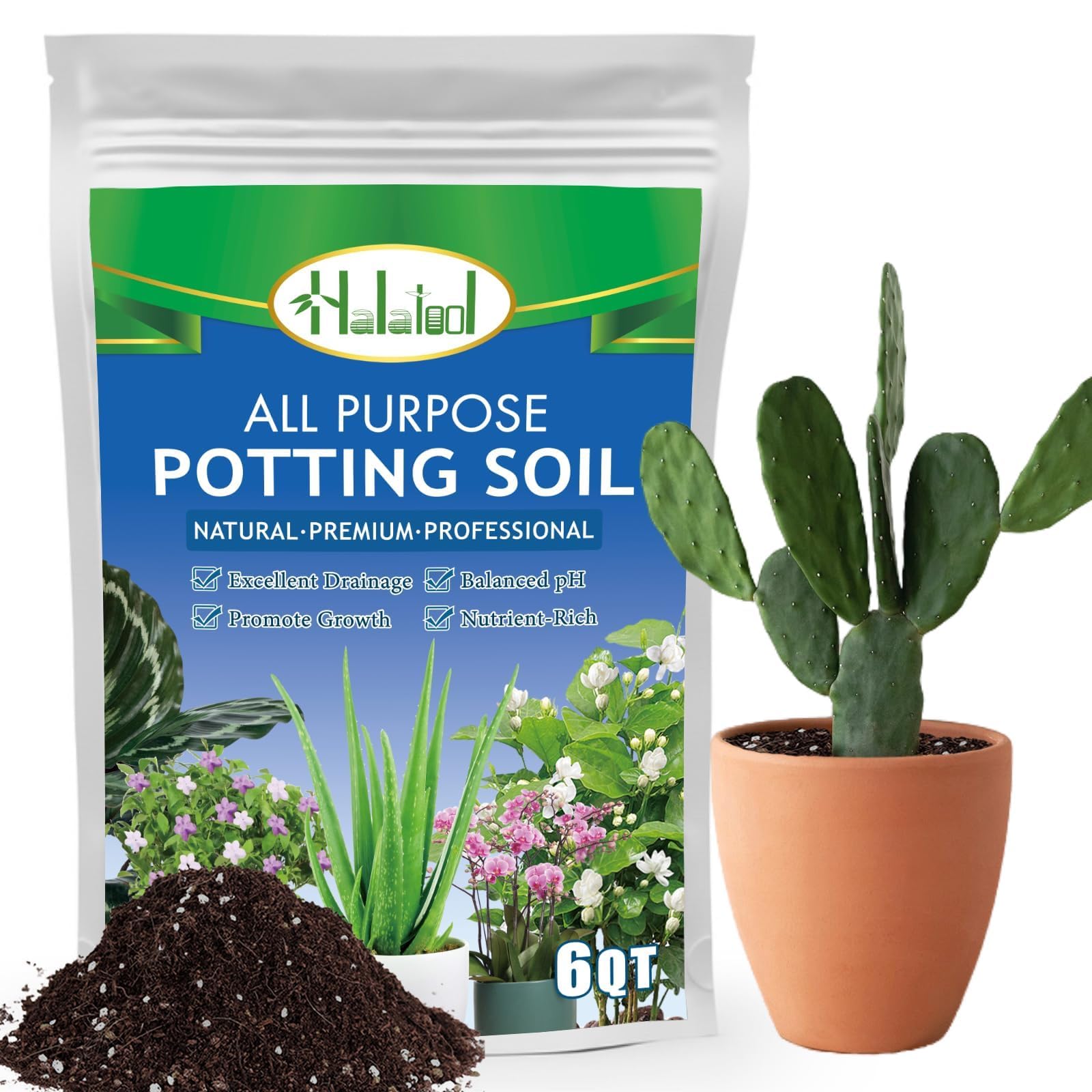
Halatool’s mix is a combination of peat, vermiculite, breathable perlite, humic acid, and coconut bran — ingredients chosen to make the soil fine and fluffy while improving drainage and promoting aeration. The humic acid helps balance soil pH and encourages rooting, which is useful when you want your amaryllis bulb to establish quickly. The 6-quart bag is a tidy size for a couple of standard pots.
The prewashed and screened preparation means it arrives clean and ready, with no debris or sticks to pick through. It comes in a resealable aluminum foil bag that blocks light and keeps the soil dry, so you can store the leftovers without worry. Soil quality is the most-praised aspect here, with buyers calling it ideal for orchids and noting the pleasant smell — a nice bonus compared to some earthy mixes.
With a 4.4-star average across 590 ratings, it is a reliable mid-range option. Plant health outcomes are more mixed in the feedback, so results can vary — but for the price and the clean presentation, it is a solid pick for a single bulb or two.
Clean and ready: A well-screened, pleasant-smelling mix that is easy to work with — best for a small, tidy planting project.
5. Miracle-Gro Moisture Control Potting Mix (2-Pack)

The forgiving mix that buffers your watering mistakes — perfect for busy bulb owners.
If you have ever killed a plant by watering twice in one nervous week, this is your safety net. The Moisture Control formula releases moisture slowly, protecting against both over- and under-watering. For an amaryllis, that means the bulb’s base stays drier while the surrounding soil holds a reservoir — a smart buffer for anyone who does not water on a rigid schedule.
The 2-pack gives you two 16-quart bags, which is far more volume than most indoor mixes on this list. Each bag fills one 12-inch container, so you could pot several amaryllis bulbs or use the rest for other container plants. It feeds plants for up to 6 months, which saves you from mixing fertilizer into your watering routine early on.
Buyers rave about the moisture retention, with one Zone 6A vegetable gardener crediting it for saving pots during a heat wave. Across 564 ratings, it holds a 4.6-star average, with plant health being the most-praised theme. It is the brand-name option that just works.
What makes it click
- Buffers against both over and under watering
- Feeds plants for up to 6 months
- Large 2-pack covers multiple pots
Consider this
- Moisture control means it stays wet longer — use a pot with good drainage holes
- Contains a wetting agent, not for strict organic growers
Reach for this if: you want a forgiving mix that smooths out your watering habits.
skip it if: you prefer a lean, fast-drying organic blend for precise moisture control.
6. Grow Queen Craft Houseplant Potting Mix
A peat-free, gnat-resistant mix that arrives pre-moistened to ease transplant shock.
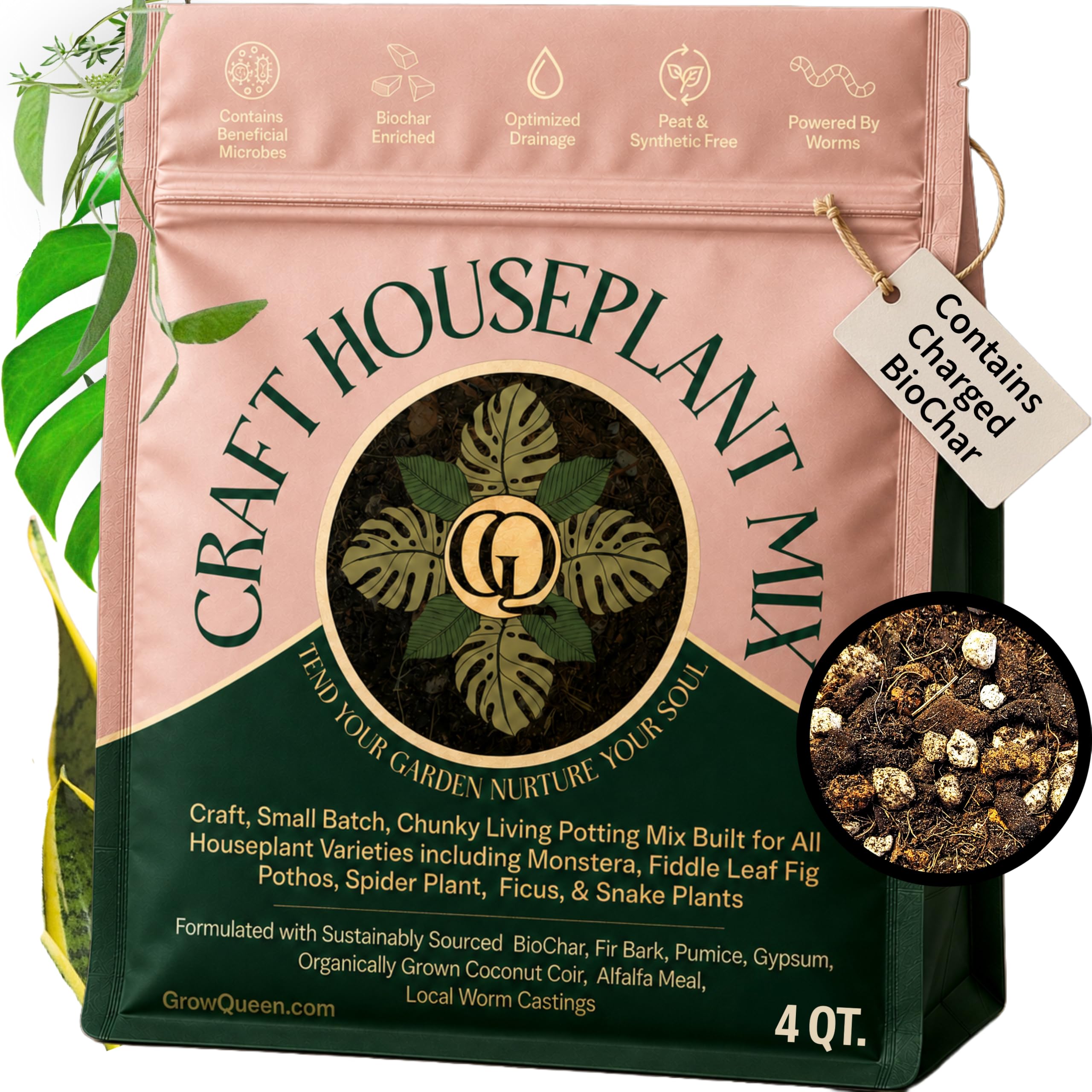
This mix skips peat and perlite entirely, using large Douglas fir bark fines, lava rock, and pumice instead. That combination creates a chunky, well-draining structure that makes it genuinely difficult to overwater — a huge plus for amaryllis bulbs prone to rot. The peat-free formula also dries evenly, which is why owners mention fewer fungus gnats compared to standard houseplant soils.
The pre-moistened arrival is a thoughtful touch — you never deal with dry, hydrophobic soil that repels water. Roots settle quickly, reducing stress after repotting, which matters when you are moving a bulb into fresh soil. It is loaded with premium organic worm castings and charged biochar, providing steady nutrition for months without the risk of fertilizer burn.
Across 293 ratings, it holds a 4.6-star average, with quality being the most-praised aspect. One owner calls it “the only houseplant soil I’ll be using from now on,” crediting it with eliminating their fungus gnat problem entirely. It is pricier than big-box mixes, but the higher quality and cleaner indoor experience justify the cost for many.
Premium indoor choice: A bioactive, gnat-resistant blend that keeps roots oxygenated — worth the premium if you hate fungus gnats.
7. Brut Organic Potting Soil
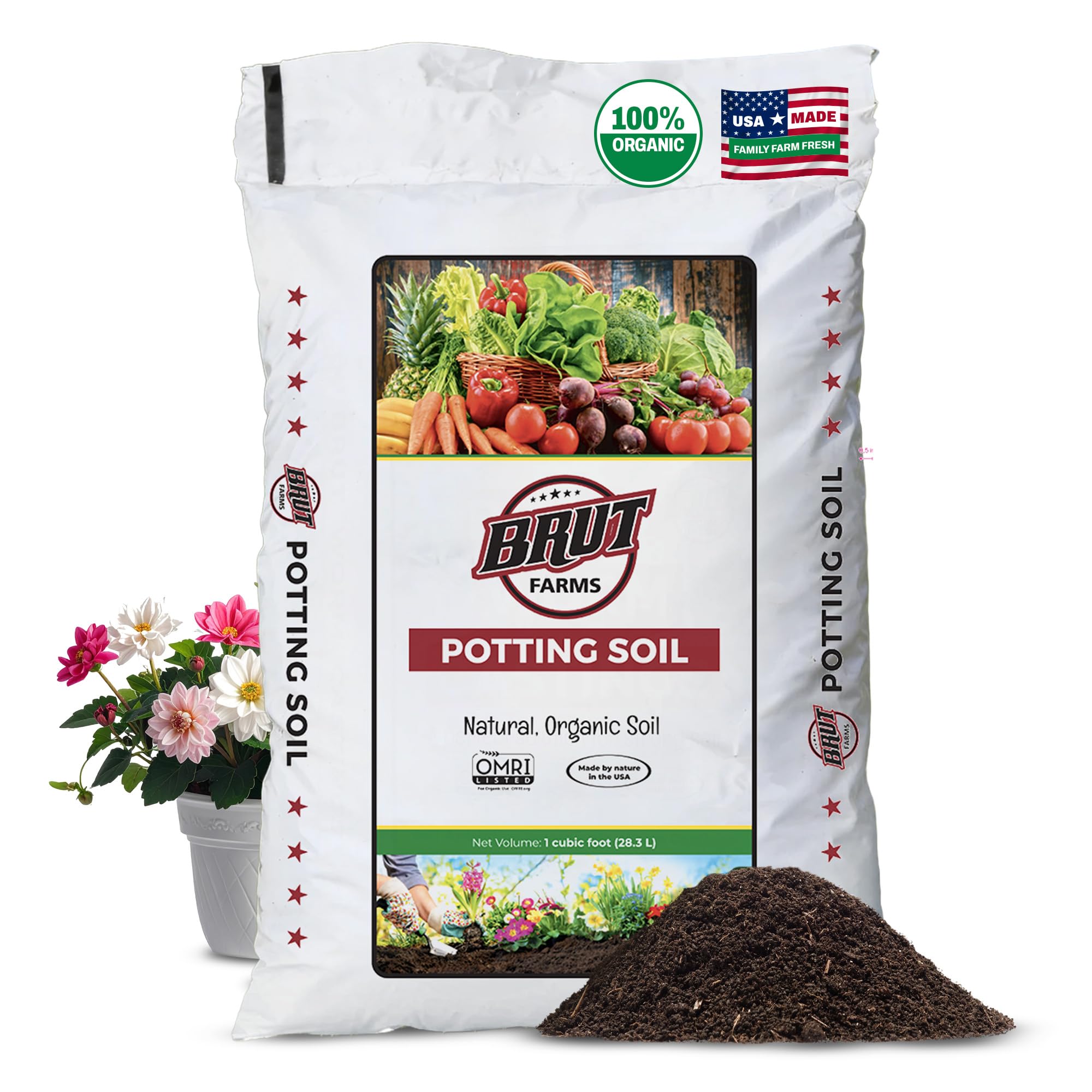
A certified-organic, microbe-rich soil in a big 21-quart bag for serious planting.
This is the bulk option for gardeners who want certified organic without the premium-per-quart price. At 21 quarts, it is the largest bag on this list, giving you plenty of soil for multiple amaryllis bulbs or a whole collection of container plants. It is packed with microbe-rich worm castings, kelp, and trace minerals like Azomite, feeding plants directly from the root level.
The mix is naturally pH balanced between 6.3 and 6.5, which suits most plants and makes it a versatile all-purpose choice. Buyers describe the soil as light and clean with no sticks or wood chips, and many report rich dark green foliage within days of planting. The OMRI listing (a third-party organic certification) gives you confidence that what is in the bag meets organic standards.
Across 551 ratings, it holds a 4.6-star average, with soil quality being the most-praised aspect. The value is mixed in feedback — some find it worth the price, others consider it expensive — but the quality consensus is strong. Note that a subset of buyers reported fungus gnat issues, so let the bag air out before use if that is a concern.
The big wins
- 21-quart bag is the best value per volume here
- OMRI-listed certified organic ingredients
- Microbe-rich worm castings feed roots directly
Watch out for
- Some customers note fungus gnats in the bag
- Shipping delays reported by a few owners
Best for: organic gardeners planting several bulbs or mixing their own larger batches.
Think twice if: you are sensitive to fungus gnats and want a guaranteed pest-free start.
8. Forbidden Cereal Aroid Potting Mix
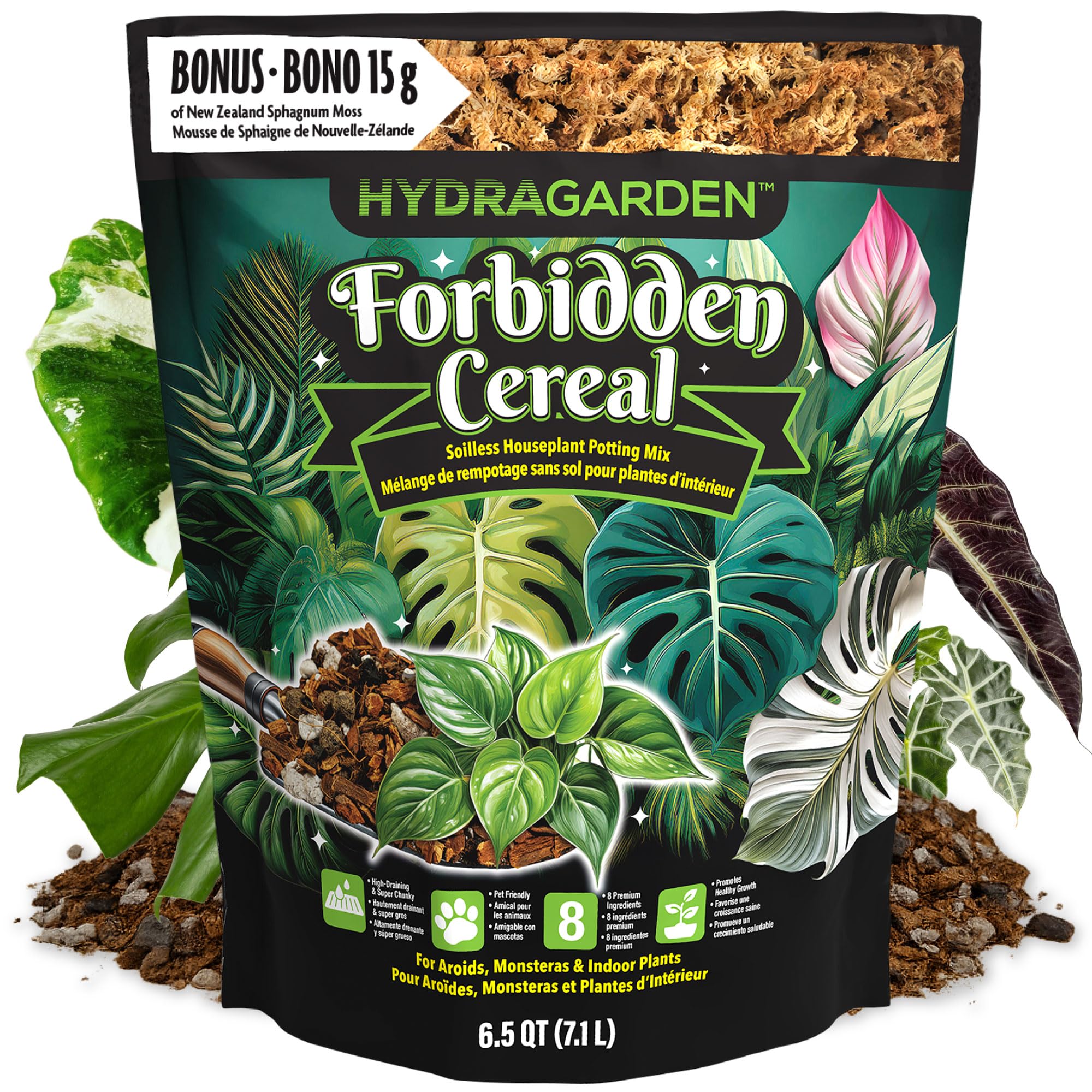
The “Earth’s Chunkiest” soilless mix that looks like cereal and drains like a sieve.
This mix lives up to its name — it is genuinely chunky, made with hand-sorted, heat-treated Douglas fir bark, fine and coarse perlite, triple-washed coco coir, coconut fiber, coco chips, horticultural charcoal, worm castings, and LECA clay balls. For an amaryllis bulb, that chunkiness means water flows freely through the pot and roots get constant access to air, which is the single best defense against rot. It is completely soilless and peat-free, using only renewable ingredients.
A thoughtful design detail: the sphagnum moss is layered on top rather than mixed in, so you can use it as a moisture-retaining topper or move it to the root level as needed. That flexibility lets you customize the moisture profile for your specific bulb. The mix buffers water to a neutral pH, maximizing nutrient absorption from any fertilizer you add.
Across 238 ratings, it holds a 4.6-star average, with buyers calling it “the GOAT of potting mixes.” One collector reported monsteras tripling in size over 6 months with thick, healthy roots. It works perfectly straight from the bag with no amendments, though the chunkiness is a mixed point for some — it is definitely not for plants that prefer dense, moisture-retentive soil.
Why collectors love it
- Extreme chunkiness prevents root rot by design
- Separated sphagnum moss layer for custom moisture control
- 8 premium organic ingredients, no soil or peat
Know before you buy
- Chunkiness is not for everyone — some find it too coarse
- Premium price per bag
Reach for this if: you are a plant collector who wants maximum aeration and is happy to pay for premium ingredients.
Look elsewhere if: you prefer a finer, more traditional soil texture for your bulbs.
9. Houseplant Resource Center Organic Monstera Potting Soil
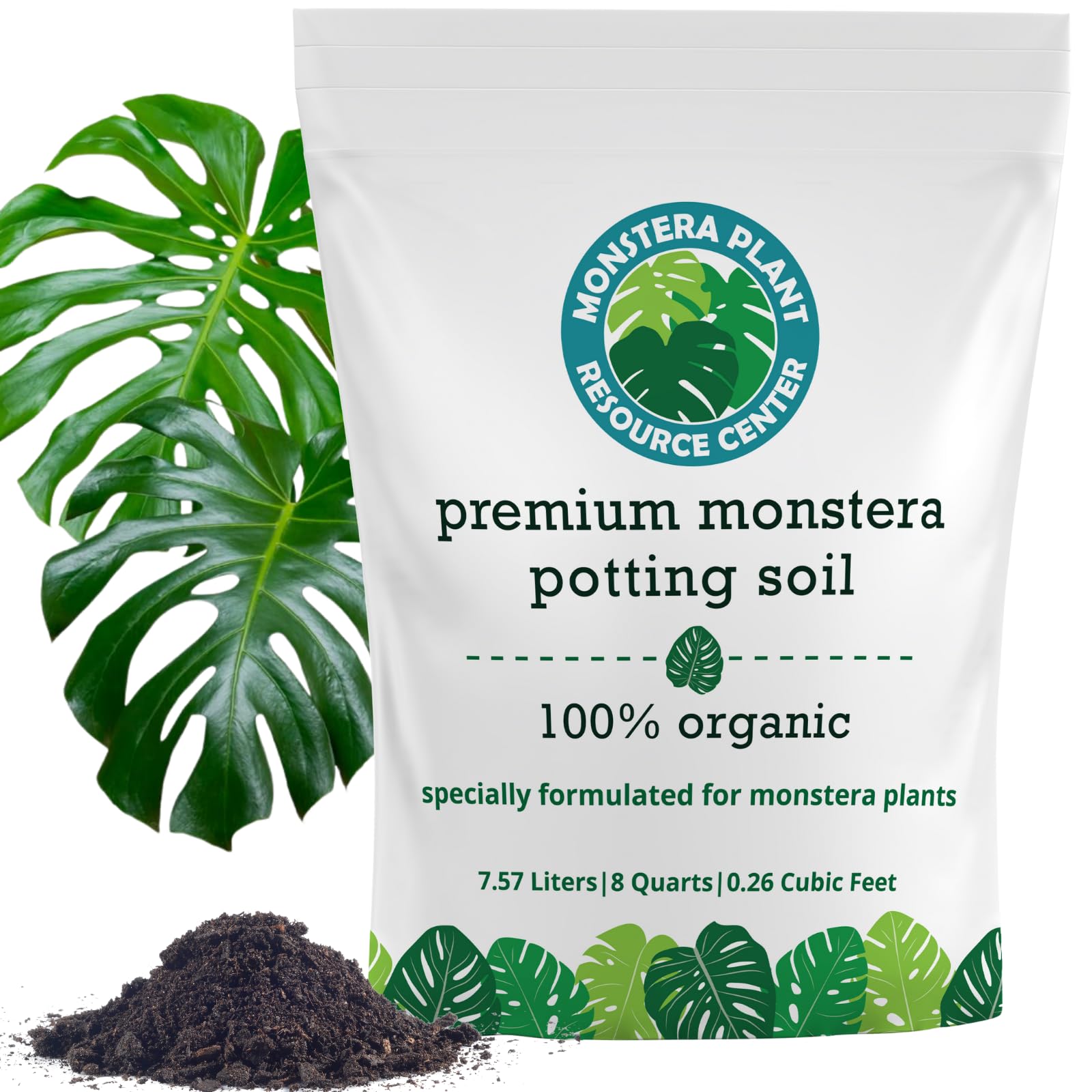
A fast-draining organic blend from Oregon that protects against over and under watering.
This mix is custom-blended by a family business in Oregon using aged bark, coco coir, and perlite. The combination creates a lightweight, airy texture that acts like a natural sponge — holding moisture for the roots while draining fast enough to prevent the soggy conditions that cause root rot. For an amaryllis bulb, that is exactly the balance you want between hydration and oxygen.
Across 237 ratings, it holds a 4.5-star average. Buyers praise the quality and value, but plant health results vary — some report thriving plants while a few saw root rot, which usually traces back to how much you water. The bag may look half-full, but customer service confirms it is the correct amount.
Fast and organic: A well-balanced, US-made blend that supports quick root establishment — best for growers who understand their watering routine.
Understanding the Key Specs
Drainage Additives (Perlite, Pumice, Bark)
These are the ingredients that save your bulb. Perlite and pumice are lightweight volcanic rocks that create air pockets in the soil, letting excess water escape quickly. Orchid bark and coco husk do the same job while adding physical structure. A mix that lists these near the top of the ingredient list will drain fast — a mix that leads with compost or topsoil will hold water and risk rot.
Moisture Retention (Coco Coir, Sphagnum Moss)
Drainage is only half the story. Your amaryllis roots still need water between waterings, so the soil must hold some moisture. Coco coir and sphagnum moss are the gold standard here — they hold water well but stay fluffy and airy, unlike dense peat which can compact. The right blend balances these against the drainage additives so roots stay hydrated but never sit in a puddle.
Organic Nutrients (Worm Castings, Biochar)
Worm castings are a gentle, slow-release fertilizer that feeds roots without burning them — ideal for bulbs building energy for a flower spike. Biochar is a form of charcoal that helps soil hold onto nutrients and beneficial microbes over time. A mix with these ingredients supports long-term root health and reduces the need for separate fertilizing early on.
Peat-Free vs. Peat-Based
Peat moss is common and cheap, but it can compact and become waterlogged, and harvesting it is not sustainable. Peat-free mixes use coco coir, bark, and other renewable ingredients instead. They tend to drain better, stay lighter, and are less attractive to fungus gnats — the tiny flies that love damp indoor soil. For an indoor amaryllis in a pot, peat-free is often the smarter choice.
FAQ
Will an aroid mix designed for monsteras work for amaryllis bulbs?
How much soil do I need for one amaryllis bulb?
Should I use a moisture-control potting mix for amaryllis?
Why does my amaryllis bulb keep rotting in regular potting soil?
Is peat-free potting soil better for indoor amaryllis?
How often should I water an amaryllis planted in a chunky aroid mix?
What is the difference between potting soil and a soilless mix?
Will organic worm castings in the soil burn my amaryllis bulb?
Can I reuse the same potting mix for my amaryllis next season?
Final Thoughts: The Verdict
For most growers, the clear winner for potting soil for amaryllis bulbs is the AROID Potting Mix — its chunky, bark-and-pumice structure gives bulbs the drainage they need while the worm castings and biochar feed strong root growth. If you want a budget-friendly option that still delivers professional results, the Midwest Hearth Premium Mix is a dependable choice with balanced peat, perlite, and vermiculite. And if fungus gnats have been a recurring nightmare in your indoor garden, the Grow Queen Craft Mix is the gnat-resistant, peat-free route to cleaner planting.
How We Picked
We do not accept paid placement. Every pick is matched to a real buyer and a real use-case; we do not hands-on test units.
Sources & Methodology
Specifications: manufacturer listings and product documentation. Review insights: verified customer reviews, as of August 2026. Pricing: not shown on this page (it changes often); check the current price via the retailer link.
As an Amazon Associate, Lawn Gear Lab earns from qualifying purchases. This does not affect which products we feature.