
Specs are compiled from manufacturer listings and verified buyer reviews and can change over time — please confirm the key details on the product page before buying.
Peat moss loosens heavy clay so roots can breathe, soaks up water like a sponge so the soil does not dry out too fast, and naturally lowers the pH (the measure of acidity or alkalinity) for acid-loving plants like blueberries, ferns, and carnivorous species. Which bag is worth bringing home from all the options out there? Your best bet is the Hoffman Canadian Sphagnum Peat Moss (18 quarts) — it gives you the most volume, a coarse texture that drains well, and proven results for finicky plants. For organic gardening, the Espoma Organic Peat Moss (8 quarts) is the go-to. And if you are covering a lawn or a giant bed, the Premier Horticulture 3.8Cu Ft bale has the sheer capacity you need.
I’m Rikta — the founder and writer behind Lawn Gear Lab. This guide is built by comparing the manufacturers’ published specifications and the patterns across verified customer reviews, so you get each pick’s real strengths and trade-offs instead of marketing spin.
Whether you are mixing a custom soilless blend for your Venus fly traps or amending a full garden bed, finding the right peat moss depends on knowing the volume, the texture, and what your specific plants actually need.
Quick Picks
- Hoffman Canadian Sphagnum Peat Moss – 18 Quart — Best Overall
- Espoma Organic Peat Moss (8-Quart) — Organic Pro
- Doter Organic Sphagnum Peat Moss (4 Quart) — Best Value
- Premier Horticulture 0082P 3.8Cu Ft Sphag Peat Moss — Lawn Savior
- Old Potters Organic Peat Moss (3.8 Cu. Ft.) — Hydroponic Choice
- Sphagnum Peat Moss, Natural Bonsai Potting Mix (3qt) — Bonsai Blend
- Doter Organic Sphagnum Peat Moss (2qt) — Budget Starter
How To Choose The Best Peat Moss
Picking the right peat moss is more about matching the bag size and texture to your project than anything else. A small 2-quart pouch is perfect for a single houseplant, while a 3.8 cubic foot bale is what you need for a full garden bed or lawn renovation.
Volume and your project size
Think about how much soil you need to amend. For a few pots or a single carnivorous plant, a bag under 4 quarts is plenty. For mixing your own soilless blend for a raised bed or starting dozens of seeds, you will save money buying a larger bale — like the 18-quart or 3.8 cubic foot size.
Quick Comparison
| Model | Best For | Volume | Item Weight | Key Feature | Amazon |
|---|---|---|---|---|---|
| Hoffman Canadian Sphagnum | Large Mixes & Carnivorous Plants | 18 Quarts | 4 Pounds | Coarse Canadian Sphagnum | Amazon |
| Espoma Organic Peat Moss | Organic Gardening | 8 Quarts | 1.4 Pounds | All-Natural Horticultural Grade | Amazon |
| Doter Organic (4qt) | Ferns & Acid-Lovers | 4 Quarts | 0.79 Kilograms | Resealable Pouch | Amazon |
| Premier Horticulture 3.8Cu Ft | Lawns & Large Beds | 3.8 Cu. Ft. | — | Organic Soil Conditioner | Amazon |
| Old Potters Organic | Seed Starting & Hydroponics | 3.8 Cu. Ft. | — | SEMI Compressed | Amazon |
| Sphagnum Peat Moss (Yecna) | Bonsai & Succulents | 3 Quarts | 0.77 Kilograms | Compact & Lightweight | Amazon |
| Doter Organic (2qt) | Small Pots & Single Plants | 2 Quarts | — | Resealable Pouch | Amazon |
In‑Depth Reviews
1. Hoffman Canadian Sphagnum Peat Moss – 18 Quart

The big bag that brings carnivorous plants back to life within a week.
If you are mixing your own soil from scratch, this is the bag to grab — it has the biggest volume in this lineup at 18 quarts and a coarse texture that holds water without turning to mud. One reviewer noted they mixed it with perlite (a lightweight volcanic glass that improves drainage) for Venus Fly Traps and the plants thrived, producing new shoots within a week. It also revived a set of holiday cacti when added to the soil.
Buyers report the texture is coarse and high-quality, exactly what you want for aeration and water retention. Unlike the smaller bags that feel more like dust, this Hoffman product holds its structure and fluffs up nicely when wet. It is a premium New Brunswick quality grade, which means you are getting the real coarse Canadian sphagnum, not a fine sediment. At 4 pounds, it is noticeably heavier than the 1.4-pound Espoma bag, so plan your carrying route.
Why it wins
- 18 quarts — the biggest volume in this lineup, perfect for large projects
- Coarse texture holds water and nutrients without turning to mud
- Proven results with carnivorous plants and holiday cacti
One thing to know
- Heavier than smaller bags at 4 pounds, so plan your carrying route
The right call for: Gardeners mixing large batches of soilless mix, or anyone with several acid-loving plants that need a coarse, high-quality peat.
Look elsewhere if: You only need a small handful for a single houseplant — this bag will last you years.
2. Espoma Organic Peat Moss (8-Quart)

Approved for organic gardening and beloved by Venus fly traps.
If certified organic material without any additives matters to you, this Espoma peat moss is the pick. It is an 8-quart bag, which sits between the tiny pouches and the massive bales — enough for several pots or a small raised bed. It is also a registered Organic Input Material (a substance approved for use in certified organic production), so it meets strict organic standards.
One happy buyer summed it up perfectly: “My Venus fly trap thanks you! 50/50 Espoma peat moss and perlite.” Another owner used it to grow wheat grass for their cats in a DIY kit, and it worked perfectly. The main downside buyers flag is the flimsy bag — the zipper can break within minutes, so have a storage container ready. For a larger project, you would need a 3.8 cu ft bale instead of this 8-quart bag.
What stands out
- 100% peat moss with no additives — you control the mix
- Approved for organic gardening,
- Proven 50/50 ratio with perlite for carnivorous plants
The catch
- The bag’s zipper often breaks right away, so plan to transfer it
Perfect for: Organic gardeners who want a trusted brand and a versatile medium size for mixing their own soil.
skip it if: You need a massive volume for a whole lawn project — grab a 3.8 cu ft bale instead.
3. Doter Organic Sphagnum Peat Moss (4 Quart)

A resealable pouch that grows on you — literally.
This Doter bag gives you 4 quarts of organic sphagnum peat moss in a heavy-duty resealable pouch, so you can pour out what you need and seal the rest away for months. It weighs just 0.79 kilograms, making it noticeably lighter than the 4-pound Hoffman bag, so it is easy to handle and store. It is designed for moisture retention and to not compact, which buyers confirm works well.
One owner used it to create a light, moisture-retentive mix for a Boston fern and reported the plant stayed healthy indoors all winter. Another reviewer who mixes their own soilless blend praised the quality, saying it looks “rich and healthy” and keeps their African violet mix fast-draining. The only common complaint is that the 4-quart size is smaller than it looks in photos — double-check your project needs before ordering. For anyone with more than a few pots, the 18-quart Hoffman bag offers better value per quart.
What works
- Resealable pouch keeps it fresh and clean for future use
- Light but effective — a little expands when you add water
- Great for small projects like single ferns or succulents
What doesn’t
- The 4-quart size can be deceiving; measure your actual soil volume first
Reach for this if: You want a tidy, resealable pouch for a few pots and you value convenience over bulk discounts.
Grab something bigger if: You are mixing soil for an entire raised bed or a large batch of potting mix.
4. Premier Horticulture 0082P 3.8Cu Ft Sphag Peat Moss

The big bale that turned a struggling lawn lush and green.
When you are dealing with a whole yard, the small bags are not enough. This Premier Horticulture bale packs 3.8 cubic feet of sphagnum peat moss — that is about 114 quarts, or 57 times the volume of a 2-quart pouch. It is an organic soil conditioner that can also be used for plants, flowers, and vegetables, making it a true all-rounder for anyone with serious ground to cover.
Owners mention some impressive results. One owner used it to aerate red clay soil over winter and achieved a lush green lawn after three bags covered their front and side yards. Another reviewer noted it came with no large stems, which means it compresses and fluffs well without clumping. It is a no-frills, workhorse product — but at roughly 60 pounds, you will need a wheelbarrow or a strong back to move it.
Why buy big
- 3.8 cu ft — the largest volume here, ideal for lawns and large beds
- Compresses and fluffs well with no large stems or debris
- Proven to help ailing lawns recover and turn green
Consider this
- Heavy and bulky — you need a wheelbarrow or a strong back to move it
Get this for: Lawn projects, large garden beds, or any job that demands cubic feet of material, not quarts.
Skip it for: Small indoor pots or houseplants — this bale will sit in your garage for years.
5. Old Potters Organic Peat Moss (3.8 Cu. Ft.)
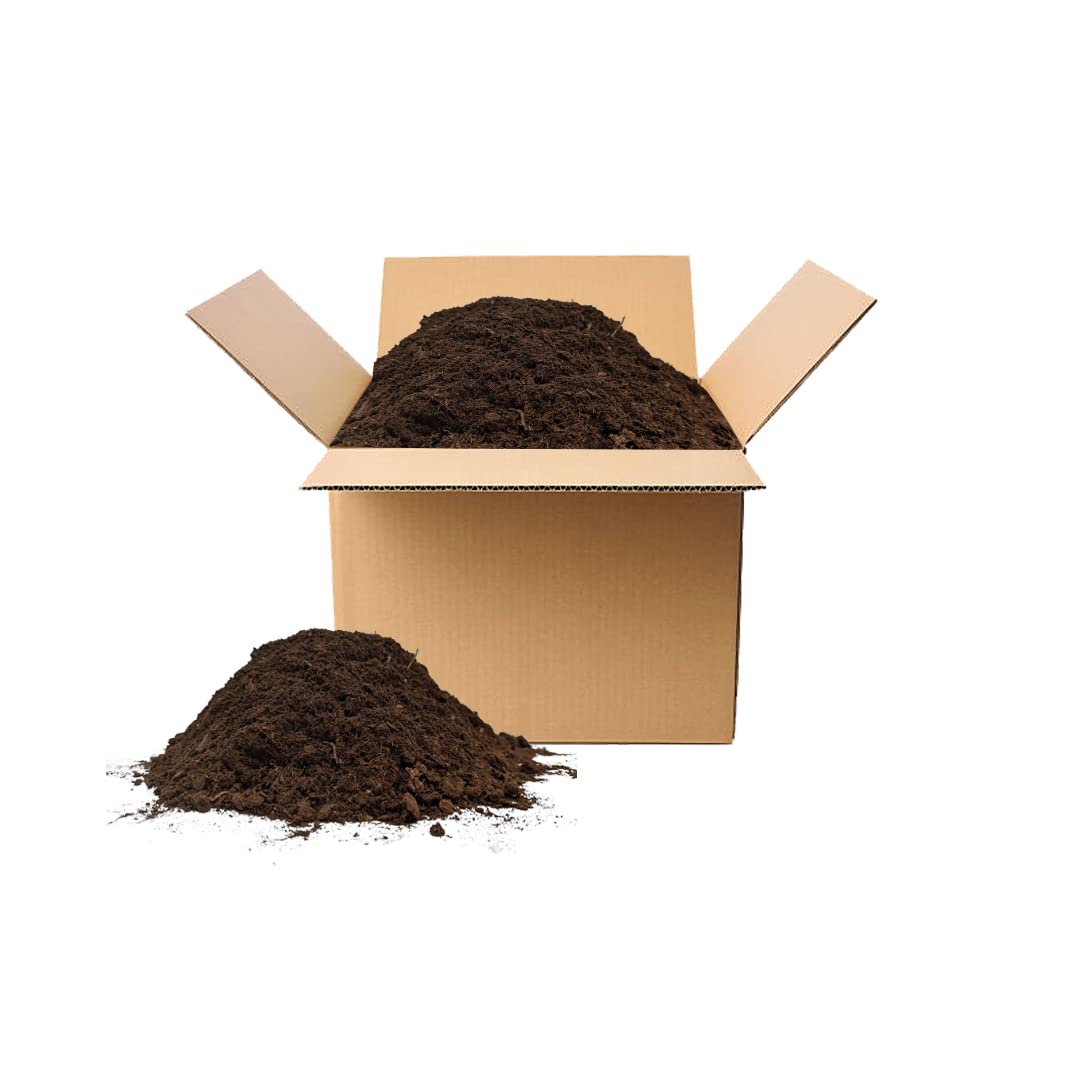
SEMI compressed peat that packs big volume into a manageable package.
This Old Potters peat moss is another 3.8 cubic foot bale, but it is SEMI compressed, which means it takes up less shelf space until you add water and it expands. It is marketed specifically for seed starting and hydroponic growing (growing plants in water with added nutrients instead of soil), where the porous nature of peat helps increase aeration in soilless mixes. The maker says it helps plants retain essential nutrients for more successful germination.
Buyers have found it useful beyond hydroponics too. One owner used it for DIY isopod substrate and food, noting it contains some plant matter and rocks, which they expected. Another gardener pointed out that while the quality is excellent, the quantity was too small for their needs and they ended up finding a larger bag. That is a common pattern: this 3.8 cu ft bale is not always the cheapest per quart, so compare total volume before you commit. For a straight price-to-volume comparison, the Premier Horticulture bale is often a better bet for large-scale jobs.
What’s good
- SEMI compressed format expands significantly when hydrated
- Ideal for hydroponic and seed-starting projects
- Organic alternative that minimizes weed growth
What’s not
- Some buyers felt the quantity was small for the price
Best for: Hydroponic growers or seed starters who appreciate a compressed bale that stores easily and rehydrates well.
Not ideal if: You are trying to get the absolute most volume for your money — compare it to other 3.8 cu ft options.
6. Sphagnum Peat Moss, Natural Bonsai Potting Mix (3qt)

From a dry, cardboard-like beer to plush, happy moss in seconds.
This Yecna brand peat moss is marketed as a bonsai and succulent potting mix, and it comes in a compact 3-quart bag that weighs just 0.77 kilograms. That makes it very close in weight to the Doter 4-quart bag (only a 3% difference), so you are getting similar heft for slightly less volume. It is designed to be lightweight and easy to handle, perfect for small indoor gardening projects.
Buyers are genuinely surprised by how it transforms when you add water. One reviewer described it as “kind of amazing it goes from looking like a small beer of cardboard to plush happy moss when rehydrated.” Another found it works well for holding in water when placed on top of plants. It is not the bag for making a massive batch of potting soil — the 18-quart Hoffman bag is better for that — but for a bonsai tree or a few houseplants, it is exactly the right size.
Why it works
- Transforms dramatically when rehydrated — a little goes a long way
- Compact and lightweight, easy to carry and store
- Ideal size for bonsai, succulents, and indoor houseplants
Note this
- At 3 quarts, it is one of the smallest volumes here, not for large projects
Great for: Bonsai enthusiasts or anyone with a single small plant that needs a moisture-retentive top dressing or mix.
Pass on this if: You need more than a couple of quarts — the larger Hoffman bag will serve you better.
7. Doter Organic Sphagnum Peat Moss (2qt)
The tiny bag that proves you don’t need a bale for one fern.
If you only need a small handful of peat moss for a single plant, this 2-quart pouch from Doter is the most sensible entry point. It is packaged in the same heavy-duty resealable pouch as the larger 4-quart version, so you still get the convenience of easy storage. The volume is just 2 quarts, which is exactly enough to mix a custom soil for one Boston fern or a single Venus fly trap pot.
Buyers confirm it is perfect for small jobs. One owner, who bought it to mix soil for a Boston fern they ordered as a bare-root plant, reported the fern grew steadily all winter and the soil stayed moist without getting soggy. For a single indoor plant, this 2-quart pouch makes more sense than the 18-quart Hoffman bag, which would last you years.
What’s great
- Smallest, most affordable option for a single houseplant project
- Resealable pouch keeps leftover moss fresh
- Good quality — expands noticeably when rehydrated
What to watch
- Very small — a handful of peat, not enough for a garden bed
Ideal for: A single indoor plant, a small batch of seed starting, or anyone who wants to try peat moss without committing to a big bag.
Not for: Anyone with more than one or two pots — you will run out fast and pay more per quart than the larger options.
Understanding the Specs
Volume: Quarts vs. Cubic Feet
Peat moss is sold in two main units. Quarts (like 2 qt, 8 qt, 18 qt) are for small to medium projects — a few pots or a single houseplant. Cubic feet (like 3.8 cu ft) are for lawns, raised beds, or large soilless mixes. A 3.8 cu ft bale equals roughly 114 quarts, so it is a massive difference. Always match the unit to your project size.
Texture: Coarse vs. Fine
Coarse Canadian sphagnum, like the Hoffman, has a stringy, fluffy texture that holds its structure and improves aeration. Fine peat moss can turn into a dense mud when wet, which is bad for drainage. If you are mixing soil for carnivorous plants or cacti, coarse is the way to go. For seed starting, a medium texture works fine.
FAQ
Is peat moss the same as sphagnum moss?
How much peat moss do I need for one pot?
Can I use peat moss for succulents and cacti?
Does peat moss lower soil pH?
How long does peat moss last in the bag?
Can I use peat moss for seed starting?
Is peat moss safe for carnivorous plants like Venus fly traps?
What is the difference between 2 quarts and 3.8 cubic feet of peat moss?
Does peat moss expire or go bad?
Final Thoughts: The Verdict
For most people, the peat moss winner is the Hoffman Canadian Sphagnum Peat Moss because it delivers the best balance of volume at 18 quarts, a coarse texture that drains well, and proven results for everything from carnivorous plants to large soil mixes. If you want a certified organic option that is perfect for seed starting and small batches, grab the Espoma Organic Peat Moss. And for anyone tackling a lawn or massive garden bed, the standout is the sheer capacity of the Premier Horticulture 3.8Cu Ft bale.
How We Picked
We do not accept paid placement. Every pick is matched to a real buyer and a real use-case; we do not hands-on test units.
Sources & Methodology
Specifications: manufacturer listings and product documentation. Review insights: verified customer reviews, as of July 2026. Pricing: not shown on this page (it changes often); check the current price via the retailer link.
As an Amazon Associate, Lawn Gear Lab earns from qualifying purchases. This does not affect which products we feature.