
Specs are compiled from manufacturer listings and verified buyer reviews and can change over time — please confirm the key details on the product page before buying.
Choosing an herb planter for your patio or backyard can feel simple, until you realize the difference between a pot that dries out in a day and one that keeps your basil thriving through a heatwave. The wrong planter leads to root rot, sun-scorched soil, or a toppled mess after a gust of wind. This guide cuts through the options to find the outdoor herb planters that actually hold moisture, survive the weather, and make your herbs grow like they are supposed to.
I’m Rikta — the founder and writer behind Lawn Gear Lab. This guide is built by comparing the manufacturers’ published specifications and the patterns across verified customer reviews, so you get each pick’s real strengths and trade-offs instead of marketing spin.
You will find planters with built-in water reservoirs to prevent your weekend watering schedule from killing the chives, plus deep raised beds that let roots stretch, and window boxes that turn a kitchen sill into a mini herb farm — all in this roundup of the most reliable outdoor herb planters.
Our Picks at a Glance
How To Choose The Best Outdoor Herb Planters
A planter that looks great but dries out by noon will leave you with crispy oregano. Start with the watering system, because that is what separates a thriving herb garden from a forgotten chore. Self-watering planters use a reservoir at the bottom to let the plant drink as needed, which is a lifesaver for basil and mint that hate inconsistent moisture. For raised beds without a reservoir, focus on material — galvanized steel resists rust and keeps soil cool, while cedar naturally resists insects and rot. Drainage is non-negotiable: even a self-watering pot needs overflow holes so roots do not drown after a heavy rain. Finally, think about your body. If you do not want to kneel or lean over, a planter on legs at least 30 inches high saves your back during every watering and harvest.
Material Matters
The planter walls determine how often you need to water. Unglazed terra cotta breathes but lets moisture escape fast. Plastic and metal retain moisture longer, which is generally better for outdoor herbs. The modern plastic-stone composites combine the look of stone with the weather resistance of plastic, handling temperature swings from -20 to +120 degrees without cracking or fading. Galvanized steel with a rust-resistant coating is another sturdy option that can last through harsh winters if the finish is kept intact.
Size and Root Depth
Herbs like rosemary, thyme, and sage have deep root systems and need at least 10 to 12 inches of soil depth. A shallow 5-inch box is perfect for basil and chives, but too restrictive for larger perennials. Pay attention to the cubic footage or liter capacity of the planter. A 53.7-liter planter like the Veradek gives roots room to sprawl, while a compact box around 1.5 cubic feet works well for a focused crop of annual herbs on a balcony.
Quick Comparison
| Model | Best For | Type | Capacity / Size | Self-Watering | Amazon |
|---|---|---|---|---|---|
| Veradek Demi Series★ Best Overall | Patio statement piece | Plastic-Stone Composite | 53.7 liters | No | Amazon |
| SoliWood Cedar Raised BedBack Saver | Ergonomic back-saving | Cedar Wood | 6 cubic feet | No | Amazon |
| Pattiumo Galvanized BedBig Space | Large backyard gardens | Galvanized Steel | 8x2x1.5 ft | No (open bottom) | Amazon |
| SnugNiture Raised Bed | Modular garden layouts | Galvanized Steel | 23.6 x 23.6 x 17 in | No (open base) | Amazon |
| Maple99 Cedar Raised Bed | Beginner value | Cedar Wood | 48 x 26.5 x 30 in | No | Amazon |
| Piksedo improve Planter | Porch gardening | Alloy Steel | 1.5 cubic feet | No | Amazon |
| VIVOSUN 6-Pack | Windowsill herbs | Plastic | 10.5 x 4.5 x 5.5 in | Yes | Amazon |
| WSMKSZ Self-Watering Pots | Forgetful waterers | Plastic | 12 x 12 x 10 in | Yes | Amazon |
| Karlliu Window Boxes | Railing & fence decor | Carbon Steel | 24 x 7 x 5.5 in | No | Amazon |
In‑Depth Reviews
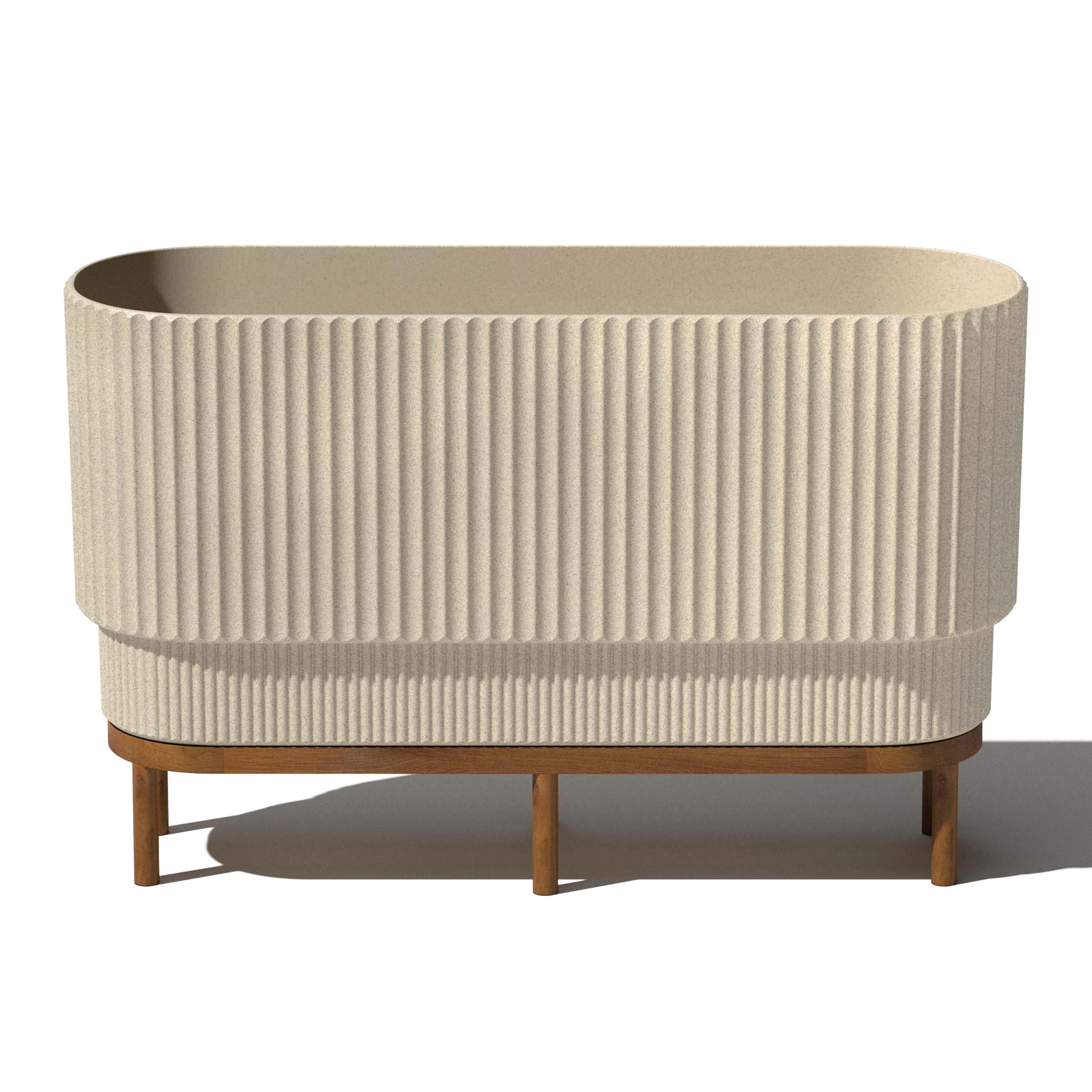
1. Veradek Demi Series Raised Long Planter
Our pick — over 4.5★ from 350+ verified ratings; the strongest balance of quality and price.
The planter that looks like a high-end stone urn but weighs just 12.2 pounds.
What wins people over is the appearance — 72 owners single out how good this thing looks. The patented plastic-stone composite and acacia wood stand give it a finish that one visitor was so impressed by, they ordered one on the spot. It handles weather from -20 to +120 degrees without cracking or fading, so you can leave rosemary and lavender in it through the off-season. The 53.7-liter capacity holds plenty for a generous herb collection, and the 12.2-pound heft makes it feel substantial. As buyers report: “They have weight to them so they should be able to withstand wind.” Assembly is fast, and the drainage plugs (which one person noted have a smiley face) keep roots healthy.
The honest catch is the cost. This is the most expensive single planter here, and its shape is long and narrow — 30 x 10 x 18.75 inches — so it fits a dedicated spot rather than a compact nook. It is a floor-standing piece, not designed for railing or wall mounting. The crowd favorite — 4.8 stars across hundreds of owners — is backed by consistent praise for quality and sturdiness.
Looks as good as it lasts: The Veradek is the planter you put on your front porch for curb appeal, and it earns every compliment. skip it if your budget is tight or you need a self-watering system built in.
Reach for this if: you want one statement piece that doubles as furniture and will not fade or crack after a year outside.
Look elsewhere if: you need multiple small planters or a self-watering reservoir to automate care.
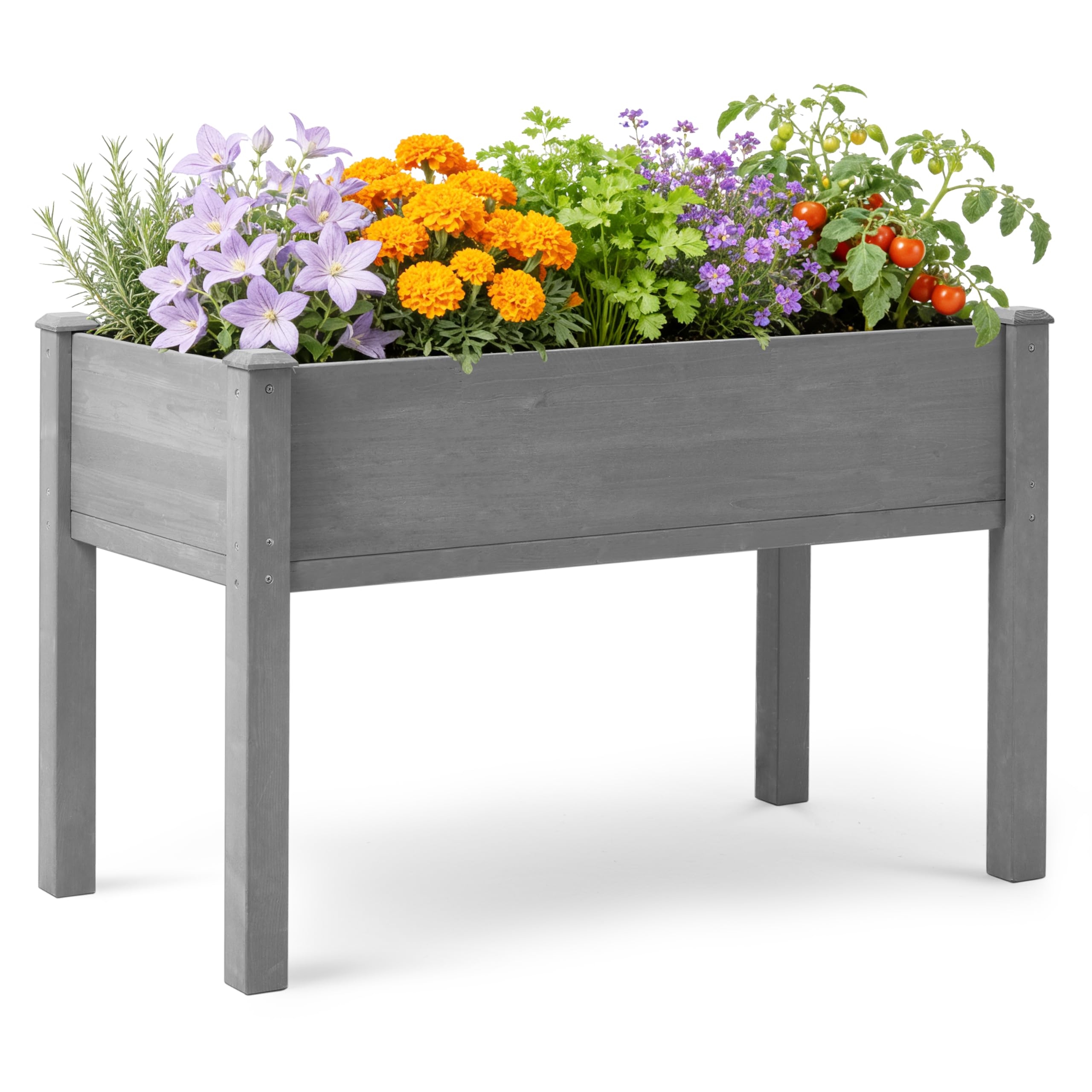
2. SoliWood Raised Garden Bed with Legs
A cedar improve bed that brings the garden to standing height.
At 30 inches tall, this planter eliminates the bending that puts a strain on your lower back during the daily harvest. The 6 cubic feet of soil holds enough for multiple tomato plants alongside a sprawling patch of basil and sage. Owners praise the ease of assembly — 143 call it easy to put together — and the natural cedar has water-based eco paint that will not leach chemicals into your food. The included liner protects the wood and improves moisture retention. One reviewer in their 70s noted the pre-drilled holes aligned perfectly for a simple, frustration-free build.
Because the frame panels are 0.7 inches thick and the legs are 2.4 inches thick, the unit feels solid despite weighing 38.9 pounds. The trade-off is that direct soil contact over time can cause the wood to split slightly if you over-tighten the screws, so gentle assembly pays off. It holds up to 300 pounds of soil and plants, so you can pack it full without worrying about collapse.
Why it stands out
- Ergonomic height saves your back during weeding and watering
- Natural cedar wood with water-based paint is safe for edible plants
- Spacious 6-cubic-foot capacity for a full herb garden
One thing to know
- Wood can split if screws are over-tightened; pre-drilling helps
Ideal for: gardeners who want a permanent raised bed at a comfortable working height. Not ideal for: those with a small balcony or a need for a self-watering feature.
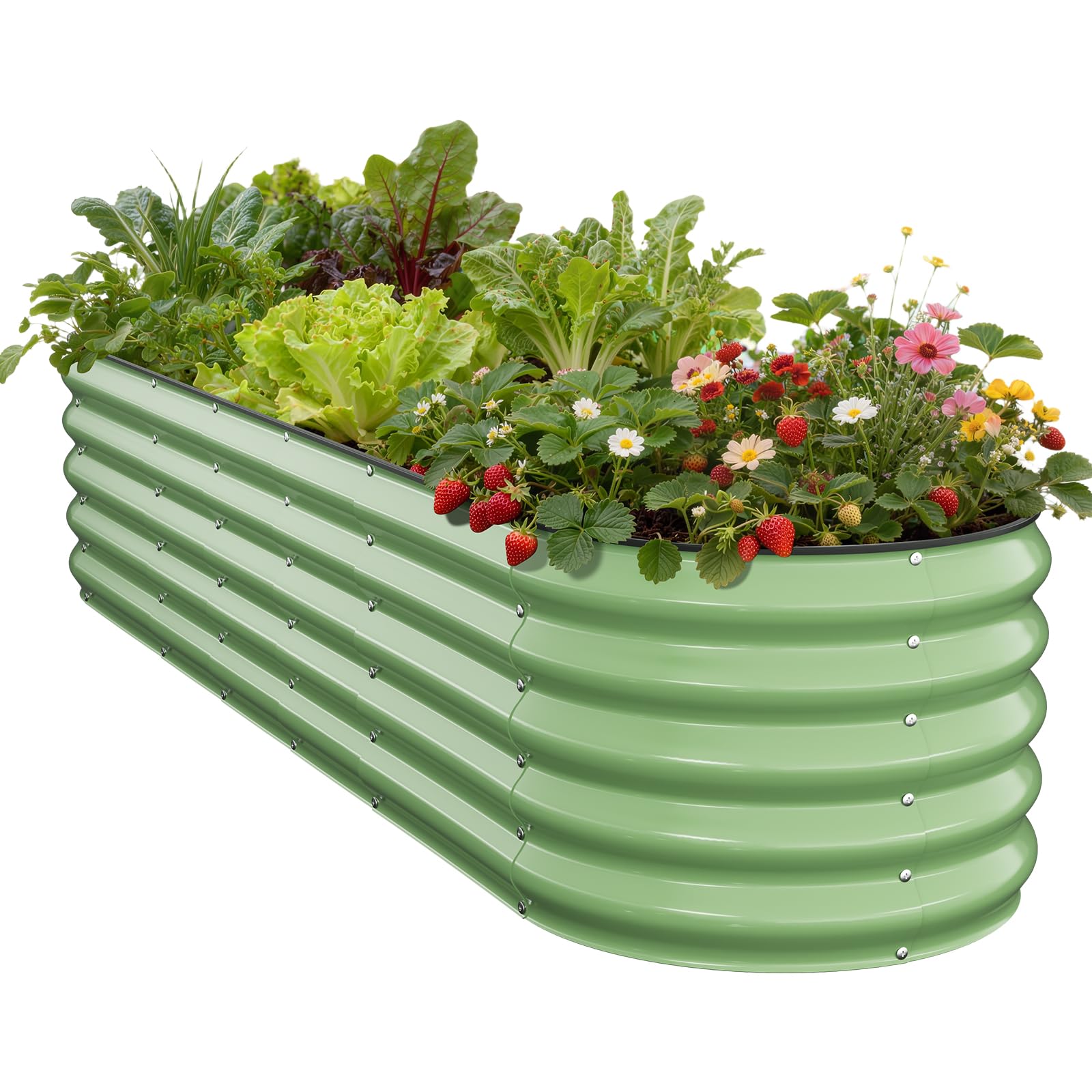
3. Pattiumo Galvanized Raised Garden Bed
An eight-foot-long oval bed that anchors a serious vegetable plot.
Measuring 96 inches long and 18 inches tall, this is the planter for the gardener who wants a large, in-ground-style herb patch without digging into the existing lawn. The open bottom design allows plant roots to extend into the native soil below, tapping into natural nutrients and improving drainage. Made from galvanized steel with protective edging, it resists rust and weather exposure. Assembly is straightforward — 110 owners call it easy — and the steel panels lock together without complex tools. One owner left the protective plastic on and reported it survived an ice storm unscathed going into its second year.
The mixed feedback on durability (28 mentions) centers on scratches appearing at the slightest bump. The galvanized surface is sturdy but not scratch-proof, so positioning it carefully before filling with soil is smart. At 8 feet, it needs a long, clear spot in your yard, making it less practical for a compact patio.
Massive potential, honest cautions: This bed delivers growing space at a very competitive investment, but the finish demands a little care. The included gloves for handling sharp edges are a clue — treat the panels gently during assembly.
Best for: transforming a sunny backyard corner into a lush herb garden. Better for: someone who is okay with minor cosmetic wear over time.
4. SnugNiture Raised Garden Bed

Round, 17-inch-deep beds that form the building blocks of a flexible garden.
Each planter measures 23.6 inches wide and 17 inches tall, giving you deep soil for parsley, cilantro, or even a compact tomato. The open base prevents water accumulation, and the galvanized steel with a rust-resistant coating handles all seasons. A full 134 owners found assembly refreshingly easy — one mentioned an 11-year-old put one together by themselves. The 17-inch height makes a noticeable difference in weeding comfort compared to ground-level beds.
The set comes as two separate round beds, so you can space them however you want. They are lightweight compared to the SoliWood bed, but still sturdy and do not wobble or bow after filling. The safety rubber edging along the top adds comfort and reinforcement. Just note that each bed needs over 20 gallons of soil to fill, so budget for that when planning your garden.
What owners love
- Quick assembly — hardware fits together smoothly
- Deep 17-inch walls for hearty root vegetables
- Two-pack offers layout flexibility
What to consider
- Each planter requires a significant amount of soil (20+ gallons)
Perfect for: those who want a modular, easy-to-assemble raised bed system. Think twice if: you only have space for a single narrow planter.
5. Maple99 Raised Garden Bed with Legs

A natural cedar bed at a price that makes improve gardening accessible.
The 48 by 24 by 30-inch frame is spacious for herbs and vegetables, and the natural cedar has insect-repelling properties that reduce the need for chemical treatments. The 30-inch leg height is genuinely kind to your body — you can water, prune, and harvest without bending. Assembly gets high marks (67 owners praise it), and the components arrive pre-cut with no drilling or measuring required. It ships with clear instructions and a bed liner.
Durability is the main reservation here. While the stated weight capacity is 200 pounds, some owners note that the cedar bottoms may struggle under fully saturated soil. A practical fix mentioned in feedback is adding a steel support bar and treating the wood with tung oil to extend its life. The natural finish can be painted to match your outdoor decor, but it shows wear if not sealed. If you treat it as a pro-level project that needs a little bed prep, it delivers exceptional value for its size.
Great bones, needs a little love: The Maple99 is an affordable entry into improve cedar gardening, but it rewards owners who take the time to reinforce the base. It is less a ready-to-go item and more a solid starting point for a DIY enthusiast.
Choose this for: a budget-friendly improve bed that you do not mind upgrading with a support bar. pass on it if: you want a planter that requires zero modifications from the start.
6. Piksedo improve Planter Box
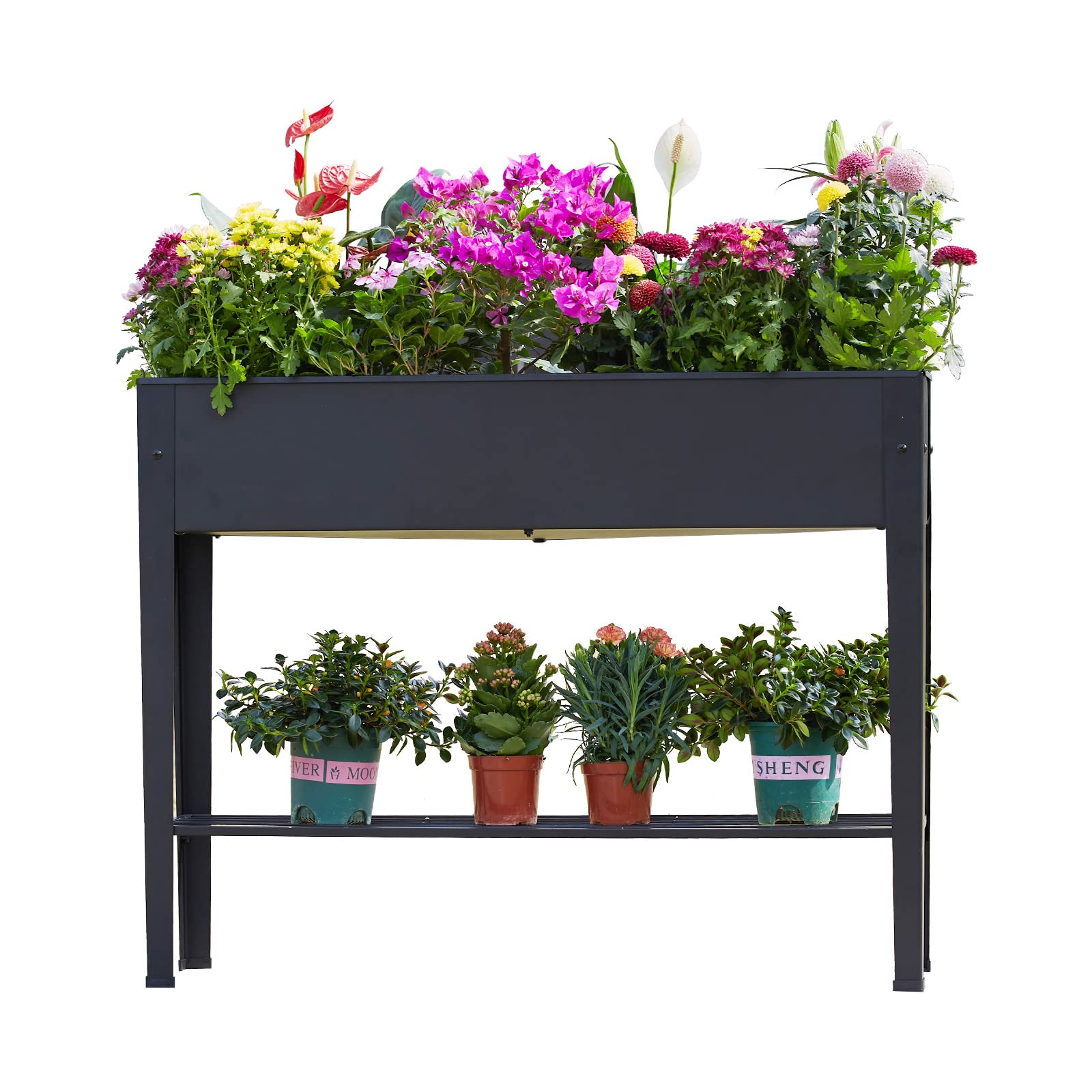
A narrow, table-height planter that fits tight patio corners without taking over.
At 11 inches wide and 31 inches tall, this planter is designed for the spot where a larger bed would feel overwhelming. It holds 1.5 cubic feet of soil, enough for a mix of chives, oregano, and low-growing thyme. The heavy-duty steel frame with an anti-rust coating stands up to rain, and the plastic feet protect decking from scratches. Assembly is quick — owners mention it takes minimal time and the parts fit well.
The honest limitation is that it is shallow. While the 31-inch height is great for back comfort, the narrow width means roots from larger herbs like rosemary will feel cramped. One owner described it as “adorable” but noted it is narrow and shallow. The drainage system gets mixed reactions, but the single middle hole does allow excess water to escape. This is a decorative accent piece that looks sharp and keeps gardening accessible, not a heavy-duty production bed.
Its strengths
- improve height (31 inches) eliminates bending
- Narrow profile fits small balconies and porches
- Sturdy construction that owners say looks great
Its limits
- Shallow soil depth restricts larger root systems
- Drainage system is functional but basic
Go for it if: you want an attractive, narrow raised bed for a compact patio. Avoid it if: you plan to grow sprawling herbs or vegetables that need deep soil.
7. VIVOSUN Self-Watering Planters, 6-Pack

Six self-watering boxes that keep basil alive even when you forget a week.
The two-layer design uses water-absorbent strips at the base of the inner container to draw moisture up into the soil, preventing the sogginess that kills herbs. The clear viewing window on the side lets you see the water level instantly, and the top opening means you can refill without disturbing the plants. Customers note that watering is needed only every 1.5 to 2 weeks for moisture-loving herbs like basil. The box is compact — 10.5 by 5.5 inches — fitting neatly on a windowsill or narrow railing. You also get 10 plant labels to keep your mint and parsley organized.
The main trade-off is that 5.5 inches of depth is not enough for larger herbs like sage or rosemary. A few owners note that watering through the tiny top hole becomes tricky once the plants grow bushy. The quality earns consistent praise, but the mixed size feedback is honest: it is perfect for seedlings and small herbs, not for full-size vegetable plants. The 4.5 x 10.5 x 5.5-inch dimensions make it roughly 6.7 times shallower than the Veradek planter, so set your expectations accordingly.
Perfect for the kitchen gardener: The VIVOSUN 6-pack is the best no-brainer solution for fresh basil, chives, and mint on your counter or rail. Just do not try to grow a tomato plant in it.
Ideal for: beginners and forgetful waterers who want an easy, low-maintenance herb garden. Not for: growing deep-rooted perennial herbs or large vegetables.
8. WSMKSZ Self-Watering Pots (3-Pack)

A trio of self-watering pots that give each plant its ideal size.
You get three different sizes — 12, 10, and 9 inches — so small herbs like thyme get a snug home while basil sprawls in the largest pot. The cotton rope wicking system draws water from the deep reservoir, which the brand says provides 1 to 2 weeks of extra water. The reservoir has a convenient spout on the side for refilling. Owners love that they can water through this hole on the bottom, and one reviewer noted that the built-in tray protects deck surfaces from water damage. The matte plastic looks clean and modern.
At 4 pounds total for all three, they bounce around if a strong wind catches them. The lightweight plastic is durable but not weighty, so you will want to place them somewhere sheltered or cluster them together for stability. The self-watering system works great for consistent moisture, but the drainage holes in the mesh design mean you cannot leave them in standing water indefinitely. The three-piece count is exactly half the number of pots you get with the VIVOSUN 6-pack, but the larger individual sizes make this set more suitable for a broader range of plants.
Why these are handy
- Self-watering reservoir with a convenient refill spout
- Three different sizes for varied herb needs
- Built-in tray protects surfaces
One caveat
- Lightweight build means they tip over in wind if not grouped
Reach for these if: you want three self-watering pots in graduated sizes for a deck or patio. Look elsewhere if: you need something heavy or grounded for windy locations.
9. Karlliu 2-Pack Window Boxes with Brackets
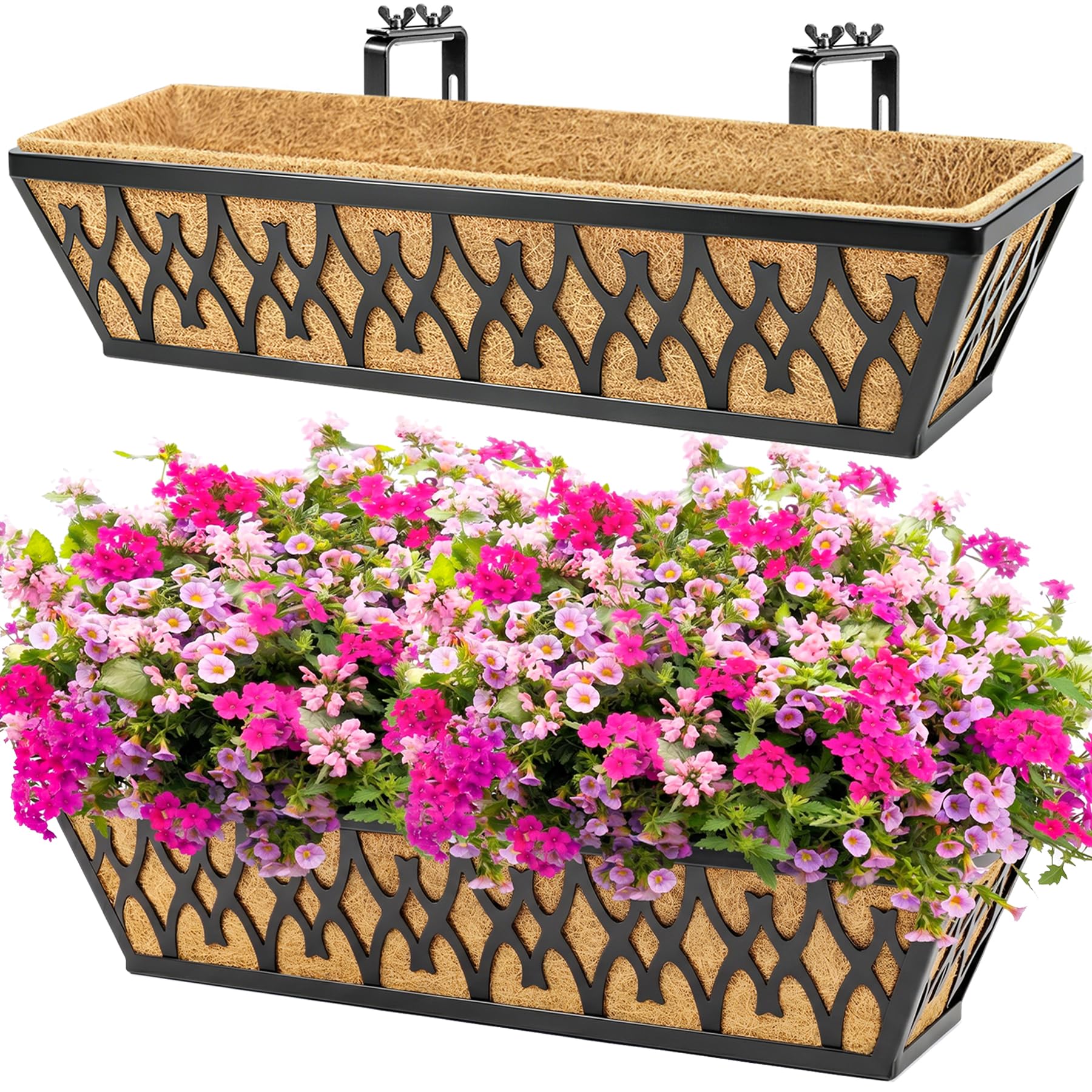
Classic metal window boxes that dress up a railing and handle the elements.
These 24-inch long horse trough-style baskets are made from carbon steel with a rust-resistant powder coating, so they stand up to rain and sun without flaking. The adjustable brackets give four installation options, fitting various fence and windowsill sizes. The natural coconut coir liners promote breathability and water retention. Owners say these add character to a house and receive daily compliments. The set includes two boxes, two liners, and all mounting hardware.
The trickiest part is the installation. If you have a thicker railing or are working alone, the process can feel tricky. A second set of hands makes it much easier. The coco liners shed water quickly at first, so soaking them before planting and adding moisture-retaining soil amendments is essential to keep plants from drying out. One owner lost plants before figuring out the right moisture-retention method. Once set up correctly, though, these look fantastic and hold significant weight — up to 25 pounds. They are a charming way to trail herbs like creeping thyme or mint over the edge of a balcony.
Beautiful but high-maintenance installation: The Karlliu window boxes are the most decorative option here, but they demand patience during setup and a strategy for moisture control. The payoff is a picture-perfect herb display on your railing.
Best for: adding instant charm to a balcony or porch railing. Better for: someone willing to spend extra time on installation and soil prep.
Understanding the Specs
Self-Watering Systems
A self-watering planter uses a reservoir at the bottom and wicking material (usually a cotton rope or absorbent strips) to pull moisture upward into the soil. This gives the plant access to water on demand, eliminating the guessing game of daily watering. It works especially well for herbs like basil and mint that prefer even moisture, but it does not suit every plant — herbs that like dry soil, like lavender, can rot if the reservoir is kept full. Check if the reservoir has a refill tube or top access so you do not have to dig into the soil to add water. A side viewing window is a helpful bonus that lets you see the water level at a glance.
Material and Weather Resistance
The material of the planter determines how long it lasts outside and how often you need to water. Galvanized steel with a rust-resistant powder coating handles rain and cold without degrading, but it can scratch and may heat up in direct sun. Cedar wood naturally resists insects and rot, but it can split if screws are over-tightened, and it benefits from an annual sealant. Plastic-stone composite blends look like stone without the weight and handle temperature swings from -20 to 120 degrees without cracking. Plastic is lightweight and inexpensive, but the thinnest grades can become brittle over several seasons of UV exposure. For a planter that stays in one spot year-round, metal or composite are the most durable choices.
FAQ
What size planter do I need for basil and mint?
Can I leave outdoor herb planters out in winter?
Do I still need drainage holes in a self-watering planter?
What is the benefit of a planter with legs?
How many herbs can I fit in a single 24-inch window box?
Are plastic planters safe for growing edible herbs?
Should I line a wooden raised bed before adding soil?
How long do outdoor herb planters typically last?
Final Thoughts: The Verdict
Across the board, the outdoor herb planters winner is the Veradek Demi Series because it combines the most praised appearance with genuine all-weather durability and a substantial capacity that suits a serious herb garden. It earns the top spot for its blend of style and function. If you want a back-friendly ergonomic design with the natural look of wood, grab the SoliWood Raised Garden Bed. And for a simple, budget-friendly self-watering solution that takes the guesswork out of daily care, the VIVOSUN 6-Pack is the one to reach for.
How We Picked
We do not accept paid placement. Every pick is matched to a real buyer and a real use-case; we do not hands-on test units.
Sources & Methodology
Specifications: manufacturer listings and product documentation. Review insights: verified customer reviews, as of July 2026. Pricing: not shown on this page (it changes often); check the current price via the retailer link.
As an Amazon Associate, Lawn Gear Lab earns from qualifying purchases. This does not affect which products we feature.