
Walk through any big-box garden center and you will find mountains of shredded rubber and dyed wood chips that do nothing for the life beneath your feet. Natural mulch is the opposite: it feeds the soil food web, moderates root-zone temperature, and breaks down into humus that holds moisture and nutrients exactly where your plants need them. The wrong choice, however, can introduce weed seeds, rob nitrogen from the soil, or even harm your pets.
I’m Rikta — the co-founder and writer behind Lawn Gear Lab. I have spent countless hours cross-referencing NPK values, moisture-retention ratios, and decomposition timelines across dozens of natural-mulch products, and I have analyzed hundreds of verified owner reports to separate what actually performs from what simply looks good in the bag.
This guide focuses exclusively on organic materials that improve your soil rather than just covering it, and it compares premium compost, coconut husk chips, cocoa bean shells, garden straw, and pine straw so you can match the right texture and nutrient profile to your specific garden beds. When you finish here, you will know exactly which best natural mulch fits your planting style and long-term soil goals.
How To Choose The Best Natural Mulch
Not all natural mulches behave the same way in a garden bed. Some release nutrients quickly; others lock up nitrogen as they decompose. Some form a dense mat that sheds water; others let air and rain through while still suppressing weeds. Your choice must match the plants you grow, the climate you garden in, and the effort you are willing to put into reapplication.
Nutrient Content & Carbon-to-Nitrogen Ratio
Mulches with a high carbon-to-nitrogen ratio — like fresh wood chips or straw — trigger a microbial nitrogen drawdown when incorporated into the soil. Surface application avoids this problem, but the NPK value still matters. Compost-based mulches deliver immediate fertility, while cocoa shell mulch offers a balanced 2.5-1-3 NPK that feeds without burning. Coco coir chips have a neutral pH and high cation exchange capacity, meaning they hold onto nutrients rather than contributing their own.
Moisture Retention & Coverage Depth
Fine-textured mulches like cocoa shells and compost hold more water per square inch than coarse pine straw, but they can also form a crust that blocks water infiltration if applied too thick. Straw mulches excel at letting rain pass through while slowing evaporation. The goal is a layer at least two inches deep but no more than four inches — too thin allows weeds to push through, too thick can suffocate roots and invite fungal disease.
Seed Contamination & Weed Prevention
The single biggest complaint in straw mulch is stray grass seeds that sprout in raised beds. Some brands filter their straw thoroughly, others do not. Compost and cocoa shells are almost entirely seed-free, while pine straw carries no viable weed seeds because the needles are harvested from mature trees. If you are mulching a bed where you want zero unplanned growth, avoid garden straw unless the brand specifically advertises low-seed processing.
Pet Safety & Toxicity
Cocoa bean shell mulch contains theobromine and caffeine, the same compounds that make chocolate dangerous to dogs. A small amount ingested during digging can cause vomiting, diarrhea, or worse. If you share your yard with a dog, skip cocoa mulch entirely. All other natural mulches on this list are safe for pets, though straw may attract rodents in some climates.
Quick Comparison
On smaller screens, swipe sideways to see the full table.
| Model | Category | Best For | Key Spec | Amazon |
|---|---|---|---|---|
| HealthiStraw GardenStraw | Wheat Straw | Broad vegetable gardens & lawn seeding | Covers 100 sq ft at 2-3 inch depth | Amazon |
| R&M Organics Premium Compost | Compost | Reviving struggling plants & containers | 5:1 soil mixing ratio | Amazon |
| Plantonix Coco Chips | Coconut Husk | Aeration & moisture in potted mixes | Absorbs 10x its weight in water | Amazon |
| Garden Elements Cocoa Shell | Cocoa Bean | Decorative beds with chocolate scent | NPK 2.5-1-3, pH 5.8 | Amazon |
| Hull Farm Cocoa Shell | Cocoa Bean | Small garden beds & containers | Fertilizer value 2.5-1-3 | Amazon |
| Blue Mountain Hay Garden Straw | Straw | Small raised beds & layering | 5 lb compressed box | Amazon |
| USA PINESTRAW Pine Straw | Pine Needles | Low-maintenance landscaping & pathways | Coverage up to 80 sq ft per bundle | Amazon |
In‑Depth Reviews
1. HealthiStraw GardenStraw
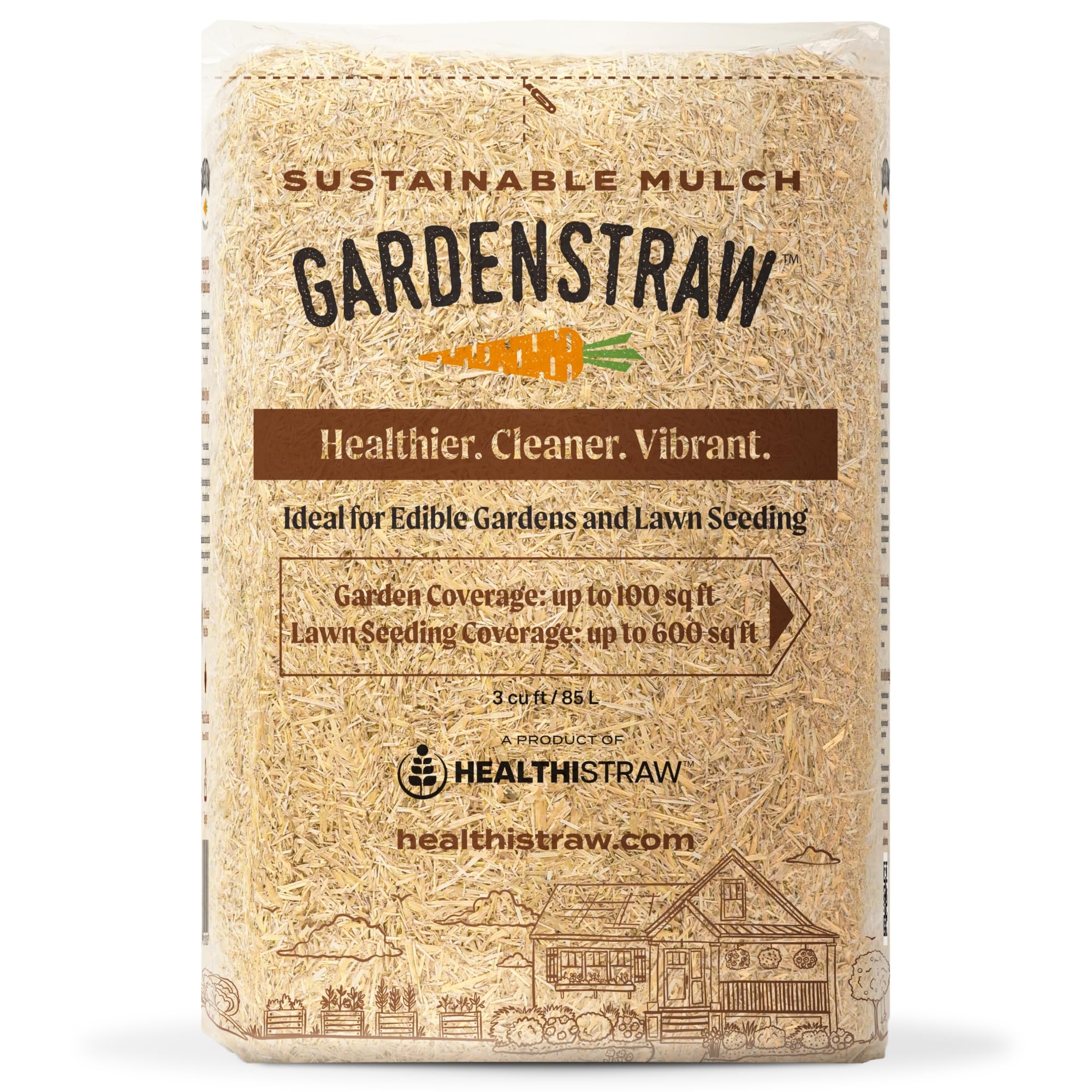
This compressed wheat-straw bale is the most versatile natural mulch for a large vegetable garden. The specially cut fibers interlock when watered, creating a mat that stays put in wind and rain without any chemical binders. HealthiStraw claims a 50 percent reduction in watering needs, and the 3-cubic-foot bale covers a full 100 square feet at the recommended two-to-three-inch depth — more than enough for a serious backyard plot.
What sets this apart from standard straw bales is the seed-reduction process. The straw is naturally filtered to remove dust, dirt, and a meaningful percentage of grass and weed seeds. Owner reports consistently mention that very few stray seeds germinate compared to farm-store straw bales that can overtake a bed within weeks. The straw breaks down over a single growing season, feeding carbon to the compost pile without tying up nitrogen.
The fibers are long and rough-cut, which makes spreading quick but can leave a slightly messy look if you prefer a polished ornamental finish. Some users with hay allergies report less irritation compared to traditional straw, though it is not completely allergen-free. For broad coverage, water conservation, and minimal seed contamination, this is the most balanced option available.
What works
- Exceptional coverage at the recommended depth for large gardens
- Specially filtered to reduce the number of viable weed seeds
- Interlocking fibers resist wind and heavy rain without chemical binders
- Breaks down quickly to add carbon to compost
What doesn’t
- Rough texture looks less tidy than fine cocoa or pine straw
- Some users report a few grass seeds still germinate
- Bale can be bulky to handle for small-space gardeners
2. R&M Organics Premium Organic Compost
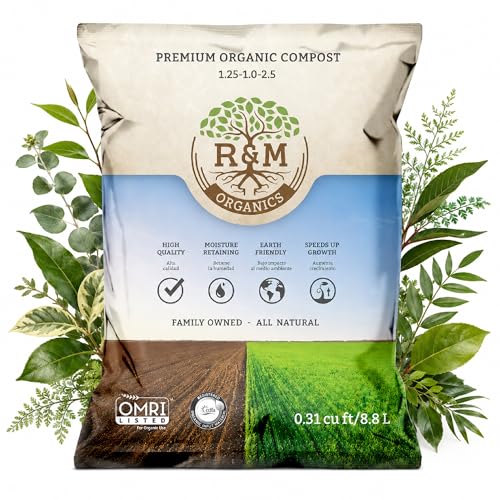
This is not a traditional top-dressing mulch; it is a fully composted dairy-cow manure that serves double duty as both a soil amendment and a thin protective layer. The material has a fine, soil-like texture with no clumps and almost no manure smell — the continuous aeration in the composting process eliminates the offensive odor that turns many gardeners away from animal-based products.
Multiple verified reports describe this compost reviving plants that were in serious decline. One owner rescued azaleas damaged by an enzymatic roof cleaner, and another saw a tomato plant with yellow leaves turn green and produce flower buds within a week. The 0.31-cubic-foot bag is compact enough to carry in one hand, and the 5:1 mixing ratio means a single bag stretches further than you might expect when used as a side-dress or top layer.
The downsides are straightforward: this is not a long-lasting mulch. It breaks down rapidly, so you will need to reapply every season. It also does little to suppress established perennial weeds, since the layer is so thin. Use this when your primary goal is feeding the soil rather than blocking sunlight, especially in containers or small raised beds where space is limited.
What works
- Fine texture mixes easily into soil for immediate nutrient release
- Almost no manure odor due to complete aeration process
- Compact 10-pound bag is easy to carry and store
- Proven results reviving stressed plants within a week
What doesn’t
- Decomposes too quickly for season-long weed suppression
- Thin application leaves soil exposed to erosion
- Price per cubic foot is higher than bulk compost options
3. Plantonix Organic Coco Chips

These compressed coconut husk chips solve a problem that other mulches cannot: they create physical air pockets in heavy soil. The chips absorb up to ten times their weight in water but drain freely, preventing the waterlogged compaction that leads to root rot. When used as a top mulch, they allow oxygen to reach the root zone while still slowing surface evaporation.
The neutral pH of coco coir is a distinct advantage for gardeners who grow acid-sensitive plants. The high cation exchange capacity means the chips hold onto fertilizer salts and release them gradually, rather than letting them wash away. The compressed brick expands to 15 gallons when hydrated, and the chip size is noticeably larger than fine coco coir dust — less mess, fewer airborne particles, and better longevity in the bed.
Buffering matters with coco products. Unbuffered coco coir can harbor bacteria and compete with plants for calcium and magnesium. This product is buffered, and owners confirm that it works well as a seed-starter component and a potting-mix amendment. On the downside, the chips are lightweight and can float or blow away if not watered in thoroughly. They also break down faster than bark or pine straw.
What works
- Absorbs up to ten times its weight in water without staying soggy
- Neutral pH and high CEC prevent nutrient lock-up
- Buffered processing reduces risk of bacterial issues
- Creates air pockets that improve root oxygenation
What doesn’t
- Lightweight chips can float or blow away before settling
- Decomposes faster than bark or pine straw mulches
- Requires pre-hydration before use as a top layer
4. Garden Elements Cocoa Bean Shell Mulch

This is the mulch that makes your garden smell like a bakery. The outer shells of cocoa beans release a rich chocolate aroma that lingers for weeks after application, and the dark brown color resists fading far better than dyed wood mulches. The 2-cubic-foot bag weighs about 30 pounds and spreads easily over flower beds and around ornamentals.
The NPK value of 2.5-1-3 means this mulch feeds your plants as it breaks down — a meaningful advantage over inert mulches that provide only weed suppression. The shells also retain moisture well and form a light crust that blocks most annual weeds. Owners consistently praise the visual improvement over standard bark, and several report that the smell persists through hot, humid weather.
The pet-toxicity issue is not a minor footnote. Theobromine and caffeine are concentrated in the shells, and dogs are drawn to the chocolate scent. If you have a dog that digs or chews, this product is simply not safe. Beyond the pet concern, a white mold sometimes appears on the surface in damp shade — it is harmless to plants but looks unappealing. The shells also degrade within a single season, so reapplication is annual.
What works
- Natural chocolate aroma is a standout sensory benefit for garden beds
- Dark brown color holds well without synthetic dyes
- NPK 2.5-1-3 provides slow-release nutrition as shells decompose
- Lightweight material is easy to spread by hand
What doesn’t
- Highly toxic to dogs due to theobromine content
- White mold forms on the surface in damp, shaded conditions
- Decomposes completely within one growing season
5. Hull Farm Cocoa Bean Shell Mulch

This cocoa shell mulch from Hull Farm shares the same fundamental profile as the Garden Elements version — the same fertilizer value of 2.5-1-3, the same dark cocoa color, and the same strong chocolate scent that fills a small courtyard. The key difference is that this bag has a slightly heavier package weight and a longer history on the market, with verified owners reporting consistent quality over many years.
The shells are effective at deterring squirrels, which is a niche benefit that several owners highlight. Squirrels love digging in pecan hulls and soft bark, but they seem less interested in the cocoa shells — likely due to the theobromine content. The shells also hold moisture well and form a cohesive layer after watering that does not blow away easily. For small, contained planting areas, this creates a neat, uniform surface.
The same pet-safety warning applies. This product is dangerous for dogs, and the packaging does not always include a clear warning about use near flowers — one owner noted the bags lack guidance on acidic-soil sensitivity. The cost is significant for the coverage provided, and some bags arrive with dry or moldy material if stored improperly. Inspect the bag upon delivery and avoid using it anywhere a dog can access.
What works
- Proven track record of consistent quality over many years
- Chocolate scent lasts longer than other cocoa shell brands
- Deters squirrels from digging in flower planters
- Forms a stable layer that resists wind after watering
What doesn’t
- Dangerous for dogs due to theobromine and caffeine
- Bag lacks clear warnings about use near acid-sensitive plants
- Occasional quality consistency issues with storage moisture
6. Blue Mountain Hay Organic Garden Straw
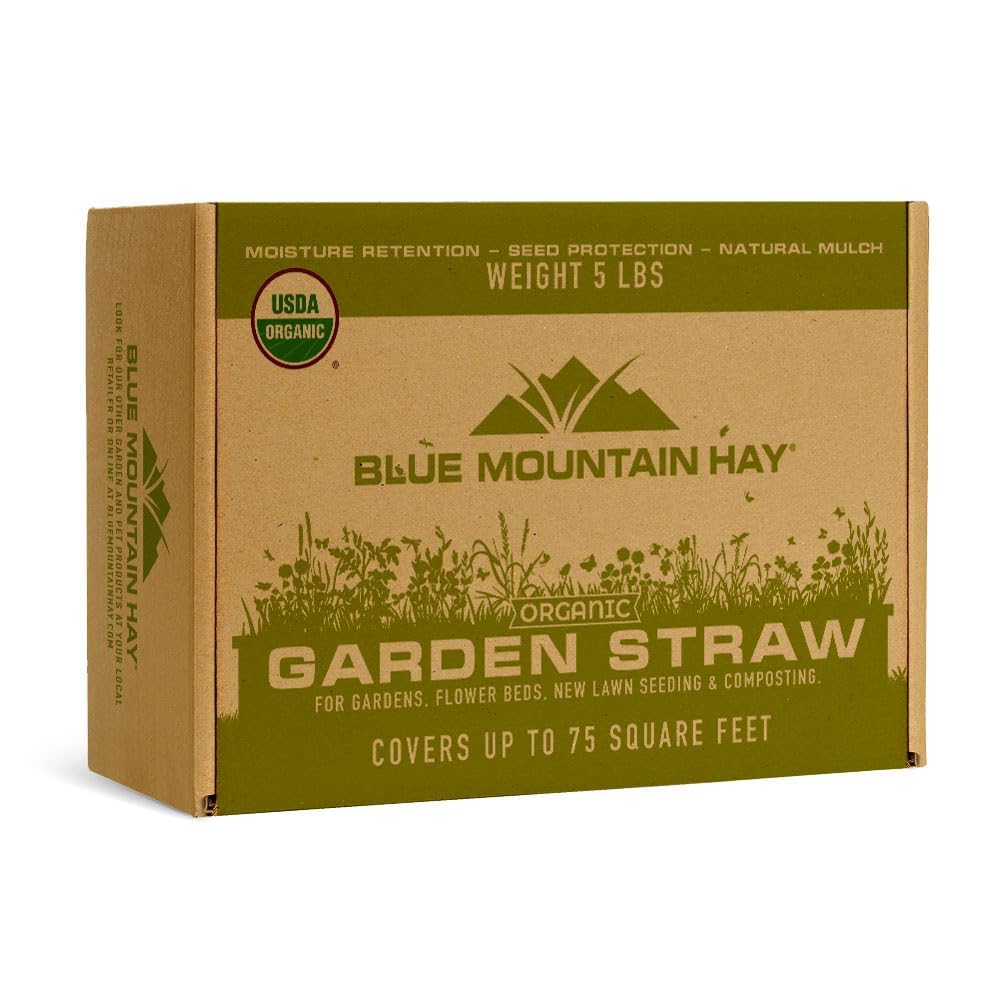
This is the smallest-format straw option on the list, packed as a 5-pound box that expands when opened. It is marketed as organic garden straw for raised beds, flower beds, cat grass kits, and compost layering, and it delivers on the promise of a clean, low-dust product. The straw is cut into manageable lengths and is notably free of the dirt and bug contamination that plague many bulk straw bales.
For small-scale gardeners, this box is genuinely convenient — no need to wrestle a full bale or store a half-used bundle. Owners have used it to cover potted plants, layer potatoes, and mulch garlic beds with good results. The straw retains moisture well and keeps the soil surface cool, which is critical for shallow-rooted crops. The organic certification is also a real plus for edible gardens.
The problem is that the box claims 300 square feet of coverage, but at the one-inch depth that actually suppresses weeds, it covers only about 100 square feet — a third of the advertised area. Worse, several owners report that the straw was full of grass seeds that sprouted in their raised beds, overtaking strawberries and other crops. If you are mulching a large area or need zero weed germination, look at the HealthiStraw option instead.
What works
- Compact box fits easily on a shelf or in a small garden shed
- Straw is very clean with minimal dust or bug contamination
- Organic certification suitable for edible garden applications
- Soft texture works well for layering in potato containers
What doesn’t
- Coverage claims are inflated; real area is about one-third advertised
- Multiple reports of grass seeds sprouting and overrunning beds
- Expensive per square foot compared to traditional bales
7. USA PINESTRAW Pine Straw
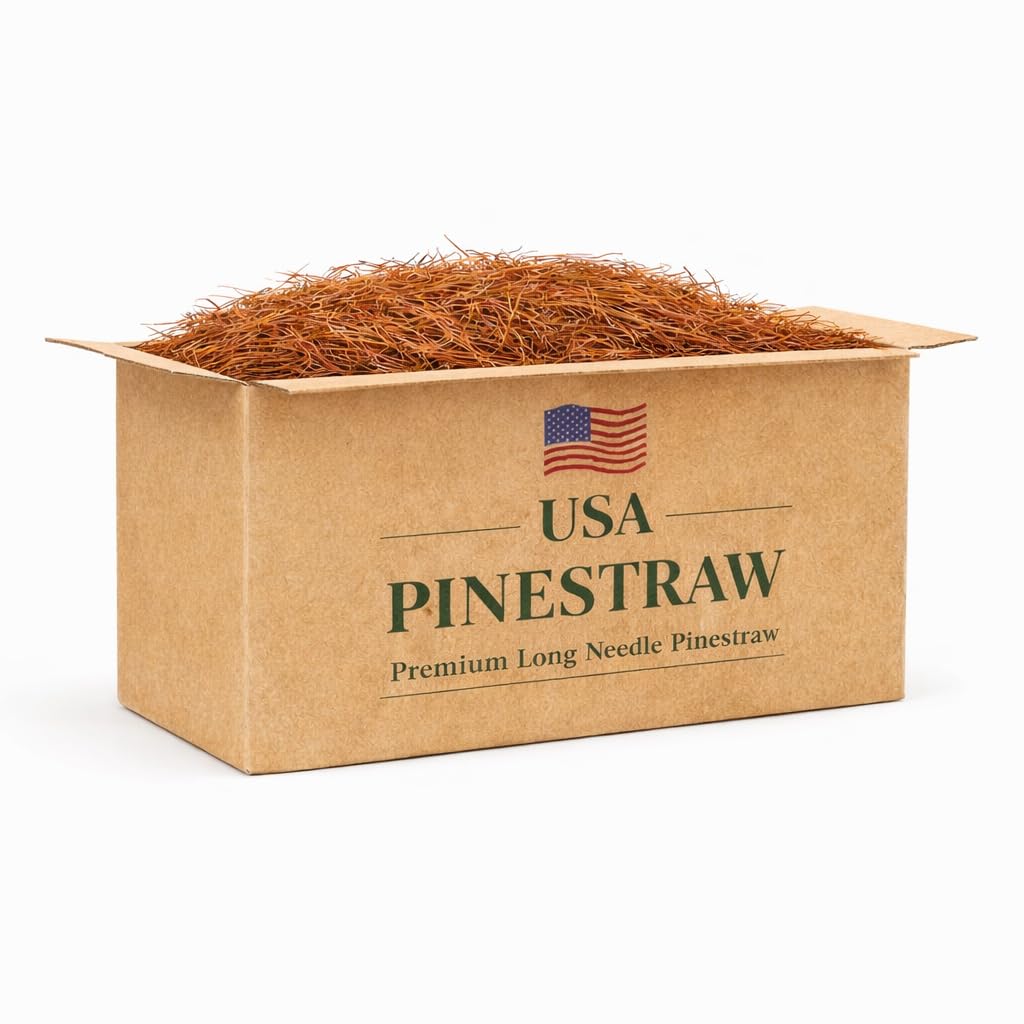
Pine straw is the longest-lasting natural mulch in this lineup, and this product from USA PINESTRAW delivers premium red pine needles harvested from sustainable forests. The needles interlock naturally when spread, creating a mat that resists erosion on slopes and stays in place through heavy rain. One bundle claims coverage of 65 to 80 square feet, making it viable for medium-sized flower beds and pathway borders.
The main advantage over shredded bark is that pine straw does not float away during floods and does not need to be fluffed or turned. It also contains no viable weed seeds — pine needles are collected from the forest floor, not from seed-bearing plants. Owners who followed recommendations from master growers report excellent weed suppression and a tidy, uniform appearance that blends well with naturalistic landscaping.
The coverage claims are optimistic in real-world use. Several buyers found the bundle insufficient to cover the stated 80 square feet at a meaningful depth. The product is also expensive for the coverage area compared to bulk pine straw from a local supplier. If you need to cover a large property, this is not the most cost-effective option, but for a focused ornamental bed where appearance and longevity matter, it delivers.
What works
- Needles interlock to resist erosion on sloped landscapes
- Zero viable weed seeds compared to straw mulches
- Lasts longer than cocoa shells or compost before breaking down
- Uniform red-brown color complements natural garden designs
What doesn’t
- Coverage claims are inflated; actual area is smaller
- Premium price per square foot for a commodity material
- Not cost-effective for large-scale or whole-property mulching
Hardware & Specs Guide
NPK & Soil pH Impact
The NPK ratio tells you what nutrients the mulch contributes as it decomposes. Cocoa bean shells offer the most balanced feed at 2.5-1-3, while compost-based mulches vary widely depending on the source material. Straw and pine straw are nearly neutral and contribute minimal fertility, which is ideal for beds where you control feeding separately. pH matters: cocoa shells hover around 5.8 (slightly acidic), while coco coir is neutral. If you grow acid-loving plants like blueberries or azaleas, the pH of your mulch layer could shift the root-zone chemistry over time.
Coverage Volume & Decomposition Timeline
A cubic foot of fine mulch like cocoa shells covers roughly 6 square feet at a 2-inch depth. Straw and pine straw cover more area per volume because the material is loose and airy — a 3-cubic-foot bale can cover 100 square feet at the same depth. Decomposition speed ranges from 6 weeks for compost to 12 months for pine straw. Faster decomposition feeds the soil faster but requires more frequent reapplication. Slower mulches save labor but provide less nutritional benefit.
FAQ
Can I use natural mulch around my vegetable garden without it contaminating the crop?
How thick should I apply natural mulch for the best weed suppression?
Will organic garden straw introduce weeds into my raised beds?
Is cocoa bean shell mulch safe for flower beds with pets in the yard?
How long does each type of natural mulch last before it needs replacement?
Final Thoughts: The Verdict
For most gardeners, the best natural mulch winner is the HealthiStraw GardenStraw because it balances weed suppression, water conservation, and seed-free reliability at a price that works for large garden beds. If you need to revive struggling plants and improve soil fertility immediately, grab the R&M Organics Premium Compost. And for a long-lasting, pet-safe ornamental solution that never introduces weed seeds, nothing beats the USA PINESTRAW Pine Straw.