
Crickets are more than just a noisy nuisance. Their constant chirping can disrupt sleep, and their appetite for fabrics, paper, and plants can cause real damage around the house. Whether you’re dealing with field crickets, house crickets, or the extra-creepy camel crickets in the basement, you need a targeted solution that stops them fast without wasting time on products that don’t work.
I’m Rikta — the co-founder and writer behind Lawn Gear Lab. To build this guide, I analyzed the chemical profiles, application methods, and residual effects of the top cricket control products, cross-referencing hundreds of owner reports to find what actually eliminates infestations.
After sifting through the data, the most effective options balance a potent active ingredient with a delivery system that reaches crickets in their hiding spots. This guide cuts through the confusion to help you find the right insecticide for crickets that matches your specific infestation level and safety needs.
How To Choose The Best Insecticide For Crickets
Selecting the right product starts with understanding how crickets behave. They are nocturnal, hide in dark, damp spaces, and can jump quickly to escape threats. The best approach combines a product that reaches their harborage with a formulation that they cannot avoid or develop resistance to quickly.
Active Ingredient Efficacy
The active ingredient is the core of any pesticide. For crickets, synthetic pyrethroids like cyhalothrin and bifenthrin provide excellent contact kill and long residual activity on surfaces. For bait-based approaches, indoxacarb and orthoboric acid offer a delayed kill that allows the poison to spread through the population before the cricket dies. Natural oils like lemongrass and geraniol work on contact but break down quickly, offering less residual protection.
Application Method: Spray vs. Bait vs. Trap
Contact sprays are ideal for immediate knockdown when you see a cricket. Residual sprays create a barrier that crickets cross later. Granular baits work best when scattered in crawl spaces and along baseboards, as crickets are foragers and will consume the bait then return to their harborages to die. Glue traps are purely mechanical—they catch crickets that hop into them but do nothing to address the broader population. A layered strategy using a bait or residual spray alongside traps is most effective for persistent infestations.
Safety Considerations: Pets, Children, and Indoor Use
Crickets often infest kitchens, basements, and garages—spaces shared with pets and children. Products formulated with plant-based essential oils or borates (orthoboric acid) are generally safer for use around mammals when applied according to the label. Synthetic pyrethroids are safe for indoor use after the spray dries, but you should keep pets and kids away from wet surfaces. Always check the label for “Pet Safe” or “Indoor Use” designations, especially in food-handling areas.
Residual Duration and Reapplication
The best cricket insecticides provide weeks to months of residual activity. Products like those containing cyhalothrin can remain effective on surfaces for up to 3–4 months. Baits with orthoboric acid or indoxacarb continue working as long as the bait remains dry and palatable. Glue traps have no residual chemical effect—they must be replaced once full or covered in dust. If crickets return after the treatment period, reapplication is necessary to maintain the barrier.
Quick Comparison
On smaller screens, swipe sideways to see the full table.
| Model | Category | Best For | Key Spec | Amazon |
|---|---|---|---|---|
| Syngenta Advion Granular Bait | Granular Bait | Perimeter & colony elimination | 0.22% Indoxacarb | Amazon |
| Bayer Advanced Home Pest Plus | Residual Spray | Long-term indoor barrier | 12-month residual protection | Amazon |
| BASF PT 221L Aerosol | Contact Spray | Immediate knockdown | 0.05% Cyhalothrin | Amazon |
| Nisus NiBan-FG | Granular Bait | Damp basement & sensitive areas | Orthoboric Acid bait | Amazon |
| JT Eaton Spider & Cricket Trap | Glue Trap | Monitoring & spot catching | Non-drying adhesive glue | Amazon |
| BugMD Sticky Traps | Glue Trap | Chemical-free indoor catch | Food-based bait tablet | Amazon |
| Wondercide Aerosol Spray | Natural Spray | Pet-safe contact kill | Lemongrass & geraniol oils | Amazon |
In‑Depth Reviews
1. Syngenta Advion Insect Granular Bait

This granular bait from Syngenta leverages the MetaActive effect of indoxacarb—a non-repellent active that activates only after ingestion by target pests. Crickets cannot detect it, so they consume the bait willingly and die within days without signaling danger to the rest of the population. The shaker bottle makes it easy to lay a perimeter band around the foundation or spot-treat crawl spaces and basements.
Professional pest control technicians consistently recommend Advion for its reliable colony elimination. Owners report that crickets, ants, and earwigs vanish often within 48 hours of application. The 1-pound bottle covers a standard residential perimeter several times over, making it exceptionally cost-efficient for the level of control it provides.
The main drawback is that granular baits require dry conditions to remain effective. Moisture can cause the bait to degrade or become less palatable. In very damp basements, you may need to reapply more frequently or use bait stations to keep the granules off wet concrete.
What works
- Non-repellent indoxacarb eliminates entire cricket populations.
- Easy shaker bottle application for perimeter treatments.
- Fast action—crickets stop appearing within two days.
What doesn’t
- Bait degrades quickly in high-moisture environments.
- Not effective as a contact killer when crickets are visible.
2. Bayer Advanced Home Pest Plus Germ Killer

This 1-gallon liquid concentrate delivers a residual barrier spray that controls over 60 pests, including crickets, for up to 12 months indoors. The active ingredient provides an odor-free, non-staining film that remains active on surfaces long after drying. Homeowners appreciate the ability to treat baseboards, entry points, and window frames with a single thorough application that keeps crickets out for an entire season.
The formula is designed to kill on contact while also leaving a long-term barrier. Owners switching from other brands note that Bayer Home Pest Plus outperforms many competitors at preventing re-infestation. The gallon container mixes with water in a standard tank sprayer, covering a substantial indoor area with each bottle.
The spray is potent when wet—users emphasize wearing a mask and goggles during application. It is also among the more expensive options per gallon, though the long residual effect offsets the upfront cost for most buyers.
What works
- Up to 12 months of residual cricket control indoors.
- Odor-free and non-staining after drying.
- Kills on contact and provides ongoing protection.
What doesn’t
- Strong fumes require PPE during application.
- Premium price compared to other ready-to-use sprays.
3. BASF PT 221L Pressurized Insecticide Aerosol
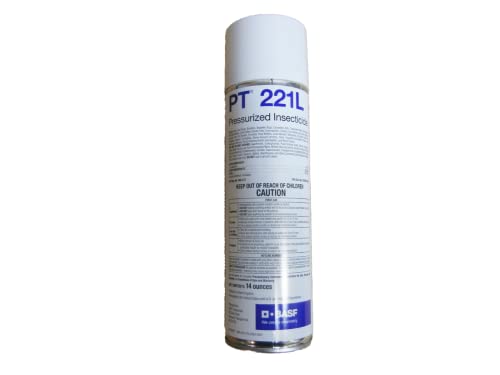
This pressurized aerosol contains 0.05% cyhalothrin, a synthetic pyrethroid that works as a non-repellent contact and residual insecticide. It is the same product used by many commercial pest control operators, delivering fast knockdown of crickets, spiders, roaches, and ants. The pinpoint crack-and-crevice straw allows precise application into wall voids, behind appliances, and under baseboards where crickets hide during the day.
Users report that a single dose can keep an area cricket-free for 3 to 4 months. The residual film is odorless after drying, making it suitable for kitchens and living spaces. Many owners note that a 14-ounce can lasts nearly two years for spot treatments, making the upfront cost extremely low per application.
The nozzle design has received some criticism for clogging or malfunctioning midway through the can. Additionally, while effective against active populations, it does not address crickets that remain hidden in hard-to-reach voids.
What works
- Professional-grade cyhalothrin with 3–4 month residual.
- Crack-and-crevice straw reaches deep harborage areas.
- Odorless and safe when dry for indoor living spaces.
What doesn’t
- Nozzle can clog, wasting product.
- Does not eliminate crickets deep in inaccessible voids.
4. Nisus NiBan-FG Fine Granular Bait
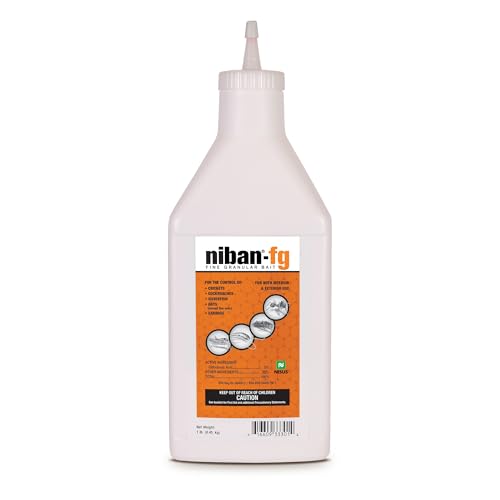
NiBan-FG uses orthoboric acid, a naturally derived borate that disrupts the cricket’s digestive system over several days. Unlike fast-acting synthetic sprays, this bait provides delayed mortality that encourages crickets to share the bait with others before they die. The fine granular consistency is moisture-resistant, which is critical for damp basement environments where camel crickets thrive.
Owners dealing with heavy camel cricket infestations report that NiBan-FG reduced weekly sightings from 20–30 crickets down to 3–4 over the course of a month. The bait is odorless and safe for use in aviaries, kitchens, and around pets when applied as directed. It is an excellent choice for those seeking an eco-friendlier alternative without sacrificing efficacy.
The squeeze applicator on the bottle can be difficult to dispense effectively. Some users prefer transferring the granules to a shaker or using a small spoon for placement. Additionally, baits take longer to show results compared to contact sprays, and crickets may still hop around until the colony is fully impacted.
What works
- Moisture-resistant granules hold up in damp basements.
- Orthoboric acid is low-toxicity for mammals and pets.
- Delayed kill spreads bait through the cricket population.
What doesn’t
- Applicator design makes dispensing the bait difficult.
- Requires one to four weeks to see major reduction.
5. JT Eaton Spider and Cricket Glue Trap (Pack of 5)

JT Eaton has manufactured pest control products since 1932, and these glue traps represent decades of refinement. The non-drying, non-flowing adhesive maintains its stickiness across a wide temperature range, even in cold basements where plastic-based glues stiffen. Each trap measures 10 by 2.5 inches, with an uncovered edge that lets you handle it safely without touching the glue.
These traps are pre-baited with a scent that attracts spiders and crickets, making them effective for monitoring infestations in garages, basements, and crawl spaces. Owners who have used them for spider crickets report that the traps fill up reliably over a few weeks. The glue is strong enough to also capture small mice, demonstrating its holding power.
Glue traps are purely passive—they catch crickets that happen to hop into them but do nothing to kill the source population. They also require regular monitoring and disposal, which some people find unpleasant due to the visible dead insects.
What works
- Strong adhesive that remains effective in cold temperatures.
- Scented bait specifically attracts crickets and spiders.
- Safe, non-toxic mechanical control for sensitive areas.
What doesn’t
- Does not reduce the cricket population, only catches adults.
- Disposal of full traps can be unpleasant for some users.
6. BugMD Indoor Cockroach Killer & Roach Trap (12-Pack)
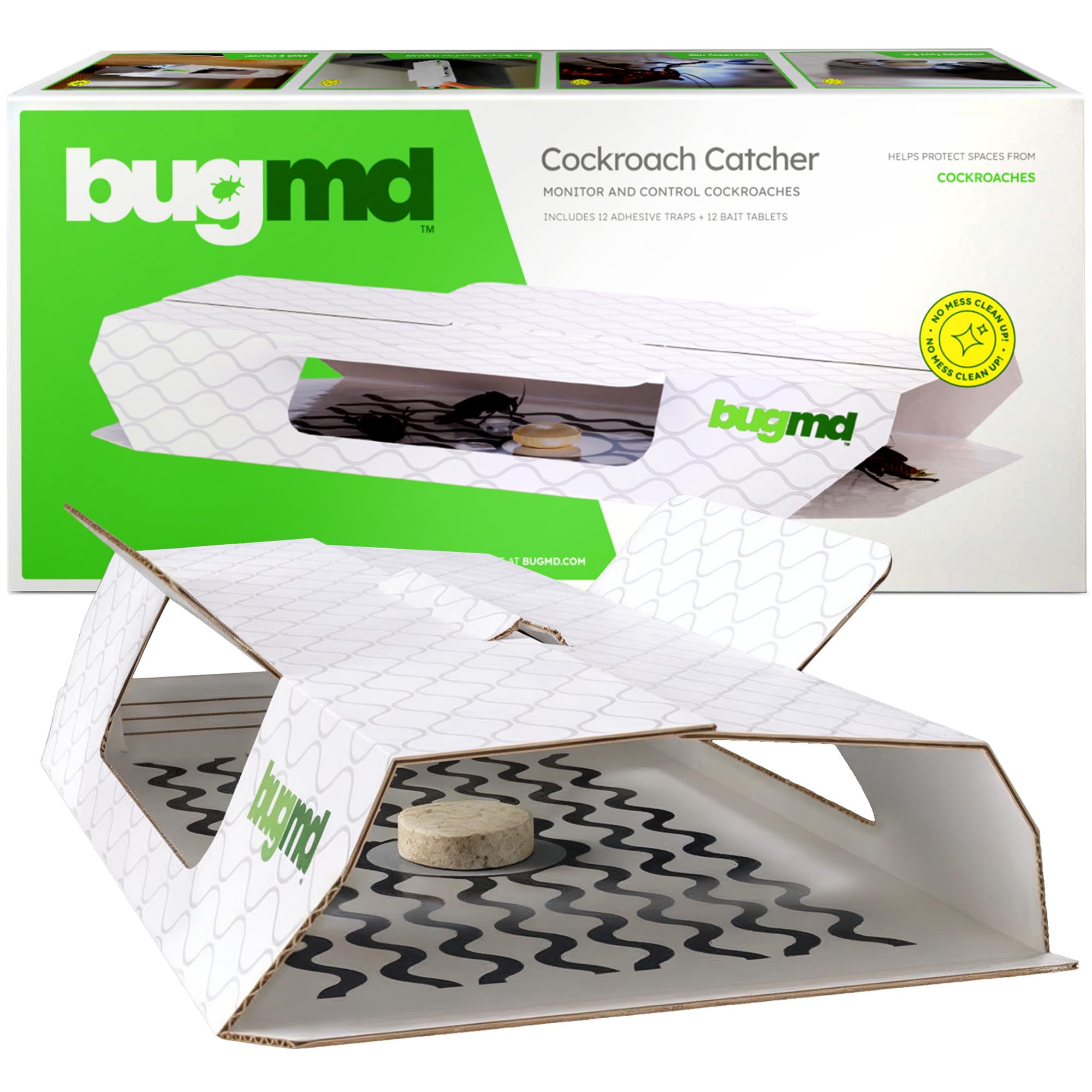
BugMD uses a different approach from traditional insecticides: pre-folded cardboard traps with a “PermaGlue” adhesive pad and a food-based bait tablet made from shrimp powder, dried meat, starch, and brown sugar. This bait is highly attractive to crickets and other scavenging insects, drawing them onto the sticky pad where they are trapped permanently. The 12-pack provides broad coverage for a home.
Homeowners report that these traps catch crickets, roaches, and spiders quickly, often surprising them with the volume of insects captured. The setup takes under a minute per trap—remove the adhesive covering, place the bait, and fold. Since they use no chemical pesticides, they are safe to place in kitchens, pantries, and under furniture.
Like all glue traps, BugMD traps are a monitoring and suppression tool, not a population eliminator. The bait pellet’s effective lifespan is not clearly labeled, so users must guess when to replace traps. Heavy dust or debris can also reduce the adhesive’s surface area over time.
What works
- Food-based bait attracts crickets more effectively than scent-only traps.
- Chemical-free, safe for use around pets and children.
- 12-pack covers multiple rooms affordably.
What doesn’t
- Bait pellet duration is not specified on the packaging.
- Adhesive loses stickiness if exposed to heavy dust or moisture.
7. Wondercide Ant & Roach Aerosol Spray (2-Pack)

Wondercide offers a plant-powered aerosol that kills crickets and other crawling insects on contact using natural essential oils of lemongrass and geraniol. The 2-pack provides two 10-ounce cans for spot treatment around baseboards, countertops, and window frames. It is formulated to be safe for use around pets and family when used as directed, making it a strong choice for households that avoid synthetic chemicals.
Owners appreciate that the spray has no artificial colors or fragrances, and the scent dissipates quickly after application. The product is effective for knocking down visible crickets and ants, and it can be used as often as needed without building up harsh chemical residue on surfaces.
The biggest drawback is that natural oils provide no residual protection. Once the spray dries, it stops working, so crickets can return the same day. Some users have also reported that the nozzle clogs permanently halfway through a can, wasting a portion of the product.
What works
- Plant-based formulation safe for pets and family members.
- Effective contact kill for visible crickets and other bugs.
- Pleasant, quickly fading natural scent.
What doesn’t
- No residual effect—crickets can return immediately after drying.
- Nozzle prone to clogging, leading to product waste.
Hardware & Specs Guide
Residual Duration
The length of time a product remains active on surfaces is a critical spec for cricket control. Synthetic pyrethroid sprays like cyhalothrin provide 3–12 months of residual protection when applied indoors on non-porous surfaces. Granular baits like those with orthoboric acid or indoxacarb remain effective as long as they stay dry and are not consumed, typically several weeks. Glue traps have zero chemical residual—they rely entirely on physical capture and must be replaced once the adhesive loses tack or becomes covered in debris.
Active Ingredient Concentration
Concentration, measured as a percentage of the active ingredient, determines both potency and safety profile. Baits like Advion use just 0.22% indoxacarb because the ingredient is highly potent in small doses and must be non-repellent to encourage ingestion. Contact sprays like BASF PT 221L use 0.05% cyhalothrin—a high enough concentration for immediate knockdown while remaining safe for indoor use after drying. Natural sprays rely on higher volumes of essential oils but degrade quickly, making concentration less relevant than application frequency.
FAQ
What is the best way to get rid of camel crickets in the basement?
Can insecticide for crickets harm my pets or children?
How long does it take for a granular bait to kill crickets?
Final Thoughts: The Verdict
For most gardeners, the insecticide for crickets winner is the Syngenta Advion Insect Granular Bait because its non-repellent indoxacarb formula eliminates entire cricket populations at the source with minimal effort. If you need a long-lasting barrier spray that protects for months, grab the Bayer Advanced Home Pest Plus. And for immediate knockdown of visible crickets with professional-grade chemistry, nothing beats the BASF PT 221L Pressurized Insecticide.