
Specs are compiled from manufacturer listings and verified buyer reviews and can change over time — please confirm the key details on the product page before buying.
You have spent weekends planting, watering, and weeding — only to watch cabbage moths, aphids, or deer treat your garden like a buffet. The right netting stops that cold while letting sun, rain, and airflow reach your vegetables, flowers, and fruit trees. It is a physical barrier that does the work so you do not have to spray or stand guard.
I’m Rikta — the founder and writer behind Lawn Gear Lab. This guide is built by comparing the manufacturers’ published specifications and the patterns across verified customer reviews, so you get each pick’s real strengths and trade-offs instead of marketing spin.
Insect netting for gardens comes in a few key materials — from lightweight polyethylene (PE) that costs little per foot to a nanocomposite polypropylene (Nano PP, a tough, long-lasting plastic) that shrugs off hail and high wind — and the best choice depends on whether you are protecting raised beds from tiny pests, screening a porch from mosquitoes, or stopping deer from trampling rows of beans. This guide breaks down the options so you can confidently pick the best insect netting for gardens for your specific setup.
Our Picks at a Glance

How To Choose The Best Insect Netting For Gardens
The best netting for your garden depends on what you are fighting and how you want to use it. A few key specs separate a netting that lasts for years from one that turns into a tangled mess after one season.
Mesh Density
Tiny pests like aphids and thrips slip through wide gaps. A finer mesh — typically described by a number like 40 mesh (meaning 40 holes per linear inch) — stops them while still letting light and water pass. Coarser netting works for birds and squirrels but lets smaller bugs through.
Material and Shade Rating
Polyethylene (PE) is common and budget-friendly, but it can degrade in direct sun over time. Nanocomposite polypropylene (Nano PP) and high-density polyethylene (HDPE) resist tearing and UV (ultraviolet) damage longer. Some black netting also provides a shade rating — useful in hot climates where too much sun stresses plants.
Size and Anchoring
Netting rolls come in standard widths like 10 feet. Measure your bed or patio space before buying. The lightest fabrics need rocks, soil, stakes, or staples along the edges to stay put in the wind. A netting that tangles during setup will frustrate you every season — look for materials that cut cleanly and do not unravel at the edges.
Quick Comparison
| Model | Best For | Material | Size (L x W) | Weight | Amazon |
|---|---|---|---|---|---|
| ANPHSIN 10x20ft Nano PP★ Best Overall | Multi-season wind + bug defense | Nanocomposite PP | 240″ x 120″ | 1.8 lb | Amazon |
| Garden Tailor 8×15 ft HDPETop Performer | Japanese beetles & cicadas | HDPE | 180″ x 96″ | 0.77 kg | Amazon |
| Rohuis 10×50 ft PEBest Coverage | Extra-long row coverage | Polyethylene | 600″ x 120″ | 0.9 kg | Amazon |
| Ruolan 10×33 ft PE | Large area coverage on a budget | Polyethylene | — | 0.57 kg | Amazon |
| SnugNiture 10×33 ft PE | Ultra-fine mesh, low weight | Polyethylene | 396″ x 120″ | 1.2 lb | Amazon |
| Unves 39×10 ft Polyester | Patio + garden versatility | Polyester | 472″ x 118″ | 1.02 kg | Amazon |
| RIFNY 2-Pack 10×33 ft PE | Double coverage for big gardens | Polyethylene | 396″ x 120″ | 1.08 kg | Amazon |
| UB-STORE 10×20 ft Polyester | Mosquito + gnat blocking on a porch | Polyester | 240″ x 120″ | 0.43 kg | Amazon |
| Abimars 10×33 ft Nano PPT | Hail + intense heat protection | Nanometer PPT | 393.7″ x 118.11″ | 1.18 kg | Amazon |
In‑Depth Reviews
1. ANPHSIN 10x20ft Strong PP Nanocomposite Mosquito Net Garden Netting
Our pick — over 4.5★ from 600+ verified ratings; the strongest balance of quality and price.
The one that handled a year on a screened porch without tearing.
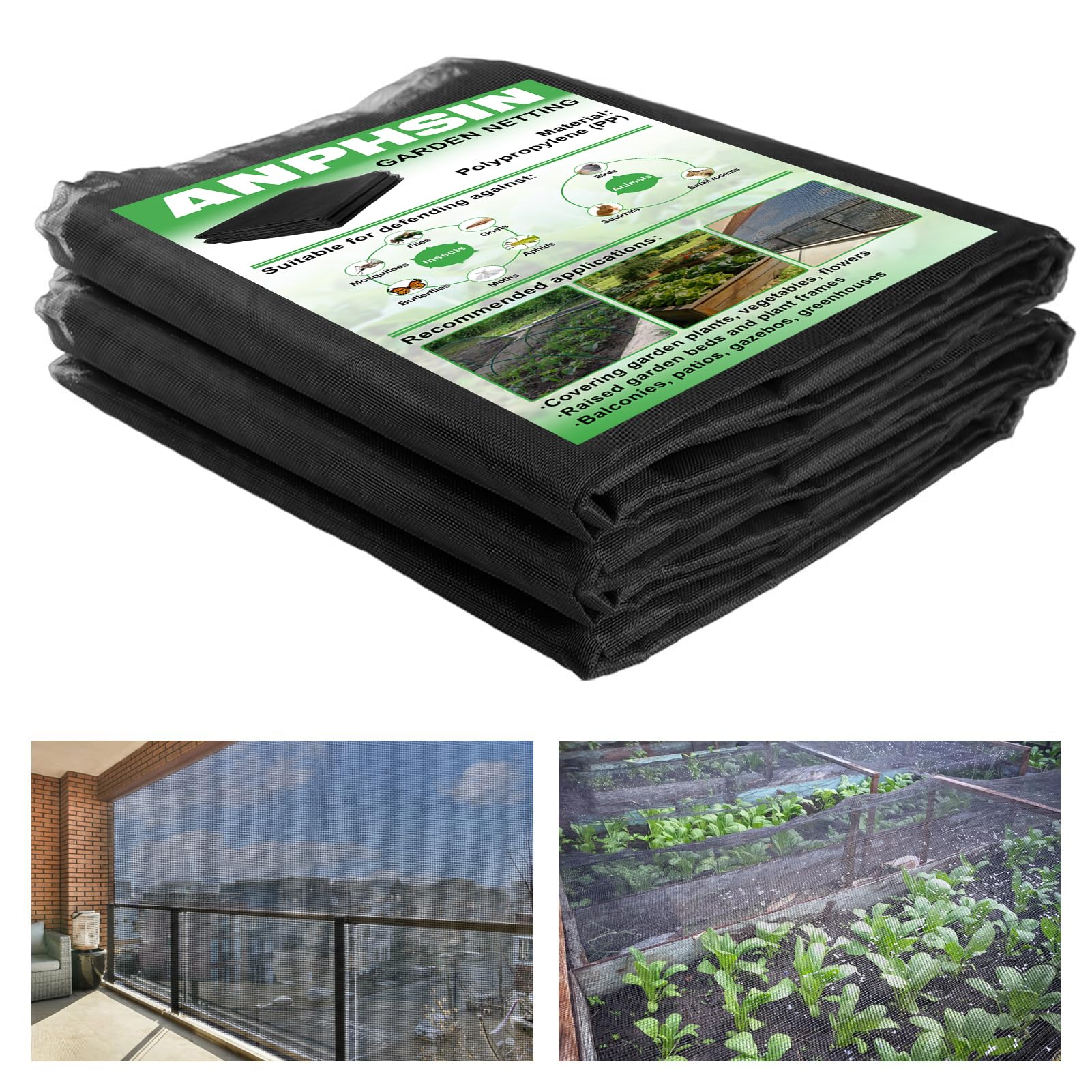
This netting uses an upgraded nanotechnology and PP (polypropylene, a type of plastic) material that is designed to be more tear-resistant than traditional mesh fabric. It measures 240 inches by 120 inches — a 65% longer span than the 10×20 ft option below, giving you more coverage per roll. At 1.8 pounds it is 50% heavier than the SnugNiture netting, which reflects the denser, tougher weave that stands up to wind without flapping apart.
The 33% shade rating is a real bonus in hot climates — it casts a cooling shadow over plants and people alike, so leaves stay cooler and you water less often. Buyers report using a staple gun to fasten it to an apartment porch frame, where it held up well for a full year. The ultra-fine mesh keeps out Florida mosquitoes and small pests, but the breathable design still lets air, sun, and rain through. The crowd favorite across many ratings, this is the pick for anyone who wants one durable sheet that will last multiple seasons.
What wins people over
- Nanocomposite PP resists tearing far better than standard PE (polyethylene, a cheaper plastic) netting
- 33% shade helps cool plants on scorching days, so greens bolt less
- Large enough to cover a full balcony or multiple raised beds
The trade-off
- Only available in black — not ideal if you prefer a light color for visibility against soil
- Needs secure anchoring with staples or weights to stay put in wind, unlike thicker nets
Reach for this if: you need a tough, long-lasting barrier that handles wind, hail, and hot sun without tearing.
Think twice if: you want a barely-there white netting — the black fabric absorbs heat and changes the look of your garden.
2. Garden Tailor 8×15 ft HDPE Insect Netting
The silver mesh that Japanese beetles cannot get past.
Made from 100% new HDPE (high-density polyethylene, a strong plastic that resists sun damage) material, this netting offers UV (ultraviolet) resistance and a tight 40-mesh weave that blocks everything from aphids and carrot flies to cicadas. The silver color reflects light and blends into the garden better than stark white or black, so you can barely see it from a distance. It comes in a 8-by-15-foot sheet and weighs 0.77 kg, making it manageable for one person to drape over arched poles on raised beds.
Owners praise it heavily for insect protection — the top positive aspect by a wide margin — and note that the tight selvedge (the finished edge) does not unravel when cut with scissors. The netting allows water and air through easily, so you can leave it on all season without lifting it to water. One owner reports it kept Japanese beetles off plants entirely without any chemical spray. The three-year reusability claim is backed by buyers who say it does not deteriorate in hot conditions.
Best for raised-bed growers: the 40-mesh density stops the tiniest garden pests while the HDPE material shrugs off a full season of sun.
Keep in mind: at 8 feet wide, it may be too narrow for large walk-in enclosures — better suited to individual bed hoops.
3. Rohuis 10×50 ft PE Garden Netting
Ten feet by fifty feet — enough netting to wrap a small orchard.
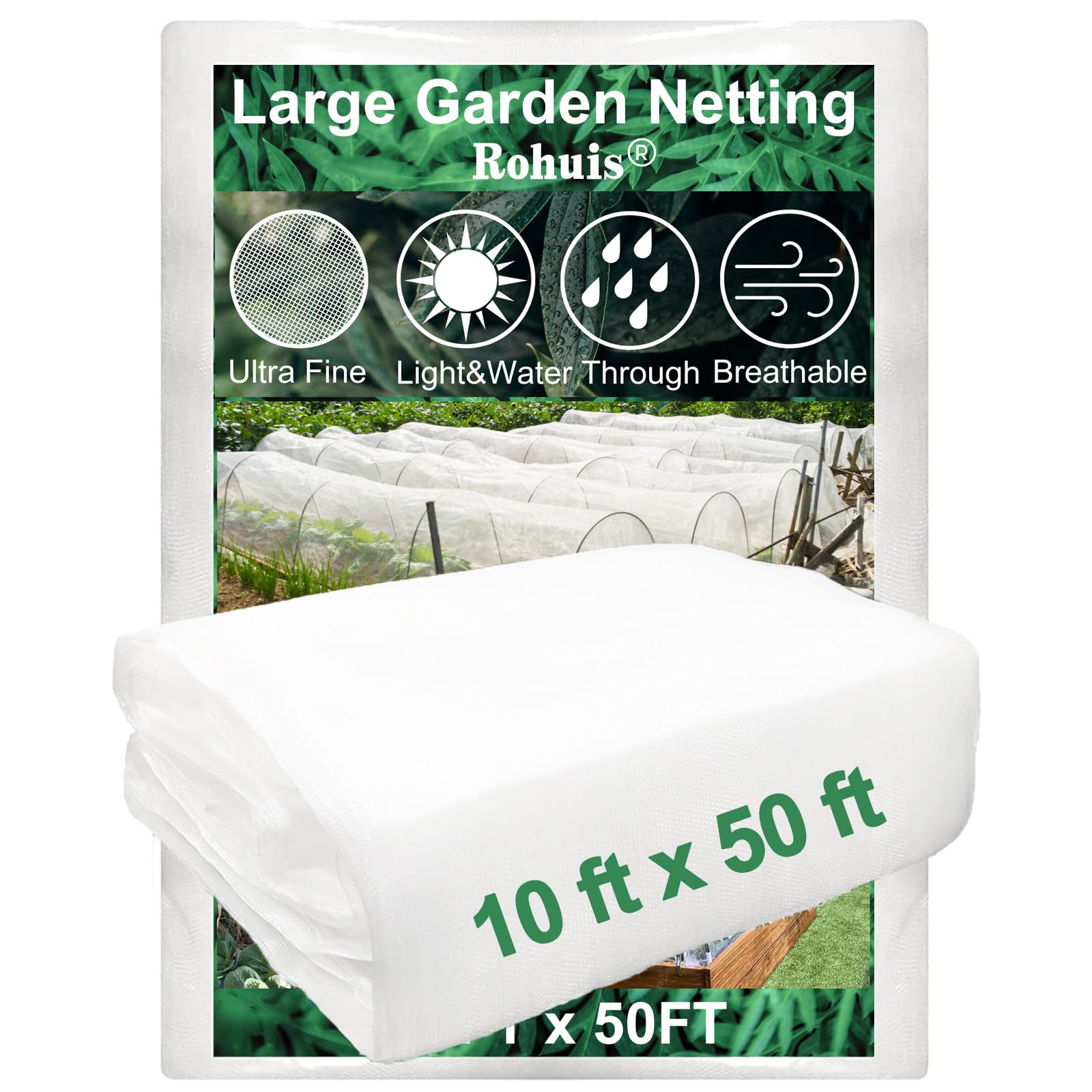
At 600 inches long by 120 inches wide, this is the longest single roll in the lineup — 17 feet longer than the next longest. The polyethylene (PE) material is lightweight yet described by owners as “more sturdy than regular mesh,” and the ultra-fine weave keeps out birds, mosquitoes, and cicadas. It is easy to cut with scissors and the edges do not fray, so you can shape it to fit multiple beds or a long row of berry bushes.
Owners mention using it over grapevines to keep critters off the fruit and as a debris catcher under trees. The see-through mesh means you can water right through it, and the 0.9 kg weight keeps handling easy even at this length — unlike heavier rolls that tire your arms. What wins people over is the sheer value of covering so much ground from one purchase.
The row-cover specialist: perfect for long garden rows or enclosing a large patio — one roll goes a very long way.
The catch: the mesh is not heavy-duty; it works best when draped loosely over supports rather than stretched taut, so skip it if you need a tight, windproof seal.
4. Abimars 10×33 ft Nano PPT Thicker Garden Mesh Netting
The one that survived 60 mph hail without a single rip.
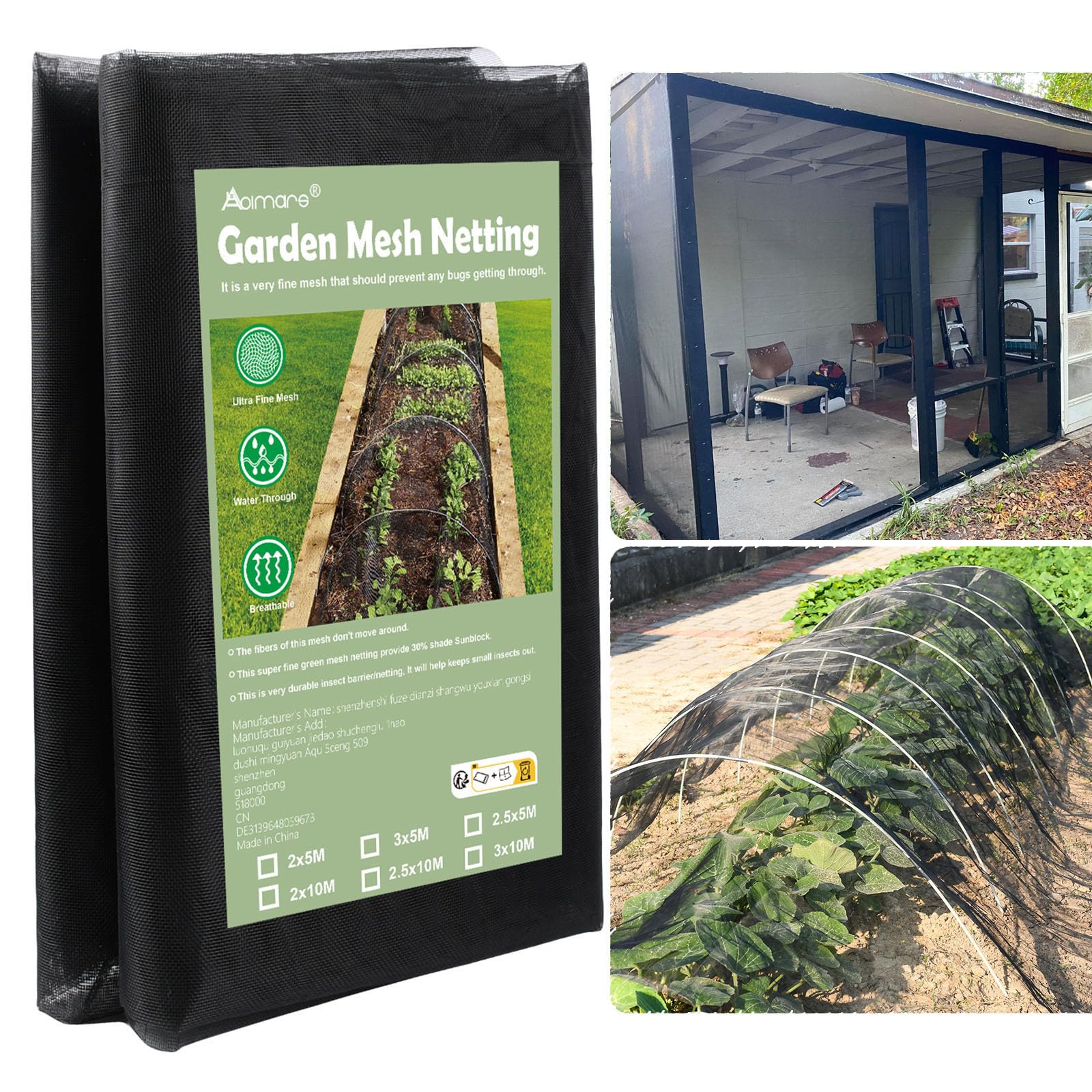
This netting uses a nanometer PPT (a nanocomposite polypropylene) material — a novel plastic blend that is more tear-resistant than standard PE. The 30% shade rating provides sunblock that helps keep plants cooler in intense summer heat, reducing watering frequency and preventing bolting (when lettuce or greens flower too early). Unlike standard mesh where threads shift when poked, the fibers here are each fixed so the netting does not develop holes if you pull or snag it — a problem customers note with the SnugNiture net.
Reviewers point out it held up through a hailstorm with 60-plus mph winds without any rips or tears. It cuts cleanly without frayed edges, and at just 1.33 oz per square yard it is light enough not to crush delicate stems — though the seller recommends using support stakes so the netting does not lay directly on plants. Durability and mosquito prevention are the most-discussed positives here.
Why it stands out
- Nanocomposite material resists hail damage and UV (ultraviolet) degradation, so it lasts longer than PE nets
- 30% shading cools plants and cuts watering needs, preventing bolting in hot weather
- Fixed-fiber mesh does not develop holes when poked, unlike standard weaves
Be aware
- The fabric is so lightweight it needs a support frame to avoid crushing plants
- Poles sold separately may not connect securely — owners recommend your own stakes
Ideal for hot, stormy climates: if your garden faces intense sun or hail, this netting is built to take the beating.
Skip if you want a drape-and-go solution: this one needs a proper hoop or trellis system to work well.
5. Ruolan Garden Mesh Netting 10×33 ft

A generous 10×33 foot roll that covers a lot of ground for the cost.
This white polyethylene (PE) netting offers a fine weave that blocks birds, deer, rabbits, and insects like cucumber beetles without trapping or tangling wildlife — animals can push through and escape. Shoppers say it is “very durable, easy to unwrap,” and that it does not rip when used as intended to loosely cover rows. The mesh lets light and water penetrate normally, so you can water right through it.
Plant protection and quality are the two features owners praise most often. The 0.57 kg weight keeps handling easy, and the white color makes it easy to spot against dark soil so you avoid cutting into it with a hoe. A few buyers report the large roll can be unwieldy when cutting outdoors in the wind — plan to unroll it in a garage or on a calm day first. For the coverage area, this is a strong entry-level pick that still delivers real protection, though it won’t last as long as the ANPHSIN Nano PP net over multiple seasons.
Great for first-time netting buyers: the price-to-coverage ratio is tough to top, and the white mesh makes monitoring plants simple.
The honest limit: the polyethylene material is not as UV-resistant as HDPE or Nano PP — expect one to two seasons of heavy use.
6. RIFNY 2-Pack 10×33 ft Ultra Fine Mesh Garden Netting

Two full rolls of 10×33 foot netting — one package, double the coverage.
This is not two separate packages — it is one package containing two 10-by-33-foot garden nets inside. The ultra-fine mesh features an oblong hole construction that provides insect, UV (ultraviolet), and frost protection while still letting air, water, and light through. Owners appreciate that the netting works effectively for Florida gardens, keeping birds and squirrels away from vegetables.
Bird protection is the most-discussed positive aspect, followed closely by overall quality. The netting is lightweight and easy to cut, and owners mention that the weave is tighter than expected — which helps block small bugs. Some customers note the polyethylene material stretches and can develop tears over time, making this a solid seasonal solution rather than a multi-year investment like the Garden Tailor HDPE net. The second roll gives you a spare or enough material to cover a very large garden at once.
Best for big gardens
- Two rolls provide 660 total square feet of coverage
- Tight weave stops birds and small bugs effectively
- Lightweight enough to drape directly on plants without crushing them
Worth noting
- Material can stretch and tear after a season of sun exposure
- Weave may block beneficial pollinators if left on flowering crops
Reach for this if: you need to cover multiple raised beds or a long row and want a spare roll on hand.
Think twice if: you expect the netting to last three or more seasons — plan for annual replacement.
7. UB-STORE White 10×20 ft Polyester Mosquito Net Fabric

A polyester mesh fine enough to block mosquitoes but see-through enough for a porch.
This netting uses a 256-mesh material (256 holes per inch) that is denser than many competing nets — strong enough to keep out even the tiniest insects including mosquitoes and biting flies. It is made of durable polyester rather than standard PE (polyethylene), and reviewers point out it stands up to wind and rain without tearing. The white color is transparent enough to see through clearly, which helps for checking plant growth or just enjoying the view from a screened patio.
Buyers have used it for everything from covering a Bronco for camping to enclosing a hammock chair. One owner notes that while it stops mosquitoes completely, very small gnats can still sneak through the mesh if they land on it. The 10×20 foot size is manageable for a single person to install with tacks or staple gun. The machine-washable material makes cleaning easy for reuse season after season — easier to maintain than the garden-specific PE nets.
The patio or camping companion: excellent for spaces where you want bug protection without blocking your view.
The fine print: mesh stops mosquitoes and flies but tiny gnats may still find gaps — not a hermetically sealed barrier.
8. SnugNiture Garden Netting 10×33 ft Ultra Fine Mesh

A huge 10×33 foot roll that weighs just 1.2 pounds — barely a burden on plants.
At 396 inches long by 120 inches wide, this netting provides a full 330 square feet of coverage while weighing only 1.2 pounds — 0.6 pounds lighter than the ANPHSIN Nano PP roll. The ultra-fine mesh effectively blocks worms, bugs, and pests without obstructing airflow or sunlight. Owners have used it for over seven months of continuous garden protection, noting it keeps brassicas (crops like cabbage and broccoli) pest- and worm-free.
The lightweight PE (polyethylene) material is easy to cut and reposition, and it lays directly on plants without crushing them — a key advantage over the heavier Abimars Nano PPT that needs a frame. Some shoppers say the netting snags easily if it catches on sharp edges or branches — handle it carefully around rough surfaces like old wood or wire. The 10×33 foot length covered multiple raised beds and even fig trees with leftover material to spare. For the price, it is a generous amount of functional netting.
Why it works
- Extremely lightweight at 1.2 lb — zero pressure on plant stems
- Massive 10×33 ft size covers a whole garden in one go
- Fine weave blocks worms and insects while passing light and water
Handle with care
- Snags easily on sharp branches or rough edges
- Thin material may need annual replacement in high-UV areas
Best for light-duty gardens: ideal if you need to cover a lot of beds cheaply and are careful with installation.
Look elsewhere if: your garden has lots of thorny branches or you need the netting to survive multiple harsh winters.
9. Unves 39×10 ft Polyester Mosquito Netting

Polyester netting that survived a 90-pound dog without a snag.
This netting is made from premium polyester fibers — a step up from basic PE (polyethylene) in terms of durability without adding bulk. At 472 inches long by 118 inches wide, it offers generous length and comes with 100 straps for fastening. The dense mesh blocks no-see-ums (very tiny biting flies) and mosquitoes, and buyers report it is surprisingly tough — one buyer used it on a sailboat cockpit where a large dog’s claws did not snag or tear it, unlike the SnugNiture PE net that catches on sharp edges.
The see-through fabric allows you to observe plant growth easily, and you can water directly through the mesh. It also works well as a tent mosquito barrier for camping — one owner used it to keep a group of five people bug-free during fireworks. The occasional review notes that the netting can develop holes if handled roughly, but most find it tougher than expected. For garden, patio, or camping use, this polyester option offers real flexibility.
One netting for multiple jobs: use it in the garden during the week and take it camping on the weekend.
The honest trade-off: very fine mesh can be slightly delicate against sharp edges — use the included straps to avoid stretching or snag points.
Understanding the Specs
Mesh Material
The material determines how long the netting lasts and how well it resists tearing. Polyethylene (PE) is lightweight and cheap but can degrade in direct sun over one or two seasons. High-density polyethylene (HDPE) resists UV (ultraviolet, the sun’s ray that breaks down plastic) better and lasts longer. Nanocomposite polypropylene (Nano PP or PPT) is the toughest option — it resists hail, high wind, and repeated handling without developing holes.
Shade Rating
Black netting often provides a shade rating, usually between 30% and 33%. This means it blocks roughly a third of direct sunlight, which helps reduce heat stress on plants during hot summers, prevents bolting (early flowering) in leafy greens, and can cut watering frequency. White netting typically provides no shade — it passes more light, which is better in cooler climates or for sun-loving crops.
FAQ
Will the fine mesh keep out aphids and thrips?
Can I water my plants without removing the netting?
How do I keep the netting from blowing away in the wind?
Will the netting block bees from pollinating my plants?
What is the difference between polyethylene and nanocomposite materials?
Can I cut the netting to a custom size without it unraveling?
Is black netting okay for plants that need full sun?
How many seasons will the netting last if I store it over winter?
Will the netting protect my garden from deer, rabbits, and squirrels?
What size of netting do I need for a standard 4×8 foot raised bed?
Final Thoughts: The Verdict
If you want one dependable pick, the insect netting for gardens winner is the ANPHSIN 10x20ft Nano PP netting because it combines the tear-resistance of nanocomposite material with a useful 33% shade rating, all in a size that covers a full balcony or multiple raised beds. If you want the tightest 40-mesh weave for killing pests without chemicals, grab the Garden Tailor 8×15 ft HDPE netting. And for maximum coverage at a low cost per square foot, the Rohuis 10×50 ft PE roll is the one to reach for.
How We Picked
We do not accept paid placement. Every pick is matched to a real buyer and a real use-case; we do not hands-on test units.
Sources & Methodology
Specifications: manufacturer listings and product documentation. Review insights: verified customer reviews, as of July 2026. Pricing: not shown on this page (it changes often); check the current price via the retailer link.
As an Amazon Associate, Lawn Gear Lab earns from qualifying purchases. This does not affect which products we feature.