
Specs are compiled from manufacturer listings and verified buyer reviews and can change over time — please confirm the key details on the product page before buying.
You want soil that grows a serious vegetable harvest, not soil that costs as much as a new garden bed. The trick is finding bags that pack in the most nutrients per dollar and avoid being mostly filler and air. You also want a mix that feeds your plants all season long, so you are not constantly adding fertilizer. This guide to the best inexpensive raised bed soil looks at each bag’s real ingredients and what owners say, so you can pick the one that earns its place.
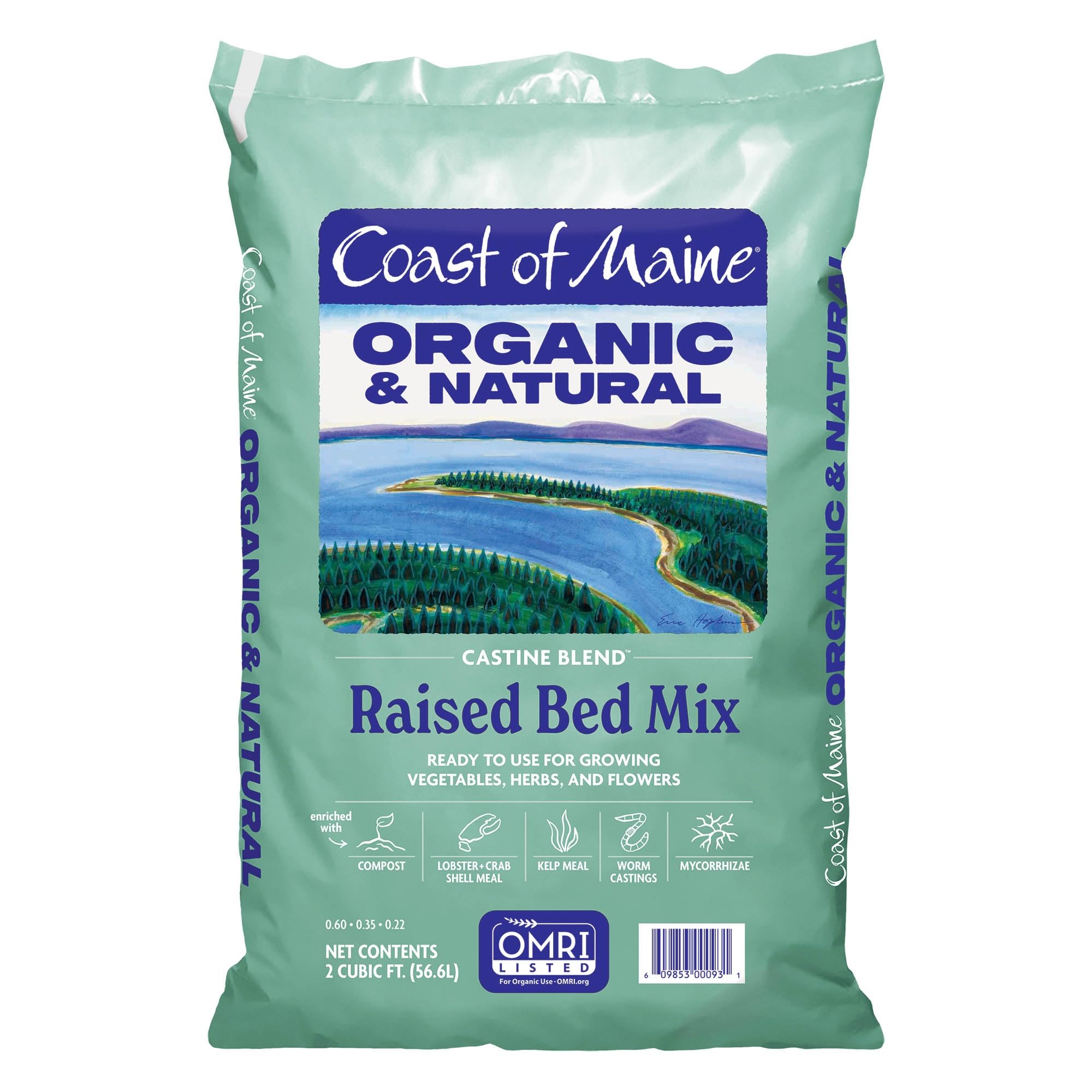
For most gardeners, the winner is the Coast of Maine Castine Blend. It packs lobster shell meal, biochar (a charcoal that holds water and nutrients), and mycorrhizae (a root-friendly fungus) into a single 2-cubic-foot bag. Owners consistently call it the best soil they have used.
I’m Rikta — the founder behind Lawn Gear Lab. This guide is based on the manufacturers’ published specifications and patterns across verified customer reviews, giving you each pick’s real strengths and trade-offs instead of marketing spin.
Our Picks at a Glance

How To Choose The Best Inexpensive Raised Bed Soil
The key to saving money on raised bed soil is knowing what you are paying for. A big, cheap bag of brown stuff might look like a deal until your vegetables stall out halfway through the season because there are no nutrients left. Here are the three things to check before you buy.
Volume vs. Weight — the real value
Soil is sold by volume (quarts or cubic feet), but the bag’s weight tells you how dense and nutrient-rich the mix actually is. A lightweight cubic-foot bag is usually heavy on peat moss and light on actual compost. A heavier bag at the same volume means more mineral content and organic matter per scoop — which usually translates to better plant growth without needing to add your own amendments.
Ingredients that feed, not just fill
Look for bags that list real nutrient sources like worm castings, kelp meal, alfalfa meal, or composted manure. These provide slow-release food for your plants over months. Cheap soil often contains only peat moss, bark fines, and a splash of fertilizer that washes away in three weeks. The best inexpensive raised bed soil includes ingredients like mycorrhizae (a beneficial fungus that helps roots absorb water and nutrients) and biochar (a charcoal-like substance that holds moisture and nutrients in the root zone).
Texture and drainage
Soil that feels heavy and clumpy when you squeeze it will turn into concrete in a raised bed after a few rains. You want a mix that is described as “fluffy” or “light” — that means enough sand, perlite, or pumice to keep air moving around the roots. Good drainage prevents root rot and lets your plants stretch down deep.
Quick Comparison
| Model | Best For | Volume | Weight | Key Ingredient | Amazon |
|---|---|---|---|---|---|
| Coast of Maine Castine Blend★ Best Overall | Best Overall | 2 cu ft | 40.3 lb | Lobster & crab shell meal | Amazon |
| Coast of Maine Veg & TomatoBest for Tomatoes | Best for tomatoes | 20 qt | 21 lb | Composted manure | Amazon |
| Wakefield Biochar BlendBest Water Retainer | Best water retainer | 4 qt | 3.8 lb | Biochar + CarbonBoost | Amazon |
| Back to the Roots Compost | Best peat-free | 1 cu ft | — | Upcycled plant matter | Amazon |
| Espoma Organic Raised Bed Mix | Best for herbs | 1.5 cu ft | — | Earthworm castings | Amazon |
| Michigan Peat Baccto Topsoil | Best bulk buy | 50 L | 50 lb | Reed sedge peat | Amazon |
| Black Gold Organic Potting Soil | Best for custom feeding | 16 qt | 20 lb | Earthworm castings | Amazon |
| FoxFarm Raised Bed Mix | Best all-around mix | 1.5 cu ft | 40 lb | Earthworm castings + oyster shell | Amazon |
In‑Depth Reviews
1. Coast of Maine Organic & Natural Castine Blend Soil (2 cu ft)
Our pick — over 4.5★ from 400+ verified ratings; the strongest balance of quality and price.
The richest bag for the money — lobster shells and biochar packed into 2 cubic feet.
This bag gives you the most nutrient punch per scoop because it is dense, not fluffy. At 40.3 pounds for 2 cubic feet, it is dense with real mineral content and organic matter, not just airy peat. The Castine Blend includes worm castings, mycorrhizae (a root-friendly fungus), biochar (a charcoal that holds water and nutrients), green sand, kelp meal, and both lobster and crab shell meal. You do not need to mix or supplement anything.
The ingredient list is why owners rave about the soil quality — that is the most-mentioned aspect by a wide margin. Reviewers report: “I used this in my raised garden beds this past summer… I did grow some pretty awesome tomatoes and sunflowers!” The texture gets constant praise too: people describe it as dark, rich, and soft with no twigs or bugs. A multi-year user says they have been adding this to their improve beds for three seasons and it loosens the existing soil beautifully.
The honest trade-off is the bag size. Some wish the bags were larger, and a few owners note that value is mixed for their budget. But if you want one bag that does everything, this is it.
What fills your beds
- Heaviest bag in the roundup — 40.3 pounds of dense, nutrient-rich soil per 2 cu ft
- Ready-to-use with no mixing, packed with lobster shell meal, biochar, and mycorrhizae
- Owners consistently praise the fluffy, dark, debris-free texture
The honest limit
- A few owners feel the price per bag is steep for larger projects
- Some bags may contain small debris, though most report clean, soft dirt
Reach for it if: you want the single most complete raised bed mix available — just open the bag and plant.
Think twice if: you are covering a very large bed on a strict budget and need to stretch every dollar.
2. Coast of Maine Organic & Natural Planting Soil for Vegetables & Tomatoes (20 Qt)
A lighter, more targeted bag that gets tomatoes fruiting in a month flat.
At 21 pounds for 20 quarts, this mix is lighter than the Castine blend at 40.3 pounds for 2 cubic feet. It uses composted manure and sphagnum peat moss rather than the seafood-heavy lineup, which makes it a great match for vegetable beds without overwhelming the soil. The organic compost blend is lightweight, easy to pour, and specifically formulated for tomatoes and vegetables.
The real-world results are what stand out here. Buyers report fast growth, with fruit appearing in as little as one month and plants staying productive all summer. One enthusiastic grower summed it up: “Fast growth, fruit in 1 month, productive all summer.” Another owner’s wife declared it the best soil she has tried so far. The bag is also praised for having no gnats or critters when opened outdoors.
Where this bag trails the Castine blend is volume — 20 quarts goes fast if you are filling a large bed from scratch. A few owners note it works best for a few plants rather than a whole garden. If you are topping off containers or planting a handful of tomatoes, this is your balance.
Fast results: Owners consistently report fruit in one month and full-season productivity, making this a no-brainer for tomato lovers.
Grab it for: a small vegetable patch or container tomatoes where you want quick, reliable growth.
Look elsewhere if: you are filling a 4×8 bed from scratch — you will need several bags and the cost adds up.
3. Wakefield Biochar Blend with CarbonBoost Technology (4 Qt)
A tiny bag that does a huge job — cutting watering needs by holding moisture like a sponge.
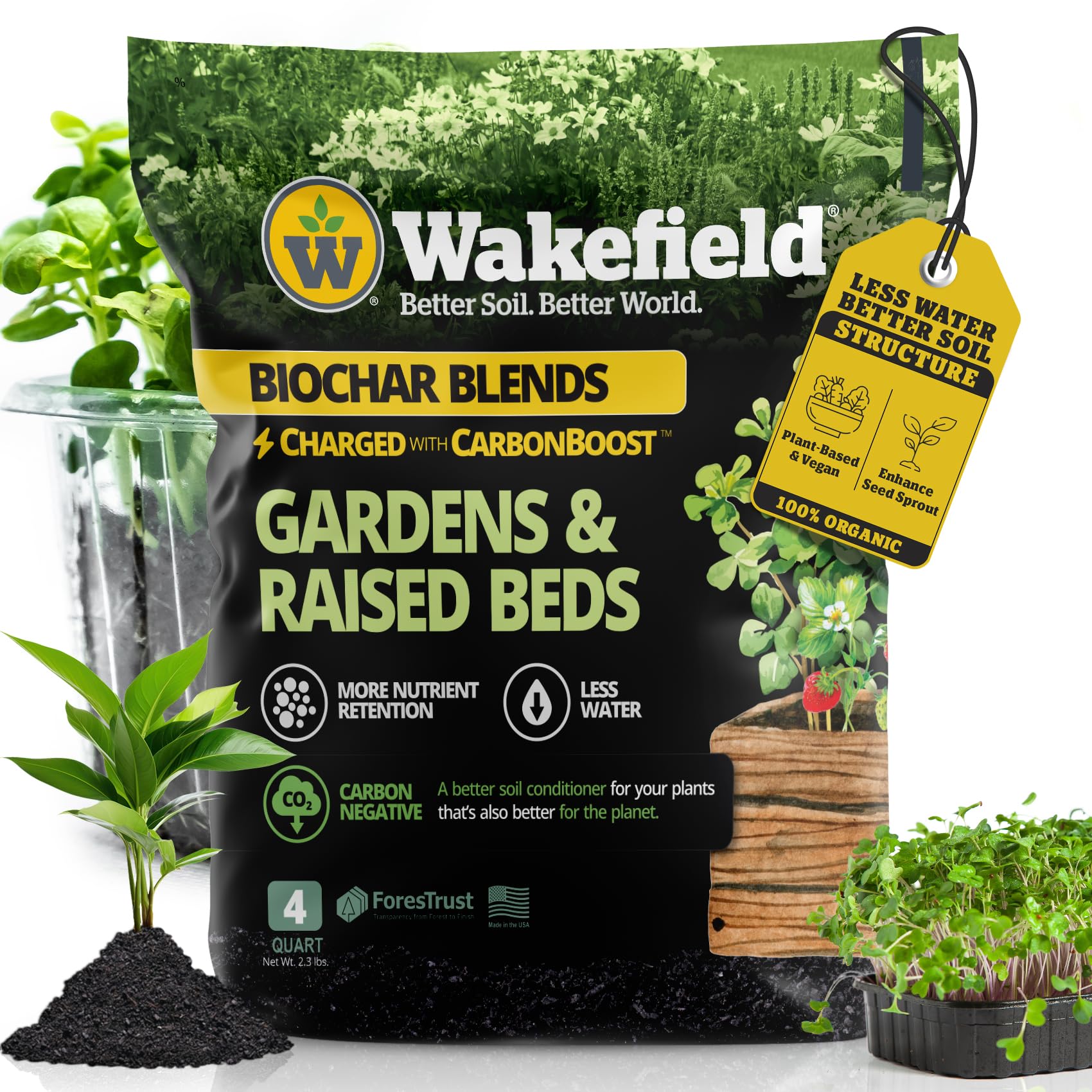
This is not a full bed filler. At just 4 quarts and 3.8 pounds, it is an amendment designed to be mixed into your existing garden soil. The magic is in the CarbonBoost technology and biochar, a porous charcoal that traps water and nutrients in the root zone. The manufacturer claims it can cut watering needs by up to 50%, and owners back that up: “Great for water retention in soil, lets plants need less watering, as the soil retains more water.”
Where this product really shines is breaking up heavy clay soil. One owner with clay-heavy ground said it worked very well to boost their garden soil. The bag also includes probiotic microbes and mycorrhizae, which feed the soil’s living ecosystem. Because the bag is small, it pairs perfectly with a bulkier base soil — you mix it in and get the water-holding benefits without replacing your whole bed.
The catch is the size-to-price ratio. Several owners note that the 4-quart bag feels small for the money, especially if you have a large raised bed. This is a supplement, not a standalone fill.
Best used as: a soil booster for clay or sandy ground — mix in one bag per small bed and water far less often.
Use it when: your existing soil dries out too fast or holds too much clay, and you want a targeted fix.
skip it if: you need to fill an entire raised bed from empty — this is not a volume play.
4. Back to the Roots 25.7qt (1 Cubic ft) Organic Premium Compost
Organic compost without the peat — made from upcycled plant matter and wood fines.
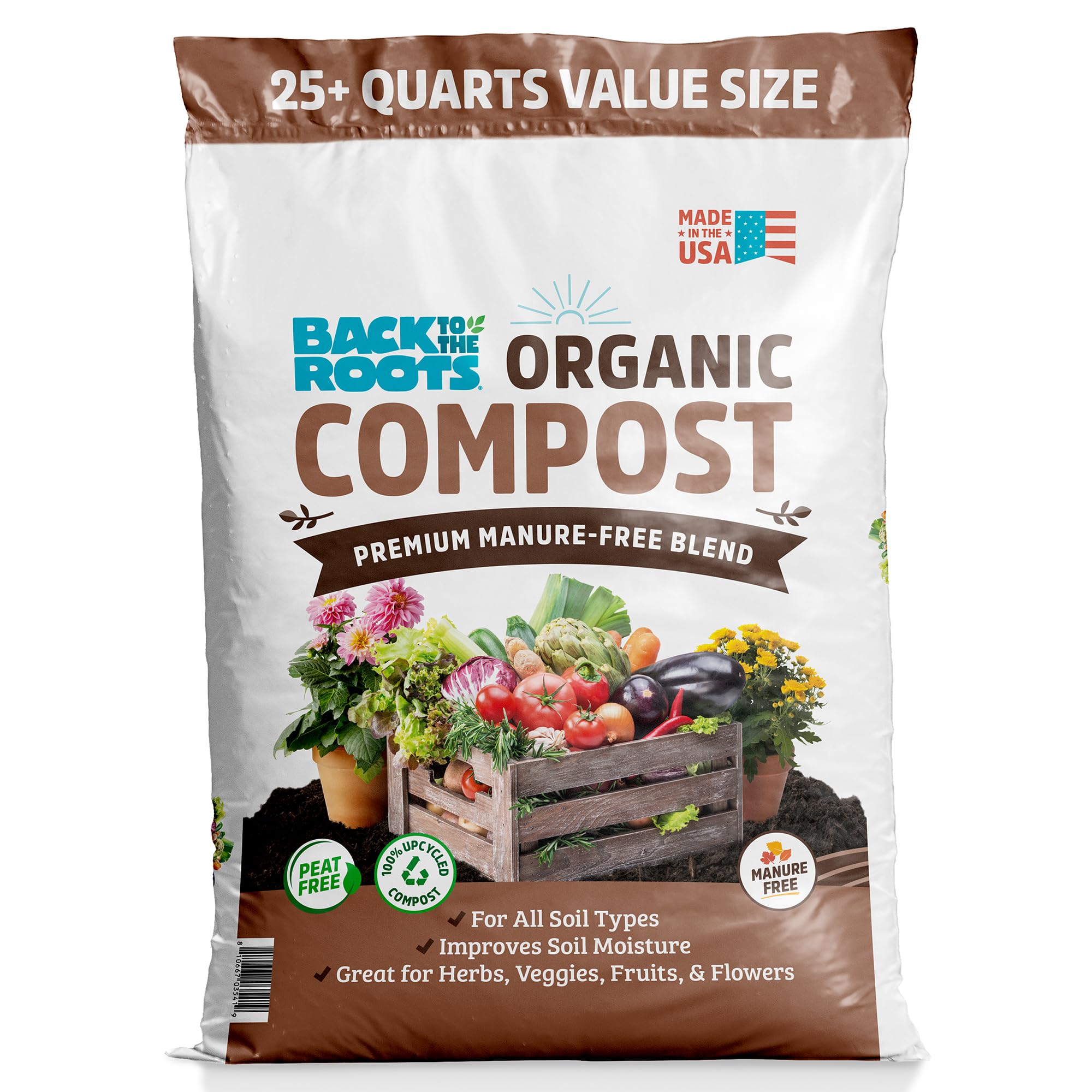
This bag stands out because it skips peat moss entirely. Peat is a major carbon store, and harvesting it releases greenhouse gases. Back to the Roots uses upcycled plant matter and wood fines from the United States instead. The mix also includes yucca extract for better moisture control, dolomitic limestone to balance pH, and gypsum to help water absorb into the soil. It is 100% organic and OMRI-listed.
Owners consistently call the quality high. One gardener said they saw new growth on their roses within a week of applying this compost. Another fan noted that they use multiple Back to the Roots products and are always satisfied. The compost is designed to be mixed 50-50 with the top few inches of your existing potting soil, so it works as a top-dressing or a side-amendment rather than a full bed fill.
The downside some owners flag is that you may find sticks and twigs in the bag. The feedback on composition is mixed — it is organic compost, so it is not as screened as a premium potting mix. If a smooth, uniform texture is important to you, this may need a quick sift.
Ideal for: eco-conscious gardeners who want to avoid peat and support a brand that donates a Kids Grow Kit to a classroom when you share your garden photo.
Choose this for: top-dressing existing beds or mixing into potting soil — especially if you avoid peat.
Think twice if: you need a clean, screened texture; occasional sticks and twigs are part of the deal here.
5. Espoma Organic Raised Bed Mix (1.5 Cubic Foot)

A clean, low-odor mix that 12 flowering plants can call home with zero complaints.
Espoma’s raised bed mix is enriched with earthworm castings, alfalfa meal, kelp meal, and feather meal — ingredients that release nutrients slowly. It also includes Myco-Tone, a proprietary blend of endo and ecto mycorrhizae that help roots absorb more water and nutrients. The bag is 1.5 cubic feet, which is a solid medium size for filling or topping off a bed.
Owners highlight the fresh, clean smell — no manure odor — which is a big deal if your raised bed is near a patio or doorway. One gardener in subtropical SW Florida praised the moisture retention and said the soil supported sturdy root growth for eggplant, green beans, herbs, and flowers. Another grower reported that 9 vegetables and 12 flowering plants were thriving in this mix during a wet, cool February in SoCal. The bag arrives sealed and well-packaged, with no mold or dry spots.
The recurring note is that this soil feels worth the price even though it is not the cheapest option. One owner called it “a little pricey but the results were worth it.” If you want a reliable, versatile organic mix that smells good and performs, this is a solid mid-range play.
Standout feature: the Myco-Tone mycorrhizae blend gives roots a head start, and owners mention excellent growth from day one.
Reach for this if: you want a versatile, clean-smelling organic mix for herbs, veggies, and flowers.
Consider alternatives if: your absolute top priority is the absolute lowest cost per cubic foot.
6. Michigan Peat Baccto Topsoil with Reed Sedge, Peat & Sand (50 lb)

A 50-pound workhorse bag that covers a lot of ground — literally.
If you need to fill a large area and your budget is tight, this 50-pound bag of topsoil is the volume king here. It is made from a blend of reed sedge peat and sand, which gives it a dark, rich color and a workable texture. It is designed for top-dressing lawns, filling planting beds, and transplanting shrubs and trees. Owners describe it as dark, clean, and rich with minimal wood products.
Repeat buyers are common. One owner was on their third order for a total of 18 bags and planned to buy more in the fall. The quality is the most-praised aspect, with many noting it improves drainage when mixed into native soil and supports good growth for grass, flowers, and vegetables. The bag is heavy at 50 pounds, so it gives you plenty of coverage for the money.
The honest drawback is that some bags contain large twigs and stones. A few customers note needing to sift the soil before using it for fine gardening. Others note that only about three-quarters of the bag is usable black soil, with the rest being wood chips and stones. If you need pristine, screened soil for seed starting or delicate roots, this is not that. But for filling the bottom of a raised bed or mixing into clay ground, the value is tough to top.
Best use: as a bulk base layer or lawn patch filler — mix it with compost for a more nutrient-rich raised bed blend.
Pick this for: big projects where you need volume and are okay sifting out a few twigs.
pass on it if: you want a ready-to-plant, debris-free mix straight from the bag.
7. Black Gold Organic Potting Soil (16 Qt)
A fluffy, low-fertilizer base that gives you full control over your own nutrient mix.
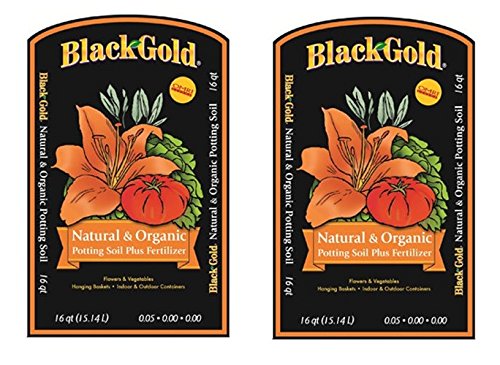
Black Gold is OMRI-listed organic and enriched with earthworm castings, perlite, and pumice for drainage and aeration. What makes this bag different is its low NPK content — roughly 0.05% nitrogen. That is intentional: it gives you a clean slate to add your own fertilizer ratios without burning the plants. Owners who like to customize their feeding routine love this. One gardener said it is great for seedlings and the vegetative stage because you can add amendments without risk.
The soil is described as fluffy and well-draining with no rocks or cheap fillers. It works for container gardens, raised beds, and outdoor pots. The 16-quart bag gives you enough volume for several medium pots or a small raised bed top-off.
The flip side of the low NPK is that you have to provide your own feeding schedule. If you want a mix that already has enough fertilizer to carry your plants through a whole season without extra work, this is not that. It is a blank canvas for gardeners who know their plants and like to dial in the nutrition.
Perfect for: gardeners who want an organic, fluffy base and plan to add their own worm castings, fish emulsion, or compost tea.
Choose this if: you like to control every aspect of your plant’s diet and want a clean, organic starting point.
Look elsewhere if: you want a “fill and forget” soil that feeds your plants all summer with no extra effort.
8. FoxFarm Raised Bed Planting Mix (1.5 Cubic Feet)
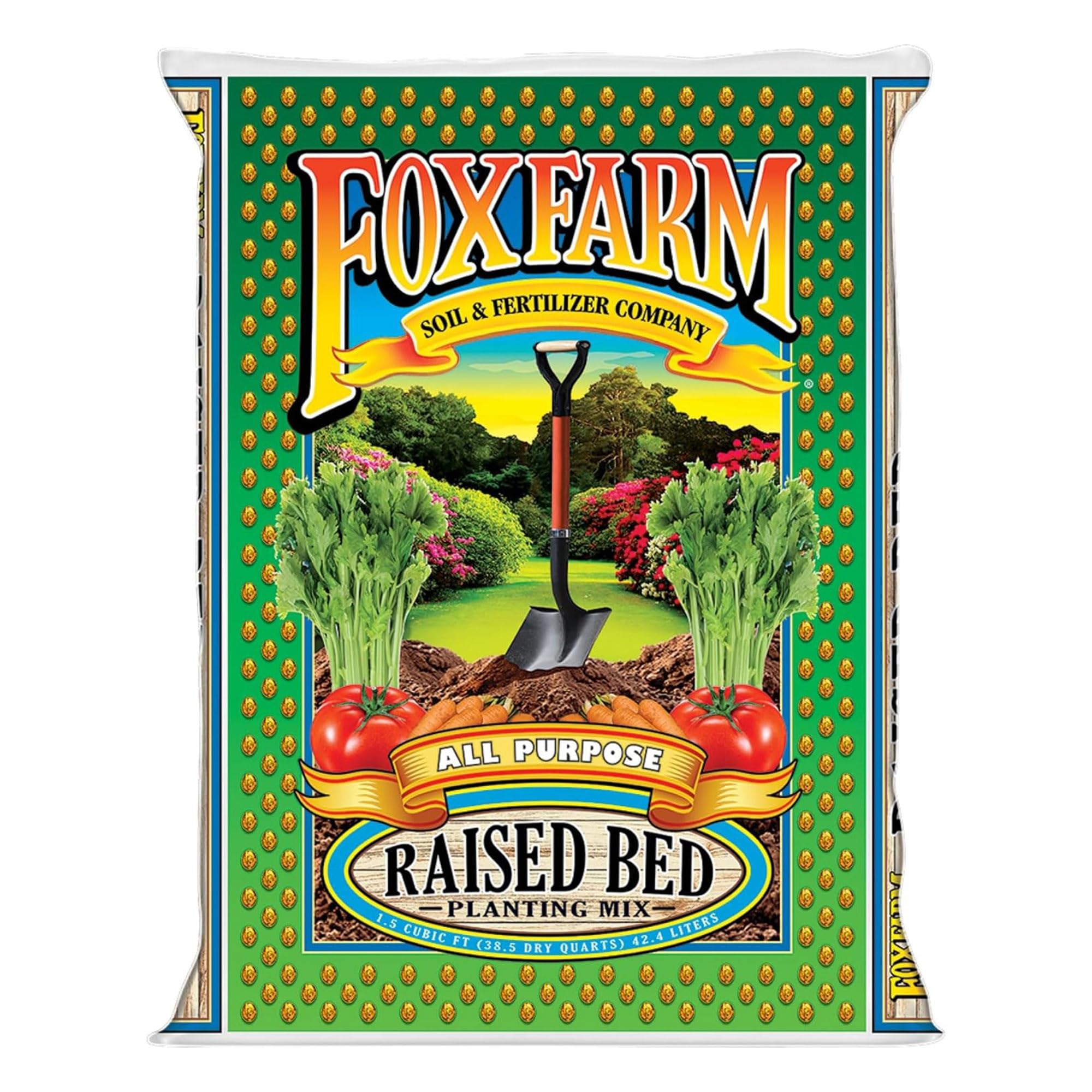
A ready-to-use mix that hits the balance between weight and nutrient density at 40 pounds.
FoxFarm is a name that serious gardeners trust, and this raised bed mix delivers on that reputation. At 40 pounds for 1.5 cubic feet, it is dense with ingredients: 50-60% aged forest products, sphagnum peat moss, and fertilizer derived from earthworm castings, oyster shell, and dolomite lime. It is designed to retain moisture while still draining well, so roots get oxygen without drying out.
Owners consistently describe it as high quality. One called it the best garden soil on the market. Another noted that FoxFarm products have never let them down. The mix works as a straight fill for raised beds or containers, with no extra mixing or amendments needed. A local garden center comparison noted the product is widely available, which speaks to its popularity.
The only catch is that availability and price can vary locally — one owner pointed out they found it cheaper at their local garden center than online. If you are ordering on Amazon, it is still a strong value for a premium organic mix. With a perfect five-star streak in the reviews, this is a safe, high-performance bet.
Why owners love it: the combination of oyster shell for calcium and earthworm castings for slow-release nutrition in a single, ready-to-use bag.
Reach for this if: you want a premium, no-fuss raised bed mix from a brand with a long track record.
Consider checking locally first: price may be better at a nursery than on Amazon.
Understanding the Specs
Biochar & Mycorrhizae
Biochar is a porous, charcoal-like material that acts like a sponge in the soil — it holds onto water and nutrients so they do not wash away after a rain. Mycorrhizae are beneficial fungi that attach to plant roots and help them pull more water and nutrients from the soil. When a bag includes both, it means the mix is built to keep roots fed and hydrated longer between waterings.
Cubic Feet vs. Quarts vs. Liters
Soil volume can be confusing because different brands use different units. One cubic foot equals about 25.7 quarts or roughly 28.3 liters. A 2-cubic-foot bag is the largest common size and will fill a 4×4-foot raised bed about 6 inches deep. A 4-quart bag is a small amendment, meant to be mixed into existing soil rather than used as a full fill. Always compare the volume first when determining value — a bag that looks big on the outside may be mostly light peat.
FAQ
Can I use cheap topsoil alone in a raised bed?
How much raised bed soil do I need for a 4×8-foot bed?
What is the difference between potting soil and raised bed soil?
Is it worth paying more for organic raised bed soil?
Can I mix biochar into any raised bed soil?
How often should I replace the soil in my raised bed?
What does mycorrhizae do for my plants?
Why does some raised bed soil contain oyster shell?
Is peat-free soil actually better for the environment?
Final Thoughts: The Verdict
For the majority of shoppers, the best inexpensive raised bed soil winner is the Coast of Maine Castine Blend because it packs the most real nutrients — lobster shell meal, biochar, mycorrhizae, and worm castings — into a single 2-cubic-foot bag that owners consistently call the best soil they have used. If you want a tomato-specific mix that gets fruit in a month, grab the Coast of Maine Vegetable & Tomato blend. And for filling a large bed on a tight budget, the Michigan Peat Baccto Topsoil is the one to reach for — just be ready to sift out a few twigs.
How We Picked
We do not accept paid placement. Every pick is matched to a real buyer and a real use-case; we do not hands-on test units.
Sources & Methodology
Specifications: manufacturer listings and product documentation. Review insights: verified customer reviews, as of July 2026. Pricing: not shown on this page (it changes often); check the current price via the retailer link.
As an Amazon Associate, Lawn Gear Lab earns from qualifying purchases. This does not affect which products we feature.