
Specs are compiled from manufacturer listings and verified buyer reviews and can change over time — please confirm the key details on the product page before buying.
An angry wasp buzzing inside your kitchen or garage turns a normal day into a high-stakes problem. You need something that works fast, works indoors, and doesn’t leave you inhaling harsh fumes. The right indoor wasp killer hits hard where you spray it, knocks the pests down instantly, and lets you get back to your day without worrying about stragglers.
I’m Rikta — the founder and writer behind Lawn Gear Lab. This guide is built by comparing the manufacturers’ published specifications and the patterns across verified customer reviews, so you get each pick’s real strengths and trade-offs instead of marketing spin.
Whether you are dealing with a sudden yellow jacket nest under the deck or a few wasps sneaking into the attic, you need a solution you can trust indoors. That is exactly why I put together this breakdown of the best indoor wasp killer options, from dusts that reach hidden cracks to foams that smother nests in seconds.
Our Picks at a Glance

How To Choose The Best Indoor Wasp Killer
Picking the wrong product for an indoor job can mean a mess on your walls or, worse, a nest that reacts before you do. Here is what to look at before you buy.
Formulation: Dust vs. Foam vs. Liquid Spray
Dusts (like the Atticus Tirade) are ideal for cracks, wall voids, and attics because the powder clings to insects and travels deep into hidden nests. Foams (like the ZEP) expand to fill cavities and are great for exposed nests under eaves or steps. Liquid sprays work best for direct, visible targets you can reach without a ladder.
Active Ingredient and Safety Indoors
Look for an EPA-registered indoor label. Ingredients like cyfluthrin (a synthetic pyrethroid) are common in dusts and provide long-lasting residual control. Water-based formulas with tetramethrin and sumithrin (found in foam sprays) offer fast knockdown but may need reapplication. Always check that the label lists “indoor use” specifically.
Reach and Application Range
If you are treating a nest in a high soffit or a deep wall void, you need a product that shoots far or puffs easily. A dust with a puffer top or a foam with a jet blast of 20 feet lets you stay at a safe distance while still hitting the target accurately.
Quick Comparison
| Model | Best For | Formulation | Active Ingredient | Unit Count | Amazon |
|---|---|---|---|---|---|
| Atticus Tirade 1% Dust★ Best Overall | Deep wall voids & attics | Powder | Cyfluthrin | 20 oz | Amazon |
| ZEP FWH-16 Foam SprayPremium Pick | Exposed nests under decks | Foam | Tetramethrin, Sumithrin | 16 oz | Amazon |
| Bonide Spider & Ground Bee Killer | Ground bee holes | Powder | Not listed | 10 oz | Amazon |
| BASF PT Wasp-Freeze | Instant knockdown at distance | Spray | Prallethrin 0.1% | 2 x 14 oz | Amazon |
| Wondercide Indoor Pest Control | Pet-safe daily prevention | Liquid Spray | Cedar Oil, Rosemary Oil | 32 oz | Amazon |
In‑Depth Reviews
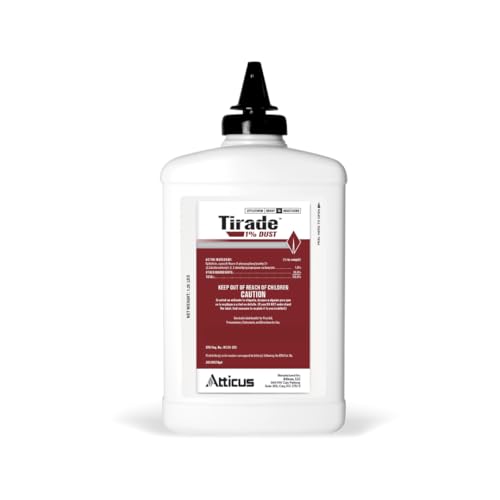
1. Atticus Tirade 1% Dust Insecticide (1.25lb)
Our pick — over 4.5★ from 550+ verified ratings; the strongest balance of quality and price.
A dust that reaches the hidden spaces foam simply cannot touch.
This 20-ounce bottle of cyfluthrin powder is designed for the hardest-to-reach spots — think wall voids, attic rafters, and garage eaves where wasps love to build. The dust is ready to use right out of the bottle, so there is no mixing or measuring. You puff it into cracks and crevices, and the powder clings to insects as they move through the treated area. Buyers report it eliminated yellow jackets and hornets immediately when applied with a dust sprayer, even in tricky spots like a garage awning treated through a small hole.
The crowd favorite — 4.7 stars across 500+ owners — and the thing everyone raves about is effectiveness, with well over 200 buyers singling it out. A single application in April on porch and patio kept spiders and wasps away through July, according to several owner accounts. It kills more than 50 types of household insects including ants, roaches, and bed bugs, and it is low-odor and non-staining, so you are not left with a chemical smell in your living space.
The main trade-off is that you need a dust sprayer or puffer for best results — shaking the bottle alone does not get the powder deep enough into nests. And it is not sold in Alaska, California, Hawaii, Puerto Rico, or Vermont, so check availability before ordering. But for persistent indoor nests in hidden areas, this dust is the most thorough solution on the list.
The Knockout Punch
- Kills 50+ insect types including wasps, hornets, and yellow jackets
- Lasting residual keeps pests gone for months after one treatment
- Low-odor and non-staining — safe for kitchens and living areas
The Fine Print
- Requires a separate dust sprayer for best penetration into nests
- Not available in several states including CA and NY
Reach for this if: you have a wasp nest tucked inside a wall void, attic, or garage soffit that foam cannot reach.
Look elsewhere if: you want a grab-and-go spray for a visible nest at arm’s reach — this needs a duster and some setup.
2. ZEP FWH-16 Yellow Jacket Wasp Control Foam Spray, 16-Ounce
A jet blast of foam that filled a yellow jacket nest in about two seconds.
This 16-ounce foam spray delivers a stream that reaches up to 20 feet, which is a serious safety advantage when you are dealing with an angry nest under the deck steps or in a high eave. The foam expands as it lands, blanketing the nest and coating the insects. Owners mention it killed a yellow jacket nest under deck steps in one shot — sprayed at evening, the foam filled the nest in about two seconds, and the next day the nest had collapsed with dozens dead. That is the kind of fast, definitive result you want when you cannot afford a second round.
It kills on contact thanks to two active ingredients — tetramethrin and sumithrin (synthetic chemicals that attack the nervous system of insects). One owner called it “the best on the market,” and another said the wasp “will never survive with this spray.” The foam mound it creates is easy to see, so you know exactly where you have treated. However, the effectiveness gets mixed feedback — it works brilliantly on wasps and yellow jackets, but some owners found it only slows bees down rather than killing them outright, meaning you might need to finish the job manually for bee nests.
At a 4.3-star average with nearly 100 ratings, it is a solid mid-range option. The 16-ounce can is compact enough to keep in a garage or shed, though you will likely use most of a can on a single large nest. For an exposed nest you can see and reach with the stream, this foam is the fastest knockout option here.
Instant blanket coverage: The foam expands on contact, so you do not need to aim perfectly — it fills the nest cavity fast.
One honest caveat: Effectiveness is mixed on bees; it works best on wasps and yellow jackets specifically.
Best for: visible nests under decks, steps, or eaves where you can stand back and let the foam do the work.
Think twice if: the nest is deep inside a wall or you are dealing with ground-nesting bees rather than wasps.
3. Bonide 363 Spider And Ground Bee Killer – 10 oz.

A puffer-top powder that eliminated ground bees after two summers of trying.
This 10-ounce container uses a simple squeeze-puff mechanism — no spray, no battery, no mixing. You open the cap, aim at the hole or crack, and rapidly squeeze the sides. The powder puffs into the nest entrance and coats the insects as they come and go. One reviewer noted it eliminated ground bees after two summers of frustration, using it alongside Sevin powder. Another owner calculated it treats 50 or more ground bee nests compared to about 25 for a foam can, making it a more economical choice for large properties.
The Bonide killer is designed for both indoor and outdoor use, including dark corners of rooms, along baseboards, behind sinks and refrigerators, and around plumbing. It works on ants, spiders, roaches, crickets, mites, silverfish, wasps, bees, and hornets. The thing everyone raves about is effectiveness — 175 buyers single it out, and another 82 specifically praise its bee-killing power. Owners say it kills ground bees and hornets within 24 hours, and the puffer top makes it easy to apply without getting close to the nest.
Cost-effectiveness gets mixed feedback — some owners find the 10-ounce container runs out fast if you have many nests to treat. And the puffer top requires a bit of technique; you need to be right at the nest entrance for best results. But for the price and the sheer number of nests it can cover, this is the budget-friendly champion for ground-dwelling stinging insects.
Why It Wins
- Puffer applicator keeps you at a safe distance from the nest opening
- Treats 50+ ground bee nests per container — more economical than foam
- Kills within 24 hours, according to multiple owner experiences
The One Limitation
- Not ideal for improve nests in eaves or soffits — you need to puff at ground level
Reach for this if: you have ground-nesting yellow jackets or bees in your yard and want a cheap, effective dust that goes a long way.
Look elsewhere if: the nest is high up on a wall or under a roof overhang — this puffer works best on ground-level holes.
4. BASF PT Wasp-Freeze Insecticide, 14 oz, 2 Pack

A fast-acting spray that drops wasps in five to ten seconds, even in mid-air.
This 2-pack of 14-ounce cans from BASF is built for instant knockdown. The active ingredient is prallethrin at 0.1%, and the spray reaches up to 15 feet so you stay well away from the nest. Owners describe watching wasps die in mid-air within seconds of contact. One person who had paper wasps in palm trees sprayed directly and reported the trees were unharmed. Another owner called it a “miracle spray” for anyone with a wasp allergy or fear, noting that a professional pest control company uses this exact product.
The foam has a flame projection greater than 18 feet with no flashbacks, which matters if you are working near gas appliances or pilot lights. It also prevents the release of stinging pheromones, so you do not attract more wasps while you are treating the nest. Residual activity ensures the entire nest is eliminated, not just the wasps you hit directly. The BASF brand is well-known in professional pest control, and the 4.7-star average across 120+ ratings backs up the performance claims.
The catch is the price per can. Owners note that one can handles one large nest or two smaller ones, so the 2-pack is really for one or two jobs. It is cheaper than hiring an exterminator, but it is the most expensive per-use option on this list. If you have a single nest in a tricky spot that you need gone immediately, this is the most reliable instant-kill spray available.
Professional-grade speed: Wasps die on contact within seconds, and the foam prevents alarm pheromones from spreading.
One honest trade-off: The cans run out fast — one 14-ounce can covers roughly one large or two small nests.
Best for: urgent, single-nest removals where you need the wasps dead before they can react.
Think twice if: you have multiple nests to treat across a large property — the per-can cost adds up quickly.
5. Wondercide Indoor Pest Control Spray, Rosemary 32 oz

A plant-powered spray safe enough to use around dogs and cats every week.
Wondercide takes a completely different approach from the chemical-heavy sprays above. Its active ingredients are natural essential oils — 4.2% cedar oil, 2.2% sodium lauryl sulfate, 1.5% rosemary oil, and 0.1% sesame oil — with the rest being inert ingredients like water, glycerin, and vitamin E. This makes it safe around dogs and cats when used as directed, and it can be sprayed several times a week without worrying about chemical buildup in your home. It kills flying, crawling, biting, and stinging pests including wasps, ants, roaches, spiders, flies, fleas, ticks, and mosquitoes.
The 32-ounce bottle is a ready-to-use spray that you apply around windows, doors, baseboards, under sinks, and in cabinets. Customers note it kills ants and small bugs on contact, and one buyer mentioned that a single application eliminated roaches in the bathtub for a full week. The cedar and rosemary scent gets mixed reactions — some find it pleasant and natural, while others say it is too strong. And because it is a contact spray rather than a residual dust, it works best for visible pests you can spray directly rather than nests hidden in walls.
This is the least aggressive option on the list, so do not expect the instant knockdown of a prallethrin-based foam. For serious indoor wasp problems, you will want one of the chemical products above. But for daily prevention in a home with pets and kids, or for dealing with the occasional stray wasp that finds its way inside, this is the safest and most versatile choice.
The Big Advantage
- Safe around dogs and cats when used as directed — no harsh fumes indoors
- Plant-powered formula kills and repels a wide range of pests including wasps
- Large 32-ounce bottle covers multiple rooms and lasts through repeat applications
The Trade-Off
- Not a fast knockdown like chemical sprays — better for prevention than active nest elimination
- The cedar and rosemary scent is strong; some owners find it overpowering indoors
Reach for this if: you want a pet-safe, plant-based spray for everyday pest prevention and the occasional indoor wasp.
Look elsewhere if: you have an active wasp nest that needs immediate elimination — this will not knock them down in seconds.
Understanding the Specs
Active Ingredient
This is the chemical or oil that actually kills the insect. Synthetic pyrethroids like cyfluthrin and prallethrin provide fast knockdown and long residual activity. Natural oils like cedar and rosemary oil kill on contact but evaporate faster, so they work best for immediate, visible pests. Always check that the active ingredient is labeled for indoor use.
Formulation Type (Dust / Foam / Spray)
The form dictates where the product works best. Dusts (like the Atticus Tirade) penetrate deep into wall voids and cracks because the powder clings to insects as they move. Foams (like the ZEP) expand on contact and fill nest cavities, making them great for visible exposed nests. Liquid sprays are ideal for direct contact with wasps you can see. Choose the form based on where the nest is located.
FAQ
Can I use an outdoor wasp killer indoors?
How long does it take for a dust like Atticus Tirade to kill wasps?
Will foam spray damage my deck or siding?
Is Wondercide safe to spray around pet food bowls?
What is the difference between cyfluthrin and prallethrin?
Can I use Bonide Spider & Ground Bee Killer in my garage or basement?
How do I apply a dust without making a mess?
Will these products kill honey bees?
How far can the BASF Wasp-Freeze spray reach?
Can I use these products in my kitchen?
Final Thoughts: The Verdict
For most buyers, the best indoor wasp killer is the Atticus Tirade 1% Dust because it reaches the hidden nests that foam and spray cannot touch, with a residual effect that keeps pests away for months. If you need immediate knockdown on a visible nest, grab the BASF PT Wasp-Freeze for professional-grade speed. And for pet owners who want daily prevention without harsh chemicals, the Wondercide Rosemary Spray is the one to reach for.
How We Picked
We do not accept paid placement. Every pick is matched to a real buyer and a real use-case; we do not hands-on test units.
Sources & Methodology
Specifications: manufacturer listings and product documentation. Review insights: verified customer reviews, as of July 2026. Pricing: not shown on this page (it changes often); check the current price via the retailer link.
As an Amazon Associate, Lawn Gear Lab earns from qualifying purchases. This does not affect which products we feature.