
Specs are compiled from manufacturer listings and verified buyer reviews and can change over time — please confirm the key details on the product page before buying.
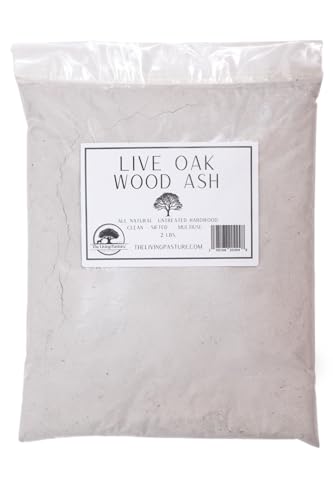
Buying hardwood ash fertilizer bagged off a shelf means you skip the guesswork of scooping it from your fireplace. You get a product that is sifted, clean, and ready to raise your soil’s pH or boost its potassium. This guide picks the six best options — each chosen for a specific job. For most gardeners, the Live Oak Wood Ash (2 lb) is the one to buy first because it pairs a fine texture with enough quantity (2 pounds) to handle a vegetable bed and fruit trees without running out fast. If your main use is a chicken dust bath, the Tennessee Sifted Wood Ash (2 lb) is the backyard favorite for its balanced grit. And if you plan to brew “ash tea” (a liquid fertilizer made by steeping ash in water) for quick feeding, the double-sifted 1 Pound Pure Hardwood Ash (16 oz) dissolves faster than any other pick here.
I’m Rikta — the founder and writer behind Lawn Gear Lab. This guide is built by comparing the manufacturers’ published specifications and the patterns across verified customer reviews, so you get each pick’s real strengths and trade-offs instead of marketing spin.
Whether you are sweetening a tomato patch, mixing a dust bath for your flock, or making your own ash tea for a quick nutrient boost, finding the right hardwood ash fertilizer depends on texture, purity, and how much ground you need to cover — the six picks below cover every use-case.
Our Picks at a Glance

How To Choose The Best Hardwood Ash Fertilizer
Not all wood ash is equal — even if it all looks like grey powder. The way it is sourced, sifted, and packaged directly changes how it behaves in your garden.
Texture: Sifted vs. “With Texture”
A finely sifted ash mixes into soil instantly and dissolves faster in water, which makes it ideal for making “ash tea” or top-dressing delicate seedlings. A rougher product with bits of charcoal and bark — often labeled “with texture” — still delivers the same minerals but is better suited to heavy clay soil, composting piles, or chicken dust baths where the extra grit helps.
Source: Kiln-Dried Hardwood vs. Random Scrap
The best ash comes from clean, kiln-dried hardwood that was never painted, glued, or chemically treated. Any product made from “commercially processed woods” or random scrap can contain toxins that you do not want near your vegetables or your chickens.
Bag Size and Cost Per Use
Small 6-ounce to 12-ounce bags are perfect for testing a few plants or a single dust bath, but if you are amending a 4×8 raised bed or filling a flock’s favorite wallow, you will want a 2-pound tub or a gallon-sized bag. The upfront price is higher, but the cost per handful drops significantly.
Quick Comparison
| Model | Best For | Bag Weight | Texture | Source / Origin | Amazon |
|---|---|---|---|---|---|
| Live Oak Wood Ash (2 lb)★ Best Overall | All-purpose garden & pH balancing | 2 Pounds | Sifted (fine) | Live Oak — Texas | Amazon |
| Tennessee Sifted Wood Ash (2 lb)Backyard Favorite | Chicken dust baths & vegetable garden | 2 Pounds | Sifted (some texture) | Hardwood — Tennessee | Amazon |
| 1 Pound Pure Hardwood Ash (16 oz) | Small gardens & ash tea | 16 Ounces | Double-sifted (ultra-fine) | Kiln-dried Hardwood — USA | Amazon |
| Hardwood Ash 1 Gallon | Homestead bulk & chickens | 1 Gallon (128 fl oz) | Double-sifted (fine) | Untreated Hardwood — USA | Amazon |
| Garden Ash Starter (12 oz) | Potatoes, onions & pH tweaks | 12 Ounces | Roughly-screened (texture) | Hardwood — Tennessee hills | Amazon |
| Pure Hardwood Ash (6 oz) | Trial size & dust baths | 6 Ounces | Double-sifted (ultra-fine) | Kiln-dried Hardwood — USA | Amazon |
In-Depth Reviews
1. Live Oak Wood Ash, 2 lbs
Our pick — over 4.5★ from 150+ verified ratings; the strongest balance of quality and price.
The top pick because its fine texture blends instantly into soil, so you can treat a 4×8 raised bed or several fruit trees from a single 2-pound bag.
This bag is the crowd favorite for a reason — owners call it “very fine and clean,” and that texture matters when you are mixing it into topsoil or dusting around apple trees. It comes from sustainably sourced live oak in Texas, and the maker explicitly states no chemically treated wood, glues, or painted wood ever touches it. That purity is the baseline you want for edible gardens.
The 2-pound weight is the balance for most home gardens. You get enough ash to raise the pH on a standard 4×8 raised bed or to treat several fruit trees without being stuck with a massive bag you cannot use. Buyers report their apple trees responded well, and several owners mix it into a DIY fertilizer with banana peels and coffee grounds — one noted the combo made plants “grow larger and healthier looking.”
The only real friction is value perception. A handful of owners find it expensive compared to the homemade stuff, which is fair — you are paying for sifted, packaged convenience. The plant growth is what wins people over (it is the top praised aspect), and the quality follows right behind.
What wins here
- All-natural live oak source — no treated or painted wood risk
- Fine, clean texture mixes easily into soil and brews well into ash tea
- Proven results on apple trees, tomatoes, roses, and more
What to know
- A few owners feel the price is high for the bag size
- Natural texture variation between batches is normal (fine powder vs. slightly coarse)
Reach for this if: you want a reliable, sifted hardwood ash that is ready for fruit trees, vegetable gardens, and compost piles out of the bag.
Look elsewhere if: you only need a tiny trial amount or you want a rough-textured ash for chicken dust baths — a screened blend might suit better.
2. Tennessee Sifted Wood Ash, 2 lb
This ash wins over chicken keepers: 14 owners mention their birds love it for dust baths because the sifted texture holds up well in a deep tub.
This tub earned its following primarily through the backyard flock crowd — a full 14 buyers single out dust bath use, calling it a hit with their chickens. The ash comes from organically grown assorted hardwood timber in Tennessee with no chemicals, glues, or painted wood. It is sifted with some texture, meaning you get a fine enough powder for soil work but enough grit to keep chickens happily scratching.
On the garden side, owners use it as a “good homemade fertilizer” and report strong results on roses — one owner added it to the soil for a new Mothers Day rose and said it became “the healthiest of all my others.” The 2-pound impact-resistant tub makes storage and pouring far less messy than a bag, and the reusable container is a nice bonus.
The recurring note is the cost. Several owners love it but call it “pretty expensive” for ash, which makes sense when you are paying for sifting, packaging, and shipping. The maker is transparent: they note that if you want it cheaper, “you do it yourself.”
Why owners love it
- Chickens adore it for dust baths — the texture holds up well in a deep tub
- Proven on roses, vegetables, and general fertilizer blends
- Comes in a sturdy, easy-pour container that stores cleanly
Honest trade-off
- Value for money draws mixed feedback — it is pricier than DIY ash
- The texture has some bits; if you need ultra-fine powder for ash tea, you may want to sift further
Grab this for: chicken dust baths and garden beds where you want a reliable, sifted hardwood ash in a container you can reseal.
skip it if: you need the absolute finest powder for mixing into liquid fertilizers — a double-sifted option will dissolve more completely.
3. 1 Pound Pure Hardwood Ash (16 oz)

The fastest-dissolving pick here because it is double-sifted twice through a fine mesh — ideal for making an ash tea (a liquid fertilizer of ash and water) with almost no leftover grit.
This bag is the go-to if your primary plan is making “wood ash tea” — a brew of ash and water that delivers quick potassium and calcium to your plants. The double-sifted processing means an ultra-fine texture that dissolves quickly with little grit. One owner puts it simply: “Excellent product. Make wood ash tea for faster growing plants.” Others combine it with coffee grounds in raised beds and report their plants “love it.”
It comes from kiln-dried hardwoods with no fillers, chemicals, or additives, and the resealable bag is a practical touch for keeping moisture out between uses. At 16 ounces, it lands between a trial size and a full 2-pounder — ideal for a small garden or several large container plants that need a pH bump.
A couple of owners found small charcoal bits despite the “finely sifted” label, and one could not use it because their soil pH was already high (a good reminder to test your soil first). The product also had a few return issues flagged, which is note if you are picky about customer service.
Perfect for small-batch brewing: the ultra-fine, double-sifted texture makes this the easiest product in the lineup for dissolving into water for a quick plant feeding.
One honest caveat: the bag is 16 ounces, so it will not go as far as a 2-pound tub if you are covering a large garden bed or a chicken run.
Ideal for: gardeners who brew ash tea or need a fine, fast-mixing powder for a few raised beds or potted plants.
Not the best pick if: you need bulk for a large vegetable patch or a flock of chickens — the 2-pound or gallon options offer better value per ounce.
4. Hardwood Ash 1 Gallon
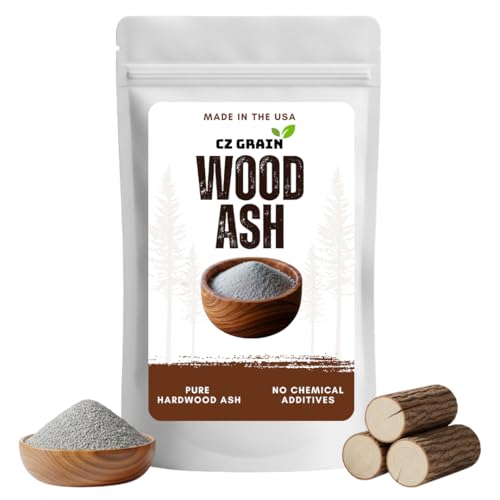
The cheapest cost per ounce in this lineup: a 1-gallon bag (128 fluid ounces) that will refresh a large dust bath tub several times or cover a sizable vegetable garden.
At a full 1 gallon (128 fluid ounces), this bag is the clear choice if you are amending a sizable garden or maintaining a regular dust bath routine for chickens. It is double-sifted for a fine, even texture and comes from untreated hardwood with no additives or fillers — the same quality sourcing as the smaller CZ Grain bags, just in bulk.
Owners who bought it for garden fertilizer simply say “I love this stuff,” and the fine powder makes it easy to mix into soil or sprinkle as a top dressing. For chicken keepers, a gallon bag will refresh a large dust bath tub several times, saving you the hassle of reordering every few weeks. The resealable bag keeps the ash dry between uses, which is critical — wet ash loses its pH-raising power.
The honest trade-off is that it is the most expensive item here upfront, and a few buyers flagged that the fine texture means it can be dusty when pouring. Work it in a ventilated area and you will be fine.
Maximum coverage for your money: if you have a 4×8 bed or a flock of birds, this is the most economical way to buy double-sifted ash without getting tiny trial bags.
The catch: the bag is large and fine — expect a little dust cloud when you open and scoop. Store it somewhere dry and use a cup measure rather than pouring directly.
Reach for this if: you are a homesteader or serious gardener who goes through ash quickly and wants the lowest cost per application.
Look elsewhere if: you only need a light dusting for a few houseplants or a single chicken dust bath trial — start with a smaller bag.
5. 12oz Garden Ash Starter Size
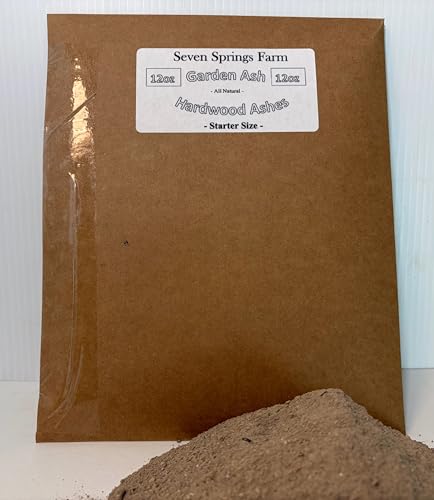
Deliberately coarse: it keeps charcoal bits and bark minerals that improve aeration in heavy clay soil — unlike the finer picks above, it will not dissolve smoothly in water.
This bag comes from a family farm in the Tennessee hills and is “roughly screened” — meaning you get bits of charcoal, bark minerals, and natural texture, not a uniform powder. That texture is deliberate: it works great mixed into heavy clay soil or compost piles where the extra grit helps aeration. Buyers use it successfully on potatoes and onions, and one owner noted their tomatoes responded well.
The 12-ounce starter size is perfect if you are new to using ash and want to test on a few plants before committing to a bigger bag. The brand also sells a finely sifted version if you decide the texture is too much for your needs. It is made from only hardwoods with no commercially processed wood, and the farm is transparent about their process.
Because it is not ultra-fine, do not expect this to dissolve completely in water for an ash tea — it is better suited to direct soil application or top-dressing. A few owners wanted a finer grind, but that is the design choice here, not a defect.
Best for soil-blending and composting: the charcoal bits and bark minerals add physical structure to the soil while the ash delivers the potassium and calcium.
Good to know: at 12 ounces, this is a starter or trial size — expect to reorder sooner if you are covering a full raised bed.
Grab this if: you are planting potatoes or onions, or you want a rough-textured ash for blending into compost and clay soil.
pass on it if: you need a fine, smooth ash for making ash tea or a dust bath — the charcoal bits will not dissolve well.
6. Pure Hardwood Ash (6 oz)
The smallest bag in the lineup at 6 ounces — a low-cost way to test ash on a few container plants or a single dust bath before buying the 1-pound or 2-pound bags.
At just 6 ounces, this is the trial-size entry in the double-sifted lineup from CZ Grain. The ultra-fine texture means it blends smoothly into potting soil or a small chicken dust bath, and the resealable bag keeps the ash dry for the next use. For a first-time ash user, this is a low-commitment way to see how your soil responds before buying bulk.
It is made from kiln-dried hardwoods with no fillers, and the fine powder is consistent — owners say it “works great on plants” and report a healthy, thriving garden. The 6-ounce size is also convenient if you just need to top-dress a few containers or make a small batch of ash tea.
The biggest complaint is simply the size-to-price ratio: several owners felt the bag was too small for the cost, and a couple called it “overpriced.” That is the reality of a premium, double-sifted product in a small package. If you already know you love ash, skip straight to the 1-pound or 2-pound bags for better value.
Perfect for testing the waters: this tiny bag lets you try hardwood ash on your garden or flock without a big upfront cost or commitment.
The honest limit: the 6-ounce size goes fast — one dust bath refill or a couple of raised-bed sprinkles, and it is gone.
Ideal for: new users who want to experiment with ash on a few plants or try a chicken dust bath before buying a larger supply.
Not the right call if: you already know you need ash for regular soil amendments — the 1-pound, 2-pound, or gallon options stretch your dollar much further.
Understanding the Specs
Double-Sifted vs. Roughly Screened
A double-sifted ash is passed through a fine mesh twice, giving you a uniform, flour-like powder that dissolves quickly in water and blends invisibly into topsoil. This is the texture you want for ash tea or top-dressing delicate seedlings. Roughly screened ash still contains charcoal bits and bark minerals, which can benefit clay soil aeration and composting but will not dissolve smoothly in water.
pH-Alkaline Strength
Wood ash is naturally alkaline, meaning it raises soil pH. If your soil is already neutral or alkaline (above 7.0), adding ash can lock up nutrient availability and harm acid-loving plants like blueberries, azaleas, and potatoes. Always test your soil pH before applying — the target range for most vegetables is 6.0 to 7.0, and ash should be used sparingly to nudge it upward.
FAQ
Can I use hardwood ash on acid-loving plants like blueberries or azaleas?
How much ash should I add to my vegetable garden?
What is ash tea and how do I make it?
Is store-bought ash better than ash from my fireplace?
Can I use hardwood ash for my chickens?
How do I store wood ash to keep it effective?
What is the difference between 6 ounces and 1 gallon of ash?
Will wood ash burn my plants if I use too much?
Final Thoughts: The Verdict
Across the board, the best hardwood ash fertilizer to start with is the Live Oak Wood Ash (2 lb) — it has the most versatile balance of fine texture, clean sourcing, and a bag size that covers both a vegetable garden and a few fruit trees. If you feed a flock of chickens, the Tennessee Sifted Wood Ash (2 lb) is the backyard favorite because the texture keeps birds happy and the sturdy tub stores neatly. And if your entire plan revolves around brewing ash tea for rapid feeding, the 1 Pound Pure Hardwood Ash — with its double-sifted, ultra-fine grind — dissolves faster than any other pick on this list.
How We Picked
We do not accept paid placement. Every pick is matched to a real buyer and a real use-case; we do not hands-on test units.
Sources & Methodology
Specifications: manufacturer listings and product documentation. Review insights: verified customer reviews, as of July 2026. Pricing: not shown on this page (it changes often); check the current price via the retailer link.
As an Amazon Associate, Lawn Gear Lab earns from qualifying purchases. This does not affect which products we feature.