
Specs are compiled from manufacturer listings and verified buyer reviews and can change over time — please confirm the key details on the product page before buying.
If your hydrangeas are putting out more leaves than flowers, or those promised blue blooms are turning anemic pink, the soil is almost certainly the culprit. Hydrangeas are picky eaters — they need a specific low-pH diet to produce those big, vivid flower heads, and grabbing the wrong bag of plant food is the fastest way to disappointment. The right granular fertilizer delivers the acidity and nutrients directly to the root zone, feeding the plant slowly and consistently so you get the color show you paid for.
I’m Rikta — the founder and writer behind Lawn Gear Lab. This guide is built by comparing the manufacturers’ published specifications and the patterns across verified customer reviews, so you get each pick’s real strengths and trade-offs instead of marketing spin.
Whether you are tending a single potted macrophylla (the big-leaf hydrangea) on the patio or a full hedge of paniculatas (the cone-shaped bloom variety), understanding the nutrient profile and acidifying power of each formula is the key. This breakdown of the best granular fertilizer for hydrangeas will help you pick the one that actually turns the soil — and the blooms — to your liking.
Our Picks at a Glance
How To Choose The Best Granular Fertilizer For Hydrangeas
Not all plant foods are created equal for this specific shrub. Hydrangeas are unique in that the soil pH (a measure of how acidic or alkaline the soil is) directly determines bloom color (blue in acidic soil, pink in alkaline), and the nutrient ratio drives the quantity and size of those flower heads. Here are the three most important factors to get right.
The N-P-K Ratio and Acidifying Power
Look for a formulation where the first number (nitrogen, which pushes leaf growth) is moderate — around 4 to 9 — because too much nitrogen pushes leafy growth at the expense of flowers. The middle number (phosphorus, the bud and bloom builder) should be the highest or equal to support bud development and bloom size. A ratio like 4-3-4 or 9-13-11 works well. Also check for ingredients like sulfur or iron, which help lower soil pH and keep the environment favorable for blue blooms.
Organic vs. Synthetic Granules
Organic granular fertilizers, such as those based on cottonseed meal, bone meal, or langbeinite (a natural mineral that provides potassium and magnesium), break down slowly through soil microbial activity. This means a lower risk of burning the roots and a steady supply of nutrients over several months. Synthetic options act faster but can leach out of the soil more quickly. For hydrangeas, a slow-release organic is often the safer, more consistent choice.
Application Frequency and Coverage
Most granular acid-lover foods are designed for two feedings per year — once in early spring and again in the fall. The bag size matters: a 4 lb bag can cover a handful of plants for a season, while a 36 or 50 lb bag is for serious gardeners with multiple shrubs and acid-loving collections. Always follow the specific rate on the bag for the diameter and type of plant.
Quick Comparison
| Model | Best For | N-P-K Ratio | Bag Size | Item Weight | Amazon |
|---|---|---|---|---|---|
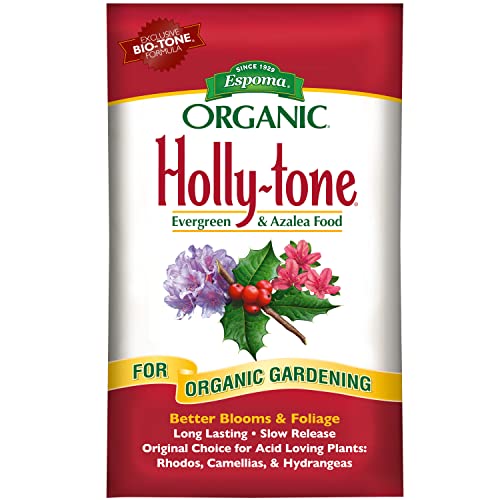
| Espoma Holly-Tone 36 lb★ Best Overall | Best Overall | 4-3-4 | 36 lb | 36 pounds | Amazon |
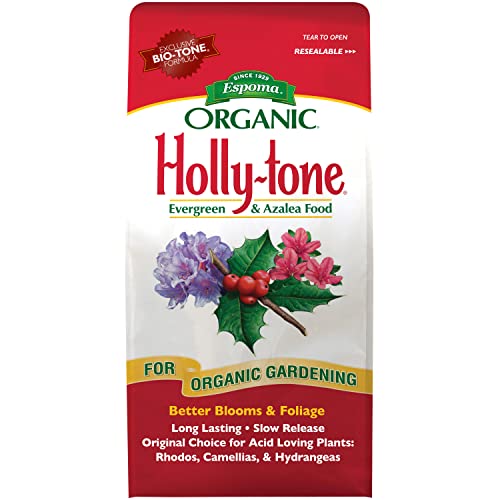
| Espoma Holly-Tone 4 lbSmart Starter | Smaller Gardens | 4-3-4 | 4 lb | 4.1 pounds | Amazon |
| FoxFarm Happy Frog 4 lb | Soil Microbes | — | 4 lb | 4 pounds | Amazon |
| Nelson NutriStar 2 lb | High Phosphorus | 9-13-11 | 2 lb | 2 pounds | Amazon |
| Down To Earth Acid Mix 25 lb | Fruit & Bloom | 4-3-6 | 25 lb | — | Amazon |
In‑Depth Reviews
1. Espoma Organic Holly-Tone 4-3-4 (36 lb. Bag)
Our pick — over 4.5★ from 950+ verified ratings; the strongest balance of quality and price.
The 4-3-4 formula that has been a gardener’s go-to since 1929 for reliable, big blooms.
To get deep blue hydrangea heads, you need a low-nitrogen, acidic food, and this 36-pound bag of Espoma Organic Holly-Tone delivers just that. It carries a 4-3-4 N-P-K ratio (the N-P-K stands for Nitrogen, Phosphorus, and Potassium — the three main plant nutrients), which means a moderate amount of leaf-growing nitrogen and a decent dose of bloom-boosting phosphorus. It also includes 5% sulfur, an ingredient that lowers soil pH (makes it more acidic), which is what hydrangeas need to produce blue flowers instead of pink ones. The manufacturer first sold this formula in 1929 and still makes it in the USA.
What wins people over is the sheer consistency of the results. Reviewers report “miracle level” bloom production — one owner summed it up: “You will never have so many blooms on your azaleas, hydrangeas, or any of your blooming plants.” The slow-release organic granules break down gradually, feeding the root zone without the risk of burning, and the bag covers both your spring and fall applications. The 36-pound size is heavy (36 pounds, as the name implies), so you do not have to reorder for a year or more. That makes it more economical per feeding than the 4 lb version of the same formula.
The only honest trade-off is the strong, earthy odor of the organic ingredients — the review pages mention it frequently. It is a natural smell (fertilizer is supposed to smell like something), but you will notice it during application. If you have a small patio with a couple of pots, this bag is overkill in both size and weight; the 4-pound version of the same formula is the smarter grab.
Seasoned performer: This is the one experienced gardeners reach for when they want proven, organic-fed bloom sizes without pricey boutique packaging.
Reach for this if: You have multiple hydrangeas or a mixed bed of acid-lovers and want the most economical, time-tested granular feed on the market.
Look elsewhere if: You only have one or two container plants — the 4 lb bag is a better match for your scale.
2. Espoma Organic Holly-Tone 4-3-4 (4 lb. Bag)
The same 4-3-4 blend as the 36-pound bag, but at 4.1 pounds it fits a modest garden without the bulk.
This is the exact same Holly-Tone 4-3-4 blend — same Bio-tone microbes (a proprietary mix of beneficial bacteria and fungi that help roots take up nutrients), same 5% sulfur acidifier, same organic certification — but packaged in a 4.1-pound bag that is manageable for anyone not running a nursery. The smaller size means a lot more gardeners can grab it without committing to a 36-pound sack, and it is the logical starting point for anyone who wants to test the results before investing in bulk. The unit count is 64 ounces, which translates to multiple full-season applications for a handful of shrubs.
Owners see a “marked increase in growth” within a week of application, according to reviews. One owner reported that their neighbors’ azaleas started fading while theirs “are still vibrant and gorgeous” after using this. The slow-release mechanism lasts the whole season, so a single spring application covers you until the fall feeding. Compared to the 36 lb bag, you pay more per pound for this convenience — but you also avoid storing a giant sack of fertilizer in your garage for years.
There is one mixed note on the reviews: value perceptions vary. Some wish the 4-pound bag were cheaper per ounce. If you need a faster-acting synthetic feed, or if your soil is already extremely acidic, this organic maintenance formula is better at keeping pH low than making a drastic change.
Perfect entry point: If you have a few hydrangeas and want an organic feed that visibly shifts growth and color, this is the easiest buy in the category.
Ideal for: Gardeners with 1-3 hydrangeas who want the original, proven formula without the bulk and cost of a 36 lb bag.
Consider another if: You need a faster-acting synthetic feed or your soil is already extremely acidic — this is better for maintaining pH than for a drastic change.
3. FoxFarm Happy Frog Acid Loving Plants Fertilizer (4 lb.)

This 4-pound powder feeds the soil microbes first, so your hydrangea roots absorb nutrients more efficiently.
FoxFarm takes a different route to the same destination. Instead of just delivering nutrients, Happy Frog Acid Loving Fertilizer packs in beneficial soil microbes (tiny living organisms that break down organic matter and make nutrients available to roots). The powder-form formula is designed to be gentle and consistent (the product description emphasizes that it “won’t overwhelm your plants”), making it a strong choice for potted hydrangeas or for plants that have been stressed by frost or poor soil. The mixing ratio is 1/16 cup per gallon, a very light concentration that reduces the chance of burning delicate roots.
The results show up fast where you notice them most: on the flowers. Buyers report a gardenia producing 2 buds within 10 days of application, and strawberry plants following with abundant fruit. The 4-pound bag covers a medium-sized collection of acid-lovers like hydrangeas, camellias, and evergreens. It is OMRI Listed (Organic Materials Review Institute, a certification that verifies a product is allowed in organic production) for organic use, so there is no synthetic content to worry about around pets or vegetable beds. Compared to the Espoma picks, this one is slightly pricier per pound but adds the microbial component that can make a real difference in depleted soils.
The only real catch is the price per pound, which is higher than the multi-pound Espoma bags. And while it works beautifully on container plants, some owners with very large in-ground beds find themselves reordering more frequently than they would with a 36-pound bag.
Living soil focus: A good pick if your hydrangeas are in pots with potting mix that lacks natural biology, or if you are rebuilding soil after a harsh season.
Best for: Container gardeners and anyone who wants a gentle, microbe-enriched feed that supports root health alongside top growth.
Not ideal for: Large landscaping projects where budget-per-square-foot matters — the large Espoma bags win on economy.
4. Nelson NutriStar Acid Loving Plant Food 9-13-11 (2 lb.)

With a 9-13-11 N-P-K ratio, this 2-pound formula delivers the highest phosphorus of any pick here to push flower size.
Here is the outlier on the list in terms of nutrient profile. Most acid-lover foods hover around a balanced 4-3-4, but Nelson NutriStar kicks the phosphorus up to 13 (the middle number in the 9-13-11 N-P-K label). That extra phosphorus is the single biggest driver of heavy flowering and strong bud development, which is exactly what you want if your hydrangeas are healthy but putting out disappointingly small blooms. The formula also includes 3.2% iron and cottonseed meal for steady feeding, plus four different acidifying sources to keep soil pH low. Compared to the gentler Espoma 4-3-4, this is the bloom-boosting specialist.
The reviews highlight “plant growth” and “effectiveness” as the two most-mentioned positives. One owner, whose plants survived a cold snap, reported that within a week the fertilizer “brought my plants back to life” with all of them blooming. It is designed for in-ground and container plants alike, and the application schedule is simple: apply at the beginning of spring and then every other month during the growing season. The 2-pound size is compact enough to store on a shelf, yet the concentrated mix covers a surprising number of shrubs.
The trade-off? The higher phosphorus concentration means you need to be careful not to over-apply, and this is not an organic product — it relies on mined and processed mineral sources. If you strictly want an OMRI-listed organic feed, this is not the bag for you. But if your goal is huge blooms and you are fine with a synthetic mineral blend, this is the most bloom-targeted pick on the list.
Flower-first formula: This one is for the gardener who has good plant health but wants a dramatic improvement in the quantity and size of flower heads.
Choose this if: Size of bloom is your #1 priority and you are comfortable with a non-organic, mineral-based fertilizer.
skip it if: You require organic certification or want a balanced all-purpose feed — this is specialized for flower production.
5. Down To Earth All Natural Organic Acid Mix 4-3-6 (25 lb.)
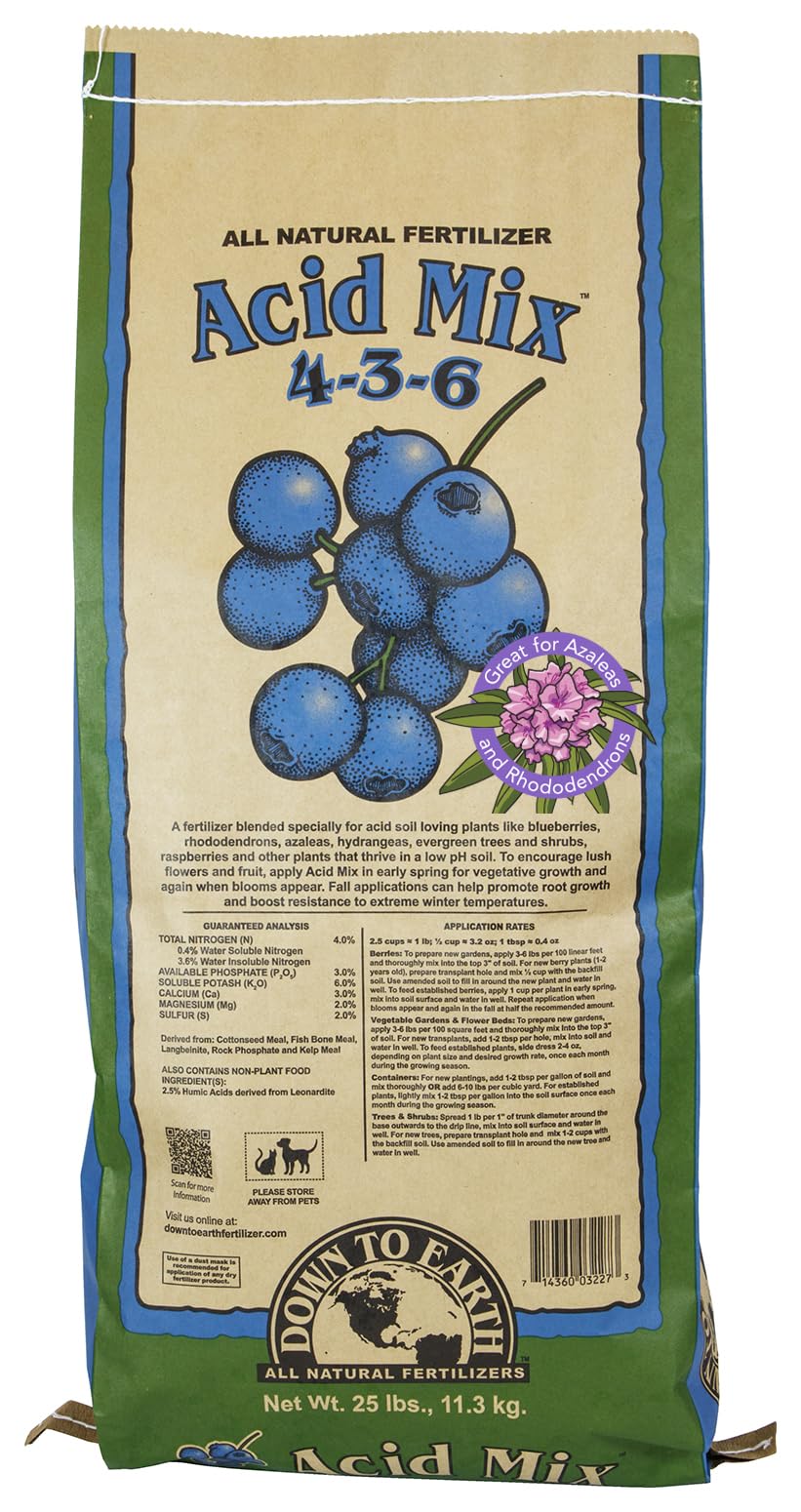
A 4-3-6 N-P-K blend where potassium is the highest number — this 25-pound bag supports bloom longevity and fruit development.
Down To Earth Acid Mix takes a slightly different path with a 4-3-6 N-P-K ratio — the last number (potassium, which helps with overall plant vigor and disease resistance) being the highest. That makes this a particularly strong pick if your hydrangeas share soil with blueberries, raspberries, or strawberries. The ingredient list reads like a soil-builder’s dream: cottonseed meal, langbeinite (a natural mineral that provides potassium and magnesium), fish bone meal, rock phosphate (a mined source of phosphorus), humates (decayed organic matter that improves nutrient uptake), and kelp meal. Each granule delivers a slow-release meal that feeds soil biology as much as the plant itself.
The effectiveness (the most-praised aspect by a wide margin at 50 times cited, according to review tallies) is hard to argue with. Owners of blueberry bushes report that their plants “grow much better and produce berries,” and one long-time user of this mix noted it revived unhealthy TopHat blueberries in 5-gallon buckets within 2 weeks. For hydrangeas specifically, the higher potassium helps with bloom longevity and stem strength, keeping flower heads from drooping after a rain. The 25-pound bag hits a nice middle ground — substantial enough for a serious garden but not as unwieldy as the 50-pound options.
The price per pound is higher here than the Espoma bulk bags, and the 4-3-6 ratio is not as aggressively focused on bloom phosphorus. If huge flower heads are your absolute only goal, the Nelson NutriStar (9-13-11) or the classic 4-3-4 Holly-Tone might give you a more visible pop. This bag is better suited to the gardener who wants a versatile all-natural feed for a mixed bed of acid-lovers where both flowers and fruit matter.
Multi-purpose feeder: The potassium boost supports overall plant health and fruit production, making this the most versatile organic mix here.
Ideal for: Those growing a mix of hydrangeas, blueberries, and raspberries who want one bag that handles all their acid-loving plants.
Consider another if: Hydrangeas are your only concern and maximum bloom size is the singular goal — a higher-phosphorus option may suit you better.
Understanding the Specs
N-P-K Ratio
The three-number code on the bag (like 4-3-4 or 9-13-11) tells you the percentage of Nitrogen, Phosphorus, and Potassium by weight. Nitrogen (the first number) drives leaf and stem growth. Phosphorus (the second number) is the key to bud formation and blooming — a higher middle number means more support for flowers. Potassium (the third number) strengthens overall plant health and resistance to stress. For hydrangeas, you generally want a moderate-to-low first number (4 to 9) so the plant does not waste energy on leaves at the expense of blooms.
Slow-Release Organics
Organic granular fertilizers break down through the natural activity of soil microbes rather than dissolving immediately in water. This means the nutrients are released gradually over several weeks or months, feeding the plant steadily rather than in one big surge. The advantage for hydrangeas is a lower risk of burning sensitive roots, plus a more consistent soil pH level that keeps bloom color stable throughout the season.
FAQ
How often should I apply granular fertilizer to my hydrangeas?
Will this fertilizer turn my pink hydrangeas blue?
Can I use this on potted hydrangeas?
What does the 4-3-4 number mean on the bag?
Is organic or synthetic granular fertilizer better for hydrangeas?
How much granular fertilizer do I use per hydrangea plant?
Can I mix different brands of granular fertilizer together?
Will this fertilizer work for my blueberry bushes too?
Why does the fertilizer have a strong smell?
How long does a 4-pound bag last for a few hydrangeas?
Final Thoughts: The Verdict
For most buyers, the best granular fertilizer for hydrangeas is the Espoma Organic Holly-Tone 36 lb because it combines a proven 4-3-4 organic formula with the most economical cost per feeding and a customer base that has trusted it since 1929. If you want the convenience of a smaller bag that still delivers the same results, grab the Espoma Organic Holly-Tone 4 lb. And for those who want a bloom-focused, high-phosphorus option that can really push flower size, the Nelson NutriStar 9-13-11 is the one to reach for.
How We Picked
We do not accept paid placement. Every pick is matched to a real buyer and a real use-case; we do not hands-on test units.
Sources & Methodology
Specifications: manufacturer listings and product documentation. Review insights: verified customer reviews, as of July 2026. Pricing: not shown on this page (it changes often); check the current price via the retailer link.
As an Amazon Associate, Lawn Gear Lab earns from qualifying purchases. This does not affect which products we feature.