
Specs are compiled from manufacturer listings and verified buyer reviews and can change over time — please confirm the key details on the product page before buying.
Walking down the garden center aisle, every bag promises rich, loamy soil. The truth is messier — some bags are packed with bark chips and twigs, others arrive soaked or bone-dry, and a few contain so much synthetic fertilizer that they can burn the roots you are trying to save. To pick the right mix for your tomatoes, raised beds, or houseplants, you need to look at texture, nutrients, and what the soil is actually designed to do — not what the label shouts.
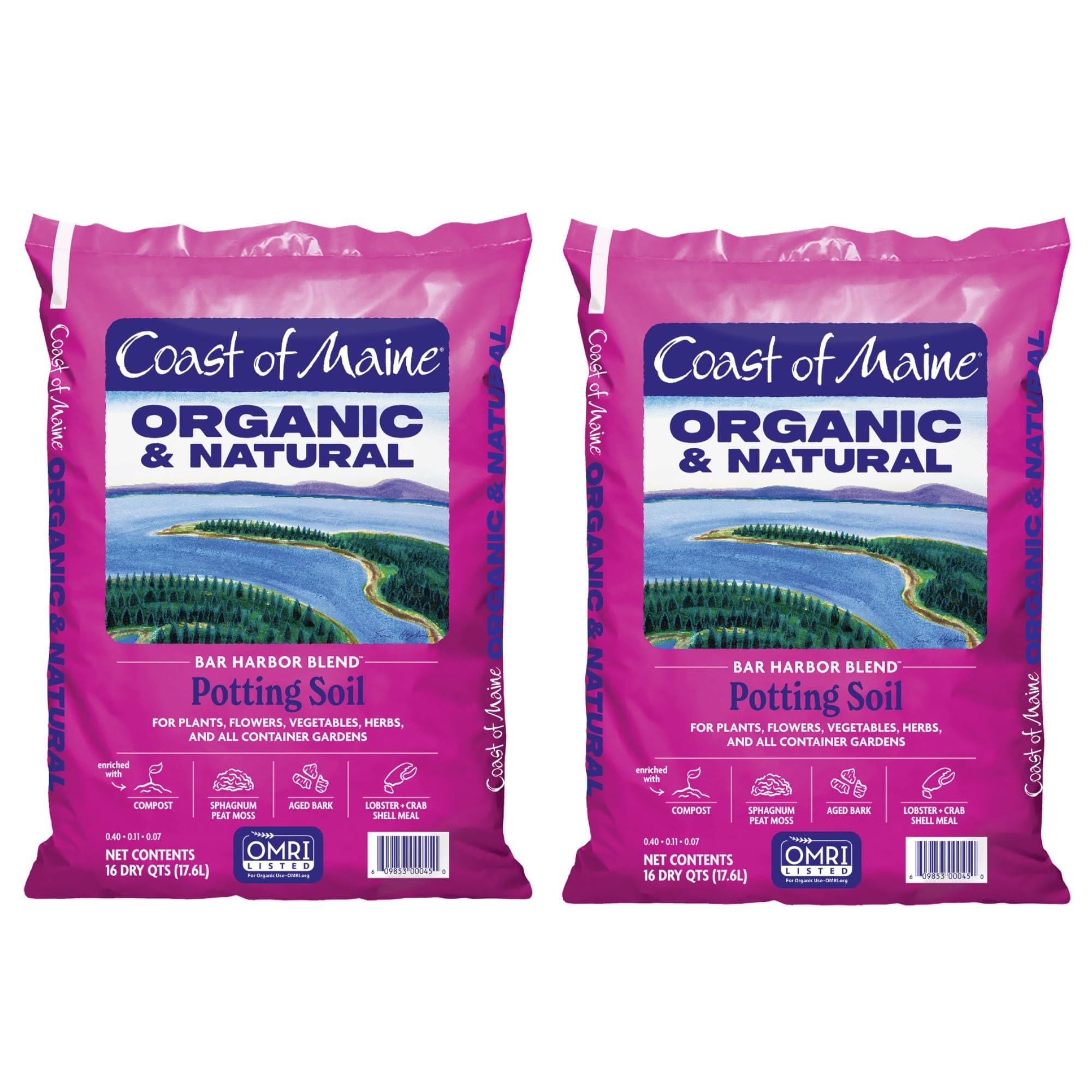
You want one bag that handles everything from flowers to peppers without mixing in extras. That is the good garden soil that earns the top spot on this list: the Coast of Maine Bar Harbor Blend, because its slow-release organic nutrients and crumbly texture work in containers, raised beds, and even indoor pots.
This guide is built by comparing the manufacturers’ published specifications and the patterns across verified customer reviews. That way you get each pick’s real strengths and trade-offs without the marketing spin.
Understanding the differences in organic matter, drainage, and nutrient content is the difference between a season of abundance and a season of disappointment. Here is what each bag actually delivers.
Our Picks at a Glance


How To Choose The Best Good Garden Soil
Good garden soil is more than just dirt. It is a living mix of minerals, organic matter, air, and water that supports root development and nutrient uptake. The right choice depends on where you are planting — containers drain faster than raised beds, and in-ground gardens have their own needs. Here is what to look for when comparing bags.
Texture and Drainage
A soil that stays soggy drowns roots; one that sheds water like sand starves them. The best mixes feel fluffy, not heavy, and contain materials like perlite (those small white volcanic rocks) or vermiculite to create air pockets. Your finger test: a moist handful should hold together when squeezed but crumble apart when you release it.
Nutrient Content and Feeding
Most potting mixes come with a starter charge of fertilizer. Organic bags rely on slow-release sources like worm castings, kelp meal, or composted manure, which feed plants over weeks rather than hours. The number to watch is not the NPK ratio on the front — it is whether the soil claims to “feed” for a specific period, which tells you when you will need to supplement with liquid fertilizer.
Organic Certification vs. Conventional
OMRI-listed soils are certified for organic gardening, meaning they contain no synthetic pesticides or fertilizers. That matters if you are growing food you will eat. Conventional soils often include synthetic wetting agents that make water absorb faster, which can be a convenience trade-off if you are planting ornamentals and just want results.
Quick Comparison
| Model | Best For | Volume | Weight | Key Ingredient | Amazon |
|---|---|---|---|---|---|
| Coast of Maine Bar Harbor Blend★ Best Overall | Container & Raised Beds | 16 quarts | 14 pounds | Lobster & crab shell meal | Amazon |
| Coast of Maine Tomato & Veggie SoilTomato Special | Tomatoes in Pots | 20 quarts | — | Composted manure | Amazon |
| Midwest Hearth Premium Potting MixSeed Starter | Seed Starting | 8 quarts | 1.25 kg | Peat moss + perlite + vermiculite | Amazon |
| R&M Organics Compost | Soil Amendment | 0.31 cubic feet | 10 pounds | Dairy cow manure | Amazon |
| Michigan Peat Baccto Premium | Large Beds & Pots | 50 pounds | 50 pounds | Reed sedge peat + perlite | Amazon |
| Brut Organic Potting Soil | Nutrient-Sensitive Plants | 1 cu ft | — | Worm castings + azomite | Amazon |
| Wonder Soil Coco Coir Brick | Lightweight Bulk Planting | 72 quarts (expanded) | 10 pounds | Coco coir + worm castings | Amazon |
| Miracle-Gro Potting Mix 3-Pack | General Container Gardening | 8 quarts per bag | — | Synthetic fertilizer | Amazon |
In‑Depth Reviews
1. Coast of Maine Bar Harbor Blend Potting Soil
Our pick — over 4.5★ from 550+ verified ratings; the strongest balance of quality and price.
Your plants will look like they are showing off with this dark, crumbly soil.
This bag gives you slow-release organic nutrients from lobster and crab shell meal plus kelp meal, so your vegetables get a steady feed without the risk of fertilizer burn. The texture is dark and crumbly, and buyers describe it as “rich and not full of sticks.” One owner reported that two 16-quart bags were enough to mound up 8 potato plants with extra left over for 2 more planters.
Buyers report using it in raised beds, containers, window boxes, and even indoor pots. Over 50 buyers directly praise the soil quality. Compared to the other Coast of Maine options here, this Bar Harbor Blend is more versatile — it works for flowers, herbs, and veggies, not just tomatoes like the Tomato & Veggie Soil.
The catch is that a very small number of owners mention complete plant death, which may point to a bad batch or a watering mismatch. Treat your first bag as a test with a single plant. It is also premium-priced compared to entry-level mixes.
What wins owners over
- Pre-mixed with slow-release organic nutrients
- Dark, crumbly texture with no woody filler
- Works for both indoor and outdoor containers
- Two bags cover a large planting project
The honest caveat
- A very small number of customers note complete plant death — treat your first bag as a test with a single plant
- Premium-priced compared to entry-level mixes
Reach for this if: you want one bag that handles everything from petunias to peppers without needing to mix in extras.
Look elsewhere if: you are on a tight budget for a large in-ground bed and need the cheapest cubic-foot rate.
2. Coast of Maine Organic & Natural Planting Soil for Vegetables & Tomatoes
This 20-quart blend is built for the nightshade family, and it shows in the results.
You get a 4.5-star crowd rating for this soil, which is specifically formulated for tomatoes and vegetables. It contains composted manure, sphagnum peat moss, and perlite in a lightweight mix that reviewers point out is excellent for 5-gallon pots. One owner reported their tomatoes and zucchini thrived, praising the moisture retention that never turns soggy.
The aroma is note — the composted manure gives it an earthy, woodsy smell, completely unlike the acrid synthetic fertilizer scent of conventional mixes. A few owners mention the occasional undecomposed twig, but they still rate it highly. Over 50 buyers call out the soil quality as the best feature, followed closely by plant health.
This bag provides 20 quarts of soil; the Midwest Hearth bag provides 8 quarts. That makes it the better choice for a season of heavy container growing, not just starting seeds. It is a more specialized cousin to the Bar Harbor Blend — great for tomato lovers, but the cost adds up fast if you are filling a large in-ground garden.
Best move for: tomato lovers with 5-gallon pots who want a soil that stays light and drains well.
skip it if: you are planting a massive in-ground garden — a few owners note the cost adds up fast for large areas.
3. Premium Potting Soil Mix with Peat Moss, Vermiculite, Perlite (8 Dry Quarts)
For the critical first weeks of a plant’s life, this 8-quart bag delivers a precise, aerated blend.
Midwest Hearth makes a potting mix specifically formulated with peat moss, perlite, and vermiculite — the classic three-part recipe for aerated, moisture-balanced soil. The texture is light and fluffy, which shoppers say prevents the hard crusting that can strangle young roots. One owner used it for germinating petunias and reported “very happy” results, and another noted their plumerias are thriving.
The 8-quart size is the biggest point of debate. Some owners find it just right for a few pots or starting seeds, while others call the bag “very small.” Compared to the Coast of Maine Tomato & Veggie Soil at 20 quarts, this bag is 2.5x smaller. The resealable bag opening gets consistent praise for keeping unused mix fresh.
At 4.5 stars across many ratings, the most common praise is for quality, and feedback about moisture retention is that it is just right — damp enough to sustain growth but never soggy. If you need to fill a 4×8 raised bed, you would need several bags, but for targeted jobs, this is your pick.
Ideal for: starting seeds, repotting a handful of houseplants, or mixing your own custom blend.
Not for: filling a 4×8 raised bed unless you plan to buy several bags.
4. R&M Organics Compost Soil Amendment (10 lb)
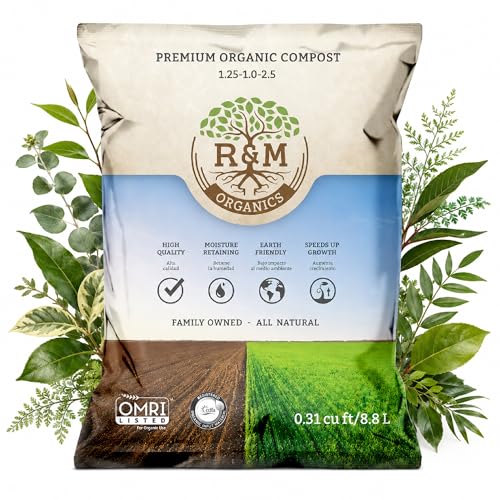
A concentrated 10-pound compost that revived a buyer’s azaleas after a roof-washing mishap.
This is not a stand-alone potting soil — it is a concentrated compost soil amendment made from dairy cow manure. The manufacturer recommends mixing it at a 5:1 ratio (5 parts existing soil to 1 part compost), so a thin quarter-inch layer goes a long way. One owner reported that their azaleas, damaged by a roof-washing enzyme cleaner, were rescued after using this compost.
The texture is fine and easy to work into existing beds. The low-odor claim holds up — buyers describe it as smelling like clean earth rather than manure. For a struggling tomato plant, mixing this into a 27-gallon planter turned yellow leaves green within a week, with new growth and flower buds appearing. The feedback on quality and plant performance is strong, with 21 and 19 owners respectively praising those aspects.
The main caution: the product can stain light-colored patios and carpets if spilled, so keep it off porous surfaces while working. Unlike the Bar Harbor Blend, this is a supplement, not a base soil.
Pick this up for: reviving struggling plants, enriching depleted raised beds, or amending clay-heavy ground.
Hold off if: you expect a ready-to-use potting mix — this is a supplement, not a base soil.
5. Michigan Peat Baccto Premium Potting Soil (50 Pounds)

A 50-pound workhorse that loyal gardeners with 50+ years of experience still swear by.
This bag is for the serious grower who measures soil by the wheelbarrow. The blend features dark reed sedge peat, perlite, and sand, with starter and slow-release fertilizers already mixed in. No additional mixing is required — you open the bag and plant straight away.
At 50 pounds, this bag is heavier and wetter-feeling than the lighter mixes on this list. Some owners note that it compacts more after watering, making it a bit harder to judge when to water again. But after two months of use, even those buyers report all their potted plants are doing fine. The most discussed aspect by far — 71 owners mention it — is quality, and 24 owners praise its value for money on large projects.
It beats the smaller bags in bulk value but lags behind the texture refinement of premium organic mixes like the Bar Harbor Blend. It is a cost-effective buy if you need many cubic feet of soil, but it is not ideal for succulents that need excellent drainage.
Best for: large container gardens, raised beds, or any project where you need many cubic feet of soil.
Think twice if: you prefer a light, fluffy organic mix or need excellent drainage for succulents.
6. Brut Organic Potting Soil with Worm Castings (1 CU FT)
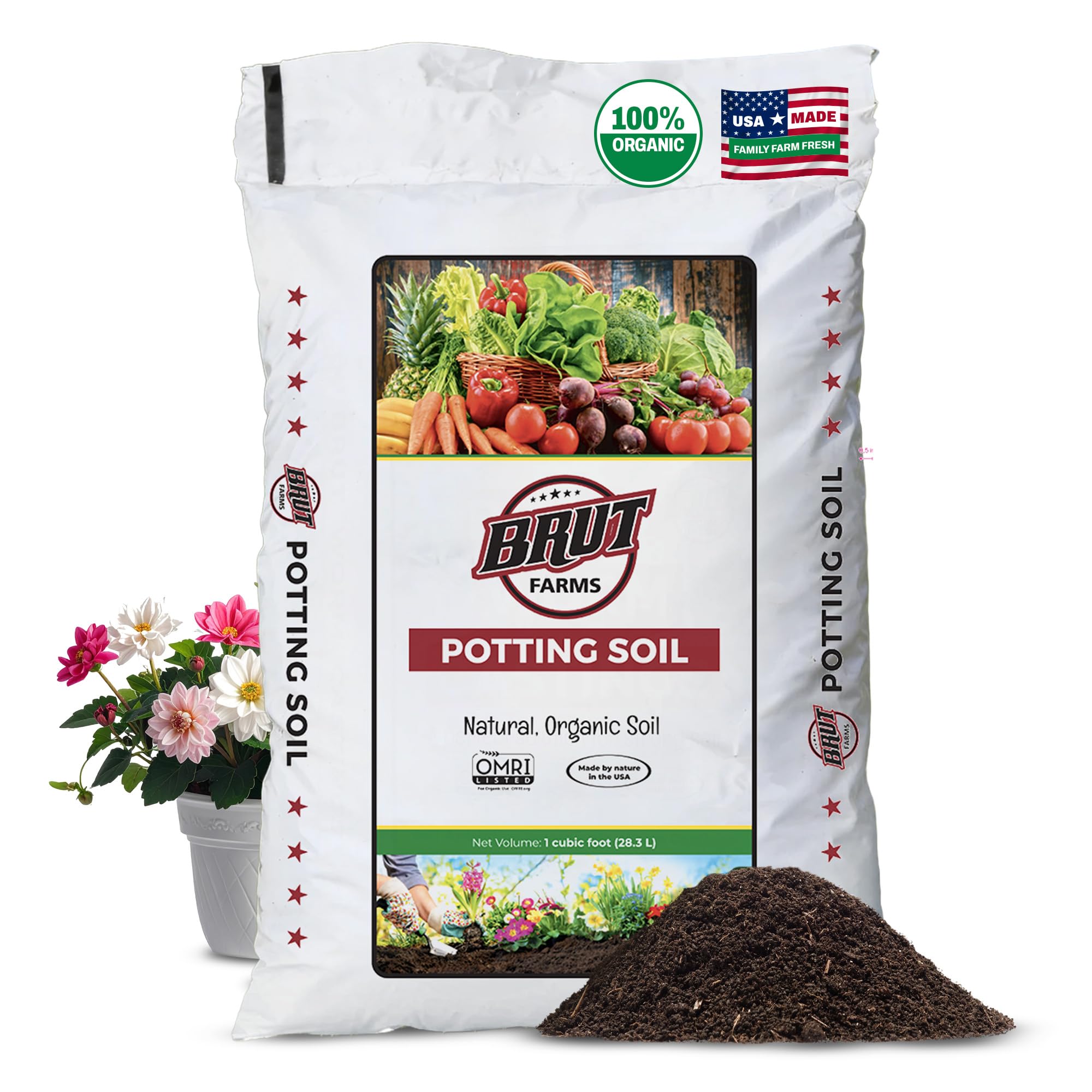
Soil so rich it looks like black gold — and some owners mention deep greening within just 2 days of transplanting.
Brut is OMRI-listed, filler-free, and made with 100% organic ingredients including microbe-rich worm castings and trace minerals like Azomite and kelp. The pH is naturally balanced between 6.3 and 6.5, which is the balance for most vegetables, herbs, and flowers. The biggest visual difference from other bags: no sticks, no wood chips, just uniform dark, crumbly soil.
The most-discussed positives are soil quality (54 owners) and color (18 owners), with many calling it the best potting soil they have ever touched. However, the high fish and bone meal content can attract flies and maggots if the bag is left open or the soil is used indoors without a top dressing of sand or gravel. Some customers note having to manage this pest issue, and a few note that the price feels steep for the amount you get.
Compared to the Bar Harbor Blend, Brut is more intensely concentrated with nutrients. That is excellent for hungry plants like tomatoes and peppers, but you must keep an eye on pest prevention. If you are on a strict budget or plan to use it indoors without any top cover, this is not your bag.
Choose this if: you grow nutrient-hungry edibles (tomatoes, peppers, greens) and want the cleanest, richest organic mix available.
Pass on it if: you are on a strict budget or plan to use it indoors without any top cover.
7. Wonder Soil Coco Coir Brick (72 Quarts Expanded)
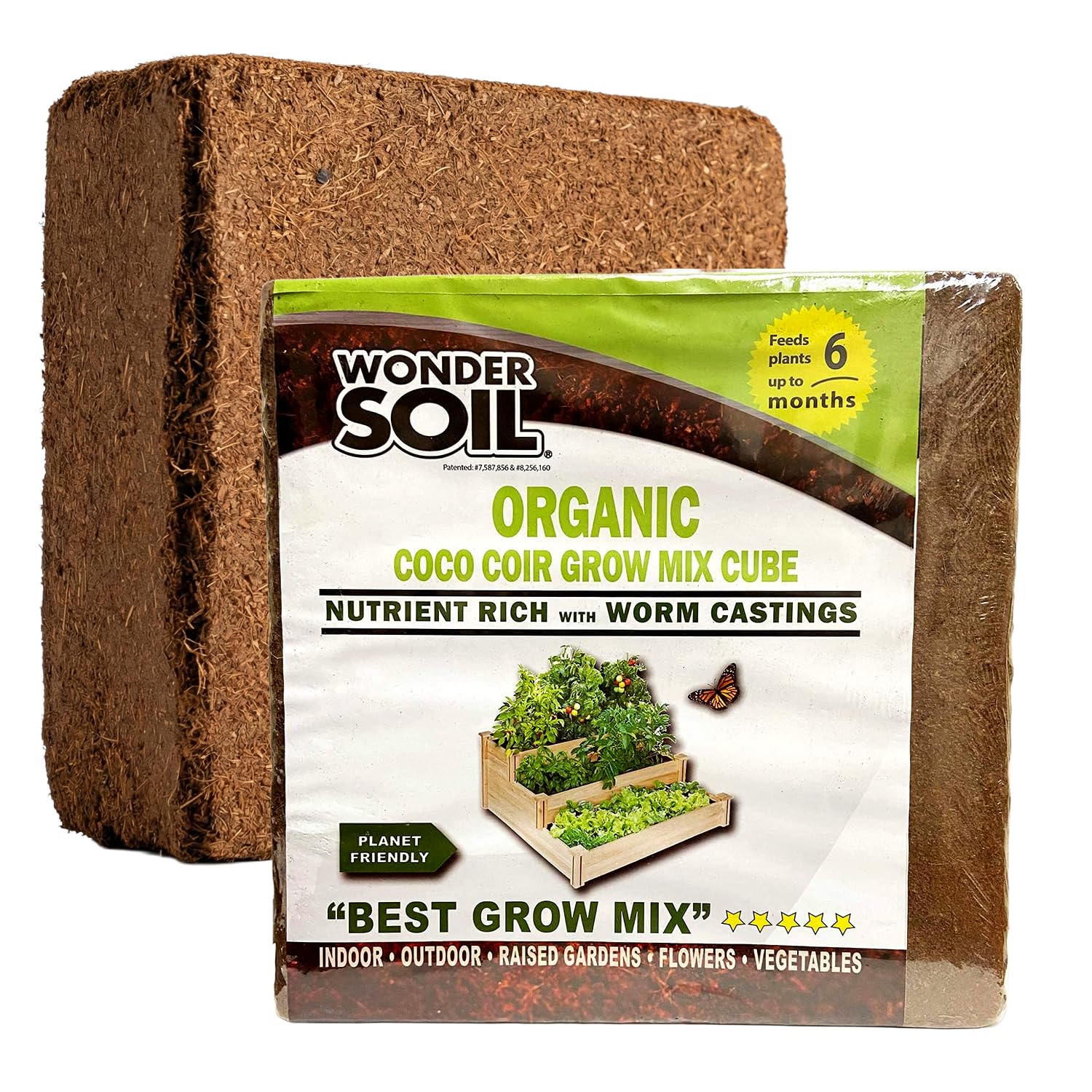
A 10-pound brick that turns into enough soil to fill three 14-inch pots — without storing bulky bags.
This is a compressed coco coir block that expands to 72 quarts (about 18 gallons) when you add water. It is loaded with worm castings, mycorrhizae (beneficial fungi that help roots absorb nutrients), and kelp, so it is a complete mix that claims to feed plants for up to four months. The expansion process itself is the a neat extra: you cut off a chunk, add water, and watch it grow in your bucket.
Buyers love the quality and the sheer volume for the weight. One owner filled three 14-inch pots and still had soil left over, calling it an excellent value. Many report fast, strong growth in vegetables, microgreens, and houseplants. The biggest downside? Some batches have been reported to contain spider mites, a pest that can devastate plants overnight. A few owners recommend treating the expanded coir with insecticidal soap or rosemary oil before planting.
This is a better value than buying pre-moistened bags for large projects — especially compared to the convenience of a ready-to-use bag like the Bar Harbor Blend — but it requires a bit more work and vigilance.
Ideal for: anyone who needs a lot of soil without the storage space — the brick is tiny until you rehydrate it.
Not for: the impatient gardener who just wants to open a bag and plant without the extra step of hydrating and inspecting.
8. Miracle-Gro Potting Mix 3-Pack (8 Qt Bags)

The blue-chip name in potting soil, now in a three-pack for smaller projects — the company claims it grows plants “Twice As Big” compared to unfed plants.
Miracle-Gro is the most recognized name in bagged soil for a reason: it reliably grows plants. This 3-pack gives you three 8-quart bags, each designed to feed container plants for up to 6 months via built-in synthetic fertilizer that delivers a fast green-up many owners appreciate.
The bag size is the main point of friction. Some owners love the smaller bags for easy handling — no lugging a 40-pound sack — while others find them small and expensive for the volume. At 8 quarts per bag, the 3-pack totals 24 quarts, which still falls short of the single 20-quart Coast of Maine Tomato bag. The quality feedback is strong, with 32 owners praising it, and plant health gets 17 positive mentions.
The biggest trade-off: this is a conventional soil with synthetic fertilizers, so it is not suitable for organic gardening. But if you just want a simple, effective mix for your porch pots, it delivers predictable results.
Best for: casual container gardeners who want a low-maintenance, predictable soil for flowers and vegetables.
Not ideal for: organic growers or anyone who needs a large volume of soil for a single project — the 3-pack covers small pots best.
Understanding the Specs
Volume (Quarts vs. Cubic Feet)
The most common mistake is assuming bag size equals soil volume. Quart and cubic foot are different units: 1 cubic foot equals roughly 25.7 quarts. So an 8-quart bag is about 0.3 cubic feet, while a 2-cubic-foot bag is over 51 quarts. Always check the volume (not the weight) when planning how many bags you need to fill a container or bed.
Organic Matter
Soils high in organic matter — compost, peat moss, worm castings — hold water and nutrients better than sandy or mineral-heavy mixes. They are also lighter to carry. Look for bags that list specific organic materials (like “composted manure” or “kelp meal”) rather than vague “organic content.”
Slow-Release vs. Synthetic Fertilizer
Organic soils rely on slow-release nutrients like kelp, bone meal, or worm castings, which break down gradually over weeks. Synthetic fertilizers in conventional mixes act faster but can burn roots if overused. The bag label often says “feeds up to X months” — that is the window before you need to supplement with liquid feed.
Perlite vs. Vermiculite
Both are volcanic minerals that improve aeration, but they work differently. Perlite (white, crunchy bits) drains fast and is best for succulents and seed starting. Vermiculite (brown, flaky, spongy) holds more water, making it ideal for moisture-loving plants. A mix with both gives the broadest compatibility.
FAQ
Can I use potting mix in my in-ground garden bed?
How do I know if a soil is organic?
What is the difference between potting mix and garden soil?
How many bags do I need for a 4×8 raised bed?
Can I reuse potting soil from last season?
What does it mean when a soil says it “feeds up to 6 months”?
Why does my bag of soil smell like manure?
Can I use indoor potting soil for outdoor plants?
What are the white balls in my potting soil?
Is it safe to mix different brands of potting soil together?
Final Thoughts: The Verdict
If you want one dependable pick, the best good garden soil winner is the Coast of Maine Bar Harbor Blend because it hits the balance of texture, slow-release organic nutrients, and versatility across containers and raised beds, backed by a crowd that is genuinely passionate about the results. If you want a soil built specifically for heavy-feeding tomato plants in pots, grab the Coast of Maine Tomato & Veggie Soil for its 20-quart size and lightweight, manured blend. And for reviving struggling plants or amending tired garden beds on a budget, the R&M Organics Compost is the one to reach for — a little goes a long way.
How We Picked
We do not accept paid placement. Every pick is matched to a real buyer and a real use-case; we do not hands-on test units.
Sources & Methodology
Specifications: manufacturer listings and product documentation. Review insights: verified customer reviews, as of July 2026. Pricing: not shown on this page (it changes often); check the current price via the retailer link.
As an Amazon Associate, Lawn Gear Lab earns from qualifying purchases. This does not affect which products we feature.