
Specs are compiled from manufacturer listings and verified buyer reviews and can change over time — please confirm the key details on the product page before buying.
Compost isn’t complicated—it’s just decomposed organic matter that turns weak dirt into living soil. The trick is picking the right one for what you’re growing without overthinking the bag labels. The table below gives you the straight specs on top contenders; after that, the reviews break down what each one actually does for tomatoes, peppers, leafy greens, or your prized houseplants.
I’m Rikta — the founder and writer behind Lawn Gear Lab. This guide is built by comparing the manufacturers’ published specifications and the patterns across verified customer reviews, so you get each pick’s real strengths and trade-offs instead of marketing spin.
Shopping for a good compost for garden use often boils down to one question: do you want a slow-release soil conditioner, or a quick nutrient boost that stimulates growth in a matter of weeks?
Our Picks at a Glance

How To Choose The Best Good Compost For Garden
Not all compost is created equal. A bag of pure worm castings does a different job than a bag of composted manure. Start by knowing what your soil actually needs rather than just picking the cheapest option.
Worm Castings vs. Manure Compost
Worm castings are a concentrated, gentle, odorless soil amendment packed with microbes. They won’t burn plants even if used generously. Manure compost (chicken, cow, or blended) tends to have a higher NPK number and provides a faster green-up, but it can be smellier and needs proper composting to avoid burning tender roots. If you are growing seedlings or houseplants, lean toward worm castings. For heavy-feeding vegetables in garden beds, manure compost often delivers quicker visible results.
Organic Certification and OMRI Listing
An OMRI (Organic Materials Review Institute) listing means the product is approved for use in certified organic operations. It is a third-party verification that no synthetic chemicals, GMOs, or sewage sludge were used. If you are growing food for your family, an OMRI-listed bag gives you confidence the compost is genuinely clean. Many solid products skip the certification to save cost, but for vegetable gardens, it is a strong safety signal.
Form and Texture
Powdered or finely sifted castings blend easily into potting mixes and top-dress smoothly. Granular or pelletized forms (like dehydrated manure) are easier to spread evenly on lawns or larger beds. Chunky, fibrous compost improves aeration in clay soil but may contain undecomposed twigs that need straining for fine seedbeds. Pick the texture based on where you are using it — fine for containers, coarse for ground incorporation.
Quick Comparison
| Model | Best For | Type | Size | Key Feature | Amazon |
|---|---|---|---|---|---|
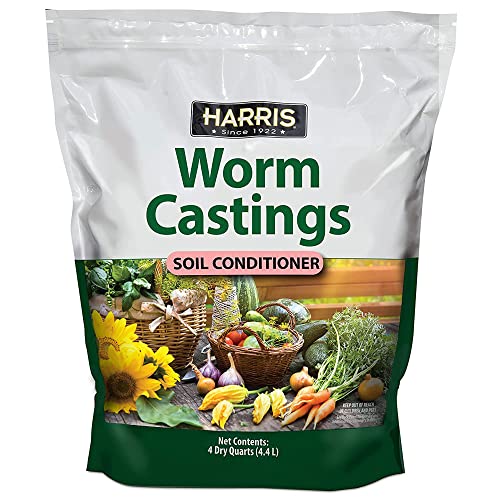
| Harris Worm Castings★ Best Overall | All-purpose indoor & outdoor | Worm Castings | 5 lb | Mixing Ratio 1:7 | Amazon |
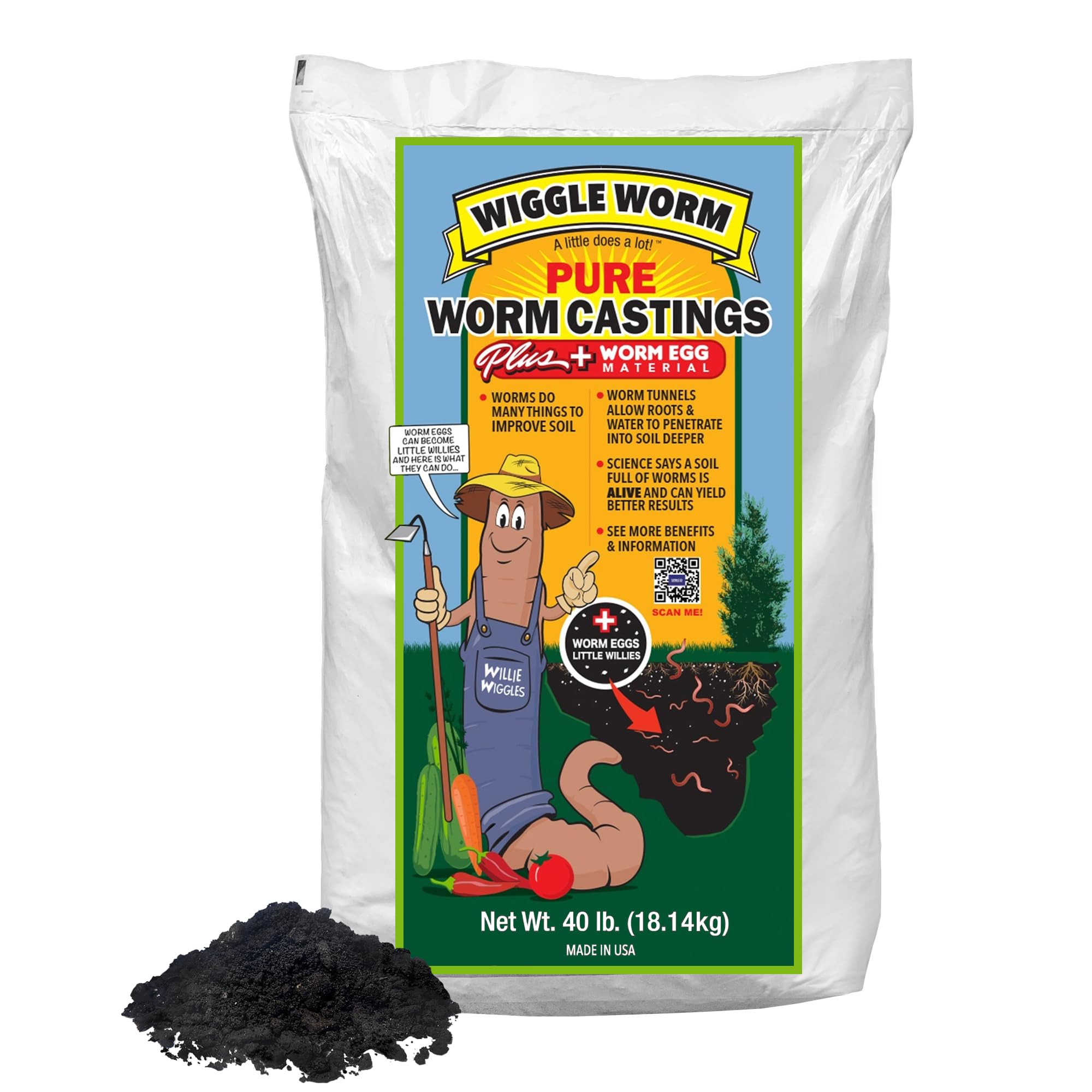
| Wiggle Worm Pure Worm CastingsPremium Pick | Living soil builders | Worm Castings & Eggs | 40 lb | Worm Egg Material | Amazon |
| Espoma Land and Sea Gourmet CompostBest for Tomatoes | Lobster & crab meal blend | Compost Blend | 1 Cubic Foot | Myco-Tone Mycorrhizae | Amazon |
| Back to the Roots Organic Worm Castings | Organic vegetable gardens | Worm Castings | 5 lb | Resealable Bag | Amazon |
| Brut Cow Compost | Pure cow manure | Composted Manure | 10 qt | OMRI Listed | Amazon |
| Worm Bliss Worm Castings | Vegan diet, manure-free | Worm Castings | 8 qt | Vegan & Manure-Free | Amazon |
| Coast of Maine Organic Planting Soil | Tomatoes & vegetables | Blended Potting Soil | 20 qt | OMRI Listed | Amazon |
| Hoffman Dehydrated Super Manure | Quick nutrient boost | Dehydrated Manure | 5 lb | NPK 4-2-3 | Amazon |
| Michigan Peat Baccto Wholly Cow | Large raised beds | Peat & Manure Blend | 40 qt | Odor-Free Formula | Amazon |
In‑Depth Reviews
1. Harris Worm Castings Organic Fertilizer
Our pick — over 4.5★ from 550+ verified ratings; the strongest balance of quality and price.
The odorless superfood that turns a tired container into a lush tower garden.
You get visible results fast — over a dozen buyers report strong growth after mixing this into their soil. One buyer uses a tower to grow herbs, lettuce, kale, and spinach and said “wow, everything grew big.” The powder mixes at a 1:7 ratio with water to make liquid fertilizer, or you can sprinkle a few cups into a planting hole for a slow-release boost. It works indoors and out, covering trees, shrubs, lawns, flower beds, and vegetable gardens without any smell.
The bag contains 5 pounds (80 ounces) of castings. The castings also retain water well while promoting drainage, which reduces drought stress during hot spells. An occasional bag arrives with shipping damage to the outer box, but the double-bagged interior keeps the product dry and intact.
The general crowd rating of 4.8 stars across 500+ owners makes this the highest-scoring entry in the list, though the Back to the Roots bag has more total reviews behind it. For sheer versatility and measurable plant results, this is the bag worth reaching for first.
What wins people over
- Odorless even when used indoors on houseplants
- Works as both a top dressing and a liquid tea when mixed 3/4 cup per gallon
- Trace minerals (nitrates, potassium, magnesium, calcium, phosphorus) feed long-term soil health
The honest caveats
- Powder form can be dusty during application if you pour aggressively
- The 5-pound bag is modest for large garden beds; you will need multiple bags for serious ground work
Best if you: want a versatile, odor-free soil superfood that works for both houseplants and outdoor vegetables without risk of burning roots — the 1:7 mixing ratio lets you stretch a single bag across dozens of containers.
Think twice if: you need to amend a large raised bed or lawn area in one shot, because the 5-pound unit will require multiple purchases to cover significant square footage.
2. Wiggle Worm 100% Pure Worm Castings Plus Worm Egg Material
The 40-pound bulk bag that brings living worms into your soil to keep working long after you spread it.
Most worm castings simply add nutrients. Wiggle Worm’s 40-pound bag goes a step further by including worm egg material — tiny cocoons that can hatch and establish a working worm population in your garden. Once the worms adapt, their tunnels aerate the soil, improve drainage, and produce more castings over time. This is the closest you get to a self-sustaining soil ecosystem from a single bag.
At 40 pounds (640 ounces), this is the largest unit in the lineup, making it practical for vegetable beds, lawns, and heavy amending projects. The granular form mixes easily and has a finely textured, clean consistency with no trash or clumps, according to many buyers. Some owners warn that small rocks and wood chips can make it through the sifting process, and the worm egg material means you may see live worms in your containers after application — a feature, not a defect, but something to know if that surprises you.
The crowd rating sits at a solid 4.6 stars with nearly 1,000 ratings. Quality earns the most owner praise by far, with plant performance and growth following closely. A recurring buyer note from a desert gardener called it their most important garden staple for keeping gardenias and strawberries alive through triple-digit heat. If you are building living soil, this is the bag that keeps on giving.
Why this bag stands apart: the worm egg material creates an ongoing biological cycle in your beds rather than a one-time nutrient dump. You get castings now and a self-sustaining worm workforce later.
Reach for this if: you have large in-ground beds or a serious raised-bed operation and want a single bag to handle the whole season — 40 pounds covers a lot of ground.
Look elsewhere if: you are strictly a container gardener on a balcony and need a smaller, easier-to-store bag without the potential for live worms in your pots.
3. Espoma Organic Land and Sea Gourmet Compost
A land-and-sea blend that boosted one gardener’s tomato and zucchini yield noticeably within a single season.
This is not a typical compost. Espoma blends natural and organic ingredients with lobster and crab meal, then adds their proprietary Myco-Tone formula containing both endo and ecto mycorrhizae (beneficial fungi that form a partnership with plant roots to increase nutrient and water uptake). The result is a dry, lightweight granular mix that work indoors or outdoors — for planting, transplanting, or invigorating tired container mixes.
Owners consistently call out plant health and quality as the top reasons to buy. One long-time user reported growing hostas “extremely well” after switching. Another noted a “noticeably increased” yield and fruit size on tomatoes and zucchini. The 1-cubic-foot bag weighs about 24 pounds, so it is manageable to carry but provides enough volume for several large containers or a small bed. The honesty note: value for money is a mixed point among owners — this is not the cheapest option per cubic foot, but the results are repeatable enough that many consider it “well worth the cost.”
Nearly 1,000 ratings hold it at 4.7 stars, making it among the most-reviewed premium composts on the market. If you want measurable improvement in vegetable production and are willing to pay for a specialized blend, this is your pick.
The strengths
- Proprietary Myco-Tone mycorrhizae support root development and nutrient absorption
- Dry and lightweight for easy transport and storage, unlike wet bagged soils
- Lobster and crab meal add chitin, which some studies link to natural pest resistance
What to keep in mind
- Higher cost per volume compared to basic manure or worm-casting bags
- Visible lobster shell pieces might look odd in containers, though they break down over time
Go for this if: you grow heavy-feeding vegetables like tomatoes, zucchini, or peppers and want a specialized blend that may increase both yield and fruit size compared to standard compost.
skip it if: you need a general-purpose soil conditioner for a large lawn or entire garden bed — the price per cubic foot makes more sense for targeted use in containers and vegetable patches.
4. Michigan Peat Baccto Wholly Cow Horticultural Compost
The 40-quart workhouse that delivers rich, odor-free compost for large projects without a premium price tag.
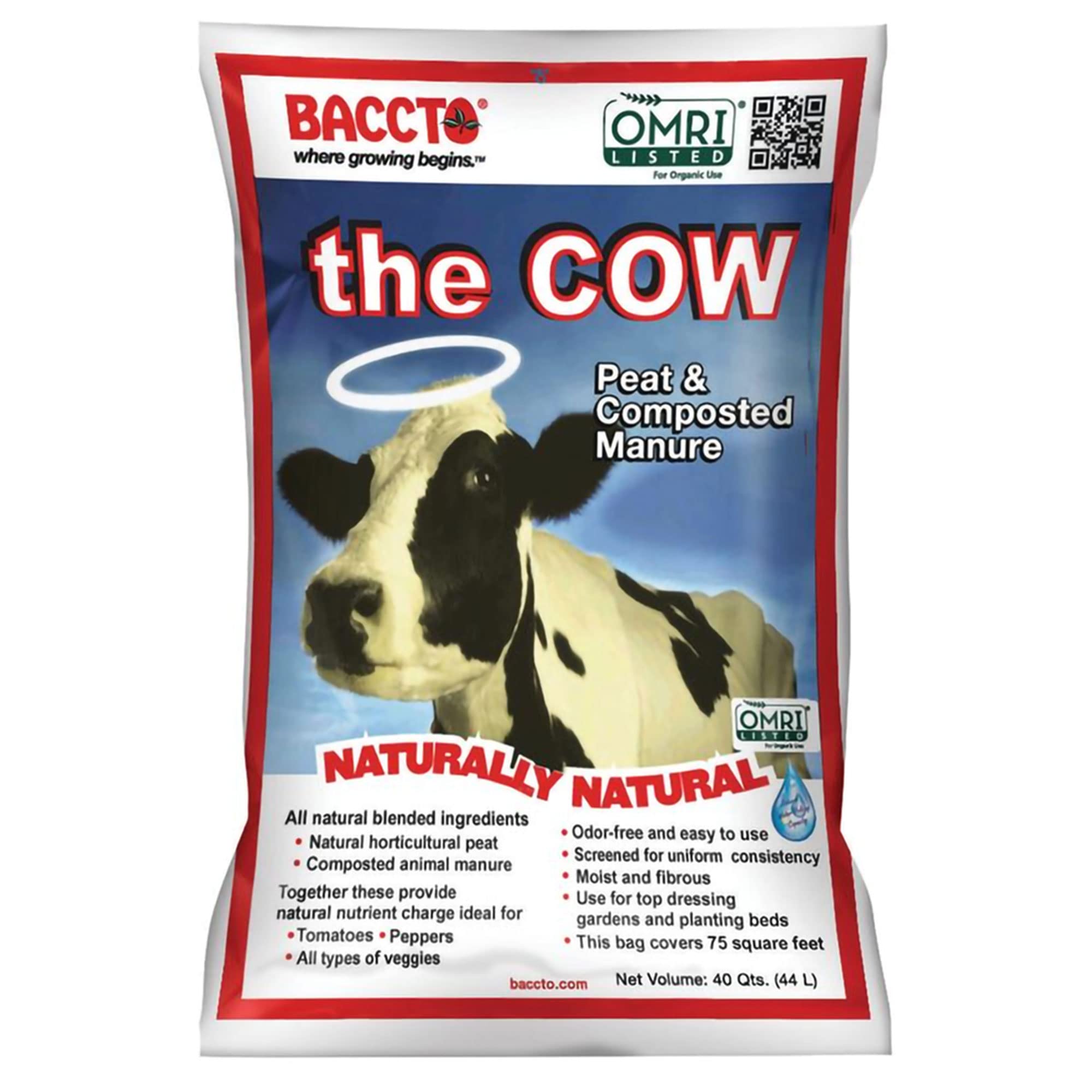
Wholly Cow combines natural peat and composted animal manure into a screened, uniform blend that weighs 34 pounds per bag. It is designed to improve moisture retention, so you water less often while supporting strong root health. The odor-free formula makes it practical for top-dressing lawns or mixing into planting beds near the house. Owners consistently mention the high quality and dark, rich appearance of the soil, along with the fact that it has little to no smell — a recurring point in 14 positive odor mentions.
One retired gardener in his late 70s reported using it in a raised-bed mix with coir and perlite on sandy river-bottom soil, saying it “looks good, so far so good.” Another owner uses it as a substrate for mushroom cultivation, noting high manure concentration with minimal sticks and no contamination after sterilization. The bag yields 12-15 five-pound substrates when mixed 1:1 with coco coir. The only real limitation: the bag is heavy (34 pounds) and less convenient than smaller units if you have mobility issues or limited storage.
At 4.7 stars across 282 ratings, this is a reliable mid-priced option that bridges the gap between cheap bagged soil and boutique castings. Quality is the top-mentioned aspect, and effectiveness earns consistent praise.
Who it fits: the gardener who needs to amend a large raised bed or lawn area and wants a single heavy bag that delivers volume without smelling up the garage. At 40 quarts, it covers roughly 4-6 cubic feet of bed space when mixed.
Best for: filling planting holes, top-dressing lawns, or mixing into raised beds where you need bulk and consistent quality without fuss.
Not for: delicate seedling mixes or indoor container plants where a finer, screened texture matters more than raw volume.
5. Brut Cow Compost – Nutrient-Rich Composted Cow Manure

100% pure composted cow manure, OMRI-listed, odor-free, and gentle enough for seedlings.
Most manure-based products carry a noticeable barnyard odor. Brut’s cow compost is sifted and aerated to the point where owners describe it as having no smell at all. It is made from thoroughly composted cow manure with no additives — just pure organic material, tested for safety and packed with nitrogen, calcium, and iron. The finely sifted texture makes it suitable for both indoor potted plants and outdoor flower beds.
The 10-quart bag weighs about 10 pounds and covers a moderate amount of planting area for smaller gardens. Owners use it as a top dressing for roses, a soil mix component for vegetables, and a gentle amendment for houseplants. Several reviews state it “helps plants grow strong” without any risk of burn. The odorless quality is the standout feature, earning 5 positive mentions. At 4.8 stars across 246 ratings, this product matches the top pick’s rating but with fewer reviews behind it. Quality is the most-praised aspect, followed by effectiveness and plant growth.
Why people like it
- ODMR listed for organic gardening — third-party verified no synthetic chemicals
- Odor-free even used indoors, unlike many manure products
- Finely sifted texture works well for both seedlings and established plants
The trade-off
- 10-quart bag is smaller than many bulk options; larger gardens will need multiple bags
- Pure cow manure has a moderate NPK compared to fortified blends, so very heavy feeders may need supplemental fertilizer
Choose this for: organic vegetable gardens where certification matters and you want a gentle, odor-free manure amendment that won’t burn your plants or offend your neighbors.
Skip it for: covering large lawn areas or filling several raised beds — the 10-quart size is designed for targeted use, not bulk projects.
6. Worm Bliss (8 Qts) – Organic Worm Castings

Worm castings from a strictly vegan-fed worm population, screened clean of any sand or rocks.
Worm Bliss makes a specific claim that separates it: the worms are raised in a climate-controlled facility on a 100% vegan diet, and the castings are meticulously screened to remove dirt, sand, or rocks. The result is a pure, finely textured product that one owner said made their monsteras and philodendrons “double in size” after mixing it into the soil. The 8-quart bag contains 160 ounces of material, weighing about 9 pounds.
The humus in these castings improves the soil’s ability to retain moisture and increases porosity for better aeration and oxygen flow around roots. Owners mention seeing positive results within days, particularly on houseplants and container vegetables. Some debate the value for money — the bag is more expensive per ounce than large bulk options, but the purity and fine sifting justify the cost for many. The product carries a 4.8-star rating with 232 reviews. Quality is the most-praised aspect, nutritive value ranks second, and plant health follows closely.
Standout detail: the strict vegan diet for the worms means the castings have a more consistent microbial profile than worm castings sourced from mixed-feed operations. Owners who use it as a “reset tool” for composters say it handles protein and fat breakdown that standard compost struggles with.
Reach for this if: you are a serious houseplant enthusiast or indoor gardener who wants the cleanest, screened worm castings free of any debris or off-putting additives — and you appreciate knowing the worms were fed a vegan diet.
Look elsewhere if: you need to amend a large outdoor garden and want the most volume per dollar; the 8-quart bag is premium-priced for its size.
7. Coast of Maine Organic & Natural Planting Soil for Vegetables & Tomatoes

A ready-to-use organic potting mix with composted manure and sphagnum peat, balanced for moisture retention and drainage.
Coast of Maine’s tomato and vegetable blend is more of a complete planting soil than a pure compost. It combines composted manure, sphagnum peat moss, and other organic ingredients into a lightweight mix that works for seeding, transplanting, or topping off containers. The OMRI listing confirms it meets organic standards, and owners consistently rave about the soil quality — it is the most-discussed positive aspect by a wide margin, with 51 mentions. Plant health ranks second with 31 mentions.
The 20-quart bag is designed for vegetables: one bag fills a 5-gallon pot for a tomato or zucchini plant. Customers note visible growth within days, excellent moisture retention without waterlogging, and a lightweight feel that makes container gardening easier. The reality check: some bags contain undecomposed twigs that need removal for fine-seed beds like carrots. More importantly, 19 reviewers mention issues with fungus gnats or mold — a recurring complaint that suggests the bag should be inspected before bringing it indoors. For outdoor raised beds, the risk is minimal; for indoor containers, consider airing the soil out first.
At 4.5 stars across 796 ratings, this is a proven performer for container vegetables. It costs more than basic bagged soil, but owners say the plant response justifies the premium.
The strengths
- Lightweight mix that handles 5-gallon containers well without compacting
- Retains moisture without becoming waterlogged, ideal for thirsty tomatoes
- Aromatic wood content helps deter insects naturally
The caveats
- Fungus gnats reported in some bags — best for outdoor use or aired before indoor application
- Small twigs may need picking out for fine-seed planting
Best for: container vegetable gardening — one bag per 5-gallon pot for tomatoes, peppers, or zucchini with a ready-to-use organic mix that supports fast growth.
Think twice if: you need a pure compost to mix into native soil rather than a complete potting blend, or if you are strictly an indoor grower concerned about fungus gnats.
8. Hoffman 20505 Dehydrated Super Manure 4-2-3

A little bit goes a long way — pelletized chicken manure that delivers a reliable 4-2-3 NPK boost without overloading your soil.
Hoffman takes dehydrated poultry manure and forms it into easy-to-apply pellets. The 4-2-3 NPK ratio (4% nitrogen, 2% phosphorus, 3% potassium) provides a moderate nutrient release that feeds flowering plants and vegetables without the burn risk of fresh manure. The pellets improve soil texture and build humus content while encouraging earthworm activity in the ground. One owner states “a little bit goes a long way” — a teaspoon per 6-inch pot or a tablespoon per 12-inch container is enough for container gardening.
The 5-pound bag weighs 4.8 pounds and is easy to store, though the bag lacks a resealable closure so you will need clips or a tub for the remainder. Quality is the most-praised aspect (38 mentions), followed by effectiveness (24 mentions). The odor gets mixed feedback — owners say it isn’t bad, but a faint poultry smell is noticeable up close. At 4.6 stars and 908 ratings, this is among the most-reviewed products in the lineup. For the price, it is a budget-friendly alternative to steer or chicken manure with quick absorption and visible plant greening.
Why it works: the pelletized form means you can spread it evenly without dust, and the 4-2-3 ratio is high enough in nitrogen to green up leafy vegetables but balanced enough not to burn roots when used as directed. It builds humus over time rather than just providing a one-time spike.
Choose this for: container gardens, flower beds, or spot-treating plants that need a quick, gentle nitrogen boost — the teaspoon-per-pot guidance makes dosing simple.
pass on it if: sensitivity to smell matters for indoor use, or if you prefer a completely odorless product for houseplants.
9. Back to the Roots Organic Worm Castings for Plants

Clean, organic worm castings in a resealable bag that earned one gardener’s milkweed monarch approval.
Back to the Roots casts a wide net: the castings work for vegetables, herbs, flowers, houseplants — and specifically for milkweed, which one butterfly-conscious gardener confirmed was safe for monarch caterpillars after application. The 5-pound bag (80 ounces) comes in a resealable pouch that keeps the granules fresh between uses. Owners say it blends easily into chunky soil mixes (coco chips, perlite, charcoal) without compacting, and promotes healthier leaves and stronger growth.
The product is pure USA vermicompost with no burn risk and no odor — just an earthy soil smell according to most. Quality is the most-praised feature (43 mentions), with plant health (31 mentions) and effectiveness (18 mentions) following closely. The Harris bag mentioned earlier holds 86% more product per bag compared to this one (148.92 oz vs 80 oz), so if you are comparing value per ounce the Harris bag wins. But for those who want a resealable bag, a trusted brand with 924 ratings, and the satisfaction of the #GrowOneGiveOne program, Back to the Roots is a solid choice.
One review flagged a small steel cable found in the castings — removed without further issue, but it is worth checking contents before heavy use. The overall star rating of 4.7 with nearly 1,000 reviews makes this a crowd favorite.
Strengths we see
- Resealable bag keeps castings fresh and prevents moisture loss between uses
- Contains beneficial microbes that enhance soil and protect seedlings from harmful pathogens
- Sustainable approach: #GrowOneGiveOne program donates a gardening kit to a school classroom
Limitations to know
- 80-ounce bag is the same size as the leading competitor (also 80 ounces).
- Occasional debris or foreign objects reported — sifting before use is wise for fine work
Best if you: want a trusted, brand-name worm casting with a resealable bag, and you appreciate a company that donates gardening kits to schools — great for general organic gardening and safe for butterfly-friendly plants.
Consider a different bag if: you need the highest volume for the lowest price or are buying for a large garden where 80 ounces will disappear fast; the Harris bag offers nearly double the volume for a similar cost.
Understanding the Specs
NPK Ratio
NPK stands for nitrogen (N), phosphorus (P), and potassium (K) — the three main nutrients plants need in large amounts. Nitrogen fuels leafy green growth. Phosphorus supports root development and flowering. Potassium strengthens overall plant health and disease resistance. A ratio like 4-2-3 means 4% nitrogen, 2% phosphorus, and 3% potassium. Compost generally has low, balanced NPK numbers compared to synthetic fertilizers — that is a feature, not a bug, because slow release reduces burn risk and feeds the soil food web rather than just the plant.
OMRI Listing
OMRI stands for the Organic Materials Review Institute. When a bag carries an OMRI seal, it means a third party has verified that the product contains no prohibited synthetic substances, GMOs, or sewage sludge and is acceptable for certified organic farms and gardens. It does not mean the product is “better” in a taste or performance sense, but it is a reliable shortcut for buyers who want reassurance that the compost meets strict organic standards.
FAQ
Can I use worm castings directly on seedlings without burning them?
Will composted manure smell bad in my garden?
What is the difference between worm castings and regular compost?
How much compost should I add to my vegetable garden?
Can I use manure-based compost on houseplants?
What does OMRI listed mean for my garden?
How long does it take to see results from adding compost?
Can I mix different types of compost together?
Will compost attract pests like raccoons or ants?
Is it safe to use compost from bags that have been stored in the garage for a year?
Final Thoughts: The Verdict
Across the board, the good compost for garden champion is the Harris Worm Castings because it pairs a top 4.8-star rating with the largest unit count in its class (148.92 ounces) and can be used as both a dry amendment and a liquid tea — all without any odor. If you want a premium bulk bag that establishes living worms to keep aerating your soil, grab the Wiggle Worm 40-Pound it is the only option that brings worm eggs into the equation. And for targeted vegetable production, the Espoma Land and Sea with lobster meal and mycorrhizae gives tomatoes and zucchini an edge that standard compost cannot match.
How We Picked
We do not accept paid placement. Every pick is matched to a real buyer and a real use-case; we do not hands-on test units.
Sources & Methodology
Specifications: manufacturer listings and product documentation. Review insights: verified customer reviews, as of July 2026. Pricing: not shown on this page (it changes often); check the current price via the retailer link.
As an Amazon Associate, Lawn Gear Lab earns from qualifying purchases. This does not affect which products we feature.