
Specs are compiled from manufacturer listings and verified buyer reviews and can change over time — please confirm the key details on the product page before buying.
Walking out to your raised bed only to find Swiss-cheese leaves and a fat caterpillar munching your prize tomato is a special kind of heartbreak. A good garden insect netting stops that scene before it starts — it is a simple physical wall that birds, beetles, cabbage moths, and squirrels simply cannot cross. The best ones let rain and sunlight pass through while blocking pests, so your plants keep growing under a protective shield you barely notice.
I’m Rikta — the founder and writer behind Lawn Gear Lab. This guide is built by comparing the manufacturers’ published specifications and the patterns across verified customer reviews, so you get each pick’s real strengths and trade-offs instead of marketing spin.
The nine options below cover everything from ultra-fine mesh that keeps out tiny aphids to heavy-duty nanocomposite sheets that shrug off hail. Whether you are protecting a single potted fig tree or a 50-foot row of vegetables, the right best garden insect netting makes the difference between a feast and a buffet for the local wildlife.
Our Picks at a Glance
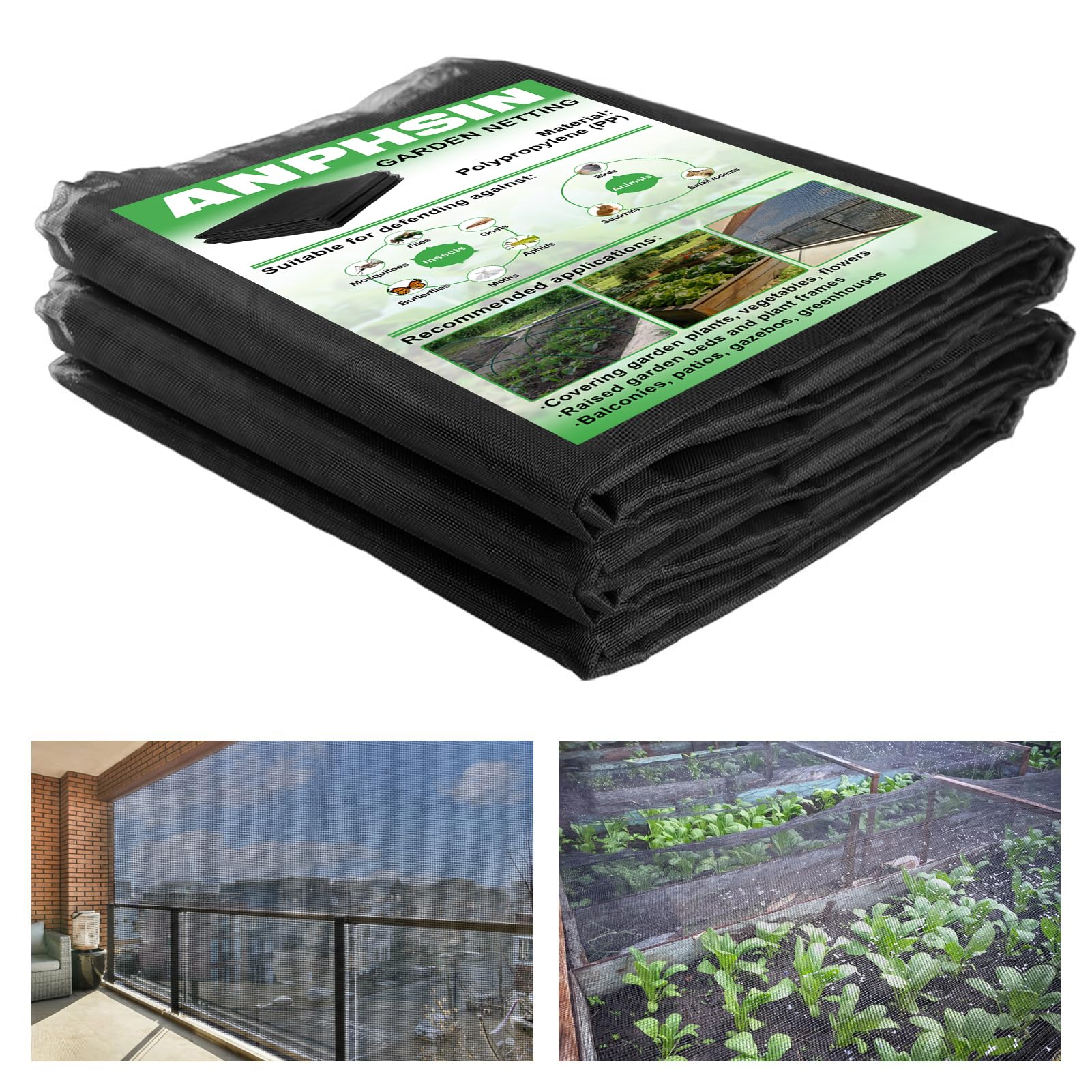
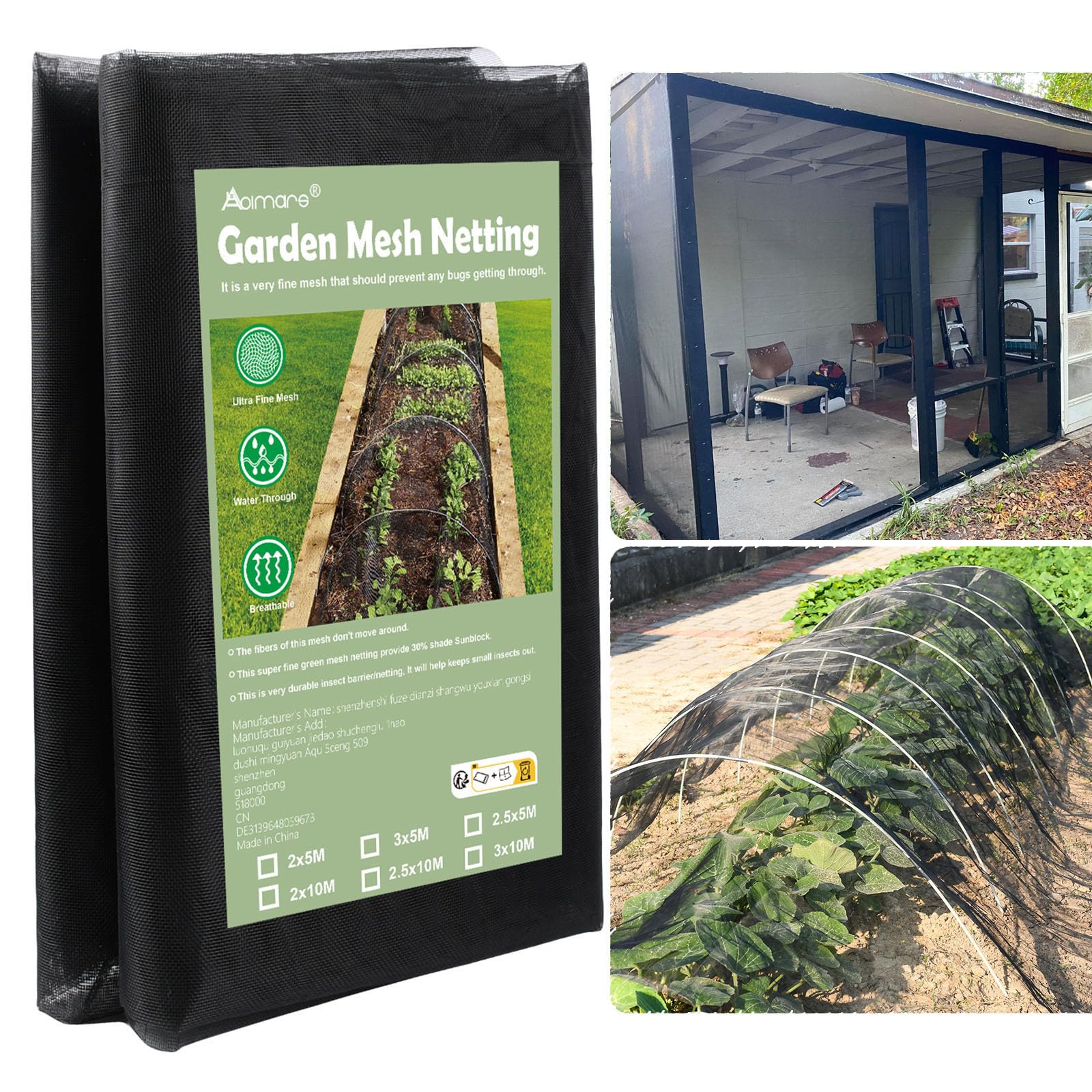

How To Choose The Best Garden Insect Netting
A single sheet of netting looks simple, but the differences in mesh tightness, material toughness, and size coverage determine whether your crop stays safe or a hungry grasshopper squeezes through. Here is what to look for before you buy.
Mesh Size: The Gatekeeper
The hole size is everything. An ultra-fine mesh (think 0.04 inches or smaller) stops tiny pests like aphids, carrot flies, and cabbage worms. A wider mesh might keep birds off blueberries but lets bean beetles waltz right in. Match the mesh aperture to the smallest pest you are fighting — if you have Japanese beetles and mosquitoes, go as tight as you can find.
Material Durability: PE vs. Nano-PP
Standard polyethylene (PE) netting is lightweight, affordable, and lets light through, but it can tear if a branch pokes it or a strong wind whips it around. Nanocomposite polypropylene (Nano-PP) is heavier and much more tear-resistant — it holds up through hail storms and rough handling. For a permanent raised-bed cover that stays put all season, Nano-PP is worth the extra few dollars. For light seasonal use over lettuce starts, PE works just fine.
Shade Rating and Breathability
A black netting with a 30% to 33% shade rating does double duty: it blocks bugs and lowers the temperature underneath on hot days, which can prevent lettuce from bolting and reduce how often you need to water. A white netting reflects more light and keeps plants cooler in full-sun climates. Either way, the netting must be breathable — if air and rain cannot get through, your plants will suffer.
Size and Configuration
Measure your bed or tree before you order. A 10×33-foot roll covers long rows or several small beds. A drawstring bag-style cover is best for a single fruit tree because it cinches around the trunk and keeps pests from sneaking in under the edge. A zipper opening makes it easy to harvest without removing the whole cover. Buy a size that gives you at least six inches of slack so the netting does not strain against branches or hoops.
Quick Comparison
| Model | Best For | Mesh Material | Size | Weight | Amazon |
|---|---|---|---|---|---|
| 10x20ft Strong PP Nano Netting★ Best Overall | All-around durability & bug blocking | Polypropylene (Nano-PP) | 20 x 10 ft | 1.8 pounds | Amazon |
| Abimars Thicker Nano PPT Netting, 10’ x 33’Top Performer | Maximum hail & wind protection | Nanometer PPT | 33 x 10 ft | 1.18 kg | Amazon |
| RIFNY 2 Pack 10x33Ft Ultra Fine MeshBest Value | Double coverage for large gardens | Polyethylene (PE) | 2 x 33 x 10 ft | 1.08 kg | Amazon |
| Fruit Tree Netting Cover with Drawstring | Single tree protection with easy closure | Nylon | 7 x 6 ft | 0.36 kg | Amazon |
| SnugNiture 10x33FT Ultra Fine Mesh | Large-coverage general garden pest barrier | Polyethylene (PE) | 33 x 10 ft | 1.2 pounds | Amazon |
| Garden Tailor 2 Pack 4’x10′ Pest Barrier | Versatile bed covering & mosquito screen | High Density Polyethylene (HDPE) | 2 x 10 x 4 ft | 0.44 kg | Amazon |
| GonLei 10 X 50 FT Ultra Fine Netting | Large garden beds & blueberry bushes | Nylon | 50 x 10 ft | 1.79 kg | Amazon |
| Homoda Zipper & Drawstring Tree Net (2 Pack) | Easy-access tree bag for harvesting | High Density Polyethylene (HDPE) | 2 x 8 x 8 ft | 0.99 kg | Amazon |
| Rohuis 10×50 FT Ultra Fine Mesh | Budget-friendly extra-long row cover | Polyethylene (PE) | 50 x 10 ft | 0.9 kg | Amazon |
In‑Depth Reviews
1. 10x20ft Strong PP Nanocomposite Mosquito Net Garden Netting, Black
Our pick — over 4.5★ from 600+ verified ratings; the strongest balance of quality and price.
The nano-PP net that shrugs off wind and keeps the entire patio bug-free.
This is the netting that does not rip when you catch it on a branch. The upgraded nanotechnology polypropylene (a reinforced plastic that is much more tear-resistant than standard PE mesh) makes it noticeably thicker and sturdier than the typical bargain roll. At 1.8 pounds for a 20×10-foot sheet, compared to the 1.2-pound PE alternative of similar size, and that heft translates directly into durability — buyers report stapling it to a porch frame and having it hold up for a full year without holes. The 33% shade rating also gives a real benefit: it casts a cooling shadow over plants on hot afternoons, reducing heat stress.
The ultra-fine mesh keeps out everything from Florida mosquitoes to birds and small animals, yet the fabric remains see-through so you can check on your tomatoes without lifting the cover. It cuts cleanly with scissors and does not fray at the edges. The main hassle is the first setup — the lightweight material can tangle as you unroll it, and it needs secure anchoring (stones, staples, or thumb tacks) to keep it from flapping loose in a gust.
The crowd agrees: this net is the go-to for anyone who wants a single cover that works on a garden bed, a balcony railing, or a screened porch without needing replacement every season.
What Wins People Over
- Nano-PP material resists tearing far better than basic PE netting
- 33% shade rating helps keep plants cooler and reduces watering frequency
- Ultra-fine mesh blocks tiny mosquitoes, flies, and bees
The Setup Snag
- Tangles easily during unrolling; unfold carefully
- Needs firm anchoring (staples or weights) to stay put in wind
Your best bet if: You want one tough, multi-purpose net that protects both plants and outdoor living spaces season after season.
Think twice if: You need a pre-shaped bag with a drawstring — this is a flat sheet you must cut and secure yourself.
2. Abimars Thicker Nano PPT Netting, 10’ x 33’
The black mesh built for hailstorms and scorching sun, all in one roll.
This is the most rugged netting on the list. The nanometer PPT material (a nanocomposite plastic that is more tear-resistant than standard PE) is so strong that it held up during a storm with 60+ mph winds and hail without a single rip. The cross-threads are locked in place — each wire is fixed so the fibers do not shift or gap when you poke it, and you can cut it to size without the edges fraying. At 1.33 ounces per square yard it is light enough to drape directly over plants, but you will want support stakes so the weight does not bend stems.
The 30% shade rating is a second weapon against summer heat. On strong sun days it helps prevent bolting in lettuce and reduces how often you need to water. The ultra-fine mesh stops the tiniest pests — Japanese beetles, caterpillars, worms — while letting air and rain pass right through. Owners use it as a patio mosquito screen, a camper-van window cover, and a raised-bed barrier, and every use-case reports the same thing: the stuff simply does not tear.
The trade-off is a premium price, but the 2-year warranty backs up the durability claim. One owner summed it up: a net that survives its first hailstorm without damage has already earned its keep.
Built to Last
- Nanometer PPT withstands hail, high winds, and rough handling
- 30% shade rating lowers plant temperature on hot days
- Fixed fibers do not shift; cut edges do not fray
Consider This
- Premium price point among insect netting options
- Light enough to need support hoops so it does not crush plants
Reach for this when: You face harsh weather and need a single net that handles bugs, sun, and storms without failing.
skip it if: You only need a cheap temporary cover for a few weeks of lettuce starts.
3. RIFNY Garden Netting for Raised Beds, 2 Pcs 10x33Ft
Two giant rolls for the price of one, covering beds from spring to fall.
You get two separate 10×33-foot sheets in a single package, which works out to 660 square feet of protection. The ultra-fine mesh uses a 0.04-inch aperture that blocks birds, squirrels, and most insects while the oblong hole construction still lets air and rain flow freely. Owners praise how easily it cuts with scissors and drapes over hoops or directly onto crops. A Florida gardener specifically called it out as excellent for keeping the garden productive through the humid growing season.
The PE material is lighter than the Nano-PP alternatives, which makes it easy to handle but also means it stretches and can tear over time — especially if branches poke it or wind whips it against a sharp stake. Some owners mention that after a full season the netting starts to develop small holes where it snagged. The general sentiment is that it is worth replacing annually for the price, because you get bug-free vegetables all year for very little money.
The versatility is a real plus: use one roll for your raised beds and the second for a patio mosquito barrier or row covers for strawberries.
Two-roll deal: The sheer coverage per dollar is class-leading, and the mesh is tight enough to stop cabbage moths and aphids. The durability trade-off is honest — treat it as a seasonal cover, and your wallet will not feel the replacement.
4. Fruit Tree Netting Cover with Drawstring, 1 Pack 7 x 6 ft
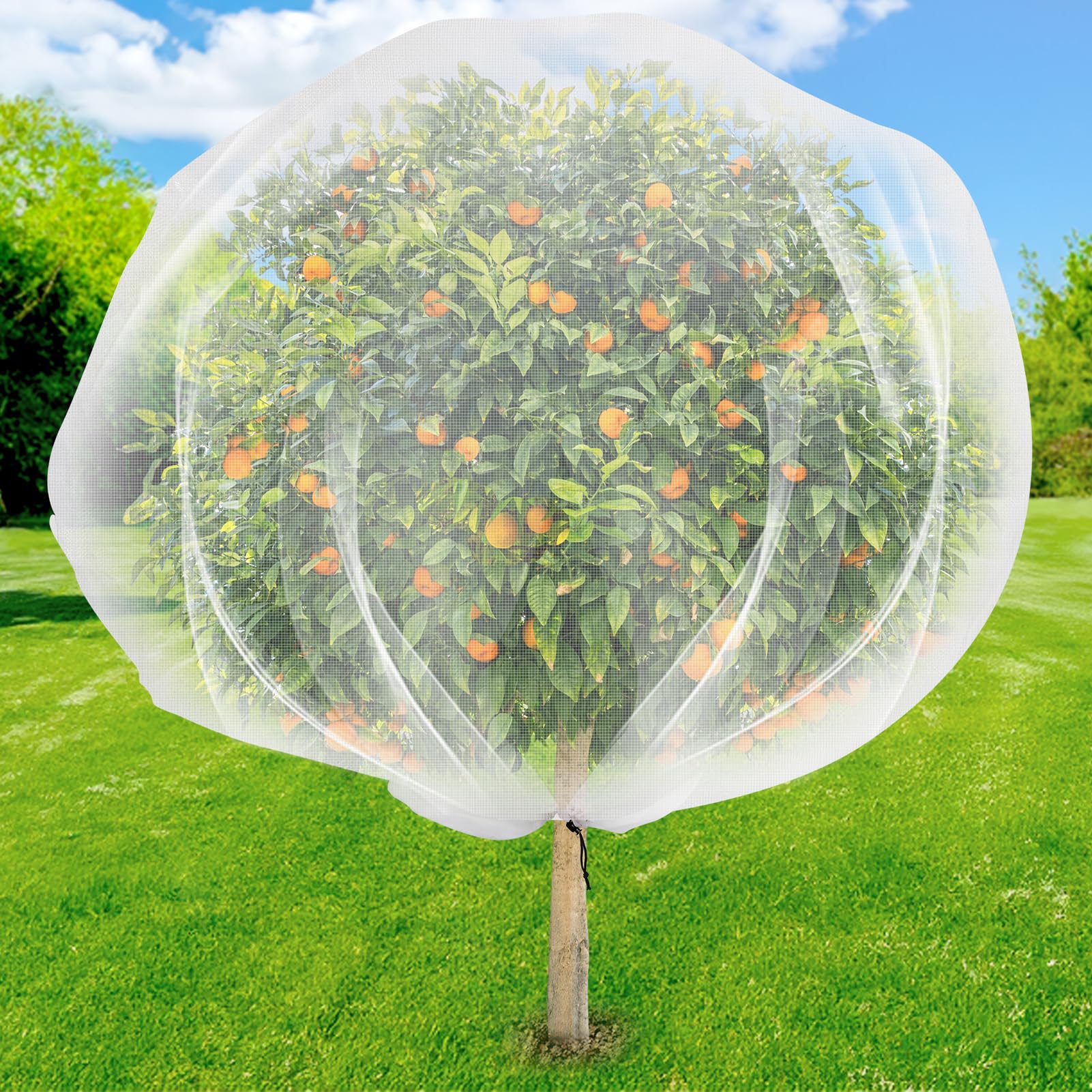
A ready-to-use bag that cinches around your tree and delivers perfect figs.
This is not a flat sheet you have to fold and drape — it is a pre-sewn cover with a built-in drawstring at the bottom. You slip it over the entire tree or shrub, pull the cord tight around the trunk, and the bugs and birds are locked out. Fig growers love it: one owner reported harvesting 27 perfect figs with no damage after two weeks of coverage. The fine nylon mesh blocks beetles, birds, and squirrels while letting sunlight and rain through to support healthy growth.
The 7×6-foot size fits small to medium fruit trees — apple, pear, peach, plum, cherry, and citrus — plus berry bushes and shrubs. It is lightweight enough that it will not weigh down branches, but that same lightness means a strong breeze can push the whole cover around like a sail if the tree is young and flimsy. Some owners note that determined squirrels may chew holes over time, and the mesh is not designed to stop a persistent rodent attack indefinitely.
Installation is straightforward: roll the bag up like a tube sock, place it over the top of the tree, and unroll it downward. The drawstring secures it at the base, and you are done.
Single-tree solution: The drawstring design makes it the fastest option for covering one fruit tree. If you have multiple trees or large beds, a flat roll is more economical — but for a prized fig or dwarf cherry, this is the easiest choice.
5. Garden Netting 10x33FT Ultra Fine Mesh, SnugNiture

An affordable 330-square-foot shield that kept one garden pest-free for seven months.
At just 1.2 pounds for a 10×33-foot roll, this is one of the lightest large-format nettings available. The 0.1mm x 0.1mm ultra-fine mesh blocks worms, bugs, caterpillars, and aphids while allowing airflow and sunlight to pass through. A fall vegetable gardener reported that their brassica patch stayed completely pest-free and worm-free for the entire season. The PE material is waterproof and sun-proof, so it does not degrade quickly under UV exposure.
The lightweight construction is a double-edged sword. It is easy to cut with scissors and drape over plants without damaging them, but the mesh can snag on rough edges or branches — one owner noted it tore when pulled against a sharp stake. The recommendation from experienced buyers is to handle it gently and use landscape pins or stones to anchor the edges rather than stretching it tight.
Versatility is a strong point: the same roll can cover a 12-foot raised bed, a rabbit enclosure, and still have leftover material for fig trees. It is the most affordable way to cover a large area, provided you are careful during installation.
Budget-large value: The 10×33 size is a genuine bargain for covering extensive garden space. The mesh is fine enough to stop tiny insects, but treat it with care — it is not as tear-resistant as the Nano-PP options.
6. Homoda Fruit Tree Netting Cover with Zipper & Drawstring, 2 Packs 8ft x 8ft
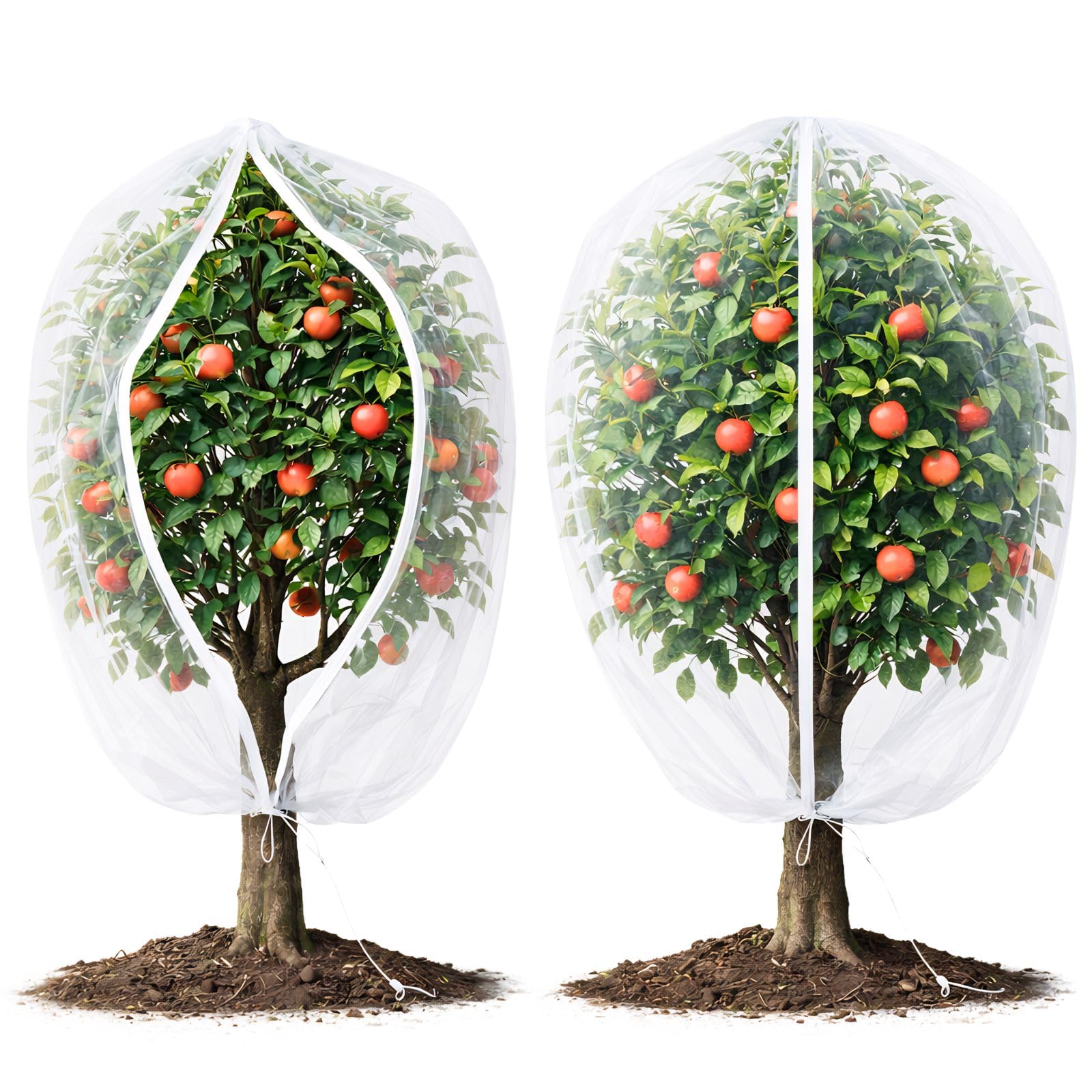
A zippered tree bag that lets you harvest without lifting the whole cover.
This is the easiest netting for frequent harvesting. The 8×8-foot bag has a zipper running down the side and an additional drawstring around the bottom. You unzip, reach in to pick your peaches or cherries, zip it back up, and the birds never get a chance to discover the ripe fruit. The HDPE (high-density polyethylene) mesh is lightweight and airy, so rain and sunlight pass through easily without the bag turning into a greenhouse. One dwarf cherry owner reported the 10×10 version was larger than expected and worked perfectly for two seasons.
Bird resistance is the most praised feature — 95 owners singled it out. The zipper is the clear highlight, but the drawstring also helps keep the cover from flying off in windy weather. The mesh itself is fine enough to block insects and small birds, though some owners mention the drawstring can break if over-tightened. The bag does not hold a round shape; it drapes over branches like a ghost costume, which some find visually awkward but functionally fine.
The pack comes with two bags, so you can cover a pair of dwarf trees or share one with a neighbor.
Easy Access
- Zipper allows easy harvesting without removing the net
- Drawstring closure keeps the bag secure against wind
- Two packs cover multiple trees or bushes
The Catch
- Drawstring can snap if pulled too tight
- Bag drapes loosely — does not hold a structured shape
Best for: Anyone who checks their fruit tree daily and wants a quick zip to reach the goods without a full re-cover.
Look elsewhere if: You need a flat roll for covering entire garden beds — this is specifically a tree bag.
7. Garden Tailor Insect Netting Pest Barrier, 2 Pack 4’x10′

Sturdy HDPE mesh with UV stabilizers that kept Japanese beetles off a whole summer.
This is the netting you grab when you need a sturdy, pre-cut panel that fits a standard raised bed with hoops. The 100% new HDPE material (high-density polyethylene — a denser, more UV-resistant plastic than standard PE) is UV-stabilized and held up through an entire hot season without deteriorating. At 40 mesh, the weave is tight enough to stop cabbage butterflies, carrot flies, and aphids while still letting water and sunlight through. One owner used it on a 5×2-foot raised bed with 36-inch hoops and reported zero critter damage all year.
The silver color is lighter than black netting, which reduces heat buildup inside the cover. The tight selvedge edge does not unravel when you cut it, so you can trim it to custom sizes without the edges fraying. The extra length in the 4×10-foot panel gives enough slack to secure the edges with soil or stones. It also works well as a mosquito screen for patios or windows — owners note it is thicker and more sturdy than standard curtain-style netting.
The pack includes two panels, so you can cover a long bed or two separate areas. Its insect protection is the highest-rated feature, by a wide margin.
Bed-ready size: The 4×10 panel is a perfect match for standard raised-bed hoops. The HDPE material resists UV breakdown better than basic PE, so it lasts multiple seasons without becoming brittle.
8. GonLei Garden Netting 10 X 50 FT Ultra Fine Netting

A 500-square-foot nylon sheet that stopped a nighttime bug from eating sweet-potato vines.
Fifty feet of netting in a single roll means you can cover a long row of vegetables, multiple blueberry bushes, or a whole grapevine trellis without piecing together smaller panels. The nylon mesh is durable enough to survive a season of weather, but customers note it is on the lighter side — one owner warned that wind can tear it if it is not anchored well. The bright white color makes it easy to see the netting, so you do not accidentally run into it with a tiller.
The ultra-fine weave stops June bugs, Japanese beetles, and birds from reaching your berries and sweet potatoes. The mesh allows water and sunlight to flow freely, so you can leave it on through rain without worry. Installation is simple: drape it over the plants and secure the edges with U-pins, stones, or the included clips. The roll is heavier than the 10×33 PE alternatives — 1.79 kg — so it feels substantial in your hands.
The main complaint is tear resistance: a few owners found that the mesh ripped unexpectedly when pulled over sharp corners. Approach it as a durable seasonal cover rather than a permanent fortress, and it is excellent value for the coverage area.
Maximum coverage: 50 feet is the longest single roll on this list. It is ideal for market gardeners or anyone with extended rows of crops. The nylon material is tough, but treat it carefully around sharp edges.
9. Rohuis Garden Netting Pest Barrier, 10×50 FT Ultra Fine Mesh
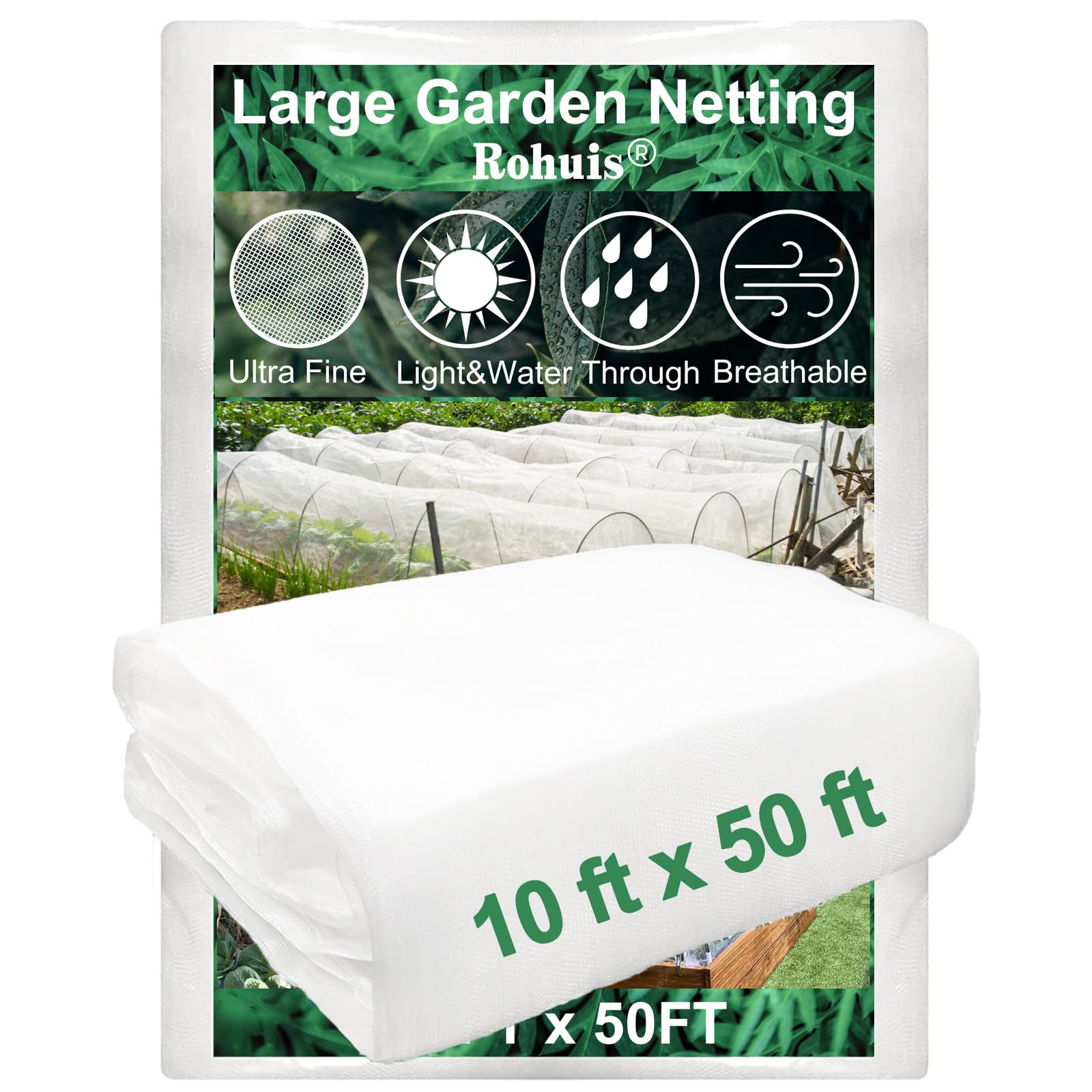
A sturdy PE roll that keeps birds off grapes and debris out of trees.
This netting matches the 50-foot length of the GonLei but uses a PE material that is slightly heavier than standard mesh. Owners note the fabric feels more substantial and sturdy than the typical bargain-grade net, yet it remains easy to cut with scissors. The ultra-fine weave stops mosquitoes, birds, and cicadas while letting rain and sunlight reach the plants. One grape-grower reported that the netting kept all critters off their vines and was super easy to work with.
The roll is compact at 0.9 kg, making it manageable to carry to the garden even at 50 feet. The versatility is a big draw: you can cover blueberries, tomatoes, raised beds, or use it as a mosquito barrier for a patio or balcony. It is also lightweight enough to drape over a trellis without needing heavy supports. The main feedback is that it is not heavy-duty — it will not survive the same abuse as the Nano-PP options, but for general pest exclusion at this price, it delivers reliable results.
The biggest weakness is the same as most PE netting: it can tear if snagged on a rough edge. Use landscape pins or stones to secure it rather than stretching it tight, and it will hold up through the season.
Reliable PE coverage: For the price per foot, this is solid pest protection that handles the basics well. It is not the toughest net in the lineup, but for seasonal use on vegetables and berries it gets the job done.
Understanding the Specs
Mesh Material: PE vs. Nano-PP vs. HDPE vs. Nylon
Standard polyethylene (PE) is the most common and affordable netting material — it is lightweight, waterproof, and lets light through, but it can tear if snagged. HDPE (high-density polyethylene) is a denser version that resists UV breakdown better, lasting multiple seasons without becoming brittle. Nylon is flexible and durable but heavier. Nanometer PPT and Nano-PP are the premium tier: they use nanocomposite polypropylene that is far more tear-resistant than any PE alternative. If you live in a windy area or have sharp branches, Nano-PP is worth the upgrade.
Mesh Size and Insect Exclusion
The mesh aperture is measured in millimeters or inches. A 0.04-inch or smaller mesh blocks most pests, including carrot flies, aphids, and cabbage worms. Wider mesh (around 0.1 inches) may still stop birds and larger beetles but lets tiny insects through. For vegetable beds where you are fighting multiple pest types, go with the finest mesh you can find. For fruit trees where birds and squirrels are the main enemy, a slightly wider weave is fine and allows more airflow.
Shade Rating and UV Resistance
Black netting with a 30% to 33% shade rating does double duty: it blocks bugs and creates a cooler microclimate underneath. On hot summer days, this can prevent lettuce from bolting, reduce water evaporation, and protect tender seedlings from scorching. White netting reflects light instead of absorbing it, which keeps plants cooler in full-sun climates. UV-stabilized materials resist degradation from sunlight, so they do not become brittle and crack after a few months outdoors.
Size and Configuration: Flat Rolls vs. Pre-Shaped Bags
A flat roll of netting (10×33, 10×50) is the most flexible option — you can cut it to any shape and use it on raised beds, hoops, or as a patio screen. Pre-shaped bags with drawstrings or zippers are purpose-built for fruit trees; they slip over the canopy and cinch around the trunk, which is much faster than wrapping a flat sheet. A zipper closure is a standout for frequent harvesting — you unzip, pick your fruit, and zip back up without exposing the whole tree to pests.
FAQ
How small do the holes need to be to stop aphids?
Can I water my plants without removing the netting?
Will this netting stop squirrels and deer?
How do I secure the netting so it does not blow away?
Can I cut the netting to a custom size?
How long does garden insect netting last before it needs replacing?
Is black netting better than white netting for my garden?
Will the netting damage my plants if it rests directly on them?
Can I use this netting as a mosquito screen for my patio?
What is the difference between drawstring closure and zipper closure on tree bags?
Final Thoughts: The Verdict
For most gardeners, the best garden insect netting winner is the 10x20ft Strong PP Nanocomposite Mosquito Net because its Nano-PP tear resistance and 33% shade rating handle the biggest concerns — durability and heat protection — in one roll. If you want a pre-shaped bag with a zipper for easy harvesting from a single tree, grab the Homoda Zipper Tree Net. And for maximum coverage at the lowest price per square foot, the RIFNY 2-Pack gives you two 10×33 rolls that keep bugs out all season without emptying your wallet.
How We Picked
We do not accept paid placement. Every pick is matched to a real buyer and a real use-case; we do not hands-on test units.
Sources & Methodology
Specifications: manufacturer listings and product documentation. Review insights: verified customer reviews, as of July 2026. Pricing: not shown on this page (it changes often); check the current price via the retailer link.
As an Amazon Associate, Lawn Gear Lab earns from qualifying purchases. This does not affect which products we feature.