
Specs are compiled from manufacturer listings and verified buyer reviews and can change over time — please confirm the key details on the product page before buying.
Peach leaf curl turns spring’s first green leaves into a crinkled, reddish mess, and brown rot can wipe out a ripening crop just days before harvest. The right fungicide stops both, but only if you pick one labeled for stone fruit and apply it at the correct window. This guide cuts through the choices to the formulas that actually protect your peaches through a wet season.
I’m Rikta — the founder and writer behind Lawn Gear Lab. This guide is built by comparing the manufacturers’ published specifications and the patterns across verified customer reviews, so you get each pick’s real strengths and trade-offs instead of marketing spin.
You will find a match here — the best fungicide for peach trees depends on the disease you are fighting and your comfort with concentrated mixing. The top pick, Atticus Gravex 20EW, uses the same active ingredient as the premium brand but costs less per ounce, giving you systemic (inside-the-tree) control for both brown rot and powdery mildew.
Quick Picks
- Atticus Gravex 20EW Fungicide (16 oz) — Best Overall
- Dow AgroSciences Eagle 20EW Fungicide (16 oz) — Premier Classic
- Bonide Captain Jack’s Copper Fungicide — Best Value
- Bonide Fruit Tree and Plant Guard Concentrate (16 oz) — Orchard Multi‑Tool
- Arber Organic Biofungicide Concentrate (16 oz) — Organic Champion
How To Choose The Best Fungicide For Peach Trees
Peach trees are vulnerable to several fungal diseases, and no single product cures everything. The trick is matching the active ingredient to the disease timing in your area.
Copper‑based protectants for early‑season prevention
Copper fungicides, such as Bonide Captain Jack’s Liquid Copper, form a protective layer on the bark and buds. They are best applied during the dormant season or just before bud swell to prevent peach leaf curl and shot‑hole disease. Because they sit on the surface, rain can wash them off, so you often need to reapply after heavy weather.
Systemic fungicides for in‑season control
Products with myclobutanil (the active in Atticus Gravex 20EW and Dow Eagle 20EW) move upward through the tree’s vascular system. This inside‑out action stops brown rot and powdery mildew from the inside and protects new growth as it emerges. They work curatively too, meaning you can apply them after you see the first signs of disease.
All‑in‑one sprays for convenience
If you are a hobby orchardist with a few trees, a multi‑purpose concentrate like Bonide Fruit Tree and Plant Guard combines a fungicide, insecticide, and miticide in one bottle. You get broad coverage with a single mixing step, but the trade‑off is a shorter list of controlled diseases compared to a dedicated systemic.
Quick Comparison
| Model | Best For | Active Ingredient | Form | Item Weight | Amazon |
|---|---|---|---|---|---|
| Atticus Gravex 20EW | Brown rot & broad‑spectrum control | Myclobutanil 19.7% | Liquid concentrate | — | Amazon |
| Dow Eagle 20EW | Powdery mildew & shot‑hole | Myclobutanil | Liquid concentrate | 1 Pounds | Amazon |
| Bonide Captain Jack’s Copper | Dormant‑season prevention | Copper | Ready‑to‑use spray | 2 Pounds | Amazon |
| Bonide Fruit Tree & Plant Guard | All‑in‑one orchard treatment | Multi (fungicide + insecticide) | Liquid concentrate | 16 ounces | Amazon |
| Arber Organic Biofungicide | Organic, pollinator‑safe use | Biological/plant‑derived | Liquid concentrate | 1.1 Pounds | Amazon |
In‑Depth Reviews
1. Atticus Gravex 20EW Fungicide (16 oz)
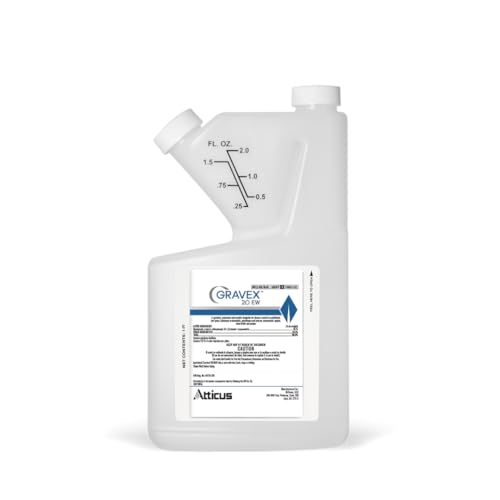
A systemic that soaks inside the tree to stop brown rot before it spoils the harvest.
This concentrate packs 19.7% myclobutanil (a fungicide that moves through the tree’s sap system, called a systemic) — the same active found in premium specialty fungicides but at a mid‑range price. Buyers report they treated peaches for brown rot 2 weeks before harvest after losing the previous crop, and despite heavy rain only one or two peaches were affected. The formula works both curatively and preventatively, providing protection for up to 28 days as the tree pushes out new leaves.
Because it moves upward through the tree’s vascular system, new growth after spraying stays protected — a feature surface‑only sprays cannot match. It covers more than 38 plant diseases including powdery mildew, scab, rust, and black spot, and is approved for use on residential fruit trees. Note that it is not available in Alaska, District of Columbia, New York, Puerto Rico, or Vermont, so always check your state regulations before ordering.
Compared to the Dow Eagle 20EW, the Atticus offers the same active ingredient profile at a lower per‑ounce cost. This makes it the smarter buy for peach growers who want systemic control without paying for the premium brand label. It is a liquid concentrate that requires measuring and mixing with water; buyers suggest the measuring spout makes this straightforward.
Why it wins: Curative and preventative action, up to 28‑day protection, and the same active as Eagle 20EW for less.
The one caveat: Not legal in every state — verify retailer restrictions for your location before buying.
The grower’s pick: This is the fungicide to reach for if brown rot has already stolen one crop from you. The systemic reach into new growth gives it an edge over contact sprays.
Avoid if: You want a no‑mix ready‑to‑use bottle — this is a concentrate that demands careful dilution.
2. Dow AgroSciences Eagle 20EW Fungicide (16 oz)

The agricultural‑grade standard that pros trust for shot‑hole and powdery mildew.
This is the premium reference fungicide for stone fruits — apples, stone fruits, and grapes are on the label. Buyers describe it as a strong agricultural fungicide effective against powdery mildew and shot‑hole disease, with one noting that a copper fungicide had been ineffective before they switched. It is systemic, meaning it works from the inside out to protect new growth, unlike a surface‑only copper spray.
At 1 Pound for the 16‑oz bottle, this concentrate is lighter than the Bonide Captain Jack’s Copper pack (2 Pounds) but requires more careful mixing. The instructions reference oz/acre/100gal rates, so you need to do some conversion for a home‑orchard sprayer. One buyer in zone 7 calls it their go‑to product for powdery mildew season after season.
The catch is the complexity: you need personal protective equipment (PPE) and precise measuring, and the label is written for commercial applicators. It is EPA‑registered and controls over 15 common diseases including dollar spot, brown patch, and anthracnose. If you want the exact same active that commercial growers use (myclobutanil) — and it controls more labeled diseases than the Bonide Fruit Tree & Plant Guard — this is the premium choice for experienced growers.
Real‑world proof
- Buyer confirms it saved multiple plantings after copper failed
The price of precision
- Complex mixing with oz/acre/100gal rates
- Requires PPE during application
Best for experienced growers: Use this if you are comfortable with concentrate math and want the most trusted myclobutanil formula available.
skip it if: You want a simple ready‑to‑use spray or an organic option — this is a concentrated chemical that demands care.
3. Bonide Captain Jack’s Copper Fungicide, 32 oz Ready‑to‑Use Spray (Pack of 2)

Grab‑and‑spray copper that broke the fungus cycle on a real peach tree.
This is the simplest way to get copper onto your peach tree — no mixing, no measuring, just a trigger spray bottle. It is approved for organic gardening and can be used right up until the day of harvest, which matters if you have fruit already on the tree. The label lists peach leaf curl directly, so you know it is formulated for your tree’s biggest spring threat.
Owners mention it reduced red fungus on a peach tree after the first application, and the following year there was zero fungus — the tree is healthier now. Early‑season prevention is the key: spray before bud swell in late winter, then reapply after rain. The 2‑Pack gives you two 16-oz ready‑to‑use bottles, covering treatment for several trees through the critical spring window.
Compared to the systemic Atticus Gravex 20EW, this copper stays on the surface and can wash off, so it needs more frequent reapplication. But for a hobby grower who wants a non‑toxic, low‑odor product they can hand to a family member to spray, this is far more convenient than mixing concentrates. The sprayer on the bottle works well, though you will want a pump sprayer for a full‑size tree.
The no‑fuss route: Open, shake, spray — ideal for dormancy and early spring leaf curl prevention.
Limitation to know: Rain washes it off, so you will likely need 3–4 applications through a wet spring.
Reach for this if: You want an organic, no‑mix copper spray that is labeled for peach leaf curl and safe to use up to harvest day. Perfect for beginners.
Look elsewhere if: You already have brown rot inside the fruit — copper will not cure active internal infections; you need a systemic for that.
4. Bonide Fruit Tree and Plant Guard Concentrate (16 oz)

One bottle fights fungus, insects, and mites — a combined arsenal for the home orchard.
This is a complete concentrate that mixes a fungicide, insecticide, miticide, aphicide, and scalicide into a single product. Customers note that after five years of losing fruit to mold and blackspot in humid Kentucky, two sprays in the spring produced delicious peaches in September for the first time. It is designed specifically for home orchards and covers apples, pears, cherries, peaches, and plums along with nut and ornamental trees.
The label controls powdery mildew, apple scab, flyspeck, black mold, and a list of insects including aphids, Japanese beetles, leafhoppers, and ants. You mix it yourself — the concentrate arrives in a 16‑ounce bottle, and depending on the plant and disease, there are different mixing rates. One experienced reviewer recommends a four‑spray schedule: at first white bloom, at petal fall (to control plum curculio), and two more at 10‑ to 14‑day intervals.
The trade‑off is that it is a broad‑spectrum product rather than a targeted fungicide. If your only problem is peach leaf curl, a dedicated copper spray may be cheaper and more effective. But if you deal with both peach scab and Japanese beetles every season, this all‑in‑one simplifies your spring routine enormously.
Why it simplifies things
- Controls pests and disease in one mixing step
- Buyers confirm it turned no‑fruit years into bumper crops
The catch
- Not a targeted fungicide — less effective on heavy brown rot than a dedicated systemic
- Shelf life matters — reviewers point out old stored bottles degraded
Best for multi‑problem orchards: If insects and fungus hit your trees every year, this single concentrate covers both with one spray schedule.
Pass if: You only need a fungicide — you will pay for insecticides you do not use.
5. Arber Organic Biofungicide Concentrate (16 oz)

The bio‑powered concentrate that saved a peach crop when synthetics failed.
This organic formula uses plant‑derived active ingredients and certified‑organic biologicals instead of synthetic chemicals. A buyer whose extension service said nothing could be done for bacterial leaf blight on peach trees reported that this product stopped the outbreak after other fungicides failed. They applied every 5 days for four applications, then switched to 10‑day intervals, and saved the fruit crop for a large harvest.
It creates a protective barrier on leaves and roots, targeting powdery mildew, leaf spot, root rot, and lawn diseases while staying safe around kids, pets, and pollinators when used as directed. Low odor and indoor‑friendly, it is a concentrate that you dilute with water and spray on — the bottle measures 3.8 x 2 x 7 inches and weighs 1.1 Pounds. The manufacturer claims a shelf life of up to 3 years, so you can stock it across seasons.
Compared to the copper and myclobutanil options, this biological approach works slower and requires more frequent applications (every 5 days during active infection). It also will not cure root rot — one buyer found it ineffective against soil‑borne fungi like Armillaria. But for a peach grower who wants zero synthetic residues and a product proven effective against a blight that an extension service wrote off, it is the only organic choice that delivers that kind of documented success.
The organic ace: Proven against bacterial leaf blight on peach trees when conventional fungicides had failed.
The honest limit: Not effective against root rot — the label does not cover Armillaria or similar soil fungi.
Choose this if: You need a certified‑organic, pollinator‑safe fungicide that has real reviews showing it saved a peach crop from blight.
pass on it if: You need a quick curative — this is a biological that demands consistent reapplying during active disease.
FAQ
When should I spray fungicide on peach trees?
Can I use copper fungicide on peach trees?
What is the difference between a copper fungicide and a systemic fungicide?
Is myclobutanil safe for fruit trees?
How often should I apply fungicide to my peach trees?
Can I use a fruit tree spray that also kills insects?
Will organic fungicide work on peach leaf curl?
How do I mix a fungicide concentrate for my peach tree?
Can I spray fungicide when peaches are on the tree?
What is the shelf life of fungicide for peach trees?
Final Thoughts: The Verdict
For most peach growers, the top fungicide for peach trees is the Atticus Gravex 20EW because it combines systemic curative power, up‑to‑28‑day protection, and the same active ingredient as the premium brand at a lower cost. If you want a convenient no‑mix copper spray for dormant‑season prevention, grab the Bonide Captain Jack’s Copper Fungicide. And for an organic grower who needs a pollinator‑safe option proven against bacterial blight, the Arber Organic Biofungicide is the standout pick for its real-world results.
How We Picked
We do not accept paid placement. Every pick is matched to a real buyer and a real use-case; we do not hands-on test units.
Sources & Methodology
Specifications: manufacturer listings and product documentation. Review insights: verified customer reviews, as of July 2026. Pricing: not shown on this page (it changes often); check the current price via the retailer link.
As an Amazon Associate, Lawn Gear Lab earns from qualifying purchases. This does not affect which products we feature.