
Specs are compiled from manufacturer listings and verified buyer reviews and can change over time — please confirm the key details on the product page before buying.
Dahlias are magnets for fungal trouble. One damp week and you are staring at a powdery white film on the leaves, black spots climbing the stems, or a sudden wilt that turns a prize-winning bloom into mush. The difference between a garden that thrives and one that crashes is catching the right chemistry early — and choosing a spray that targets the exact disease on your plants without harming the pollinators that keep your flowers coming.
I’m Rikta — the founder and writer behind Lawn Gear Lab. This guide is built by comparing the manufacturers’ published specifications and the patterns across verified customer reviews, so you get each pick’s real strengths and trade-offs instead of marketing spin.
Whether you are dealing with a surprise mildew outbreak in a wet autumn or want a preventative schedule for a show-quality dahlia patch, these are the top performers you can actually trust. This is your hands-on guide to the best fungicide for dahlias.
Our Picks at a Glance

How To Choose The Best Fungicide For Dahlias
Picking the wrong bottle wastes your time and lets the fungus spread to the next plant. Three things matter most: the active ingredient, the format (concentrate vs. ready-to-use), and if you need a protectant or a cure.
Match the Active Ingredient to the Disease
Chlorothalonil is the heavy hitter for black spot, rust, and botrytis — it stops spore germination on contact. Copper soaps are gentler and OMRI-listed for organic gardens, but they work best as a preventative rather than a rescue. A biological option like Bacillus subtilis (a beneficial bacterium that crowds out fungal spores) fights fungi through competition, making it a smart rotation partner to avoid resistance buildup.
Concentrate vs. Ready-to-Use (RTU)
A concentrate like Cleary 3336F or Dr. Earth lets you mix exactly the strength you need — 4 ounces per gallon for an active infection, 2 ounces for maintenance. RTU bottles are convenient for a quick spot treatment on a single dahlia, but the cost per gallon is higher and you cannot adjust the dose for a stubborn outbreak.
Protectant vs. Curative Timing
Most fungicides work best before the fungus takes hold. Apply a protectant spray (like Daconil) every 7–14 days during wet weather. If you already see spots or mildew, you need a curative product with systemic or translaminar (absorbed into the leaf surface) activity, such as Cleary 3336F, which owners say shows visible improvement in as little as three days.
Quick Comparison
| Model | Best For | Active Ingredient | Bottle Size | Format | Amazon |
|---|---|---|---|---|---|
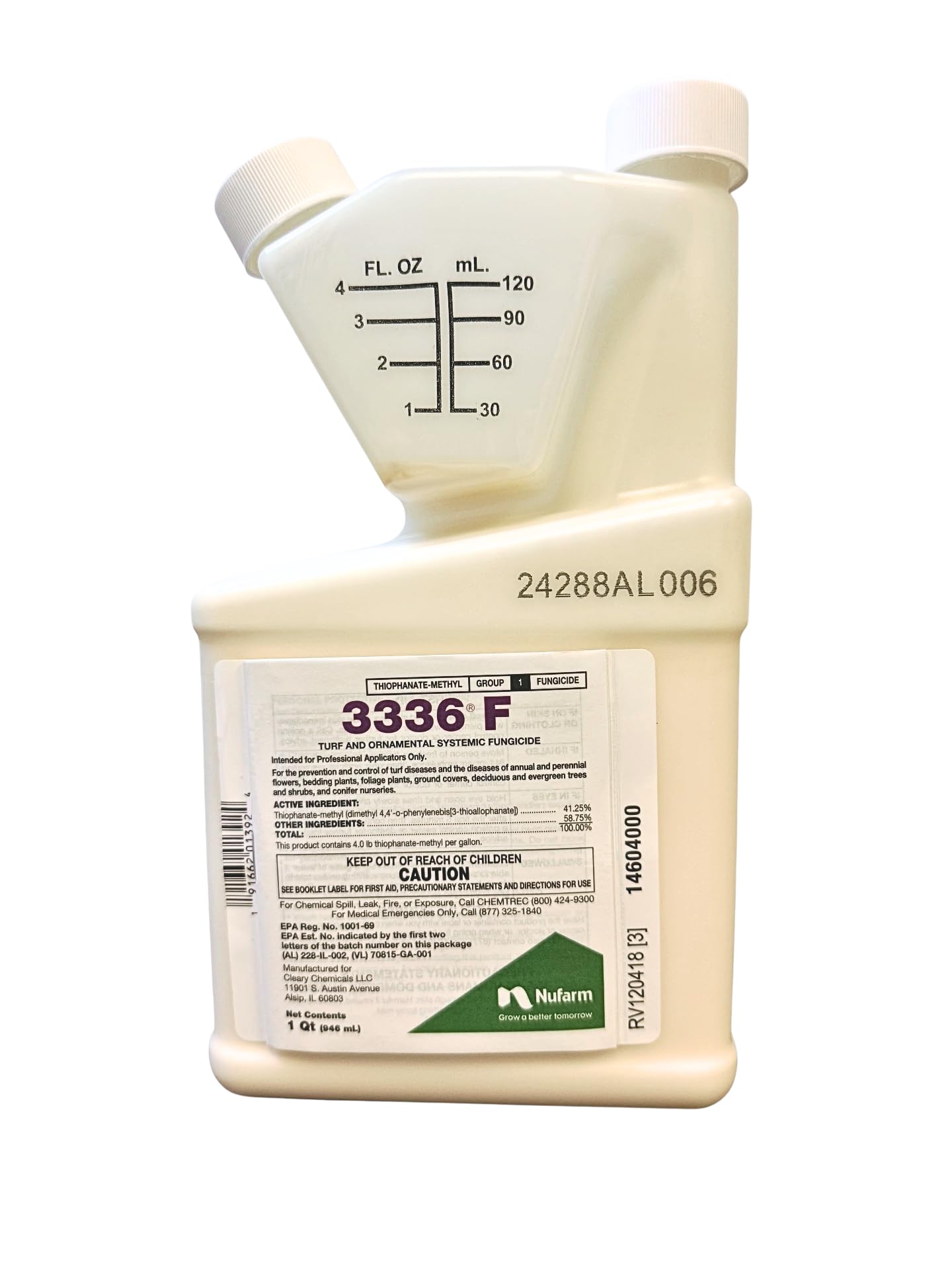
| Cleary 3336F★ Best Overall | Curative Rescue Treatment | Thiophanate-methyl | 33.31 fl oz | Liquid Concentrate | Amazon |
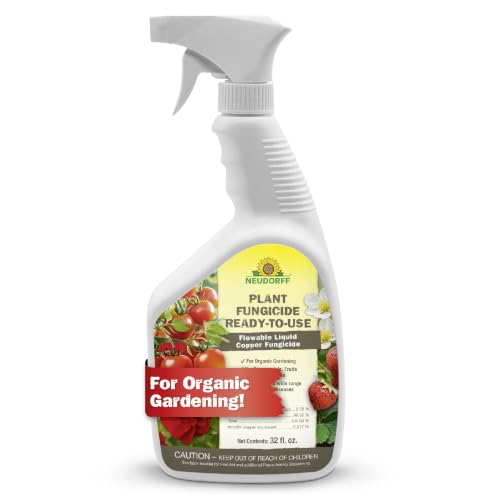
| Neudorff Copper SoapOrganic Pick | Organic Prevention | Copper Soap | 32 fl oz | Ready-to-Use | Amazon |
| GardenTech Daconil RTUBlack Spot Cure | Quick Black Spot Control | Chlorothalonil | — | Ready-to-Use | Amazon |
| Dr. Earth Concentrate | Organic & Pet-Safe Use | Malic Acid, Rosemary Oil | 24 fl oz | Liquid Concentrate | Amazon |
| Daconil Fungicide | Broad-Spectrum Prevention | Chlorothalonil | 16 oz | Liquid Concentrate | Amazon |
| Trifecta Crop Control | Pest + Fungus Combo | Natural Essential Oils | 32 fl oz | Ready-to-Use | Amazon |
| Ortho MAX Disease | Budget Concentrate | Chlorothalonil (29.6%) | 16 fl oz | Liquid Concentrate | Amazon |
| Cease Biofungicide | Commercial / Organic Large Scale | Bacillus subtilis | 128 fl oz | Liquid Concentrate | Amazon |
In‑Depth Reviews
1. Cleary 3336F Fungicide – qt
Our pick — 4.5★ from 200+ verified ratings; the strongest balance of quality and price.
The emergency-room spray that pulls dahlias back from the brink.
When powdery mildew or botrytis has already taken hold, you need something that works from the inside out. Cleary 3336F uses thiophanate-methyl, a systemic fungicide (absorbed into plant tissue to stop disease internally) so it fights fungus even in hidden leaf folds. Buyers report applying it at 4 ounces per gallon on fescue brown spot and seeing visible improvement in three days. That kind of speed matters when a single infected dahlia can spread spores to every plant in the bed overnight.
The concentrate in the 33.31-ounce bottle goes a long way. Owners note that even after a severe infection returns following six weeks, a reapplication cleans things back up within two days. A follow-up preventative dose at 2 ounces per gallon within two weeks keeps the disease from coming back. The bottle holds enough for multiple full-bed treatments across a season. The most-discussed praise here is effectiveness — it is what buyers single out more than anything else, with nearly four dozen owners calling it the standout trait.
The crowd consensus is that this is the best product on the market for serious fungal infections, and the crowd is backed by a 4.5-star score from over 200 ratings. That is an unusually high approval rate for a curative fungicide, which tells you it delivers.
The Comeback Creator
- Systemic action stops disease inside the plant tissue
- Visible recovery in three days on brown spot
- Concentrate stretches to many treatments
The Fine Print
- Higher upfront cost than RTU options
- Fungus can return after six weeks without a follow-up
Best for serious outbreaks: If you have a dahlia bed with active disease that you need to save fast, this is the most proven option in the lineup. A buyer who prefers a single RTU spray for occasional spot use should choose the GardenTech Daconil RTU instead — that bottle requires no mixing for a quick treat.
2. Neudorff Plant Fungicide Spray Copper Soap
A copper shield that keeps organic dahlias clean without chemical residue.
This is the spray to reach for if you harvest dahlia blooms for the dinner table or keep an organic vegetable garden right next to your flower patch. Neudorff’s copper soap formula is approved for use up to the day of harvest, and it targets the usual dahlia troublemakers: powdery mildew, rust, black spot, and leaf spot. The ready-to-use 32-ounce bottle means no mixing, no measuring — just point and spray when you first see symptoms or two weeks before disease season starts.
One owner reports that it eliminated a fungus that almost killed a decades-old gardenia, with the plants flowering again after treatment. Another says it cleaned black fungus spots off tomatoes completely, leaving defect-free fruit. The slight trade-off is that copper soap works better as a preventative than a cure. Effectiveness is the aspect owners mention most by a wide margin, with more than forty people calling it effective. A few owners caution that it can cause leaf burn on sensitive plants, so test a small area first.
At 32 fluid ounces per bottle you will need to reapply every 7–10 days and after rain, but the bottle is easy to stash in a garden caddy and the sprayer delivers a consistent mist. It is the right pick for growers who prioritize organic compliance over knock-out curative power. For a rescue of an active mildew outbreak, the Cleary 3336F works far faster.
The Clean Gardener’s Ally
- Can be used up to day of harvest
- Controls a wide range of dahlia diseases
- Odorless and ready to spray
The Limit
- Best as a preventative, not a rescue treatment
- May cause leaf burn on tender new growth
3. Gardentech Daconil Fungicide Rtu Spray
The no-fuss spray that rescued 35 plants from black spot in one month.
Daconil is a household name in the fungicide world for a reason. This ready-to-use version puts chlorothalonil — a contact fungicide (kills spores on the leaf surface) — straight into a spray bottle with zero mixing. One owner reports reviving 35 plants after just two applications over a month, even on foliage where the leaves had already died back from black spot. For a dahlia grower staring down a late-summer mildew explosion, that is a powerful lifeline.
The bottle weighs 2.3 pounds, so it has heft, and the sprayer is simple to operate. A few users note that the liquid is a bit thick for a true mist setting — it tends to stream rather than atomize — meaning you have to work the trigger carefully to get good coverage on the underside of dahlia leaves. That is the main practical gripe in the reviews.
Still, the effectiveness speaks for itself. Multiple owners call it the best fungicide they have found, and the 4.4-star rating across over a hundred reviews backs that up. Use it as a preventative every 7–14 days or as a curative the moment you see the first spot. If you need a concentrate, the Daconil Concentrate is a better value for larger beds.
Grab-and-go performer: If you want a single bottle that does not require mixing and takes down black spot fast, this is the one. The cost per treatment is higher than a concentrate, but you are paying for convenience and proven results.
4. Dr. Earth Concentrate Fungicide, 24 oz

A 100% organic concentrate that smells good and works without chemicals.
Dr. Earth’s 24-ounce concentrate is made from malic acid and rosemary oil — two ingredients you can actually pronounce. That matters if you have dogs roaming through the garden or you grow dahlias alongside vegetables. Owners mention that it knocks down lawn fungus and aphids on plum trees and that the grass color visibly shifts within hours of application. The concentrated formula requires mixing and reapplying every two weeks, but one bottle makes many gallons of spray.
The thing owners praise most is effectiveness (over thirty people mention it), followed closely by the natural formula and the pleasant fragrance. The container has a minor packaging flaw — a few units arrived with the securing top missing but the inner seal intact. That is an occasional shipping glitch, not a product performance issue. The 4.4-star rating across more than 200 reviews confirms that buyers find it reliable for organic disease control.
5. Daconil Fungicide, 16-oz. Concentrate

The workhorse concentrate that prevents over 80 plant diseases before they start.
This is the Daconil concentrate that serious gardeners keep on the shelf for routine preventative treatment. It is designed for flowers, vegetables, shrubs, fruit, and shade trees — which means your dahlias are right in its wheelhouse. The active ingredient, chlorothalonil, stops and prevents more than 80 listed plant diseases, including the leaf spots and blights that attack dahlias most often. Unlike the RTU version, this 16-ounce concentrate lets you control the mix strength, so you can dial in a lighter maintenance dose or a heavier curative application.
One owner nursed a Hoopsie Blue Spruce back from severe needle-drop fungus by following the directions for two years. Another says it killed anthracnose (a fungal blight) on a stubborn tree after other products failed. The efficacy lasts longer than the suggested reapplication window, according to buyers, meaning you get good residual protection between sprays. At 4.4 stars from over a hundred ratings, it is a solid, trusted option that has been around long enough to prove itself.
The only thing to note is that it is for outdoor residential use only — do not use it in a greenhouse without proper ventilation. For a large dahlia patch that needs consistent protection through a wet season, this concentrate is tough to top. The Ortho MAX concentrate uses the same chlorothalonil chemistry but offers more spray volume per dollar.
Reliable season-long protection: Use this as your baseline spray in the rotation. Apply every 7–14 days during wet weather and your dahlias will stay cleaner than they would with any RTU spray, because you are mixing exactly the right concentration.
6. Trifecta Crop Control Maximum Strength Natural Pesticide & Fungicide

A natural formula that tackles fungus, mites, and mildew in one pass.
Trifecta is different from every other product on this list. It combines pesticide, fungicide, and miticide in a single 32-ounce ready-to-use bottle, using natural essential oils as the active agents. For a dahlia grower who also battles spider mites and aphids every summer, this means one spray session instead of three. The formula suffocates and dehydrates soft-bodied pests while controlling powdery mildew and botrytis on the same leaf surface. It dries fast and leaves no toxic residue, making it safe for edible crops and indoor plants.
Customers note that it stopped a bug infestation on black cherry sunflowers and that it works beautifully on butterfly bushes. The main caveat is cost. The 32-ounce bottle uses 2–4 ounces per gallon, so a weekly treatment on a large dahlia bed will burn through the bottle quickly — one reviewer noted it is not cost-effective for multi-plant outdoor gardens. It also kills adult spider mites but not their eggs, requiring diligent daily spraying to break the life cycle. That said, the crowd of over 7,600 ratings gives it a 4.2-star average, and growers love it for small, high-value patches and indoor starts.
If your dahlias are in pots on a patio or you start tubers indoors, Trifecta is a tidy all-in-one solution. For a sprawling in-ground bed, a dedicated fungicide like the Daconil Concentrate is a far better value.
7. Ortho MAX Garden Disease Control Concentrate, 16-Ounce

A 16-ounce concentrate that makes up to 64 gallons of spray for a song.
Dollar for gallon, Ortho MAX Garden Disease Control is the best value in this roundup. The active ingredient is chlorothalonil at 29.6% — the same heavy-duty compound Daconil uses — but the 16-ounce concentrate stretches to 64 gallons of diluted spray. That is enough to treat a large dahlia bed weekly for an entire season. It stops and prevents leaf spots, rust, blights, fruit rots, mildews, scab, and molds, covering every fungal threat your dahlias are likely to face.
Buyers put it to work on photinia leaf spot, blue spruce needle drop, and black spot on roses. One owner says it solved a persistent leaf-spot problem that other sprays failed to touch, using monthly applications with a hose-end sprayer and twice-monthly during rainy spring weather. Another notes that it does not cause the leaf damage that some similar products do on sensitive ornamentals. The 4.0-star rating across 87 ratings is solid for a budget-priced concentrate, though the lower review count means it has less long-term owner data than the Daconil concentrate.
If you are expanding your dahlia collection and need volume without a big spend, this is the concentrate to buy. Just be diligent about coverage — chlorothalonil is a contact fungicide that needs to coat every leaf surface to work.
The high-volume value king: When you have a lot of ground to cover and the same chlorothalonil chemistry works fine, the Ortho MAX gives you the most spray for your money. Plan for regular reapplications to maintain protection.
8. Cease Foliar Disease Control/Microbial Fungicide and Bactericide – 1 Gallon

A microbial biofungicide that serious growers use for organic rotation and resistance management.
There are two honest hurdles. First, the mixing instructions on the label are written for 100-gallon commercial sprayers, so a home gardener needs to do some math to size the dose down for a handheld sprayer — a few owners found this frustrating enough to return the bottle. Second, the product has a strong odor that owners describe as smelling like moldy towels or stinky feet, though it fades quickly after drying. At 4.3 stars from 78 ratings, the owners who stick with it love the biological mode of action and the fact that it is safe to use through the flowering stage.
This is not a casual purchase. It is for the dedicated dahlia grower who wants an organic rotation partner for chlorothalonil or copper sprays, or who needs to treat a large collection without synthetic residues. A smaller garden is better served by the Dr. Earth concentrate, which is easier to mix and apply.
Understanding the Specs
Systemic vs. Contact Fungicides
A systemic fungicide (like Cleary 3336F with thiophanate-methyl) is absorbed into the plant’s tissue and moves through the sap, stopping disease from the inside. This matters for dahlias because powdery mildew and botrytis often hide inside folded leaves or stem crevices where a spray cannot reach. A contact fungicide (like Daconil with chlorothalonil) stays on the leaf surface and kills spores before they germinate. Contact types need thorough coverage — coat the top and bottom of every leaf — but they are excellent for prevention.
Organic vs. Synthetic Active Ingredients
Organic options (copper soap, malic acid, rosemary oil, Bacillus subtilis) break down faster in the environment and are safe around pets, pollinators, and edible crops. The trade-off is shorter residual activity — rain and UV light degrade them quickly, so you reapply more often. Synthetic fungicides like chlorothalonil and thiophanate-methyl persist longer on the leaf surface and deliver stronger curative punch against established infections. Many smart dahlia growers use both in rotation: a synthetic during wet danger periods and an organic for maintenance in dry spells.
FAQ
Can I use a lawn fungicide on my dahlias?
How often should I spray my dahlias with fungicide?
What is the best time of day to apply fungicide to dahlias?
Will fungicide hurt bees and other pollinators on my dahlias?
Can I mix fungicide with insecticide in the same sprayer?
Does rain wash off fungicide immediately after application?
What causes brown spots on dahlia leaves and which fungicide stops it?
Is Daconil the same as Ortho MAX Garden Disease Control?
Can I use a systemic fungicide like Cleary 3336F on edible flowers?
What should I do if my dahlias get powdery mildew late in the season?
Final Thoughts: The Verdict
For most dahlia growers, the fungicide for dahlias winner is the Cleary 3336F because it delivers the fastest curative action against established disease, backed by a 4.5-star approval from hundreds of owners who saw real results in days. If you want an organic spray that is safe right up to harvest day, grab the Neudorff Copper Soap. And for budget-conscious growers covering a big bed, the Ortho MAX Garden Disease Control concentrate gives you up to 64 gallons of effective chlorothalonil protection for the lowest cost per treatment. Pick the one that matches your garden size and philosophy, and spray on a schedule — your dahlias will reward you with clean foliage and nonstop blooms.
How We Picked
We do not accept paid placement. Every pick is matched to a real buyer and a real use-case; we do not hands-on test units.
Sources & Methodology
Specifications: manufacturer listings and product documentation. Review insights: verified customer reviews, as of July 2026. Pricing: not shown on this page (it changes often); check the current price via the retailer link.
As an Amazon Associate, Lawn Gear Lab earns from qualifying purchases. This does not affect which products we feature.